Why Vintage Supercars Are Treated Like Investment Artifacts
The allure of vintage supercars captivates enthusiasts and collectors alike, drawing them into a world where engineering excellence meets timeless design. These vehicles are not me…
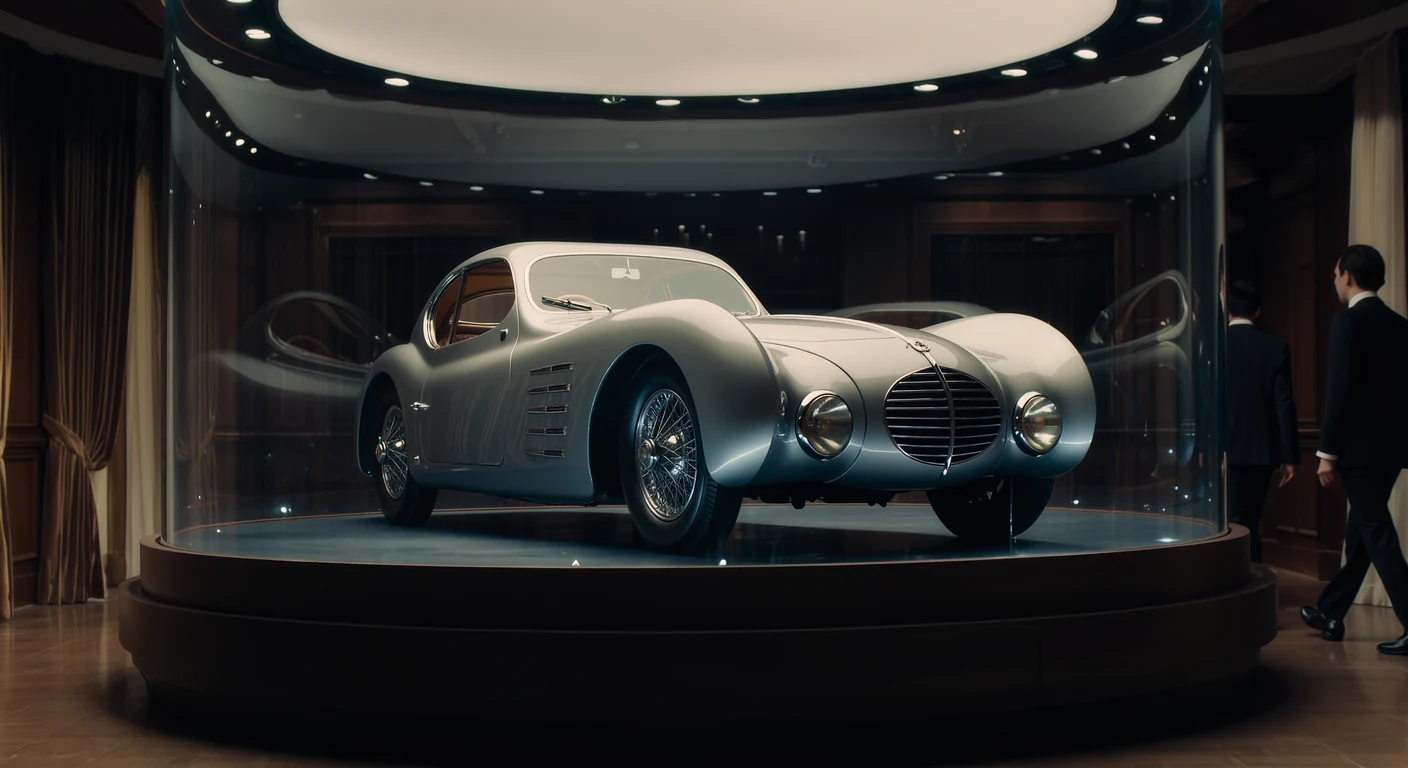
The allure of vintage supercars captivates enthusiasts and collectors alike, drawing them into a world where engineering excellence meets timeless design. These vehicles are not merely modes of transportation; they represent a rich tapestry of history, innovation, and passion. The sleek lines, powerful engines, and unique craftsmanship of vintage supercars evoke nostalgia and admiration, making them coveted treasures in the automotive realm.
For many, owning a vintage supercar is a dream that transcends mere possession; it is an experience steeped in heritage and prestige. As the automotive landscape evolves, the charm of vintage supercars remains undiminished. They embody a golden era of motoring, where performance and aesthetics were paramount.
The roar of a classic engine and the gleam of polished chrome transport enthusiasts back to a time when driving was an art form. This emotional connection fuels the desire to own these magnificent machines, ensuring that their allure endures through generations.
Key Takeaways
- Vintage supercars are prized for their rarity, historical significance, and timeless design.
- Limited production numbers enhance their exclusivity and collectible value.
- Preservation and restoration are crucial to maintaining their performance and appeal.
- Pop culture and media have significantly boosted their desirability and market demand.
- Vintage supercars offer strong investment potential with growing global auction interest.
Historical Significance and Rarity
Vintage supercars hold immense historical significance, often marking pivotal moments in automotive development. Each model tells a story, reflecting the technological advancements and cultural shifts of its time. For instance, the Ferrari 250 GTO, produced in the early 1960s, is not just a car; it symbolizes the peak of Italian automotive engineering and racing heritage.
Its rarity, only 39 units were ever made, adds to its mystique and desirability among collectors. The rarity of these vehicles is a key factor in their appeal. Many vintage supercars were produced in limited numbers, making them hard to find today.
This scarcity creates a sense of exclusivity that enhances their value. Collectors often seek out these rare gems not only for their aesthetic beauty but also for their historical importance. Owning a piece of automotive history is a privilege that few can claim, making vintage supercars highly sought after in the collector’s market.
Collectible Value and Appreciation
The collectible value of vintage supercars has skyrocketed over the years, with some models appreciating significantly in worth. This trend is driven by various factors, including rarity, historical significance, and demand among collectors. For instance, models like the Porsche 911 and Aston Martin DB5 have seen their values soar as enthusiasts recognize their iconic status and timeless appeal.
Moreover, the appreciation of these vehicles is often fueled by auction results that capture public attention. High-profile auctions frequently feature vintage supercars that fetch staggering prices, further solidifying their status as valuable collectibles.
As more collectors enter the market, the competition for these rare vehicles intensifies, driving prices upward. This trend highlights the dual nature of vintage supercars as both objects of desire and sound investments.
Limited Production and Exclusivity
Limited production runs are a hallmark of vintage supercars, contributing to their exclusivity and desirability. Manufacturers often produced these vehicles in small quantities to maintain quality and craftsmanship. This approach not only ensured that each car was unique but also created a sense of urgency among buyers.
The knowledge that only a handful of units exist adds to the allure, making these cars highly coveted among collectors. Exclusivity extends beyond mere numbers; it encompasses the brand’s reputation and heritage as well. Brands like Bugatti and Lamborghini have cultivated an image of luxury and performance that enhances the desirability of their vintage models.
Owning a limited-production supercar is akin to possessing a piece of art, each vehicle is a testament to the brand’s legacy and commitment to excellence. This exclusivity fosters a community among owners who share a passion for these remarkable machines.
Preservation and Restoration Efforts
Preserving vintage supercars requires dedication and expertise, as these vehicles often demand specialized care to maintain their original condition. Restoration efforts are crucial for ensuring that these cars remain roadworthy while retaining their historical integrity. Skilled craftsmen and restorers play an essential role in this process, using authentic parts and techniques to restore these vehicles to their former glory.
The preservation of vintage supercars is not just about maintaining aesthetics; it also involves safeguarding their mechanical components. Regular maintenance and careful handling are vital to prevent deterioration over time. Enthusiasts often invest significant resources into restoration projects, ensuring that these cars can be enjoyed for years to come.
This commitment to preservation reflects the deep respect that collectors have for automotive history and craftsmanship.
Influence of Pop Culture and Media
The influence of pop culture on vintage supercars cannot be overstated. Movies, television shows, and music have all played significant roles in shaping public perception and desire for these iconic vehicles. Films like “James Bond” have immortalized models such as the Aston Martin DB5, turning them into symbols of sophistication and adventure.
Such portrayals elevate the status of these cars, making them aspirational objects for fans around the world. Media coverage also contributes to the allure of vintage supercars by showcasing their beauty and performance at prestigious events like Concours d’Elegance or Pebble Beach. These platforms provide opportunities for enthusiasts to admire these vehicles up close while fostering a sense of community among collectors.
The intersection of pop culture and vintage supercars creates a dynamic narrative that keeps these vehicles relevant in contemporary society.
Connection to Automotive Design and Engineering
Vintage supercars represent the pinnacle of automotive design and engineering, showcasing innovative technologies that were groundbreaking for their time. The meticulous attention to detail in their construction reflects a commitment to excellence that resonates with enthusiasts today. From aerodynamic shapes to powerful engines, these vehicles embody the spirit of innovation that defines the automotive industry.
The connection between vintage supercars and design extends beyond functionality; it encompasses artistry as well. Many models feature stunning aesthetics that have become iconic in their own right. The curves of a Jaguar E-Type or the aggressive stance of a Lamborghini Miura are not just functional; they are expressions of creativity that continue to inspire modern automotive designers.
This blend of engineering prowess and artistic vision makes vintage supercars timeless masterpieces.
High Performance and Timeless Appeal
High performance is synonymous with vintage supercars, as they were engineered for speed and agility long before modern advancements in technology emerged. These vehicles often boast impressive horsepower figures and cutting-edge engineering that set them apart from their contemporaries. The thrill of driving a vintage supercar is an experience unlike any other, as enthusiasts revel in the raw power and precision handling that these machines offer.
Timeless appeal is another defining characteristic of vintage supercars. Their designs have aged gracefully, remaining relevant even as automotive trends evolve. Unlike many modern cars that may quickly become outdated, vintage supercars possess an enduring charm that captivates new generations of enthusiasts.
This timelessness ensures that they will continue to be celebrated long into the future.
Investment Potential and Financial Returns
Investing in vintage supercars presents unique opportunities for financial returns that can rival traditional investments like stocks or real estate. As demand for these vehicles continues to grow, so does their value in the collector’s market. Certain models have appreciated significantly over time, making them attractive options for investors seeking alternative assets.
Moreover, the rarity and historical significance of specific models can lead to substantial financial gains at auctions or private sales. Collectors who carefully select their investments based on market trends can see impressive returns on their initial purchases. This potential for appreciation makes vintage supercars not only a passion but also a viable investment strategy for those looking to diversify their portfolios.
Global Market Demand and Auction Trends
The global market demand for vintage supercars has surged in recent years, driven by an increasing number of collectors entering the space. Auctions featuring these vehicles have become high-profile events that attract bidders from around the world. The competitive nature of these auctions often results in record-breaking sales prices, further highlighting the desirability of vintage supercars.
Auction trends reveal insights into which models are currently in demand and which brands are gaining traction among collectors. For instance, certain Ferrari models consistently fetch high prices due to their racing pedigree and limited production runs. Understanding these trends can help potential buyers make informed decisions when entering the market, ensuring they invest in vehicles with strong appreciation potential.
Future Outlook for Vintage Supercars
The future outlook for vintage supercars remains bright as interest continues to grow among new generations of enthusiasts and collectors. As more people recognize the value of preserving automotive history, the demand for these vehicles is likely to increase further. Additionally, advancements in technology may enhance restoration efforts, allowing more individuals to enjoy these classic machines without compromising their integrity.
Furthermore, as electric vehicles gain prominence in the automotive industry, vintage supercars may become even more cherished as symbols of a bygone era. Their unique blend of performance, design, and history will ensure they remain relevant in discussions about automotive culture for years to come. The future holds exciting possibilities for vintage supercars as they continue to capture hearts and imaginations around the globe.
In conclusion, vintage supercars are more than just cars; they are embodiments of history, artistry, and engineering excellence. Their allure lies not only in their performance but also in their stories and significance within automotive culture. As collectors continue to seek out these rare gems, the legacy of vintage supercars will undoubtedly endure for generations to come.
FAQs
What defines a vintage supercar?
A vintage supercar is typically a high-performance luxury sports car produced during the early years of the supercar era, often from the 1960s to the 1980s. These cars are known for their advanced engineering, limited production numbers, and iconic designs.
Why are vintage supercars considered investment artifacts?
Vintage supercars are treated like investment artifacts because they often appreciate in value over time due to their rarity, historical significance, and desirability among collectors. Their limited availability and cultural importance make them valuable assets beyond their original function as vehicles.
How does rarity affect the value of vintage supercars?
Rarity significantly increases the value of vintage supercars. Limited production runs, unique features, or models with historical significance make these cars more sought after, driving up their market price among collectors and investors.
What role does provenance play in the value of a vintage supercar?
Provenance, or the documented history of a vintage supercar, including previous ownership, racing history, and maintenance records, can greatly enhance its value. Cars with notable owners or a well-documented history are often more desirable to collectors.
Are vintage supercars a good financial investment?
While vintage supercars can appreciate in value, they are considered alternative investments and carry risks such as market fluctuations, maintenance costs, and storage requirements. Potential investors should conduct thorough research and consider these factors before investing.
How do maintenance and preservation impact the value of vintage supercars?
Proper maintenance and preservation are crucial for maintaining or increasing the value of vintage supercars. Original parts, careful restoration, and regular upkeep help preserve the car’s authenticity and condition, which are key factors for collectors.
What are some examples of iconic vintage supercars?
Examples of iconic vintage supercars include the Ferrari 250 GTO, Lamborghini Miura, Porsche 911 Carrera RS, and the Ford GT40. These models are celebrated for their design, performance, and historical significance.
Can vintage supercars be used as everyday vehicles?
While vintage supercars can be driven, they are generally not suited for everyday use due to their age, maintenance needs, and value. Many owners prefer to keep them as collector’s items or for occasional use to preserve their condition.
How does the market for vintage supercars differ from modern car markets?
The vintage supercar market is driven more by collector demand, rarity, and historical significance rather than new technology or performance. Prices can be more volatile and influenced by trends in the collector community, unlike the more stable pricing of modern cars.
Where can one buy or sell vintage supercars?
Vintage supercars can be bought or sold through specialized auction houses, classic car dealerships, private sales, and online platforms dedicated to collector vehicles. Auctions often attract serious collectors and can set high market values.
More from Blog
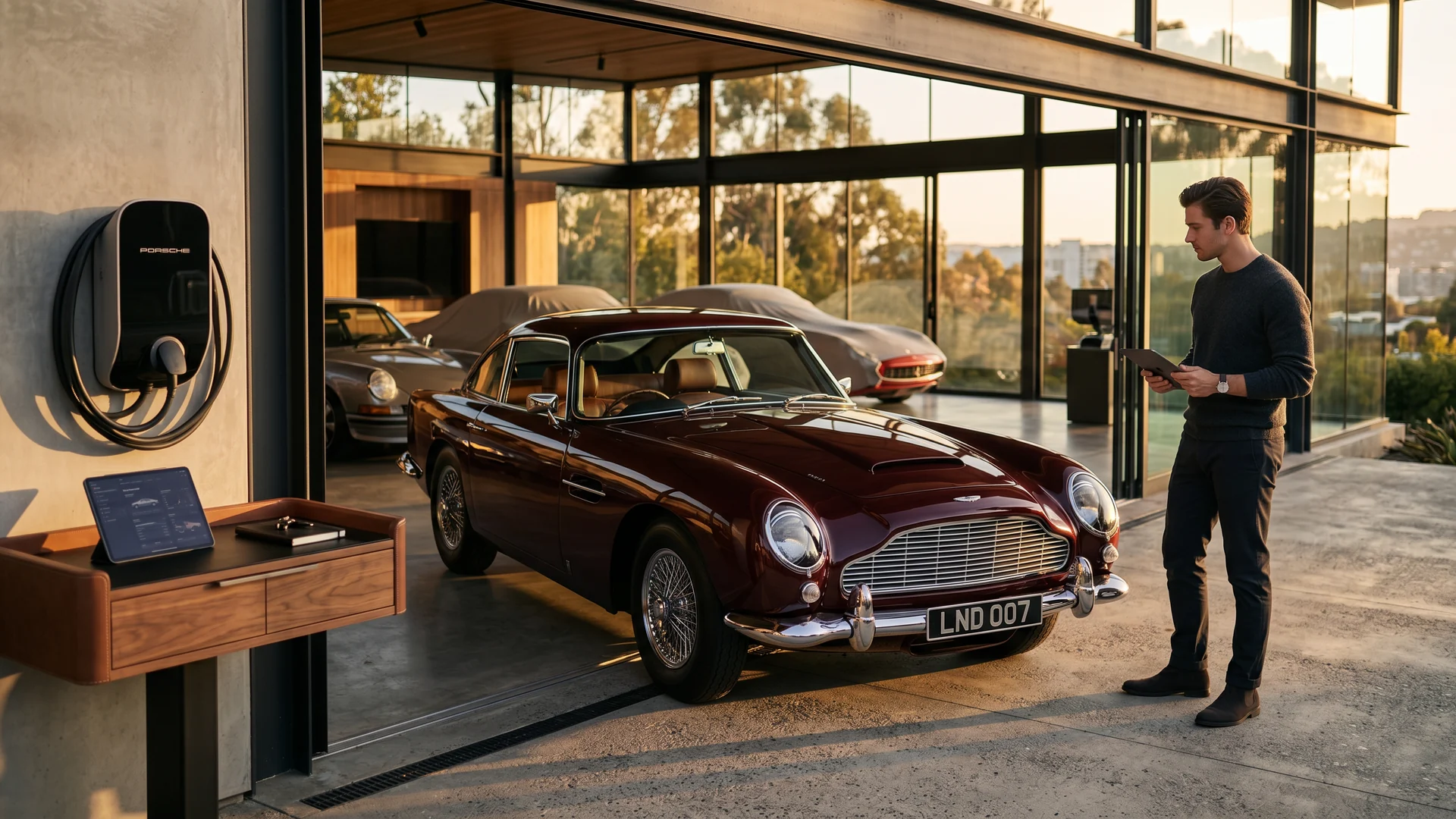
The Future of Classic Car Collecting: Trends Shaping the Next Generation
The future of classic car collecting: why 2035 ICE bans spare existing cars, plus e-fuels, shifting demographics, electromods and fractional ownership…
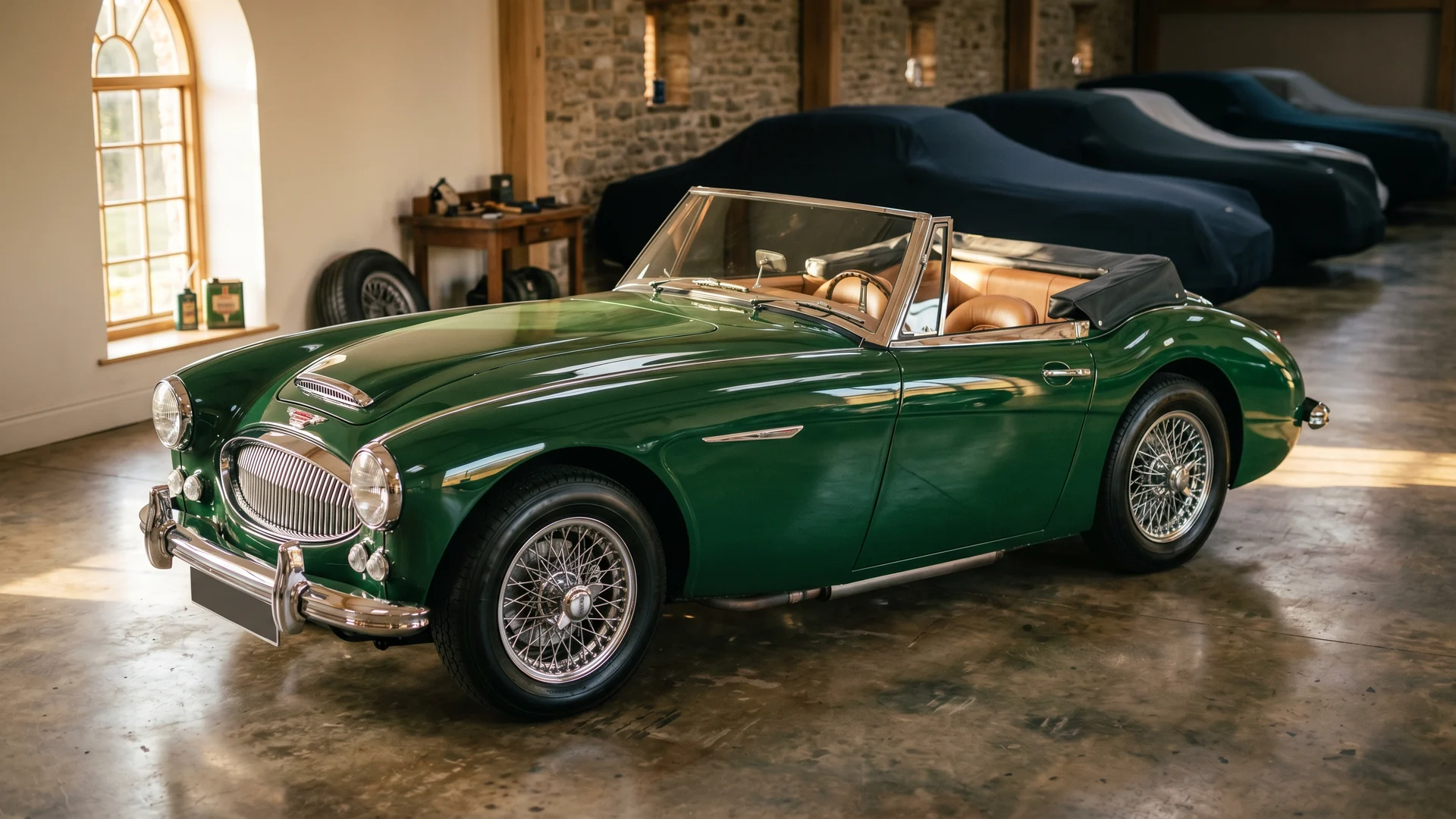
Classic Car Insurance Guide: Protecting Your Vintage Investment
Classic car insurance guide: why agreed-value policies beat stated and actual cash value, how Hagerty, Grundy and Chubb compare, plus costs and covera…
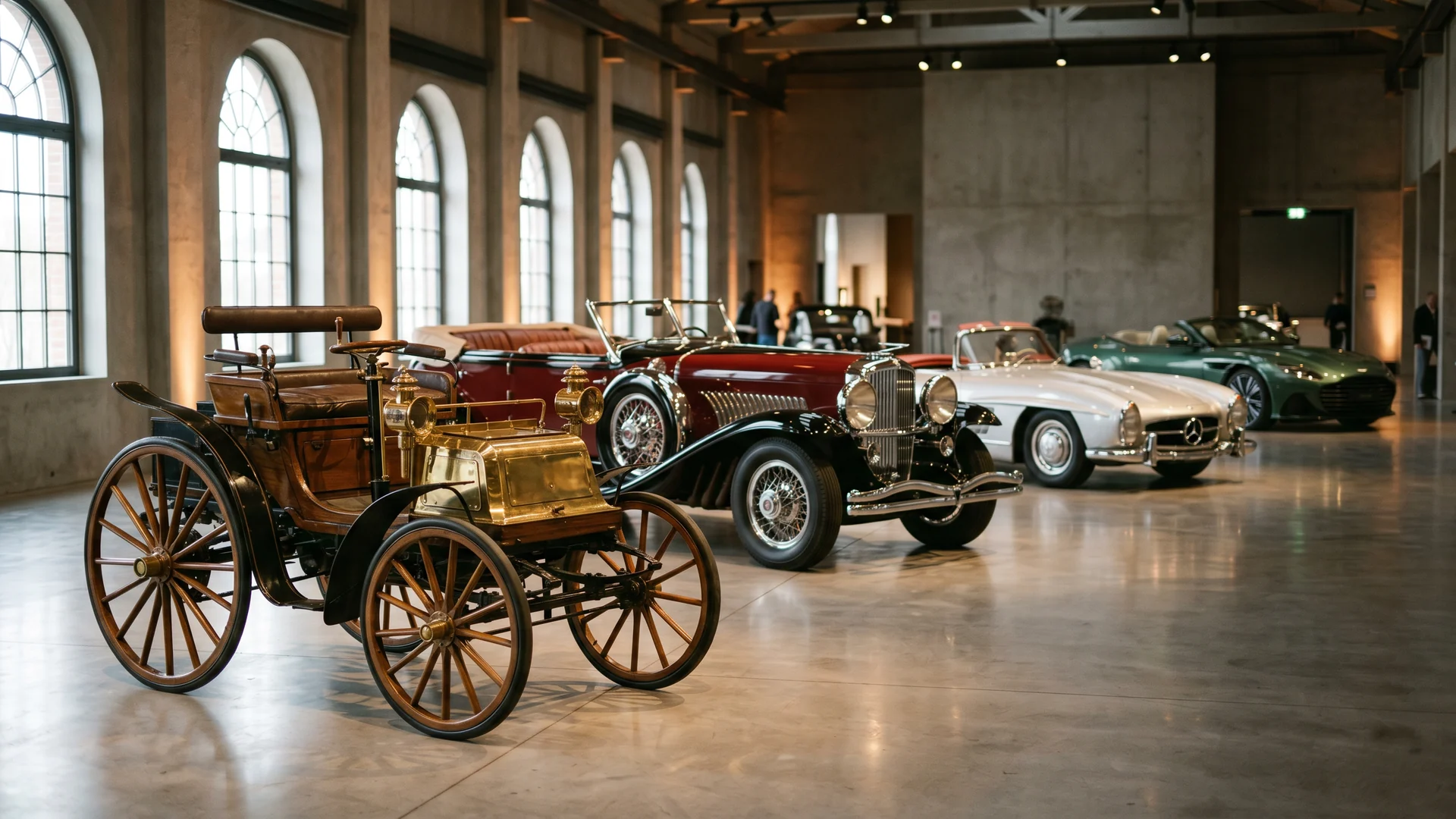
Classic Car History Timeline: From Benz to the Modern Collector Era
Classic car history timeline from the 1886 Benz Patent-Motorwagen through coachbuilding, muscle cars and supercars to modern collectibles. Discover th…