Why Vintage Supercars Are Removed From Public View
Vintage supercars represent a unique intersection of engineering excellence, aesthetic beauty, and historical significance. These vehicles, often produced in limited quantities, ar…
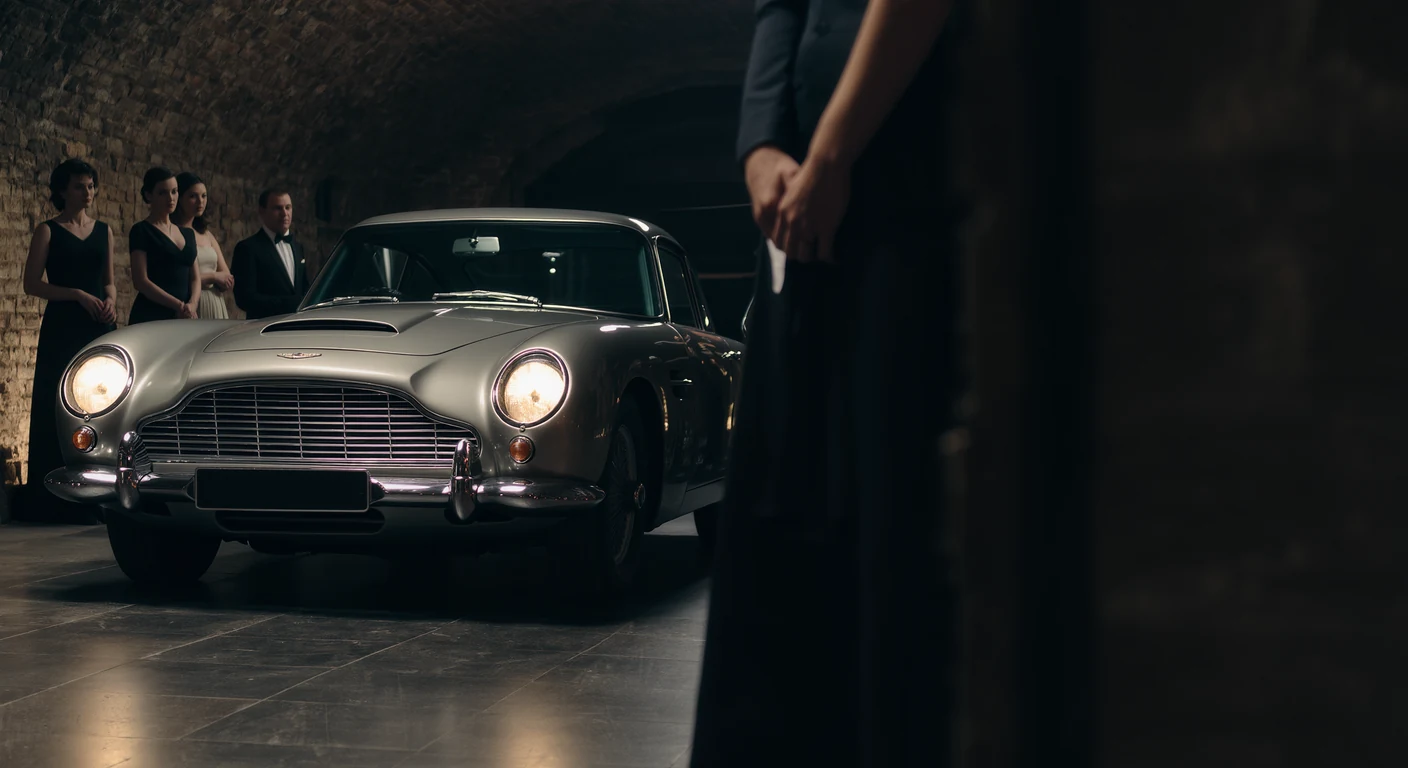
Vintage supercars represent a unique intersection of engineering excellence, aesthetic beauty, and historical significance. These vehicles, often produced in limited quantities, are not just modes of transportation; they are artifacts of automotive history that encapsulate the spirit of their respective eras. The rarity of these supercars significantly enhances their value, making them highly sought after by collectors and enthusiasts alike.
For instance, models like the Ferrari 250 GTO or the Lamborghini Miura are not only prized for their performance but also for their scarcity, with only a handful ever produced. This exclusivity drives up their market prices, often reaching millions at auctions. The value of vintage supercars is also influenced by their provenance.
A car with a rich history, such as having been owned by a famous personality or having participated in significant races, can command a premium. Collectors are often willing to pay top dollar for vehicles that come with a compelling backstory. Additionally, the condition of the car plays a crucial role in its valuation.
A well-preserved supercar with original parts and documentation can fetch a higher price than one that has been heavily modified or poorly maintained. Thus, the rarity and historical significance of vintage supercars contribute to their allure and investment potential.
Key Takeaways
- Vintage supercars are rare, highly valuable, and culturally significant assets.
- Preservation efforts focus on maintaining originality while addressing safety and environmental regulations.
- Public access to vintage supercars is limited due to their fragility and ownership by private collectors.
- Maintenance and restoration require specialized skills, balancing historical integrity with modern standards.
- Market demand is influenced by technological innovation, legal factors, and insurance complexities.
Preservation and Conservation Efforts
Preserving vintage supercars is a labor-intensive process that requires both expertise and dedication. Owners often invest significant resources into maintaining the integrity of these vehicles, ensuring that they remain in pristine condition. This involves regular maintenance, careful storage, and sometimes even restoration to original specifications.
Preservation efforts are not just about keeping the car running; they also focus on maintaining its aesthetic appeal and historical accuracy. This can include sourcing original parts or employing specialized restoration services that understand the nuances of vintage vehicles. Conservation efforts extend beyond individual ownership.
Various organizations and museums are dedicated to preserving automotive history by showcasing vintage supercars. These institutions often host exhibitions that highlight the engineering marvels of the past while educating the public about their significance.
Collaborative efforts between collectors, museums, and automotive historians are essential for the ongoing preservation of these automotive treasures.
Safety Concerns and Regulations
As vintage supercars age, safety concerns become increasingly relevant. Many of these vehicles were designed before modern safety standards were established, which can pose risks to drivers and passengers alike. Features such as airbags, anti-lock brakes, and crumple zones were not standard in earlier models, making them less safe compared to contemporary vehicles.
Owners must navigate these safety challenges while enjoying their vintage rides, often opting for modern upgrades to enhance safety without compromising authenticity. Regulations surrounding vintage cars vary by region but often include specific guidelines for modifications and usage. Some jurisdictions may require vintage vehicles to meet certain safety standards before they can be driven on public roads.
This can create a dilemma for owners who wish to maintain the original character of their cars while ensuring compliance with current laws. Understanding these regulations is crucial for vintage supercar owners to avoid legal issues while enjoying their prized possessions.
Limited Availability for Public Display
While vintage supercars are celebrated for their beauty and engineering prowess, opportunities for public display are often limited. Many collectors choose to keep their vehicles in private collections, away from public view. This exclusivity can make it challenging for enthusiasts and the general public to appreciate these automotive masterpieces firsthand.
Car shows and exhibitions provide some opportunities for public display, but they are often few and far between. Moreover, the logistics of displaying vintage supercars can be complex. Owners must consider factors such as insurance, security, and transportation when deciding to showcase their vehicles at events.
This can deter some collectors from participating in public displays altogether. As a result, many vintage supercars remain hidden gems, known only to a select few. Increasing public access to these vehicles through organized events or partnerships with museums could help bridge this gap and foster greater appreciation for automotive history.
Maintenance and Restoration Challenges
Maintaining vintage supercars presents unique challenges that require specialized knowledge and skills. Owners must be vigilant about regular maintenance to prevent deterioration due to age and wear. This includes routine checks on critical components such as engines, brakes, and electrical systems.
Finding qualified mechanics who understand the intricacies of vintage models can be difficult, as not all automotive professionals have experience with older technologies. Restoration is another significant aspect of maintaining vintage supercars. While some owners prefer to keep their cars in original condition, others may opt for restoration projects that enhance performance or aesthetics.
However, restoring a vintage supercar is not without its challenges; sourcing authentic parts can be time-consuming and expensive. Additionally, there is always a risk that modifications may detract from the vehicle’s historical value. Striking a balance between preservation and enhancement is crucial for owners looking to maintain the integrity of their vintage supercars.
Impact of Environmental and Emission Standards
As environmental awareness grows, vintage supercars face increasing scrutiny regarding emissions and environmental impact. Many older models do not meet current emission standards, which can limit their usability in certain areas or during specific times. Some cities have implemented low-emission zones that restrict access for older vehicles, making it challenging for owners to enjoy their cars without facing penalties.
In response to these challenges, some owners are exploring alternative solutions such as retrofitting their vehicles with modern engines or emission control systems. While this can help comply with regulations, it raises questions about authenticity and historical value. The tension between preserving automotive heritage and adhering to modern environmental standards presents a complex dilemma for vintage supercar enthusiasts.
Historical Significance and Cultural Heritage
Vintage supercars are more than just vehicles; they are symbols of cultural heritage that reflect the technological advancements and design philosophies of their time. Each model tells a story about the era in which it was created, showcasing the innovation and creativity of automotive engineers and designers. For instance, the introduction of turbocharging in the 1970s revolutionized performance cars, while the sleek lines of 1960s sports cars epitomized an era of style and speed.
The historical significance of these vehicles extends beyond their engineering feats; they also represent societal trends and cultural movements. For example, many vintage supercars were born out of a desire for freedom and adventure during post-war periods when personal mobility became increasingly important. By preserving these vehicles, we not only honor their engineering legacy but also celebrate the cultural narratives they embody.
Ownership and Private Collections
Owning a vintage supercar is often seen as a status symbol among collectors and enthusiasts alike.
Many collectors curate private collections that reflect their personal tastes and interests, often focusing on specific brands or eras.
The thrill of ownership comes with responsibilities; collectors must ensure proper maintenance and preservation while navigating the complexities of insurance and legal considerations. Private collections can also serve as valuable resources for research and education within the automotive community. Some collectors open their garages to fellow enthusiasts or host events that promote knowledge sharing about vintage cars.
This fosters a sense of community among collectors while helping to preserve the stories behind each vehicle. Ultimately, ownership goes beyond mere possession; it involves stewardship of automotive history for future generations.
Market Demand and Speculation
The market for vintage supercars has seen significant fluctuations over the years, driven by demand from collectors and investors alike. As interest in classic cars continues to grow, prices for certain models have skyrocketed at auctions, sometimes reaching record-breaking figures. This surge in demand has led to speculation within the market, with some investors purchasing vehicles solely as financial assets rather than for personal enjoyment.
While speculation can drive prices up in the short term, it also raises concerns about sustainability within the market. As more people enter the collector space seeking investment opportunities, it becomes essential to differentiate between genuine enthusiasts and those motivated purely by profit. Understanding market trends and historical values is crucial for buyers looking to make informed decisions about their investments in vintage supercars.
Influence of Technology and Innovation
The evolution of technology has had a profound impact on vintage supercars, both in terms of performance enhancements and preservation techniques. Modern advancements in materials science have led to lighter yet stronger components that can improve performance without compromising authenticity during restoration projects. Additionally, digital tools allow for more precise diagnostics when maintaining older vehicles, making it easier for owners to keep their cars running smoothly.
However, this technological influence also raises questions about authenticity versus modernization. Some enthusiasts argue that retrofitting vintage cars with modern technology detracts from their historical value, while others see it as a necessary evolution to ensure usability in today’s world. Striking a balance between preserving original features while embracing innovation is an ongoing conversation within the vintage car community.
Legal and Insurance Considerations
Navigating legalities surrounding vintage supercar ownership can be complex due to varying regulations across regions. Owners must be aware of laws related to registration, emissions standards, and modifications to ensure compliance while enjoying their vehicles on public roads. Additionally, understanding insurance options is crucial; specialized coverage may be necessary to protect against potential risks associated with owning high-value collectibles.
Insurance policies for vintage supercars often differ from standard auto insurance due to factors such as valuation methods and usage restrictions. Owners should seek out insurers who specialize in classic cars to ensure they receive adequate coverage tailored to their unique needs. By addressing legal considerations proactively, vintage supercar owners can enjoy peace of mind while celebrating their passion for automotive history.
In conclusion, vintage supercars embody a rich tapestry of engineering excellence, cultural significance, and personal passion that transcends mere transportation. From preservation efforts to market dynamics, each aspect contributes to the allure surrounding these remarkable vehicles. As enthusiasts continue to navigate challenges related to maintenance, regulations, and ownership complexities, they play an essential role in safeguarding automotive heritage for future generations to appreciate and enjoy.
FAQs
Why are vintage supercars often removed from public view?
Vintage supercars are frequently removed from public view to preserve their condition, protect their value, and prevent damage from environmental factors or accidents. Owners may also limit exposure to reduce wear and tear or to maintain exclusivity.
How does exposure to the public affect vintage supercars?
Exposure to the public can lead to physical wear, accidental damage, or environmental degradation such as fading paint or corrosion. Frequent handling or driving can also increase mechanical wear, reducing the car’s originality and value.
Are vintage supercars removed from public view for security reasons?
Yes, security is a significant concern. Vintage supercars are valuable and can be targets for theft or vandalism. Limiting public access helps protect these rare vehicles from potential harm.
Do insurance policies influence the decision to remove vintage supercars from public view?
Insurance policies often have strict conditions regarding the use and display of vintage supercars. Owners may restrict public exposure to comply with insurance requirements and minimize risk, which can affect premiums and coverage.
Is it common for vintage supercars to be displayed only at special events?
Yes, many owners choose to showcase their vintage supercars exclusively at controlled events such as car shows, auctions, or private gatherings. This allows for safe public viewing while minimizing risks associated with everyday exposure.
How does climate affect the decision to keep vintage supercars out of public view?
Climate factors like humidity, temperature fluctuations, and exposure to sunlight can accelerate deterioration. To protect vintage supercars, owners often store them in climate-controlled environments away from public exposure.
Can restoration and maintenance needs lead to vintage supercars being removed from public view?
Absolutely. During restoration or maintenance, vintage supercars are typically kept out of public view to ensure proper care and to prevent damage. Even after restoration, owners may limit exposure to maintain the vehicle’s pristine condition.
Do vintage supercars lose value if they are frequently displayed or driven?
Frequent display or use can lead to wear and tear, which may reduce a vintage supercar’s originality and market value. Many collectors prefer to keep these cars in excellent, original condition by limiting their use and public exposure.
More from Blog
The Future of Classic Car Collecting: Trends Shaping the Next Generation
The future of classic car collecting: why 2035 ICE bans spare existing cars, plus e-fuels, shifting demographics, electromods and fractional ownership…
Classic Car Insurance Guide: Protecting Your Vintage Investment
Classic car insurance guide: why agreed-value policies beat stated and actual cash value, how Hagerty, Grundy and Chubb compare, plus costs and covera…
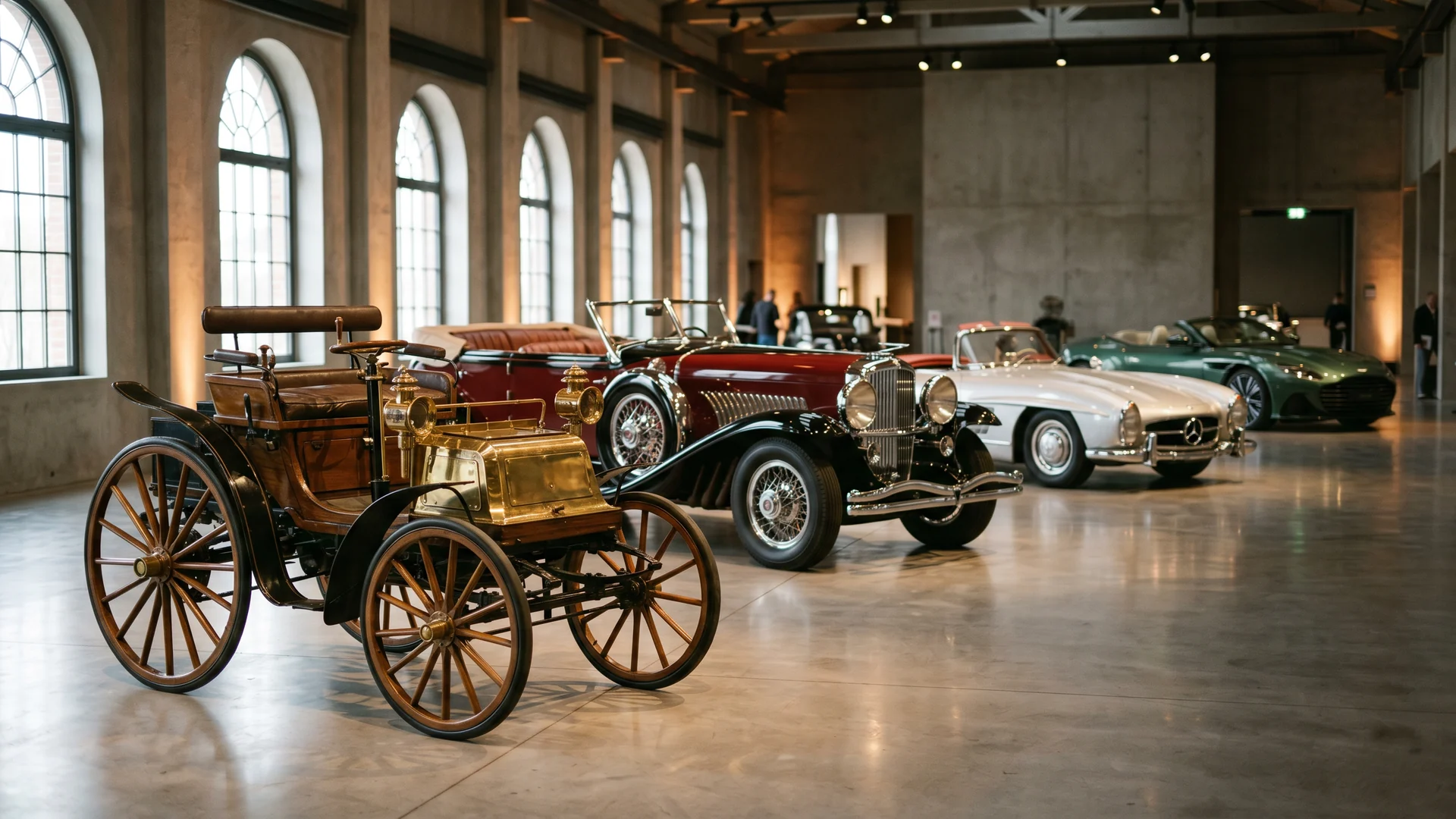
Classic Car History Timeline: From Benz to the Modern Collector Era
Classic car history timeline from the 1886 Benz Patent-Motorwagen through coachbuilding, muscle cars and supercars to modern collectibles. Discover th…