Why Vintage Racing Cars Are Untouchable Status Symbols
Vintage racing cars are not merely machines; they are a testament to a rich history that dates back to the early 20th century. The origins of vintage racing can be traced to the fi…
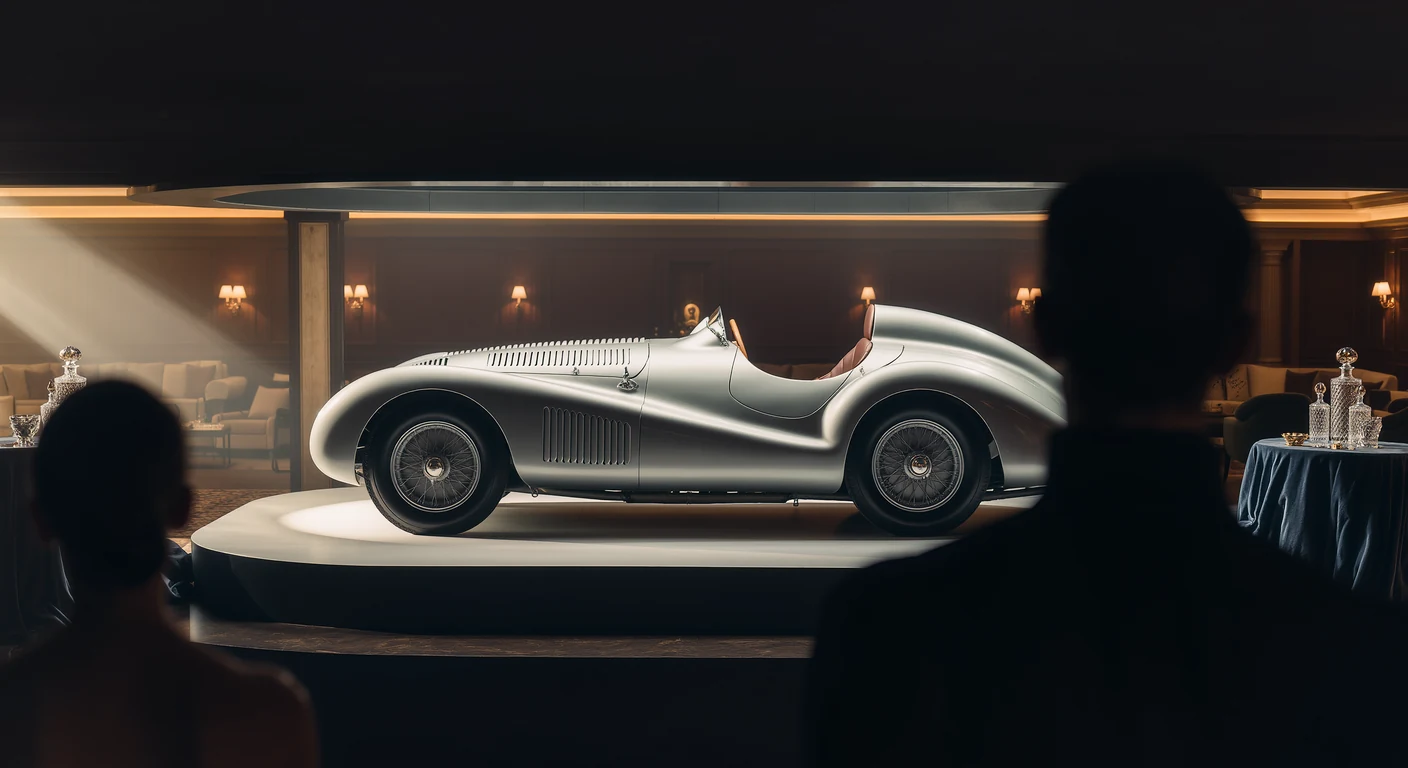
Vintage racing cars are not merely machines; they are a testament to a rich history that dates back to the early 20th century. The origins of vintage racing can be traced to the first organized races in Europe, where speed enthusiasts gathered to showcase their engineering marvels. These early competitions laid the groundwork for what would become a global passion for motorsport.
Iconic brands like Ferrari, Bugatti, and Alfa Romeo emerged during this era, each contributing to the evolution of automotive design and performance. As the decades rolled on, vintage racing cars became symbols of innovation and craftsmanship. The roaring engines and sleek designs captured the imagination of many, leading to a culture that celebrated speed and competition.
Events like the Mille Miglia and Le Mans became legendary, drawing crowds and inspiring future generations of car enthusiasts. Today, vintage racing is not just about speed; it’s about preserving a legacy that honors the pioneers of motorsport.
Key Takeaways
- Vintage racing cars embody rich history and heritage, connecting enthusiasts to motorsport legends.
- Their timeless design and engineering make them highly exclusive and collectible.
- Owning and driving vintage racing cars offers a unique thrill and a sense of prestige.
- These cars hold significant investment value and cultural influence in the automotive world.
- A strong community and camaraderie exist among vintage racing car owners, preserving their legacy for the future.
The Exclusivity of Vintage Racing Cars
The exclusivity of vintage racing cars is one of their most alluring features. Owning a vintage racing car is akin to possessing a piece of history, often limited in production and highly sought after by collectors. These vehicles are not just cars; they are rare artifacts that embody the spirit of a bygone era.
The limited availability of certain models adds to their allure, making them coveted possessions among automotive aficionados. Moreover, the exclusivity extends beyond ownership. Vintage racing events often feature only a select number of participants, creating an intimate atmosphere where enthusiasts can share their passion.
This exclusivity fosters a sense of belonging among owners, who often form tight-knit communities centered around their shared love for these remarkable machines. The rarity of these cars ensures that they remain in high demand, further enhancing their status as prized possessions.
The Timeless Design and Engineering of Vintage Racing Cars
The design and engineering of vintage racing cars are nothing short of masterpieces.
From the elegant curves of a 1950s Ferrari to the aggressive stance of a classic Porsche, these cars are visual delights that evoke nostalgia and admiration.
Beyond their beauty, vintage racing cars are engineered for performance. Many were built with lightweight materials and powerful engines, designed to achieve remarkable speeds on the racetrack. The craftsmanship involved in creating these vehicles is evident in every detail, from the hand-stitched leather interiors to the meticulously crafted chassis.
The Thrill of Driving and Owning a Vintage Racing Car
Driving a vintage racing car is an exhilarating experience that few can replicate. The roar of the engine, the feel of the steering wheel, and the connection to the road create an adrenaline rush that captivates drivers. Unlike modern cars, vintage racing vehicles offer a raw driving experience that emphasizes skill and engagement.
Each turn and acceleration becomes a dance between man and machine, making every drive memorable. Owning a vintage racing car also brings a sense of pride and accomplishment. It’s not just about having a vehicle; it’s about being part of a legacy that celebrates speed and innovation.
Many owners take great care in maintaining their cars, often participating in restoration projects that enhance their historical value. This dedication to preservation fosters a deep connection between owners and their vehicles, making each drive an opportunity to relive history.
The Prestige and Status Associated with Vintage Racing Cars
The prestige associated with vintage racing cars is undeniable. These vehicles are often seen as status symbols, representing wealth, taste, and an appreciation for fine engineering. Owning a vintage racing car can elevate one’s social standing, opening doors to exclusive events and gatherings where fellow enthusiasts congregate.
Moreover, vintage racing cars often feature prominently in high-profile auctions, where they can fetch staggering prices. This financial aspect adds another layer of prestige, as collectors vie for ownership of rare models that have historical significance. The allure of being part of an elite group that appreciates these automotive treasures further enhances their status in society.
The Rarity and Collectibility of Vintage Racing Cars
Rarity plays a crucial role in the collectibility of vintage racing cars. Many models were produced in limited quantities, making them highly sought after by collectors worldwide. As time passes, the number of available vehicles decreases due to wear and tear or accidents, further driving up demand among enthusiasts.
Collectors often seek out specific models based on their historical significance or unique features. Some may focus on particular brands or eras, while others may look for cars with notable racing pedigrees. This diversity in collecting interests creates a vibrant market where enthusiasts can share knowledge and passion for these remarkable machines.
The Connection to Motorsport Legends and Icons
Vintage racing cars are deeply intertwined with the legends and icons of motorsport history. Many famous drivers have raced these vehicles, leaving behind stories that add to their allure. Names like Juan Manuel Fangio, Stirling Moss, and Carroll Shelby are synonymous with vintage racing, each contributing to the legacy of these remarkable machines.
Owning a vintage racing car often means owning a piece of this storied history. Many collectors take pride in preserving cars that have raced in iconic events or belonged to legendary drivers. This connection to motorsport history adds emotional value to ownership, as enthusiasts feel they are partaking in a narrative that transcends time.
The Investment Value of Vintage Racing Cars
Investing in vintage racing cars can be both rewarding and lucrative. Over the years, many models have appreciated significantly in value, making them attractive assets for collectors. Factors such as rarity, historical significance, and condition all play a role in determining a car’s investment potential.
Moreover, the market for vintage racing cars has shown resilience even during economic downturns. As more people seek alternative investments, classic cars have emerged as viable options for diversifying portfolios. For those passionate about automobiles, investing in vintage racing cars offers not only financial benefits but also personal enjoyment.
The Community and Camaraderie of Vintage Racing Car Owners
The community surrounding vintage racing cars is one of its most appealing aspects. Owners often come together at events, rallies, and exhibitions to share their passion for these remarkable machines. This camaraderie fosters friendships built on mutual interests and shared experiences.
Many clubs and organizations exist specifically for vintage racing car enthusiasts, providing opportunities for networking and collaboration. These communities often organize events where members can showcase their vehicles or participate in friendly competitions. The bonds formed within this community create lasting memories and enrich the ownership experience.
The Cultural Impact and Influence of Vintage Racing Cars
Vintage racing cars have left an indelible mark on popular culture. They have been featured in films, television shows, and literature, capturing the imagination of audiences worldwide. Iconic movies like “Le Mans” and “Rush” celebrate the thrill of motorsport while showcasing classic vehicles that have become cultural symbols.
Moreover, vintage racing events attract significant media attention, further solidifying their place in contemporary culture. These gatherings celebrate not only the cars but also the spirit of competition and camaraderie among enthusiasts. As such, vintage racing cars continue to influence modern automotive design and inspire new generations of car lovers.
The Future of Vintage Racing Cars in the Modern World
As we look toward the future, vintage racing cars will continue to hold a special place in automotive history. While modern technology has transformed the industry, the allure of classic design and engineering remains strong among enthusiasts. Efforts to preserve these vehicles through restoration projects ensure that future generations can appreciate their beauty and significance.
Additionally, as electric vehicles gain popularity, there may be opportunities for innovative adaptations within the vintage racing community. Some enthusiasts are exploring ways to integrate modern technology while maintaining the essence of classic design. This fusion could lead to exciting developments that honor tradition while embracing progress.
In conclusion, vintage racing cars represent more than just machines; they embody history, passion, and community. Their exclusivity, timeless design, and connection to motorsport legends make them highly desirable among collectors and enthusiasts alike. As we move forward into an ever-evolving automotive landscape, the legacy of vintage racing cars will undoubtedly endure, continuing to inspire admiration for generations to come.
FAQs
What defines a vintage racing car?
A vintage racing car is typically a vehicle that was manufactured and raced during a specific historical period, often before the 1970s. These cars are recognized for their classic design, engineering, and historical significance in motorsport.
Why are vintage racing cars considered status symbols?
Vintage racing cars are seen as status symbols due to their rarity, historical importance, and the prestige associated with owning and maintaining a piece of automotive history. They often represent a blend of craftsmanship, heritage, and exclusivity.
How does rarity affect the value of vintage racing cars?
Rarity significantly increases the value of vintage racing cars. Limited production numbers, surviving examples, and unique racing histories contribute to their scarcity, making them highly sought after by collectors and enthusiasts.
What role does historical significance play in the appeal of vintage racing cars?
Historical significance enhances the appeal of vintage racing cars by connecting them to important events, famous drivers, or landmark races. This heritage adds emotional and cultural value beyond the car’s physical attributes.
Are vintage racing cars still functional for racing today?
Many vintage racing cars are maintained in running condition and participate in historic racing events. However, they require specialized care and are often driven under controlled conditions to preserve their integrity.
What challenges are involved in owning a vintage racing car?
Owning a vintage racing car involves challenges such as high maintenance costs, difficulty sourcing original parts, the need for expert restoration, and the responsibility of preserving the car’s authenticity and condition.
How do vintage racing cars differ from modern racing cars?
Vintage racing cars differ from modern racing cars in technology, safety features, materials, and design philosophy. They often lack modern advancements like aerodynamic aids, electronic systems, and advanced safety equipment.
Can vintage racing cars be considered good investments?
Yes, vintage racing cars can be good investments due to their potential to appreciate in value over time. However, investment outcomes depend on factors like provenance, condition, market trends, and historical importance.
What types of events feature vintage racing cars?
Vintage racing cars are featured in historic motorsport events, classic car shows, concours d’elegance, and specialized auctions. These events celebrate automotive heritage and provide opportunities for enthusiasts to showcase and race their vehicles.
How is authenticity verified in vintage racing cars?
Authenticity is verified through documentation, provenance records, expert appraisals, and sometimes forensic analysis of materials and construction techniques. Maintaining originality is crucial for preserving value and status.
More from Blog
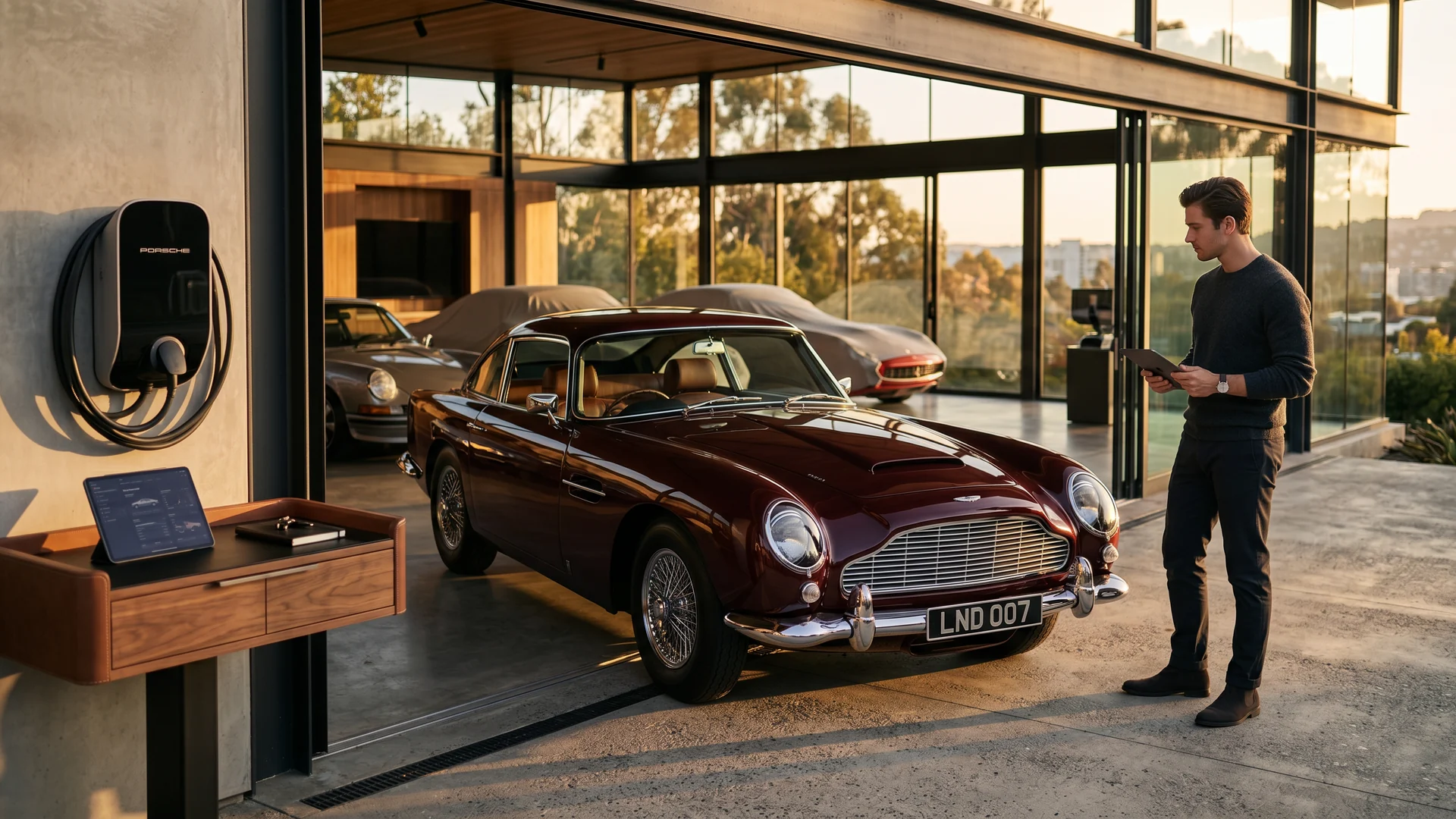
The Future of Classic Car Collecting: Trends Shaping the Next Generation
The future of classic car collecting: why 2035 ICE bans spare existing cars, plus e-fuels, shifting demographics, electromods and fractional ownership…
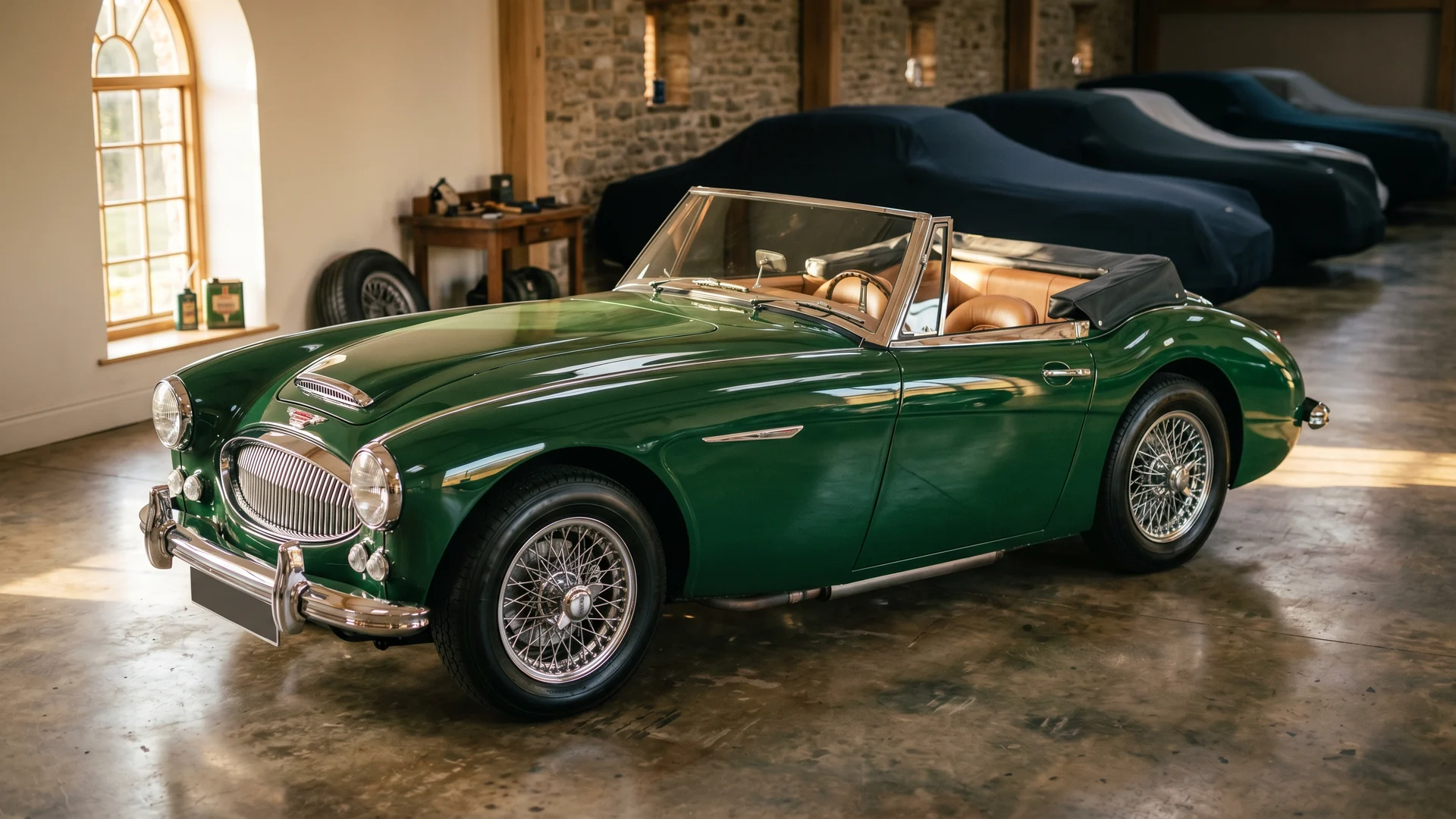
Classic Car Insurance Guide: Protecting Your Vintage Investment
Classic car insurance guide: why agreed-value policies beat stated and actual cash value, how Hagerty, Grundy and Chubb compare, plus costs and covera…
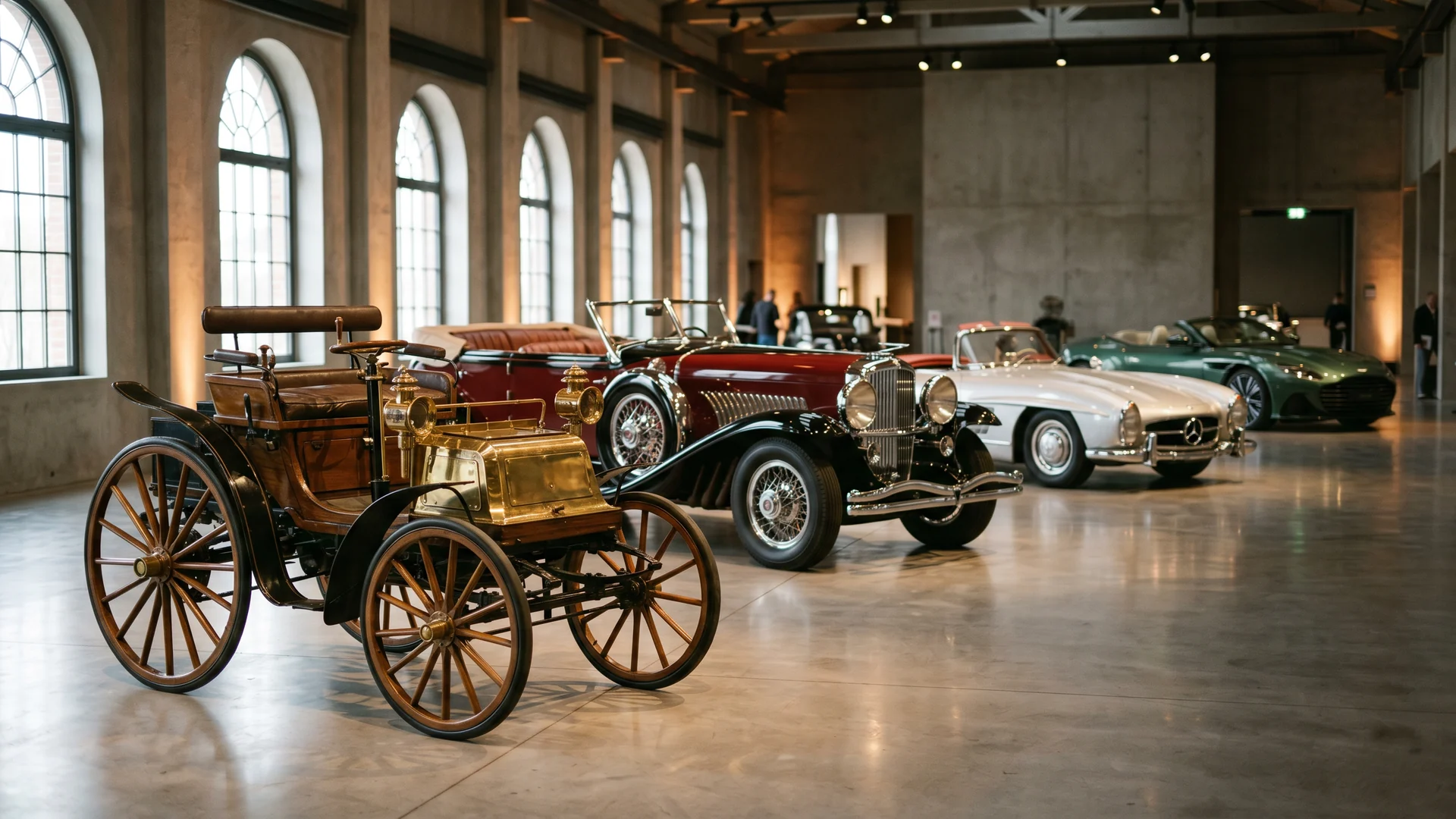
Classic Car History Timeline: From Benz to the Modern Collector Era
Classic car history timeline from the 1886 Benz Patent-Motorwagen through coachbuilding, muscle cars and supercars to modern collectibles. Discover th…