Why Vintage Porsche Racing Heritage Drives Prices Insane
Porsche’s racing heritage began with the introduction of the 356 model in 1948, establishing the foundation for the company’s motorsport activities. The 356 featured a …
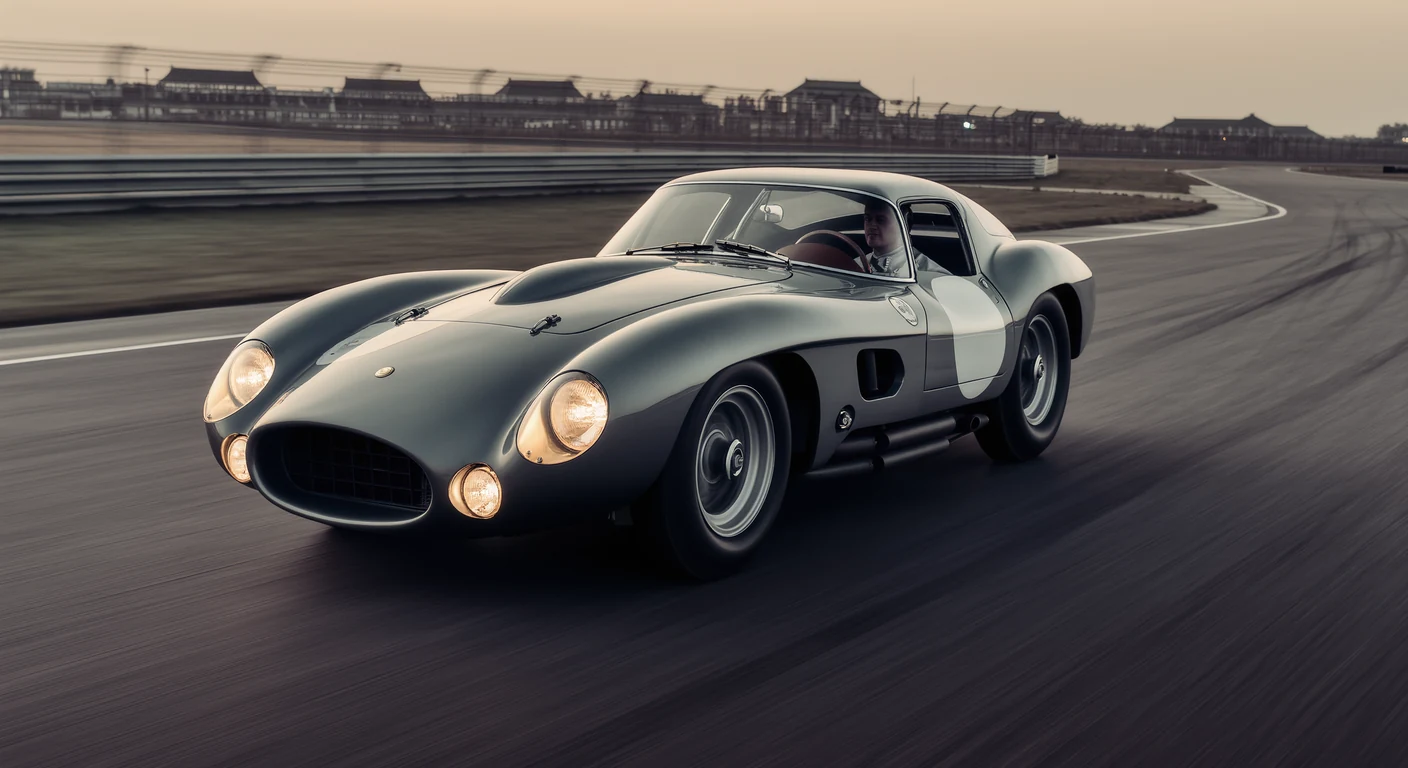
Porsche’s racing heritage began with the introduction of the 356 model in 1948, establishing the foundation for the company’s motorsport activities. The 356 featured a rear-mounted, air-cooled engine and lightweight construction that proved effective in competitive racing environments. This initial success led to the development of subsequent racing models that would compete internationally throughout the following decades.
The company achieved significant victories in major endurance racing events, including multiple wins at the 24 Hours of Le Mans and the Targa Florio. Porsche secured its first overall Le Mans victory in 1970 with the 917K, followed by numerous class and overall wins through the 1980s. The Targa Florio, a challenging road race in Sicily, saw Porsche victories from 1956 through 1973, with models including the 550 Spyder, 718, and 911.
Notable racing models from Porsche’s vintage era include the 550 Spyder (1953-1956), the 718 RSK (1957-1962), and early iterations of the 911 series beginning in 1963. These vehicles incorporated advanced engineering features such as independent suspension, precise handling characteristics, and efficient aerodynamics. The 917, introduced in 1969, represented a significant advancement in racing technology with its powerful flat-12 engine and sophisticated chassis design.
The racing program contributed directly to the development of production vehicles, with technologies and design elements from competition cars influencing street models. This connection between racing and production vehicles became a defining characteristic of the Porsche brand, establishing technical credibility and performance reputation that continues to influence the company’s current offerings.
Key Takeaways
- Vintage Porsche racing has established a lasting legacy that enhances the brand’s prestige and collectible value.
- Racing success significantly boosts the desirability and market value of Porsche collectible cars.
- The rarity of vintage Porsche race cars makes them highly sought after by collectors worldwide.
- Porsche’s racing heritage strongly influences its brand image, linking performance with tradition.
- The emotional and cultural significance of vintage racing continues to drive global interest and future collectible trends.
The Influence of Racing Success on Collectible Cars
Racing success has a profound influence on the collectibility of vintage cars, particularly those from Porsche. When a car achieves notable victories on the racetrack, it often becomes more than just a vehicle; it transforms into a symbol of excellence and performance. Collectors are drawn to these cars not only for their aesthetic appeal but also for their historical significance.
The connection between racing success and collectibility is evident in the soaring prices of models like the Porsche 917 and 935, which have become coveted items in auctions worldwide. Moreover, the stories behind these racing successes add layers of value to collectible cars. Each scratch, dent, or modification tells a tale of competition and innovation.
Enthusiasts seek out these vehicles not just for their performance capabilities but also for their rich histories. As a result, vintage Porsche race cars often appreciate significantly over time, making them not only a passion project but also a sound investment for collectors.
The Rarity and Desirability of Vintage Porsche Race Cars
The rarity of vintage Porsche race cars significantly contributes to their desirability among collectors. Limited production runs and unique models create an exclusive market where only a select few can own these automotive masterpieces. For instance, the Porsche 917, with its distinctive design and racing pedigree, is one of the most sought-after models in automotive history.
Its limited availability and storied past make it a prized possession for collectors willing to invest in automotive heritage. Additionally, the desirability of these cars is amplified by their performance capabilities and engineering innovations. Vintage Porsche race cars are not just beautiful; they are engineered for speed and precision.
Collectors appreciate the craftsmanship that goes into each model, making them more than just collectibles, they are pieces of art that embody the spirit of racing. This combination of rarity and performance ensures that vintage Porsche race cars remain at the forefront of collector interest.
The Impact of Racing Heritage on Porsche’s Brand Image
Porsche’s racing heritage has played a pivotal role in shaping its brand image over the decades. The brand is synonymous with high-performance vehicles that deliver an exhilarating driving experience.
The victories achieved by Porsche on racetracks worldwide have instilled a sense of trust and admiration among consumers, reinforcing its status as a leader in automotive innovation. Furthermore, this racing heritage fosters a strong emotional connection between Porsche and its customers. Enthusiasts are drawn to the brand not only for its performance but also for its storied past.
The tales of legendary races and iconic drivers resonate deeply with fans, creating a community that celebrates both the cars and their history. This emotional bond enhances customer loyalty and drives demand for both vintage and modern Porsche models.
The Connection Between Vintage Racing and Modern Performance
The connection between vintage racing and modern performance is evident in how Porsche continues to draw inspiration from its illustrious past. Many modern Porsche models incorporate design elements and engineering principles derived from their racing predecessors. For instance, the lightweight construction techniques pioneered in vintage race cars have been adapted to enhance the performance of contemporary models like the 911 GT3.
Moreover, vintage racing serves as a testing ground for new technologies that eventually find their way into consumer vehicles. Innovations developed for racing applications, such as advanced aerodynamics and suspension systems, are often refined and integrated into modern production cars. This seamless blend of heritage and innovation ensures that Porsche remains at the forefront of automotive performance while honoring its rich racing legacy.
The Role of Vintage Racing in Porsche’s Innovation and Engineering
Vintage racing has been instrumental in shaping Porsche’s approach to innovation and engineering. The challenges faced on the racetrack have driven engineers to develop cutting-edge solutions that enhance vehicle performance. For example, early experiments with turbocharging in race cars paved the way for its successful implementation in production models, revolutionizing how power is delivered in sports cars.
Additionally, vintage racing provides valuable data that informs future designs. Engineers analyze performance metrics from past races to identify areas for improvement in modern vehicles. This iterative process ensures that each new model benefits from decades of racing experience, resulting in cars that are not only faster but also more reliable and efficient.
The Cultural Significance of Vintage Porsche Racing
The cultural significance of vintage Porsche racing extends beyond mere automotive history; it reflects broader societal trends and values. The era when these cars raced was marked by a spirit of adventure and exploration, mirroring the aspirations of many individuals during that time. Vintage Porsche race cars symbolize freedom, speed, and the thrill of competition, resonating with enthusiasts who appreciate their historical context.
Moreover, vintage racing events have become cultural phenomena that attract diverse audiences. These gatherings celebrate not only the cars but also the camaraderie among enthusiasts who share a passion for motorsport. They serve as platforms for storytelling, where participants recount tales of legendary races and drivers, further enriching the cultural tapestry surrounding vintage Porsche racing.
The Influence of Famous Drivers and Teams on Collectible Prices
Famous drivers and teams have a significant impact on the collectible prices of vintage Porsche race cars. When a car is associated with a legendary driver, such as Steve McQueen or Jo Siffert, it often commands higher prices due to its connection to their storied careers. Collectors are willing to pay a premium for vehicles that have been part of iconic moments in racing history.
Additionally, successful racing teams contribute to this phenomenon. Cars that raced under renowned teams like Martini Racing or Gulf Oil carry an added allure due to their historical significance and visual appeal. The combination of driver legacy and team affiliation creates a compelling narrative that enhances the desirability, and ultimately the value, of these collectible vehicles.
The Emotional Appeal of Vintage Racing History
The emotional appeal of vintage racing history is profound, as it taps into nostalgia and admiration for a bygone era. For many enthusiasts, these cars represent more than just machines; they embody dreams, aspirations, and memories associated with speed and competition. The stories behind each vehicle evoke feelings of excitement and passion that resonate deeply with collectors.
Moreover, owning a piece of this history allows collectors to connect with the past in a tangible way. Each vintage Porsche race car carries with it tales of triumphs and challenges faced on racetracks around the world. This emotional connection enhances the value of these vehicles beyond mere monetary worth, making them cherished possessions that tell stories across generations.
The Global Appeal of Vintage Porsche Racing Heritage
The global appeal of vintage Porsche racing heritage transcends geographical boundaries, attracting enthusiasts from all corners of the world. Events like the Goodwood Revival or Pebble Beach Concours d’Elegance showcase these iconic vehicles to international audiences who share a common appreciation for automotive excellence. This global interest fosters a vibrant community where enthusiasts can connect over their shared passion.
Furthermore, as markets for collectible cars expand globally, vintage Porsche race cars have become sought-after assets in various regions. Collectors from Asia to Europe recognize the value inherent in these vehicles, driving demand and prices upward. This international appeal ensures that vintage Porsche racing remains relevant and celebrated across cultures.
The Future of Vintage Porsche Racing Collectibles
The future of vintage Porsche racing collectibles looks promising as interest continues to grow among new generations of enthusiasts. As more people discover the rich history behind these vehicles, demand is likely to increase, driving prices higher for rare models. Additionally, advancements in technology make it easier for collectors to connect with one another through online platforms dedicated to buying and selling vintage cars.
Moreover, as environmental concerns shape the automotive industry, vintage race cars may gain renewed interest as symbols of engineering artistry from an era focused on performance without compromise.
In conclusion, vintage Porsche racing embodies a rich tapestry woven from history, innovation, culture, and emotion.
As we look ahead, it is clear that this legacy will continue to inspire future generations while remaining an integral part of automotive heritage. Whether you are an avid collector or simply an admirer of these remarkable machines, there has never been a better time to explore the world of vintage Porsche racing collectibles.
FAQs
What makes vintage Porsche racing cars so valuable?
Vintage Porsche racing cars are highly valuable due to their rich motorsport heritage, limited production numbers, iconic design, and engineering excellence. Their success in historic racing events and association with legendary drivers also contribute to their desirability and high market prices.
How does Porsche’s racing history influence the price of vintage models?
Porsche’s extensive and successful racing history enhances the appeal of vintage models by linking them to a legacy of performance and innovation. Cars that participated in or were inspired by famous races often command premium prices because collectors value their provenance and historical significance.
Which Porsche models are considered the most sought-after in vintage racing circles?
Models such as the Porsche 356, 911 Carrera RS, 917, and 935 are among the most sought-after vintage Porsche racing cars. These models are celebrated for their racing achievements, rarity, and impact on automotive history.
Do restoration and originality affect the price of vintage Porsche race cars?
Yes, originality and the quality of restoration significantly affect the price. Cars that retain original parts, matching numbers, and documented racing history typically fetch higher prices. Expert restorations that maintain authenticity can also enhance value.
How does rarity impact the pricing of vintage Porsche racing cars?
Rarity plays a crucial role in pricing. Limited production runs, unique racing editions, and cars with documented competition history are rarer and therefore more desirable, driving prices higher in the collector market.
Are vintage Porsche racing cars a good investment?
Many collectors consider vintage Porsche racing cars a good investment due to their historical significance, increasing rarity, and strong demand. However, like all collectibles, prices can fluctuate based on market trends, condition, and provenance.
What role do historic racing events play in the value of vintage Porsche cars?
Participation in or association with prestigious historic racing events adds to a car’s provenance and desirability. Cars with documented competition history in events like Le Mans or the Targa Florio often command premium prices.
How can buyers verify the authenticity and racing heritage of a vintage Porsche?
Buyers can verify authenticity through factory records, provenance documentation, expert appraisals, and certification from recognized Porsche heritage programs. Detailed service and racing history also help confirm a car’s heritage.
Does the condition of a vintage Porsche racing car affect its market price?
Absolutely. Well-maintained cars with original or period-correct parts in excellent condition generally command higher prices. Conversely, cars in poor condition or with non-original modifications may be valued lower.
What factors besides racing heritage influence the price of vintage Porsche cars?
Other factors include rarity, model desirability, historical significance, condition, originality, provenance, and market demand. Economic conditions and collector trends also impact pricing.
More from Blog
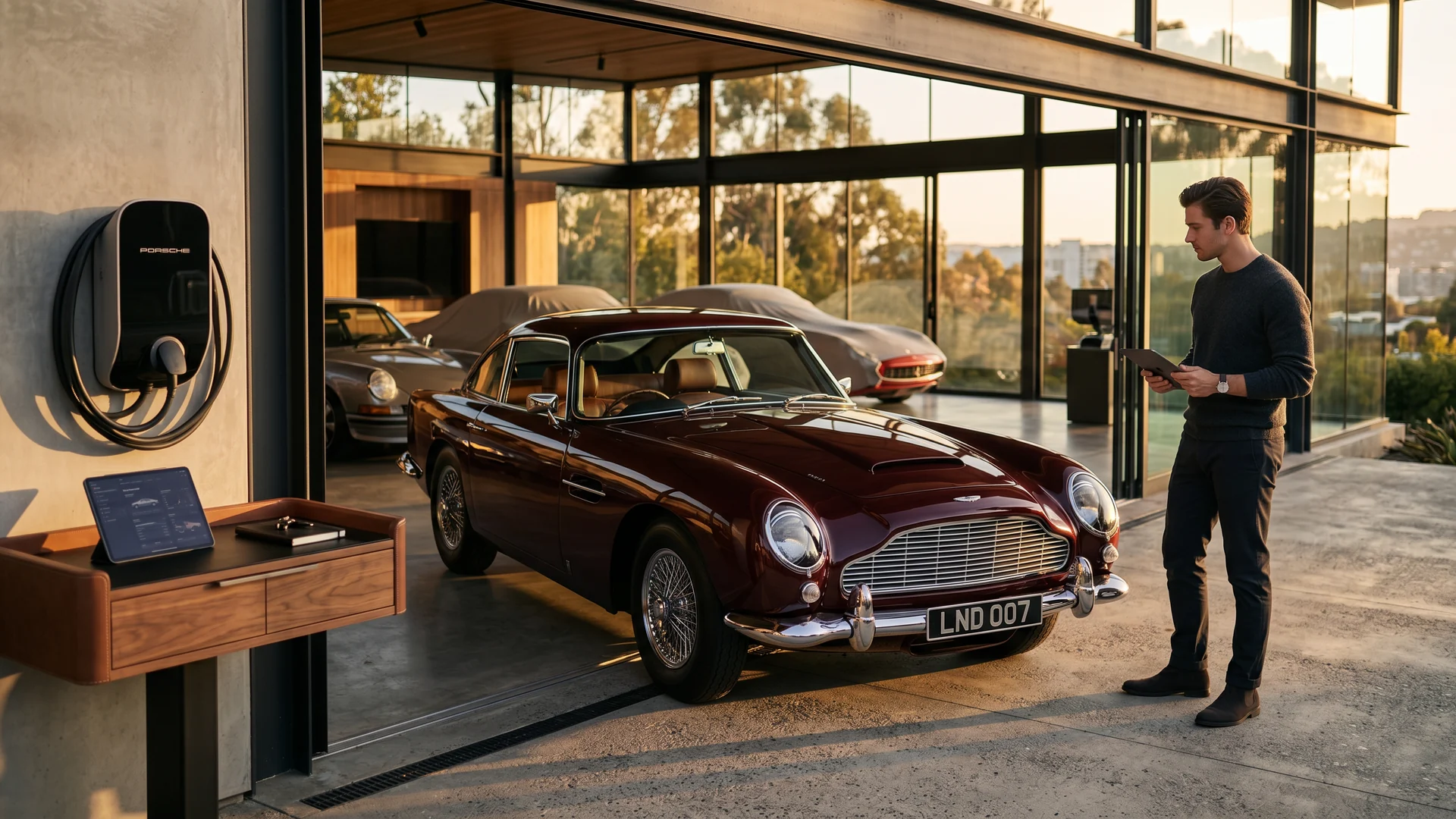
The Future of Classic Car Collecting: Trends Shaping the Next Generation
The future of classic car collecting: why 2035 ICE bans spare existing cars, plus e-fuels, shifting demographics, electromods and fractional ownership…
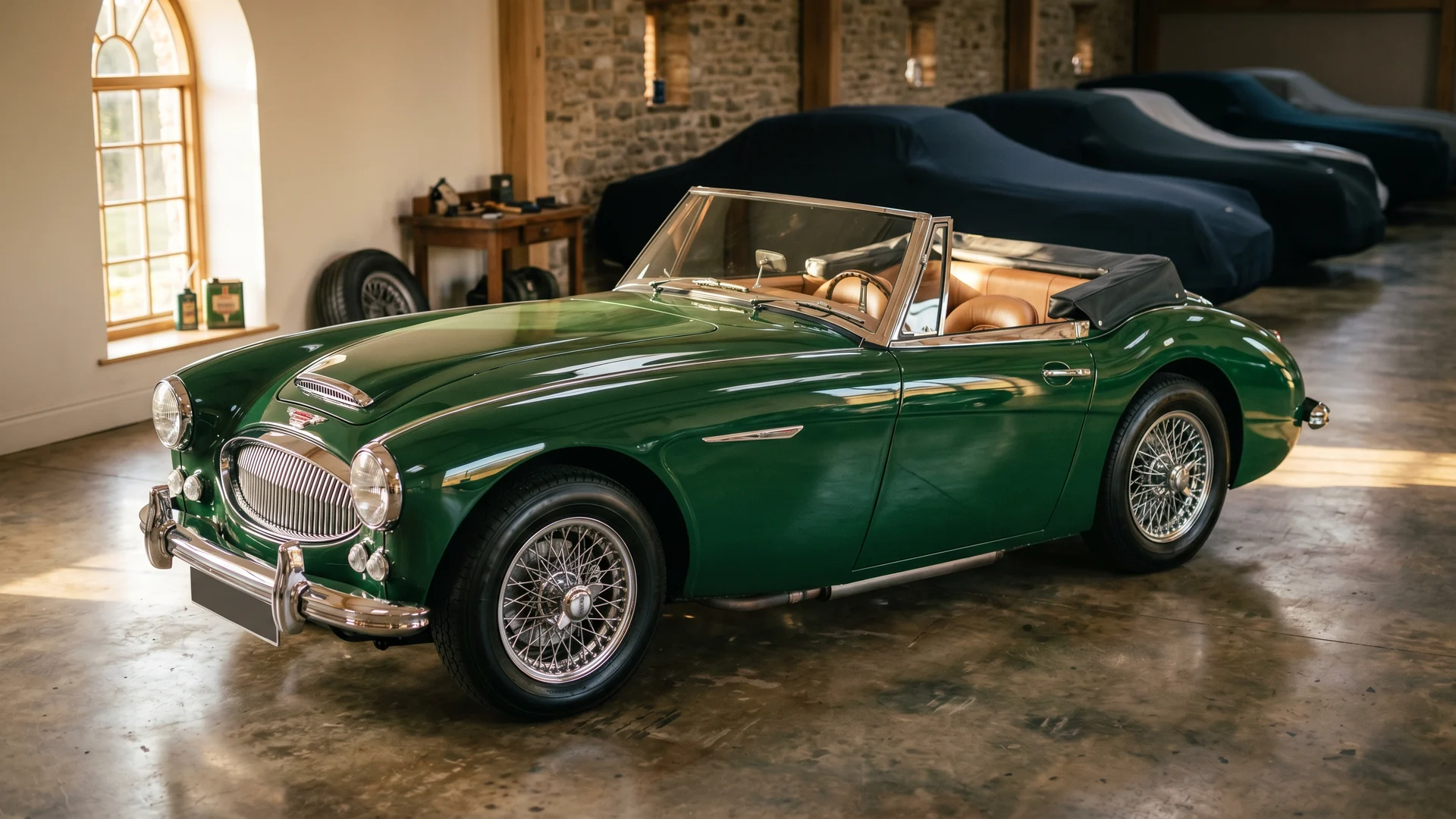
Classic Car Insurance Guide: Protecting Your Vintage Investment
Classic car insurance guide: why agreed-value policies beat stated and actual cash value, how Hagerty, Grundy and Chubb compare, plus costs and covera…
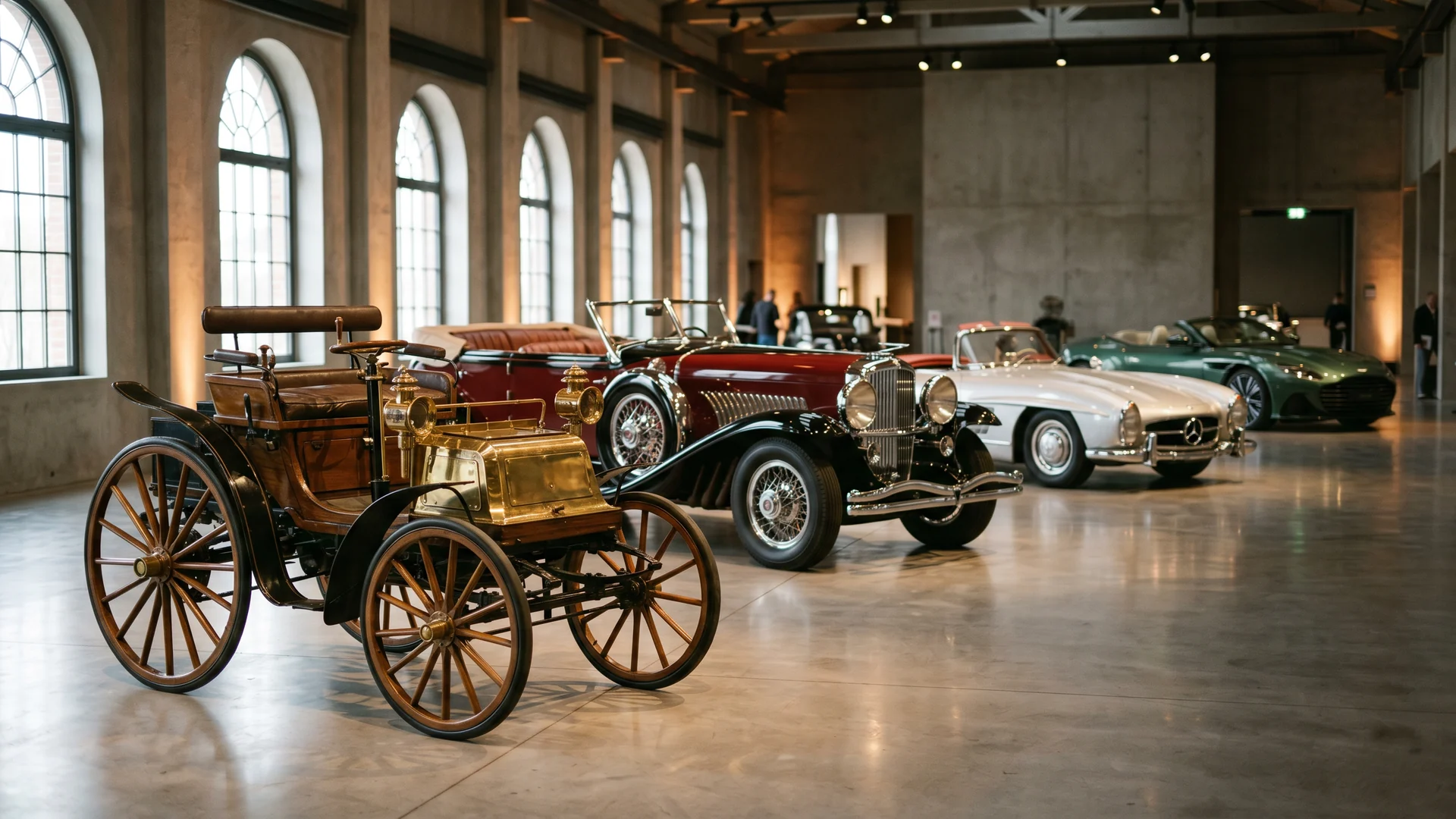
Classic Car History Timeline: From Benz to the Modern Collector Era
Classic car history timeline from the 1886 Benz Patent-Motorwagen through coachbuilding, muscle cars and supercars to modern collectibles. Discover th…