Why Vintage Maserati Cars Are a Risk Only the Wealthy Can Afford
Vintage Maserati cars represent a unique blend of Italian craftsmanship, engineering excellence, and timeless design. These classic vehicles, produced during the golden age of auto…
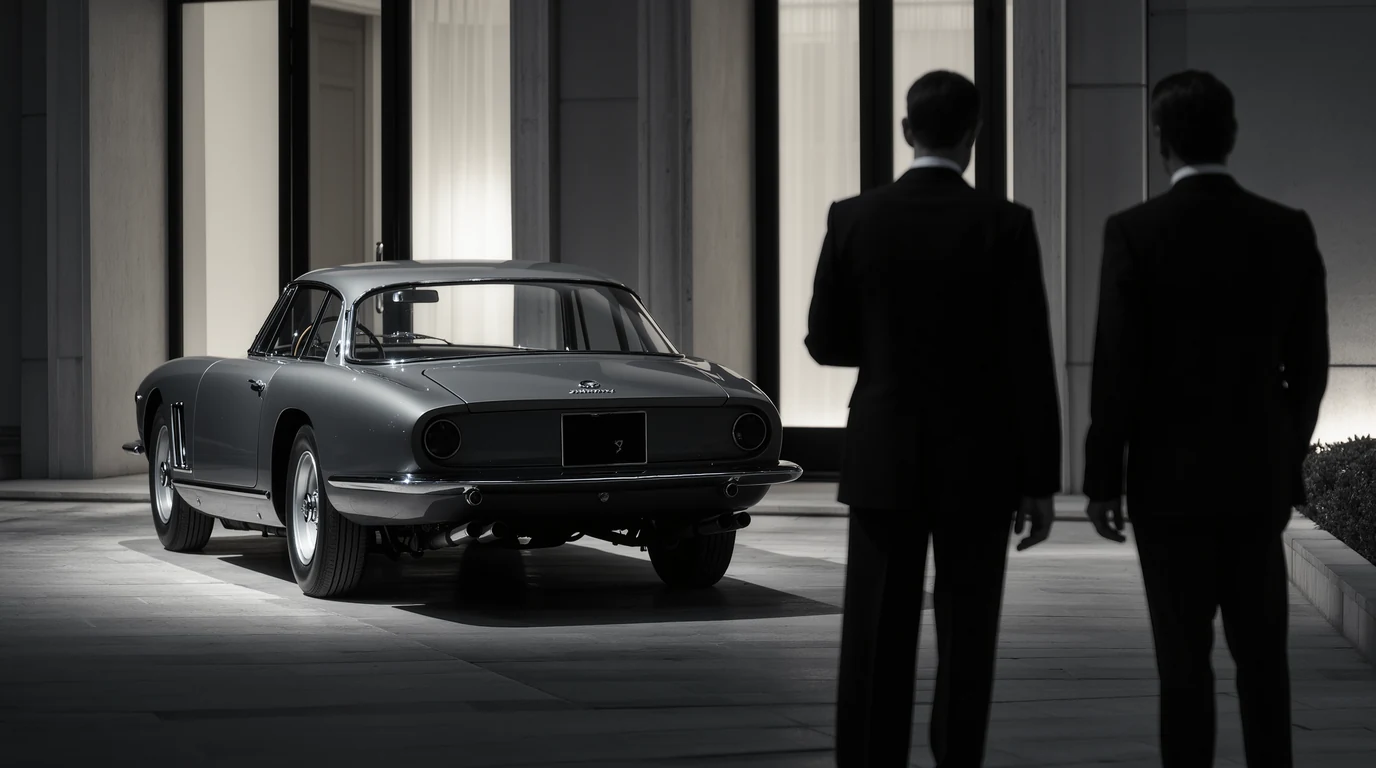
Vintage Maserati cars represent a unique blend of Italian craftsmanship, engineering excellence, and timeless design. These classic vehicles, produced during the golden age of automotive history, are not just modes of transportation; they are symbols of luxury and sophistication. Owning a vintage Maserati is akin to possessing a piece of art, a testament to the brand’s rich heritage and commitment to performance.
For enthusiasts and collectors alike, these cars evoke nostalgia and admiration, making them highly sought after in the automotive market. The allure of vintage Maserati cars lies not only in their aesthetic appeal but also in their performance capabilities. With powerful engines and innovative designs, these vehicles offer a driving experience that is both exhilarating and memorable.
As the demand for classic cars continues to rise, understanding the nuances of owning a vintage Maserati becomes essential for potential buyers. This article delves into the various aspects of vintage Maserati ownership, highlighting the rarity, maintenance costs, investment potential, and the overall prestige associated with these remarkable automobiles.
Key Takeaways
- Vintage Maserati cars are rare and highly exclusive vehicles.
- Maintenance and parts for these cars are costly and hard to find.
- They offer strong investment potential due to their appreciation over time.
- Owning one provides a unique driving experience and social prestige.
- Restoration and insurance add to the overall luxury ownership experience.
Rarity and Exclusivity
One of the most compelling reasons to consider a vintage Maserati is its rarity and exclusivity. Maserati produced a limited number of models during its early years, making these cars highly coveted among collectors. The scarcity of certain models, such as the Maserati 250F or the Maserati Ghibli, adds to their allure and value.
Owning a vintage Maserati means possessing a piece of automotive history that few others can claim. The exclusivity of vintage Maserati cars also extends to their design and engineering. Each model showcases unique features that reflect the era in which it was built.
From the elegant lines of the bodywork to the intricate details of the interior, these cars are masterpieces that stand out in any collection. For enthusiasts, driving a vintage Maserati is not just about getting from point A to point B; it’s about experiencing a rare piece of art on wheels.
High Maintenance Costs
While owning a vintage Maserati can be incredibly rewarding, it is essential to consider the high maintenance costs associated with these vehicles. Unlike modern cars, vintage models often require specialized care and attention.
Additionally, vintage Maseratis may require more frequent repairs than their modern counterparts. As these cars age, components can wear out or become obsolete, leading to costly repairs. Owners must be prepared for these expenses and factor them into their overall budget when considering a vintage Maserati purchase.
Understanding the financial commitment involved in maintaining such a vehicle is crucial for prospective buyers.
Limited Availability of Parts
Another challenge faced by vintage Maserati owners is the limited availability of parts. As these cars age, finding authentic replacement parts can become increasingly difficult. Many components are no longer manufactured, leading to a reliance on aftermarket suppliers or salvaged parts from other vintage models.
This scarcity can drive up costs and complicate repairs. Moreover, sourcing parts often requires patience and persistence. Owners may need to search through specialized suppliers or attend classic car shows to find the necessary components.
This process can be time-consuming and may lead to extended periods without the vehicle being operational. Understanding this aspect of ownership is vital for anyone considering investing in a vintage Maserati.
Appreciation and Depreciation
The value of vintage Maserati cars can fluctuate significantly over time, influenced by various factors such as market demand, condition, and rarity. While some models have seen substantial appreciation in value, others may experience depreciation due to oversupply or lack of interest among collectors.
Investing in a vintage Maserati can be both rewarding and risky. While some owners have seen their vehicles appreciate significantly over the years, others may find that their investment does not yield the expected returns. Buyers should approach this investment with caution, considering both the potential for appreciation and the risks involved in owning a classic car.
Insurance Costs
Insuring a vintage Maserati can be more complex than insuring a modern vehicle. Due to their high value and unique characteristics, classic car insurance policies often differ from standard auto insurance. Owners may need to seek specialized insurance providers that understand the intricacies of insuring vintage vehicles.
Insurance costs can vary widely based on factors such as the car’s value, usage, and storage conditions. Owners should also consider additional coverage options that protect against theft or damage during restoration processes. Understanding these insurance requirements is crucial for anyone looking to own a vintage Maserati, as it ensures adequate protection for this valuable asset.
Restoration and Preservation
Restoring and preserving a vintage Maserati can be an exciting yet challenging endeavor. Many owners choose to restore their vehicles to their original condition, which often involves extensive work on both mechanical and aesthetic aspects. This process can be time-consuming and costly but ultimately rewarding for those passionate about classic cars.
Preservation is equally important for maintaining the value of a vintage Maserati. Proper storage conditions, regular maintenance, and careful driving habits can help protect these vehicles from deterioration over time. Owners should invest in quality storage solutions and consider joining clubs or communities dedicated to vintage car preservation for support and resources.
Investment Potential
The investment potential of vintage Maserati cars is significant, particularly for rare models with historical significance. As interest in classic cars continues to grow, many collectors view these vehicles as viable investment opportunities. However, potential buyers should conduct thorough research on market trends and specific models before making an investment.
Investing in a vintage Maserati requires careful consideration of factors such as rarity, condition, and provenance. Models with documented histories or unique features tend to appreciate more rapidly than others. By understanding these dynamics, buyers can make informed decisions that align with their investment goals.
Performance and Driving Experience
One of the most appealing aspects of owning a vintage Maserati is the unparalleled performance and driving experience these cars offer. With powerful engines and precise handling, driving a vintage Maserati is an exhilarating experience that few modern vehicles can replicate. The roar of the engine and the feel of the road create an emotional connection that resonates with automotive enthusiasts.
Moreover, each model has its own unique characteristics that contribute to its driving experience. From the sporty feel of the Maserati Merak to the luxurious ride of the Maserati Quattroporte, there is something for every driving preference within the brand’s lineup. For many owners, this performance aspect is what makes owning a vintage Maserati truly special.
Social Status and Prestige
Owning a vintage Maserati is not just about having a beautiful car; it also conveys social status and prestige. These vehicles are often associated with wealth, success, and refined taste. Driving a vintage Maserati can turn heads and spark conversations, making it an excellent choice for those who appreciate luxury.
The exclusivity of these cars further enhances their status symbol appeal. Many people view vintage Maseratis as rare treasures that reflect an owner’s passion for automotive excellence. This social aspect can be particularly appealing for collectors who enjoy showcasing their vehicles at events or gatherings.
The Luxury of Owning a Vintage Maserati
In conclusion, owning a vintage Maserati is an experience that combines rarity, performance, and prestige with significant responsibilities such as maintenance costs and parts availability. For those who appreciate fine craftsmanship and automotive history, these classic cars offer an unparalleled connection to the past while providing an exciting driving experience. While there are challenges associated with ownership, such as high maintenance costs and limited parts availability, the rewards often outweigh these concerns for passionate enthusiasts.
The investment potential and social status associated with owning a vintage Maserati further enhance its appeal. For anyone considering adding a vintage Maserati to their collection or simply looking to experience the luxury of driving one of these iconic vehicles, understanding the nuances of ownership is essential. Embrace the journey into the world of vintage Maseratis, where every drive is an adventure steeped in history and elegance.
FAQs
What defines a vintage Maserati car?
A vintage Maserati car typically refers to models produced several decades ago, often recognized for their classic design, engineering, and historical significance within the Maserati brand’s legacy.
Why are vintage Maserati cars considered risky investments?
Vintage Maserati cars are considered risky due to factors such as high maintenance costs, scarcity of original parts, potential for depreciation, and the specialized knowledge required for proper restoration and upkeep.
What makes vintage Maserati cars expensive to maintain?
Maintenance costs are high because vintage Maseratis often require rare or custom-made parts, expert mechanics familiar with the brand, and frequent servicing to preserve their performance and value.
Why is ownership of vintage Maserati cars typically limited to wealthy individuals?
The combination of high purchase prices, costly maintenance, insurance, storage, and restoration expenses makes vintage Maserati ownership financially feasible primarily for wealthy collectors and enthusiasts.
Are vintage Maserati cars a good investment?
While some vintage Maserati models may appreciate in value over time, the investment carries risks due to market fluctuations, the car’s condition, and the costs associated with ownership and restoration.
What are the common challenges faced by vintage Maserati owners?
Owners often face challenges such as sourcing authentic parts, finding skilled mechanics, managing high upkeep costs, and ensuring the car remains in original or restored condition to maintain its value.
How does the rarity of vintage Maserati cars affect their risk and value?
Rarity can increase a car’s value but also adds risk, as limited availability of parts and expertise can lead to higher maintenance costs and difficulties in restoration.
Can vintage Maserati cars be insured easily?
Insurance for vintage Maseratis can be expensive and may require specialized classic car insurance policies that consider the car’s value, usage, and storage conditions.
What should potential buyers consider before purchasing a vintage Maserati?
Buyers should assess the car’s condition, maintenance history, availability of parts, restoration needs, insurance costs, and their own ability to afford ongoing expenses associated with ownership.
Are there any benefits to owning a vintage Maserati despite the risks?
Yes, benefits include owning a piece of automotive history, potential appreciation in value, the prestige associated with the brand, and the enjoyment of driving a classic luxury sports car.
More from Blog
The Future of Classic Car Collecting: Trends Shaping the Next Generation
The future of classic car collecting: why 2035 ICE bans spare existing cars, plus e-fuels, shifting demographics, electromods and fractional ownership…
Classic Car Insurance Guide: Protecting Your Vintage Investment
Classic car insurance guide: why agreed-value policies beat stated and actual cash value, how Hagerty, Grundy and Chubb compare, plus costs and covera…
Classic Car History Timeline: From Benz to the Modern Collector Era
Classic car history timeline from the 1886 Benz Patent-Motorwagen through coachbuilding, muscle cars and supercars to modern collectibles. Discover th…