Why Vintage Luxury Cars Are Stored Like Fine Wine
Vintage luxury automobiles represent significant examples of automotive engineering and design from previous decades. These vehicles demonstrate the manufacturing techniques, aesth…
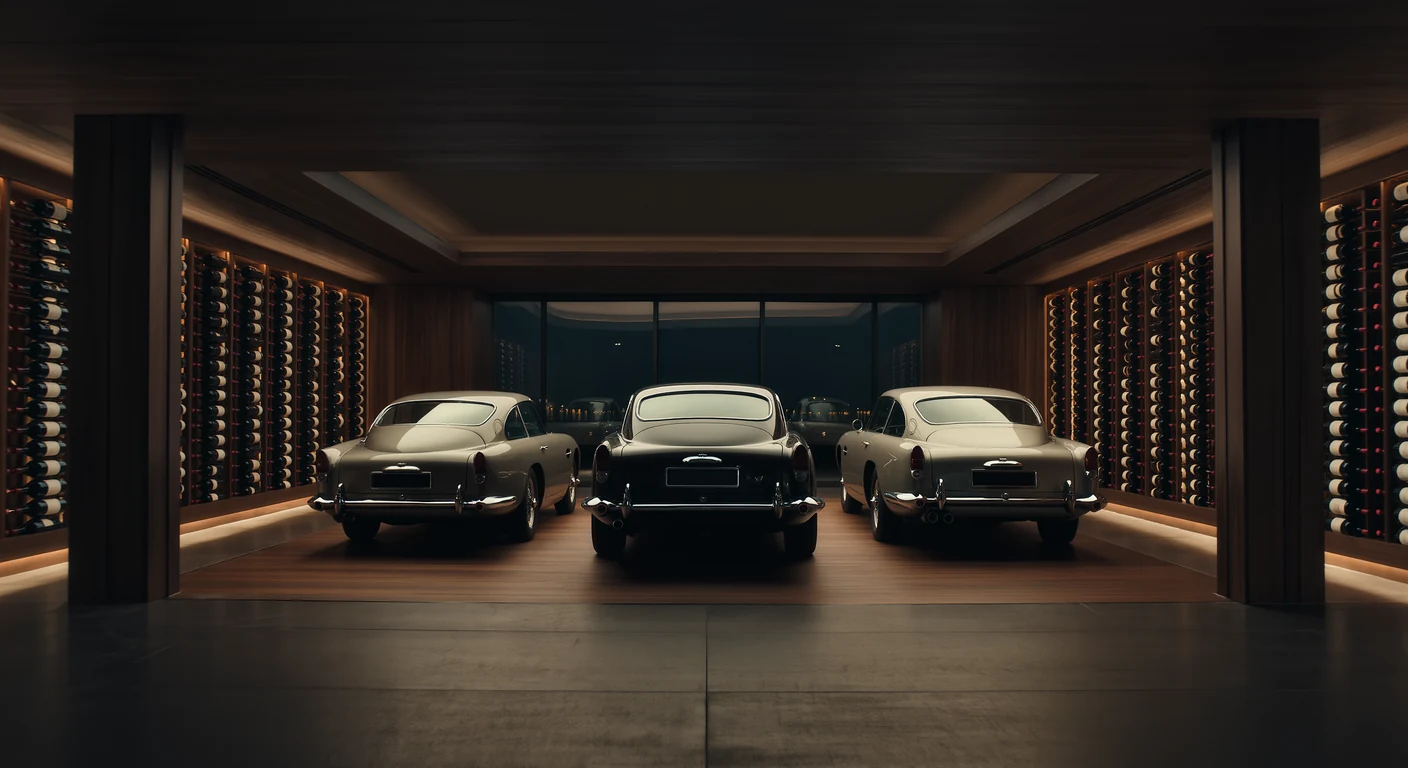
Vintage luxury automobiles represent significant examples of automotive engineering and design from previous decades. These vehicles demonstrate the manufacturing techniques, aesthetic preferences, and technological capabilities of their respective time periods. The appeal of vintage luxury cars stems from several measurable factors: their distinctive design elements that differ from contemporary vehicles, their mechanical engineering specifications, and their documented historical significance within automotive development.
Each vintage luxury car model corresponds to specific periods in automotive history and often reflects broader technological innovations or manufacturing milestones. These vehicles serve as physical documentation of evolving automotive design principles, engine technologies, and luxury features that were considered advanced during their production years. The ownership of vintage luxury automobiles involves the preservation of automotive heritage and represents an investment in historically significant machinery.
The collector market for vintage luxury cars operates based on factors including rarity, condition, provenance, and historical importance. Market data indicates that well-maintained examples of significant vintage luxury models have demonstrated appreciation in value over extended periods. This appreciation reflects both the finite supply of original vehicles and sustained demand from collectors who value automotive history.
Consequently, vintage luxury car ownership functions both as a recreational pursuit and as a tangible asset class within the broader collectibles market.
Key Takeaways
- Proper storage and environmental control are crucial for preserving the value and condition of vintage luxury cars.
- Temperature, humidity, and pest protection play significant roles in preventing damage to classic vehicles.
- Regular maintenance combined with controlled storage environments helps maintain original craftsmanship and functionality.
- Improper storage can lead to deterioration, reducing both the car’s aesthetic appeal and resale value.
- Vintage luxury cars remain highly desirable collector’s items, with their value closely tied to how well they are preserved.
The importance of proper storage for maintaining value
Proper storage is crucial for maintaining the value of vintage luxury cars. These vehicles are often delicate and require specific conditions to prevent deterioration. When stored incorrectly, even the most pristine vintage car can suffer from rust, paint damage, and mechanical issues.
Therefore, understanding the importance of proper storage is essential for any collector or enthusiast looking to preserve their investment. Inadequate storage can lead to significant financial losses. For instance, exposure to moisture can cause rust to form on metal components, while direct sunlight can fade paint and damage interiors.
Additionally, improper storage can lead to mechanical failures that may require costly repairs. By investing in proper storage solutions, owners can protect their vintage cars from these risks and ensure they retain their value over time.
The impact of environmental factors on vintage cars
Environmental factors play a significant role in the preservation of vintage luxury cars. Elements such as temperature, humidity, and exposure to sunlight can greatly affect the condition of these vehicles. For instance, high humidity levels can lead to mold growth and rust formation, while extreme temperatures can cause rubber seals and gaskets to deteriorate.
Understanding these environmental impacts is vital for any vintage car owner. Furthermore, pollution and dust can also contribute to the degradation of vintage cars. Particulate matter can settle on surfaces, leading to scratches and paint damage if not cleaned regularly.
Therefore, it is essential for owners to be aware of these factors and take proactive measures to mitigate their effects on their prized possessions.
The role of temperature and humidity control in storage
Temperature and humidity control are critical components of effective storage for vintage luxury cars. Ideally, these vehicles should be stored in a climate-controlled environment that maintains stable temperatures and humidity levels. This helps prevent fluctuations that can lead to damage over time.
A consistent temperature range between 60°F and 75°F is generally recommended for optimal preservation. Humidity levels should also be monitored closely. A relative humidity level between 40% and 60% is ideal for preventing rust and mold growth.
Using dehumidifiers or humidifiers can help maintain these levels in storage facilities. Additionally, proper ventilation is essential to ensure air circulation, which further aids in preventing moisture buildup. By prioritizing temperature and humidity control, owners can significantly extend the lifespan of their vintage luxury cars.
Protecting against pests and rodents
Protecting vintage luxury cars from pests and rodents is another crucial aspect of proper storage. These unwanted guests can cause significant damage by chewing through wiring, upholstery, and insulation materials. Rodents are particularly attracted to warm spaces where they can nest, making garages and storage units prime targets for infestations.
To safeguard against pests, owners should take preventive measures such as sealing any gaps or openings in storage areas. Using traps or natural repellents can also help deter rodents from entering the space. Additionally, regular inspections of the storage area are essential to identify any signs of infestation early on.
By implementing these strategies, owners can protect their vintage luxury cars from potential damage caused by pests.
The significance of regular maintenance and care
Regular maintenance and care are vital for preserving the condition of vintage luxury cars. Just like any other vehicle, these classics require routine checks to ensure they remain in optimal working order. This includes regular oil changes, fluid checks, tire rotations, and brake inspections.
Neglecting these tasks can lead to mechanical failures that may compromise the vehicle’s performance and value. Moreover, regular cleaning is essential for maintaining both the exterior and interior of vintage cars. Washing and waxing the exterior helps protect the paint from environmental damage, while cleaning the interior prevents wear and tear on upholstery and surfaces.
Additionally, detailing services can help restore the vehicle’s original luster and charm. By committing to regular maintenance and care, owners can ensure their vintage luxury cars remain in excellent condition for years to come.
The benefits of storing vintage cars in a controlled environment
Storing vintage luxury cars in a controlled environment offers numerous benefits that contribute to their longevity and value retention. A climate-controlled space protects vehicles from extreme temperatures and humidity fluctuations that can cause damage over time. This controlled environment also minimizes exposure to harmful UV rays that can fade paint and degrade interiors.
Additionally, a secure storage facility provides protection against theft and vandalism. Many collectors choose specialized storage solutions that offer enhanced security features such as surveillance cameras, gated access, and individual units for each vehicle. This peace of mind allows owners to enjoy their vintage cars without worrying about potential risks associated with inadequate storage conditions.
Preserving the original condition and craftsmanship
Preserving the original condition and craftsmanship of vintage luxury cars is paramount for collectors who appreciate their historical significance. These vehicles often feature unique designs and intricate details that reflect the artistry of their time. Maintaining this originality not only enhances the car’s aesthetic appeal but also contributes to its overall value in the collector’s market.
To preserve originality, owners should avoid making unnecessary modifications or alterations that could detract from the vehicle’s authenticity. Instead, focus on restoration techniques that respect the original craftsmanship while addressing any wear or damage. This approach ensures that the car retains its unique character while remaining functional and visually appealing.
The potential risks of improper storage
Improper storage poses several risks that can jeopardize the condition and value of vintage luxury cars. Exposure to moisture can lead to rust formation on metal components, while extreme temperatures can cause rubber parts to crack or degrade. Additionally, inadequate ventilation can result in mold growth, which can be difficult to remove once established.
Furthermore, improper storage may expose vehicles to pests that can cause significant damage over time. Rodents may chew through wiring or upholstery, leading to costly repairs that could have been avoided with proper precautions. By understanding these risks associated with improper storage, owners can take proactive measures to protect their investments effectively.
The correlation between proper storage and resale value
There is a direct correlation between proper storage practices and the resale value of vintage luxury cars. Vehicles that have been well-maintained and stored under optimal conditions tend to command higher prices in the collector’s market. Buyers are often willing to pay a premium for cars that show minimal signs of wear and have been preserved in their original condition.
Conversely, vehicles that have suffered from neglect or improper storage may experience significant depreciation in value. Rust damage, mechanical issues, or faded paint can deter potential buyers and lead to lower offers during resale negotiations. By prioritizing proper storage practices, owners not only protect their investment but also enhance its potential resale value.
The appeal of vintage luxury cars as a collector’s item
The appeal of vintage luxury cars as collector’s items continues to grow among enthusiasts worldwide. These vehicles represent more than just transportation; they embody history, craftsmanship, and nostalgia that resonate with many individuals.
Moreover, investing in vintage luxury cars offers financial benefits as well. As demand for these vehicles increases over time, many collectors find that their investments appreciate significantly in value. This combination of emotional connection and financial potential makes vintage luxury cars an attractive option for collectors looking to diversify their portfolios while indulging in their passion for automotive history.
In conclusion, understanding the allure of vintage luxury cars goes beyond mere aesthetics; it encompasses proper care, maintenance, and storage practices that ensure these vehicles remain valuable assets for years to come. By prioritizing controlled environments, regular upkeep, and protection against environmental factors, owners can preserve both the beauty and integrity of their prized possessions while enjoying all the benefits that come with being part of this passionate community.
FAQs
Why are vintage luxury cars compared to fine wine in terms of storage?
Vintage luxury cars are compared to fine wine because, like wine, their value and quality can improve over time when stored properly. Both require controlled environments to prevent deterioration and maintain their condition.
What are the ideal storage conditions for vintage luxury cars?
Ideal storage conditions include a climate-controlled environment with stable temperature and humidity levels, protection from direct sunlight, dust, and moisture, and regular maintenance to prevent mechanical and cosmetic degradation.
How does temperature affect the preservation of vintage luxury cars?
Extreme temperatures can cause damage to a car’s paint, interior materials, and mechanical components. Consistent, moderate temperatures help prevent cracking, fading, and corrosion, preserving the car’s original condition.
Why is humidity control important in storing vintage luxury cars?
Excess humidity can lead to rust and mold growth, while very low humidity can dry out leather and rubber parts. Maintaining balanced humidity levels helps protect both the exterior and interior materials of the car.
Do vintage luxury cars require special maintenance while in storage?
Yes, they require periodic checks, battery maintenance, fluid changes, and sometimes engine running to keep mechanical parts lubricated and prevent deterioration.
Can improper storage reduce the value of a vintage luxury car?
Yes, improper storage can lead to rust, paint damage, interior decay, and mechanical issues, all of which can significantly reduce the car’s market value and desirability.
Is it necessary to use specialized storage facilities for vintage luxury cars?
While not always necessary, specialized storage facilities offer optimal conditions such as climate control, security, and professional care, which are highly beneficial for preserving vintage luxury cars.
How often should vintage luxury cars be inspected during storage?
It is recommended to inspect vintage luxury cars at least every few months to check for any signs of damage, perform maintenance tasks, and ensure the storage environment remains suitable.
Are there any specific products recommended for preserving vintage luxury cars?
Products such as car covers made from breathable materials, rust inhibitors, battery maintainers, and high-quality cleaning and conditioning agents for leather and paint are commonly recommended.
What role does documentation and provenance play in the value of vintage luxury cars?
Proper documentation and provenance can significantly enhance a vintage luxury car’s value by verifying its authenticity, history, and maintenance records, making it more attractive to collectors.
More from Blog
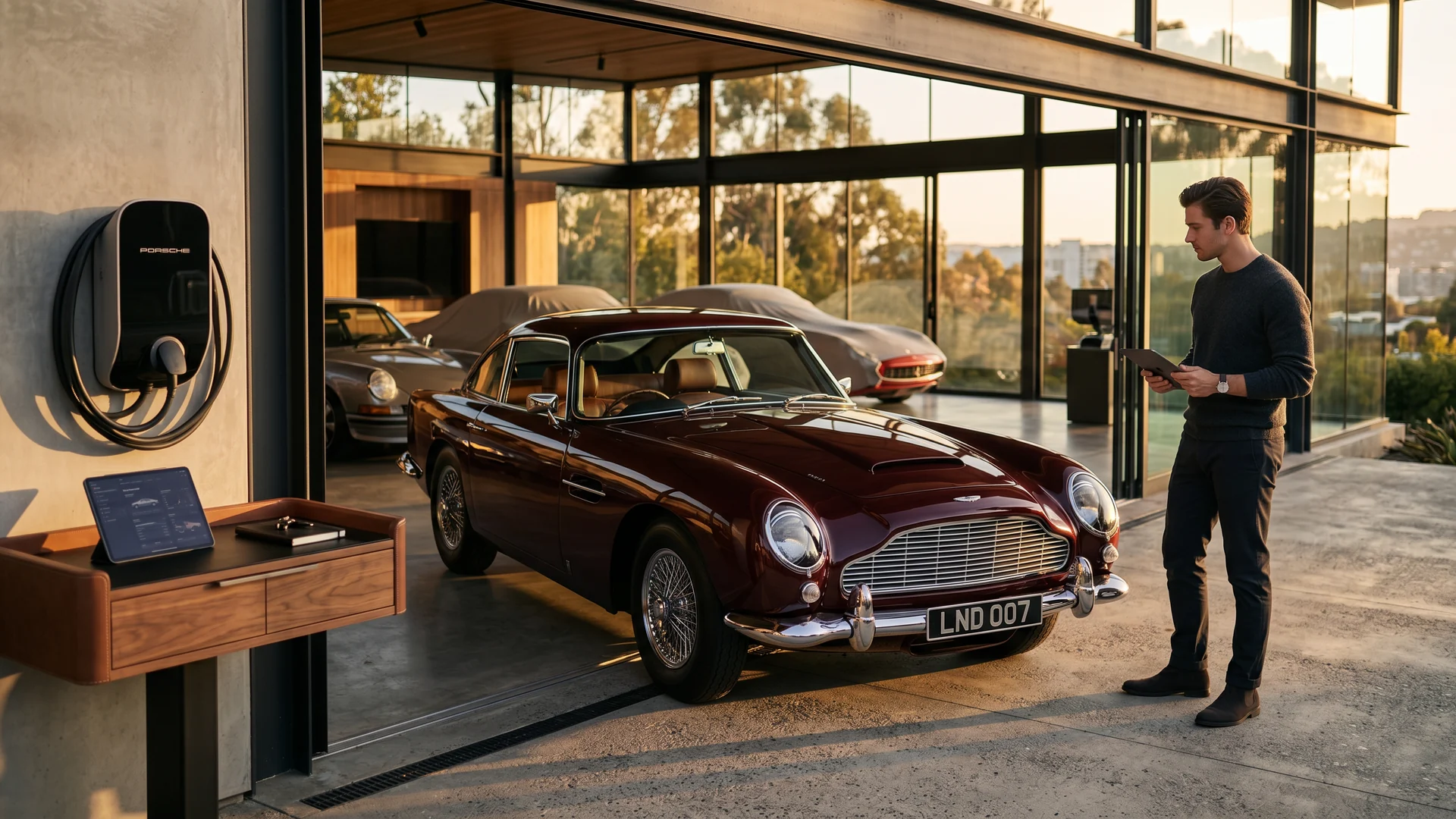
The Future of Classic Car Collecting: Trends Shaping the Next Generation
The future of classic car collecting: why 2035 ICE bans spare existing cars, plus e-fuels, shifting demographics, electromods and fractional ownership…
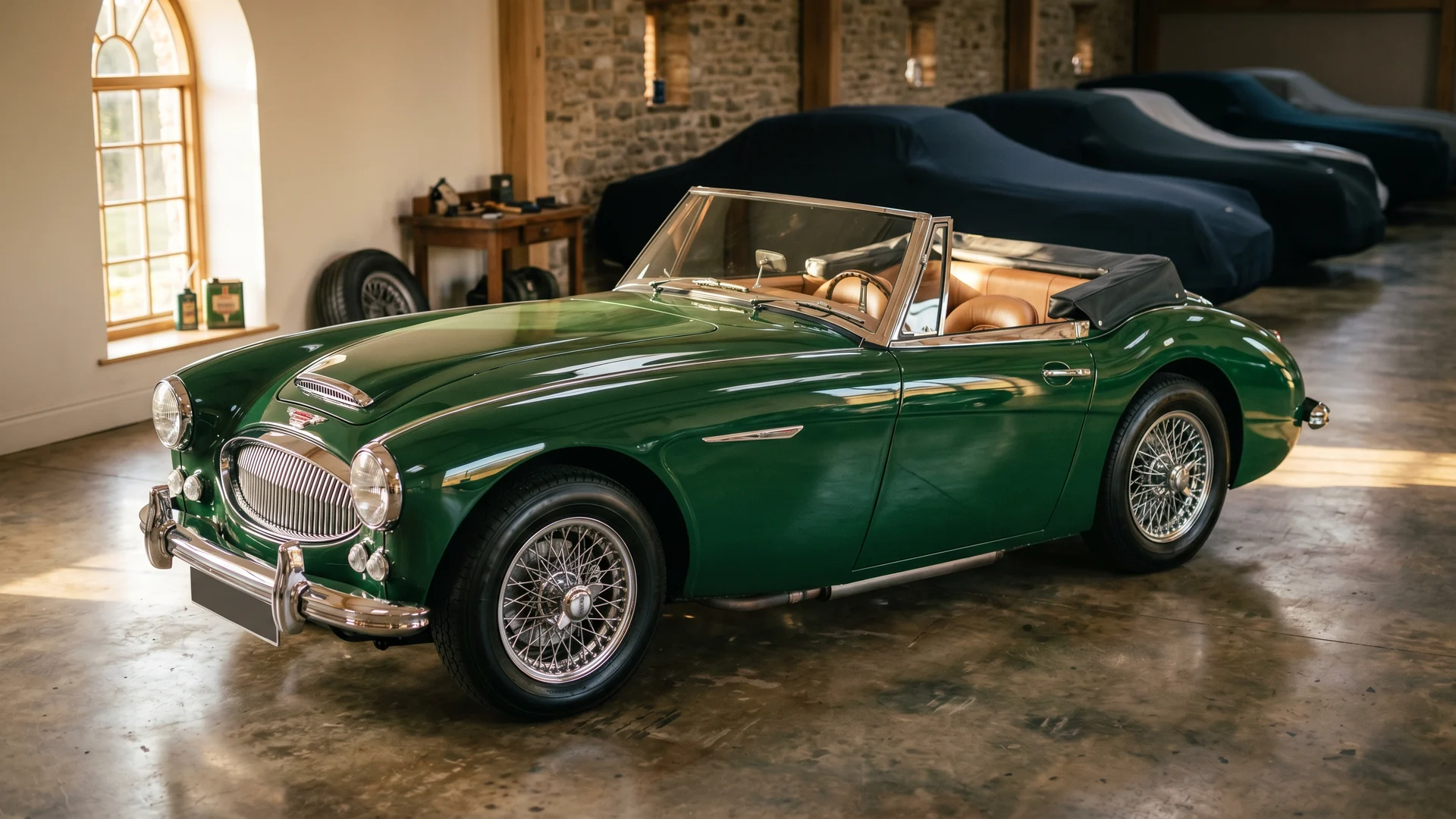
Classic Car Insurance Guide: Protecting Your Vintage Investment
Classic car insurance guide: why agreed-value policies beat stated and actual cash value, how Hagerty, Grundy and Chubb compare, plus costs and covera…
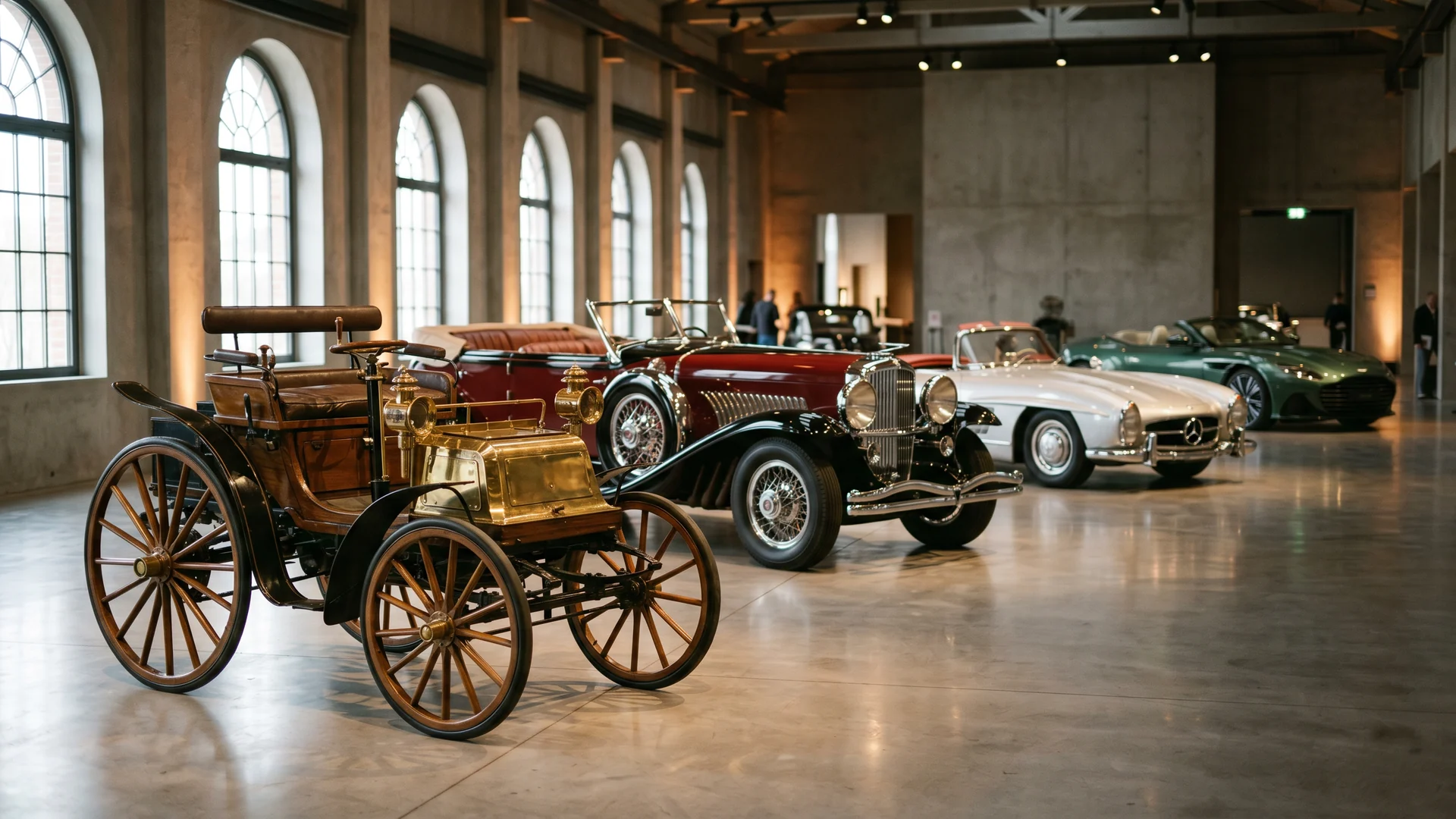
Classic Car History Timeline: From Benz to the Modern Collector Era
Classic car history timeline from the 1886 Benz Patent-Motorwagen through coachbuilding, muscle cars and supercars to modern collectibles. Discover th…