Why Vintage Cars Are the Ultimate Quiet Luxury Asset
Vintage cars represent a significant aspect of automotive history, characterized by distinctive design elements and craftsmanship. These vehicles, typically manufactured between th…
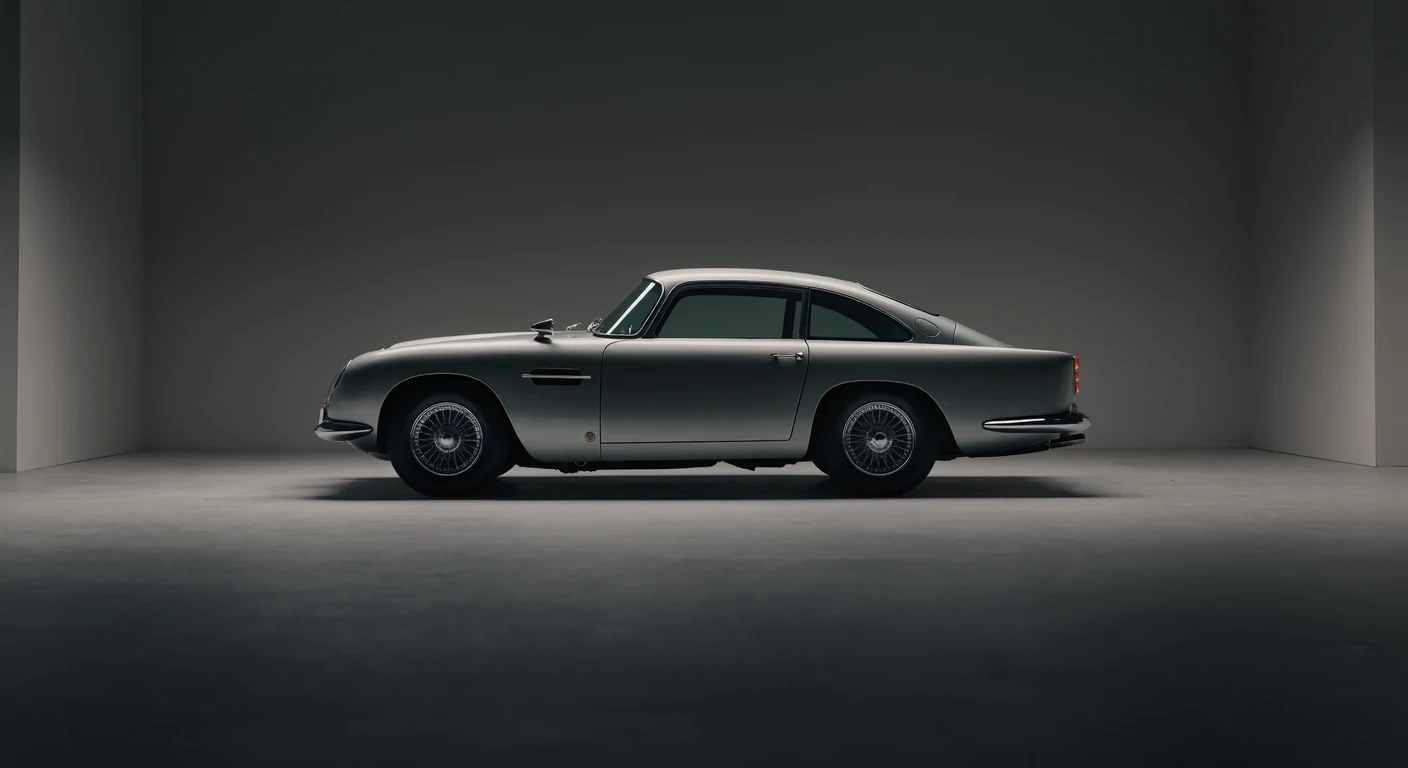
Vintage cars represent a significant aspect of automotive history, characterized by distinctive design elements and craftsmanship. These vehicles, typically manufactured between the 1920s and 1970s, feature architectural styling that distinguishes them from contemporary automobiles. Their historical significance stems from their representation of technological advancements and cultural trends of their respective eras.
The design characteristics of vintage automobiles include pronounced body lines, substantial chrome accents, and handcrafted components that demonstrate the manufacturing techniques of their time. Models such as the 1950s Cadillac with its prominent tail fins and the 1960s Jaguar E-Type with its aerodynamic profile exemplify the engineering and aesthetic priorities of different decades. Vintage cars maintain their relevance in modern society through collector markets, restoration communities, and automotive heritage exhibitions.
These vehicles serve as tangible artifacts of industrial design evolution and transportation history.
Key Takeaways
- Vintage cars embody timeless elegance and unmatched craftsmanship.
- Owning a vintage car offers exclusivity and a unique emotional connection.
- Vintage cars hold significant investment potential and historical value.
- Preservation and restoration are key to maintaining automotive heritage.
- Demand for vintage cars is rising within the luxury and collector markets.
The Unmatched Craftsmanship of Vintage Car Design
The craftsmanship of vintage car design is unparalleled. Each vehicle was meticulously crafted by skilled artisans who poured their heart and soul into every detail. Unlike today’s automated production lines, vintage cars were built with a personal touch.
This dedication to quality is evident in the materials used, from the rich leather upholstery to the gleaming metal finishes. The result is a car that not only looks stunning but also feels substantial and well-made. Moreover, vintage cars often feature innovative engineering that was ahead of its time.
Many models introduced groundbreaking technologies that set the standard for future automotive design. For instance, the introduction of power steering and automatic transmissions in certain vintage models revolutionized driving experiences. Collectors and enthusiasts appreciate these unique features, as they represent a blend of artistry and engineering that is rarely found in contemporary vehicles.
The Exclusivity of Owning a Vintage Car
Owning a vintage car is an exclusive privilege that few can claim. These vehicles are often produced in limited quantities, making them rare and highly sought after. This exclusivity adds to their allure, as collectors vie for ownership of unique models that may only be available through auctions or private sales.
The rarity of vintage cars not only enhances their desirability but also elevates their status among automotive enthusiasts. Furthermore, owning a vintage car often comes with a sense of community. Many collectors join clubs or attend events where they can connect with fellow enthusiasts who share their passion.
The exclusivity of vintage car ownership creates an environment where individuals can celebrate their love for these remarkable machines together.
The Investment Potential of Vintage Cars
Vintage cars are not just beautiful; they can also be lucrative investments. Over the years, many models have appreciated significantly in value, making them attractive options for investors looking to diversify their portfolios. Certain classic cars have seen returns that outpace traditional investments like stocks or real estate.
This potential for appreciation makes vintage cars appealing to both collectors and investors alike. However, investing in vintage cars requires knowledge and careful consideration. Factors such as rarity, condition, and historical significance play crucial roles in determining a car’s value.
Savvy investors often conduct thorough research and seek expert advice before making a purchase. By understanding market trends and identifying promising models, investors can make informed decisions that lead to profitable outcomes.
The Emotional Connection to Vintage Cars
The emotional connection many people have with vintage cars is profound. For some, these vehicles represent cherished memories from their youth or family history. They evoke feelings of nostalgia and remind owners of simpler times spent with loved ones on road trips or at car shows.
This emotional bond often drives individuals to seek out specific models that hold personal significance. Additionally, vintage cars can symbolize freedom and adventure. The open road beckons, inviting owners to explore new destinations while enjoying the thrill of driving a classic vehicle.
This sense of liberation is amplified by the unique character and charm of vintage cars, making each journey an unforgettable experience. For many enthusiasts, owning a vintage car is not just about possession; it’s about embracing a lifestyle filled with passion and adventure.
The Unique Driving Experience of Vintage Cars
Driving a vintage car offers a unique experience that modern vehicles simply cannot replicate. The feel of the steering wheel, the sound of the engine, and the tactile feedback from the road create an immersive driving experience that engages all the senses. Vintage cars often require more skill and attention to drive, allowing owners to connect with their vehicles on a deeper level.
Moreover, the simplicity of vintage car mechanics can be refreshing in today’s world of complex technology. Many enthusiasts appreciate the straightforward nature of older models, which often allows for easier repairs and maintenance. This hands-on approach fosters a greater appreciation for the vehicle and enhances the overall driving experience.
The Historical Significance of Vintage Cars
Vintage cars hold significant historical value, representing milestones in automotive innovation and design. Each model reflects the cultural and technological advancements of its time, providing insight into societal changes over the decades. For instance, the introduction of safety features like seat belts and crumple zones in certain vintage models marked important progress in automotive safety.
Additionally, vintage cars often serve as reminders of significant events or movements in history. They can symbolize freedom during the post-war era or represent the rise of American muscle cars in the 1960s. By preserving these vehicles, we maintain a tangible connection to our past and ensure that future generations can appreciate the evolution of automotive history.
The Preservation of Automotive History through Vintage Cars
Preserving vintage cars is essential for maintaining our automotive heritage. Enthusiasts and collectors play a crucial role in this preservation effort by restoring and caring for these vehicles. Through meticulous restoration processes, they ensure that these classic cars remain in excellent condition for years to come.
Moreover, many organizations and museums are dedicated to preserving automotive history through vintage car collections. These institutions educate the public about the significance of classic vehicles while showcasing their beauty and craftsmanship. By supporting these efforts, we contribute to the ongoing appreciation and understanding of our automotive past.
The Appreciation of Vintage Cars in the Collector Community
The collector community surrounding vintage cars is vibrant and passionate. Enthusiasts gather at events, auctions, and shows to share their love for classic vehicles. This sense of community fosters camaraderie among collectors who often exchange tips on restoration techniques or share stories about their favorite models.
Additionally, social media has transformed how collectors connect with one another. Online forums and groups allow enthusiasts from around the world to share photos, discuss trends, and even trade parts or vehicles. This global network enhances the appreciation for vintage cars and encourages collaboration among collectors.
The Maintenance and Restoration of Vintage Cars
Maintaining and restoring vintage cars requires dedication and expertise. Owners must be knowledgeable about their vehicle’s specific needs to ensure longevity and performance. Regular maintenance tasks such as oil changes, tire rotations, and brake inspections are essential for keeping these classic machines running smoothly.
Restoration projects can vary significantly in scope, from minor cosmetic touch-ups to complete overhauls. Many owners take pride in restoring their vehicles to original specifications, using authentic parts whenever possible. This commitment to authenticity not only preserves the car’s value but also honors its history.
The Growing Demand for Vintage Cars in the Luxury Market
The luxury market for vintage cars has seen significant growth in recent years. As more individuals seek unique investments that offer both aesthetic appeal and potential financial returns, vintage cars have emerged as desirable assets. High-profile auctions often feature rare models that attract attention from wealthy collectors around the globe.
This growing demand has led to increased interest in vintage car restoration services as well. Many professionals specialize in restoring classic vehicles to pristine condition, catering to discerning clients who want their investments to shine. As the luxury market continues to evolve, vintage cars will likely remain at the forefront as symbols of elegance, exclusivity, and timeless beauty.
In conclusion, vintage cars represent more than just modes of transportation; they embody history, craftsmanship, and emotional connections that resonate with enthusiasts worldwide. Whether you’re drawn to their timeless elegance or see them as investment opportunities, there’s no denying the allure of these classic vehicles. Embrace your passion for vintage cars today, explore local clubs or attend events to connect with fellow enthusiasts who share your love for these remarkable machines!
FAQs
What defines a vintage car?
A vintage car is typically defined as a vehicle that was manufactured between 1919 and 1930. However, the term can also broadly refer to classic cars that are at least 20 to 30 years old, depending on the context and car enthusiast communities.
Why are vintage cars considered luxury assets?
Vintage cars are considered luxury assets because they often represent high craftsmanship, exclusivity, and historical significance. Their rarity and condition can make them valuable investments, and they are often associated with prestige and elegance.
How do vintage cars maintain their value over time?
Vintage cars maintain their value through rarity, historical importance, brand reputation, and condition. Limited production numbers and well-preserved or expertly restored vehicles tend to appreciate in value, especially if they have a documented history.
What makes vintage cars a “quiet” luxury asset?
Vintage cars are considered a “quiet” luxury asset because they offer exclusivity and value appreciation without the overt display often associated with modern luxury goods. They appeal to collectors and investors who appreciate subtlety, heritage, and long-term value rather than flashy status symbols.
Are vintage cars a good investment?
Vintage cars can be a good investment if purchased wisely, maintained properly, and held over time. Their value can increase due to rarity, demand, and historical significance. However, like all investments, they carry risks and require knowledge and care.
What factors affect the value of a vintage car?
Factors affecting the value of a vintage car include its make and model, rarity, condition, originality, provenance, historical significance, and market demand. Restoration quality and documentation also play important roles.
How should vintage cars be maintained to preserve their value?
Vintage cars should be regularly maintained with proper storage, routine mechanical checks, and use of original or high-quality replacement parts. Preservation of original features and documentation of maintenance history are crucial for maintaining value.
Can vintage cars be used as everyday vehicles?
While some vintage cars can be driven regularly, many are best reserved for occasional use due to their age, maintenance needs, and potential fragility. Using them daily can increase wear and reduce their value.
Is insurance different for vintage cars compared to modern cars?
Yes, insurance for vintage cars often differs from standard auto insurance. It typically involves agreed value coverage, usage restrictions, and specialized policies that consider the car’s collectible status and limited use.
Where can one buy vintage cars?
Vintage cars can be purchased through specialized classic car dealerships, auctions, private sellers, car clubs, and online marketplaces dedicated to classic and vintage automobiles.
More from Blog
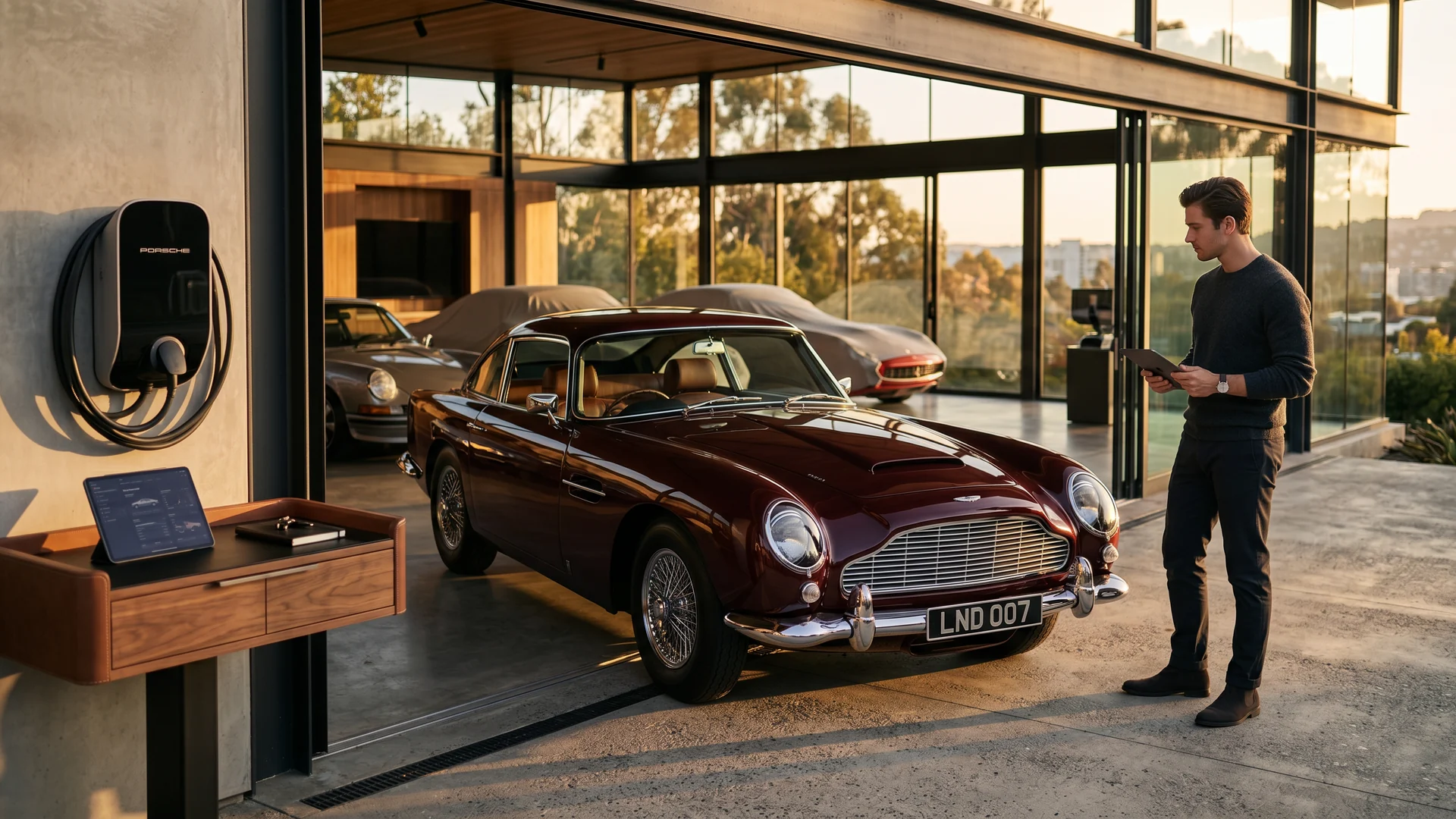
The Future of Classic Car Collecting: Trends Shaping the Next Generation
The future of classic car collecting: why 2035 ICE bans spare existing cars, plus e-fuels, shifting demographics, electromods and fractional ownership…
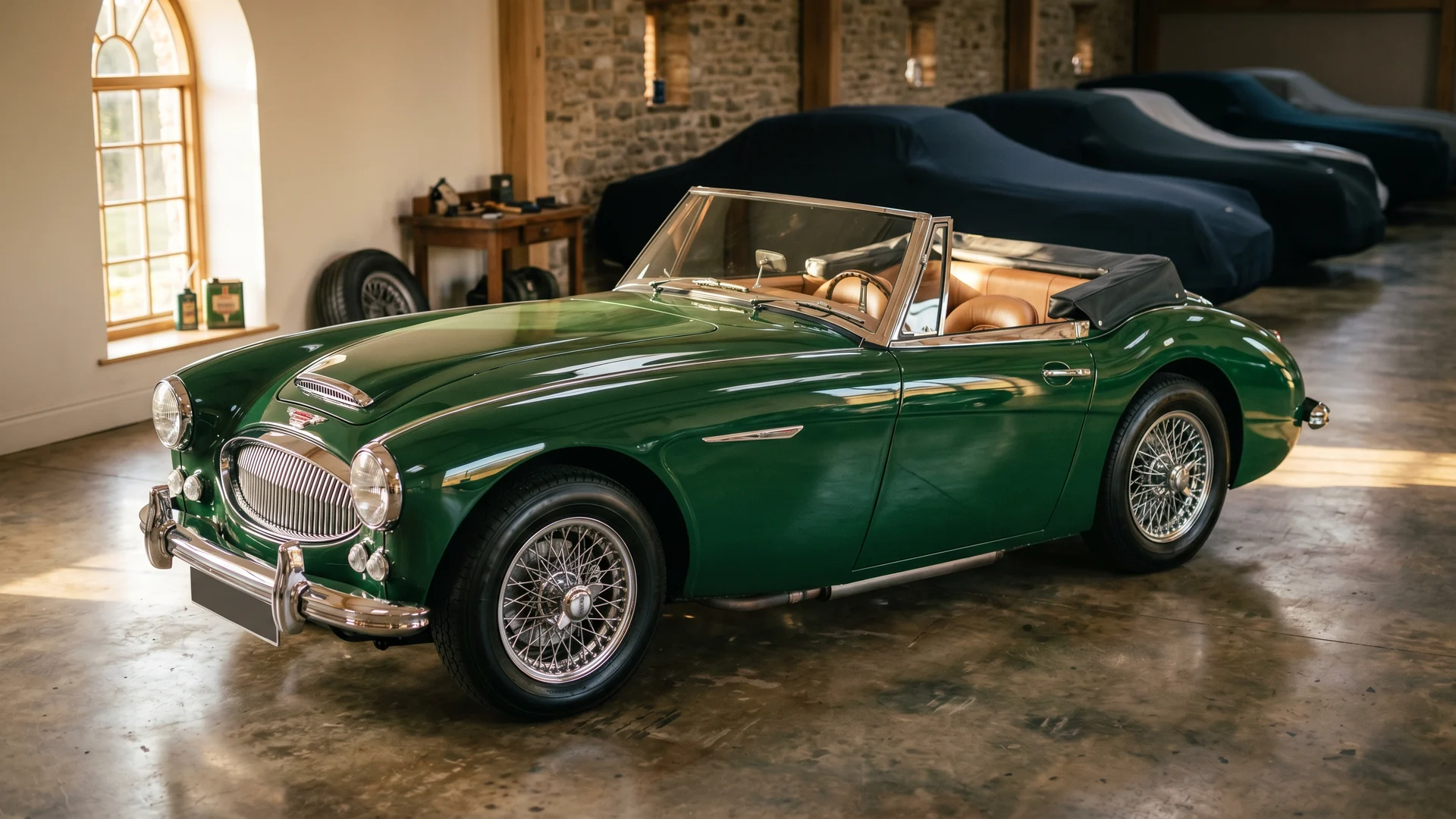
Classic Car Insurance Guide: Protecting Your Vintage Investment
Classic car insurance guide: why agreed-value policies beat stated and actual cash value, how Hagerty, Grundy and Chubb compare, plus costs and covera…
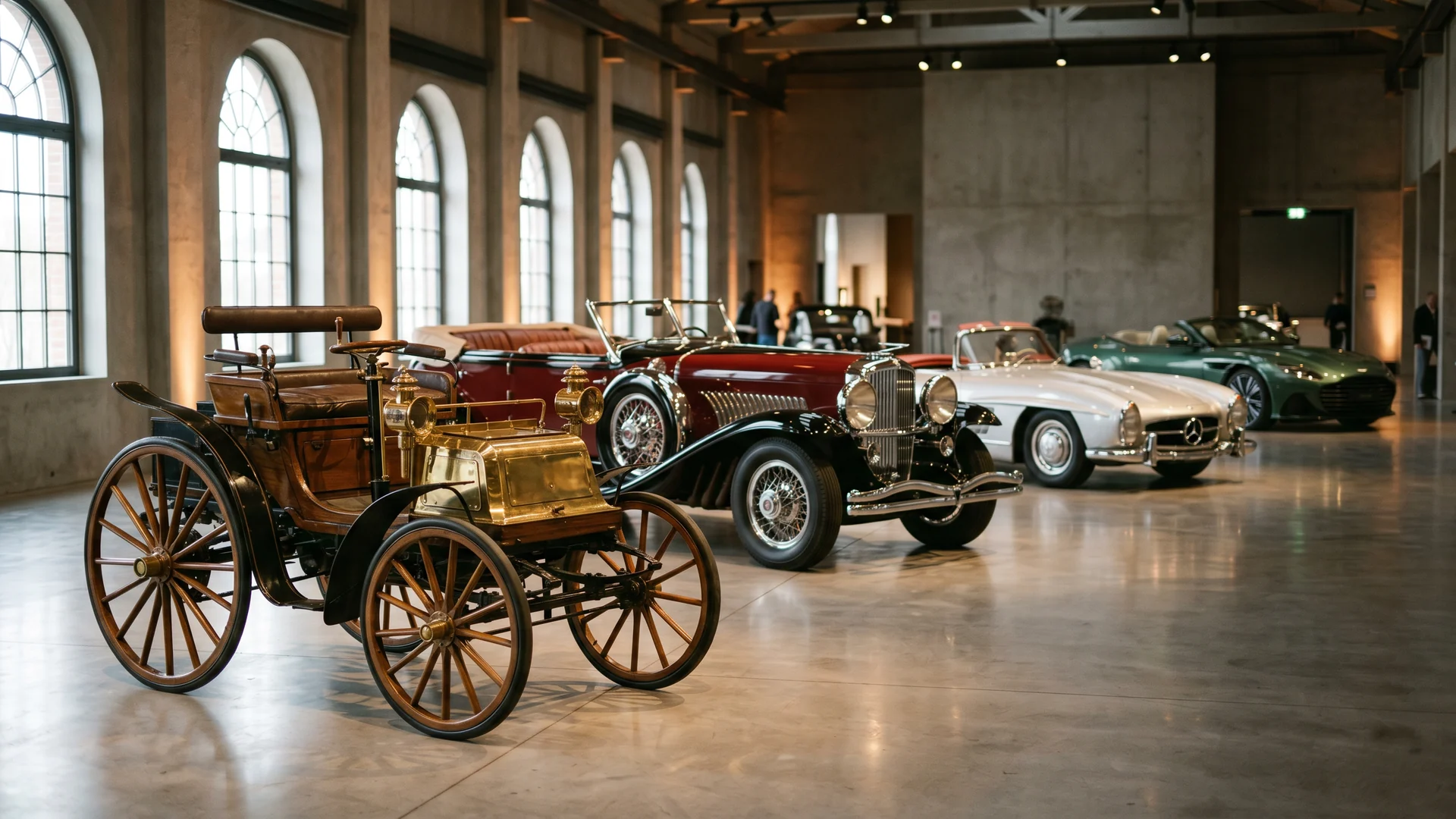
Classic Car History Timeline: From Benz to the Modern Collector Era
Classic car history timeline from the 1886 Benz Patent-Motorwagen through coachbuilding, muscle cars and supercars to modern collectibles. Discover th…