Why Vintage Cars Are Treated Like Strategic Assets
Vintage cars hold an enduring appeal across generations. Their distinctive designs, detailed craftsmanship, and classic styling create a nostalgic quality that contemporary vehicle…
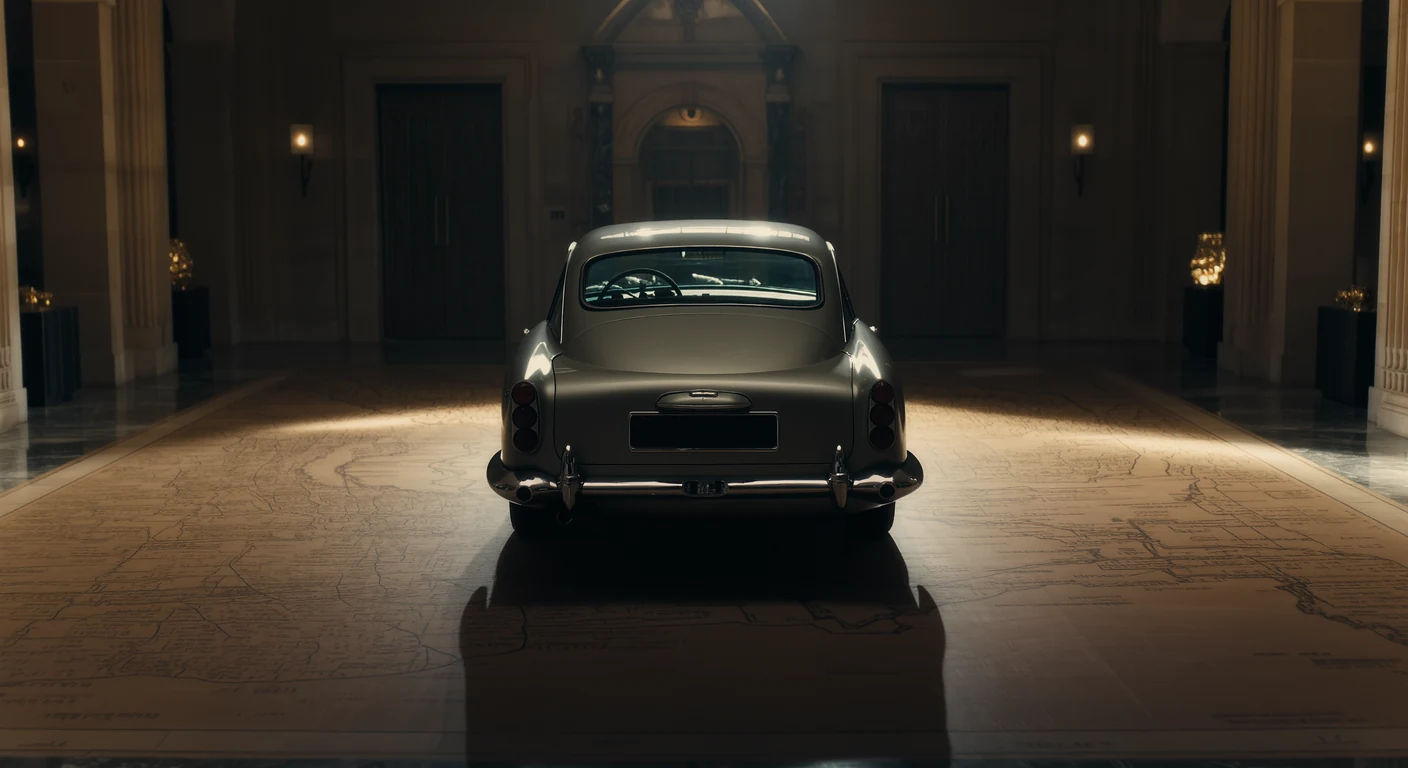
Vintage cars hold an enduring appeal across generations. Their distinctive designs, detailed craftsmanship, and classic styling create a nostalgic quality that contemporary vehicles rarely achieve. Enthusiasts often regard these automobiles as more than transportation, they represent historical artifacts that showcase the design principles and engineering approaches of their era.
The value of vintage automobiles is partially derived from their scarcity. With diminishing numbers still operational, these vehicles have become increasingly sought after by collectors. Ownership represents both a preservation of automotive history and a personal investment.
The historical significance combined with aesthetic qualities makes vintage cars particularly valuable in collector markets. Many vintage vehicles appreciate in value over time, especially well-maintained examples of rare models. This combination of cultural significance, craftsmanship, and investment potential explains the continued interest in vintage automobiles among both dedicated collectors and automotive enthusiasts.
Key Takeaways
- Vintage cars hold timeless appeal due to their unique design and craftsmanship.
- They carry significant historical and cultural value, preserving automotive history.
- Their rarity and limited availability enhance their exclusivity and prestige.
- Vintage cars offer strong investment potential and financial value.
- Collecting and restoring vintage cars is a passionate hobby that evokes nostalgia and status.
Historical Significance and Cultural Value
Vintage cars are more than just vehicles; they are artifacts that reflect the cultural and technological advancements of their time. Each model tells a story about the era in which it was produced, showcasing the design trends, engineering feats, and societal values of that period. For instance, the roaring twenties brought about a surge in luxury automobiles, symbolizing prosperity and innovation.
Understanding the historical context of these vehicles adds depth to their appreciation. Furthermore, vintage cars often serve as a bridge to our collective past. They remind us of significant events, such as the post-war boom or the rise of the American muscle car.
Car shows and exhibitions frequently highlight these historical narratives, allowing enthusiasts to engage with the stories behind their favorite models. This cultural value enhances the experience of owning a vintage car, as it becomes a conversation starter and a means to connect with others who share similar interests.
Limited Availability and Rarity
One of the most compelling aspects of vintage cars is their limited availability. Many models were produced in small quantities, making them rare finds in today’s market. This scarcity not only heightens their desirability but also contributes to their value over time.
Collectors often seek out specific models that are hard to come by, turning the search for these vehicles into an exciting treasure hunt. The rarity of vintage cars also fosters a sense of community among collectors. Enthusiasts often band together to share tips on locating rare models or restoring them to their former glory.
This camaraderie enhances the overall experience of vintage car ownership, as it creates opportunities for networking and collaboration. The thrill of discovering a hidden gem adds an element of adventure to the hobby, making it all the more rewarding.
Investment Potential and Financial Value
Investing in vintage cars can be a lucrative endeavor for those who understand the market. Over the years, many classic models have appreciated significantly in value, often outpacing traditional investments like stocks or real estate. Factors such as rarity, condition, and historical significance play crucial roles in determining a vehicle’s worth.
Savvy collectors often research trends and auction results to make informed purchasing decisions. Moreover, vintage cars can provide financial returns while offering enjoyment and satisfaction. Unlike other investments that may sit idle, classic cars can be driven and showcased at events, allowing owners to experience their value firsthand.
This dual benefit makes vintage car collecting an appealing option for those looking to diversify their investment portfolios while indulging in their passion for automobiles.
Quality Craftsmanship and Unique Design
The craftsmanship found in vintage cars is unparalleled. During their production, manufacturers prioritized quality materials and meticulous attention to detail, resulting in vehicles that stand the test of time. From hand-stitched leather interiors to finely crafted chrome accents, every aspect of these cars reflects an era when artisans took pride in their work.
Unique design elements further set vintage cars apart from modern counterparts. Each model boasts distinctive features that showcase the creativity and innovation of its time. Whether it’s the sweeping curves of a classic coupe or the bold lines of a muscle car, these designs evoke admiration and respect from car enthusiasts and casual observers alike.
Owning a vintage car means possessing a piece of automotive history that embodies both artistry and engineering excellence.
Preservation of Automotive History
Preserving vintage cars is essential for maintaining our automotive heritage. Each vehicle represents a chapter in the evolution of transportation, and safeguarding these classics ensures that future generations can appreciate their significance. Restoration projects often involve extensive research into original specifications and materials, allowing enthusiasts to bring these vehicles back to life while honoring their history.
Car clubs and organizations dedicated to vintage automobiles play a vital role in preservation efforts. They provide resources for owners seeking guidance on restoration techniques and best practices for maintenance. By fostering a community focused on preserving automotive history, these groups help ensure that vintage cars remain an integral part of our cultural landscape.
Nostalgia and Sentimental Value
For many collectors, vintage cars evoke powerful feelings of nostalgia. They remind us of cherished memories, family road trips, first cars, or even iconic moments from films and television shows.
Sentimental value often drives collectors to seek out specific models that hold personal significance. Whether it’s a car reminiscent of a parent’s vehicle or one associated with a memorable event, these connections deepen the appreciation for vintage automobiles. Owning such a car becomes more than just possession; it transforms into a way to honor memories and celebrate personal history.
Exclusivity and Prestige
Owning a vintage car is often seen as a status symbol, reflecting exclusivity and prestige. The rarity of these vehicles means that only a select few can claim ownership, making them highly sought after among collectors and enthusiasts alike. This exclusivity elevates the status of vintage car owners within social circles, often leading to invitations to exclusive events and gatherings.
Moreover, driving a vintage car can turn heads and spark conversations wherever you go. The unique designs and classic appeal attract admiration from onlookers, creating an aura of sophistication around the owner. This blend of exclusivity and prestige makes vintage cars not just vehicles but also statements about personal style and taste.
Maintenance and Restoration Expertise
Maintaining a vintage car requires specialized knowledge and skills that go beyond standard automotive repair. Owners often seek out experts who understand the intricacies of classic vehicles, ensuring that restorations are done correctly while preserving authenticity. This expertise is crucial for keeping these cars in optimal condition and enhancing their value over time.
Restoration projects can be labor-intensive but rewarding endeavors for enthusiasts who appreciate the craftsmanship involved. Many owners take pride in restoring their vehicles themselves or collaborating with skilled professionals who share their passion for vintage automobiles. This commitment to maintenance not only preserves the car’s integrity but also fosters a deeper connection between owner and vehicle.
Vintage Car Collecting as a Hobby and Passion
Collecting vintage cars is more than just a hobby; it’s a passion that brings together individuals from diverse backgrounds who share a common interest in automotive history. The thrill of searching for rare models, attending car shows, and engaging with fellow enthusiasts creates a vibrant community centered around this shared love. Many collectors find joy in learning about different makes and models, diving into research about their favorite vehicles’ histories and specifications.
This pursuit of knowledge enhances the overall experience of collecting, transforming it into an enriching journey filled with discovery and camaraderie. Whether attending local meetups or participating in national events, vintage car collecting fosters connections that last a lifetime.
Vintage Cars as a Symbol of Status and Luxury
In today’s world, vintage cars continue to symbolize status and luxury. Their rarity and craftsmanship set them apart from mass-produced modern vehicles, making them highly coveted among affluent individuals seeking unique possessions.
Moreover, many luxury brands have embraced vintage aesthetics in their marketing strategies, further solidifying the association between classic cars and high-end lifestyles. This trend has led to increased interest in vintage automobiles among younger generations who aspire to own pieces that reflect both style and sophistication. As such, vintage cars remain timeless symbols of status that resonate across various demographics.
In conclusion, vintage cars encapsulate more than just transportation; they embody history, craftsmanship, nostalgia, exclusivity, and passion. Whether viewed as investments or cherished possessions, these vehicles hold significant value for collectors and enthusiasts alike. The timeless appeal of vintage cars continues to captivate hearts around the world, ensuring their place in automotive history for generations to come.
FAQs
What defines a vintage car?
A vintage car is typically defined as a vehicle that was manufactured between 1919 and 1930. However, the term can also broadly refer to classic cars that are at least 20 to 30 years old, depending on the context and specific car clubs or organizations.
Why are vintage cars considered strategic assets?
Vintage cars are considered strategic assets because they often appreciate in value over time, serve as tangible investments, and can diversify an investment portfolio. They also hold cultural and historical significance, making them valuable beyond just monetary terms.
How do vintage cars appreciate in value?
Vintage cars appreciate in value due to their rarity, historical importance, condition, and demand among collectors. Limited production numbers and well-preserved or restored vehicles tend to increase in value as they become harder to find.
What factors influence the value of a vintage car?
Key factors include the car’s make and model, rarity, provenance, originality, condition, and historical significance. Market trends and the car’s desirability among collectors also play important roles.
Can vintage cars be used as collateral for loans?
Yes, vintage cars can be used as collateral for loans, especially if they have been appraised and recognized as valuable assets. Financial institutions may offer specialized loans based on the car’s value.
What are the risks associated with investing in vintage cars?
Risks include market volatility, high maintenance and storage costs, potential for damage or theft, and the need for expert knowledge to properly assess and maintain the vehicle’s value.
How should vintage cars be maintained to preserve their value?
Proper maintenance includes regular servicing by specialists, using authentic parts, storing the car in controlled environments to prevent rust and deterioration, and documenting all repairs and restorations.
Are vintage cars insured differently than regular cars?
Yes, vintage cars often require specialized insurance policies that consider their unique value, limited use, and storage conditions. These policies may offer agreed value coverage rather than standard market value.
What role do vintage car auctions play in their valuation?
Auctions provide a transparent marketplace where the value of vintage cars is established through competitive bidding. Auction results can influence market trends and help determine current market values.
Is owning a vintage car considered a hobby or an investment?
Owning a vintage car can be both a hobby and an investment. Many collectors enjoy the passion and history behind the cars, while also recognizing their potential to appreciate in value over time.
More from Blog
The Future of Classic Car Collecting: Trends Shaping the Next Generation
The future of classic car collecting: why 2035 ICE bans spare existing cars, plus e-fuels, shifting demographics, electromods and fractional ownership…
Classic Car Insurance Guide: Protecting Your Vintage Investment
Classic car insurance guide: why agreed-value policies beat stated and actual cash value, how Hagerty, Grundy and Chubb compare, plus costs and covera…
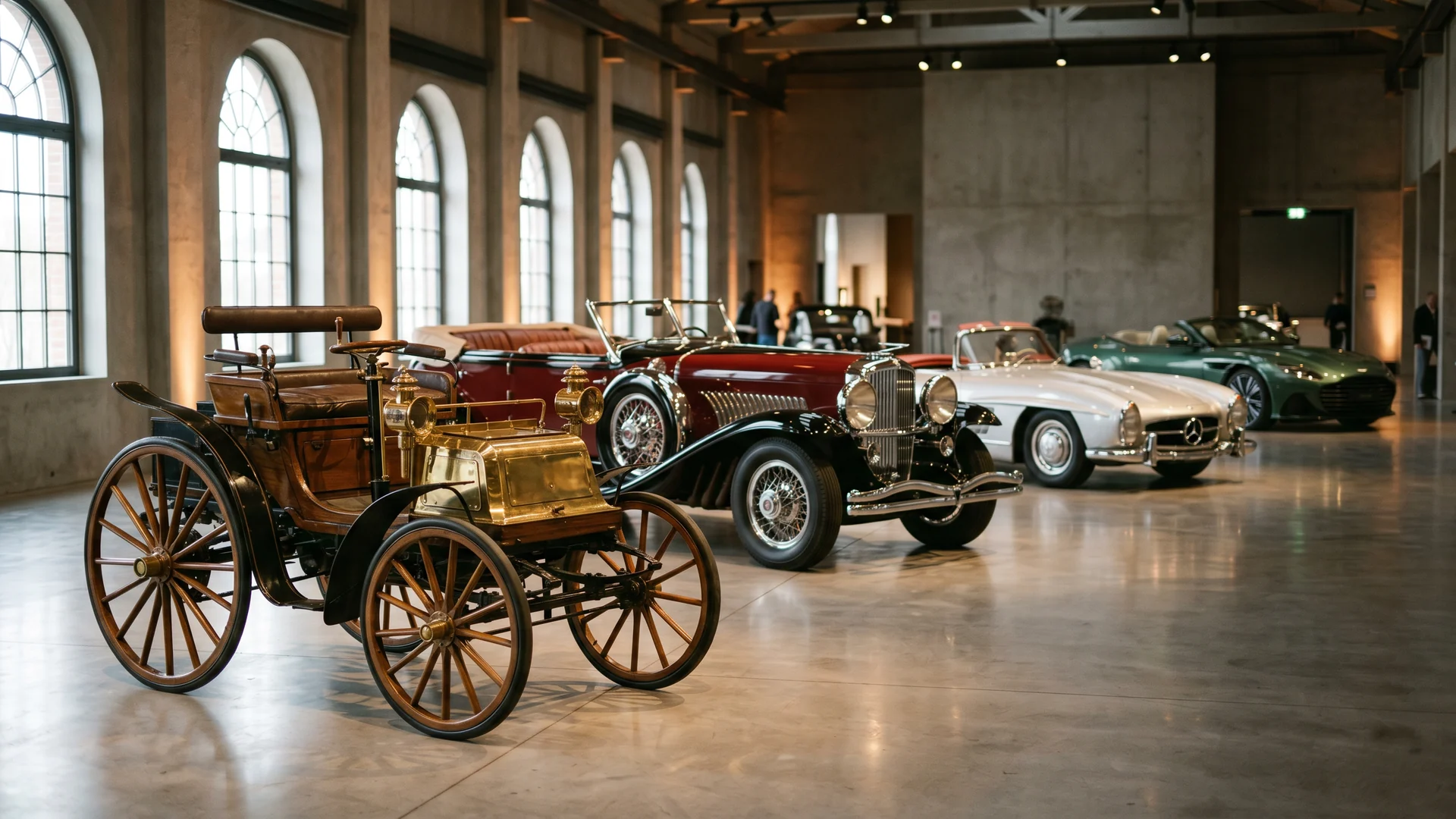
Classic Car History Timeline: From Benz to the Modern Collector Era
Classic car history timeline from the 1886 Benz Patent-Motorwagen through coachbuilding, muscle cars and supercars to modern collectibles. Discover th…