Why Vintage Cars Are the New Family Office Asset
In recent years, vintage cars have emerged as a compelling investment opportunity, capturing the attention of both seasoned investors and newcomers alike. The allure of classic aut…
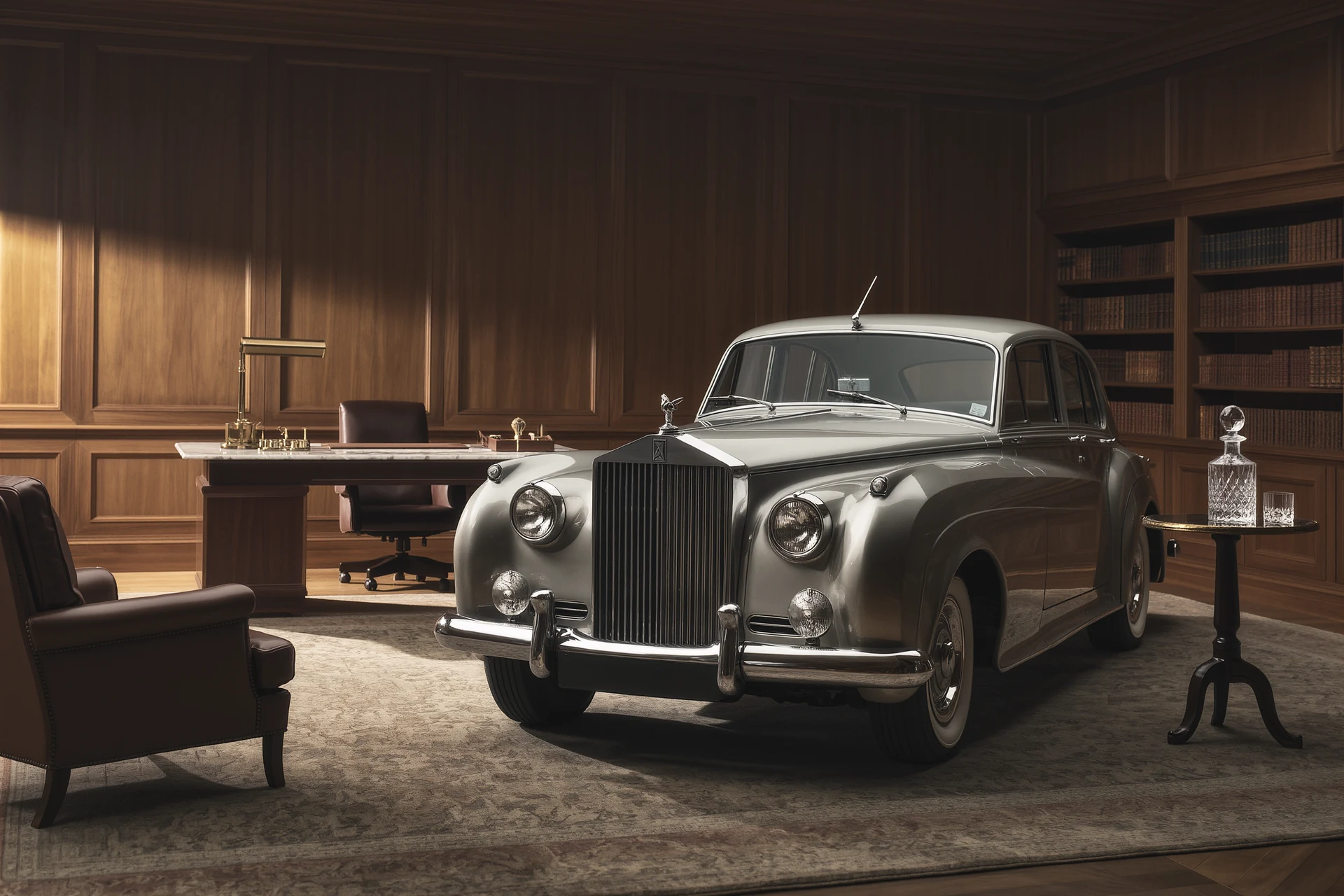
In recent years, vintage cars have emerged as a compelling investment opportunity, capturing the attention of both seasoned investors and newcomers alike. The allure of classic automobiles lies not only in their aesthetic appeal but also in their potential for significant financial returns. As traditional investment avenues like stocks and bonds become increasingly volatile, many individuals are turning to tangible assets such as vintage cars to diversify their portfolios.
This shift reflects a broader trend where collectors and investors recognize the unique value that classic vehicles can offer. The rise of vintage cars as an investment is also fueled by a growing community of enthusiasts who appreciate the craftsmanship and history behind these vehicles. Auctions featuring rare models often attract high bids, showcasing the demand for well-preserved classics.
As more people become aware of the potential returns associated with vintage cars, the market continues to expand, making it an attractive option for those looking to invest in something both beautiful and potentially lucrative.
Key Takeaways
- Vintage cars are increasingly popular as both investments and collector’s items.
- They offer tangible enjoyment and emotional connections beyond financial value.
- Vintage cars have strong potential for appreciation and wealth preservation.
- Investing in vintage cars can diversify an investment portfolio uniquely.
- Careful consideration is needed regarding maintenance, authenticity, and market trends.
The Allure of Vintage Cars for Collectors
For collectors, vintage cars represent more than just a financial investment; they embody a passion for history, design, and engineering. Each classic car tells a story, reflecting the era in which it was built and the innovations of its time. This narrative aspect adds a layer of depth that modern vehicles often lack, making vintage cars particularly appealing to those who appreciate the artistry involved in their creation.
Moreover, the thrill of hunting for rare models can be exhilarating.
This pursuit fosters a sense of community among enthusiasts, as they share tips, attend car shows, and participate in forums dedicated to their passion.
The emotional connection formed through this shared interest enhances the overall experience of collecting vintage cars.
Vintage Cars as a Tangible and Enjoyable Asset
Investing in vintage cars offers a unique advantage: they are tangible assets that can be enjoyed in ways that stocks or bonds cannot.
This enjoyment factor sets vintage cars apart from other investment options, allowing owners to derive pleasure from their investments while also watching their value potentially appreciate over time.
Additionally, vintage cars can serve as conversation starters and social connectors. Owning a classic car often leads to interactions with fellow enthusiasts, creating opportunities for networking and friendship. Whether at car shows or local meetups, the camaraderie among vintage car owners fosters a sense of belonging that enhances the overall experience of ownership.
The Potential for Appreciation in Value
One of the most compelling reasons to invest in vintage cars is their potential for appreciation in value. Over the years, many classic models have seen significant increases in worth, often outpacing traditional investments like real estate or stocks. Factors such as rarity, condition, and historical significance play crucial roles in determining a vehicle’s value.
As demand continues to grow for specific models, prices can skyrocket, providing substantial returns for savvy investors. Moreover, certain brands and models have established themselves as blue-chip investments within the vintage car market. Iconic names like Ferrari, Porsche, and Aston Martin consistently attract high prices at auctions, making them desirable options for collectors looking to invest wisely.
By carefully selecting vehicles with strong historical significance and market demand, investors can position themselves for impressive financial gains.
Vintage Cars as a Diversification Strategy
In an unpredictable economic landscape, diversification is key to managing risk in any investment portfolio. Vintage cars offer an alternative asset class that can help balance traditional investments like stocks and bonds. By incorporating classic automobiles into their portfolios, investors can hedge against market fluctuations and create a more resilient financial strategy.
Furthermore, vintage cars often operate independently of traditional market trends. While stock prices may plummet during economic downturns, the value of well-maintained classic cars can remain stable or even appreciate. This unique characteristic makes vintage cars an attractive option for those looking to safeguard their wealth while enjoying the benefits of ownership.
The Emotional Connection to Vintage Cars
The emotional connection that many individuals have with vintage cars cannot be overstated. For some, these vehicles evoke memories of family road trips or cherished moments spent with loved ones. For others, they represent a lifelong dream fulfilled, a symbol of hard work and dedication.
This emotional attachment adds intrinsic value to ownership that goes beyond mere financial considerations. Moreover, vintage cars often serve as a bridge between generations. Parents may pass down their love for classic automobiles to their children, fostering shared experiences and memories that last a lifetime.
This emotional bond enhances the overall value of owning a vintage car, making it not just an investment but also a cherished part of family history.
Vintage Cars as a Family Legacy
Investing in vintage cars can also create a lasting family legacy. Many collectors view their vehicles as heirlooms to be passed down through generations. This practice not only preserves family history but also instills values such as responsibility and appreciation for craftsmanship in younger family members.
As families gather around these classic vehicles, they share stories and experiences that strengthen familial bonds. Whether it’s restoring a car together or participating in local car shows, these shared activities create lasting memories that transcend time. In this way, vintage cars become more than just assets; they transform into cherished family treasures.
The Growing Demand for Vintage Cars
The demand for vintage cars has been steadily increasing over the past decade, driven by various factors including nostalgia and the desire for unique experiences. As younger generations become more interested in classic automobiles, the market continues to expand. This growing interest is reflected in auction results and sales figures, with many rare models fetching record prices.
Additionally, social media has played a significant role in promoting vintage car culture. Platforms like Instagram and YouTube allow enthusiasts to showcase their collections and share restoration projects with a global audience. This visibility has sparked interest among potential buyers who may not have previously considered investing in classic cars.
Vintage Cars as a Unique and Prestigious Asset
Owning a vintage car is often seen as a status symbol: a reflection of personal taste and sophistication. Classic automobiles exude an air of exclusivity that modern vehicles simply cannot replicate. For many collectors, the prestige associated with owning rare models enhances their overall enjoyment and satisfaction.
Furthermore, vintage cars often attract attention wherever they go. Whether cruising down the street or parked at an event, these vehicles turn heads and spark conversations. This visibility not only elevates the owner’s status but also reinforces the idea that vintage cars are unique assets worthy of admiration.
The Role of Vintage Cars in Wealth Preservation
In times of economic uncertainty, preserving wealth becomes paramount for many individuals. Vintage cars can serve as effective tools for wealth preservation due to their tangible nature and potential for appreciation. Unlike cash or stocks that may lose value during market downturns, well-maintained classic cars often retain their worth over time.
Additionally, investing in vintage cars allows individuals to diversify their assets beyond traditional financial instruments. By incorporating tangible assets into their portfolios, investors can create a more balanced approach to wealth management that mitigates risk while providing opportunities for growth.
Considerations for Investing in Vintage Cars
While investing in vintage cars can be rewarding, it’s essential to approach this market with caution and knowledge. Potential investors should conduct thorough research on specific models, market trends, and restoration costs before making any purchases. Understanding factors such as provenance and condition is crucial to ensuring a sound investment.
Moreover, prospective buyers should consider storage and maintenance costs associated with owning classic vehicles. Proper care is vital to preserving value over time; neglecting maintenance can lead to significant depreciation. By being informed and prepared, investors can navigate the vintage car market successfully while maximizing their potential returns.
In conclusion, investing in vintage cars offers numerous benefits ranging from financial appreciation to emotional fulfillment. As demand continues to grow and awareness increases about the unique value these vehicles provide, more individuals are likely to explore this exciting investment avenue. Whether you’re looking to diversify your portfolio or create lasting family memories, vintage cars present an opportunity worth considering.
FAQs
What is a family office asset?
A family office asset refers to investments or holdings managed by a family office, which is a private wealth management advisory firm that serves ultra-high-net-worth families. These assets can include real estate, stocks, bonds, private equity, and alternative investments such as vintage cars.
Why are vintage cars considered valuable assets for family offices?
Vintage cars are considered valuable because they often appreciate over time, have historical significance, and are tangible assets that can diversify a family office’s investment portfolio. Their rarity and desirability among collectors contribute to their increasing value.
How do vintage cars compare to traditional investment assets?
Unlike stocks or bonds, vintage cars are physical assets that can provide aesthetic and emotional value in addition to financial returns. They are less correlated with traditional markets, which can help reduce overall portfolio risk. However, they require maintenance and proper storage.
What factors influence the value of vintage cars?
The value of vintage cars is influenced by factors such as rarity, condition, provenance, historical significance, brand, and market demand. Limited production models or cars with celebrity ownership tend to be more valuable.
Are vintage cars a liquid investment?
Vintage cars are generally less liquid than stocks or bonds because selling them can take time and requires finding the right buyer. However, the growing interest in classic car auctions and online marketplaces has improved liquidity somewhat.
What are the risks associated with investing in vintage cars?
Risks include market volatility, high maintenance and storage costs, potential for damage or theft, and the need for expert knowledge to authenticate and value the cars accurately.
How do family offices typically manage vintage car investments?
Family offices often employ specialists or consultants to appraise, maintain, and insure vintage cars. They may also participate in auctions and car shows to stay informed about market trends and opportunities.
Can vintage cars provide tax benefits for family offices?
In some jurisdictions, vintage cars may offer tax advantages such as depreciation benefits or favorable capital gains treatment. However, tax implications vary widely and should be reviewed with a tax professional.
What trends are driving the popularity of vintage cars as family office assets?
Trends include increasing wealth among collectors, the desire for portfolio diversification, the cultural appeal of classic cars, and the recognition of vintage cars as appreciating alternative investments.
How can someone start investing in vintage cars?
Investors should research the market, consult with experts, attend auctions, and consider starting with well-known, historically significant models. Proper storage, insurance, and maintenance are also essential for preserving value.
More from Blog
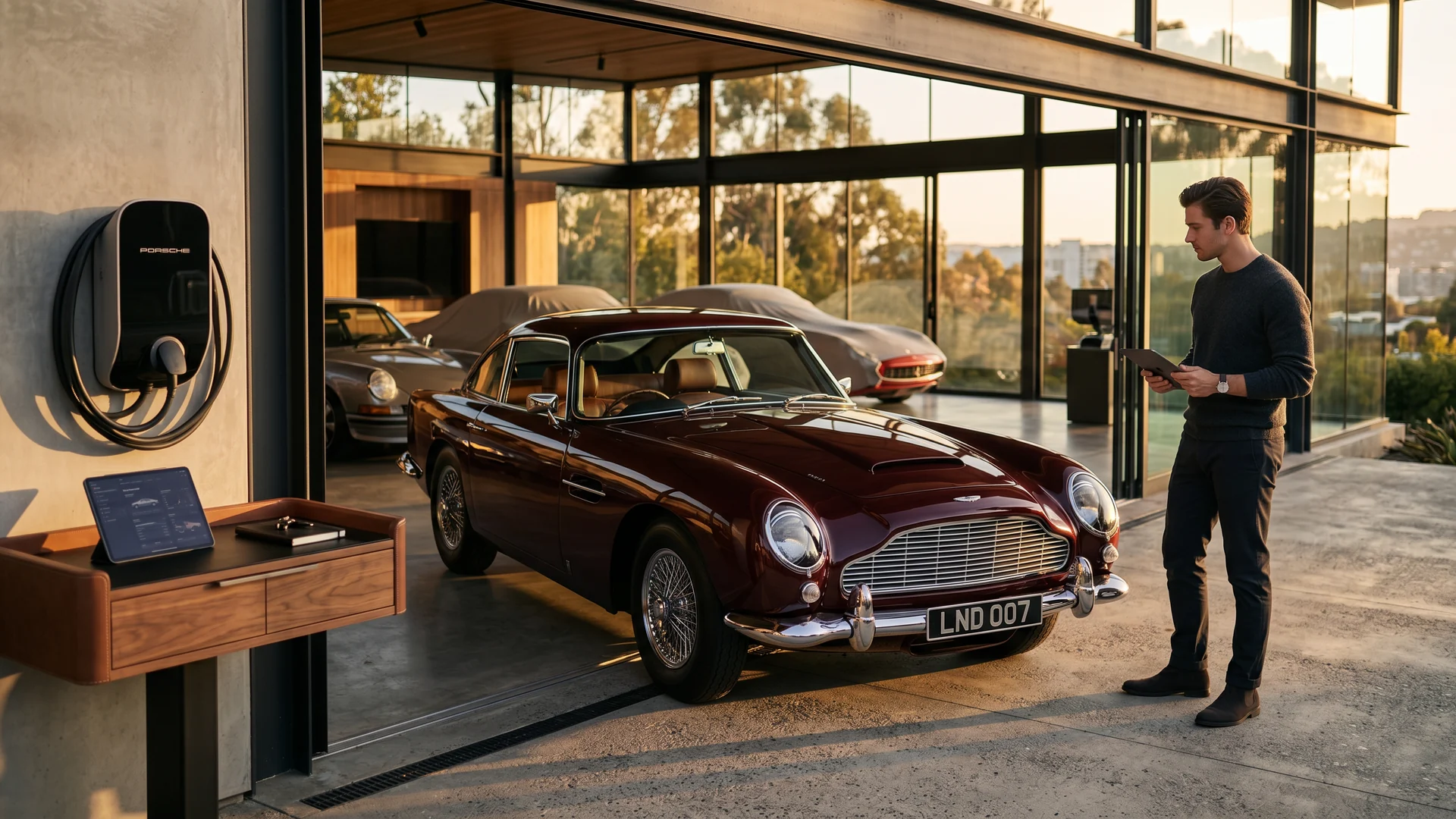
The Future of Classic Car Collecting: Trends Shaping the Next Generation
The future of classic car collecting: why 2035 ICE bans spare existing cars, plus e-fuels, shifting demographics, electromods and fractional ownership…
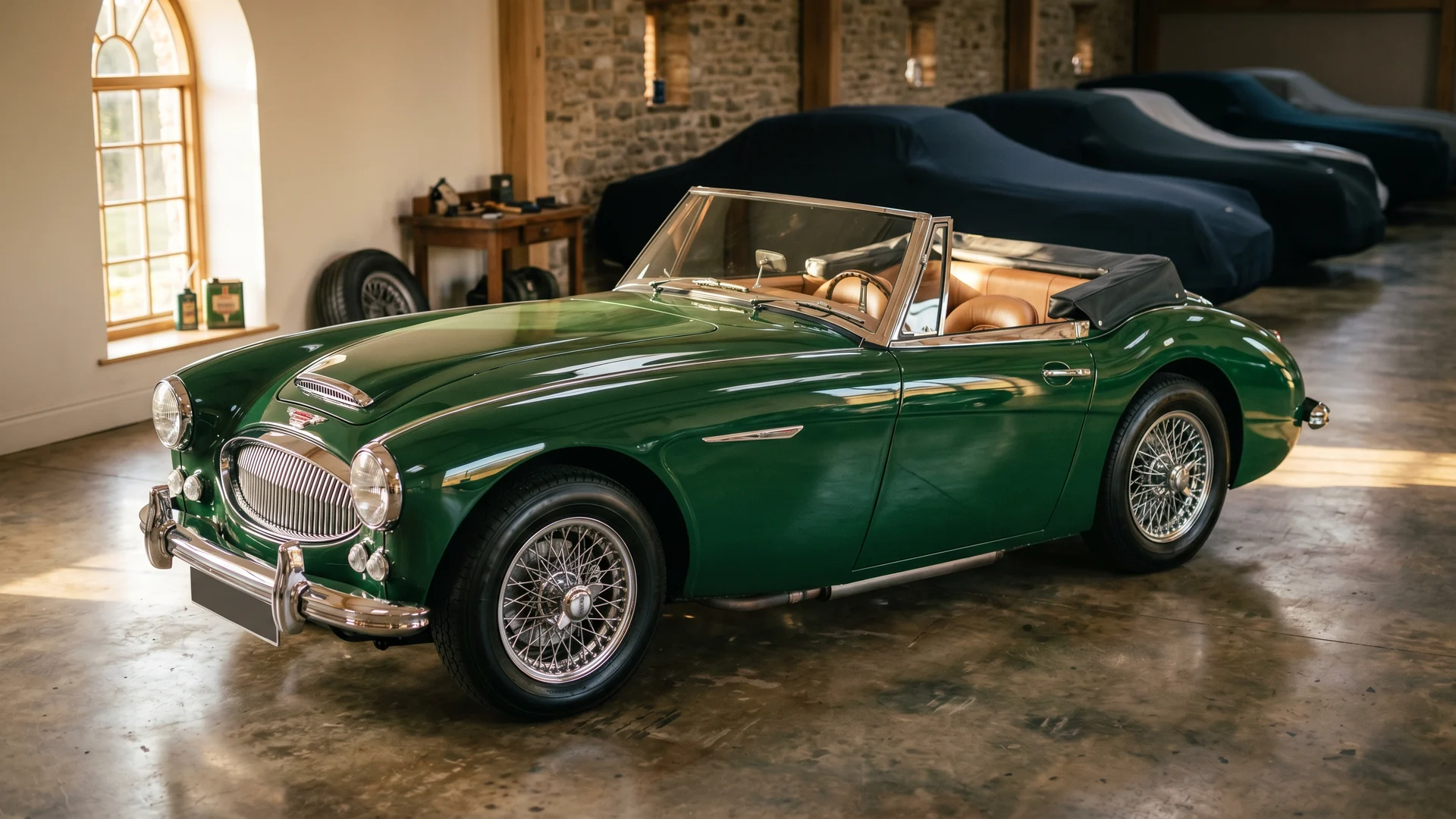
Classic Car Insurance Guide: Protecting Your Vintage Investment
Classic car insurance guide: why agreed-value policies beat stated and actual cash value, how Hagerty, Grundy and Chubb compare, plus costs and covera…
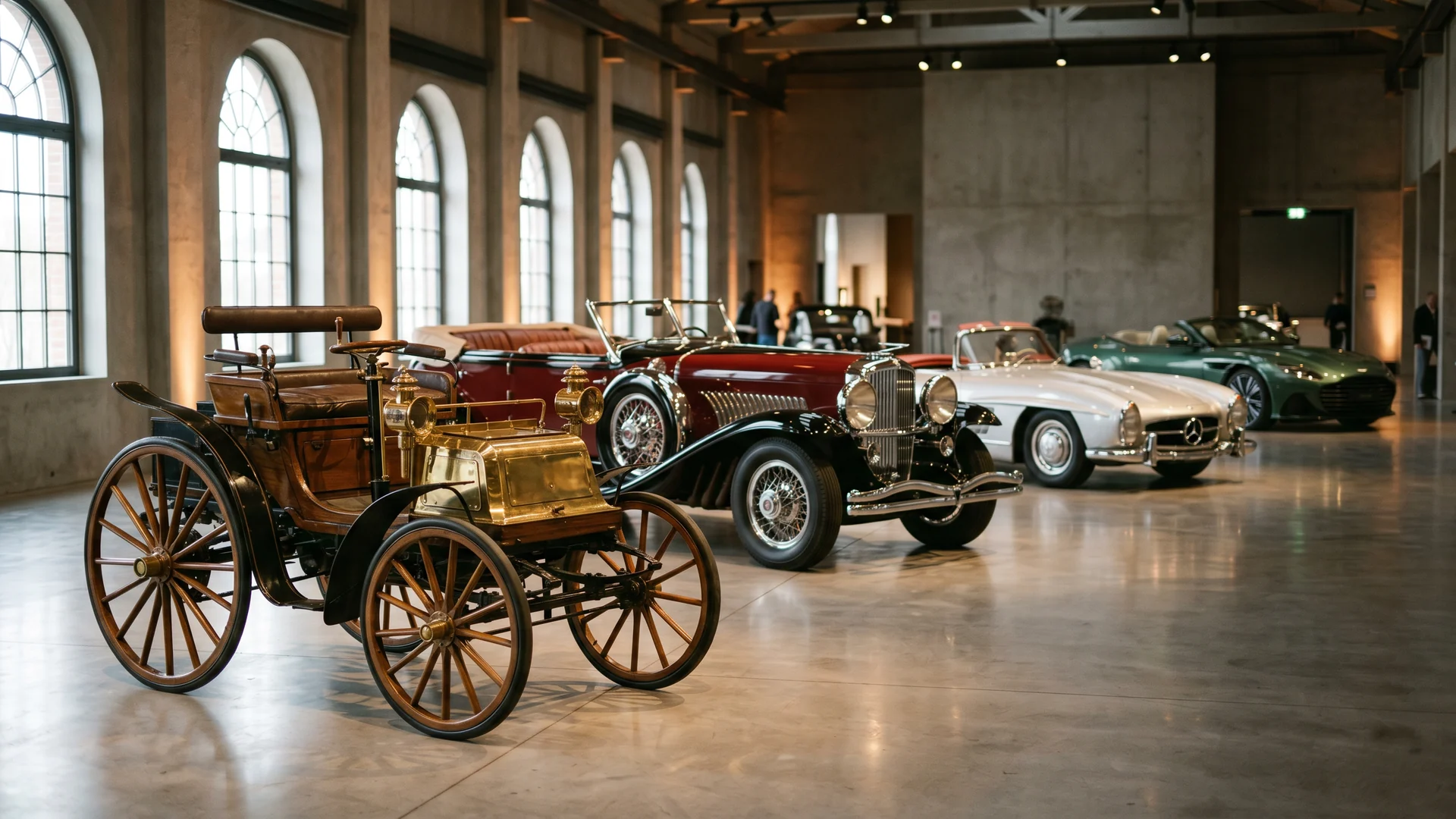
Classic Car History Timeline: From Benz to the Modern Collector Era
Classic car history timeline from the 1886 Benz Patent-Motorwagen through coachbuilding, muscle cars and supercars to modern collectibles. Discover th…