Why Vintage Aston Martin Cars Are the New Wall Street Asset
Vintage Aston Martin cars combine elegance, performance, and historical significance, making them highly sought after by automotive enthusiasts and collectors. Their classic design…
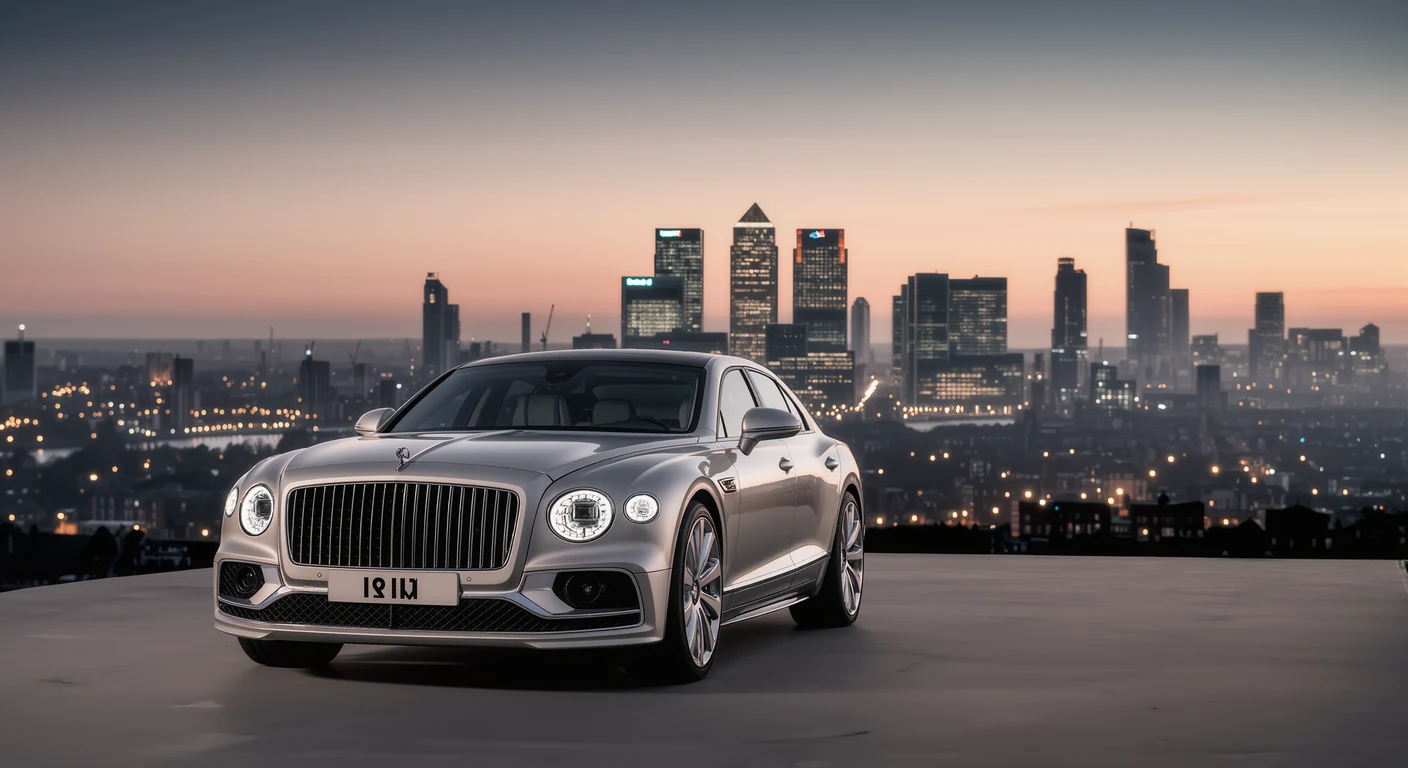
Vintage Aston Martin cars combine elegance, performance, and historical significance, making them highly sought after by automotive enthusiasts and collectors. Their classic designs feature sleek lines and luxurious interiors that demonstrate the exceptional craftsmanship of their era. Each model represents a chapter in automotive history, highlighting Aston Martin’s engineering excellence since the company’s founding.
These vehicles are valued not only for their visual appeal but also for the exclusive lifestyle they represent. The enduring popularity of vintage Aston Martin cars is strengthened by their cultural significance. The DB5 gained worldwide fame through its appearances in James Bond films, while the company’s racing models achieved notable success in mid-20th century motorsport.
Acquiring a vintage Aston Martin represents more than a vehicle purchase; it constitutes an investment in automotive heritage that continues to command respect and desire among connoisseurs.
Key Takeaways
- Vintage Aston Martin cars are prized for their timeless design, rarity, and exclusivity.
- The brand’s rich history and racing heritage enhance the prestige and value of its classic models.
- Increasing demand in the collectibles market makes vintage Aston Martins attractive investment opportunities.
- Celebrity ownership and pop culture exposure significantly boost the desirability and market value of these cars.
- Vintage Aston Martins are gaining recognition as alternative assets with promising future potential on Wall Street.
The Rarity and Exclusivity of Vintage Aston Martin Models
One of the most compelling aspects of vintage Aston Martin cars is their rarity. Many models were produced in limited quantities, making them highly sought after by collectors. For instance, the Aston Martin DB4 GT, with only 75 units manufactured, is a prime example of how scarcity drives demand.
This exclusivity not only enhances the car’s allure but also significantly impacts its market value. The rarity of these models creates a sense of urgency among collectors. As time passes, fewer pristine examples remain available, leading to increased competition for ownership.
This exclusivity is further amplified by the brand’s commitment to quality and craftsmanship, ensuring that each vintage model retains its value over time. Collectors are not just purchasing a car; they are investing in a rare piece of art that stands the test of time.
The Historical Significance and Prestige of Aston Martin as a Brand
Aston Martin’s rich history dates back to 1913, establishing it as one of the most prestigious automotive brands in the world. The company has built a reputation for producing high-performance luxury vehicles that combine elegance with cutting-edge technology. This historical significance adds immense value to vintage models, as they represent the evolution of automotive engineering and design.
The brand’s association with motorsport further enhances its prestige. Aston Martin has a storied racing heritage, having competed in events like the 24 Hours of Le Mans and the World Sportscar Championship. This connection to racing not only showcases the brand’s commitment to performance but also solidifies its status as a leader in the luxury automotive market.
Owning a vintage Aston Martin means being part of this illustrious legacy.
The Investment Potential of Vintage Aston Martin Cars
Investing in vintage Aston Martin cars can be a lucrative venture for collectors and enthusiasts alike. Over the years, these vehicles have shown remarkable appreciation in value, often outperforming traditional investments like stocks and bonds. The combination of rarity, historical significance, and brand prestige makes them an attractive option for those looking to diversify their investment portfolios.
Moreover, the classic car market has proven resilient even during economic downturns. As more investors seek alternative assets, vintage Aston Martins have emerged as a stable investment choice. With proper care and maintenance, these cars can retain their value and even appreciate over time, making them not just a passion project but also a smart financial decision.
The Growing Demand for Classic Cars in the Collectibles Market
The collectibles market has seen a significant surge in interest for classic cars, particularly vintage Aston Martins. This growing demand can be attributed to several factors, including an increasing appreciation for craftsmanship and nostalgia for classic designs. As younger generations become more interested in automotive history, they are driving up demand for iconic models.
Additionally, social media and online platforms have made it easier for collectors to connect and share their passion for vintage cars. This increased visibility has led to higher prices at auctions and private sales, further fueling interest in classic models. Vintage Aston Martins, with their unique blend of style and performance, are at the forefront of this trend, capturing the attention of both seasoned collectors and newcomers alike.
The Performance and Engineering Excellence of Vintage Aston Martin Models
Vintage Aston Martin cars are renowned for their exceptional performance and engineering excellence. Each model was meticulously crafted to deliver an unparalleled driving experience, combining power with precision handling. The brand’s commitment to innovation is evident in its use of advanced materials and technologies, setting it apart from competitors.
This engineering prowess not only enhances the driving experience but also contributes to the car’s desirability among collectors. Vintage Aston Martins are not just beautiful; they are high-performance machines that continue to impress enthusiasts with their capabilities.
The Influence of Pop Culture and Media on the Resurgence of Vintage Aston Martin Cars
Pop culture has played a significant role in revitalizing interest in vintage Aston Martin cars. Iconic films like the James Bond series have immortalized models such as the DB5, introducing them to new generations of fans. These cinematic appearances have created a lasting association between the brand and luxury, adventure, and sophistication.
Television shows and social media influencers have also contributed to this resurgence. As celebrities showcase their vintage car collections online, they inspire others to explore classic automobiles. This exposure has led to increased demand for vintage Aston Martins, as fans seek to emulate the lifestyles portrayed in popular media.
The result is a renewed appreciation for these timeless vehicles that transcends generations.
The Role of Aston Martin’s Racing Heritage in the Value of Vintage Models
Aston Martin’s rich racing heritage significantly impacts the value of its vintage models. The brand’s success on the racetrack has established it as a symbol of performance and excellence in automotive engineering. Collectors often seek out models with racing pedigree, as these vehicles carry an added layer of prestige.
For example, models like the DBR1 are highly coveted due to their success in competitions like Le Mans. The connection between racing success and market value is undeniable; cars with proven track records often command higher prices at auctions. This racing heritage not only enhances the desirability of vintage Aston Martins but also solidifies their status as investment-worthy collectibles.
The Impact of Celebrity Ownership on the Value of Vintage Aston Martin Cars
Celebrity ownership can significantly influence the value of vintage Aston Martin cars. When high-profile individuals acquire these vehicles, it often leads to increased interest from fans and collectors alike. The association with celebrities can elevate a car’s status, making it more desirable in the eyes of potential buyers.
For instance, when a well-known actor or musician showcases their vintage Aston Martin at events or on social media, it can spark a surge in demand for similar models. This phenomenon highlights how celebrity culture intersects with the automotive world, creating unique opportunities for collectors to capitalize on trends driven by famous personalities.
The Appeal of Vintage Aston Martin Cars as Alternative Investments
Vintage Aston Martin cars offer an appealing alternative investment option for those looking to diversify their portfolios. Unlike traditional assets that can be volatile or subject to market fluctuations, classic cars provide tangible value that can appreciate over time. Their rarity and historical significance make them attractive to collectors who understand their potential as long-term investments.
Moreover, owning a vintage car allows investors to enjoy their asset while it appreciates in value. Unlike stocks or bonds that sit idle, classic cars can be driven and showcased at events, providing both enjoyment and potential financial returns. This unique combination makes vintage Aston Martins an enticing option for those seeking alternative investments.
The Future Outlook for Vintage Aston Martin Cars as Wall Street Assets
The future outlook for vintage Aston Martin cars as Wall Street assets appears promising. As more investors recognize the potential for appreciation in classic cars, interest in this niche market is expected to grow. Economic uncertainties may drive individuals toward tangible assets like vintage automobiles, further solidifying their status as viable investment options.
Additionally, as younger generations become more involved in collecting classic cars, we may see an increase in demand for iconic models like those produced by Aston Martin. This trend could lead to higher prices at auctions and private sales, making vintage Aston Martins not just collectibles but also valuable assets in an investor’s portfolio. In conclusion, vintage Aston Martin cars represent more than just vehicles; they embody history, craftsmanship, and investment potential.
Their timeless appeal continues to captivate enthusiasts around the world, making them an enduring symbol of luxury and performance. Whether you are an avid collector or simply appreciate fine automobiles, investing in a vintage Aston Martin could be one of the most rewarding decisions you make.
FAQs
What makes vintage Aston Martin cars valuable as investment assets?
Vintage Aston Martin cars are valued for their rarity, historical significance, iconic design, and strong brand heritage. Their limited production numbers and association with luxury and performance contribute to their desirability among collectors and investors, often leading to appreciation in value over time.
How do vintage Aston Martin cars compare to traditional Wall Street assets?
Unlike stocks or bonds, vintage Aston Martin cars are tangible assets that can provide aesthetic enjoyment and prestige. They are less correlated with financial markets, offering diversification benefits. However, they require maintenance and storage, and their liquidity can be lower compared to traditional financial assets.
What factors influence the appreciation of vintage Aston Martin cars?
Key factors include the car’s model rarity, condition, provenance, historical importance, and market demand. Limited edition models or those with celebrity ownership tend to appreciate more. Economic conditions and trends in the classic car market also impact their value.
Are vintage Aston Martin cars a safe investment?
While vintage Aston Martins have shown strong appreciation historically, they carry risks such as market volatility, maintenance costs, and potential for damage. Investors should conduct thorough research and consider their passion for cars alongside financial goals.
How can one invest in vintage Aston Martin cars?
Investors can purchase vintage Aston Martin cars through auctions, private sales, or classic car dealers. It is advisable to work with experts for authentication and valuation. Some may also invest indirectly through funds or partnerships specializing in classic cars.
What are the costs associated with owning a vintage Aston Martin?
Costs include purchase price, insurance, storage, regular maintenance, restoration, and potential transportation. Proper upkeep is essential to preserve the car’s value and condition.
Is the market for vintage Aston Martin cars growing?
Yes, the market has seen increased interest from collectors and investors, partly due to the brand’s prestige and the limited availability of classic models. This trend has contributed to rising prices and greater recognition of vintage Aston Martins as alternative investment assets.
Can vintage Aston Martin cars be used as collateral for loans?
In some cases, vintage Aston Martin cars can be used as collateral for specialized loans, especially if they have been professionally appraised and insured. However, this depends on the lender’s policies and the car’s market value.
What should potential investors consider before buying a vintage Aston Martin?
Investors should assess the car’s authenticity, condition, maintenance history, and market trends. Consulting with classic car experts, appraisers, and financial advisors is recommended to make informed decisions.
How does the provenance of a vintage Aston Martin affect its value?
Provenance, including previous ownership, documented history, and participation in notable events, can significantly enhance a vintage Aston Martin’s value by adding uniqueness and desirability to collectors.
More from Blog
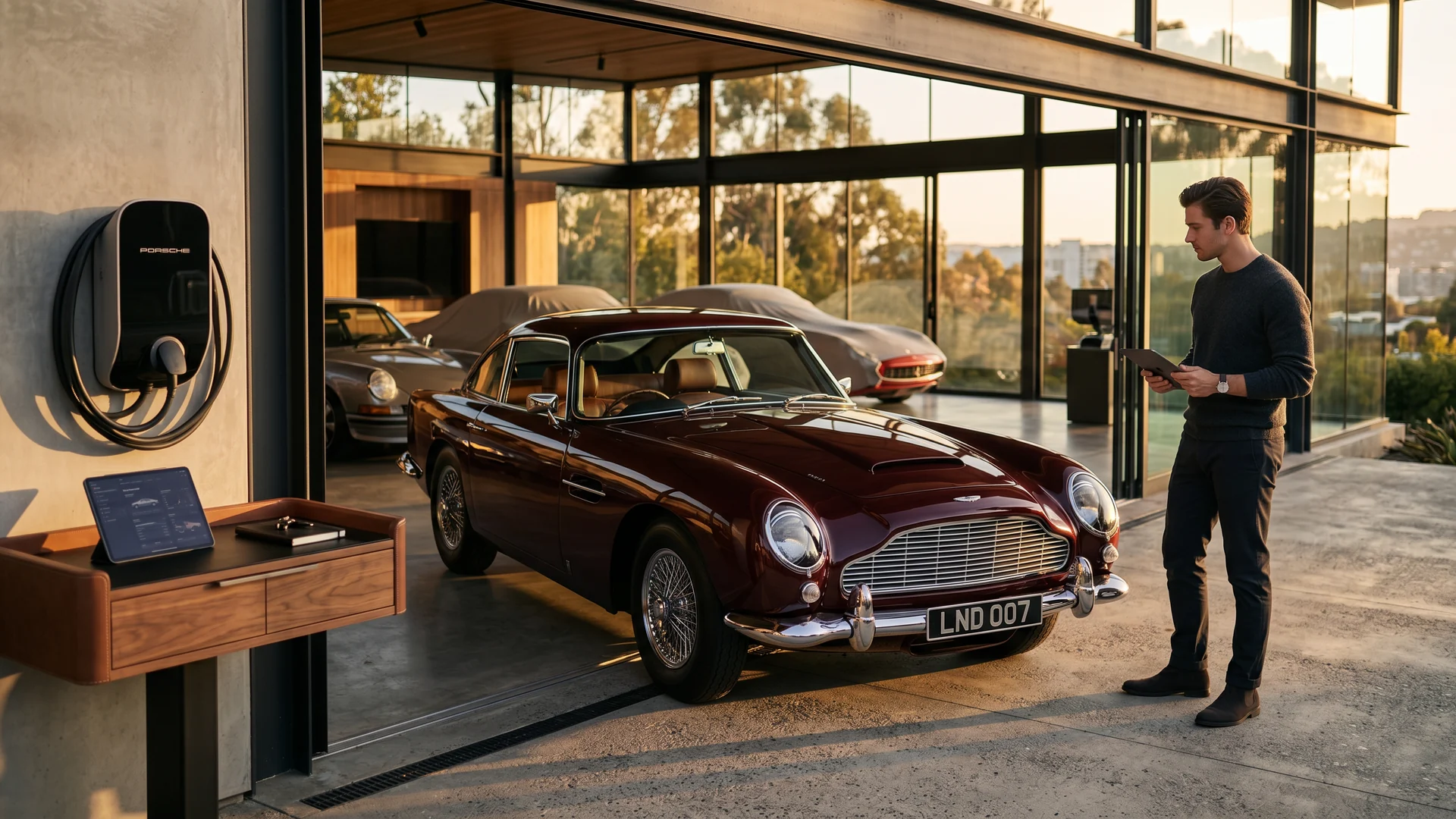
The Future of Classic Car Collecting: Trends Shaping the Next Generation
The future of classic car collecting: why 2035 ICE bans spare existing cars, plus e-fuels, shifting demographics, electromods and fractional ownership…
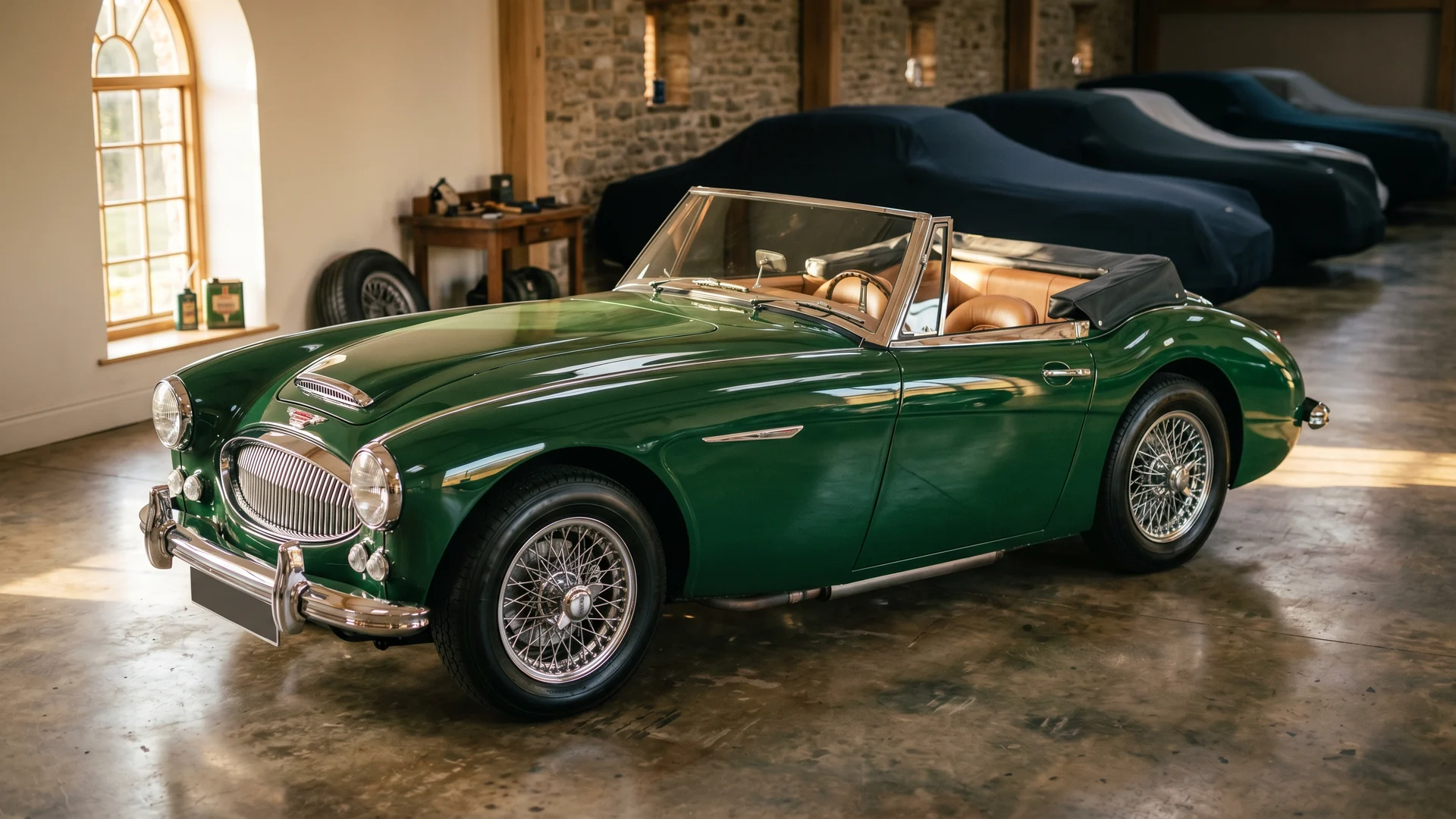
Classic Car Insurance Guide: Protecting Your Vintage Investment
Classic car insurance guide: why agreed-value policies beat stated and actual cash value, how Hagerty, Grundy and Chubb compare, plus costs and covera…
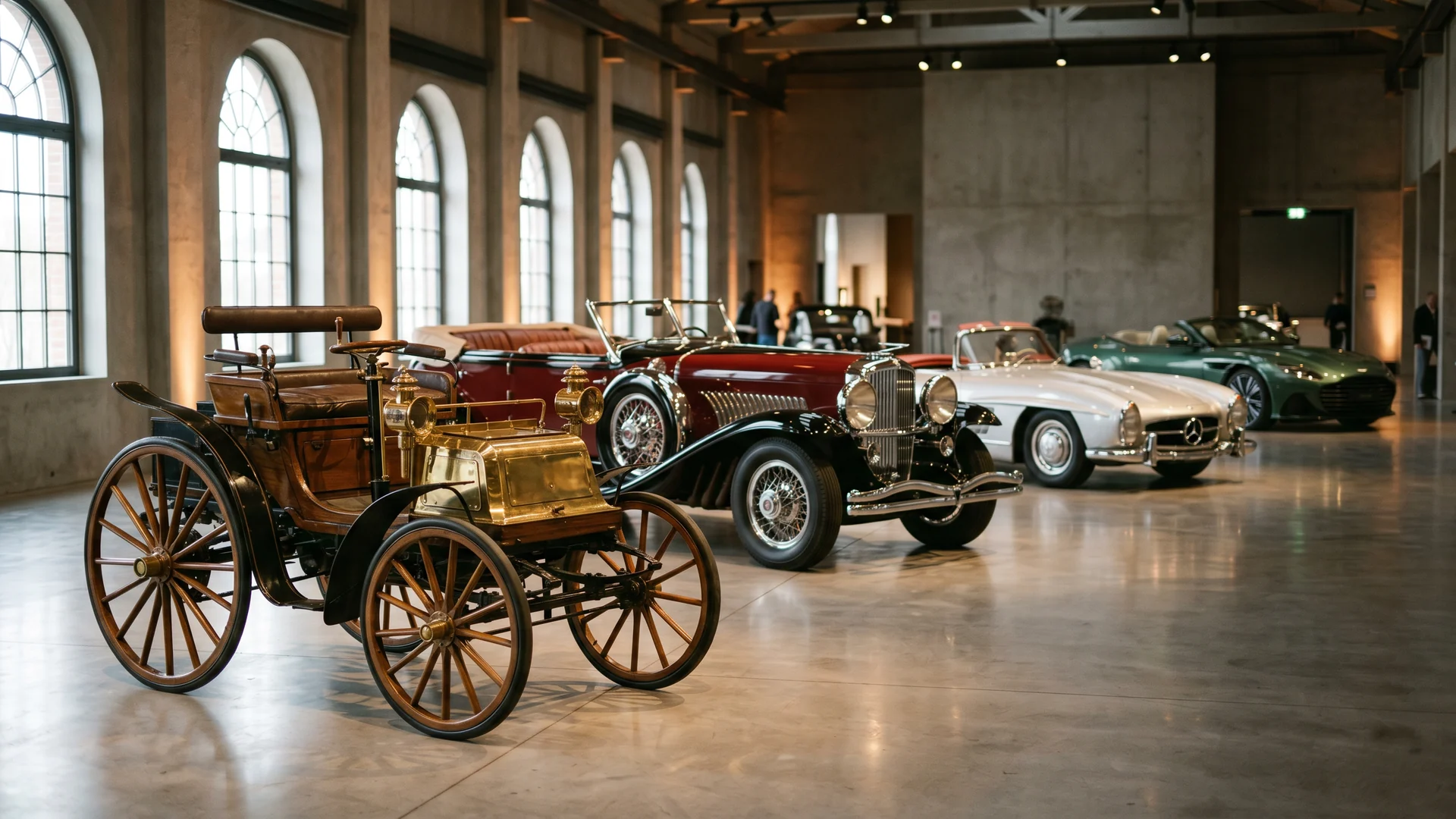
Classic Car History Timeline: From Benz to the Modern Collector Era
Classic car history timeline from the 1886 Benz Patent-Motorwagen through coachbuilding, muscle cars and supercars to modern collectibles. Discover th…