Why Ultra-Rich Collectors Avoid Over-Exposed Classic Models
Ultra-wealthy collectors, typically possessing net worth exceeding hundreds of millions or billions of dollars, constitute a specialized market segment focused on acquiring rare an…
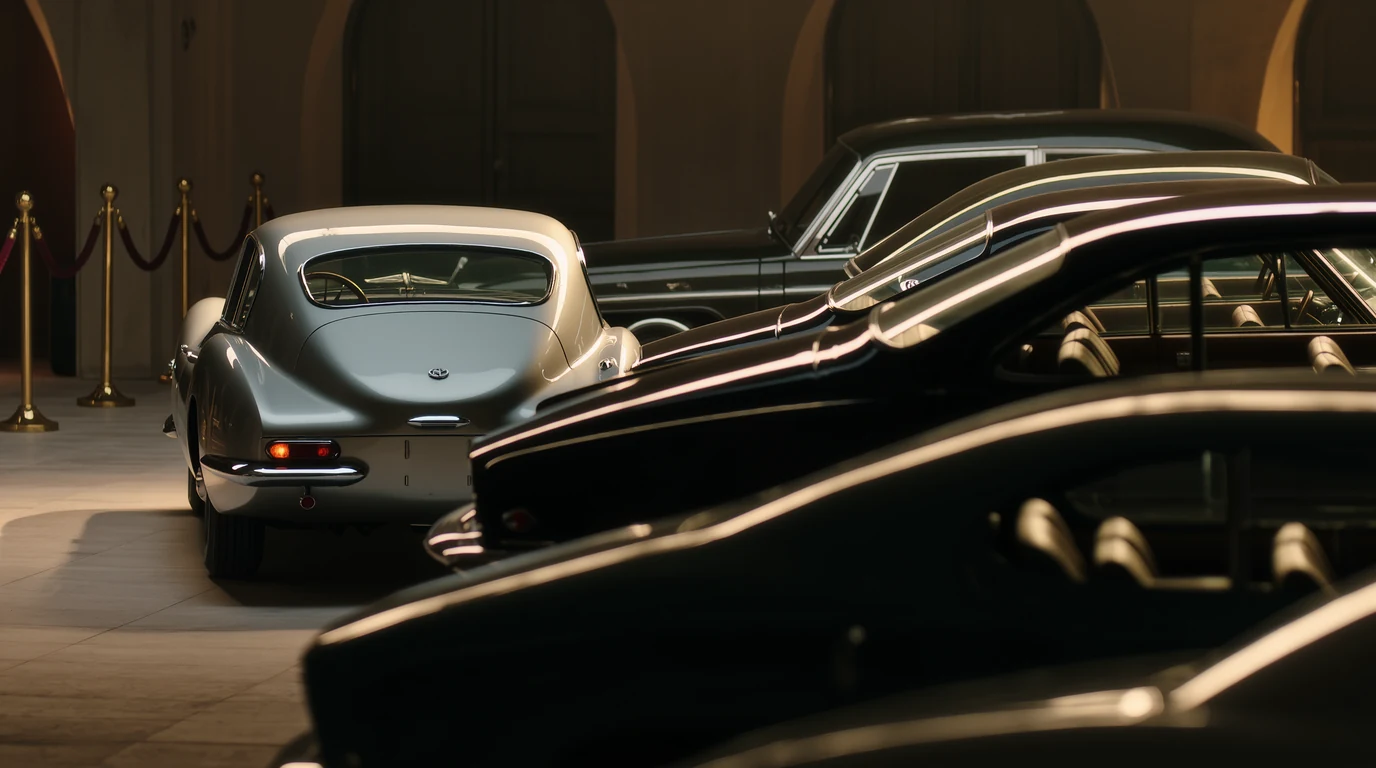
Ultra-wealthy collectors, typically possessing net worth exceeding hundreds of millions or billions of dollars, constitute a specialized market segment focused on acquiring rare and valuable assets. Classic automobiles represent a significant category within this market, functioning simultaneously as collectible investments and cultural artifacts. These acquisitions are driven by multiple factors including historical significance, engineering excellence, aesthetic value, and potential financial appreciation.
The contemporary classic car market has experienced substantial evolution, with collectors demonstrating increased selectivity in their purchasing decisions. Market analysis indicates a shift away from widely recognized models toward vehicles offering greater exclusivity and limited production numbers. This trend has resulted in renewed interest in historically overlooked manufacturers and niche automotive segments, contributing to expanded market diversity and enhanced appreciation for automotive heritage.
Current market dynamics reveal several key challenges, including oversaturation of certain vehicle categories and evolving collector preferences. Emerging trends indicate growing emphasis on provenance documentation, original condition preservation, and technological innovation in classic vehicles. These factors are reshaping acquisition strategies and influencing long-term market valuations within the luxury automotive collecting sector.
Key Takeaways
- Ultra-rich collectors are drawn to classic cars for their exclusivity and investment potential.
- Over-exposure of popular classic car models can diminish their value and appeal.
- There is a growing trend toward rare, alternative classic cars to maintain uniqueness.
- Celebrity endorsements and customization play significant roles in shaping collector preferences.
- Future classic car collecting will focus on rarity, personalization, and market differentiation.
The allure of classic car collecting
Classic car collecting is more than just a hobby; it is a passion that transcends generations. For many ultra-rich collectors, these vehicles represent a connection to the past, evoking nostalgia and admiration for the engineering marvels of yesteryear. The allure lies in the craftsmanship, design, and history encapsulated within each car.
From vintage Ferraris to classic Porsches, these automobiles tell stories of innovation and style that resonate deeply with collectors. Moreover, classic cars often serve as a tangible investment. As time passes, well-maintained models can appreciate significantly in value, making them attractive assets for those looking to diversify their portfolios.
The thrill of discovering a rare model or restoring a vintage vehicle adds an element of excitement to the collecting experience. For ultra-rich collectors, owning a classic car is not just about possession; it is about being part of an exclusive club that celebrates automotive excellence.
The downside of over-exposed classic car models
While classic car collecting is an exhilarating pursuit, it is not without its pitfalls. One significant downside is the over-exposure of certain models in the market. As more collectors flock to popular brands and models, the uniqueness that once defined these vehicles begins to diminish.
This saturation can lead to inflated prices and a subsequent decline in value as supply outstrips demand. Over-exposure can also dilute the prestige associated with owning a particular model. When everyone has access to the same sought-after cars, the allure of exclusivity fades.
Collectors may find themselves in a position where their prized possessions are no longer seen as unique or special. This phenomenon can create a sense of urgency among collectors to seek out lesser-known models that offer a more authentic connection to automotive history.
The search for exclusivity and rarity
In response to the challenges posed by over-exposure, ultra-rich collectors are increasingly turning their attention to exclusivity and rarity. They are seeking out models that are not only unique but also have limited production runs or distinctive features that set them apart from mainstream offerings. This shift in focus allows collectors to maintain their status while also enjoying the thrill of discovery.
The search for rare vehicles often leads collectors to auctions, private sales, and even international markets where hidden gems may be waiting to be uncovered. Many collectors are now willing to invest significant time and resources into researching the history of specific models, ensuring they acquire pieces that have compelling backstories and provenance. This dedication to finding exclusive vehicles enhances the overall collecting experience and fosters a deeper appreciation for automotive artistry.
The impact of over-exposure on classic car values
The impact of over-exposure on classic car values cannot be understated.
Initially sought after for their rarity, these cars may see price surges due to high demand.
This fluctuation creates a challenging environment for investors who view classic cars as financial assets. To navigate this landscape successfully, collectors must remain vigilant about market trends and be willing to adapt their strategies accordingly.
Understanding which models are gaining traction and which are losing their appeal is crucial for making informed purchasing decisions that will protect their investments.
The importance of standing out in a competitive market
In a competitive market filled with ultra-rich collectors vying for the same prized vehicles, standing out becomes essential. Collectors must differentiate themselves by curating collections that reflect their unique tastes and interests. This may involve focusing on specific brands, eras, or styles that resonate personally rather than simply following trends.
Additionally, building relationships within the collector community can provide valuable insights into emerging opportunities and hidden gems. Networking with other enthusiasts, attending exclusive events, and participating in auctions can enhance a collector’s visibility and reputation within this elite circle. By establishing themselves as knowledgeable and passionate collectors, individuals can gain access to rare opportunities that may not be available to the average buyer.
The rise of alternative classic car models
As traditional classic car models face challenges from over-exposure, there has been a notable rise in interest surrounding alternative classic car models. These vehicles may include lesser-known brands or unique designs that offer a fresh perspective on automotive history. Collectors are increasingly drawn to these alternatives as they seek to diversify their collections and discover new avenues for appreciation.
Alternative models often come with compelling stories and distinctive features that set them apart from mainstream offerings. For example, vintage sports cars from obscure manufacturers or limited-edition models from well-known brands can provide collectors with an opportunity to own something truly unique. This trend reflects a broader shift in collector preferences toward individuality and personal expression within their collections.
The influence of celebrity endorsements and trends
Celebrity endorsements play a significant role in shaping trends within the classic car collecting community. When high-profile individuals showcase their collections or express interest in specific models, it can create a surge in demand among fans and aspiring collectors alike. This phenomenon can lead to increased prices for certain vehicles as enthusiasts rush to acquire what they perceive as desirable.
However, while celebrity influence can drive interest in specific models, it is essential for collectors to remain discerning. Trends can be fleeting, and what is popular today may not hold its value tomorrow. Savvy collectors understand the importance of focusing on personal preferences rather than simply following trends dictated by celebrity culture.
The role of investment and future value potential
For many ultra-rich collectors, classic cars represent more than just a passion; they are also seen as viable investments with future value potential. As the market continues to evolve, certain models have demonstrated remarkable appreciation over time, making them attractive assets for those looking to diversify their portfolios. Investing in classic cars requires careful consideration of factors such as rarity, condition, provenance, and market demand.
Collectors must conduct thorough research and stay informed about industry trends to make informed decisions about their acquisitions. By approaching classic car collecting with an investment mindset, individuals can maximize their chances of securing valuable assets that appreciate over time.
The appeal of customization and personalization
Customization and personalization have become increasingly popular among ultra-rich collectors seeking to make their classic cars truly one-of-a-kind. Many enthusiasts choose to modify their vehicles with bespoke features that reflect their individual tastes and preferences. This trend allows collectors to create cars that not only stand out but also resonate on a personal level.
From unique paint jobs to custom interiors and performance enhancements, the possibilities for personalization are virtually limitless. This approach not only enhances the aesthetic appeal of a vehicle but also adds intrinsic value by creating a distinct identity for each car. Collectors who invest in customization often find that it deepens their connection to their vehicles while also increasing their desirability within the market.
The future of classic car collecting for ultra-rich collectors
The future of classic car collecting for ultra-rich individuals is poised for exciting developments as trends continue to evolve. While challenges such as over-exposure exist, they also pave the way for new opportunities centered around exclusivity and rarity. As collectors seek unique vehicles that reflect their personal tastes and values, alternative models are gaining traction alongside traditional classics.
Moreover, the influence of celebrity endorsements and investment potential will continue to shape market dynamics in this elite hobby. As customization becomes more prevalent, collectors will have even greater opportunities to express their individuality through their vehicles. Ultimately, the world of classic car collecting remains vibrant and dynamic, offering endless possibilities for those passionate about automotive history and artistry.
FAQs
Why do ultra-rich collectors avoid over-exposed classic models?
Ultra-rich collectors often avoid over-exposed classic models because these cars tend to be less exclusive and may have diminished investment potential. Over-exposure can lead to market saturation, reducing rarity and desirability among discerning collectors.
What defines an over-exposed classic model in the collector car market?
An over-exposed classic model is one that is widely available, frequently seen at auctions, car shows, and in media, making it less unique. These models often have large production numbers or have been heavily promoted, leading to decreased exclusivity.
How does rarity impact the value of classic cars for wealthy collectors?
Rarity significantly impacts value; ultra-rich collectors prioritize cars that are scarce or have unique provenance. Limited production runs, one-of-a-kind features, or historical significance can enhance a car’s desirability and long-term appreciation.
Are there risks associated with investing in over-exposed classic cars?
Yes, investing in over-exposed classic cars carries risks such as price volatility and slower appreciation. Market saturation can lead to decreased demand, making it harder to sell the vehicle at a premium in the future.
What types of classic cars do ultra-rich collectors prefer instead?
Ultra-rich collectors often prefer rare, limited-edition, or historically significant models that are less commonly seen. They may also seek cars with unique customization, celebrity ownership, or exceptional condition to maintain exclusivity.
Does media exposure affect the desirability of classic cars?
Media exposure can increase a car’s popularity but may also lead to over-exposure, reducing exclusivity. While some collectors appreciate the recognition, ultra-rich buyers often seek models that remain under the radar to preserve uniqueness.
How do ultra-rich collectors maintain the exclusivity of their collections?
They maintain exclusivity by acquiring rare models, avoiding widely publicized cars, and sometimes keeping their collections private. They may also invest in restoration and preservation to enhance uniqueness and historical value.
Is the trend of avoiding over-exposed classic models common globally?
Yes, this trend is observed globally among ultra-rich collectors who value exclusivity and long-term investment potential. Different regions may have varying preferences, but the principle of rarity and uniqueness remains consistent.
More from Blog
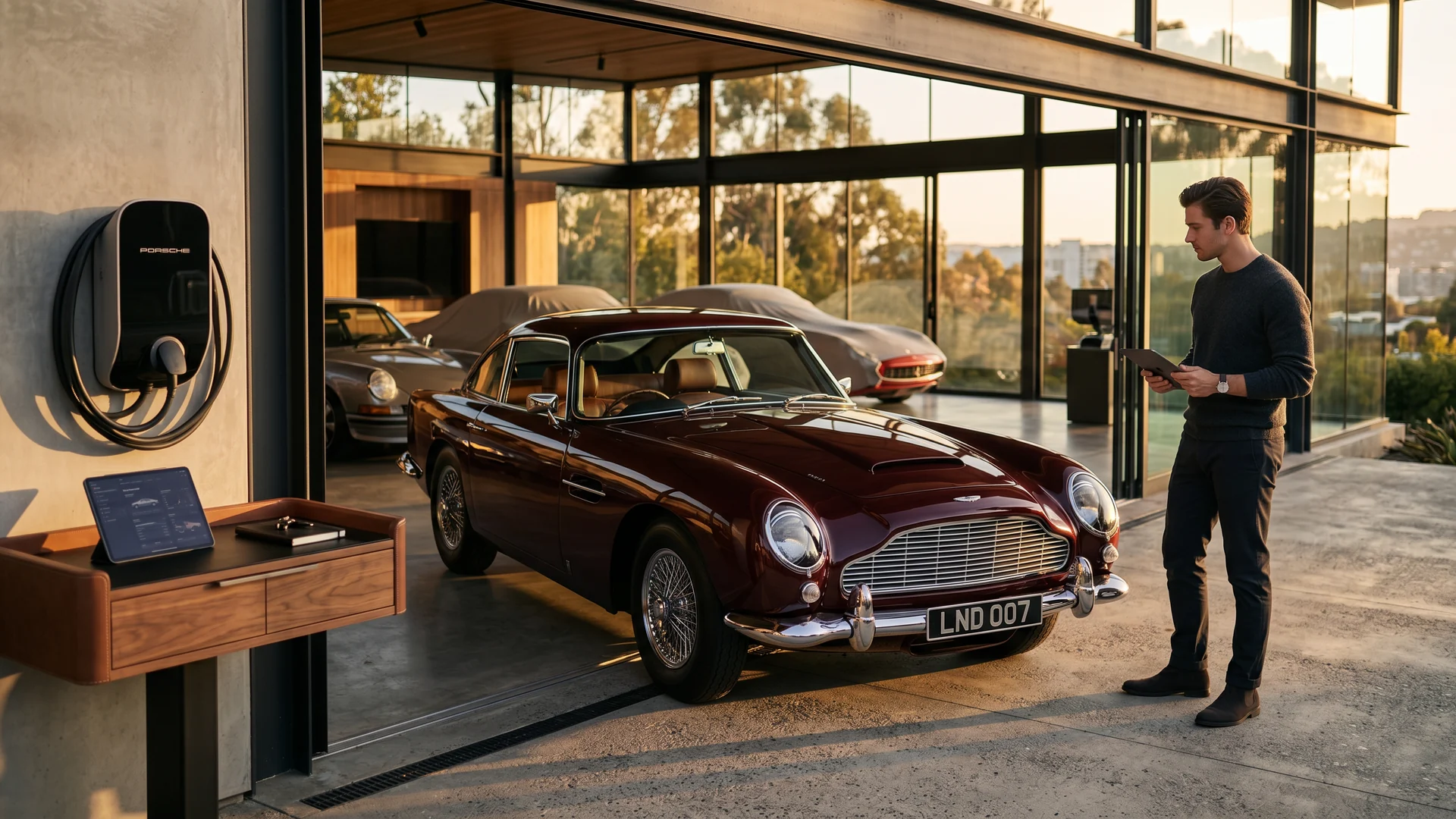
The Future of Classic Car Collecting: Trends Shaping the Next Generation
The future of classic car collecting: why 2035 ICE bans spare existing cars, plus e-fuels, shifting demographics, electromods and fractional ownership…
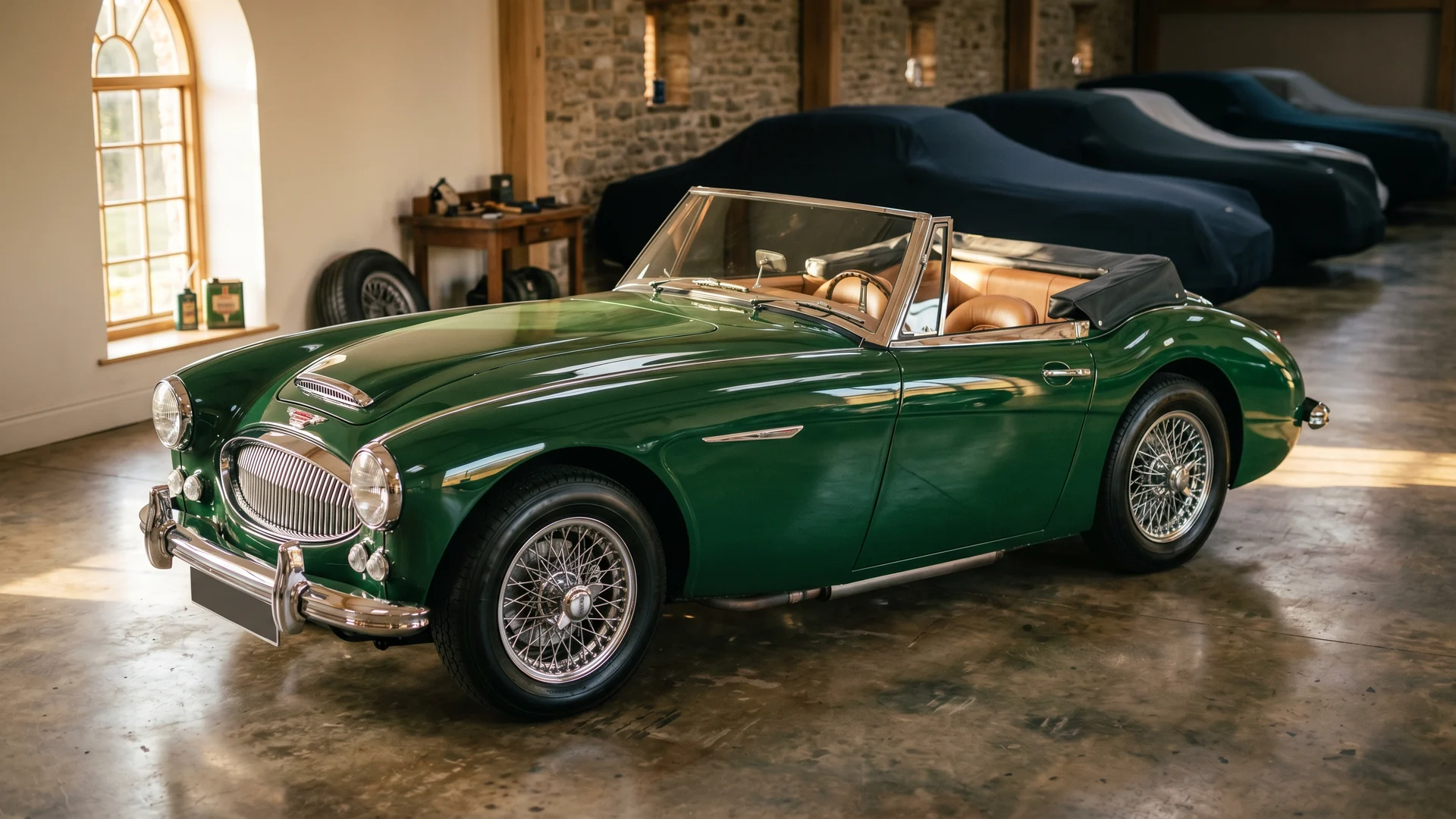
Classic Car Insurance Guide: Protecting Your Vintage Investment
Classic car insurance guide: why agreed-value policies beat stated and actual cash value, how Hagerty, Grundy and Chubb compare, plus costs and covera…
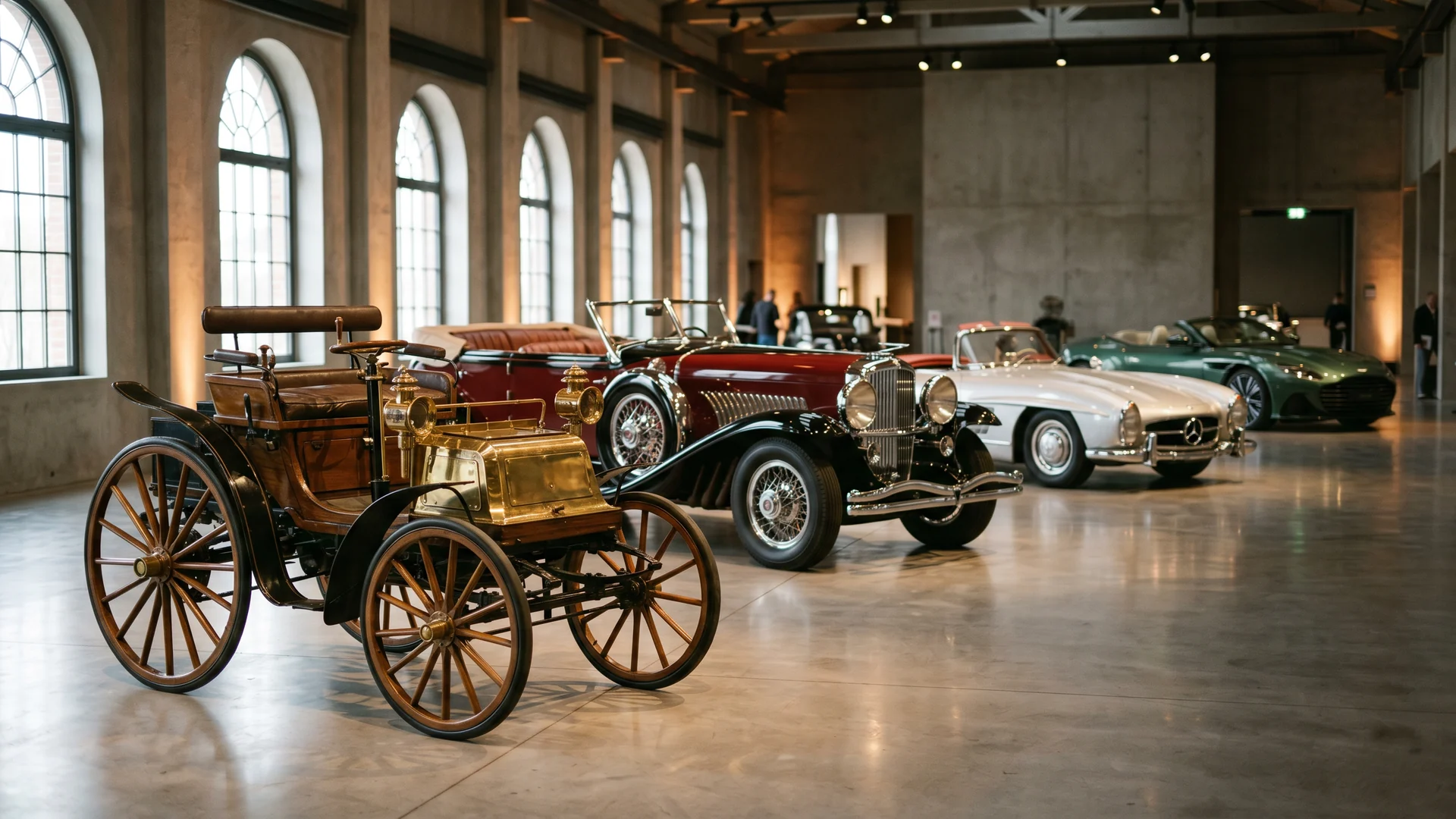
Classic Car History Timeline: From Benz to the Modern Collector Era
Classic car history timeline from the 1886 Benz Patent-Motorwagen through coachbuilding, muscle cars and supercars to modern collectibles. Discover th…