Why Restoration Quality Can Make or Break Classic Car Value
Originality is a cornerstone of classic car appreciation. Enthusiasts and collectors alike value vehicles that maintain their factory specifications, as these cars tell a story of …
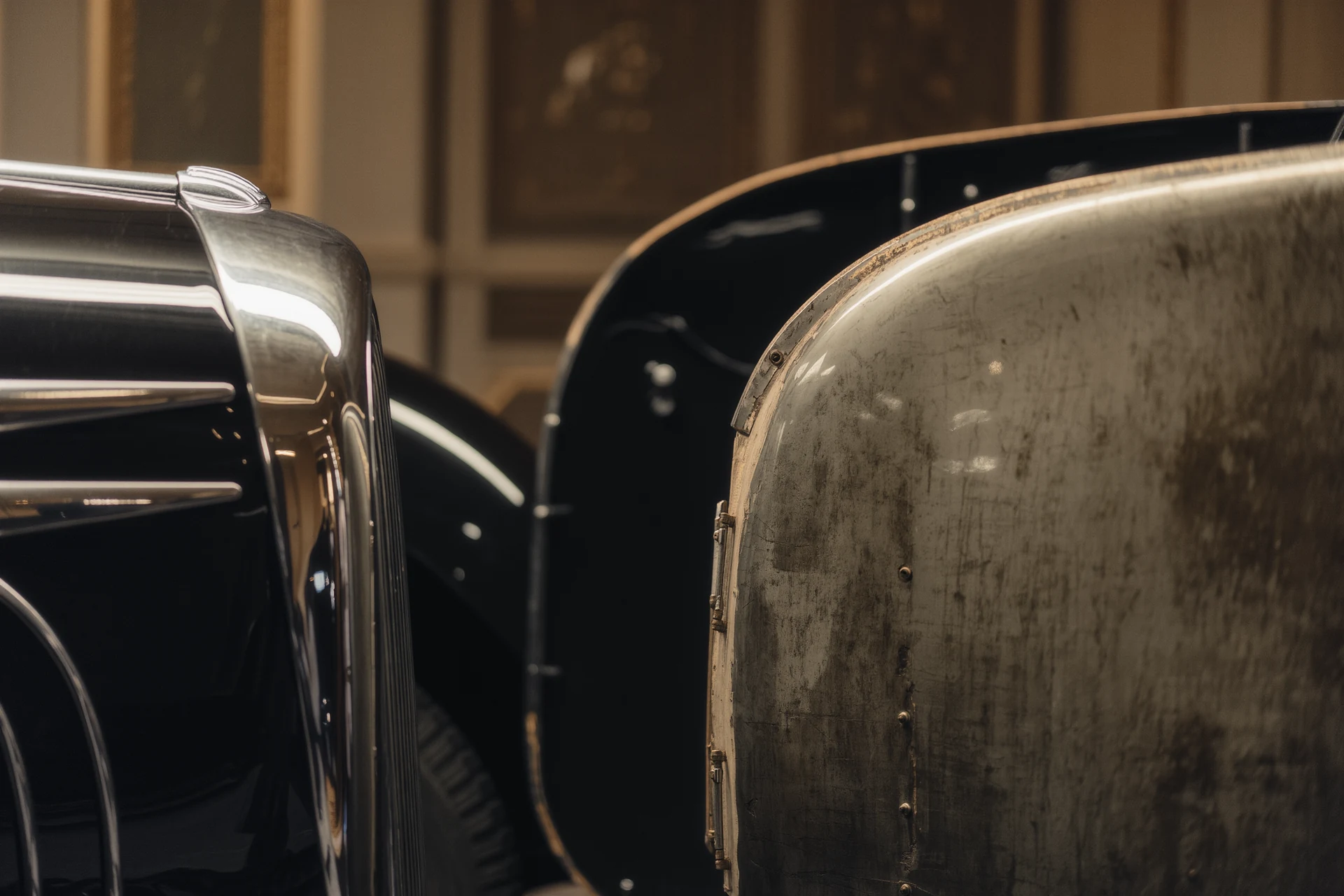
Originality is a cornerstone of classic car appreciation. Enthusiasts and collectors alike value vehicles that maintain their factory specifications, as these cars tell a story of their time and craftsmanship. Original parts, paint, and features not only enhance the aesthetic appeal but also contribute to the vehicle’s historical significance.
When a classic car retains its originality, it often commands a higher price in the market, as collectors seek authenticity over modified versions. Moreover, originality fosters a deeper connection between the owner and the vehicle. Classic cars are not just modes of transportation; they are pieces of history that evoke nostalgia and admiration.
Owners who appreciate the original design and engineering marvels of these vehicles often find themselves part of a community that shares their passion. This sense of belonging can enhance the overall ownership experience, making originality a vital aspect of classic car culture.
Key Takeaways
- Originality and authenticity are crucial factors that significantly influence the value and market demand of classic cars.
- High-quality restoration enhances a classic car’s value and investment potential, while poor restoration can decrease it.
- Common restoration mistakes, such as using non-original parts or improper techniques, negatively impact a car’s authenticity and worth.
- Professional restoration services are valuable for ensuring authenticity and maintaining or increasing a classic car’s market value.
- Understanding how to assess restoration quality is essential for buyers to make informed decisions and predict future value trends.
The Impact of Restoration Quality on Classic Car Value
Restoration quality plays a pivotal role in determining the value of classic cars. A well-executed restoration can significantly increase a vehicle’s market worth, while poor workmanship can lead to depreciation. Buyers are often willing to pay a premium for cars that have been restored to high standards, as they offer assurance of reliability and aesthetic appeal.
Quality restorations typically involve meticulous attention to detail, ensuring that every component meets or exceeds original specifications. Furthermore, the restoration process itself can influence a car’s provenance. A documented restoration by reputable professionals can enhance a vehicle’s desirability among collectors.
Conversely, shoddy restorations can raise red flags for potential buyers, leading to concerns about hidden issues or future repair costs. Therefore, understanding the impact of restoration quality is essential for both buyers and sellers in the classic car market.
Common Mistakes in Classic Car Restoration
Classic car restoration is an art that requires skill, knowledge, and careful planning. However, many enthusiasts make common mistakes that can compromise the integrity and value of their vehicles. One prevalent error is using non-original parts during restoration.
While aftermarket components may be more accessible or affordable, they can detract from the car’s authenticity and overall appeal. Collectors often prioritize originality, making it crucial to source genuine parts whenever possible. Another frequent mistake is underestimating the importance of documentation.
Failing to keep detailed records of the restoration process can diminish a car’s value in the eyes of potential buyers. Documentation serves as proof of the work done and can provide insights into the quality of materials used. Additionally, neglecting to consult with experts or experienced restorers can lead to costly missteps.
Engaging professionals who understand the nuances of classic car restoration can help avoid these pitfalls and ensure a successful outcome.
The Role of Authenticity in Classic Car Valuation
Authenticity is a key factor in classic car valuation. Collectors and enthusiasts are often willing to pay top dollar for vehicles that maintain their original specifications and features. Authenticity encompasses not only the car’s physical components but also its history and provenance.
A classic car with a well-documented history, including previous ownership and restoration details, can command a higher price due to its unique story. Moreover, authenticity contributes to the overall desirability of a classic car. Vehicles that have been preserved or restored with an emphasis on maintaining original characteristics tend to attract more interest from buyers.
This heightened demand can lead to increased market value over time. Therefore, ensuring authenticity during restoration is essential for anyone looking to maximize their investment in a classic car.
How Restoration Quality Affects Market Demand
The quality of restoration directly influences market demand for classic cars. High-quality restorations often result in increased interest from collectors and enthusiasts, leading to higher sale prices. Buyers are more likely to invest in vehicles that have been restored with care and precision, as they offer peace of mind regarding reliability and performance.
In contrast, poorly restored cars may struggle to find buyers, as potential purchasers may be wary of hidden issues or subpar workmanship. Additionally, market trends can shift based on restoration quality. As more collectors become educated about what constitutes a quality restoration, they may prioritize vehicles that meet these standards over others.
This shift in buyer preferences can create a ripple effect in the market, driving up demand for well-restored classic cars while diminishing interest in those with questionable restoration histories.
The Influence of Historical Significance on Restoration Quality
Historical significance plays a crucial role in determining restoration quality for classic cars. Vehicles with notable histories, such as those associated with famous personalities or significant events, often warrant more careful and authentic restorations. Collectors recognize that preserving the historical context of these cars enhances their value and appeal.
As such, restorers may invest additional time and resources into ensuring that every detail aligns with the car’s original specifications. Moreover, historical significance can dictate the level of scrutiny applied during the restoration process. Cars with rich backgrounds may attract more attention from experts and enthusiasts alike, leading to higher expectations regarding quality and authenticity.
This heightened focus on historical accuracy can ultimately result in restorations that not only preserve the vehicle’s integrity but also enhance its market value.
Factors That Decrease Classic Car Value During Restoration
Several factors can negatively impact the value of classic cars during restoration. One significant issue is the use of substandard materials or parts. When restorers opt for cheaper alternatives instead of authentic components, it can lead to diminished quality and authenticity.
Buyers are often discerning when it comes to parts used in restorations; thus, using inferior materials can result in lower resale values. Additionally, poor workmanship during the restoration process can have lasting consequences on a vehicle’s value. Inadequate attention to detail or rushed jobs can lead to visible flaws that detract from the car’s overall appeal.
Furthermore, failing to document the restoration process can create uncertainty for potential buyers regarding the quality of work performed. These factors combined can significantly decrease a classic car’s value in the competitive market.
The Relationship Between Restoration Quality and Investment Potential
The relationship between restoration quality and investment potential is clear: high-quality restorations typically yield better returns on investment for classic car owners. Vehicles that have been restored with precision and care are more likely to appreciate over time, attracting collectors who recognize their value. Conversely, poorly restored cars may struggle to retain their worth, leading to potential losses for owners.
Investors should consider restoration quality as a critical factor when purchasing classic cars. A well-documented restoration by reputable professionals not only enhances a vehicle’s appeal but also serves as an assurance of its investment potential. As collectors become increasingly discerning about quality, investing in well-restored classics can prove to be a wise financial decision.
The Value of Professional Restoration Services
Engaging professional restoration services offers numerous advantages for classic car owners. Experts in the field possess specialized knowledge and skills that ensure high-quality results throughout the restoration process. They understand the intricacies involved in preserving originality while enhancing performance and aesthetics.
Moreover, professional restorers often have access to rare parts and resources that may not be readily available to individual enthusiasts. This access allows them to source authentic components that enhance the vehicle’s originality and value.
How to Assess Restoration Quality When Buying a Classic Car
Assessing restoration quality is crucial when considering the purchase of a classic car. Start by examining documentation related to the restoration process; this should include records of parts used, labor performed, and any modifications made. A well-documented history provides insight into the quality of work completed and helps establish trust with potential buyers.
Next, conduct a thorough visual inspection of the vehicle. Look for signs of poor workmanship, such as uneven paint finishes or misaligned body panels. Pay attention to details like interior fittings and engine components; these areas should reflect high standards of craftsmanship if the restoration was done correctly.
Finally, consider seeking an expert opinion from a trusted mechanic or appraiser who specializes in classic cars; their insights can help you make an informed decision.
The Future of Classic Car Values and Restoration Quality
The future of classic car values is closely tied to restoration quality as trends evolve within the collector community. As more enthusiasts prioritize authenticity and craftsmanship, vehicles that have been restored with care are likely to see increased demand and appreciation over time. This shift may lead to higher prices for well-restored classics while diminishing interest in those with questionable histories.
Additionally, advancements in technology may influence restoration practices moving forward. New techniques and materials could enhance the ability to restore vehicles while maintaining their originality. As collectors become more educated about what constitutes quality restorations, they will continue to drive demand for vehicles that meet these standards, ultimately shaping the future landscape of classic car values.
In conclusion, understanding the importance of originality, restoration quality, authenticity, and historical significance is essential for anyone involved in the classic car market, whether as an owner or investor. By prioritizing these factors during restoration processes and purchases, individuals can maximize their enjoyment and investment potential in these timeless vehicles.
FAQs
What is restoration quality in classic cars?
Restoration quality refers to the level of craftsmanship, accuracy, and attention to detail applied when refurbishing or rebuilding a classic car to its original or improved condition.
Why does restoration quality affect the value of a classic car?
High-quality restorations preserve or enhance a car’s originality, functionality, and appearance, which increases its desirability and market value. Poor restorations can reduce value by compromising authenticity or causing mechanical issues.
What factors determine a high-quality restoration?
Factors include using original or period-correct parts, expert workmanship, accurate paint colors and finishes, proper mechanical repairs, and thorough documentation of the restoration process.
Can a poorly restored classic car be improved later?
Yes, a poorly restored car can be re-restored or improved by skilled professionals, but this may be costly and could affect the car’s provenance or originality.
How can buyers assess restoration quality?
Buyers should inspect the car thoroughly, review restoration records, consult experts or appraisers, and verify the authenticity of parts and finishes.
Does restoration quality impact insurance premiums for classic cars?
Yes, cars with high-quality restorations often qualify for better insurance coverage and may have lower premiums due to their higher value and reduced risk of mechanical failure.
Is it better to restore a classic car to original specifications or customize it?
Restoring to original specifications generally maintains or increases value more than customization, which can limit the car’s appeal to collectors seeking authenticity.
How long does a high-quality restoration typically take?
The duration varies widely depending on the car’s condition and restoration scope but can range from several months to multiple years for meticulous, concours-level restorations.
What role does documentation play in restoration quality?
Comprehensive documentation of the restoration process, including receipts, photos, and expert evaluations, helps verify quality and authenticity, thereby enhancing the car’s value.
Are there certifications or standards for classic car restorations?
Yes, some organizations and clubs offer certification programs or guidelines to help ensure restorations meet recognized quality and authenticity standards.
More from Blog
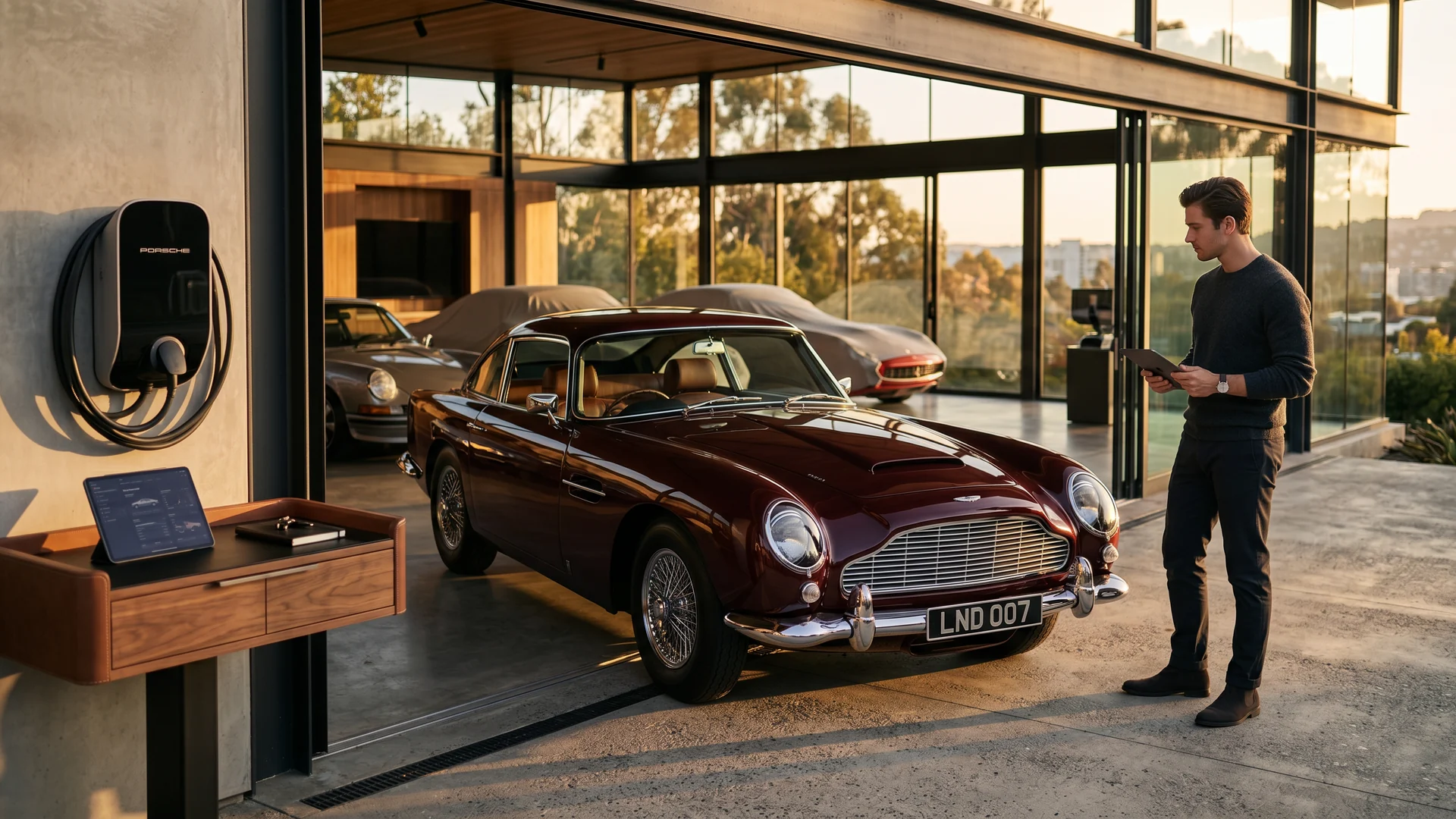
The Future of Classic Car Collecting: Trends Shaping the Next Generation
The future of classic car collecting: why 2035 ICE bans spare existing cars, plus e-fuels, shifting demographics, electromods and fractional ownership…
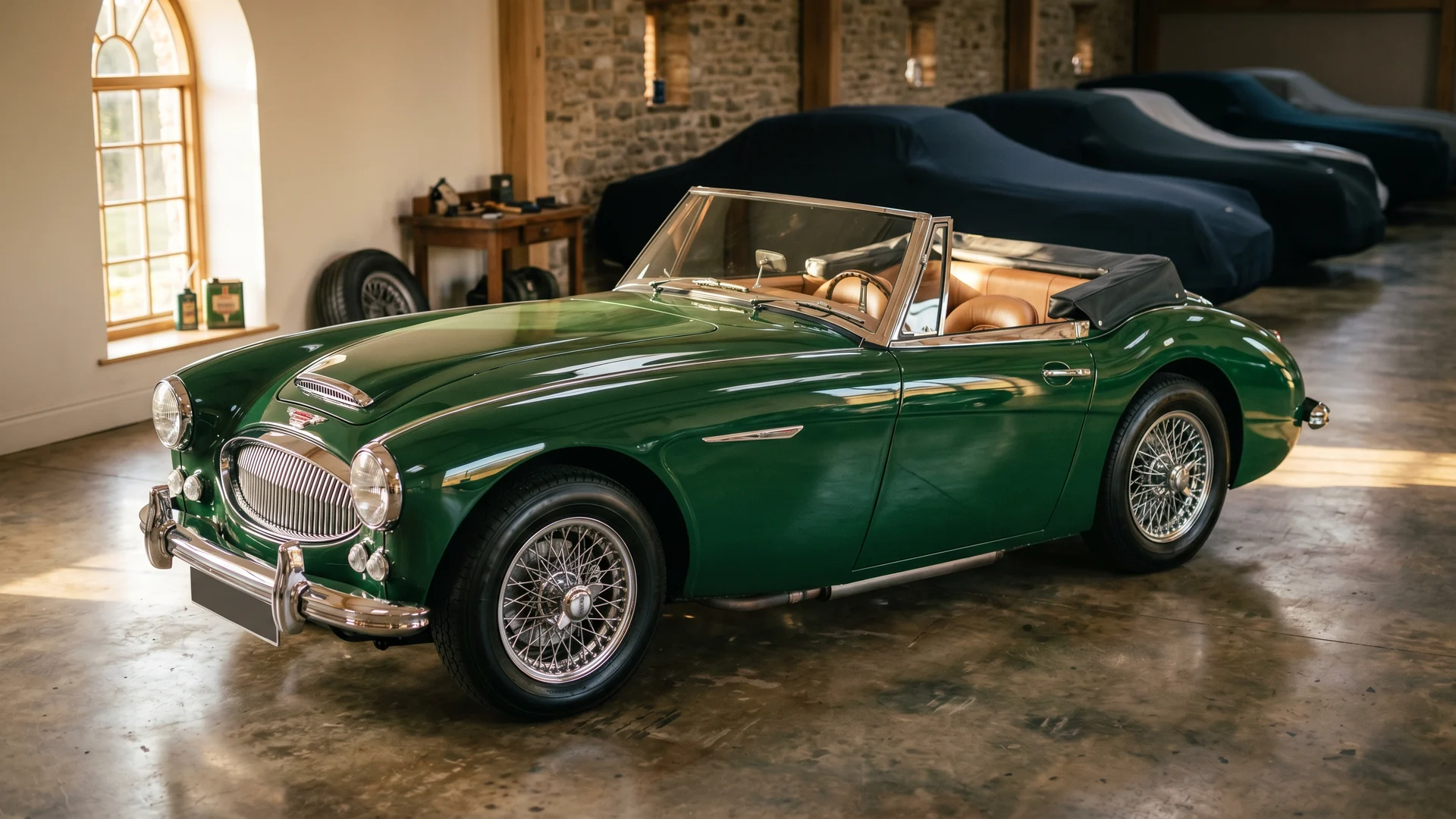
Classic Car Insurance Guide: Protecting Your Vintage Investment
Classic car insurance guide: why agreed-value policies beat stated and actual cash value, how Hagerty, Grundy and Chubb compare, plus costs and covera…
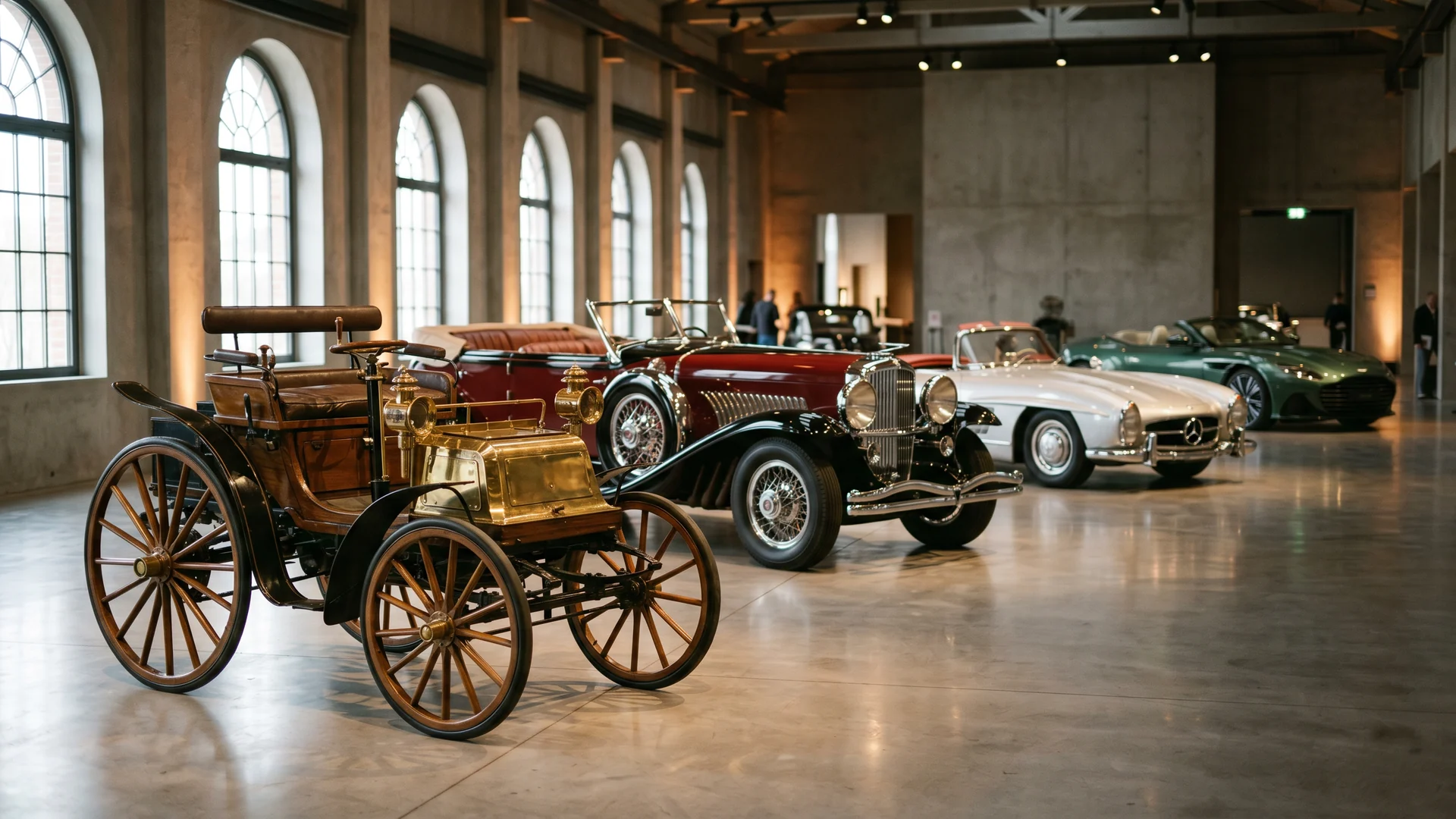
Classic Car History Timeline: From Benz to the Modern Collector Era
Classic car history timeline from the 1886 Benz Patent-Motorwagen through coachbuilding, muscle cars and supercars to modern collectibles. Discover th…