Why Restoration Photos Can Kill a Classic Car Sale
Restoration photos play a crucial role in the classic car market, serving as visual documentation of a vehicle’s transformation. These images capture the meticulous work invo…
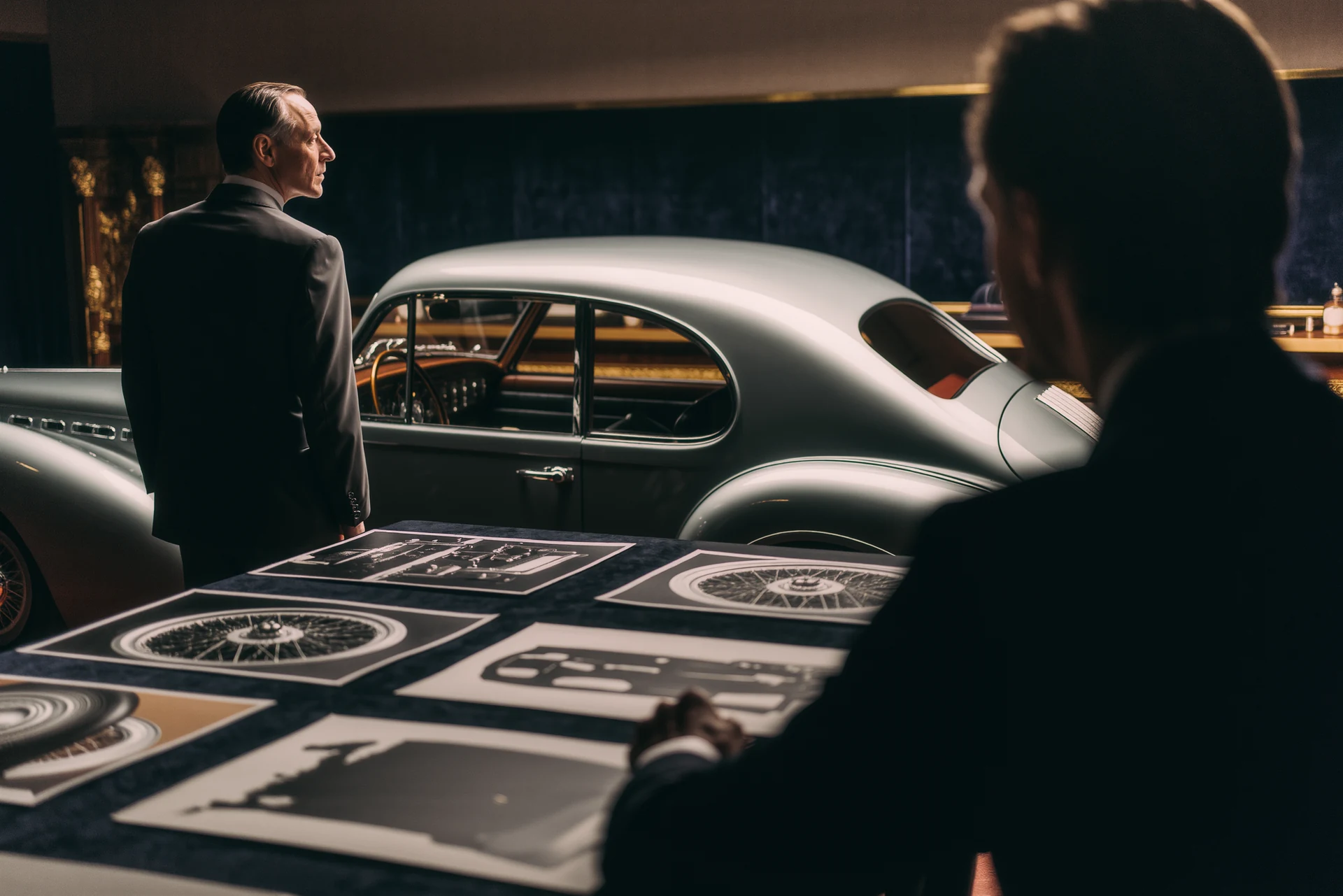
Restoration photos play a crucial role in the classic car market, serving as visual documentation of a vehicle’s transformation. These images capture the meticulous work involved in restoring a classic car, showcasing everything from the initial condition to the final polished product. For buyers, restoration photos can provide a sense of reassurance, illustrating the care and effort that went into reviving a vintage automobile.
However, while these images can be compelling, they also raise questions about authenticity and transparency in the sales process. Understanding the nuances of restoration photos is essential for both buyers and sellers in navigating the classic car landscape. In an era where online sales dominate, restoration photos have become a vital tool for attracting potential buyers.
They not only highlight the aesthetic appeal of a classic car but also serve as a testament to the quality of workmanship involved in the restoration process. However, the allure of these images can sometimes overshadow the reality of what they represent. As buyers become increasingly savvy, it is essential to delve deeper into the implications of restoration photos and their impact on buyer expectations and trust.
Key Takeaways
- Restoration photos attract buyers by showcasing the transformation and appeal of classic cars.
- Such photos can create misleading impressions if they hide flaws or overstate the quality of restoration work.
- Transparency and professional inspections are crucial to build trust and set realistic buyer expectations.
- Maintaining authenticity is important to preserve the value and heritage of classic cars.
- A balanced approach to using restoration photos helps ensure honest sales and satisfied buyers.
The Appeal of Restoration Photos
The appeal of restoration photos lies in their ability to tell a story. They capture the journey of a classic car from its original state to a beautifully restored masterpiece. For enthusiasts and collectors, these images evoke nostalgia and admiration, showcasing the craftsmanship that goes into restoring vintage vehicles.
A well-documented restoration can create an emotional connection, making potential buyers more inclined to invest in a car that resonates with their passion for automotive history. Moreover, restoration photos can serve as a powerful marketing tool. Sellers can leverage high-quality images to highlight specific features, such as custom paint jobs or upgraded interiors.
This visual storytelling can significantly enhance a car’s perceived value, drawing in buyers who may be willing to pay a premium for a vehicle that appears to be in pristine condition. However, while these images can be captivating, they must be accompanied by accurate descriptions and disclosures to ensure that buyers are fully informed.
The Reality of Restoration Work
While restoration photos can paint a beautiful picture, the reality of restoration work is often more complex. Restorations can vary widely in quality, scope, and authenticity. Some restorations may involve extensive modifications that alter the original character of the vehicle, while others may focus on preserving its historical integrity.
Buyers must understand that not all restorations are created equal; what looks good in photos may not always translate to real-world performance or value. Additionally, the process of restoring a classic car can uncover hidden issues that may not be immediately apparent in photographs. Rust, structural damage, or mechanical problems can arise during restoration, leading to unexpected costs and challenges.
Buyers should approach restoration photos with a critical eye, recognizing that they may not fully represent the car’s condition or history. Understanding this reality is crucial for making informed purchasing decisions.
The Potential Pitfalls of Restoration Photos
Despite their appeal, restoration photos come with potential pitfalls that buyers should be aware of. One significant concern is the possibility of selective photography, where sellers showcase only the most flattering angles or aspects of a vehicle while omitting any flaws or imperfections. This practice can create a misleading impression of the car’s overall condition, leading buyers to believe they are purchasing something far better than what exists in reality.
Another pitfall is the risk of misrepresentation regarding the extent of the restoration work performed. Sellers may claim that a car has been “fully restored” when only certain components have been addressed.
To mitigate these risks, buyers should seek out detailed documentation and transparent communication from sellers regarding the restoration process.
Misleading Impressions from Restoration Photos
Misleading impressions from restoration photos can significantly impact buyer decisions. A stunning image may evoke excitement and desire, but it can also mask underlying issues that are not immediately visible. For instance, a beautifully painted exterior may hide rusted panels or poorly executed bodywork beneath the surface.
Buyers must remain vigilant and recognize that what appears flawless in photographs may not reflect the true condition of the vehicle. Furthermore, restoration photos can create unrealistic expectations regarding performance and reliability. A car that looks pristine may still have mechanical issues that were not addressed during the restoration process.
Buyers should approach these images with caution and consider them as just one piece of the puzzle when evaluating a classic car’s overall value and condition.
The Importance of Transparency in Classic Car Sales
Transparency is paramount in classic car sales, especially when it comes to restoration work. Sellers should provide comprehensive information about the restoration process, including details about parts used, labor performed, and any challenges encountered along the way. This level of transparency builds trust with potential buyers and helps them make informed decisions based on accurate information.
Additionally, sellers should be open about any modifications made during the restoration process. Buyers often seek classic cars for their originality and historical significance; therefore, disclosing any changes made to the vehicle is essential for maintaining credibility. By fostering an environment of transparency, sellers can enhance their reputation and attract serious buyers who appreciate honesty in transactions.
The Impact of Restoration Photos on Buyer Expectations
Restoration photos can significantly shape buyer expectations regarding both aesthetics and performance. When potential buyers see stunning images of a restored classic car, they may envision themselves driving a flawless vehicle that meets their dreams and desires. However, this idealized vision can lead to disappointment if the actual car does not live up to those expectations.
Moreover, buyers may assume that a beautifully restored car will perform flawlessly on the road without considering factors such as maintenance history or mechanical condition. It is essential for buyers to temper their expectations and conduct thorough research before making a purchase based solely on photographs. Understanding that restoration photos are just one aspect of evaluating a classic car can help buyers make more realistic assessments.
The Role of Professional Inspections in Classic Car Sales
Professional inspections play a critical role in ensuring that buyers make informed decisions when purchasing classic cars. While restoration photos provide valuable insights into a vehicle’s appearance, they cannot replace the thorough evaluation conducted by an experienced mechanic or appraiser. A professional inspection can uncover hidden issues that may not be visible in photographs, such as structural damage or mechanical problems.
Investing in a professional inspection before finalizing a purchase can save buyers from costly surprises down the road. Inspectors can provide detailed reports on the car’s condition, helping buyers understand its true value and any necessary repairs or maintenance required. By prioritizing professional inspections alongside reviewing restoration photos, buyers can make more confident decisions when entering the classic car market.
Building Trust with Potential Buyers
Building trust with potential buyers is essential for successful classic car sales. Sellers can establish credibility by providing accurate information about the vehicle’s history, including documentation of previous ownership and details about any restorations performed. Transparency regarding any known issues or modifications also fosters trust and encourages open communication between sellers and buyers.
Additionally, sellers should be responsive to inquiries and willing to provide additional information or clarification as needed. By demonstrating professionalism and integrity throughout the sales process, sellers can create positive experiences for potential buyers and increase their chances of closing successful transactions.
Preserving the Authenticity of Classic Cars
Preserving the authenticity of classic cars is vital for maintaining their value and appeal among collectors and enthusiasts. While restorations are often necessary to keep these vehicles on the road, it is essential to strike a balance between restoring functionality and preserving original features. Buyers often seek classic cars for their historical significance; therefore, any modifications should be carefully considered.
Sellers should prioritize using original parts whenever possible and document any changes made during the restoration process. This commitment to authenticity not only enhances the vehicle’s value but also resonates with buyers who appreciate genuine classic cars. By preserving authenticity while showcasing quality restorations through transparent practices, sellers can attract discerning buyers who value both craftsmanship and history.
The Balance of Restoration Photos in Classic Car Sales
In conclusion, restoration photos serve as powerful tools in classic car sales but must be approached with caution and critical thinking. While they can enhance buyer interest and showcase craftsmanship, they also carry potential pitfalls that require careful consideration. Transparency in communication and thorough inspections are essential for building trust between sellers and buyers.
Ultimately, striking a balance between showcasing restoration work through compelling visuals while maintaining authenticity is key to successful transactions in the classic car market. By prioritizing honesty and transparency alongside high-quality restoration photos, both sellers and buyers can navigate this exciting landscape with confidence and clarity.
FAQs
What are restoration photos in the context of classic car sales?
Restoration photos are images that document the process of repairing, refurbishing, or restoring a classic car to its original or improved condition. These photos often include before, during, and after shots of the vehicle.
Why might restoration photos negatively impact the sale of a classic car?
Restoration photos can sometimes raise concerns about the car’s originality, suggesting that significant parts may have been replaced or altered. This can lead buyers to question the vehicle’s authenticity, value, and historical integrity, potentially lowering their willingness to pay a premium price.
Do restoration photos always harm the value of a classic car?
Not necessarily. While some buyers prefer untouched, original vehicles, others appreciate a well-documented restoration that ensures the car is in excellent condition. The impact depends on the buyer’s preferences and the quality and transparency of the restoration work.
How can sellers use restoration photos effectively when selling a classic car?
Sellers can use restoration photos to demonstrate the quality and thoroughness of the restoration, provide transparency about the car’s history, and build trust with potential buyers. It is important to present these photos alongside detailed documentation and honest descriptions.
What should buyers look for when reviewing restoration photos of a classic car?
Buyers should assess the quality of the restoration work, check for consistency with the car’s original specifications, and verify that any replaced parts are authentic or appropriate. They should also consider how the restoration affects the car’s originality and value.
Can restoration photos help in verifying the authenticity of a classic car?
Yes, restoration photos can provide evidence of the car’s condition over time and the work performed, which can help verify its authenticity and maintenance history when accompanied by proper documentation.
Are there any risks associated with not showing restoration photos when selling a classic car?
Not showing restoration photos might lead to suspicion or mistrust from buyers, who may worry about hidden issues or undisclosed repairs. Transparency through restoration photos can help alleviate these concerns and facilitate a smoother sale.
Why can restoration photos actually hurt a car sale?
How can sellers use restoration photos honestly?
What does fully restored really mean?
More from Blog
The Future of Classic Car Collecting: Trends Shaping the Next Generation
The future of classic car collecting: why 2035 ICE bans spare existing cars, plus e-fuels, shifting demographics, electromods and fractional ownership…
Classic Car Insurance Guide: Protecting Your Vintage Investment
Classic car insurance guide: why agreed-value policies beat stated and actual cash value, how Hagerty, Grundy and Chubb compare, plus costs and covera…
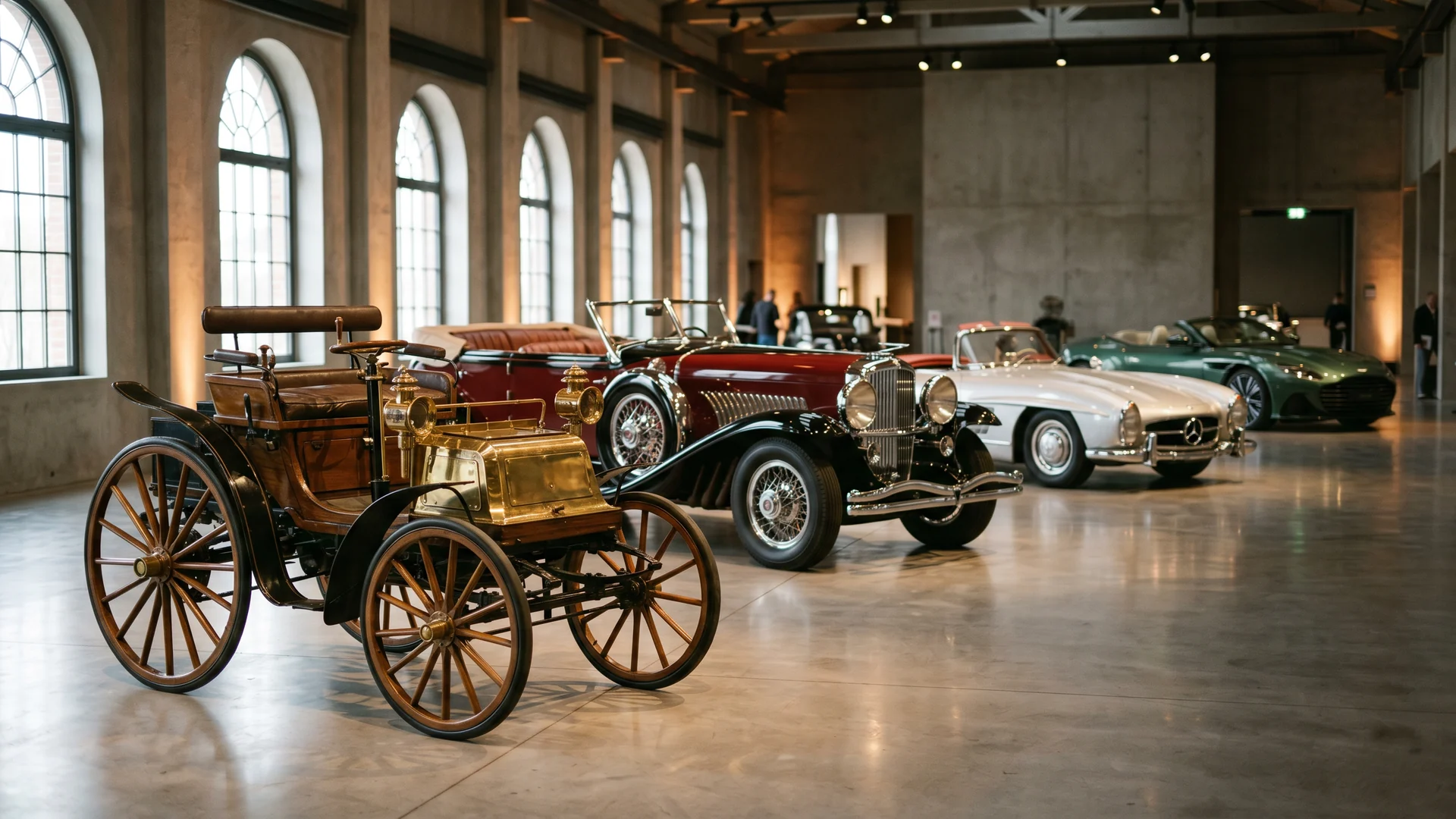
Classic Car History Timeline: From Benz to the Modern Collector Era
Classic car history timeline from the 1886 Benz Patent-Motorwagen through coachbuilding, muscle cars and supercars to modern collectibles. Discover th…