Why The Rarest Oldtimers Are Invisible by Design
Rare classic automobiles represent a convergence of historical significance, engineering excellence, and automotive heritage. These vehicles, typically manufactured over three deca…
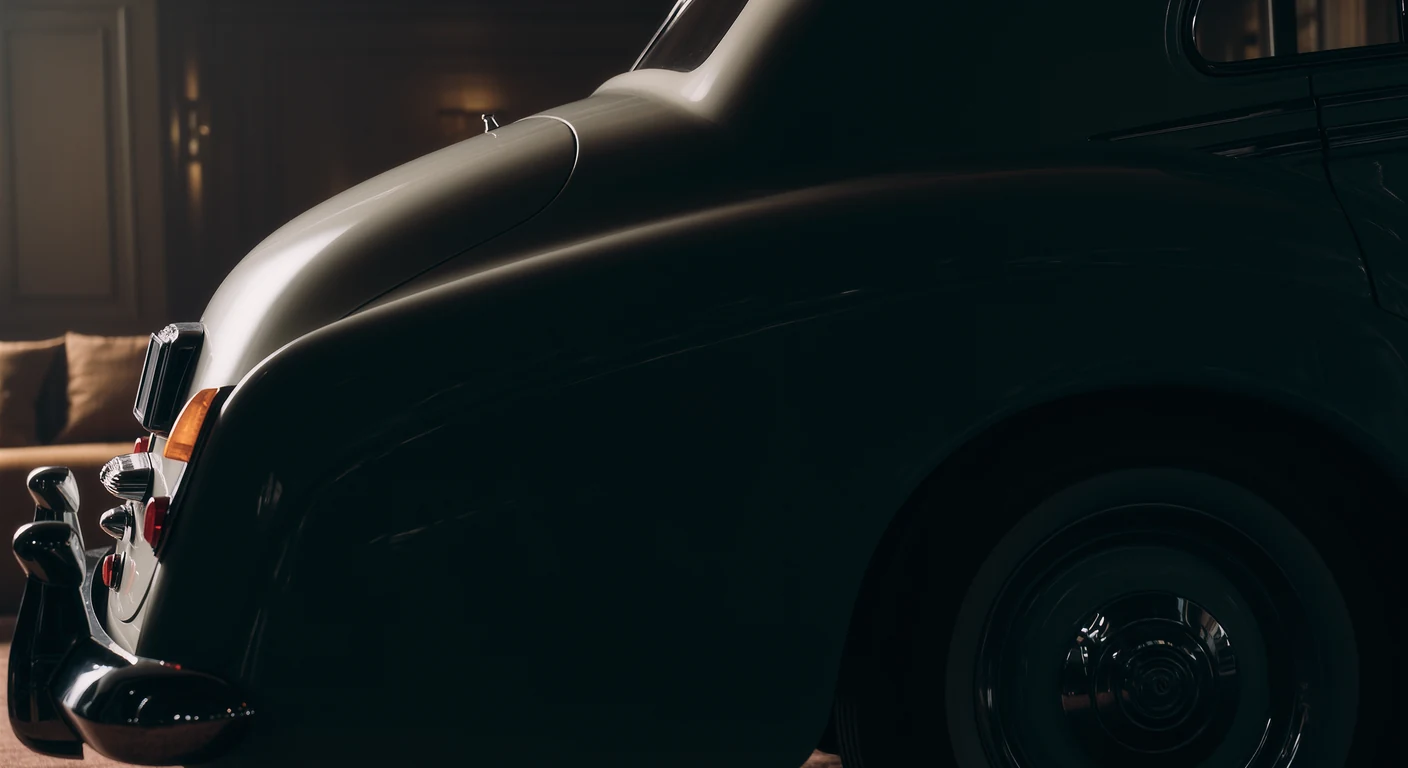
Rare classic automobiles represent a convergence of historical significance, engineering excellence, and automotive heritage. These vehicles, typically manufactured over three decades ago, function as both transportation artifacts and cultural documents that reflect the technological and aesthetic values of their production periods. The appeal of rare classic cars stems from their distinctive styling, innovative engineering solutions, and their capacity to preserve automotive history.
Collectors and automotive enthusiasts pursue these vehicles due to their scarcity in the marketplace and the historical connection they provide to past automotive eras.
The significance of rare classic automobiles extends beyond visual appeal to encompass their role as representatives of automotive technological advancement.
These vehicles demonstrate the manufacturing capabilities, design philosophies, and engineering standards of their respective time periods. They preserve examples of automotive craftsmanship and innovation that may no longer exist in contemporary vehicle production. For collectors, acquiring a rare classic automobile involves obtaining a documented example of automotive history that provides tangible connection to previous generations of automotive development.
This analysis examines the historical importance of rare classic automobiles within the broader automotive industry and identifies the specific characteristics that establish their collectible status.
Key Takeaways
- Rare oldtimers hold significant historical and cultural value in the automotive world due to their unique design and limited production.
- Scarcity and exclusivity greatly enhance the appeal and market value of rare oldtimers.
- Marketing and branding play crucial roles in shaping the perception and desirability of these vehicles.
- Maintaining and preserving rare oldtimers presents unique challenges due to their age and rarity.
- The future of rare oldtimers remains promising, as their mystique and collectible allure continue to captivate enthusiasts.
The history of rare oldtimers and their significance in the automotive world
The history of rare oldtimers is as rich and varied as the vehicles themselves. Many of these cars were produced during times of economic prosperity or technological advancement, making them symbols of their era. For instance, classic models from the 1950s and 1960s often reflect the optimism and innovation of post-war society.
These vehicles were not only designed for performance but also for style, capturing the essence of their time. Moreover, rare oldtimers often hold significant cultural value. They can represent milestones in automotive history, such as the introduction of new technologies or design trends.
For example, the Ford Model T revolutionized mass production and made car ownership accessible to the average American. Similarly, European brands like Ferrari and Porsche have created iconic models that are celebrated for their engineering excellence and racing pedigree. The significance of these vehicles extends beyond their physical presence; they are integral to understanding the evolution of the automotive industry.
The design philosophy behind creating rare oldtimers
The design philosophy behind rare oldtimers is rooted in a commitment to craftsmanship and innovation. Manufacturers often prioritized quality materials and meticulous attention to detail, resulting in vehicles that were not only functional but also aesthetically pleasing. The curves, lines, and finishes of these cars reflect an era when design was as important as performance.
In many cases, the design process involved collaboration between engineers and artists, leading to unique creations that stand out even today. For instance, the streamlined shapes of classic cars from the 1930s were influenced by aerodynamics, while the bold colors and chrome accents of 1950s models showcased a sense of exuberance. This blend of art and engineering is what makes rare oldtimers so captivating; they are not just machines but expressions of creativity.
The role of scarcity and exclusivity in the appeal of rare oldtimers
Scarcity and exclusivity play pivotal roles in the appeal of rare oldtimers. Limited production runs often mean that only a handful of these vehicles exist today, making them highly sought after by collectors. This rarity creates a sense of urgency among enthusiasts who wish to own a piece of automotive history.
The thrill of finding a rare model can be exhilarating, adding to its allure. Additionally, exclusivity enhances the prestige associated with owning a rare oldtimer. Many collectors take pride in having vehicles that few others possess, which can elevate their status within automotive circles.
This exclusivity is often reflected in the prices these cars command at auctions or private sales. As demand continues to outstrip supply, the value of rare oldtimers tends to appreciate over time, making them not only a passion project but also a potential investment.
The impact of limited production numbers on the visibility of rare oldtimers
Limited production numbers significantly impact the visibility and desirability of rare oldtimers. When manufacturers produce only a small number of units, it creates an air of mystique around those vehicles. Collectors often seek out these limited editions for their uniqueness, which can lead to increased media attention and public interest.
Moreover, limited production can result in a strong community among owners and enthusiasts. Car clubs and events dedicated to specific models or brands often emerge, fostering camaraderie among those who share a passion for these rare vehicles. This visibility not only enhances the reputation of the cars themselves but also contributes to a thriving market for parts, restoration services, and memorabilia associated with them.
The influence of marketing and branding on the perception of rare oldtimers
Marketing and branding have a profound influence on how rare oldtimers are perceived in the automotive world. Manufacturers often create narratives around their vehicles that highlight their heritage, craftsmanship, and exclusivity. These stories resonate with potential buyers and collectors, enhancing the emotional connection they feel toward these cars.
Additionally, successful branding can elevate a vehicle’s status from mere transportation to a coveted collector’s item. Iconic brands like Aston Martin or Bugatti have cultivated images synonymous with luxury and performance, making their rare models even more desirable. The marketing strategies employed by these companies not only shape consumer perceptions but also contribute to the overall allure of owning a rare oldtimer.
The relationship between rarity and value in the oldtimer market
The relationship between rarity and value in the oldtimer market is complex yet straightforward: the rarer the vehicle, the higher its potential value. This principle is driven by supply and demand dynamics; as fewer units exist, collectors are willing to pay a premium for ownership. Factors such as historical significance, condition, and provenance further influence this relationship.
For instance, certain models may have been produced in limited quantities due to economic constraints or specific market demands. As time passes and these vehicles become harder to find, their values can skyrocket at auctions or private sales. Collectors often view rare oldtimers not just as cars but as investments that can appreciate significantly over time.
The challenges of maintaining and preserving rare oldtimers
Maintaining and preserving rare oldtimers presents unique challenges for owners. These vehicles often require specialized knowledge and skills for proper care, as many parts may no longer be in production. Finding authentic replacement parts can be difficult, leading some owners to resort to custom fabrication or restoration services.
Additionally, environmental factors can take a toll on these vintage cars. Exposure to moisture, sunlight, and temperature fluctuations can lead to rusting or deterioration if not properly managed. Owners must be diligent in their maintenance routines to ensure that their rare oldtimers remain in pristine condition for years to come.
The allure of owning and collecting rare oldtimers
The allure of owning and collecting rare oldtimers is multifaceted. For many enthusiasts, it’s about more than just having a beautiful car; it’s about being part of a community that shares a passion for automotive history. Collectors often enjoy attending car shows, participating in rallies, or simply sharing stories with fellow enthusiasts.
Moreover, owning a rare oldtimer can provide a sense of accomplishment and pride.
The joy derived from driving or showcasing these cars is unparalleled; it’s an experience that connects owners with both the past and present.
The future of rare oldtimers and their place in automotive history
The future of rare oldtimers appears promising despite evolving automotive trends toward electric vehicles and sustainability. As technology advances, there is still a strong appreciation for classic cars among enthusiasts who value traditional craftsmanship and design. Many collectors are committed to preserving these vehicles for future generations.
Furthermore, as new generations discover the charm of vintage automobiles, interest in rare oldtimers is likely to grow. Events celebrating classic cars continue to attract large crowds, ensuring that these vehicles remain relevant in popular culture. The legacy of rare oldtimers will endure as long as there are passionate individuals dedicated to keeping their stories alive.
The enduring mystique of invisible rare oldtimers
In conclusion, the enduring mystique of invisible rare oldtimers lies in their rich history, unique designs, and cultural significance within the automotive world. These vehicles are more than just machines; they are symbols of innovation and artistry that connect us to our past. As collectors continue to seek out these treasures, their value will likely appreciate over time.
The challenges associated with maintaining these classic cars only add to their allure; they require dedication and passion from their owners. As we look toward the future, it’s clear that rare oldtimers will continue to captivate hearts and minds for generations to come. Whether you’re an avid collector or simply an admirer, there’s no denying the magic that surrounds these remarkable vehicles.
FAQs
What are oldtimers in the context of this article?
Oldtimers refer to vintage or classic cars that are typically rare and highly valued by collectors and enthusiasts.
Why are some of the rarest oldtimers described as “invisible”?
The rarest oldtimers are often “invisible” because they are deliberately kept out of the public eye, either stored privately, rarely driven, or maintained in conditions that prevent widespread exposure to preserve their condition and exclusivity.
How does design contribute to the invisibility of rare oldtimers?
Design elements such as unique or subtle styling, limited production numbers, and specialized features can make rare oldtimers less recognizable or less likely to be noticed by the general public, contributing to their “invisibility.”
Are rare oldtimers intentionally hidden by their owners?
Yes, many owners of rare oldtimers choose to keep them hidden or limit their exposure to protect their value, prevent damage, and maintain their exclusivity.
What role does rarity play in the value of oldtimers?
Rarity significantly increases the value of oldtimers because limited availability makes them more desirable to collectors and enthusiasts, often leading to higher prices and greater prestige.
Can the invisibility of rare oldtimers affect their historical significance?
While invisibility can limit public awareness, it often helps preserve the historical significance of rare oldtimers by maintaining their original condition and preventing deterioration.
How do collectors typically preserve rare oldtimers?
Collectors preserve rare oldtimers by storing them in controlled environments, performing regular maintenance, avoiding excessive use, and sometimes restoring them with original or period-correct parts.
Is it common for rare oldtimers to be displayed at car shows or museums?
While some rare oldtimers are displayed at car shows or museums, many remain privately owned and rarely exhibited to maintain their exclusivity and protect their condition.
What challenges exist in keeping rare oldtimers visible to the public?
Challenges include the risk of damage from exposure, the owners’ preference for privacy, insurance and liability concerns, and the difficulty of transporting and maintaining these vehicles for public display.
How does the concept of “invisibility by design” impact the classic car market?
“Invisibility by design” can create mystique and exclusivity around certain oldtimers, driving demand and prices higher, but it can also limit public knowledge and appreciation of these rare vehicles.
More from Blog
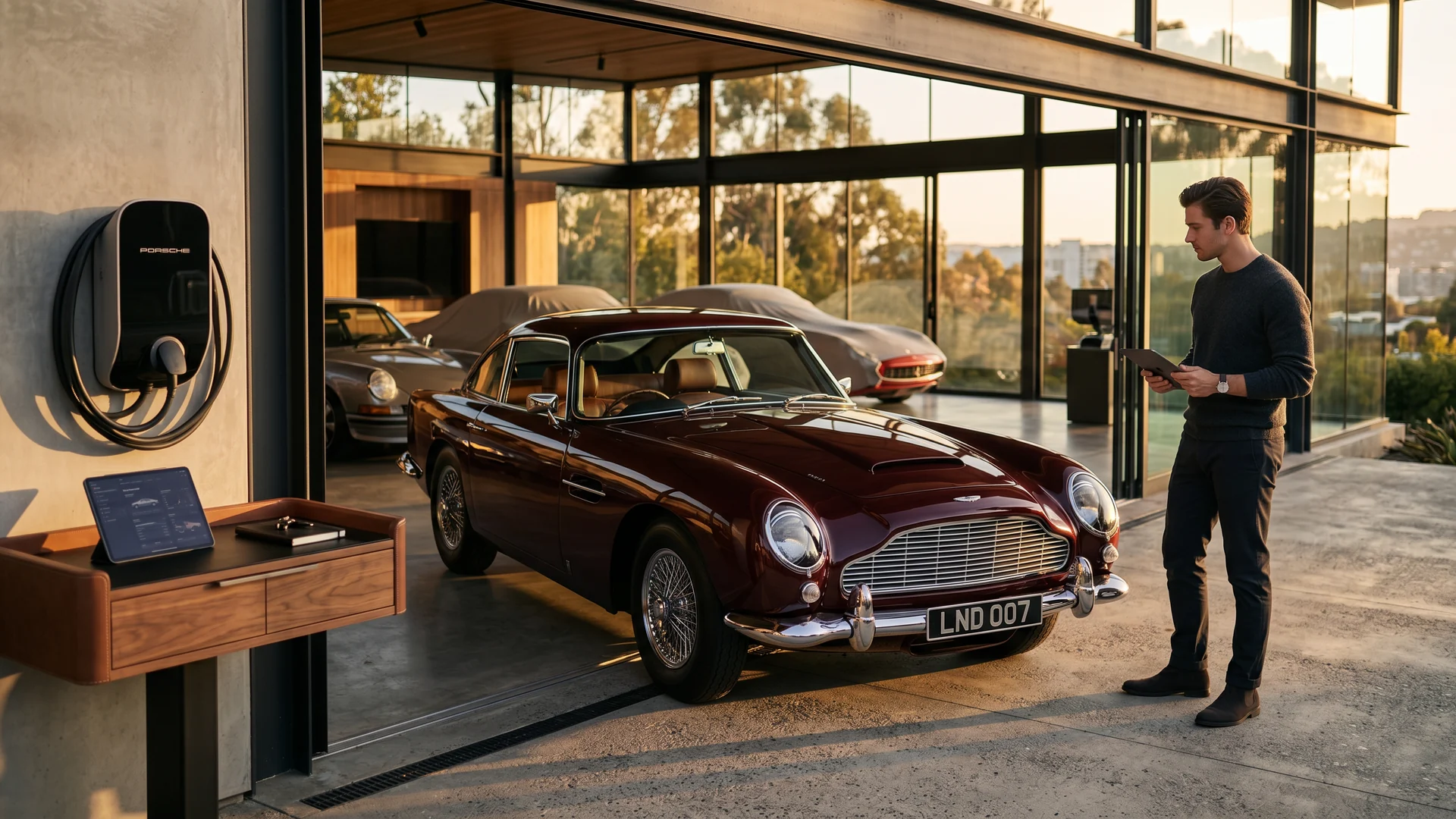
The Future of Classic Car Collecting: Trends Shaping the Next Generation
The future of classic car collecting: why 2035 ICE bans spare existing cars, plus e-fuels, shifting demographics, electromods and fractional ownership…
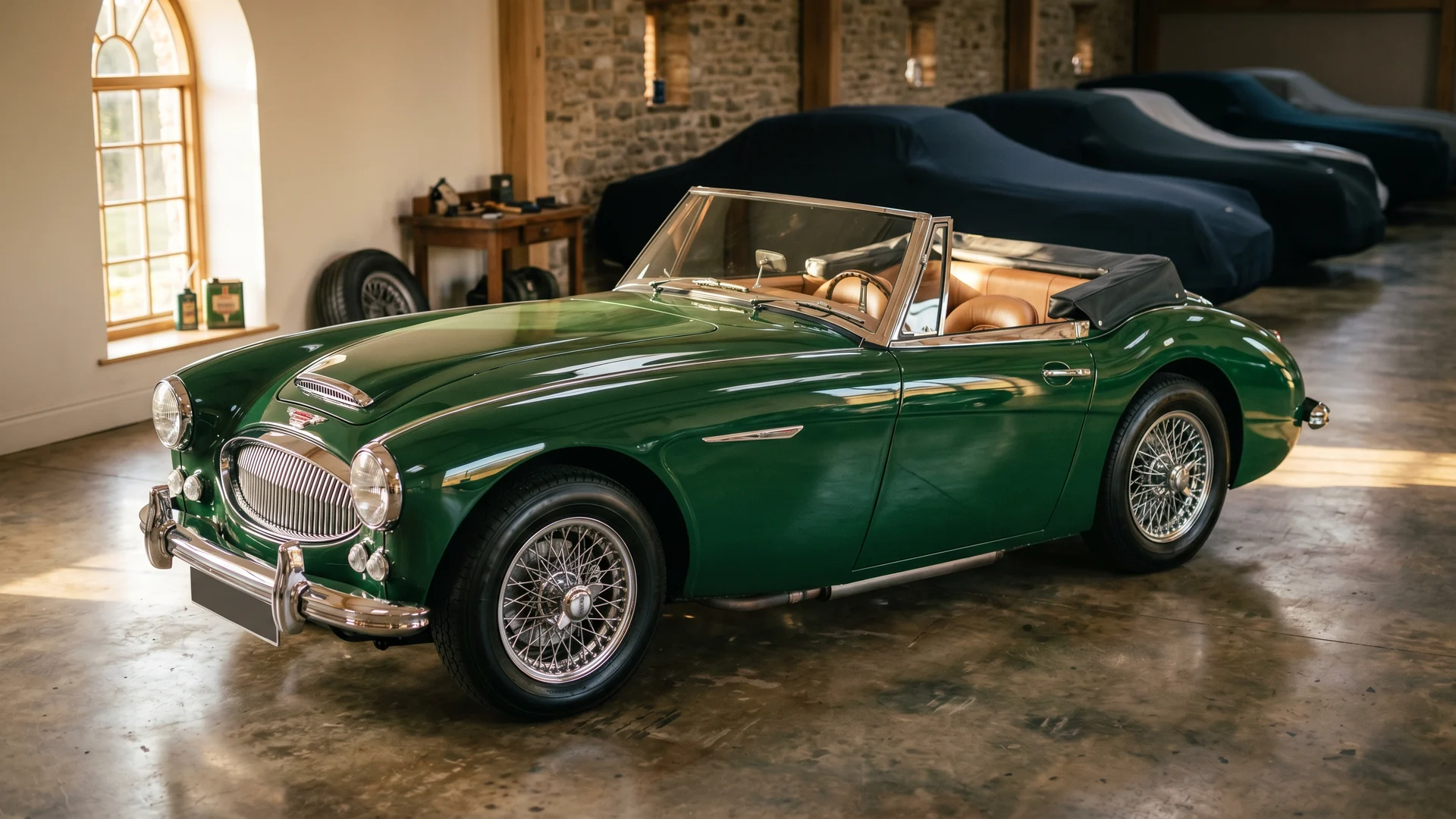
Classic Car Insurance Guide: Protecting Your Vintage Investment
Classic car insurance guide: why agreed-value policies beat stated and actual cash value, how Hagerty, Grundy and Chubb compare, plus costs and covera…
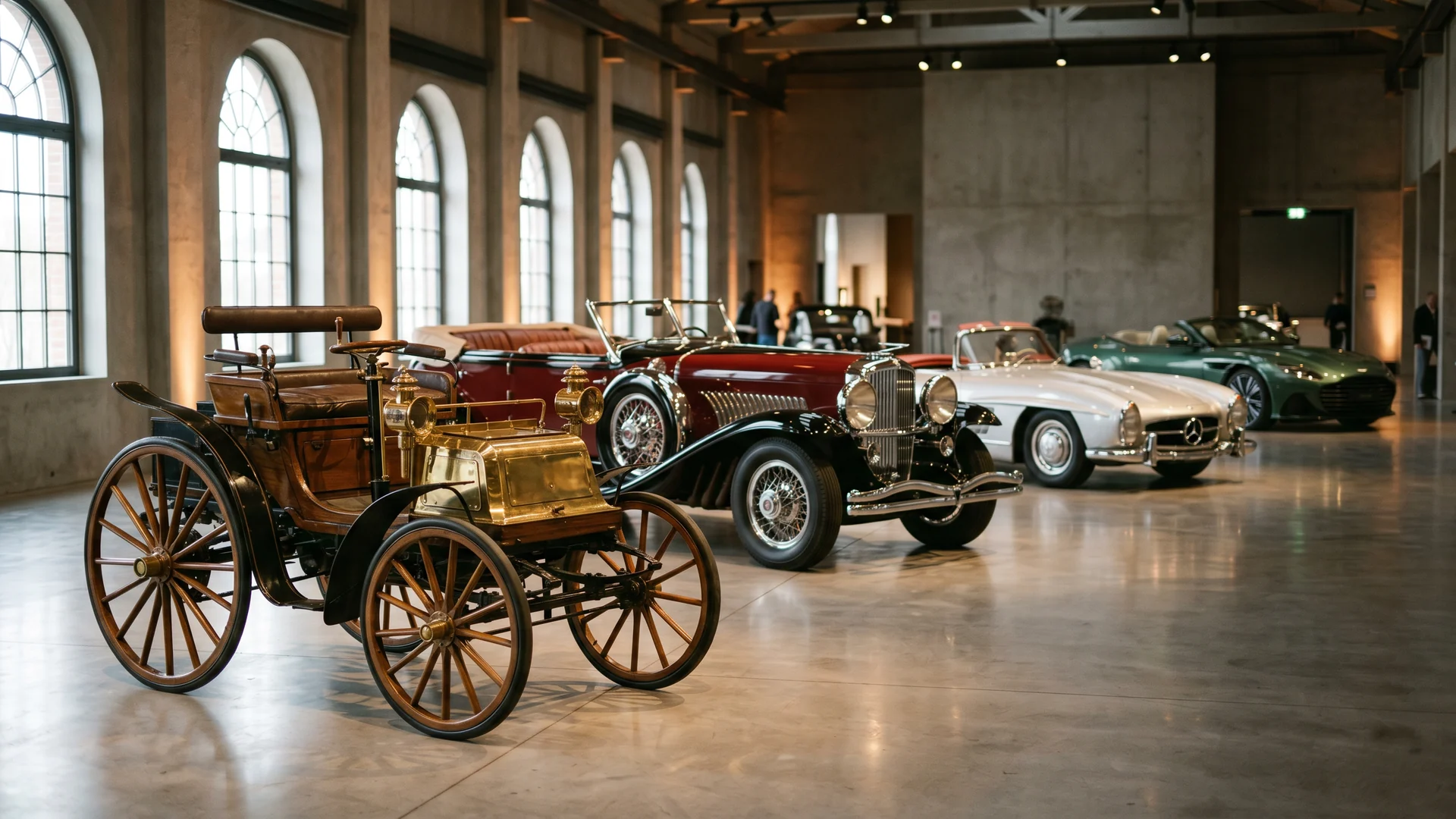
Classic Car History Timeline: From Benz to the Modern Collector Era
Classic car history timeline from the 1886 Benz Patent-Motorwagen through coachbuilding, muscle cars and supercars to modern collectibles. Discover th…