Why Pre-War Luxury Cars Terrify First-Time Collectors
Pre-war luxury automobiles, manufactured between approximately 1900 and 1939, represent significant achievements in automotive design and engineering during the industry’s fo…
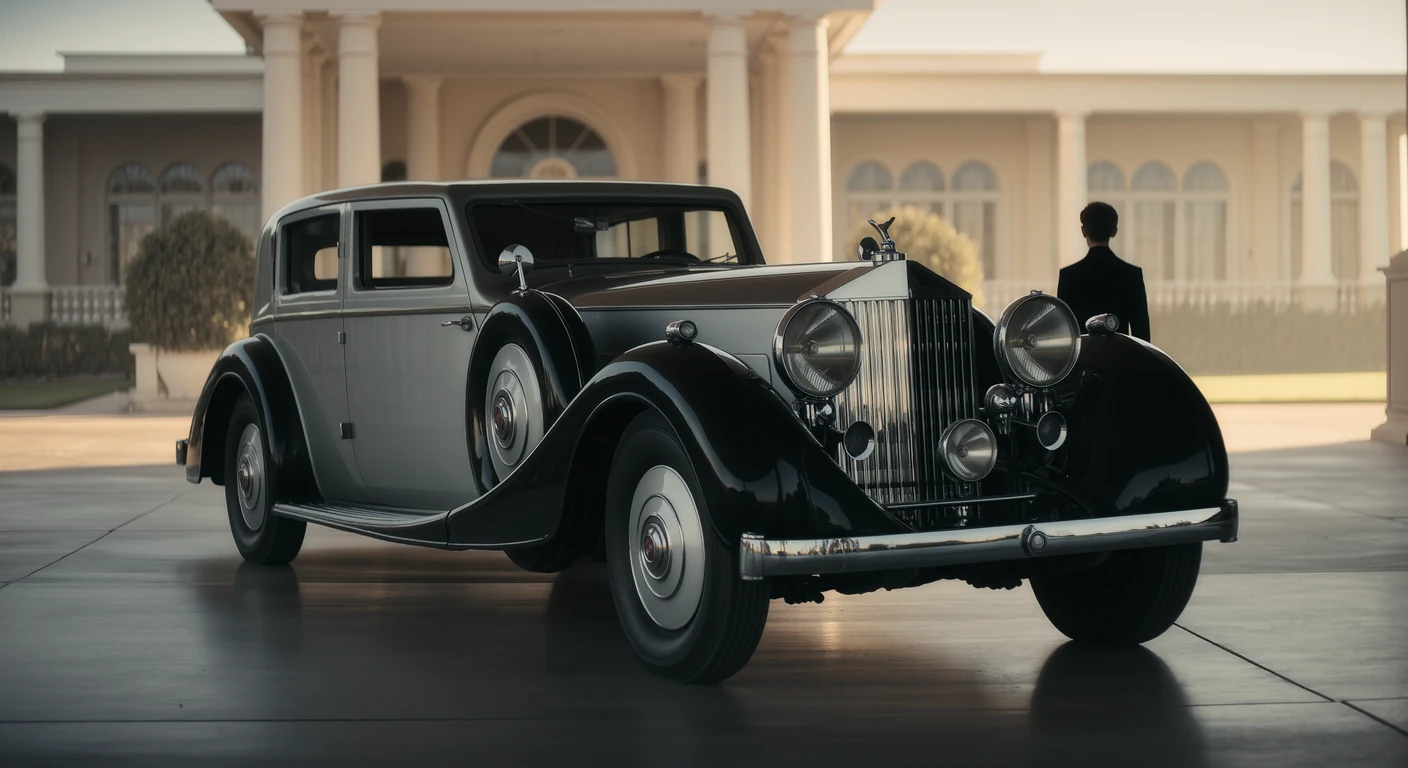
Pre-war luxury automobiles, manufactured between approximately 1900 and 1939, represent significant achievements in automotive design and engineering during the industry’s formative decades. These vehicles were produced by manufacturers such as Rolls-Royce, Bentley, Duesenberg, Packard, and Cadillac, featuring hand-crafted bodywork, premium materials, and advanced mechanical systems for their time. The construction of pre-war luxury cars typically involved coachbuilding techniques, where chassis were produced by manufacturers and bodies were custom-built by specialized firms.
This process resulted in unique designs and limited production numbers, contributing to their current rarity and value. Notable examples include the 1930 Duesenberg Model J, the 1938 Bugatti Type 57, and the 1936 Mercedes-Benz 540K. The collector car market has shown consistent appreciation for well-maintained pre-war luxury vehicles, with auction results demonstrating significant value increases over recent decades.
However, ownership requires specialized knowledge and resources. Maintenance challenges include sourcing period-correct parts, finding qualified restoration specialists, and addressing the mechanical limitations inherent in 1930s automotive technology. These vehicles typically feature manual transmissions, mechanical braking systems, and require more frequent maintenance intervals compared to modern automobiles.
Key Takeaways
- Pre-war luxury cars are rare, historically significant, and highly valued by collectors.
- These vehicles feature complex engineering that requires specialized knowledge for maintenance.
- Restoration and upkeep are costly, compounded by difficulties in sourcing authentic parts.
- Driving pre-war luxury cars is challenging due to their size, weight, and lack of modern safety features.
- Enthusiasts must balance preserving authenticity with overcoming fears of damage to fully enjoy these classic automobiles.
The Rarity and Historical Significance of Pre-War Luxury Cars
The rarity of pre-war luxury cars adds to their allure. Many of these vehicles were produced in limited numbers, making them highly sought after by collectors. Brands like Bugatti, Rolls-Royce, and Packard crafted masterpieces that were often custom-built for affluent clients.
Each car tells a story, reflecting the tastes and preferences of its original owner while also showcasing the craftsmanship of its era. Historically, pre-war luxury cars symbolize a time when automotive design was at its peak.
Collectors often appreciate these cars not just for their beauty but also for their role in shaping the automotive industry. Owning a pre-war luxury car is akin to holding a piece of history that has influenced modern automotive design.
The Technical Complexity of Pre-War Luxury Cars
Pre-war luxury cars are renowned for their technical complexity. Unlike modern vehicles that rely heavily on computerized systems, these cars feature intricate mechanical components that require a deep understanding of vintage engineering. From carburetors to manual transmissions, each part plays a crucial role in the vehicle’s performance.
This complexity can be daunting for new owners who may not have experience with older technology. Moreover, the craftsmanship involved in building these cars is often unparalleled. Many pre-war luxury cars were hand-built, with artisans dedicating hours to perfecting every detail.
This level of craftsmanship means that each vehicle is unique, but it also presents challenges when it comes to repairs and maintenance. Owners must be prepared to invest time and resources into understanding the intricacies of their vehicles to ensure they remain in optimal condition.
The High Cost of Maintenance and Restoration
Maintaining a pre-war luxury car can be an expensive endeavor. The cost of parts, labor, and specialized services can quickly add up, making ownership a significant financial commitment. Routine maintenance tasks such as oil changes or brake replacements may require sourcing rare components that are no longer in production.
This scarcity can lead to inflated prices, further complicating the ownership experience. Restoration projects can be particularly costly as well. Many owners choose to restore their vehicles to their original condition, which often involves extensive work on both the mechanical and aesthetic aspects of the car.
Finding skilled craftsmen who specialize in pre-war vehicles can be challenging, and their services come at a premium. However, for many enthusiasts, the investment is worth it, as a beautifully restored pre-war luxury car can provide immense satisfaction and pride.
The Challenge of Finding Parts for Pre-War Luxury Cars
One of the most significant challenges faced by owners of pre-war luxury cars is sourcing parts. Many components are no longer manufactured, making it difficult to find replacements when repairs are needed. This scarcity can lead to long wait times and increased costs as owners search for original or compatible parts from specialty suppliers or auctions.
Additionally, some owners may opt for aftermarket parts or custom fabrications to keep their vehicles running smoothly. While this can be a viable solution, it often requires a level of expertise and creativity that not all owners possess. The challenge of finding parts can be frustrating, but it also fosters a sense of community among enthusiasts who share tips and resources to help one another maintain their prized possessions.
The Intimidating Size and Weight of Pre-War Luxury Cars
Pre-war luxury cars are often larger and heavier than modern vehicles, which can be intimidating for new drivers. Their size can make maneuvering in tight spaces or navigating busy streets challenging. Additionally, the weight of these cars can affect handling and braking performance, requiring drivers to adapt their driving style accordingly.
For many enthusiasts, the sheer presence of a pre-war luxury car is part of its charm. However, this size can also lead to concerns about safety and control on the road. New owners may need time to acclimate to the driving dynamics of these vehicles, which differ significantly from contemporary cars.
Understanding how to handle these larger machines is crucial for ensuring a safe and enjoyable driving experience.
The Lack of Modern Safety Features in Pre-War Luxury Cars
Safety features in pre-war luxury cars are minimal compared to modern standards. These vehicles were designed at a time when safety regulations were virtually non-existent, meaning they lack essential features such as airbags, anti-lock brakes, and crumple zones. This absence can make driving a pre-war luxury car feel risky, especially for those accustomed to modern safety technology.
While some enthusiasts appreciate the raw driving experience that comes with vintage cars, others may find this lack of safety features concerning. Owners must be aware of these limitations and take extra precautions when driving their vehicles. This might include avoiding high-speed travel or ensuring that they are well-versed in defensive driving techniques.
The Daunting Task of Driving and Handling Pre-War Luxury Cars
Driving a pre-war luxury car can be both exhilarating and daunting. The unique characteristics of these vehicles require drivers to develop specific skills and techniques to handle them effectively. For instance, many pre-war cars feature manual transmissions that demand more engagement from the driver compared to automatic systems found in modern vehicles.
Additionally, the steering and braking systems may feel different due to their age and design. New drivers may need time to adjust to these nuances, which can lead to feelings of intimidation or uncertainty behind the wheel. However, with practice and patience, many owners find that driving their pre-war luxury cars becomes an enjoyable experience that fosters a deeper connection with their vehicle.
The Fear of Damaging or Devaluing a Pre-War Luxury Car
Owning a pre-war luxury car often comes with an inherent fear of damaging or devaluing the vehicle. These cars represent significant financial investments, and any scratches or dents can lead to decreased value over time. This concern can create anxiety for owners who may feel hesitant to drive their vehicles regularly or take them to events.
To mitigate this fear, many owners choose to invest in comprehensive insurance policies that cover potential damages or losses. Additionally, joining clubs or communities dedicated to pre-war luxury cars can provide valuable support and resources for maintaining these vehicles while minimizing risks. Ultimately, embracing the joy of ownership while taking precautions can help alleviate some of this anxiety.
The Pressure of Preserving and Maintaining the Authenticity of Pre-War Luxury Cars
Preserving the authenticity of a pre-war luxury car is a priority for many owners but can also be a source of pressure. Enthusiasts often strive to maintain their vehicles in as close to original condition as possible, which can involve extensive research into factory specifications and historical accuracy. This commitment requires dedication and attention to detail.
However, balancing authenticity with practicality can be challenging. Some owners may face dilemmas when deciding whether to restore certain components or leave them as-is due to wear and tear. Engaging with fellow enthusiasts and experts can provide guidance on best practices for maintaining authenticity while ensuring the vehicle remains functional and enjoyable to drive.
Overcoming the Fear and Embracing the Passion for Pre-War Luxury Cars
Despite the challenges associated with owning pre-war luxury cars, many enthusiasts find ways to overcome their fears and embrace their passion fully. Education is key; learning about the history, mechanics, and nuances of these vehicles can empower owners to feel more confident in their abilities to care for them.
By connecting with others who understand the joys and challenges of ownership, enthusiasts can foster a sense of belonging while gaining insights into best practices for maintenance and restoration. Ultimately, embracing the passion for pre-war luxury cars means accepting both the challenges and rewards that come with ownership. With dedication, knowledge, and community support, enthusiasts can enjoy the unique experience that these remarkable vehicles offer while preserving their legacy for future generations.
FAQs
What defines a pre-war luxury car?
Pre-war luxury cars are high-end automobiles manufactured before World War II, typically before 1940. They are known for their craftsmanship, unique designs, and advanced engineering for their time.
Why are pre-war luxury cars considered valuable?
These cars are valuable due to their rarity, historical significance, intricate craftsmanship, and the prestige associated with their original manufacturers. Many are considered collector’s items and can appreciate in value over time.
What challenges do first-time collectors face with pre-war luxury cars?
First-time collectors often face challenges such as high maintenance costs, difficulty finding authentic parts, complex restoration processes, and the need for specialized knowledge to properly care for and operate these vehicles.
Are pre-war luxury cars difficult to maintain?
Yes, maintaining pre-war luxury cars can be difficult because they require specialized parts and expertise. Many components are no longer in production, and finding skilled mechanics familiar with vintage technology can be challenging.
How can a first-time collector avoid common pitfalls?
First-time collectors should conduct thorough research, seek advice from experienced collectors or clubs, verify the authenticity and condition of the car, and consider the total cost of ownership including restoration and maintenance before purchasing.
Is it necessary to have mechanical knowledge to collect pre-war luxury cars?
While not strictly necessary, having mechanical knowledge or access to experts is highly beneficial. Understanding the car’s mechanics helps in maintenance, troubleshooting, and preserving the vehicle’s value.
What should be considered when buying a pre-war luxury car?
Consider the car’s provenance, condition, originality, availability of parts, restoration history, and the reputation of the seller. It’s also important to assess the total cost of ownership and your ability to maintain the vehicle.
Do pre-war luxury cars require special storage conditions?
Yes, these cars often require climate-controlled storage to prevent deterioration from humidity, temperature fluctuations, and dust. Proper storage helps preserve the car’s materials and mechanical components.
Can pre-war luxury cars be driven regularly?
While they can be driven, pre-war luxury cars are generally not suited for daily use due to their age, fragility, and the potential for mechanical issues. Many collectors use them primarily for shows, events, or occasional drives.
Where can first-time collectors find reliable information about pre-war luxury cars?
Reliable information can be found through classic car clubs, specialized forums, vintage car museums, expert appraisers, and literature dedicated to automotive history and restoration.
More from Blog
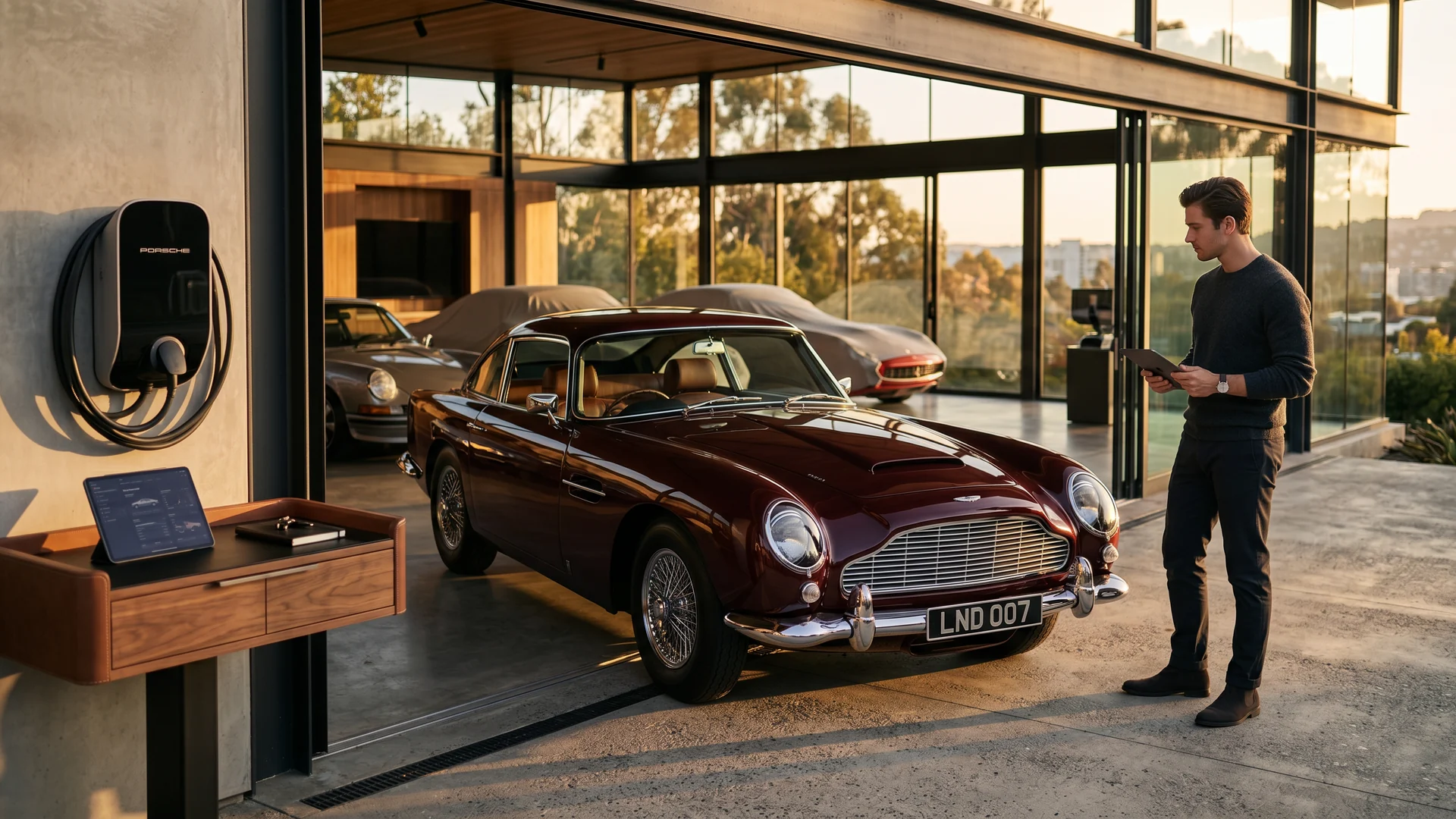
The Future of Classic Car Collecting: Trends Shaping the Next Generation
The future of classic car collecting: why 2035 ICE bans spare existing cars, plus e-fuels, shifting demographics, electromods and fractional ownership…
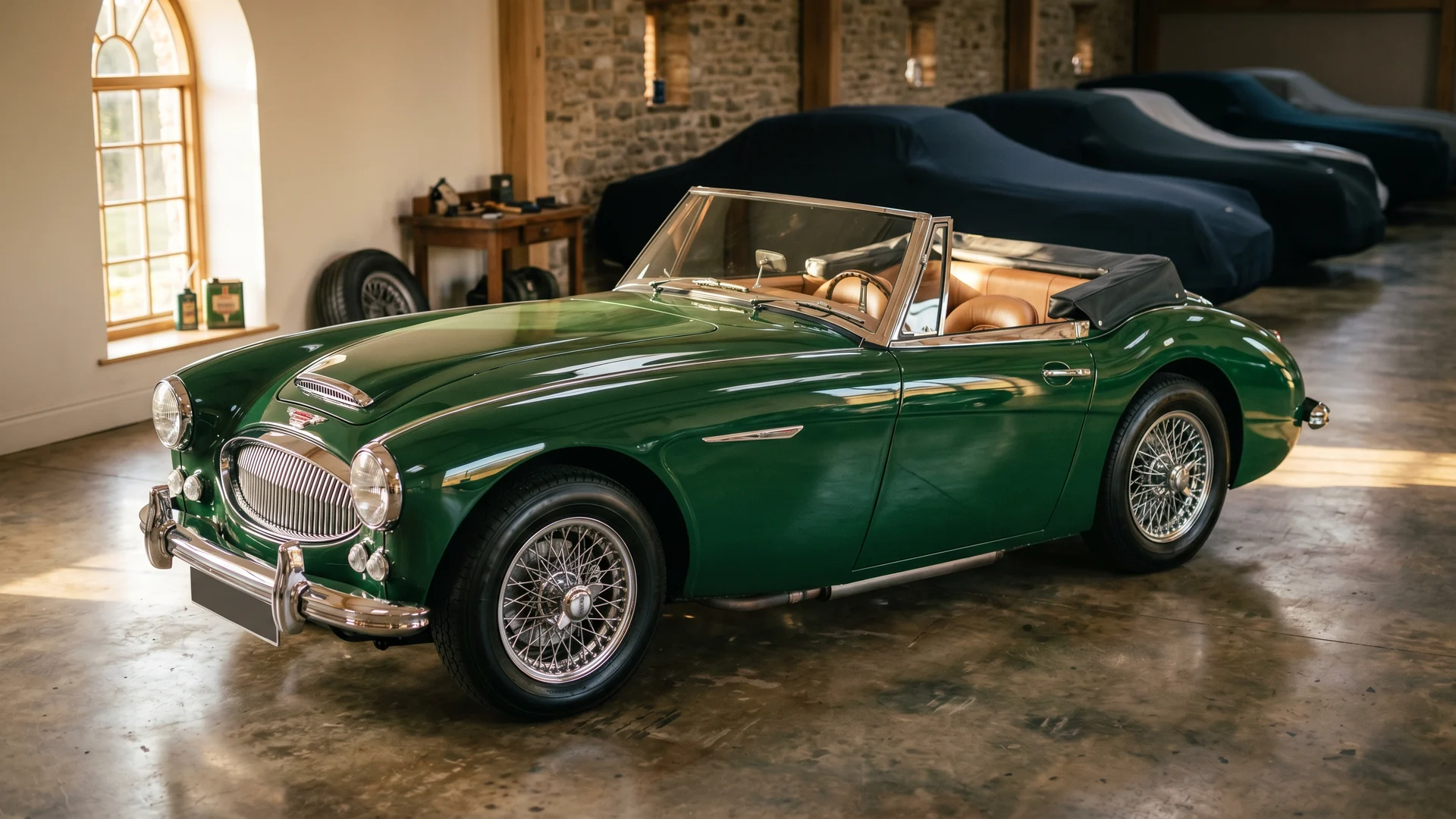
Classic Car Insurance Guide: Protecting Your Vintage Investment
Classic car insurance guide: why agreed-value policies beat stated and actual cash value, how Hagerty, Grundy and Chubb compare, plus costs and covera…
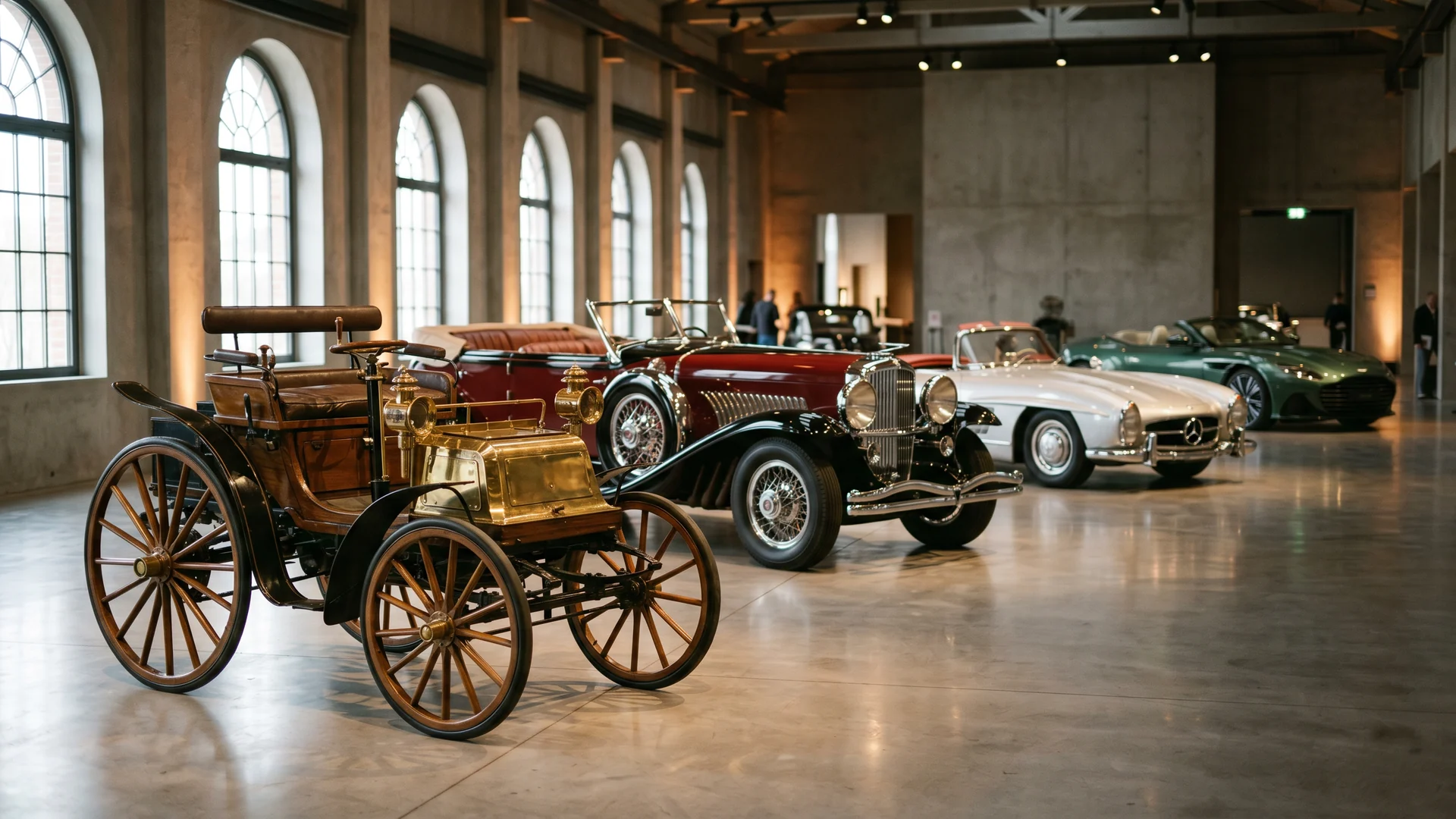
Classic Car History Timeline: From Benz to the Modern Collector Era
Classic car history timeline from the 1886 Benz Patent-Motorwagen through coachbuilding, muscle cars and supercars to modern collectibles. Discover th…