Why Pre-War Engineering Still Terrifies Modern Collectors
The craftsmanship of pre-war engineering stands as a testament to the dedication and skill of early automotive artisans. Each vehicle produced during this era was not merely a mode…
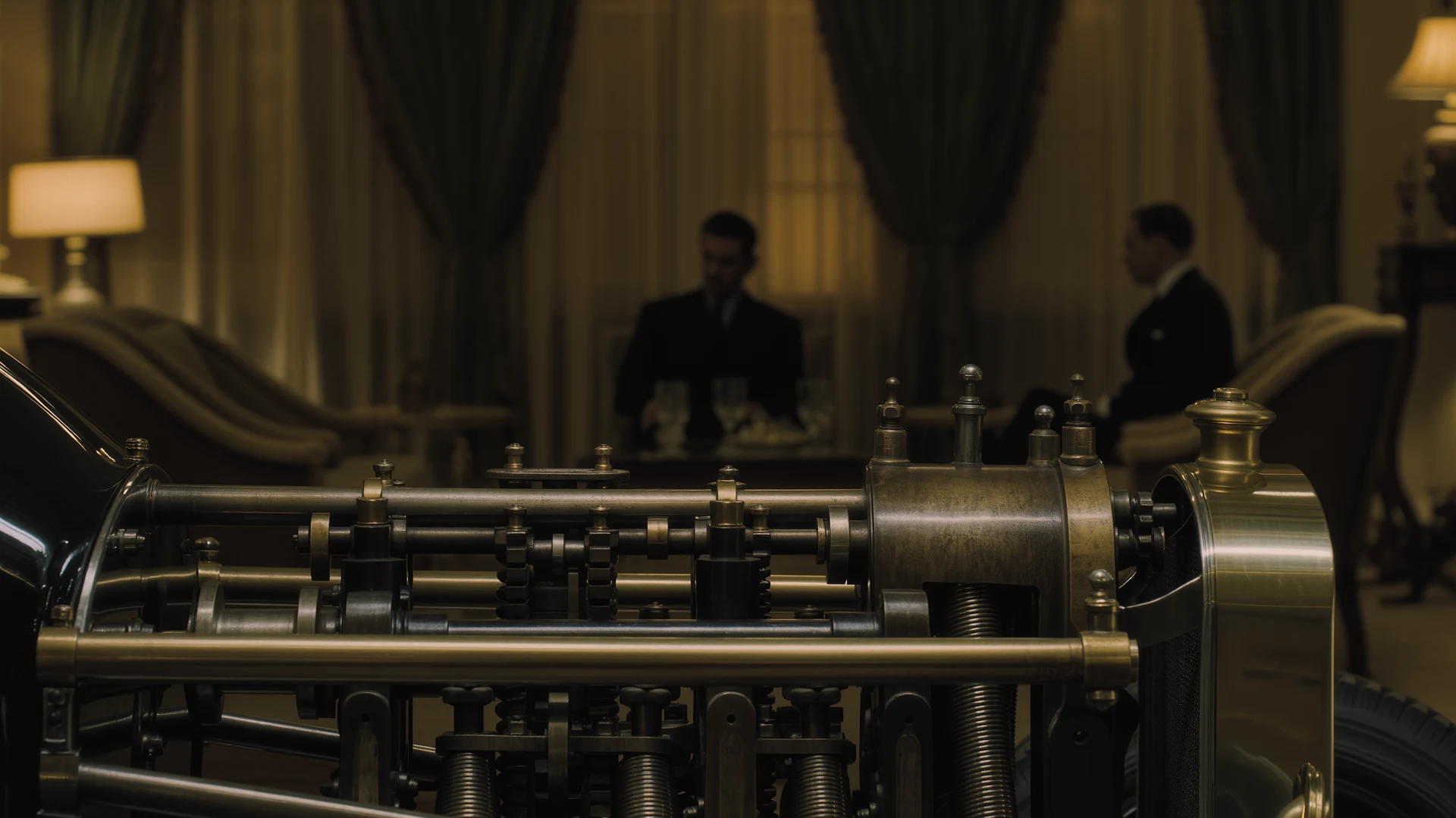
The craftsmanship of pre-war engineering stands as a testament to the dedication and skill of early automotive artisans. Each vehicle produced during this era was not merely a mode of transportation but a work of art, meticulously crafted with attention to detail. The use of high-quality materials, such as hand-formed steel and finely grained woods, set these vehicles apart from their mass-produced counterparts.
The artisans of the time took pride in their work, often hand-building components that would ensure both functionality and aesthetic appeal. Moreover, the techniques employed in pre-war engineering were often passed down through generations, creating a legacy of craftsmanship that is hard to replicate today. The combination of traditional methods and innovative designs resulted in vehicles that not only performed well but also exuded elegance and sophistication.
This unmatched craftsmanship is what makes pre-war cars so desirable among collectors and enthusiasts alike.
Key Takeaways
- Pre-war vehicles showcase exceptional craftsmanship and innovative engineering ahead of their time.
- Their durability and intricate design contribute to their timeless elegance and lasting appeal.
- These cars are rare, exclusive, and hold significant historical and collectible value.
- Restoring and maintaining pre-war cars presents unique challenges due to their age and complexity.
- The influence of pre-war engineering continues to shape modern car design and drives growing demand among collectors.
The Enduring Durability of Pre-War Vehicles
One of the most remarkable aspects of pre-war vehicles is their enduring durability. Built during a time when quality was prioritized over quantity, these cars were designed to withstand the test of time. Many pre-war vehicles are still operational today, a testament to the robust engineering and high-quality materials used in their construction.
Unlike modern cars, which often rely on plastic components, pre-war vehicles feature metal and wood that can endure decades of wear and tear. The durability of these vehicles is not just a matter of materials; it also reflects the engineering principles of the time. Engineers focused on creating reliable systems that could handle the rigors of daily use.
This commitment to durability means that many pre-war cars can be restored and maintained with relative ease, allowing them to continue captivating enthusiasts for generations.
The Intricate and Timeless Design of Pre-War Cars
The design of pre-war cars is characterized by intricate details and timeless elegance. From the sweeping lines of the bodywork to the ornate embellishments, every aspect of these vehicles was thoughtfully considered. Designers drew inspiration from various artistic movements, resulting in cars that are not only functional but also visually stunning.
The use of chrome accents, unique grilles, and distinctive headlights adds to their charm and character. Furthermore, the design philosophy of pre-war vehicles often emphasized individuality. Many manufacturers offered bespoke options, allowing customers to personalize their cars according to their tastes.
This level of customization is rarely seen in modern vehicles, making pre-war cars even more special. The intricate and timeless design elements continue to inspire contemporary automotive designers, proving that beauty and functionality can coexist harmoniously.
The Rarity and Exclusivity of Pre-War Engineering
Pre-war vehicles are increasingly recognized for their rarity and exclusivity. As time passes, fewer examples remain on the road, making these cars highly sought after by collectors. Limited production runs and unique models contribute to their scarcity, driving up demand in the collector’s market.
Owning a pre-war car is not just about having a vehicle; it’s about possessing a piece of history that few others can claim. The exclusivity of pre-war engineering also extends to the events and gatherings dedicated to these vehicles. Classic car shows and auctions often feature rare pre-war models, attracting enthusiasts from around the world.
This sense of community among collectors adds to the allure, as owners share their passion for these remarkable machines. The rarity and exclusivity of pre-war cars make them not only valuable investments but also cherished possessions.
The Engineering Innovations Ahead of Their Time
Pre-war engineering was marked by groundbreaking innovations that were often ahead of their time. Many features we take for granted in modern vehicles were first introduced in pre-war designs. For instance, advancements in suspension systems, braking technology, and engine performance laid the groundwork for future automotive developments.
Engineers experimented with lightweight materials and aerodynamic shapes, pushing the boundaries of what was possible.
Pre-war vehicles often boasted impressive speed and handling capabilities for their era, showcasing the ingenuity of their creators.
The engineering innovations from this period continue to influence modern automotive design, reminding us that the past holds valuable lessons for the future.
The Historical Significance and Legacy of Pre-War Vehicles
The historical significance of pre-war vehicles cannot be overstated. They represent a pivotal moment in automotive history when cars transitioned from luxury items for the elite to accessible modes of transportation for the masses. This shift had profound implications for society, shaping urban development and changing lifestyles across the globe.
Moreover, pre-war vehicles serve as a reminder of the technological advancements achieved during this period. They reflect the spirit of innovation that characterized the early 20th century, a time when engineers and designers were unafraid to challenge conventions. The legacy of pre-war vehicles continues to inspire automotive enthusiasts and historians alike, ensuring that their stories are preserved for future generations.
The Challenges of Restoring and Maintaining Pre-War Cars
Restoring and maintaining pre-war cars presents unique challenges that require specialized knowledge and skills. Finding authentic parts can be difficult due to their age and rarity, often necessitating custom fabrication or sourcing from specialized suppliers. Additionally, many pre-war vehicles were built using techniques that are no longer common, making repairs more complex.
Despite these challenges, restoring a pre-war car can be a rewarding endeavor for enthusiasts. It allows them to connect with automotive history while preserving a piece of craftsmanship for future generations. Engaging with fellow restorers and joining clubs dedicated to pre-war vehicles can provide valuable resources and support throughout the restoration process.
The Timeless Appeal and Elegance of Pre-War Engineering
The timeless appeal of pre-war engineering lies in its elegance and sophistication. These vehicles exude a charm that transcends trends, making them desirable across generations. Their classic lines and attention to detail create an aesthetic that continues to captivate car lovers today.
Moreover, driving a pre-war car offers an experience unlike any other.
Whether cruising down scenic roads or showcasing at car shows, pre-war vehicles command attention and admiration wherever they go.
The Performance and Power of Pre-War Vehicles
Performance was a key focus in pre-war engineering, with many manufacturers striving to create powerful engines that could deliver exhilarating driving experiences. Innovations such as supercharging and advanced carburetion systems allowed these vehicles to achieve impressive speeds for their time. Enthusiasts often marvel at how well these cars perform even today, showcasing the foresight of their engineers.
Additionally, many pre-war cars were designed with racing in mind, leading to a legacy of performance that continues to resonate with collectors. The thrill of driving a pre-war vehicle is enhanced by its raw power and responsive handling, making it an unforgettable experience for any automotive enthusiast.
The Influence of Pre-War Engineering on Modern Car Design
The influence of pre-war engineering on modern car design is evident in various aspects of contemporary automobiles. Many design elements, such as streamlined shapes, luxurious interiors, and attention to detail, can trace their roots back to this era. Modern manufacturers often draw inspiration from classic designs while incorporating advanced technology to enhance performance and safety.
Furthermore, the principles established during the pre-war period continue to inform engineering practices today. Concepts like weight distribution, aerodynamics, and engine efficiency remain central to automotive design, demonstrating how foundational these early innovations were for future developments.
The Growing Demand and Value of Pre-War Collectible Cars
The demand for pre-war collectible cars has surged in recent years as more enthusiasts recognize their historical significance and craftsmanship. Auctions featuring these vehicles often see fierce bidding wars as collectors vie for rare models that embody the spirit of early automotive innovation. This growing interest has led to an increase in value for many pre-war cars, making them not only cherished possessions but also sound investments.
As awareness continues to grow about the artistry involved in pre-war engineering, more individuals are drawn into this fascinating world. Whether for personal enjoyment or investment purposes, owning a pre-war vehicle offers a unique opportunity to connect with history while enjoying the timeless beauty and performance these cars provide. In conclusion, pre-war vehicles represent an extraordinary blend of craftsmanship, durability, design, rarity, innovation, historical significance, challenges in restoration, timeless appeal, performance prowess, influence on modern design, and growing demand among collectors.
For those who appreciate automotive history or seek a unique investment opportunity, exploring the world of pre-war engineering is an enriching journey worth undertaking.
FAQs
What is meant by “pre-war engineering” in the context of collectible cars?
Pre-war engineering refers to the design and manufacturing techniques used in automobiles built before World War II, typically before 1945. These vehicles often feature unique mechanical systems, handcrafted components, and materials that differ significantly from modern automotive engineering.
Why do modern collectors find pre-war cars intimidating?
Modern collectors may find pre-war cars intimidating due to their complex mechanical systems, lack of standardized parts, and the need for specialized knowledge to maintain and restore them. Additionally, the rarity and historical value of these vehicles can make ownership a high-stakes endeavor.
Are pre-war cars more difficult to maintain than modern cars?
Yes, pre-war cars generally require more maintenance and expertise. Their mechanical systems are often less reliable by modern standards, and replacement parts can be scarce or require custom fabrication. Maintenance often demands specialized skills and tools.
What are some common engineering features of pre-war cars that differ from modern vehicles?
Pre-war cars may have features such as mechanical brakes instead of hydraulic, non-synchronized manual transmissions, rigid axles, and carbureted engines. Electrical systems were simpler and less reliable, and safety features common today were largely absent.
How does the rarity of pre-war cars affect their collectibility?
The rarity of pre-war cars increases their desirability and value among collectors. However, it also means that parts and expertise are harder to find, which can complicate restoration and maintenance efforts.
Can modern technology be used to restore or maintain pre-war cars?
Yes, modern technology can assist in restoration and maintenance, such as using CNC machining for parts fabrication or modern diagnostic tools. However, purists often prefer to maintain originality, which can limit the use of contemporary technology.
What should a potential collector consider before purchasing a pre-war car?
Potential collectors should consider the availability of parts, the level of mechanical knowledge required, the cost and time involved in restoration, and the vehicle’s historical significance. They should also assess their willingness to engage with the challenges of owning a pre-war automobile.
Are there clubs or organizations that support pre-war car collectors?
Yes, there are numerous clubs and organizations worldwide dedicated to pre-war car enthusiasts. These groups provide resources, networking opportunities, technical support, and events focused on the preservation and enjoyment of pre-war automobiles.
What makes pre-war cars so durable?
Why are pre-war cars so sought after by collectors?
What challenges come with restoring pre-war cars?
More from Blog
The Future of Classic Car Collecting: Trends Shaping the Next Generation
The future of classic car collecting: why 2035 ICE bans spare existing cars, plus e-fuels, shifting demographics, electromods and fractional ownership…
Classic Car Insurance Guide: Protecting Your Vintage Investment
Classic car insurance guide: why agreed-value policies beat stated and actual cash value, how Hagerty, Grundy and Chubb compare, plus costs and covera…
Classic Car History Timeline: From Benz to the Modern Collector Era
Classic car history timeline from the 1886 Benz Patent-Motorwagen through coachbuilding, muscle cars and supercars to modern collectibles. Discover th…