Why Pre-War Classic Cars Are the Holy Grail of Luxury Collecting
Pre-war classic cars represent a significant historical and cultural legacy in automotive history. Manufactured before World War II (1939-1945), these vehicles showcase the enginee…
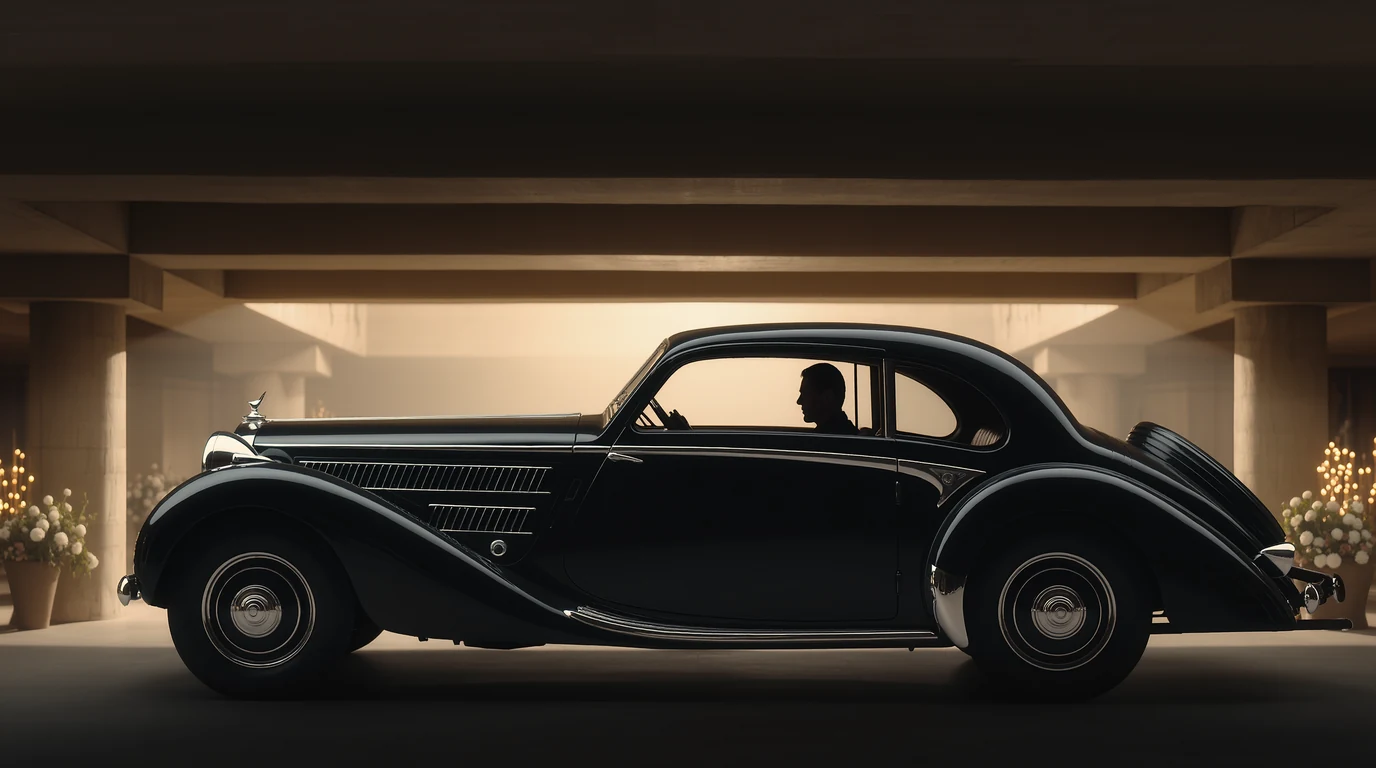
Pre-war classic cars represent a significant historical and cultural legacy in automotive history. Manufactured before World War II (1939-1945), these vehicles showcase the engineering capabilities, design aesthetics, and manufacturing techniques of their era. Characterized by their distinctive craftsmanship, these automobiles feature hand-built components, wooden body frameworks, and mechanical systems that predate modern automotive technologies.
These vehicles are particularly valued for their historical significance, rarity, and the technical innovation they represented at the time of their production. Many pre-war classics were produced in limited quantities, and fewer still have survived to the present day, making them important artifacts of automotive development. Models from manufacturers such as Bugatti, Duesenberg, Rolls-Royce, and Hispano-Suiza are especially sought after by collectors and museums.
The historical context of pre-war automobiles provides insight into the rapid technological advancement of the early 20th century. These vehicles document the transition from horseless carriages to sophisticated machines, featuring innovations in engine design, suspension systems, and body construction that laid the groundwork for modern automotive engineering. For historians, collectors, and enthusiasts, pre-war classic cars serve as tangible connections to automotive heritage and the industrial development of the early 20th century.
Key Takeaways
- Pre-war classic cars are rare, exclusive, and highly sought after by collectors.
- Their timeless design and craftsmanship showcase unparalleled elegance and engineering.
- These cars hold significant historical value, reflecting automotive heritage and innovation.
- Owning and restoring pre-war classics offers prestige, investment potential, and personal fulfillment.
- The community of collectors fosters camaraderie, preserving the legacy and luxury of these vehicles.
The Rarity and Exclusivity of Pre-War Classic Cars
One of the most compelling aspects of pre-war classic cars is their rarity. Many models were produced in limited quantities, making them highly sought after by collectors. The scarcity of these vehicles adds to their allure, as owning one often signifies a level of prestige and exclusivity.
For instance, brands like Bugatti, Alfa Romeo, and Rolls-Royce produced some of the most iconic pre-war models, but only a handful remain in pristine condition today. The exclusivity of pre-war classic cars also stems from the meticulous care required to maintain them. Unlike modern vehicles, these classics often require specialized knowledge and skills for restoration and upkeep.
This creates a niche market where only dedicated enthusiasts can truly appreciate the value of these automobiles. As a result, owning a pre-war classic car is not just about having a vehicle; it’s about being part of an elite community that values history, craftsmanship, and the art of driving.
The Timeless Elegance and Design of Pre-War Classic Cars
Pre-war classic cars are renowned for their timeless elegance and exquisite design. The craftsmanship that went into creating these vehicles is evident in every curve and detail. From the sweeping lines of a 1930s Cadillac to the intricate grille of a Bugatti Type 57, each car is a masterpiece that reflects the artistic sensibilities of its era.
The use of high-quality materials such as leather, wood, and chrome further enhances their aesthetic appeal. Moreover, the design of pre-war classic cars often incorporates elements that are now considered vintage or retro. This unique blend of style and functionality makes them stand out on the road today.
Many collectors appreciate how these cars evoke a sense of nostalgia while still being functional pieces of machinery. The elegance of pre-war classic cars is not just skin deep; it represents an era when automobiles were crafted with passion and attention to detail.
The Historical Significance of Pre-War Classic Cars
The historical significance of pre-war classic cars cannot be overstated. These vehicles serve as a window into the past, showcasing the technological advancements and societal changes that occurred before World War
Additionally, pre-war classic cars often played pivotal roles in significant events throughout history. They were symbols of status during the Roaring Twenties and served as essential transportation during wartime. Collectors often find themselves drawn to the stories behind these cars, making them not just collectibles but also historical artifacts that preserve the legacy of their time.
The Engineering and Craftsmanship of Pre-War Classic Cars
The engineering and craftsmanship behind pre-war classic cars are nothing short of extraordinary. During this period, manufacturers prioritized quality over quantity, resulting in vehicles that were built to last. The attention to detail in every aspect, from the engine design to the interior finishes, demonstrates a level of dedication that is rarely seen in modern production lines.
Many pre-war classic cars feature innovative engineering solutions that were groundbreaking for their time. For example, some models introduced advanced suspension systems or lightweight materials that improved performance and handling. This commitment to excellence not only enhances the driving experience but also contributes to the car’s long-term value.
Collectors appreciate these engineering feats as they represent the pinnacle of automotive innovation from an era that laid the groundwork for modern vehicles.
The Investment Value of Pre-War Classic Cars
Investing in pre-war classic cars can be a lucrative endeavor for collectors and enthusiasts alike. Over the years, many models have appreciated significantly in value, making them attractive assets for those looking to diversify their investment portfolios. Factors such as rarity, condition, and historical significance play crucial roles in determining a car’s market value.
Moreover, the demand for pre-war classic cars continues to grow as more people recognize their cultural and financial worth. Auctions featuring these vehicles often attract high bids from passionate collectors eager to own a piece of history. As with any investment, thorough research is essential; understanding market trends and vehicle provenance can help buyers make informed decisions that yield long-term benefits.
The Prestige and Status of Owning a Pre-War Classic Car
Owning a pre-war classic car is synonymous with prestige and status. These vehicles are often seen as symbols of wealth and sophistication, reflecting the owner’s appreciation for fine craftsmanship and history. Driving a pre-war classic car turns heads and sparks conversations, allowing owners to share their passion for automotive history with others.
Furthermore, being part of the pre-war classic car community offers additional social benefits. Owners often participate in exclusive events, rallies, and shows where they can connect with like-minded individuals who share their enthusiasm for these remarkable machines. This sense of belonging enhances the overall experience of ownership, making it not just about having a car but also about being part of a vibrant community.
The Thrill of Restoring and Owning a Pre-War Classic Car
Restoring a pre-war classic car can be one of the most rewarding experiences for automotive enthusiasts. The process involves meticulous attention to detail, requiring both patience and skill. Many collectors find joy in bringing these vehicles back to life, preserving their original charm while enhancing their performance.
The thrill doesn’t end with restoration; owning a pre-war classic car offers an exhilarating driving experience unlike any other. The connection between driver and machine is palpable as one navigates winding roads or participates in vintage car rallies. Each drive becomes an adventure filled with nostalgia and excitement, allowing owners to relive the golden age of motoring.
The Community and Camaraderie of Pre-War Classic Car Collectors
The world of pre-war classic car collecting is rich with community and camaraderie. Enthusiasts often form clubs or associations where they can share knowledge, resources, and experiences related to their passion for vintage automobiles. These gatherings foster friendships that extend beyond mere interest in cars; they create bonds based on shared values and appreciation for history.
Events such as car shows or rallies provide opportunities for collectors to showcase their vehicles while connecting with others who share their enthusiasm.
The sense of belonging within this community enhances the overall experience of owning a pre-war classic car.
The Legacy and Heritage of Pre-War Classic Cars
Pre-war classic cars carry with them a legacy that transcends generations. They are not just vehicles; they are embodiments of cultural heritage that reflect societal values from their time periods. Each model tells a story about innovation, style, and human ingenuity that continues to resonate today.
As custodians of this legacy, collectors play an essential role in preserving these automobiles for future generations. By maintaining and restoring pre-war classic cars, they ensure that the stories behind these vehicles remain alive. This commitment to heritage fosters appreciation among younger enthusiasts who may one day become passionate collectors themselves.
Why Pre-War Classic Cars Are the Ultimate Luxury Collectible
In conclusion, pre-war classic cars represent more than just luxury collectibles; they embody history, artistry, engineering excellence, and community spirit. Their rarity and exclusivity make them highly sought after by collectors who appreciate their timeless elegance and historical significance. Investing in these vehicles not only offers potential financial rewards but also provides an opportunity to connect with like-minded individuals who share a passion for automotive heritage.
As custodians of this legacy, collectors ensure that these remarkable machines continue to inspire future generations while celebrating the rich tapestry of automotive history. For those seeking an unparalleled blend of luxury and nostalgia, pre-war classic cars stand as the ultimate collectible treasure waiting to be cherished for years to come.
FAQs
What defines a pre-war classic car?
A pre-war classic car is a vehicle manufactured before World War II, typically before 1940. These cars are known for their unique design, craftsmanship, and historical significance.
Why are pre-war classic cars considered the “Holy Grail” of luxury collecting?
Pre-war classic cars are highly prized due to their rarity, exquisite craftsmanship, historical importance, and the prestige associated with owning a piece of automotive history. Their limited production and survival rate make them exceptionally valuable to collectors.
What makes pre-war classic cars different from post-war classic cars?
Pre-war classic cars often feature hand-built components, bespoke designs, and materials that reflect the luxury standards of their era. Post-war cars generally benefited from mass production techniques and technological advancements, making pre-war models more unique and collectible.
How does the rarity of pre-war classic cars affect their value?
Rarity significantly increases the value of pre-war classic cars. Many models were produced in limited numbers, and fewer have survived in good condition, making them highly sought after by collectors and investors.
What are some popular brands or models of pre-war classic cars?
Popular pre-war classic car brands include Rolls-Royce, Bugatti, Duesenberg, Bentley, and Packard. Iconic models like the Bugatti Type 57, Rolls-Royce Phantom II, and Duesenberg Model J are especially coveted.
How do collectors typically maintain pre-war classic cars?
Collectors maintain pre-war classic cars through careful restoration using original or period-correct parts, regular servicing by specialists, and proper storage to prevent deterioration. Preservation of originality is often prioritized to maintain value.
Are pre-war classic cars a good investment?
Many collectors view pre-war classic cars as a good investment due to their historical significance, rarity, and increasing demand. However, investment value can vary based on the car’s condition, provenance, and market trends.
Where can one purchase pre-war classic cars?
Pre-war classic cars can be purchased through specialized classic car auctions, private sales, classic car dealerships, and sometimes directly from collectors or estates.
What challenges are associated with owning a pre-war classic car?
Challenges include sourcing authentic parts, the high cost of maintenance and restoration, the need for specialized knowledge, and ensuring proper storage to prevent damage.
How does the historical context of pre-war cars add to their appeal?
The historical context reflects a period of automotive innovation and luxury before mass production, often associated with elegance and exclusivity. This heritage adds cultural and emotional value to the cars, enhancing their appeal to collectors.
More from Blog
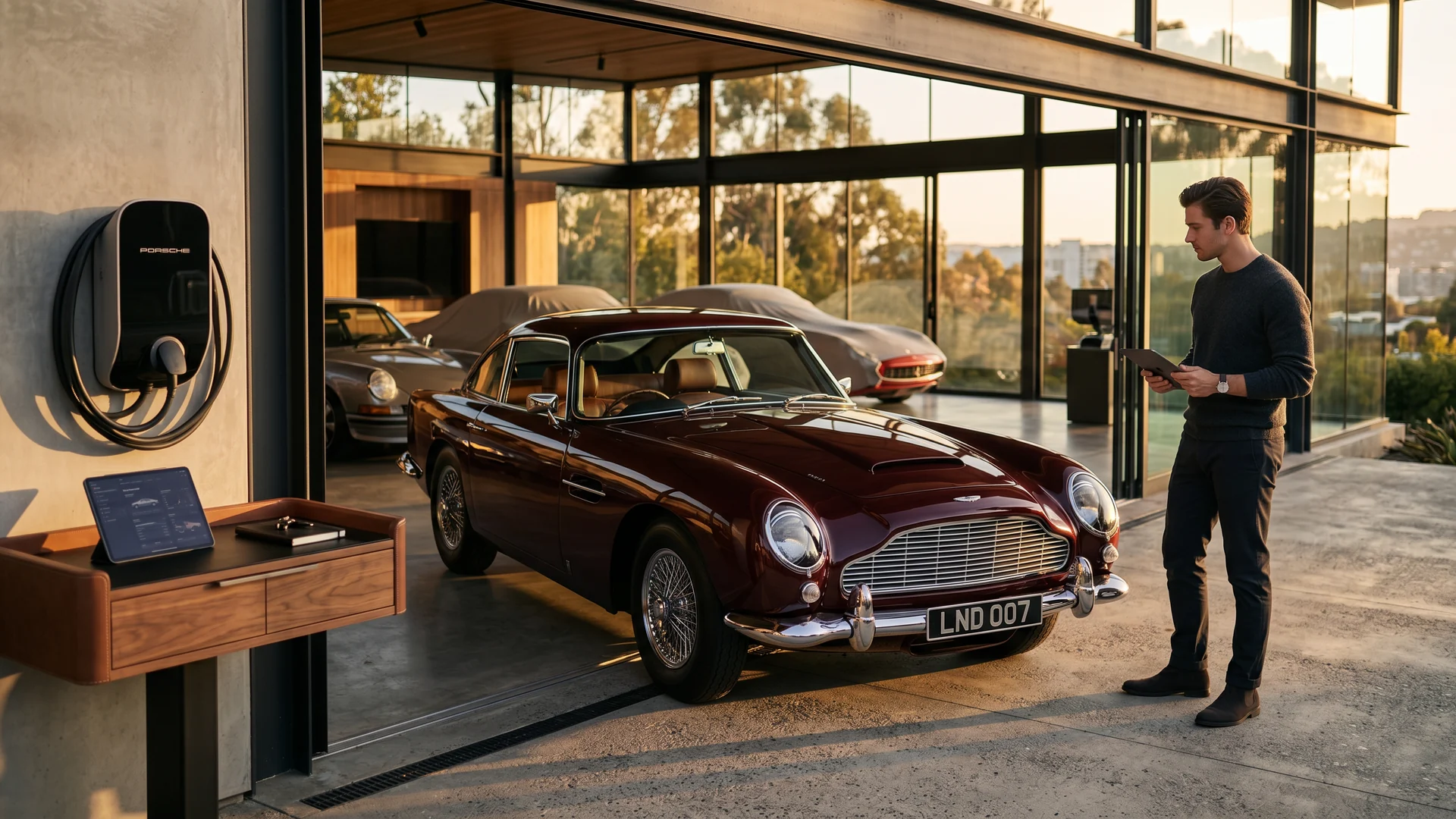
The Future of Classic Car Collecting: Trends Shaping the Next Generation
The future of classic car collecting: why 2035 ICE bans spare existing cars, plus e-fuels, shifting demographics, electromods and fractional ownership…
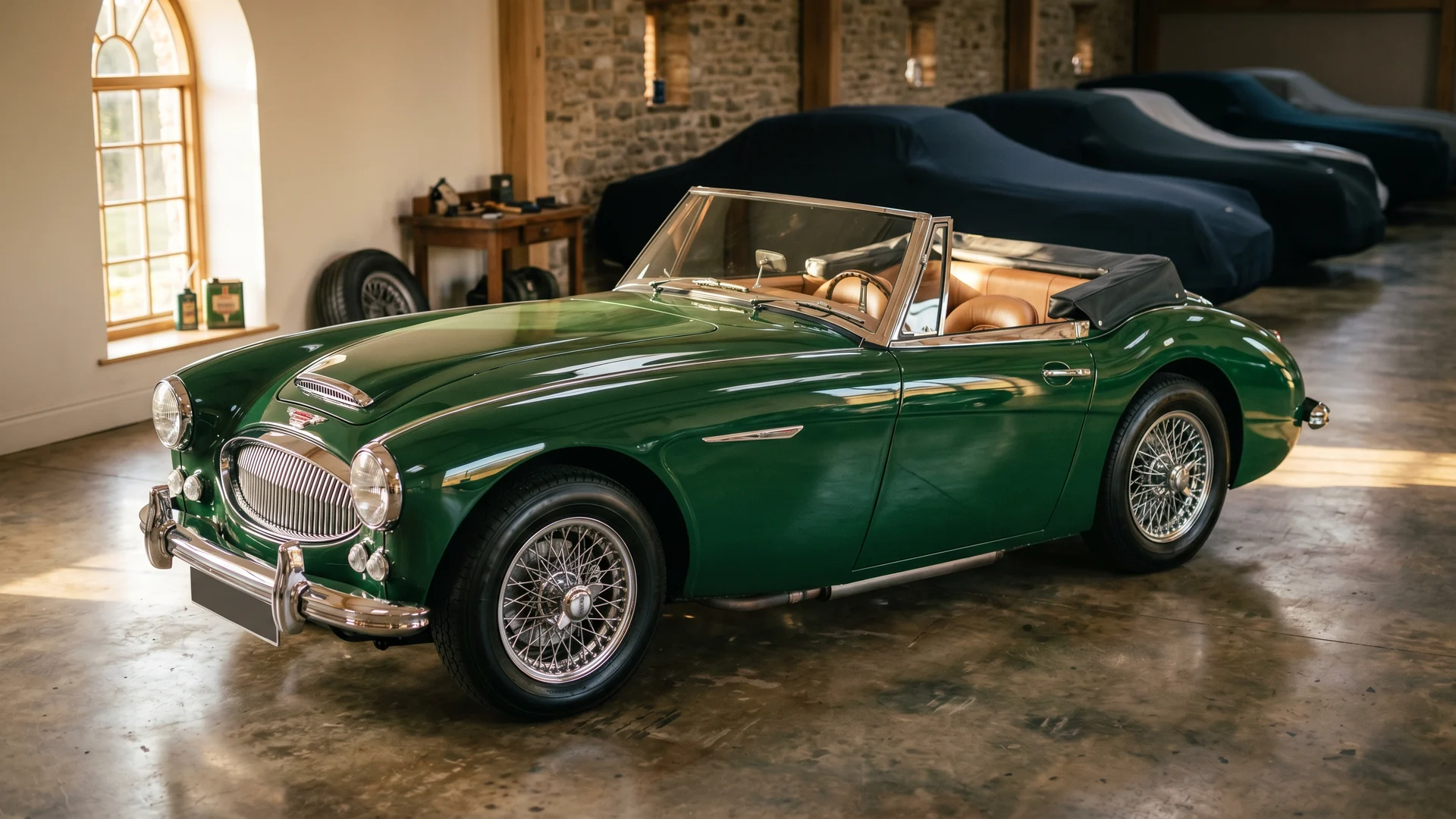
Classic Car Insurance Guide: Protecting Your Vintage Investment
Classic car insurance guide: why agreed-value policies beat stated and actual cash value, how Hagerty, Grundy and Chubb compare, plus costs and covera…
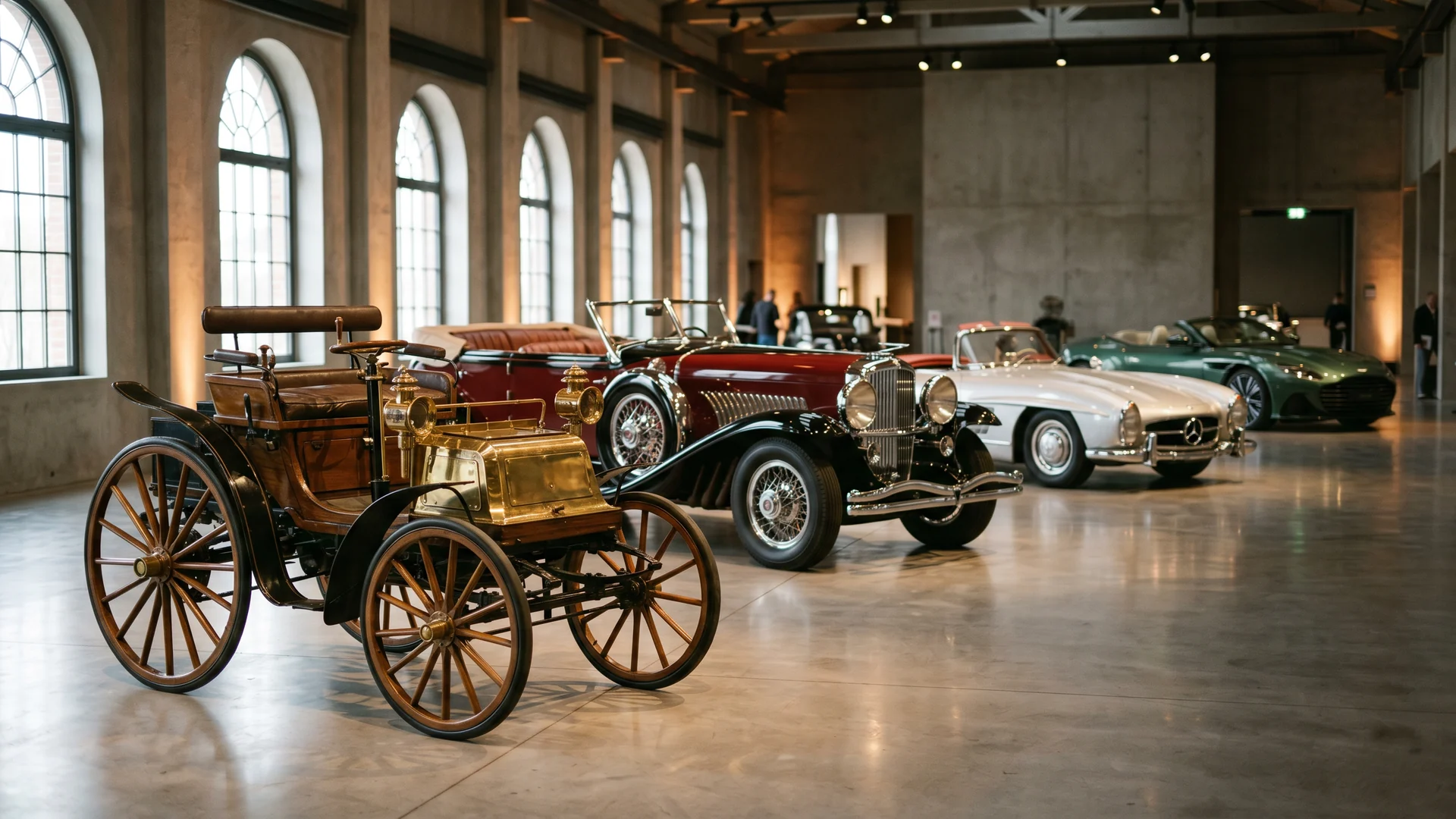
Classic Car History Timeline: From Benz to the Modern Collector Era
Classic car history timeline from the 1886 Benz Patent-Motorwagen through coachbuilding, muscle cars and supercars to modern collectibles. Discover th…