Why Pre-War Cars Separate Real Collectors From Pretenders
Pre-war automobiles, defined as vehicles manufactured before World War II (1939-1945), occupy a significant position in automotive history and collecting. These vehicles were produ…
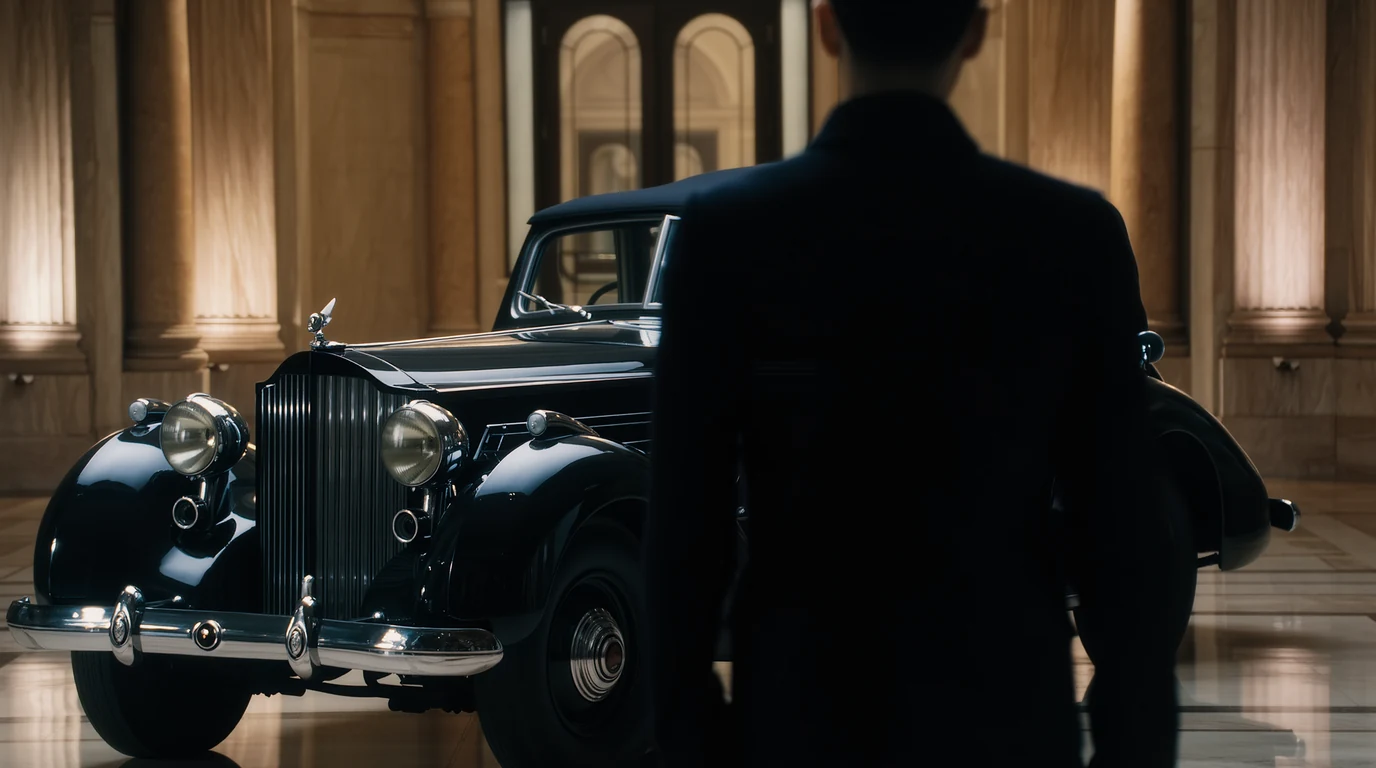
Pre-war automobiles, defined as vehicles manufactured before World War II (1939-1945), occupy a significant position in automotive history and collecting. These vehicles were produced during a period of rapid technological advancement and design evolution, spanning from the early days of mass production through the sophisticated engineering developments of the 1930s. The pre-war era encompasses several distinct automotive periods, including the brass era (1896-1915), the vintage period (1919-1930), and the classic era (1925-1948).
During this time, manufacturers established fundamental automotive technologies and design principles that would influence vehicle development for decades. Notable innovations included the widespread adoption of electric starters, hydraulic brakes, independent front suspension, and streamlined body designs. Pre-war vehicles are characterized by their hand-crafted construction methods, extensive use of premium materials, and limited production numbers compared to modern manufacturing.
Many featured coachbuilt bodies, where specialized craftsmen created custom bodywork on standardized chassis. This manufacturing approach resulted in vehicles with distinctive individual characteristics and superior build quality. The collector market for pre-war automobiles has developed into a specialized segment of the classic car industry.
These vehicles command premium prices due to their historical significance, limited availability, and the expertise required for their restoration and maintenance. Market values are influenced by factors including manufacturer reputation, production numbers, historical importance, condition, and provenance. Preservation of pre-war automobiles serves important cultural and educational purposes, maintaining examples of early automotive technology and design philosophy for future generations.
These vehicles provide tangible documentation of industrial development, social history, and technological progress during the formative years of the automobile industry.
Key Takeaways
- Pre-war cars hold significant historical and collectible value due to their rarity and authenticity.
- Collecting pre-war cars demands passion, dedication, and extensive knowledge.
- Maintaining and restoring these vehicles presents unique challenges requiring specialized skills.
- The pre-war car community offers a supportive network for enthusiasts and collectors.
- Beyond investment, pre-war cars foster deep emotional connections and reflect a collector’s true commitment.
The Significance of Pre-War Cars in the Collecting World
Pre-war cars hold a prestigious place in the collecting world, often regarded as the pinnacle of automotive artistry. Their significance is underscored by their rarity and the craftsmanship that went into their production. Collectors view these vehicles as more than just investments; they are pieces of history that tell stories of innovation and design evolution.
The pre-war era was marked by a transition from hand-built vehicles to mass production, making these cars unique artifacts of their time. Moreover, pre-war cars often serve as a benchmark for automotive design and engineering. Many iconic brands, such as Bugatti, Rolls-Royce, and Alfa Romeo, produced models during this period that continue to influence modern automotive design.
Collectors appreciate the intricate details and engineering marvels that characterize these vehicles, making them highly desirable. The significance of pre-war cars extends beyond mere ownership; it encompasses a commitment to preserving automotive heritage for future generations.
The Rarity and Historical Value of Pre-War Cars
The rarity of pre-war cars significantly contributes to their historical value.
This scarcity drives demand among collectors, often resulting in impressive price tags at auctions and private sales.
The historical context surrounding these vehicles adds another layer of value; each car represents a snapshot of its time, reflecting societal changes, technological advancements, and even economic conditions. For instance, cars produced during the Great Depression often showcase more utilitarian designs due to economic constraints, while those from the roaring twenties exhibit opulence and extravagance. Collectors are drawn to these narratives, seeking to own a piece of history that encapsulates a specific moment in time.
The rarity and historical significance of pre-war cars not only enhance their desirability but also solidify their status as valuable collectibles.
The Passion and Dedication Required to Collect Pre-War Cars
Collecting pre-war cars demands a level of passion and dedication that goes beyond mere interest. Enthusiasts often invest countless hours researching models, attending auctions, and networking with other collectors to find the perfect addition to their collection. This commitment is fueled by a genuine love for automotive history and an appreciation for the craftsmanship that defines these vehicles.
Moreover, collectors must be prepared for the challenges that come with owning such unique automobiles. Understanding the intricacies of each model, including its mechanical components and historical context, is essential for any serious collector. This dedication not only enhances the collector’s knowledge but also fosters a deeper connection with their vehicles.
The journey of collecting pre-war cars is as much about personal growth and learning as it is about acquiring rare automobiles.
The Authenticity and Originality of Pre-War Cars
Authenticity and originality are paramount in the world of pre-war car collecting. Collectors seek vehicles that retain their original features, including paint, upholstery, and mechanical components. The value of a pre-war car can significantly diminish if it has been heavily modified or restored with non-original parts.
As such, collectors often prioritize finding cars with documented histories that verify their authenticity. The quest for originality can be both rewarding and challenging. Many collectors invest in thorough inspections and appraisals to ensure that their vehicles meet authenticity standards.
This attention to detail not only preserves the car’s value but also enhances its historical significance. Owning an authentic pre-war car allows collectors to appreciate the craftsmanship that went into its creation while also contributing to the preservation of automotive history.
The Maintenance and Restoration Challenges of Pre-War Cars
Maintaining and restoring pre-war cars presents unique challenges that require specialized knowledge and skills. These vehicles often feature outdated technology and materials that can be difficult to source or replicate. Collectors must be prepared for the realities of upkeep, which may involve finding skilled mechanics familiar with vintage automobiles or sourcing rare parts from around the globe.
Restoration projects can be particularly daunting due to the need for authenticity in every aspect of the vehicle. Collectors often face tough decisions regarding how much restoration is appropriate while still preserving the car’s original character. This process can be time-consuming and costly but ultimately rewarding when done correctly.
Successfully restoring a pre-war car not only enhances its value but also allows collectors to enjoy a piece of history in its best possible condition.
The Community of Pre-War Car Collectors
The community surrounding pre-war car collecting is vibrant and passionate. Enthusiasts often come together at events such as car shows, auctions, and rallies, where they can share their love for these classic automobiles. This sense of community fosters camaraderie among collectors who appreciate the shared experiences and challenges associated with owning pre-war cars.
Networking within this community can also lead to valuable opportunities for collectors. Many enthusiasts share tips on sourcing parts, restoration techniques, or even potential sales. Additionally, clubs dedicated to specific brands or models provide platforms for collectors to connect with like-minded individuals who share their passion.
This supportive network enhances the overall experience of collecting pre-war cars, making it not just a hobby but a lifestyle.
The Investment Potential of Pre-War Cars
Investing in pre-war cars can yield significant returns for collectors who approach it strategically. As demand for these rare vehicles continues to grow, many models have appreciated substantially in value over time. Collectors who carefully research market trends and invest in sought-after models can see impressive gains on their investments.
However, it’s essential for potential investors to understand that not all pre-war cars will appreciate equally. Factors such as rarity, condition, provenance, and historical significance play crucial roles in determining a vehicle’s investment potential. Savvy collectors often consult experts or conduct thorough market research before making purchases to ensure they are making informed decisions that align with their investment goals.
The Emotional Connection to Pre-War Cars
Beyond their monetary value, pre-war cars evoke strong emotional connections for many collectors. These vehicles often represent cherished memories or aspirations tied to family history or personal experiences. For some enthusiasts, owning a pre-war car is akin to possessing a piece of their heritage or fulfilling a lifelong dream.
The emotional bond extends beyond ownership; it encompasses the joy of driving these classic automobiles and participating in events with fellow enthusiasts. Each journey taken in a pre-war car becomes an opportunity to relive history while creating new memories. This emotional connection is what truly sets pre-war car collecting apart from other hobbies; it transforms mere ownership into a deeply personal experience.
The Education and Knowledge Required for Pre-War Car Collecting
Successful pre-war car collecting requires a commitment to education and knowledge acquisition. Enthusiasts must familiarize themselves with various makes and models, understanding their unique features and historical contexts. This knowledge not only aids in making informed purchasing decisions but also enhances appreciation for the craftsmanship involved in each vehicle.
Collectors often engage in continuous learning through books, online resources, forums, and discussions with fellow enthusiasts. Attending seminars or workshops focused on restoration techniques or automotive history can further deepen understanding. This dedication to education enriches the collecting experience, allowing enthusiasts to engage more meaningfully with their vehicles while fostering connections within the community.
The True Measure of a Collector’s Commitment through Pre-War Cars
In conclusion, collecting pre-war cars is an endeavor that transcends mere ownership; it embodies passion, dedication, and an unwavering commitment to preserving automotive history. From understanding the rarity and historical significance of these vehicles to navigating the challenges of maintenance and restoration, collectors demonstrate their devotion through every aspect of this pursuit. The emotional connections forged through ownership and participation in the vibrant community further enhance the experience of collecting pre-war cars.
As enthusiasts continue to educate themselves and invest wisely in these remarkable automobiles, they contribute not only to their personal journeys but also to the preservation of an important chapter in automotive history. Ultimately, the true measure of a collector’s commitment lies in their ability to appreciate and celebrate the legacy embodied by each pre-war car they own.
FAQs
What defines a pre-war car?
Pre-war cars are automobiles manufactured before World War II, typically before 1940. These vehicles often feature unique designs and engineering reflective of the early automotive industry.
Why are pre-war cars considered collectible?
Pre-war cars are collectible due to their historical significance, rarity, craftsmanship, and the role they played in automotive development. Their limited production numbers and age make them valuable to enthusiasts and collectors.
What distinguishes a “real” collector of pre-war cars from a pretender?
A real collector typically has deep knowledge, genuine passion, and a commitment to preserving the authenticity and history of pre-war cars. They invest time and resources into proper restoration and maintenance, whereas pretenders may focus on superficial ownership or speculation.
How does the condition of a pre-war car affect its collectibility?
Condition greatly impacts a pre-war car’s value and collectibility. Original, well-preserved, or expertly restored vehicles are more desirable. Poorly maintained or heavily modified cars may be less valued by serious collectors.
What are common challenges in owning a pre-war car?
Challenges include sourcing rare parts, maintaining mechanical systems that are outdated, ensuring proper storage to prevent deterioration, and the need for specialized knowledge or skills for restoration and upkeep.
Are pre-war cars a good investment?
Pre-war cars can be a good investment if properly maintained and if the collector has expertise in the market. However, values can fluctuate, and ownership often requires significant financial and time commitments.
How can someone start collecting pre-war cars?
Starting involves researching the market, learning about different models and their histories, attending car shows and auctions, networking with other collectors, and possibly beginning with more accessible models before progressing to rarer vehicles.
What role do authenticity and originality play in pre-war car collecting?
Authenticity and originality are crucial; collectors value cars that retain original parts, finishes, and specifications. Authenticity preserves historical integrity and typically enhances the vehicle’s value.
Where can pre-war car collectors find resources and communities?
Collectors can find resources through classic car clubs, online forums, specialized publications, museums, and attending vintage car events and auctions.
What impact did World War II have on pre-war cars?
World War II halted civilian car production and shifted manufacturing to military needs. Post-war, automotive design and technology evolved rapidly, making pre-war cars distinct in style and engineering compared to later models.
More from Blog
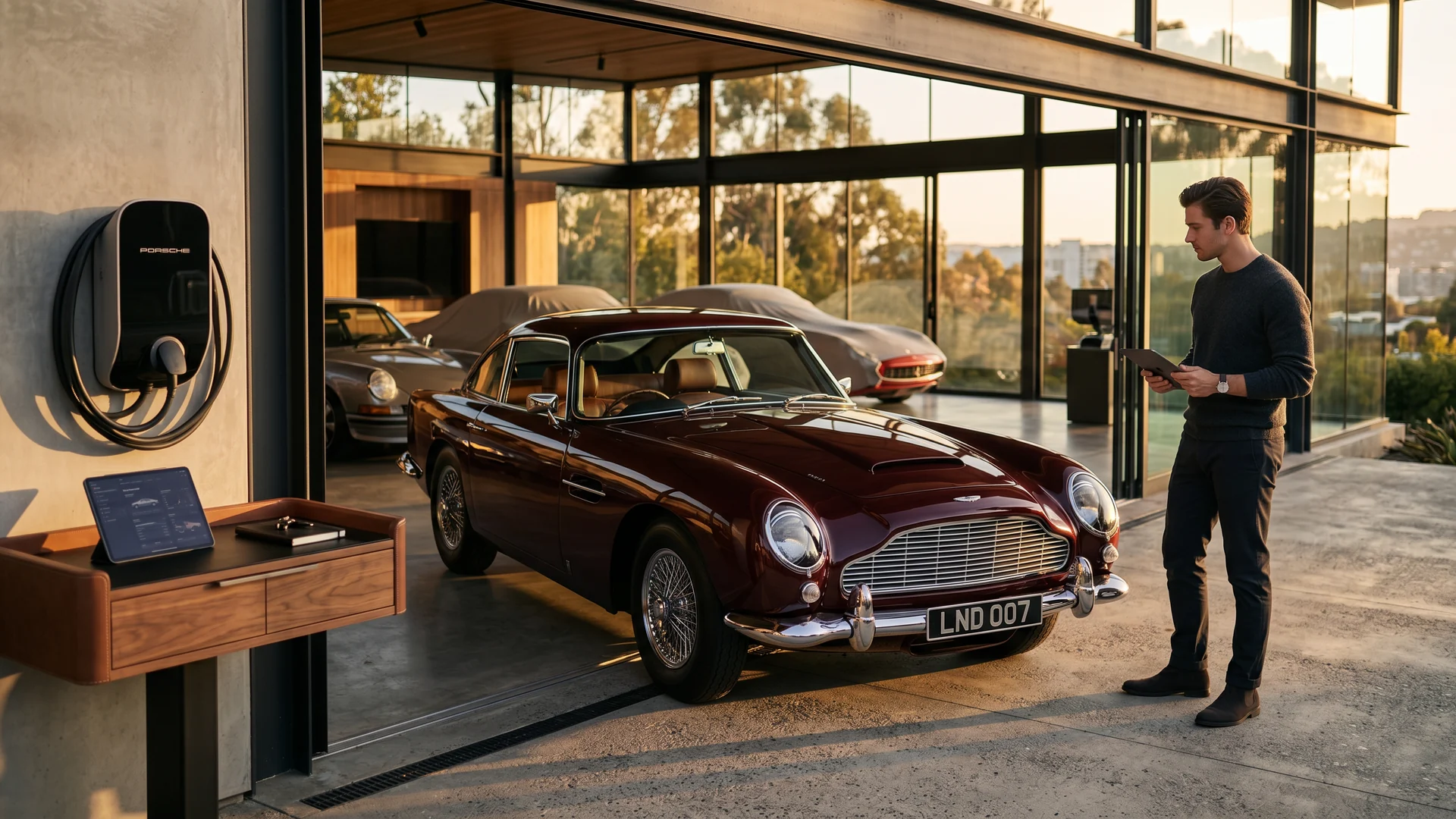
The Future of Classic Car Collecting: Trends Shaping the Next Generation
The future of classic car collecting: why 2035 ICE bans spare existing cars, plus e-fuels, shifting demographics, electromods and fractional ownership…
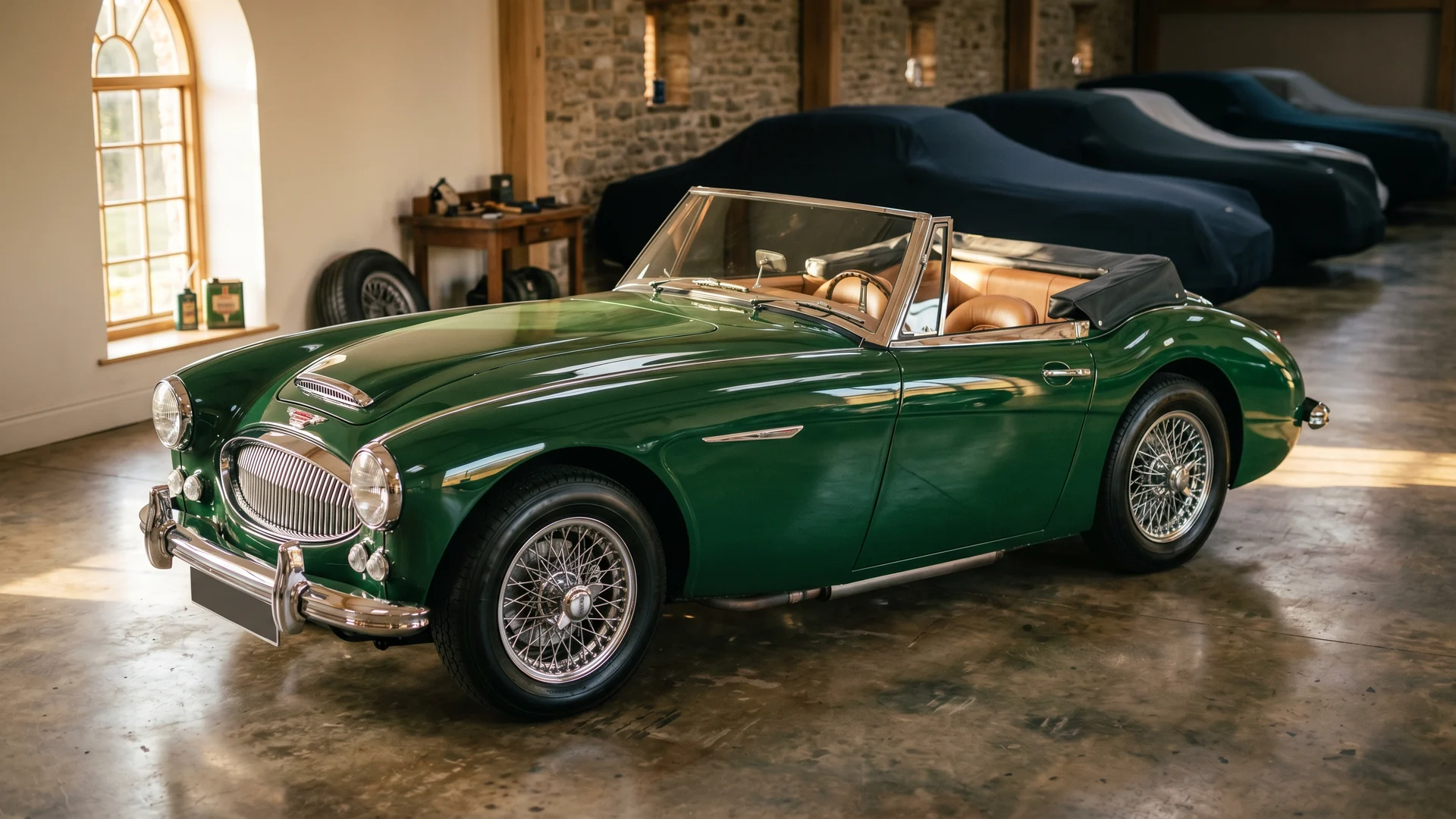
Classic Car Insurance Guide: Protecting Your Vintage Investment
Classic car insurance guide: why agreed-value policies beat stated and actual cash value, how Hagerty, Grundy and Chubb compare, plus costs and covera…
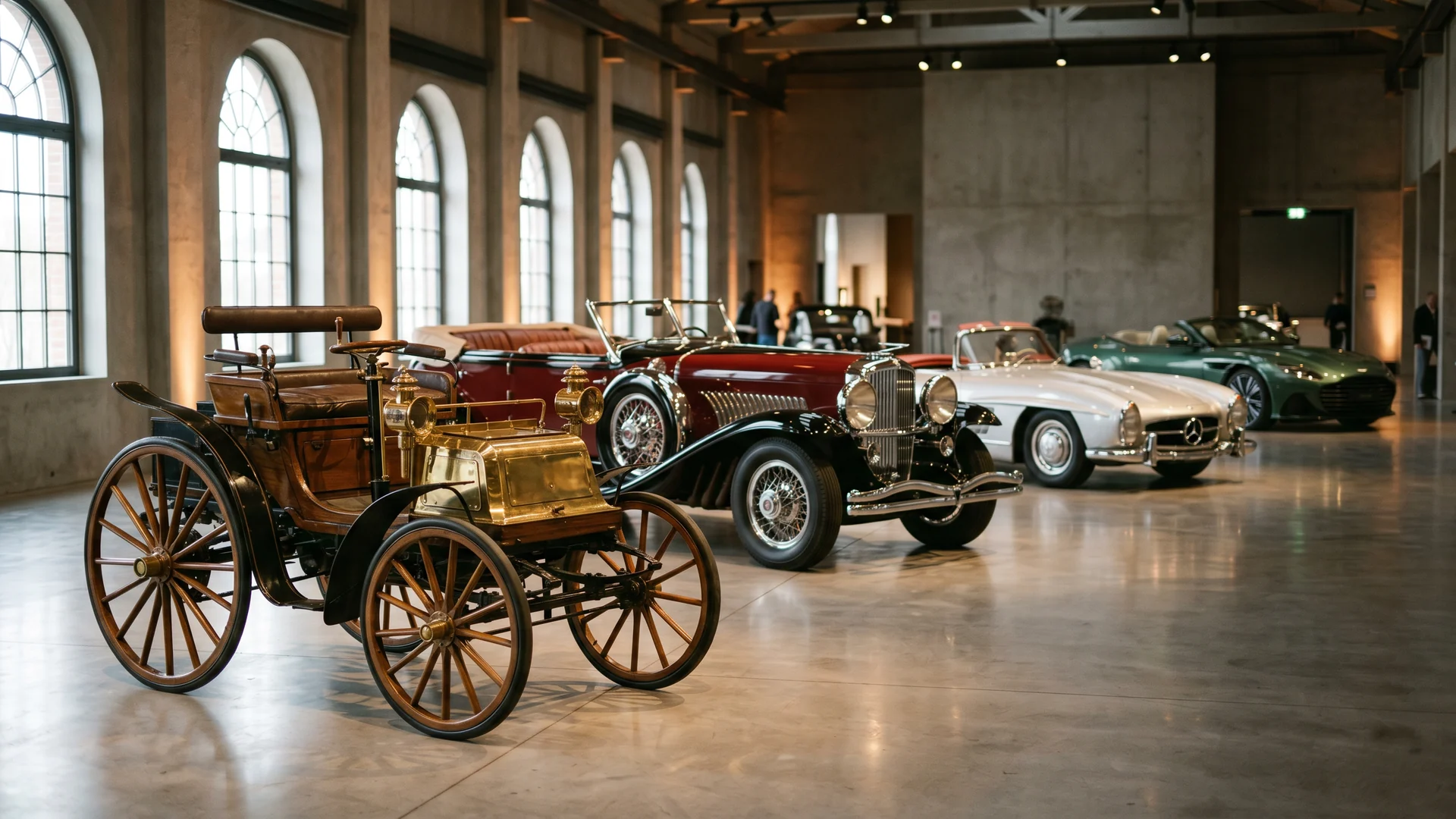
Classic Car History Timeline: From Benz to the Modern Collector Era
Classic car history timeline from the 1886 Benz Patent-Motorwagen through coachbuilding, muscle cars and supercars to modern collectibles. Discover th…