Why Pre-War Cars Are the Final Test of Collecting Authority
Pre-war automobiles, defined as vehicles manufactured before World War II (1939-1945), represent a crucial period in automotive development spanning approximately four decades from…
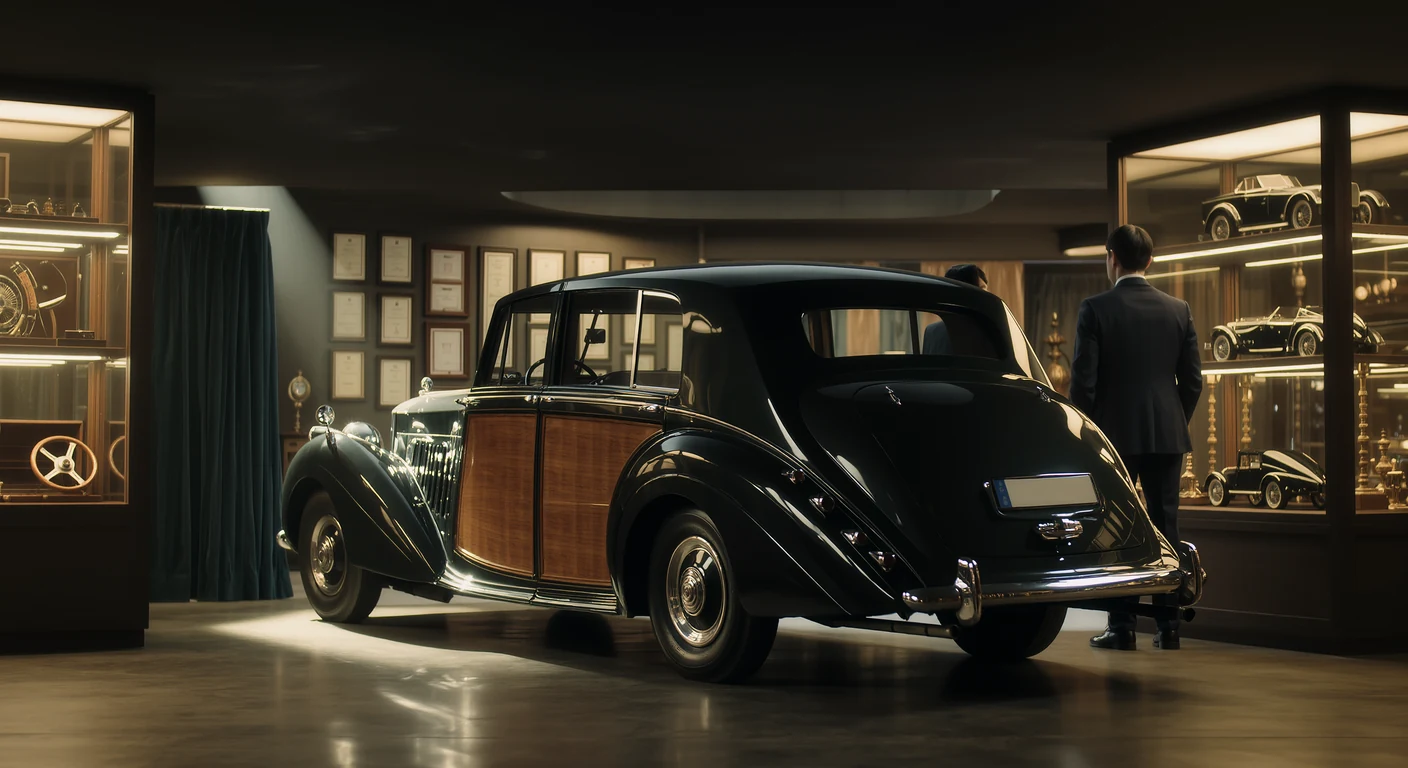
Pre-war automobiles, defined as vehicles manufactured before World War II (1939-1945), represent a crucial period in automotive development spanning approximately four decades from the early 1900s. During this era, the automobile industry underwent fundamental transformations in manufacturing processes, design principles, and market accessibility. The period witnessed several key technological and industrial developments.
Henry Ford’s introduction of the moving assembly line in 1913 reduced production time for the Model T from over 12 hours to approximately 90 minutes, significantly lowering manufacturing costs. This innovation enabled mass production and made automobiles financially accessible to middle-class consumers for the first time. Concurrent advancements included the development of electric starters, hydraulic brakes, and improved suspension systems.
Manufacturing during this period emphasized hand-crafted construction techniques and premium materials. Coachbuilders often created custom bodywork for luxury manufacturers, resulting in vehicles with distinctive design elements and superior build quality. Engine technologies evolved from single-cylinder designs to sophisticated multi-cylinder configurations, with manufacturers like Cadillac, Packard, and Rolls-Royce developing V8, V12, and V16 engines.
The pre-war period established foundational automotive companies that shaped the industry’s future. General Motors, Ford, and Chrysler emerged as dominant American manufacturers, while European companies including Mercedes-Benz, BMW, and Alfa Romeo developed reputations for engineering excellence. These manufacturers introduced innovations in aerodynamics, independent suspension, and streamlined styling that influenced post-war automotive design for decades.
Key Takeaways
- Pre-war cars hold significant historical and cultural value, reflecting early automotive innovation and artistry.
- Their rarity and technical complexity make them highly exclusive and prized among collectors.
- Preservation and restoration of pre-war cars present unique challenges due to their age and craftsmanship.
- These vehicles have influenced modern automotive design and continue to shape car collecting culture.
- The strong community of enthusiasts highlights the enduring appeal and timeless elegance of pre-war cars.
The Rarity and Exclusivity of Pre-War Cars
One of the most compelling aspects of pre-war cars is their rarity. Many models were produced in limited quantities, making them highly sought after by collectors and enthusiasts alike. The scarcity of these vehicles adds to their allure, as owning a pre-war car often signifies a connection to a bygone era.
Collectors often find themselves on quests to locate specific models, which can lead to thrilling discoveries and acquisitions. This rarity not only enhances their value but also fosters a sense of exclusivity among owners. Exclusivity is further amplified by the fact that many pre-war cars are no longer in production, making them unique artifacts of automotive history.
The limited availability means that when a pre-war car comes up for sale, it often attracts significant attention from collectors and investors. This exclusivity creates a vibrant market where enthusiasts are willing to pay premium prices for well-preserved or restored models. As a result, owning a pre-war car is not just about having a vehicle; it’s about possessing a piece of history that few others can claim.
The Technical Complexity of Pre-War Cars
Pre-war cars are renowned for their technical complexity, which sets them apart from modern vehicles. The engineering techniques used during this period were often experimental, leading to unique designs and features that are rarely seen today.
This complexity can make restoration and maintenance challenging but also rewarding for those who appreciate the intricacies of early automotive technology. The technical challenges associated with pre-war cars require a deep understanding of vintage mechanics. Enthusiasts often find themselves delving into the intricacies of carburetors, ignition systems, and suspension designs that differ significantly from contemporary vehicles.
This hands-on experience not only enhances their appreciation for automotive engineering but also fosters a community of knowledgeable individuals who share tips and techniques for maintaining these classic machines. The complexity of pre-war cars thus serves as both a challenge and an opportunity for enthusiasts to deepen their understanding of automotive history.
The Cultural and Artistic Value of Pre-War Cars
Pre-war cars are not merely machines; they are works of art that reflect the cultural values and aesthetics of their time. The design elements found in these vehicles often showcase the craftsmanship and creativity of their makers. From elegant curves to intricate detailing, pre-war cars embody a level of artistry that is often lost in modern mass production.
Each model tells a story through its design, representing the tastes and preferences of the era in which it was created. The cultural significance of pre-war cars extends beyond their aesthetic appeal. They serve as reminders of the social dynamics and technological advancements that shaped the early 20th century.
For instance, the rise of the automobile coincided with significant changes in lifestyle, including increased mobility and urbanization. As such, pre-war cars are cultural artifacts that provide insight into the values and aspirations of society during that period. Their artistic value is celebrated in museums and exhibitions worldwide, where they are showcased not just as vehicles but as important pieces of cultural heritage.
The Preservation and Restoration Challenges of Pre-War Cars
Preserving and restoring pre-war cars presents unique challenges that require specialized knowledge and skills. Many vehicles from this era were built using materials that have since become obsolete or difficult to source. Additionally, the techniques used in their construction may not be well understood by modern mechanics, making restoration a complex endeavor.
Enthusiasts often face hurdles in finding authentic parts or replicating original components, which can complicate restoration projects. Despite these challenges, the process of restoring a pre-war car can be incredibly rewarding. Enthusiasts often take pride in bringing these vehicles back to life, ensuring that they remain part of automotive history for future generations.
Restoration projects can also foster a sense of community among enthusiasts who share tips, resources, and support throughout the process. While preserving pre-war cars requires dedication and effort, it ultimately contributes to the ongoing appreciation and understanding of automotive heritage.
The Market Value and Investment Potential of Pre-War Cars
The market for pre-war cars has seen significant growth over recent years, with many models appreciating in value as collectors seek to acquire these rare vehicles. Factors such as rarity, condition, and historical significance play crucial roles in determining market value. Well-preserved or expertly restored models can command high prices at auctions, making them attractive investments for collectors looking to diversify their portfolios.
Investing in pre-war cars offers potential financial rewards but also requires careful consideration. Buyers must conduct thorough research to understand market trends and identify models with strong investment potential. Additionally, maintaining a pre-war car can involve ongoing costs related to upkeep and restoration, which should be factored into any investment decision.
However, for those passionate about automotive history, the joy of owning a piece of history often outweighs financial considerations.
The Influence of Pre-War Cars on Modern Automotive Design
Pre-war cars have had a lasting impact on modern automotive design, influencing both aesthetics and engineering principles. Many contemporary manufacturers draw inspiration from the elegance and craftsmanship found in these classic vehicles. Elements such as streamlined shapes, luxurious interiors, and attention to detail can be traced back to pre-war designs, showcasing how these early innovations continue to resonate today.
Moreover, the engineering challenges faced by early automotive designers have paved the way for advancements in modern technology. Concepts such as aerodynamics and weight distribution were explored during the pre-war era, laying the groundwork for contemporary automotive engineering practices. As modern designers look back at these historical influences, they often find inspiration that drives innovation while honoring the legacy of pre-war automobiles.
The Connection to Automotive History and Heritage through Pre-War Cars
Owning or appreciating a pre-war car fosters a deep connection to automotive history and heritage. These vehicles serve as tangible links to the past, allowing enthusiasts to experience firsthand the evolution of automotive technology and design. Each model carries with it stories of innovation, societal change, and cultural significance that enrich our understanding of how automobiles have shaped our world.
Pre-war cars also play an essential role in preserving automotive heritage through events such as vintage car shows and rallies. These gatherings bring together enthusiasts who share a passion for classic vehicles while celebrating their historical importance. By participating in these events or simply engaging with fellow enthusiasts, individuals contribute to the ongoing appreciation and preservation of automotive history.
The Role of Pre-War Cars in Shaping Automotive Collecting Culture
Pre-war cars have significantly influenced automotive collecting culture by establishing standards for rarity, craftsmanship, and historical significance. Collectors often seek out these vehicles not just for their aesthetic appeal but also for their connection to automotive history. The pursuit of rare models has created a vibrant community where enthusiasts share knowledge, resources, and experiences related to collecting.
The culture surrounding pre-war car collecting has evolved over time, with collectors forming clubs and organizations dedicated to preserving these vehicles’ legacy. These groups often host events that celebrate vintage automobiles while fostering camaraderie among members who share similar interests. As such, pre-war cars have become central figures in shaping the broader landscape of automotive collecting culture.
The Community and Camaraderie among Pre-War Car Enthusiasts
The world of pre-war cars is characterized by a strong sense of community among enthusiasts who share a passion for these classic vehicles. Whether through online forums or local clubs, individuals come together to exchange knowledge, tips, and stories about their experiences with pre-war cars. This camaraderie fosters an environment where enthusiasts can learn from one another while celebrating their shared interests.
Events such as vintage car shows or rallies provide opportunities for enthusiasts to connect in person while showcasing their prized possessions. These gatherings often feature discussions on restoration techniques, historical significance, and future trends in collecting. The bonds formed within this community extend beyond mere ownership; they create lasting friendships built on mutual respect for automotive history.
The Enduring Appeal and Timeless Elegance of Pre-War Cars
The enduring appeal of pre-war cars lies in their timeless elegance and unique character that continues to captivate enthusiasts today. Their classic designs evoke nostalgia while showcasing an artistry that transcends generations. Unlike many modern vehicles designed primarily for functionality, pre-war cars embody a sense of style that resonates with those who appreciate craftsmanship.
Moreover, driving a pre-war car offers an experience unlike any other, one that connects individuals with history while providing an exhilarating sense of freedom on the open road. The combination of aesthetic beauty, historical significance, and driving pleasure ensures that pre-war cars will remain cherished by collectors and enthusiasts alike for years to come. In conclusion, pre-war cars represent more than just vehicles; they are symbols of innovation, artistry, and community within the automotive world.
Their historical significance, rarity, technical complexity, cultural value, preservation challenges, market potential, influence on modern design, connection to heritage, role in collecting culture, community spirit, and timeless elegance all contribute to their enduring appeal. For those who appreciate these classic automobiles, whether as collectors or enthusiasts, the journey into the world of pre-war cars is one filled with passion and discovery.
FAQs
What defines a pre-war car?
A pre-war car is an automobile manufactured before World War II, typically before 1940. These vehicles are known for their unique design, craftsmanship, and historical significance.
Why are pre-war cars considered a test of collecting authority?
Pre-war cars are often rare, complex, and require extensive knowledge to authenticate, restore, and maintain. Collecting them demands expertise in automotive history, mechanics, and provenance, making them a true challenge for serious collectors.
What makes pre-war cars different from post-war cars in collecting?
Pre-war cars often feature hand-built components, limited production numbers, and unique design elements. They also have a longer history and may require specialized restoration techniques, unlike many post-war cars which are more standardized.
How does provenance affect the value of pre-war cars?
Provenance, or the documented history of a car’s ownership and use, significantly impacts its value. A well-documented pre-war car with notable previous owners or participation in historic events is generally more valuable and sought after.
Are pre-war cars more difficult to restore than modern cars?
Yes, restoring pre-war cars is typically more challenging due to the scarcity of original parts, the need for specialized skills, and the importance of maintaining historical accuracy.
What should collectors look for when buying a pre-war car?
Collectors should assess the car’s authenticity, condition, provenance, originality of parts, and historical significance. Consulting experts and obtaining thorough documentation are also important steps.
How does the rarity of pre-war cars influence their collectibility?
Rarity increases a pre-war car’s desirability and value. Limited production numbers and surviving examples make these cars highly collectible and often more expensive.
Can pre-war cars be driven regularly?
While some pre-war cars can be driven, they often require careful maintenance and may not be suited for daily use due to their age, mechanical complexity, and fragility.
What role do car shows and auctions play in pre-war car collecting?
Car shows and auctions provide platforms for collectors to buy, sell, and showcase pre-war cars. They also help establish market values and connect enthusiasts with experts.
Is investing in pre-war cars financially risky?
Investing in pre-war cars can be risky due to market fluctuations, maintenance costs, and the need for expert knowledge. However, well-chosen cars with strong provenance can appreciate significantly over time.
More from Blog
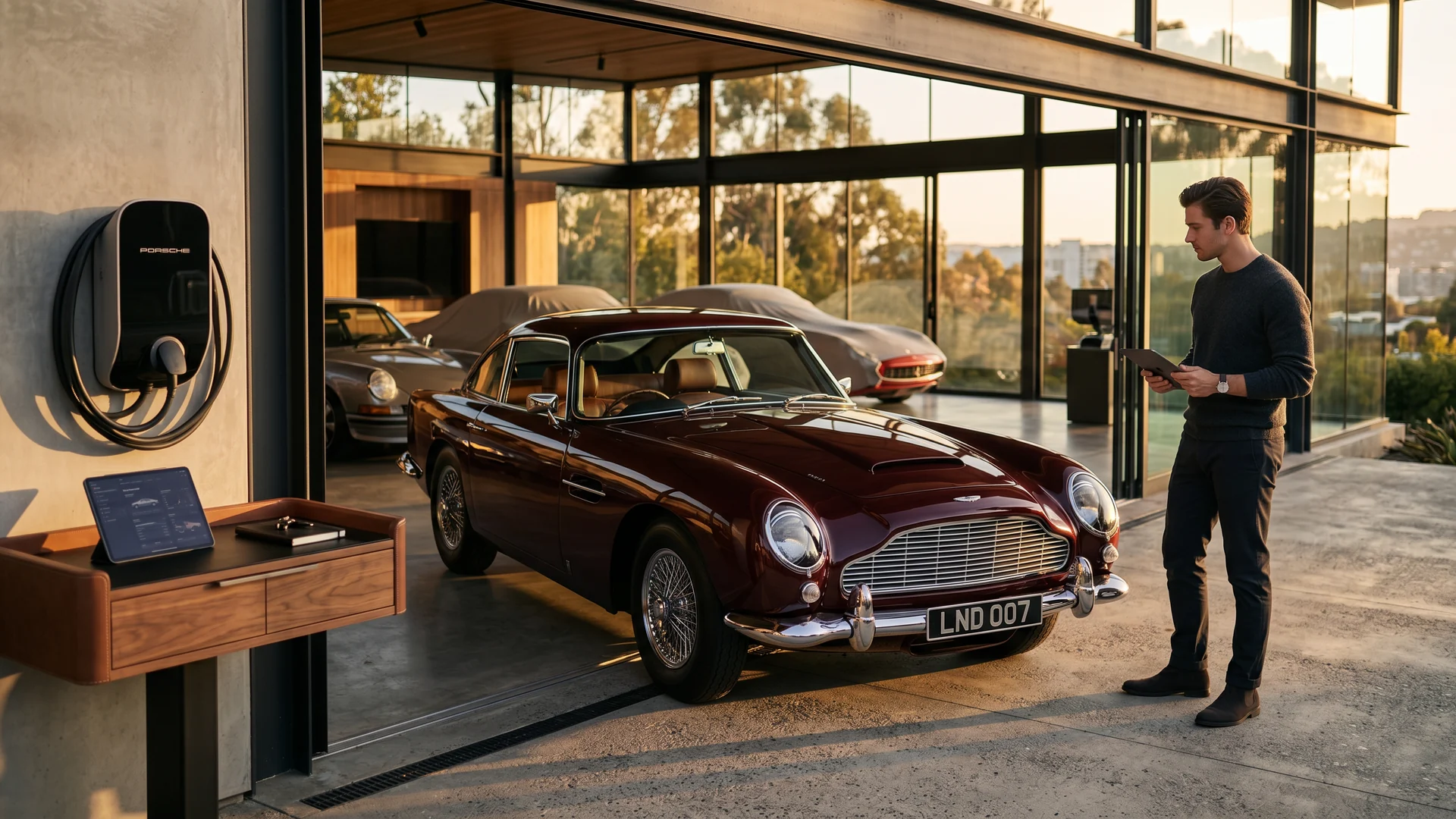
The Future of Classic Car Collecting: Trends Shaping the Next Generation
The future of classic car collecting: why 2035 ICE bans spare existing cars, plus e-fuels, shifting demographics, electromods and fractional ownership…
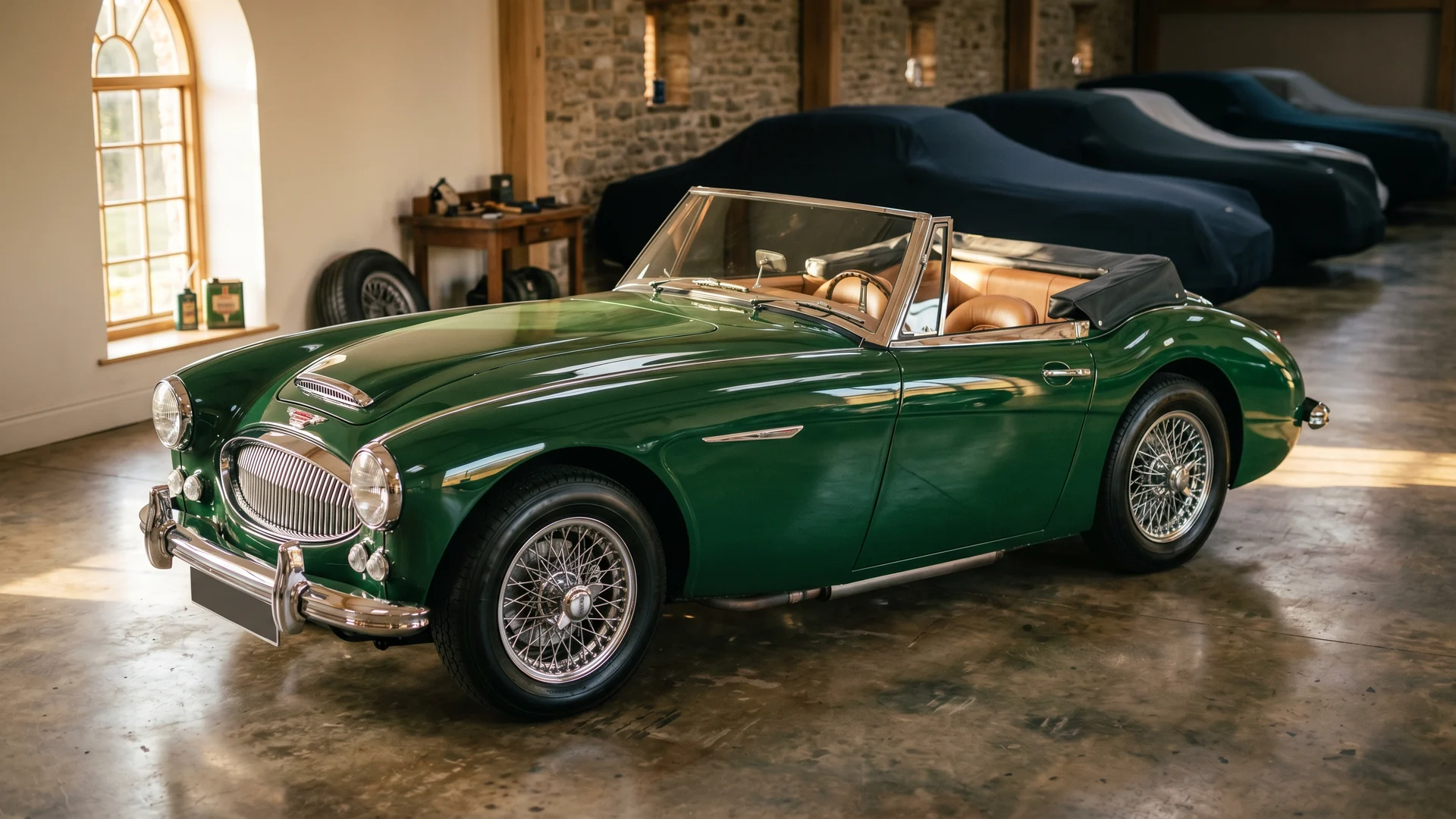
Classic Car Insurance Guide: Protecting Your Vintage Investment
Classic car insurance guide: why agreed-value policies beat stated and actual cash value, how Hagerty, Grundy and Chubb compare, plus costs and covera…
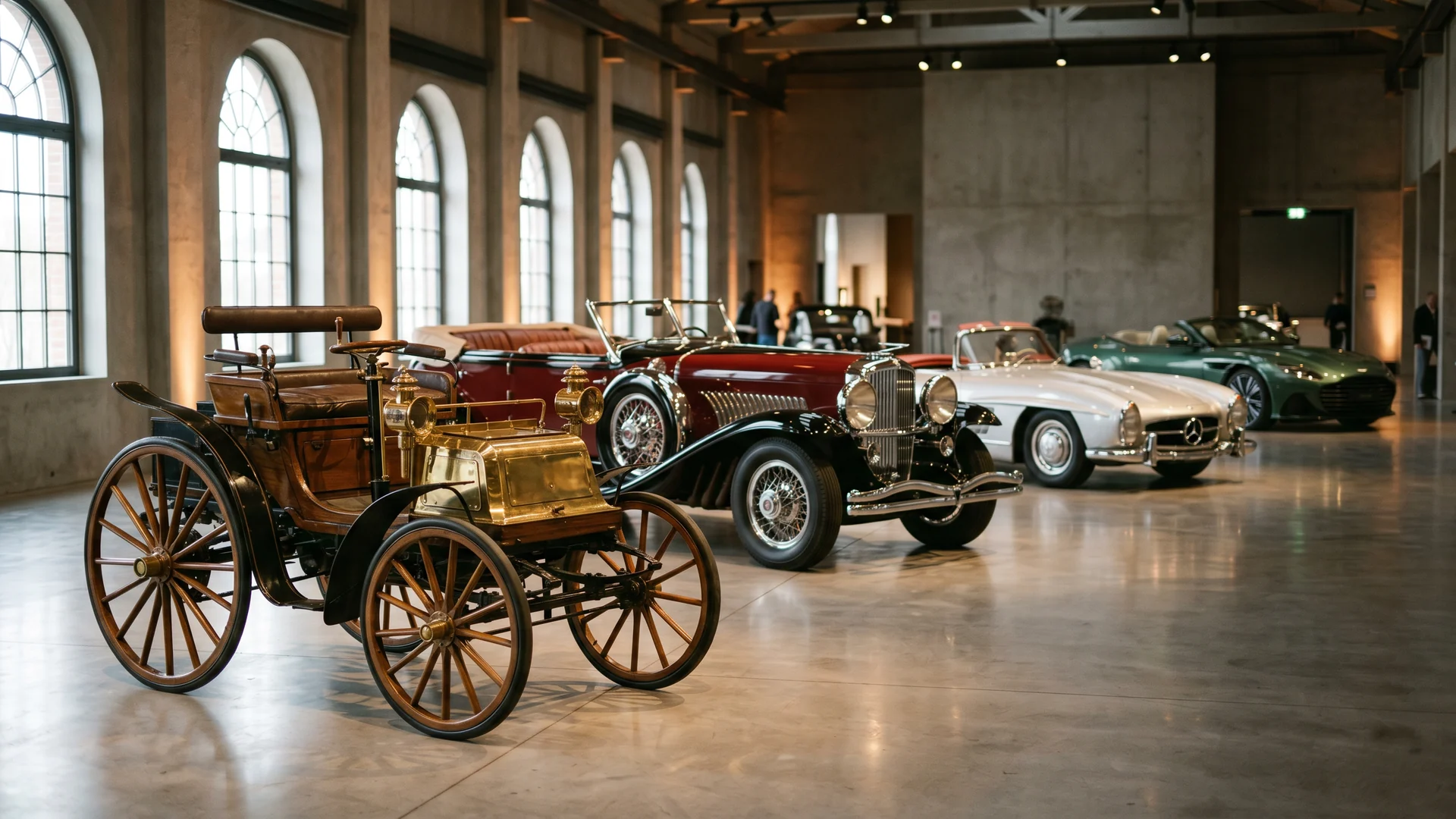
Classic Car History Timeline: From Benz to the Modern Collector Era
Classic car history timeline from the 1886 Benz Patent-Motorwagen through coachbuilding, muscle cars and supercars to modern collectibles. Discover th…