Why Pre-1970 Luxury Cars Are the New Safe Haven Assets
In an ever-changing economic landscape, investors are constantly seeking safe haven assets to protect their wealth. Pre-1970 luxury cars have emerged as a compelling option for tho…
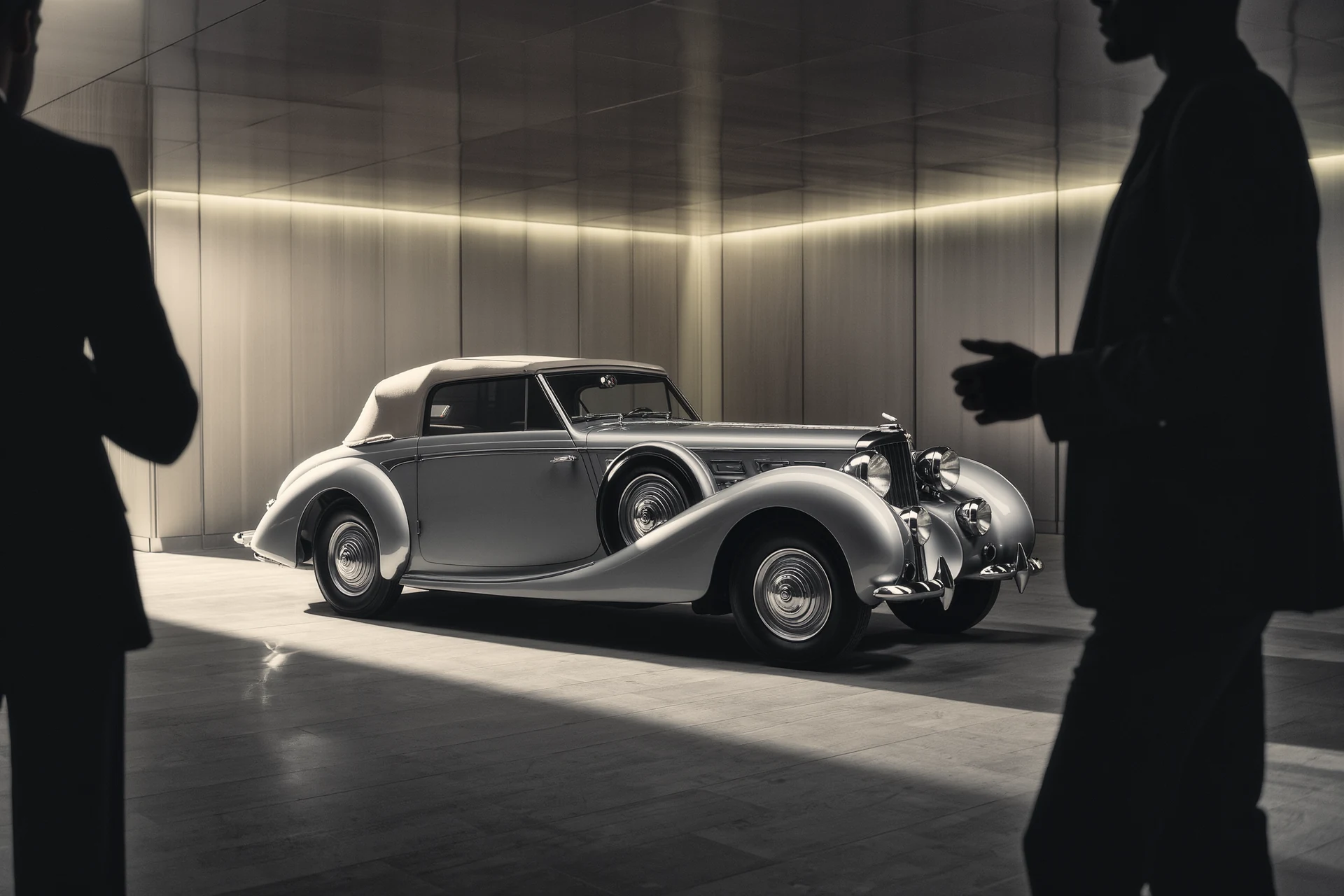
In an ever-changing economic landscape, investors are constantly seeking safe haven assets to protect their wealth. Pre-1970 luxury cars have emerged as a compelling option for those looking to diversify their portfolios. These classic vehicles not only offer aesthetic pleasure but also serve as tangible assets that can appreciate over time.
The allure of owning a piece of automotive history, combined with the potential for financial gain, makes pre-1970 luxury cars an attractive investment choice. The appeal of these vintage automobiles lies in their unique combination of craftsmanship, design, and engineering. Unlike modern cars, which often prioritize efficiency and mass production, pre-1970 luxury cars were built with an emphasis on quality and individuality.
This craftsmanship contributes to their desirability among collectors and investors alike. As a result, these vehicles have become more than just modes of transportation; they are symbols of status and sophistication that can withstand economic fluctuations.
Key Takeaways
- Pre-1970 luxury cars are valued as safe haven assets due to their rarity and exclusivity.
- These cars have historically shown strong investment performance and preservation of value.
- Their cultural and historical significance adds to their appeal and long-term appreciation potential.
- Investing in pre-1970 luxury cars offers diversification benefits within a broader portfolio.
- Market demand is growing, but investors should be aware of maintenance costs and associated risks.
Rarity and Exclusivity of Pre-1970 Luxury Cars
One of the most significant factors contributing to the value of pre-1970 luxury cars is their rarity and exclusivity. Many models produced during this era were manufactured in limited quantities, making them highly sought after by collectors. The scarcity of these vehicles creates a sense of urgency among buyers, driving up demand and prices.
For instance, classic models from brands like Ferrari, Aston Martin, and Bugatti are often considered the crown jewels of any collection due to their limited production runs. Moreover, the exclusivity of pre-1970 luxury cars extends beyond mere numbers.
This cultural significance adds another layer of value, as collectors are not just purchasing a car; they are acquiring a piece of history.
Historical Performance of Pre-1970 Luxury Cars as Investments
When evaluating the investment potential of pre-1970 luxury cars, historical performance is a crucial factor to consider. Over the past few decades, many classic cars have shown impressive appreciation rates, often outpacing traditional investments like stocks and bonds. For example, certain models from the 1960s have seen value increases of over 300% in just a few years.
This historical performance underscores the potential for significant returns on investment. Additionally, the classic car market has demonstrated resilience during economic downturns. While other asset classes may falter, pre-1970 luxury cars often retain their value or even appreciate during challenging times.
This stability makes them an attractive option for investors looking to hedge against market volatility. By examining past trends and performance data, investors can make informed decisions about which models to acquire for their portfolios.
Preservation of Value in Pre-1970 Luxury Cars
One of the most appealing aspects of investing in pre-1970 luxury cars is their ability to preserve value over time. Unlike many consumer goods that depreciate rapidly, classic cars often maintain or even increase in value as they age. This preservation is largely due to their limited supply and the growing interest in vintage automobiles among collectors and enthusiasts.
Furthermore, the condition of a vehicle plays a significant role in its value retention. Well-maintained cars with original parts and documentation tend to command higher prices in the market. Investors who prioritize proper care and restoration can significantly enhance their vehicle’s value.
By investing in quality maintenance and preservation efforts, owners can ensure that their classic cars remain valuable assets for years to come.
Cultural and Historical Significance of Pre-1970 Luxury Cars
Pre-1970 luxury cars are not just vehicles; they are artifacts that embody cultural and historical significance. Each model tells a story about the era in which it was produced, reflecting the design trends, technological advancements, and societal values of its time. For instance, the muscle cars of the 1960s symbolize American automotive power and freedom, while European sports cars represent precision engineering and elegance.
This cultural relevance adds depth to the investment appeal of these vehicles. Collectors often seek out cars that resonate with their personal interests or nostalgia, making them more than just financial assets. The emotional connection that comes with owning a piece of history can enhance the overall investment experience.
As such, pre-1970 luxury cars serve as both a financial investment and a means of preserving cultural heritage.
Maintenance and Appreciation of Pre-1970 Luxury Cars
Proper maintenance is essential for ensuring the appreciation of pre-1970 luxury cars. Unlike modern vehicles that require routine servicing based on mileage, classic cars demand specialized care to preserve their unique features and performance capabilities. Regular inspections, oil changes, and attention to detail can prevent minor issues from escalating into costly repairs.
Investors should also consider the importance of restoration when it comes to maintaining value. While some collectors prefer original condition vehicles, others may opt for restoration projects that enhance performance or aesthetics. A well-executed restoration can significantly increase a car’s market value, making it an attractive option for investors looking to maximize returns.
Diversification Benefits of Investing in Pre-1970 Luxury Cars
Investing in pre-1970 luxury cars offers diversification benefits that can enhance an investor’s overall portfolio strategy. Classic cars provide an alternative asset class that is not directly correlated with traditional investments like stocks or real estate. This lack of correlation can help mitigate risk during market fluctuations.
Moreover, classic cars can serve as a hedge against inflation. As the cost of living rises, so too does the value of tangible assets like vintage automobiles. By incorporating pre-1970 luxury cars into an investment portfolio, investors can achieve greater stability and potential growth over time.
Potential for Future Appreciation in Pre-1970 Luxury Cars
The potential for future appreciation in pre-1970 luxury cars remains strong as interest in classic automobiles continues to grow. Younger generations are increasingly drawn to vintage vehicles for their unique character and craftsmanship, driving demand in the market. As more collectors enter the space, prices for desirable models are likely to rise.
Additionally, limited production runs and iconic status contribute to the long-term appreciation potential of these vehicles. As certain models become harder to find due to age or damage, their rarity will only increase their desirability among collectors. Investors who recognize these trends can position themselves advantageously for future gains.
The Role of Pre-1970 Luxury Cars in a Well-Rounded Investment Portfolio
Incorporating pre-1970 luxury cars into a well-rounded investment portfolio can provide numerous advantages. These vehicles offer not only financial returns but also personal enjoyment and satisfaction for their owners. Unlike stocks or bonds that exist solely on paper, classic cars provide tangible assets that can be appreciated visually and experientially.
Furthermore, classic cars can serve as conversation starters and social connectors within collector communities. Networking opportunities abound at car shows and auctions, allowing investors to build relationships with fellow enthusiasts and industry experts. This social aspect adds another layer of value to owning pre-1970 luxury cars beyond mere financial considerations.
Market Trends and Demand for Pre-1970 Luxury Cars
Current market trends indicate a growing demand for pre-1970 luxury cars among collectors and investors alike. The rise of online auction platforms has made it easier for buyers to access rare models from around the world, increasing competition and driving prices higher. Additionally, social media has played a significant role in promoting classic car culture, attracting new enthusiasts who are eager to invest.
As more people recognize the investment potential of vintage automobiles, demand is expected to continue rising. This trend is further fueled by the increasing interest in sustainable practices; many collectors appreciate classic cars for their craftsmanship and timeless design rather than fuel efficiency or technological advancements.
Risks and Considerations in Investing in Pre-1970 Luxury Cars
While investing in pre-1970 luxury cars offers numerous benefits, it is essential to consider potential risks as well. Market fluctuations can impact values significantly; economic downturns may lead to decreased demand for luxury items like classic cars. Additionally, maintenance costs can be high for older vehicles, requiring careful budgeting by owners.
Investors should also be aware of the importance of provenance when purchasing classic cars. Documentation regarding ownership history and restoration work can significantly impact a vehicle’s value. Buyers should conduct thorough research and seek expert advice before making significant investments in this asset class.
In conclusion, pre-1970 luxury cars present a unique opportunity for investors seeking safe haven assets with historical significance and potential for appreciation. By understanding the rarity, cultural relevance, and market trends surrounding these vehicles, investors can make informed decisions that enhance their portfolios while enjoying the beauty and craftsmanship of classic automobiles.
FAQs
What defines a pre-1970 luxury car?
Pre-1970 luxury cars are high-end automobiles manufactured before the year 1970. These vehicles are often characterized by their superior craftsmanship, exclusive features, and prestigious brand heritage.
Why are pre-1970 luxury cars considered safe haven assets?
Pre-1970 luxury cars are viewed as safe haven assets because they tend to retain or increase in value over time, especially during economic uncertainty. Their rarity, historical significance, and collectible status contribute to their stability as investments.
How does the value of pre-1970 luxury cars compare to other classic cars?
Pre-1970 luxury cars often command higher prices than many other classic cars due to their exclusivity, brand reputation, and limited production numbers. Their value is also influenced by factors such as condition, originality, and provenance.
What factors influence the appreciation of pre-1970 luxury cars?
Key factors include rarity, historical importance, brand prestige, condition, originality, and market demand. Economic conditions and trends in the classic car market also play significant roles.
Are pre-1970 luxury cars a good investment for beginners?
While they can be lucrative, investing in pre-1970 luxury cars requires knowledge of the market, maintenance costs, and authenticity verification. Beginners should conduct thorough research or consult experts before investing.
How does maintenance affect the value of pre-1970 luxury cars?
Proper maintenance preserves the car’s condition and originality, which are critical for maintaining or increasing value. Neglect or inappropriate repairs can significantly reduce a vehicle’s worth.
Where can one purchase pre-1970 luxury cars?
These cars can be purchased through classic car dealerships, auctions, private sales, and specialized online marketplaces. It is advisable to verify the car’s history and authenticity before purchase.
What are the risks associated with investing in pre-1970 luxury cars?
Risks include market volatility, high maintenance and storage costs, potential for fraud or misrepresentation, and liquidity challenges. Investors should be aware of these factors and plan accordingly.
How does the market for pre-1970 luxury cars differ globally?
Market demand and pricing can vary by region due to cultural preferences, import regulations, and economic conditions. Some markets may have higher demand for specific brands or models.
Can pre-1970 luxury cars be used as everyday vehicles?
While possible, these cars are generally not suited for daily use due to their age, maintenance needs, and potential scarcity of parts. They are typically preserved for collection, exhibition, or occasional driving.
More from Blog
The Future of Classic Car Collecting: Trends Shaping the Next Generation
The future of classic car collecting: why 2035 ICE bans spare existing cars, plus e-fuels, shifting demographics, electromods and fractional ownership…
Classic Car Insurance Guide: Protecting Your Vintage Investment
Classic car insurance guide: why agreed-value policies beat stated and actual cash value, how Hagerty, Grundy and Chubb compare, plus costs and covera…
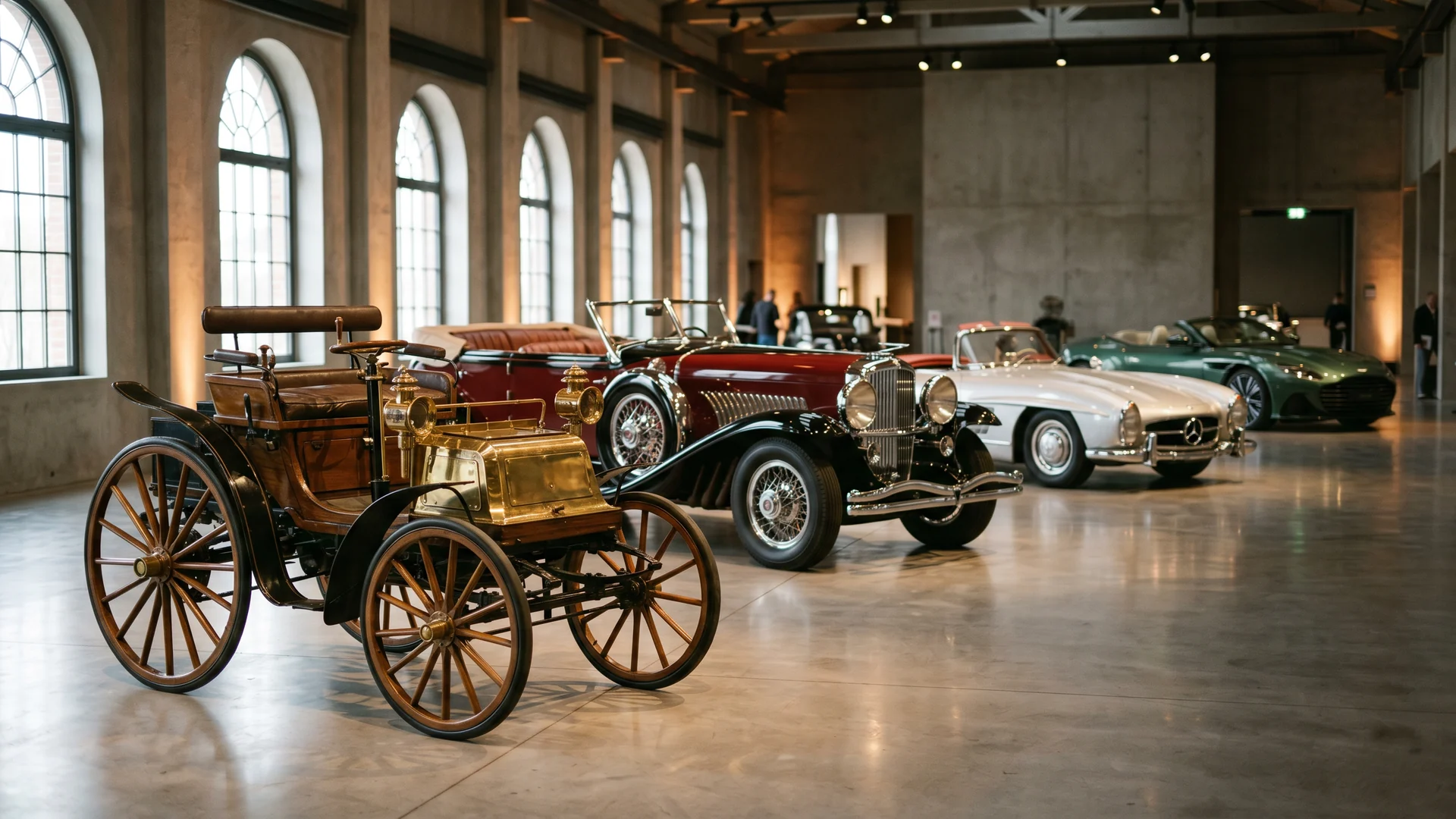
Classic Car History Timeline: From Benz to the Modern Collector Era
Classic car history timeline from the 1886 Benz Patent-Motorwagen through coachbuilding, muscle cars and supercars to modern collectibles. Discover th…