Why Patina Is More Valuable Than Perfection in Classic Cars
Patina on classic automobiles describes the natural weathering and aging that occurs to vehicle surfaces over extended periods. This process creates distinctive visual characterist…
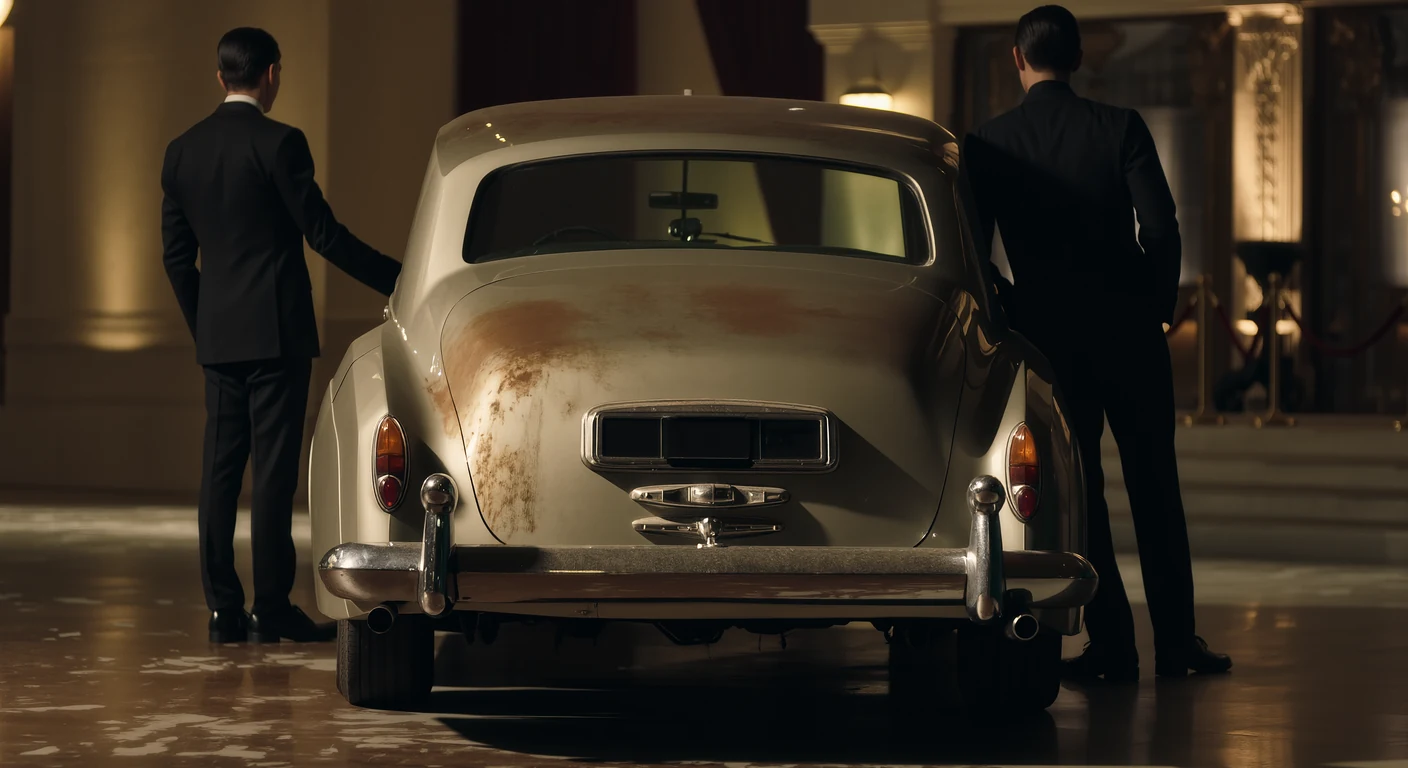
Patina on classic automobiles describes the natural weathering and aging that occurs to vehicle surfaces over extended periods. This process creates distinctive visual characteristics that document the vehicle’s operational history and environmental exposure. The term patina derives from the surface oxidation and wear patterns that develop on materials such as metal, wood, and fabric when subjected to atmospheric conditions, ultraviolet radiation, and regular use over decades.
The manifestation of patina on classic vehicles includes paint oxidation and color fading, surface corrosion on metal components, leather cracking and discoloration in interiors, and chrome pitting or dulling. These changes occur through chemical reactions between materials and environmental factors including moisture, oxygen, temperature fluctuations, and sunlight exposure. Within the collector car market, attitudes toward patina have evolved considerably since the 1990s.
Previously, automotive restoration practices emphasized returning vehicles to factory-new condition through complete refinishing and component replacement. However, a growing segment of collectors and enthusiasts now values original, unrestored surfaces that display authentic aging patterns. This preference stems from recognition that patina provides verifiable evidence of a vehicle’s provenance and originality, characteristics that cannot be replicated through restoration processes.
Consequently, vehicles exhibiting well-preserved patina often command premium prices compared to extensively restored examples, particularly when the underlying structure remains sound and the patina displays attractive, even aging patterns.
Key Takeaways
- Patina reflects the authentic aging and history of classic cars, valued for its rarity and vintage appeal.
- Enthusiasts appreciate patina for adding unique character and emotional depth to vehicles.
- Maintaining patina involves careful preservation to retain originality without full restoration.
- Patina often enhances a car’s financial and sentimental value in the collector market.
- The classic car community sees patina as vital for preserving automotive heritage and storytelling.
The Appeal of Patina to Classic Car Enthusiasts
The allure of patina among classic car enthusiasts lies in its ability to evoke nostalgia and authenticity. For many collectors, a car with a rich patina represents not just a vehicle but a piece of history. It serves as a tangible connection to the past, reminding owners and admirers alike of the era in which the car was built.
This emotional connection is often more profound than that associated with a pristine, restored vehicle. Moreover, patina offers a sense of individuality that is hard to replicate. Each car with patina has its own unique story, marked by the experiences it has endured over the years.
Enthusiasts appreciate that no two patinas are alike; they reflect the specific conditions and environments the car has faced. This uniqueness adds to the charm and desirability of classic cars, making them stand out in a sea of restored vehicles that may lack character.
How Patina Adds Character and Story to Classic Cars
Patina adds an undeniable character to classic cars, transforming them into rolling pieces of art. The imperfections found in a car’s surface, such as scratches, dents, and faded paint, tell a story that resonates with many collectors. These marks are not seen as flaws but rather as badges of honor that signify the car’s journey through time.
Each scratch may represent a memorable road trip or an adventure taken by its previous owner. Furthermore, the story behind a car with patina can be as captivating as the vehicle itself. Enthusiasts often enjoy uncovering the history of their cars, learning about previous owners, and discovering how the vehicle was used over the years.
This narrative aspect adds depth to the ownership experience, allowing collectors to feel more connected to their vehicles. In essence, patina transforms classic cars into storytellers, each with its own unique tale waiting to be shared.
The Rarity and Authenticity of Patina in Classic Cars
Rarity plays a significant role in the appeal of patina for classic car enthusiasts. As time passes, fewer original examples of classic cars remain on the road, making those with authentic patina increasingly valuable. Collectors often seek out vehicles that have not undergone extensive restoration, as these cars retain their original components and finishes.
The rarity of such vehicles enhances their desirability and market value. Authenticity is another critical factor that drives interest in patina. A car with genuine patina is often viewed as more authentic than one that has been meticulously restored to perfection.
Collectors appreciate the originality of these vehicles, as they represent a true snapshot of automotive history. In an age where many classic cars are restored to look brand new, those with natural wear and tear stand out as genuine artifacts from their respective eras.
The Connection Between Patina and Vintage Aesthetics
Patina embodies vintage aesthetics in a way that resonates deeply with classic car enthusiasts. The visual appeal of a weathered finish evokes feelings of nostalgia and appreciation for craftsmanship from bygone eras. Many collectors are drawn to the unique color variations and textures that develop over time, which cannot be replicated through modern restoration techniques.
Additionally, vintage aesthetics often celebrate imperfections and character over perfection. In this context, patina becomes an essential element of a classic car’s charm. It reflects an era when cars were built with different materials and techniques than those used today.
This connection to vintage aesthetics not only enhances the visual appeal of classic cars but also reinforces their status as cherished pieces of history.
The Preservation and Maintenance of Patina in Classic Cars
Preserving patina requires a delicate balance between maintenance and allowing natural aging processes to continue. Many enthusiasts take pride in maintaining their vehicles without compromising their original finishes. This often involves gentle cleaning methods that avoid harsh chemicals or abrasive materials that could strip away the patina.
Regular inspections are also crucial for preserving patina.
Addressing these issues promptly can help maintain the car’s character while ensuring it remains roadworthy.
Ultimately, preserving patina is about respecting the vehicle’s history while ensuring it can continue to tell its story for years to come.
The Financial Value of Patina in the Classic Car Market
The financial value of patina in the classic car market has seen significant growth in recent years. As collectors increasingly recognize the appeal of original vehicles with authentic wear, prices for these cars have risen accordingly. A classic car with well-preserved patina can command higher prices than its fully restored counterparts due to its rarity and authenticity.
Investing in a classic car with patina can be a wise financial decision for collectors. As demand for original vehicles continues to grow, those with unique stories and character are likely to appreciate in value over time.
The Emotional and Sentimental Value of Patina in Classic Cars
The emotional connection between owners and their classic cars with patina is profound. For many enthusiasts, these vehicles represent cherished memories and experiences shared with family and friends. The wear and tear on a car’s surface often evoke feelings of nostalgia, reminding owners of road trips taken or milestones celebrated.
Additionally, patina can symbolize resilience and endurance. A car that has weathered the test of time carries with it stories of perseverance and adventure. This emotional weight adds significant sentimental value for owners who appreciate not just the vehicle itself but also what it represents in their lives.
The Contrast Between Patina and Restored Classic Cars
The contrast between patina and restored classic cars highlights differing philosophies within the collector community. While some enthusiasts prefer fully restored vehicles that look brand new, others embrace the charm and authenticity of patinated cars. Restored cars often lack the unique character that comes from years of use, making them less appealing to those who value originality.
Moreover, restored vehicles may not always reflect their true history or craftsmanship accurately. In contrast, cars with patina tell an unfiltered story through their imperfections. This distinction creates a divide among collectors, with some prioritizing aesthetics while others seek authenticity and character.
The Role of Patina in Preserving the History of Classic Cars
Patina plays a vital role in preserving the history of classic cars by serving as a visual record of their past experiences. Each mark on a vehicle’s surface represents moments in time, whether it be a road trip across the country or participation in local car shows. These stories contribute to the overall narrative surrounding each car, enriching its historical significance.
Furthermore, preserving patina allows future generations to appreciate automotive history in its raw form. As collectors maintain these vehicles without extensive restoration, they ensure that future enthusiasts can experience the authenticity and character that comes from natural aging processes.
The Future of Patina in the Classic Car Collecting Community
The future of patina in the classic car collecting community appears bright as more enthusiasts embrace originality over restoration. As awareness grows regarding the value of authentic vehicles with character, we can expect an increasing appreciation for patinated cars among collectors and investors alike. Moreover, social media platforms have played a significant role in promoting this trend by showcasing stunning examples of patinated vehicles from around the world.
As more people share their passion for these unique cars online, it fosters a sense of community among enthusiasts who appreciate both history and craftsmanship. In conclusion, patina is not just an aesthetic choice; it represents a deeper connection to automotive history and culture. As collectors continue to recognize its value, both emotionally and financially, the future looks promising for classic cars adorned with this beautiful testament to time’s passage.
FAQs
What is patina in classic cars?
Patina refers to the natural aging and wear on a classic car’s exterior and interior surfaces, including faded paint, minor rust, and weathered materials, which develop over time without restoration.
Why is patina considered valuable in classic cars?
Patina is valued because it reflects the car’s history and authenticity, showcasing its originality and the story behind its use, which many collectors and enthusiasts find more appealing than a perfectly restored vehicle.
How does patina differ from a restored finish?
Patina is the natural, unaltered aging of a car’s surfaces, while a restored finish involves repainting, refinishing, or replacing parts to make the car look like new or near-new condition.
Does patina affect the car’s market value?
Yes, in many cases, patina can increase a classic car’s market value, especially among collectors who prioritize originality and historical character over a flawless appearance.
Can patina be preserved during restoration?
Yes, some restorations focus on preserving patina by stabilizing the existing finish and preventing further deterioration without removing the aged look.
Is patina only about the car’s exterior?
No, patina can also include interior elements such as worn leather seats, faded dashboards, and aged metal components that contribute to the car’s overall character.
Are all classic car buyers interested in patina?
No, preferences vary; some buyers prefer fully restored cars with perfect finishes, while others value the authenticity and history that patina represents.
How can one maintain patina without causing damage?
Maintaining patina involves gentle cleaning, avoiding harsh chemicals, and protecting the car from further rust or decay while preserving its aged appearance.
Does patina indicate neglect or poor maintenance?
Not necessarily; patina can result from normal use and aging rather than neglect, and many owners intentionally preserve patina to maintain the car’s originality.
Is patina recognized in classic car shows and competitions?
Yes, some classic car events and judging criteria specifically appreciate and reward originality and patina, recognizing the historical significance of aged finishes.
More from Blog
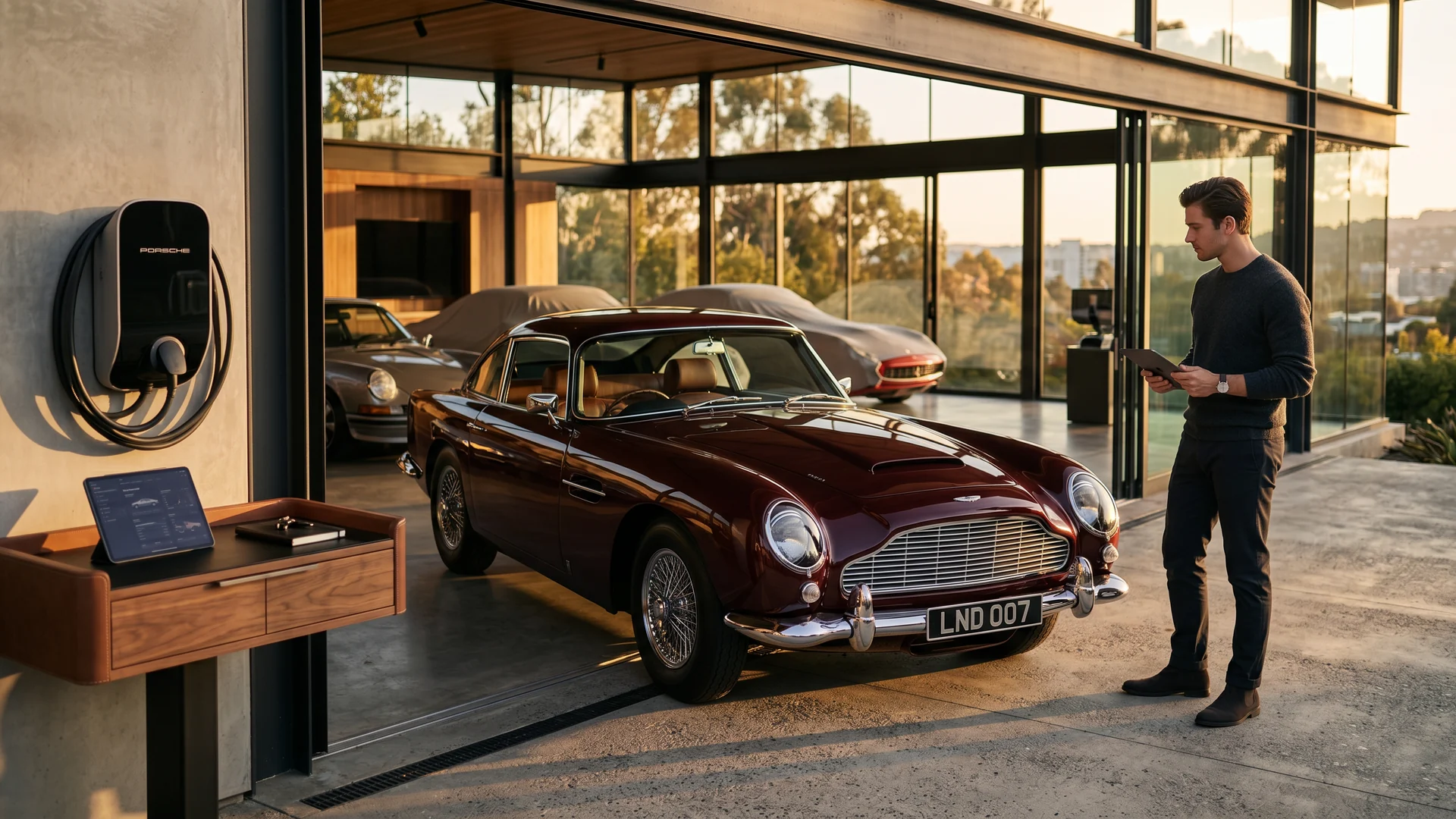
The Future of Classic Car Collecting: Trends Shaping the Next Generation
The future of classic car collecting: why 2035 ICE bans spare existing cars, plus e-fuels, shifting demographics, electromods and fractional ownership…
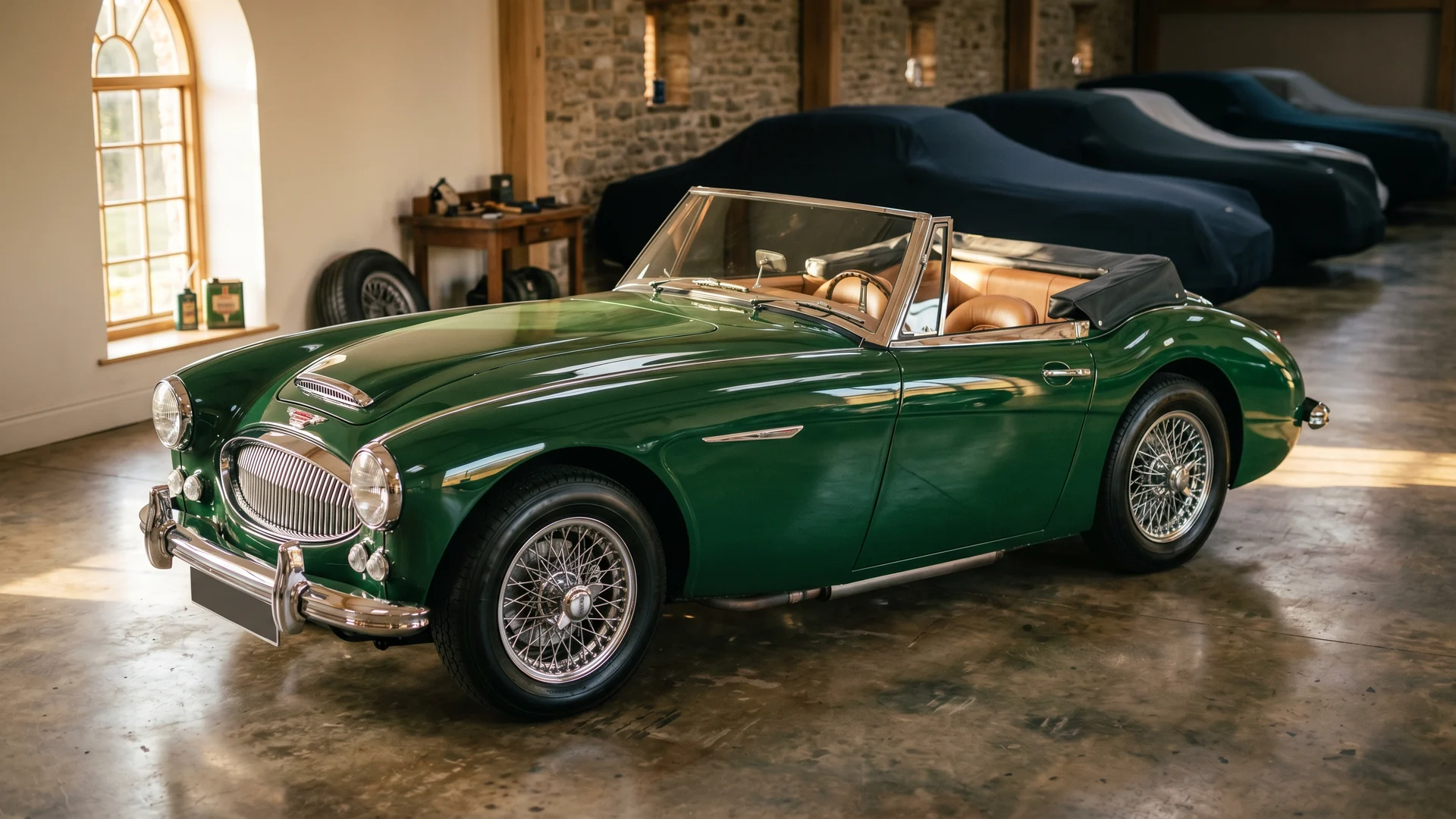
Classic Car Insurance Guide: Protecting Your Vintage Investment
Classic car insurance guide: why agreed-value policies beat stated and actual cash value, how Hagerty, Grundy and Chubb compare, plus costs and covera…
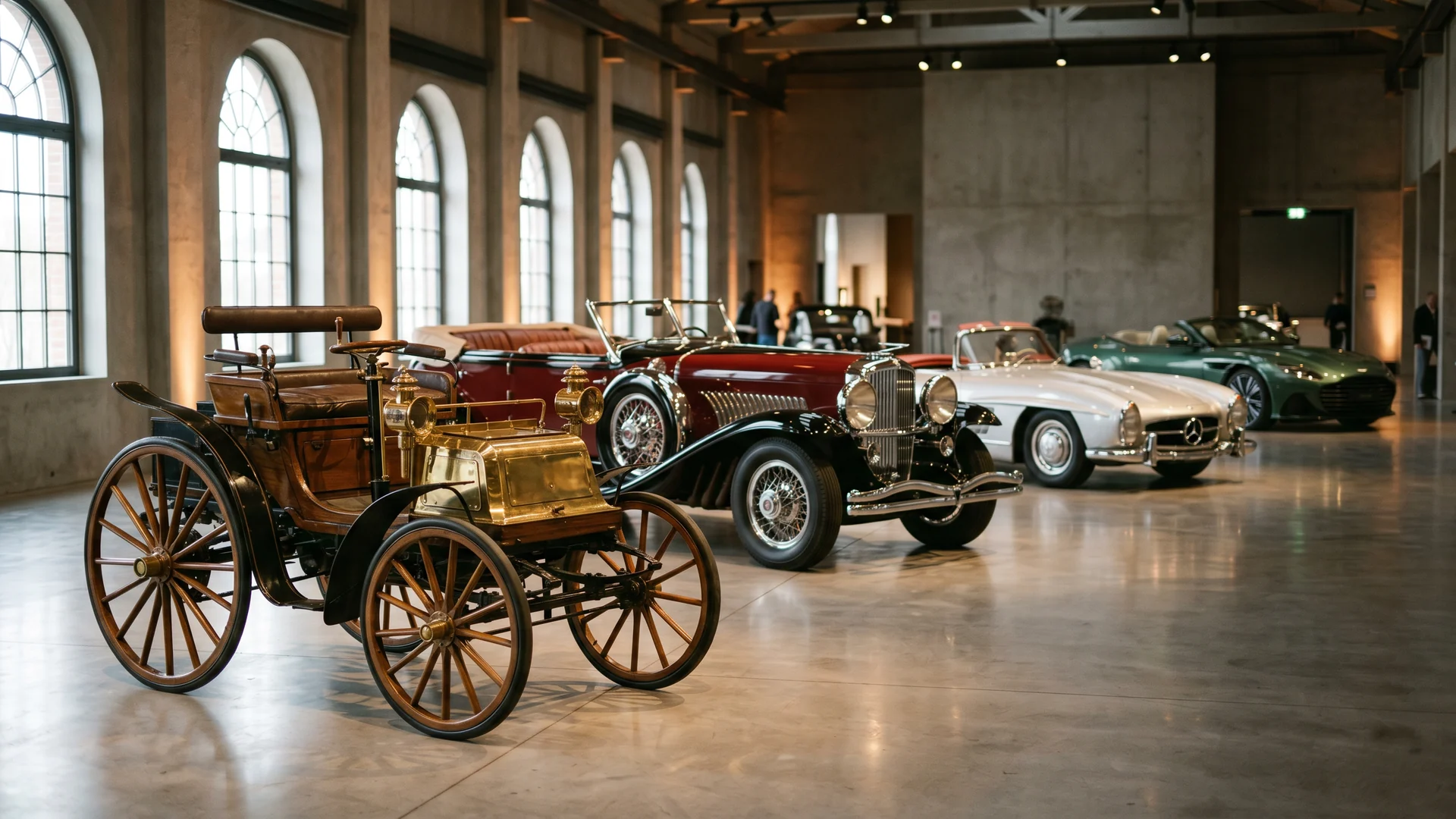
Classic Car History Timeline: From Benz to the Modern Collector Era
Classic car history timeline from the 1886 Benz Patent-Motorwagen through coachbuilding, muscle cars and supercars to modern collectibles. Discover th…