Why Originality Has Become the Ultimate Luxury
The development of mass production techniques during the late 19th and early 20th centuries fundamentally transformed manufacturing processes across multiple industries. This indus…
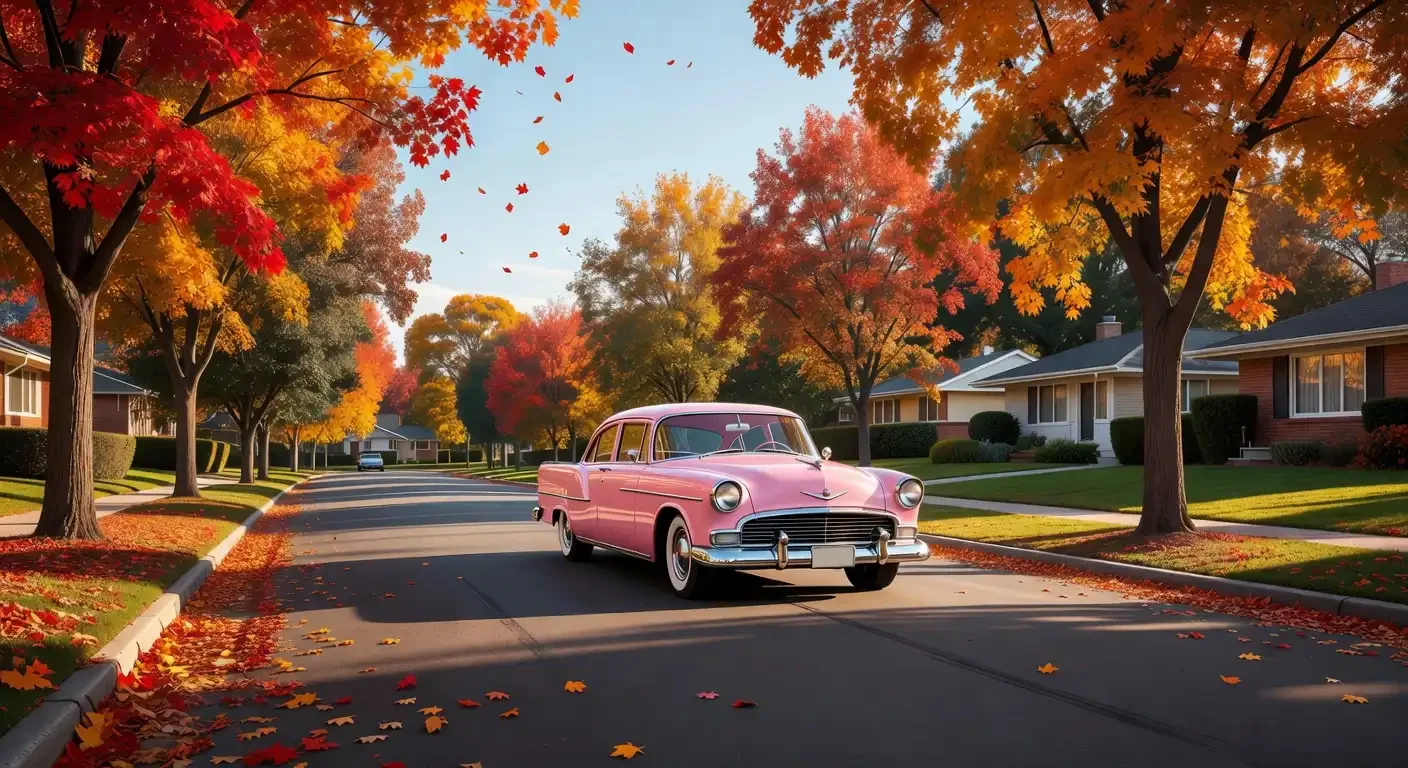
The development of mass production techniques during the late 19th and early 20th centuries fundamentally transformed manufacturing processes across multiple industries. This industrial shift enabled manufacturers to produce goods at volumes and speeds previously unattainable through traditional methods. The increased production capacity reduced per-unit costs, making manufactured products financially accessible to larger segments of the population who had previously been unable to afford such items.
The transition to factory-based production systems resulted in standardized manufacturing processes that prioritized efficiency and cost reduction over individual craftsmanship. Traditional artisanal methods, which had emphasized unique design elements and personalized construction techniques, became economically unviable for most consumer goods. Manufacturing operations focused on streamlining production workflows to maximize output while minimizing labor costs and material waste.
The widespread adoption of mass production created market conditions characterized by product standardization across industries. Consumers encountered increasingly similar products as manufacturers adopted comparable production methods and design approaches to remain competitive. This market environment shifted consumer purchasing patterns toward factors such as price and availability rather than product uniqueness or artisanal quality.
The economic advantages of standardized production established a manufacturing paradigm that continues to influence contemporary industrial practices and consumer markets.
Key Takeaways
- Mass production and globalization have diminished traditional originality, making unique creations rarer.
- Social media amplifies the desire for originality but also promotes homogenized trends.
- Originality is closely tied to personal identity and psychological fulfillment in modern society.
- In the creative economy, originality serves as a key driver of innovation and competitive advantage.
- Maintaining originality is increasingly challenging in the digital age, where it is becoming a luxury status symbol.
The Influence of Social Media on the Pursuit of Originality
In recent years, social media has emerged as a powerful platform for self-expression and creativity. With millions of users sharing their lives online, the pursuit of originality has taken on new dimensions. Social media platforms like Instagram, TikTok, and Pinterest have become breeding grounds for trends, where users often seek to showcase their unique perspectives.
However, this quest for originality is paradoxical; while social media encourages creativity, it also fosters a culture of imitation. The pressure to gain likes and followers can lead individuals to replicate popular trends rather than cultivate their own unique styles. As a result, originality can sometimes feel like a fleeting concept, overshadowed by the desire for validation in a digital landscape.
Yet, amidst this challenge, many creators are finding innovative ways to express their individuality, using social media as a canvas for their original ideas. This dynamic interplay between inspiration and imitation continues to shape the modern understanding of originality.
The Psychological Appeal of Originality in a Homogenized Society
In a world increasingly characterized by sameness, the psychological appeal of originality becomes more pronounced. People yearn for authenticity and uniqueness as a means of self-affirmation. Originality serves as a form of rebellion against the monotony of mass-produced culture, allowing individuals to carve out their identities in meaningful ways.
This desire for distinctiveness is rooted in our innate need for self-expression and recognition. Moreover, originality can enhance one’s sense of belonging and community. When individuals embrace their unique traits and ideas, they often attract like-minded people who appreciate their authenticity.
This connection fosters deeper relationships and creates spaces where originality is celebrated rather than stifled. In this context, originality becomes not just a personal pursuit but a collective movement toward embracing diversity in thought and expression.
The Connection Between Originality and Personal Identity
Originality is intricately linked to personal identity, serving as a reflection of one’s values, beliefs, and experiences. When individuals express their originality, they communicate who they are to the world. This expression can take many forms, artistic endeavors, fashion choices, or even lifestyle decisions, each contributing to a multifaceted identity that is uniquely theirs.
In a society that often pressures conformity, embracing originality can be an act of courage. It allows individuals to break free from societal expectations and assert their individuality. This journey toward self-discovery often involves exploring various influences and inspirations while ultimately synthesizing them into something distinctly personal.
As people navigate this process, they not only define themselves but also inspire others to embrace their own originality.
The Role of Originality in the Creative Economy
The creative economy thrives on originality, driving innovation across various industries such as art, fashion, technology, and entertainment. In this landscape, original ideas are currency; they fuel creativity and inspire new trends. Businesses that prioritize originality often find themselves at the forefront of their respective markets, attracting consumers who seek unique experiences and products.
Moreover, originality fosters collaboration among creators. When individuals share their original ideas, they open doors for others to build upon them, leading to a rich tapestry of innovation. This collaborative spirit is essential in the creative economy, where diverse perspectives can lead to groundbreaking solutions and artistic expressions.
As such, nurturing originality is not just beneficial for individual creators but also vital for the overall health of the creative ecosystem.
Originality as a Status Symbol in Consumer Culture
In contemporary consumer culture, originality has evolved into a status symbol. Unique products or experiences are often perceived as more valuable than their mass-produced counterparts. Consumers are increasingly drawn to brands that emphasize authenticity and craftsmanship, seeking items that reflect their individuality rather than conforming to mainstream trends.
This shift has given rise to niche markets that cater specifically to those seeking original goods. Artisanal products, limited-edition releases, and bespoke services have gained popularity as consumers prioritize quality over quantity.
The Impact of Globalization on the Perception of Originality
Globalization has significantly influenced how we perceive originality in today’s interconnected world. While it has facilitated the exchange of ideas and cultures, it has also led to the commodification of originality. As global brands expand their reach, local artisans and creators often find it challenging to compete with mass-produced alternatives that mimic traditional craftsmanship.
However, globalization has also created opportunities for original voices to be amplified on a global stage. Artists and creators can now share their work with audiences far beyond their local communities, fostering cross-cultural collaborations that celebrate diversity in creativity. This duality highlights the complex relationship between globalization and originality; while it poses challenges, it also opens doors for new forms of expression that transcend geographical boundaries.
The Relationship Between Originality and Innovation
Originality is inherently tied to innovation; without original ideas, progress stagnates. In various fields, be it technology, design, or art, innovation thrives on the foundation of unique concepts that challenge existing norms. Original thinkers push boundaries and inspire others to explore uncharted territories.
Companies that encourage creative thinking often find themselves at the forefront of innovation, developing products and services that resonate with consumers’ evolving needs. This symbiotic relationship between originality and innovation underscores the importance of nurturing creativity in all its forms.
The Intersection of Originality and Sustainability
As society becomes increasingly aware of environmental issues, the intersection of originality and sustainability has gained prominence. Consumers are now seeking original products that align with their values, specifically those that prioritize ethical sourcing and eco-friendly practices. This shift has led to a resurgence in artisanal craftsmanship and sustainable design.
Brands that embrace sustainability while maintaining originality often find themselves resonating with conscious consumers who appreciate authenticity in their purchases. By prioritizing eco-friendly materials and ethical production methods, these brands not only contribute positively to the environment but also create unique offerings that stand out in a crowded marketplace.
The Challenges of Maintaining Originality in a Digital Age
In today’s digital age, maintaining originality presents unique challenges. The ease of access to information and inspiration can lead to unintentional imitation or dilution of original ideas. As trends spread rapidly across social media platforms, distinguishing between genuine creativity and mere replication becomes increasingly difficult.
Additionally, the pressure to conform to popular aesthetics can stifle individual expression. Many creators grapple with balancing their unique voice against the backdrop of trending styles or viral content. To navigate these challenges successfully, individuals must cultivate self-awareness and remain committed to their authentic vision while embracing inspiration from various sources.
The Future of Originality as a Luxury in a Mass-Produced World
Looking ahead, originality may become an even more coveted luxury in an increasingly mass-produced world. As consumers grow weary of uniformity, there will likely be a heightened demand for unique experiences and products that reflect individuality. This shift could lead to a renaissance in artisanal craftsmanship and bespoke services as people seek out authenticity in their purchases.
Moreover, as technology continues to evolve, enabling new forms of creative expression, originality will remain at the forefront of innovation. The challenge will be finding ways to balance technological advancements with the preservation of unique voices in an ever-changing landscape. Ultimately, those who embrace originality will not only thrive but also inspire future generations to value creativity in all its forms.
In conclusion, while mass production may have diminished the prominence of originality in some respects, it has also paved the way for new avenues of expression and creativity. As society continues to navigate these complexities, embracing originality will remain essential for personal identity, cultural diversity, and innovation in an increasingly homogenized world.
FAQs
What does originality mean in the context of luxury?
Originality in luxury refers to the uniqueness and authenticity of a product or experience that distinguishes it from mass-produced or common items. It often involves innovative design, craftsmanship, and a distinct identity that cannot be easily replicated.
Why has originality become more valuable in recent times?
Originality has gained value due to the rise of mass production and globalization, which have made many products widely available and similar. Consumers increasingly seek unique, authentic items that reflect personal identity and exclusivity, making originality a symbol of status and luxury.
How does originality impact the luxury market?
Originality drives demand for bespoke, limited-edition, or artisanal products, encouraging brands to innovate and emphasize craftsmanship. It helps luxury brands differentiate themselves and justify premium pricing by offering something rare and distinctive.
Can originality be considered a form of luxury for everyone?
While originality is often associated with luxury due to its exclusivity and cost, the concept can apply broadly. People may value originality in various forms, such as creative expression or unique experiences, regardless of financial status, though in the luxury market it is typically linked to high-end goods.
What role does creativity play in achieving originality?
Creativity is essential for originality as it involves generating new ideas, designs, or approaches that set a product or service apart. In luxury, creativity leads to innovative craftsmanship, design, and storytelling that enhance the uniqueness and appeal of a brand or item.
How do luxury brands maintain originality?
Luxury brands maintain originality by investing in skilled artisans, using rare materials, limiting production runs, and continuously innovating their designs. They also focus on heritage, storytelling, and personalized customer experiences to reinforce their unique identity.
Is originality always linked to higher cost?
Originality often correlates with higher cost due to the resources required for unique design, craftsmanship, and limited availability. However, the value of originality also depends on consumer perception and the brand’s positioning in the market.
How has technology influenced originality in luxury?
Technology has both challenged and enhanced originality by enabling mass production and imitation but also allowing for innovative design techniques, customization, and new materials. Digital platforms also help brands tell unique stories and connect with niche audiences seeking originality.
What are some examples of originality in luxury products?
Examples include handcrafted watches with unique complications, limited-edition fashion collections, bespoke jewelry, and custom-designed automobiles. These products showcase exceptional craftsmanship, innovative design, and exclusivity.
Why do consumers associate originality with status?
Consumers associate originality with status because owning unique and rare items signals wealth, taste, and individuality. It differentiates them from the mainstream and reflects a higher level of discernment and access to exclusive goods or experiences.
More from Blog
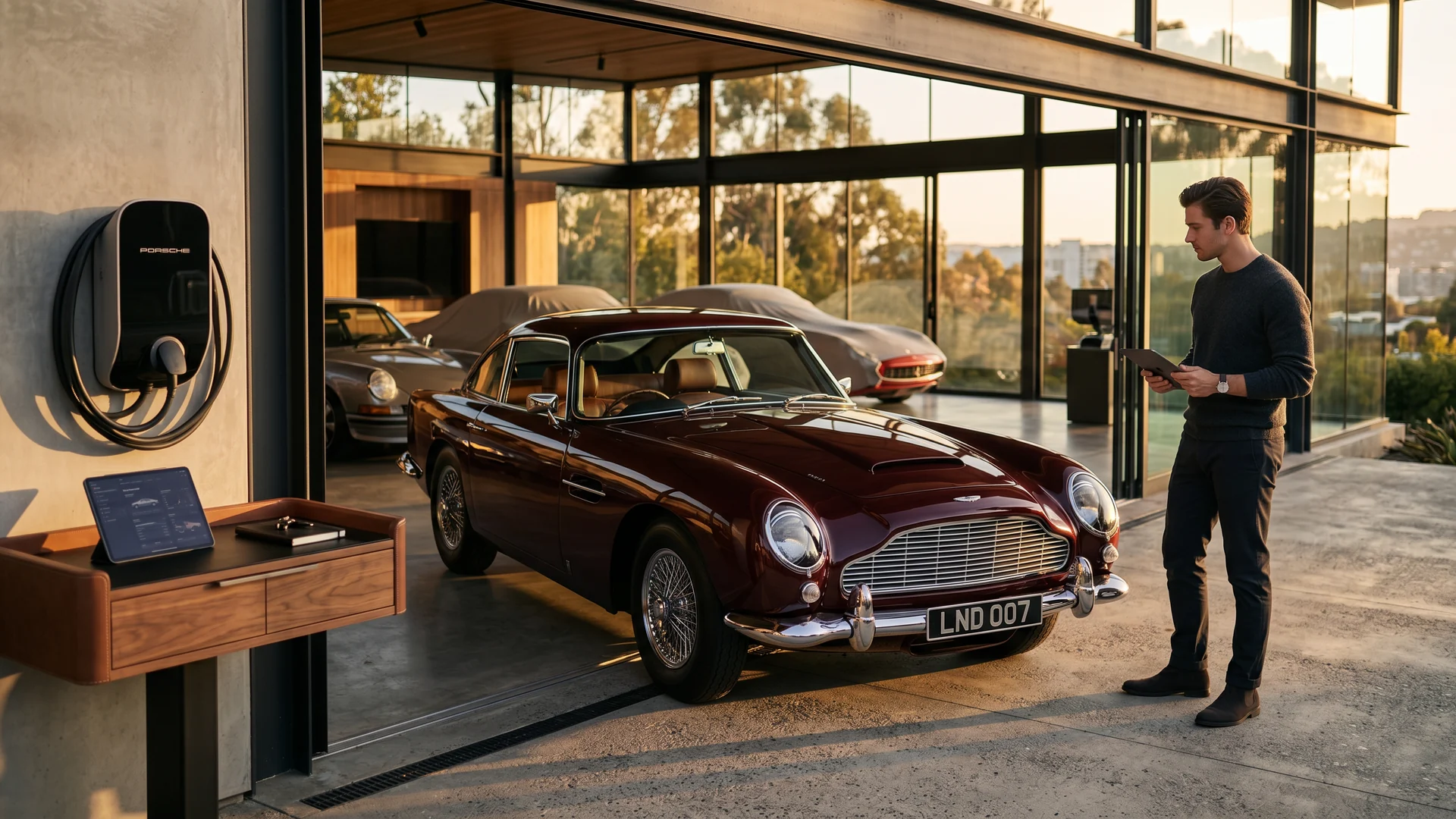
The Future of Classic Car Collecting: Trends Shaping the Next Generation
The future of classic car collecting: why 2035 ICE bans spare existing cars, plus e-fuels, shifting demographics, electromods and fractional ownership…

Classic Car Insurance Guide: Protecting Your Vintage Investment
Classic car insurance guide: why agreed-value policies beat stated and actual cash value, how Hagerty, Grundy and Chubb compare, plus costs and covera…
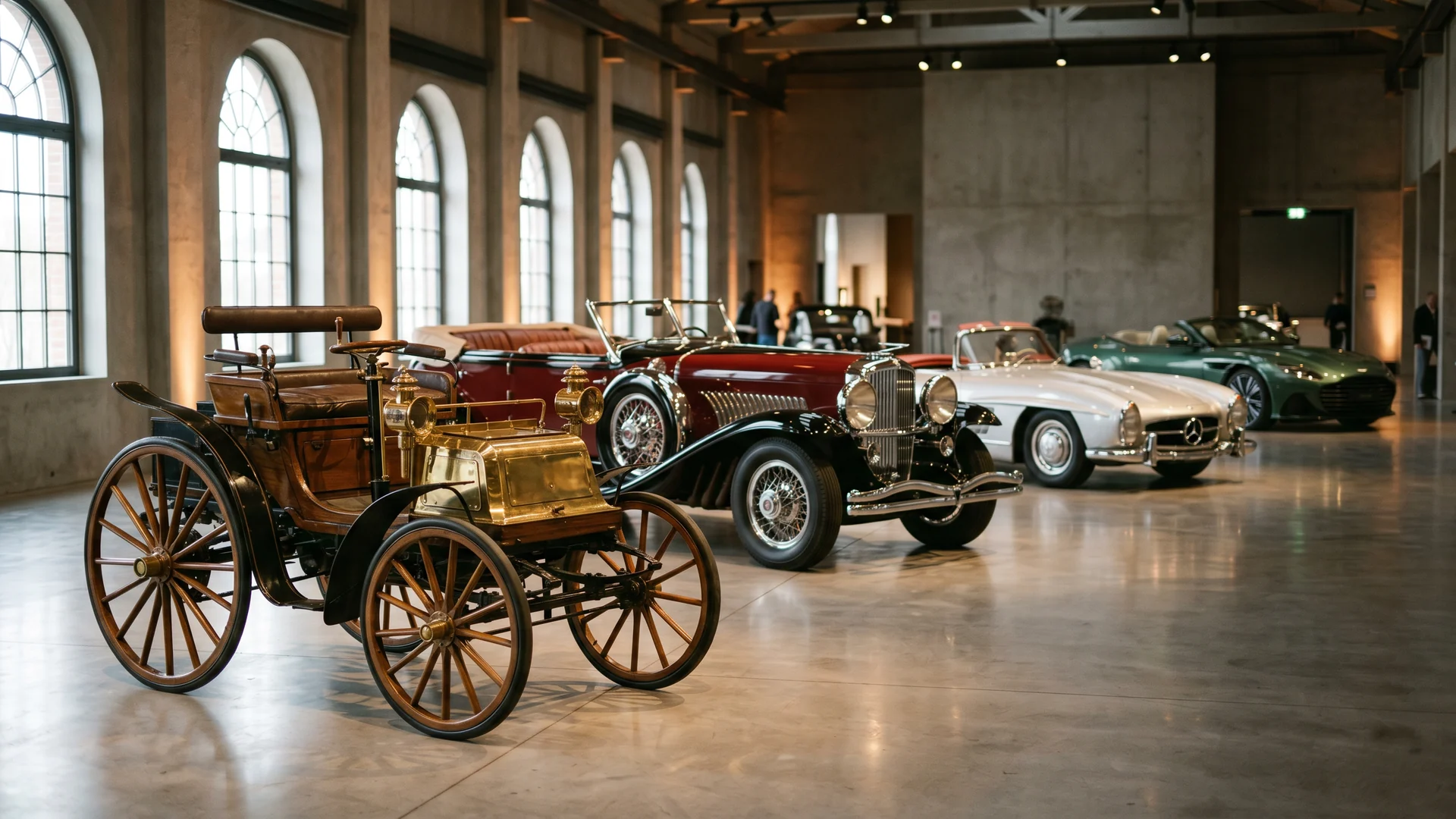
Classic Car History Timeline: From Benz to the Modern Collector Era
Classic car history timeline from the 1886 Benz Patent-Motorwagen through coachbuilding, muscle cars and supercars to modern collectibles. Discover th…