Why Original Paint Is Worth More Than a Full Restoration
Originality serves as a fundamental determinant of value in the collectible automobile market. Automotive collectors and industry experts recognize that a vehicle’s authentic…
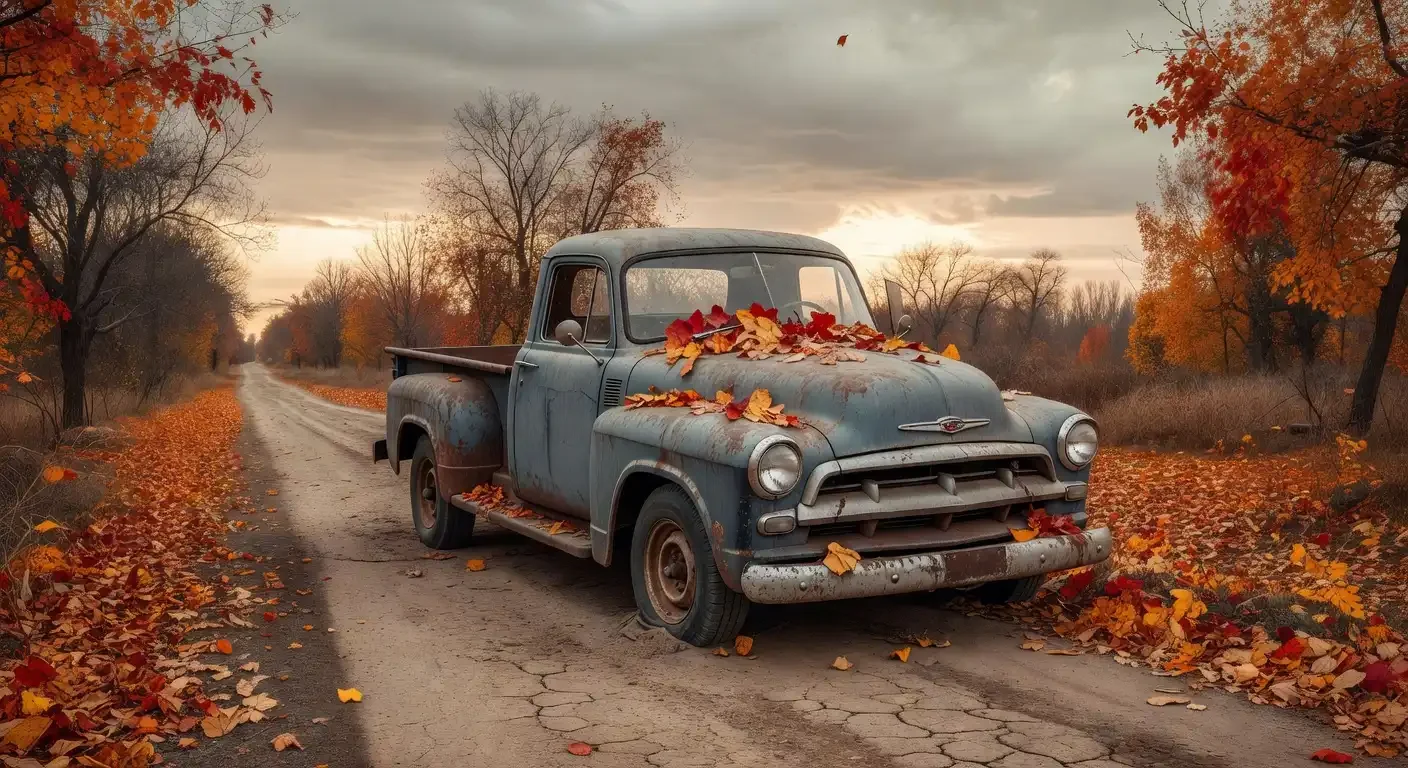
Originality serves as a fundamental determinant of value in the collectible automobile market. Automotive collectors and industry experts recognize that a vehicle’s authenticity directly impacts both its market desirability and monetary worth. Unmodified vehicles, particularly those retaining their factory specifications and components, typically command higher prices than extensively restored examples.
This premium reflects the vehicle’s documented provenance, original manufacturing techniques, and period-correct materials that provide insight into automotive practices of specific eras. The collector market places significant emphasis on vehicles that maintain their original condition due to their historical significance and rarity. As time progresses, finding automobiles with intact original components becomes increasingly difficult, thereby enhancing their scarcity value.
These vehicles serve as tangible representations of automotive evolution, preserving manufacturing methods, design philosophies, and technological innovations from their respective production periods. Original condition vehicles also provide collectors with authentic examples of period automotive engineering and craftsmanship. They demonstrate the materials, assembly techniques, and quality standards employed by manufacturers during specific timeframes.
This historical documentation aspect contributes to their appeal among serious collectors who value automotive heritage and seek to preserve examples of significant automotive developments for future generations.
Key Takeaways
- Original paint significantly enhances the rarity, authenticity, and value of collectible cars.
- Preserving original paint maintains the car’s historical, cultural significance, and unique patina.
- Full restorations can diminish a classic car’s value compared to well-preserved original paint.
- Collectors highly value unaltered original paint, supported by thorough documentation and verification.
- The classic car market increasingly recognizes and appreciates originality, boosting long-term investment potential.
The Rarity and Authenticity of Original Paint
Original paint is one of the most sought-after features in collectible cars. It serves as a testament to the vehicle’s authenticity and condition. Cars with their original paint often command higher prices in the market due to their rarity.
Over time, many vehicles undergo repainting, which can obscure their true history and diminish their value. Therefore, finding a classic car with its original paint intact is akin to discovering a hidden gem. The authenticity of original paint also plays a crucial role in establishing a car’s provenance.
Collectors are keenly aware that original paint can provide insights into the car’s past, including its maintenance history and any potential accidents it may have endured. This information is invaluable when assessing a vehicle’s overall condition and value, making original paint a critical factor in the collectible car market.
The Historical and Cultural Significance of Original Paint
Original paint carries significant historical and cultural weight. Each layer of paint tells a story about the car’s journey through time, reflecting the trends and tastes of its era. For instance, certain colors may have been popular during specific decades, making them emblematic of that period’s automotive design philosophy.
Collectors often seek out these unique color combinations to enhance their collections and preserve automotive history. Furthermore, original paint can serve as a cultural artifact, representing the social and economic conditions of its time. Cars with original paint can evoke memories of significant events or movements, making them more than just vehicles; they become symbols of cultural identity.
The Preservation of Patina and Character in Original Paint
Patina is often celebrated in the classic car community as a sign of authenticity and character. Original paint that has aged gracefully can tell a story of its own, showcasing the wear and tear that comes with time. Many collectors prefer cars with well-preserved patina over those that have been fully restored, as they appreciate the unique character that comes with age.
This natural aging process can enhance a car’s charm, making it more appealing to enthusiasts who value originality. Preserving patina requires careful consideration and maintenance. While some collectors may choose to leave their cars in their original state, others may opt for light touch-ups to protect the paint without compromising its integrity.
This balance between preservation and restoration is crucial for maintaining the car’s character while ensuring it remains a valuable asset in the collector’s portfolio.
The Impact of Full Restorations on the Value of Classic Cars
Full restorations can significantly impact the value of classic cars, often leading to heated debates among collectors. While some argue that restoring a vehicle to its former glory enhances its appeal, others believe that such modifications can detract from its originality and historical significance. A full restoration typically involves stripping the car down to its bare frame and rebuilding it with new parts, which can lead to a loss of authenticity.
The value implications of full restorations vary depending on several factors, including the make and model of the car, its rarity, and the quality of the restoration work. In some cases, a well-executed restoration can increase a car’s market value, especially if it enhances performance or safety features. However, for many collectors, an original car remains more desirable than a restored one, as it retains its historical integrity and connection to its past.
The Investment Potential of Original Paint Cars
Investing in original paint cars can be a lucrative endeavor for collectors. As demand for authentic vehicles continues to rise, cars with original paint are often seen as sound investments. Their rarity and historical significance contribute to their long-term value appreciation, making them attractive options for those looking to diversify their investment portfolios.
Moreover, original paint cars tend to hold their value better than restored vehicles. Collectors are increasingly recognizing the importance of originality in determining a car’s worth, leading to higher prices for well-preserved examples. As more enthusiasts enter the market, the competition for original paint cars will likely drive prices even higher, solidifying their status as valuable assets.
The Appeal of Unaltered Original Paint to Collectors
Unaltered original paint holds immense appeal for collectors who prioritize authenticity in their acquisitions. These vehicles represent a direct link to automotive history, allowing collectors to experience the craftsmanship and design choices made by manufacturers decades ago. The allure of unaltered original paint lies in its ability to transport enthusiasts back in time, offering a glimpse into the past that restored cars simply cannot replicate.
Additionally, unaltered original paint often signifies that a vehicle has been well cared for throughout its life. Collectors appreciate knowing that they are acquiring a car that has retained its integrity over time. This connection to the vehicle’s history enhances its desirability and value within the collector community.
The Documentation and Verification of Original Paint
Documentation plays a crucial role in verifying original paint claims. Collectors should seek out comprehensive records that detail the car’s history, including previous ownership, maintenance records, and any restoration work performed. This documentation can help establish provenance and provide assurance that the vehicle retains its original paint.
In addition to paperwork, third-party inspections can offer further validation of a car’s originality. Experts can assess the condition of the paint and identify any signs of touch-ups or repainting. This level of scrutiny is essential for collectors who want to ensure they are making informed purchasing decisions based on accurate information about the vehicle’s authenticity.
The Recognition and Appreciation of Originality in the Classic Car Community
The classic car community has increasingly recognized and appreciated originality as a key factor in determining a vehicle’s value. Events such as car shows and auctions often feature categories specifically dedicated to original cars, highlighting their significance within the collector landscape. This growing recognition has led to an increased demand for vehicles that retain their original features, including paint.
Moreover, forums and online communities dedicated to classic cars have fostered discussions around originality and its importance in preserving automotive heritage. Collectors share their experiences and insights on maintaining original paint and preserving authenticity, creating a culture that values originality over modifications.
The Long-Term Value and Appreciation of Original Paint Cars
The long-term value of original paint cars is supported by several factors, including rarity, historical significance, and collector demand. As more enthusiasts enter the market seeking authentic vehicles, prices for well-preserved examples are likely to continue rising. This trend underscores the importance of investing in original paint cars as valuable assets that can appreciate over time.
” This shift could further elevate the status of original paint cars within the collector community, solidifying their place as coveted items that command premium prices.
The Future of Original Paint in the Classic Car Market
The future of original paint in the classic car market appears bright as collectors continue to prioritize authenticity over modifications. As awareness grows around the importance of preserving automotive history, more enthusiasts are likely to seek out vehicles with unaltered original paint. This trend could lead to increased demand for such cars, driving prices higher.
Furthermore, as younger generations become involved in collecting classic cars, there may be a renewed appreciation for originality and craftsmanship. This shift could further solidify the status of original paint as a key factor in determining value within the classic car market. In conclusion, originality plays an essential role in defining collectible cars’ value and desirability.
From rarity and authenticity to historical significance and investment potential, original paint remains a focal point for collectors seeking to preserve automotive heritage while enjoying long-term appreciation in value. As we look ahead, it is clear that original paint will continue to hold a special place in the hearts of enthusiasts and collectors alike.
FAQs
What is meant by “original paint” on a vehicle?
Original paint refers to the factory-applied paint that a vehicle has had since it was first manufactured, without any repainting or refinishing done afterward.
Why is original paint considered valuable?
Original paint is valued because it indicates the vehicle has not undergone major body repairs or repainting, preserving its authenticity and originality, which is often important to collectors and enthusiasts.
How does original paint affect a car’s resale value?
Cars with original paint typically command higher resale values, especially in the classic and collector car markets, as they are seen as more authentic and less altered than vehicles that have been fully restored.
What is a full restoration in the context of vehicles?
A full restoration involves disassembling a vehicle and repairing or replacing parts, including repainting the body, to return it to like-new condition.
Why might a full restoration lower a vehicle’s value compared to original paint?
A full restoration can sometimes lower value because it may reduce the vehicle’s originality and historical integrity, and restorations can vary in quality, potentially affecting authenticity.
Are there situations where a full restoration is preferable to original paint?
Yes, if the original paint is severely damaged, rusted, or compromised, a full restoration may be necessary to preserve the vehicle’s structural integrity and usability.
How can one verify if a vehicle’s paint is original?
Verification can be done through paint thickness measurements, inspection of factory markings, documentation, and expert evaluation to determine if the paint is factory-applied.
Does original paint guarantee a vehicle is in perfect condition?
No, original paint does not guarantee perfect condition; it may have wear, fading, or minor imperfections, but it does indicate the vehicle has not been repainted.
Is original paint important for all types of vehicles?
Original paint is especially important for classic, vintage, and collector vehicles where authenticity is prized, but it may be less critical for everyday or newer vehicles.
Can a vehicle with original paint still be restored?
Yes, vehicles with original paint can be restored, but many collectors prefer to preserve the original paint and perform only necessary maintenance to maintain originality.
More from Blog
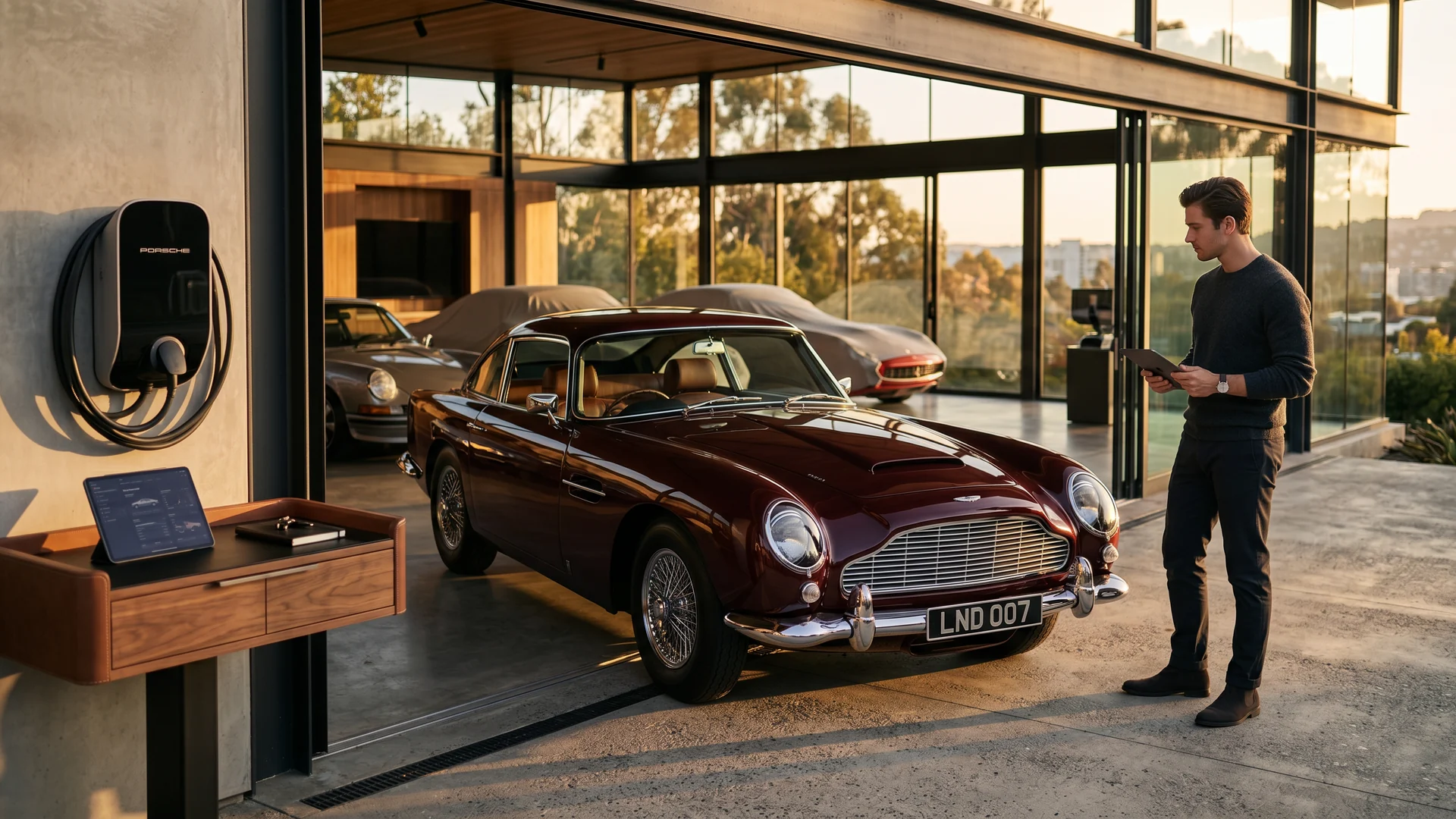
The Future of Classic Car Collecting: Trends Shaping the Next Generation
The future of classic car collecting: why 2035 ICE bans spare existing cars, plus e-fuels, shifting demographics, electromods and fractional ownership…
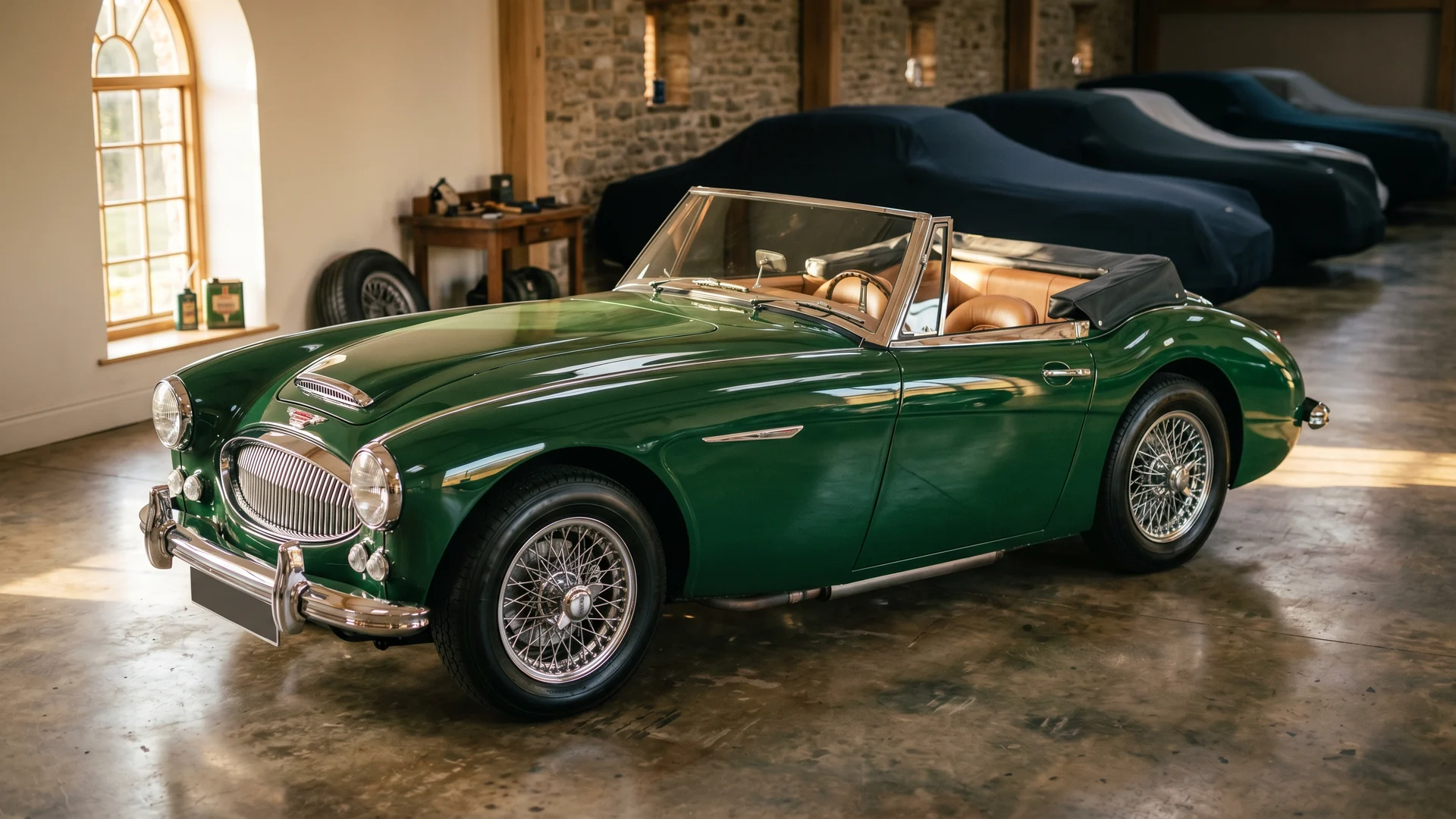
Classic Car Insurance Guide: Protecting Your Vintage Investment
Classic car insurance guide: why agreed-value policies beat stated and actual cash value, how Hagerty, Grundy and Chubb compare, plus costs and covera…
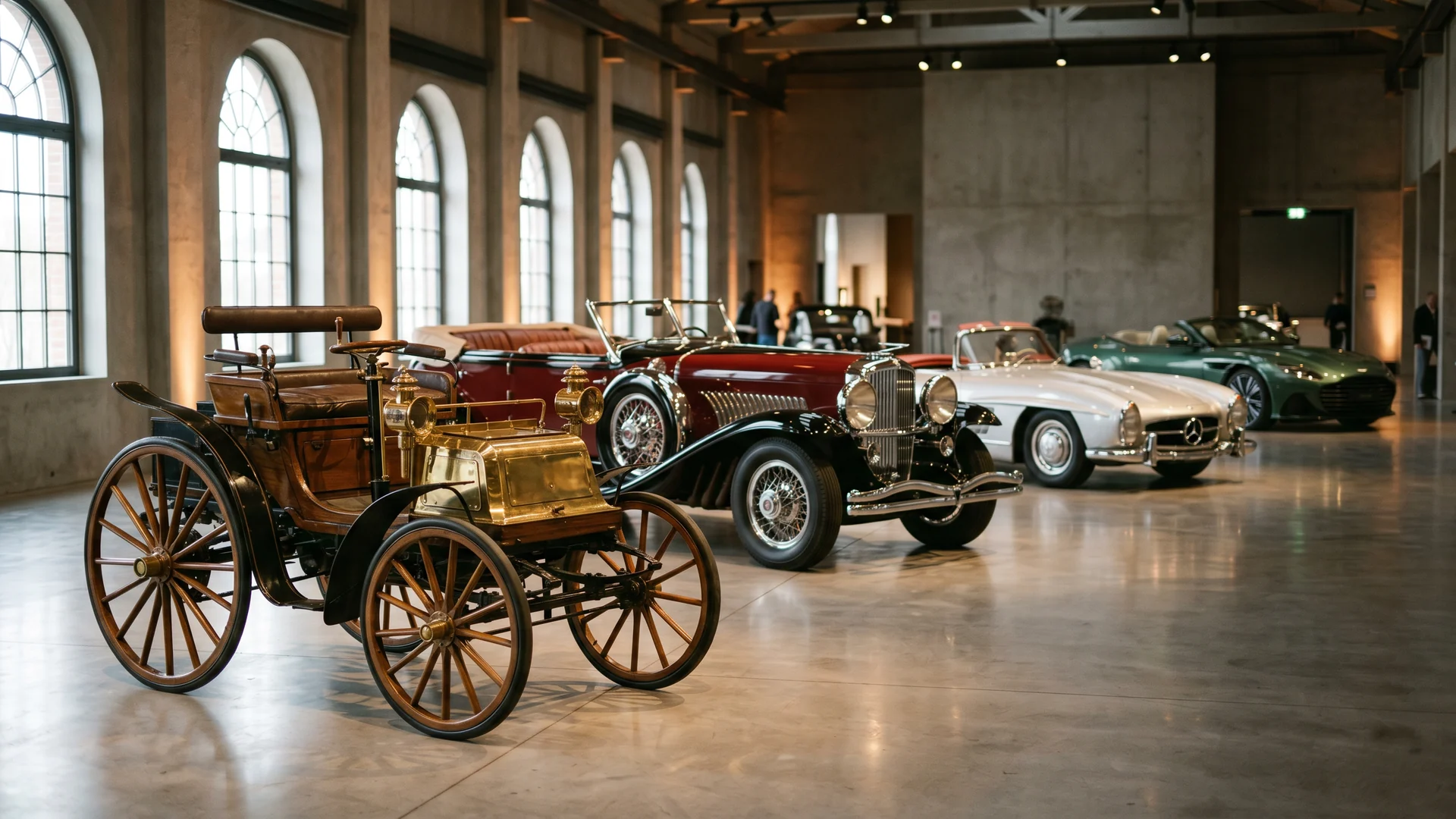
Classic Car History Timeline: From Benz to the Modern Collector Era
Classic car history timeline from the 1886 Benz Patent-Motorwagen through coachbuilding, muscle cars and supercars to modern collectibles. Discover th…