Why Original Engine Classic Cars Command Insane Premiums
Original engine classic cars are vintage automobiles that retain their factory-installed powertrains, maintaining their historical authenticity and mechanical integrity as designed…
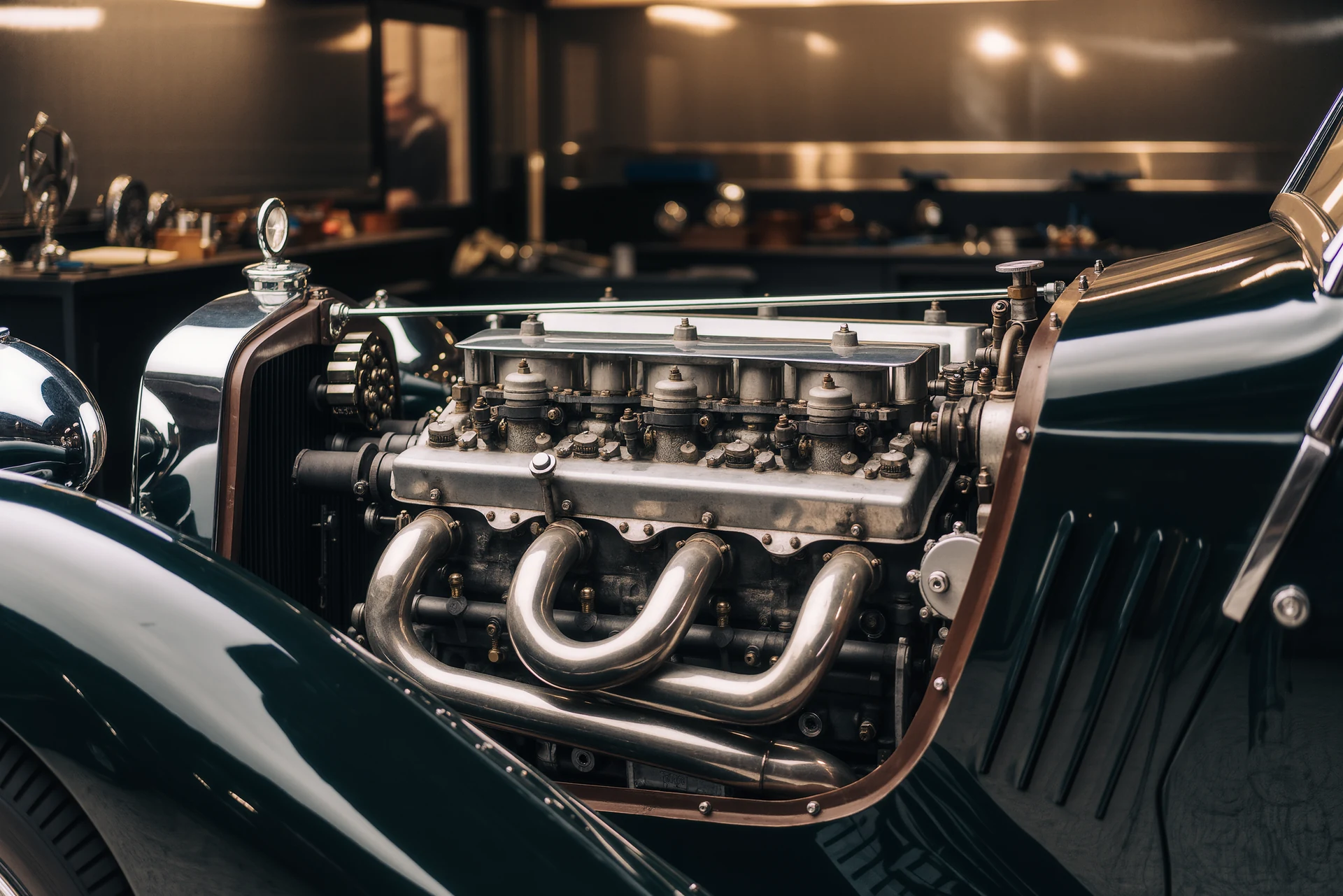
Original engine classic cars are vintage automobiles that retain their factory-installed powertrains, maintaining their historical authenticity and mechanical integrity as designed by the manufacturer. These vehicles serve as preserved examples of automotive engineering from specific time periods, offering insight into the technological capabilities and design philosophies of their respective eras. The market value of original engine classic cars typically demonstrates appreciation over time, particularly for well-maintained examples of significant models.
This appreciation stems from their decreasing availability as original components become scarcer and more vehicles undergo modifications or restorations with non-original parts. The driving characteristics of these vehicles differ substantially from contemporary automobiles due to variations in engine technology, transmission systems, suspension design, and overall engineering approaches prevalent during their production periods. Original engine classic cars provide documentation of automotive evolution, showcasing the progression of manufacturing techniques, materials science, and performance capabilities across different decades.
Their preservation contributes to automotive historical records and enables comparative analysis of technological development within the industry.
Key Takeaways
- Original engine classic cars are prized for their authenticity and historical significance.
- They offer a unique driving experience that reflects their era’s performance standards.
- These vehicles hold strong investment potential due to their rarity and collectible appeal.
- Restoration and preservation can be costly but are essential to maintain originality.
- Celebrity ownership and enthusiast demand significantly influence their market value.
The Rarity and Authenticity Factor
One of the most compelling aspects of original engine classic cars is their rarity. Many models were produced in limited quantities, making them hard to find today. This scarcity adds to their allure and drives up demand among collectors.
When a car is equipped with its original engine, it becomes even more valuable, as it signifies authenticity and adherence to the manufacturer’s original specifications. Collectors often seek out these vehicles not just for their beauty but for the story they tell about automotive history. Authenticity is paramount in the classic car community.
A vehicle that retains its original engine is often viewed as more desirable than one that has undergone significant modifications or restorations. This authenticity can be verified through documentation, such as build sheets or original sales invoices, which provide proof of the car’s lineage. The combination of rarity and authenticity creates a unique market dynamic where original engine classic cars can command premium prices at auctions and private sales.
Historical Significance and Heritage
Original engine classic cars are not just vehicles; they are artifacts that embody the cultural and technological advancements of their time.
For instance, cars from the 1950s showcase the post-war optimism and burgeoning consumer culture, while models from the 1970s may reflect the energy crises and changing regulations.
Owning an original engine classic car allows enthusiasts to connect with this rich heritage. It’s an opportunity to appreciate the craftsmanship that went into each vehicle and to understand its place in automotive history. Many collectors take pride in preserving these cars not just for personal enjoyment but also as a way to honor the legacy of the manufacturers and the era they represent.
This historical significance adds another layer of value to original engine classic cars, making them treasures worth preserving.
The Performance and Driving Experience
Driving an original engine classic car offers a unique experience that modern vehicles often cannot replicate. The sound of a vintage engine roaring to life, the feel of a manual transmission engaging, and the tactile feedback from steering are all part of what makes driving these classics so special. Many enthusiasts describe it as a visceral experience that connects them to the road in a way that contemporary cars do not.
Performance-wise, original engine classic cars can vary significantly based on their design and engineering. Some models are known for their raw power and speed, while others may excel in handling or comfort. Regardless of their performance characteristics, these vehicles often provide a sense of nostalgia that enhances the driving experience.
For many owners, it’s not just about getting from point A to point B; it’s about enjoying every moment spent behind the wheel.
The Investment Value
Investing in original engine classic cars can be a lucrative endeavor for those who understand the market dynamics. As demand for these vehicles continues to grow, so does their value. Many classic cars have seen significant appreciation over the years, making them attractive options for investors looking to diversify their portfolios.
Factors such as rarity, condition, and historical significance all play crucial roles in determining a car’s investment potential. Moreover, original engine classic cars often hold their value better than other types of collectibles. Unlike stocks or bonds, which can fluctuate wildly based on market conditions, classic cars tend to appreciate steadily over time.
This stability makes them appealing not only for collectors but also for those looking for alternative investment opportunities. With proper care and maintenance, an original engine classic car can become a valuable asset that appreciates while providing enjoyment along the way.
The Collectible Appeal
The collectible appeal of original engine classic cars is undeniable. For many enthusiasts, collecting these vehicles is a passion that transcends mere ownership; it’s about building a legacy and sharing a love for automotive history with others. Classic car shows, clubs, and online forums provide platforms for collectors to connect, share knowledge, and showcase their prized possessions.
Collectors often focus on specific brands or eras, creating niche markets within the broader classic car community. This specialization can lead to increased demand for certain models, further driving up their value. Additionally, owning an original engine classic car can foster camaraderie among collectors who share similar interests and passions.
The thrill of finding a rare model or completing a restoration project adds to the excitement of being part of this vibrant community.
The Restoration and Preservation Costs
While owning an original engine classic car can be rewarding, it’s essential to consider the costs associated with restoration and preservation. Maintaining these vehicles often requires specialized knowledge and skills, which can lead to higher repair costs compared to modern cars. Parts for older models may be scarce or expensive, making sourcing components a challenge for owners.
Restoration projects can also be time-consuming and costly. Depending on the condition of the vehicle and the extent of work needed, owners may find themselves investing significant amounts into bringing a classic car back to its former glory. However, many enthusiasts view this as part of the journey; restoring a classic car can be a labor of love that enhances its value and personal significance.
The Limited Availability
The limited availability of original engine classic cars adds to their desirability among collectors and enthusiasts alike. As time passes, fewer examples remain on the road due to accidents, wear and tear, or modifications that alter their authenticity. This dwindling supply creates a competitive market where buyers are often willing to pay premium prices for well-preserved models.
Finding an original engine classic car can be akin to searching for hidden treasure. Enthusiasts often scour auctions, estate sales, and online marketplaces in hopes of discovering rare finds. This hunt for limited availability fuels excitement within the community and reinforces the notion that owning such a vehicle is not just about possession but also about being part of an exclusive club.
The Influence of Celebrity Ownership
Celebrity ownership can significantly impact the desirability and value of original engine classic cars. When a famous individual is associated with a particular model or brand, it often elevates its status among collectors. Cars once owned by celebrities can fetch astronomical prices at auctions due to their unique provenance.
This phenomenon highlights how cultural influences shape market trends within the classic car community. Enthusiasts may seek out models linked to iconic figures in film, music, or sports as a way to connect with that celebrity’s legacy.
The Demand from Enthusiasts and Collectors
The demand for original engine classic cars continues to grow as more enthusiasts enter the market. Younger generations are discovering the charm and character of these vehicles, leading to increased interest in collecting and restoring them. This trend is bolstered by social media platforms where enthusiasts share their experiences and showcase their collections.
As demand rises, so does competition among buyers seeking rare models or pristine examples. This heightened interest can drive prices up but also encourages innovation within restoration practices as owners strive to maintain authenticity while enhancing performance. The vibrant community surrounding original engine classic cars ensures that this passion will endure for years to come.
The Future of Original Engine Classic Cars
The future of original engine classic cars looks promising as interest continues to grow among collectors and enthusiasts alike. With their rarity, historical significance, and unique driving experiences, these vehicles will likely remain sought after in both investment circles and automotive communities. As younger generations embrace classic cars as symbols of nostalgia and craftsmanship, we can expect continued appreciation in value.
Moreover, advancements in restoration techniques and preservation methods will help ensure that these vehicles remain roadworthy for years to come. As long as there are passionate individuals dedicated to preserving automotive history, original engine classic cars will continue to thrive as cherished collectibles that connect us with our past while paving the way for future generations of enthusiasts.
FAQs
What does “original engine” mean in classic cars?
An “original engine” refers to the engine that was installed in the car when it was first manufactured and has not been replaced or significantly altered since then.
Why do classic cars with original engines command higher prices?
Classic cars with original engines are often considered more authentic and valuable because they retain their factory specifications, which appeals to collectors and enthusiasts seeking originality and historical accuracy.
How does engine originality affect a classic car’s value?
Engine originality can significantly increase a classic car’s value, sometimes by tens of thousands of dollars, as it assures buyers of the car’s authenticity and often its mechanical integrity.
Are there any risks associated with buying a classic car with a non-original engine?
Yes, cars with non-original engines may be less desirable to collectors, potentially have lower resale value, and might not qualify for certain classic car events or registrations that require originality.
Can an engine be restored to be considered “original”?
Restoration can return an engine to factory specifications, but it typically does not change the fact that the engine is original or not. An engine replacement is different from a restoration of the original engine.
How can buyers verify if a classic car has its original engine?
Buyers can verify engine originality by checking the engine serial numbers against factory records, reviewing documentation, and consulting with experts or appraisers familiar with the specific make and model.
Do all classic car collectors prioritize original engines equally?
No, preferences vary among collectors. Some prioritize originality highly, while others may focus more on performance or aesthetics, but original engines generally command a premium in the market.
Does the condition of the original engine affect the car’s premium?
Yes, the condition of the original engine impacts the premium. A well-maintained or properly restored original engine will command a higher price than one in poor condition.
Are there specific classic car models where original engines are especially valued?
Yes, certain rare or historically significant models, such as limited editions or cars with racing heritage, often see a greater premium for original engines due to their collectible status.
How does the rarity of the original engine influence the car’s value?
The rarer the original engine, especially if it features unique specifications or limited production runs, the higher the premium it can add to the classic car’s overall value.
More from Blog
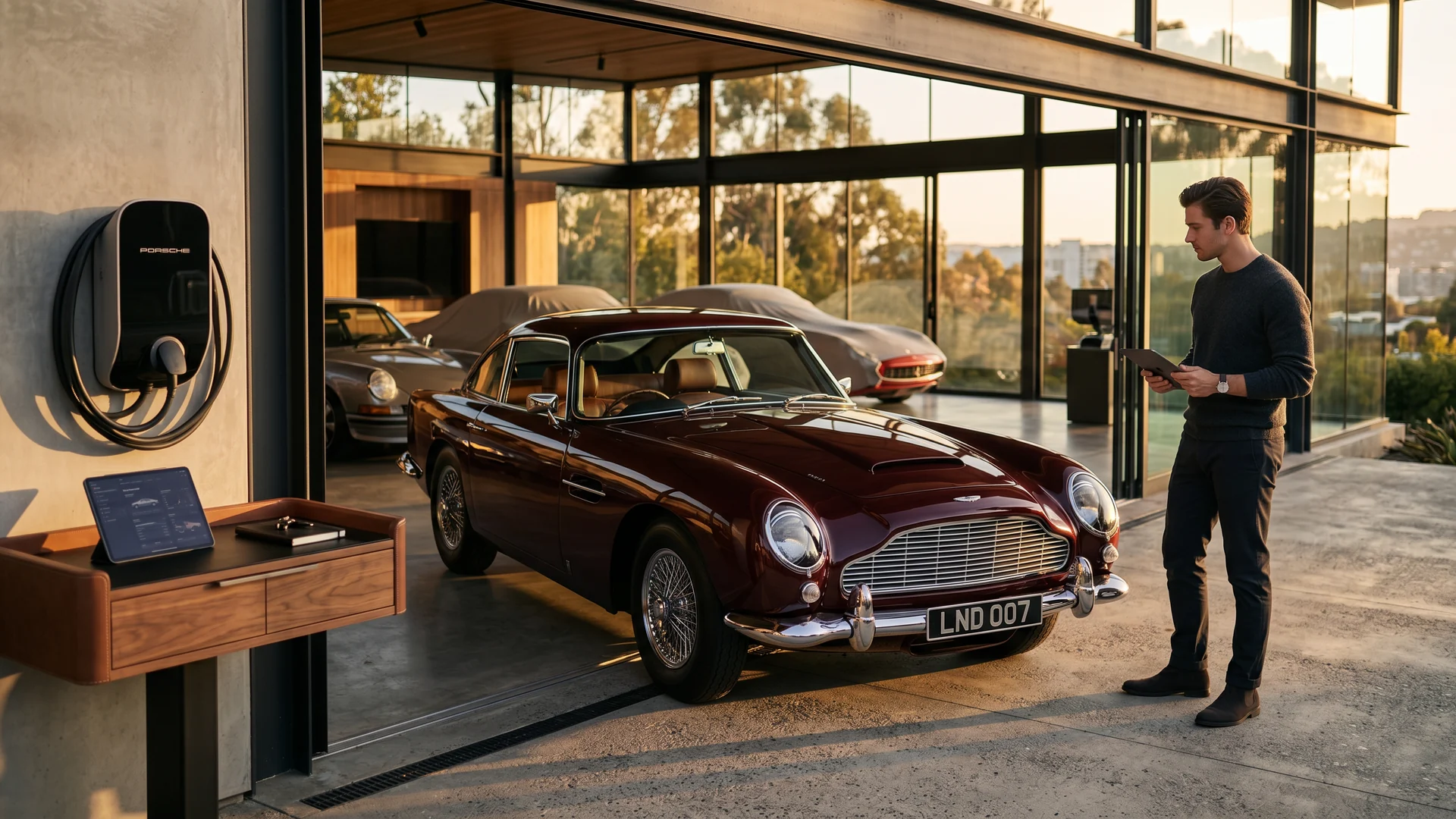
The Future of Classic Car Collecting: Trends Shaping the Next Generation
The future of classic car collecting: why 2035 ICE bans spare existing cars, plus e-fuels, shifting demographics, electromods and fractional ownership…
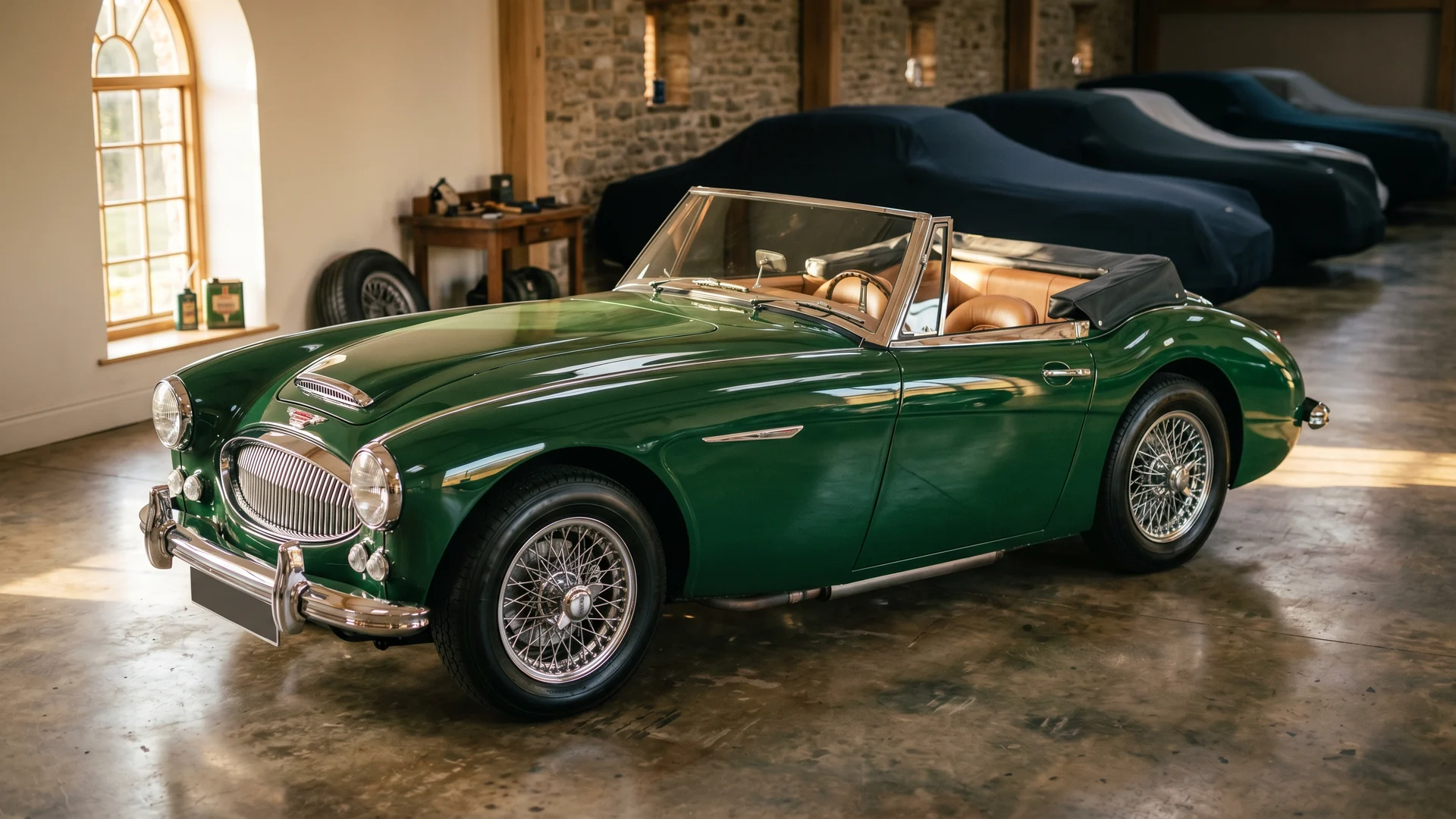
Classic Car Insurance Guide: Protecting Your Vintage Investment
Classic car insurance guide: why agreed-value policies beat stated and actual cash value, how Hagerty, Grundy and Chubb compare, plus costs and covera…
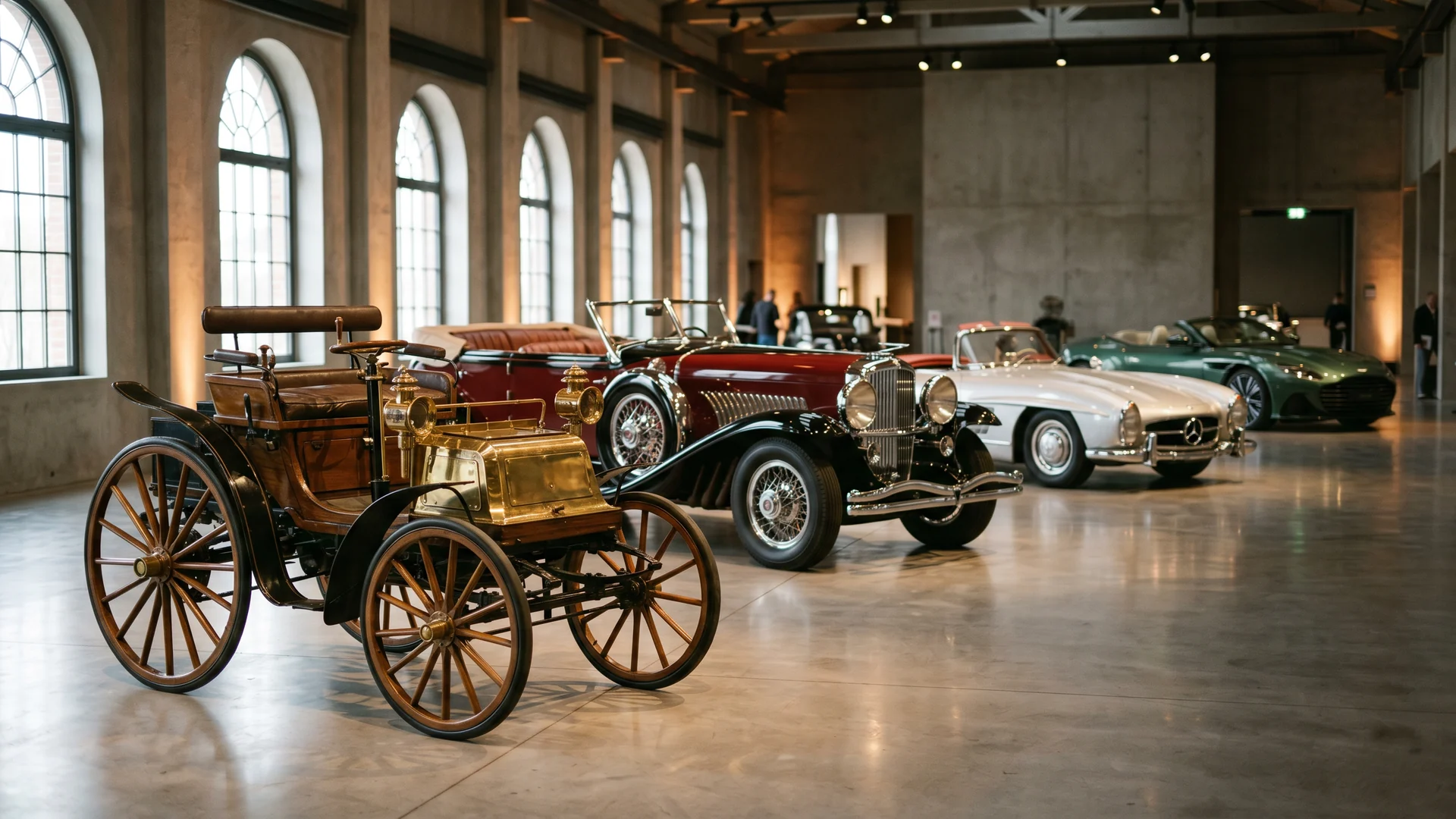
Classic Car History Timeline: From Benz to the Modern Collector Era
Classic car history timeline from the 1886 Benz Patent-Motorwagen through coachbuilding, muscle cars and supercars to modern collectibles. Discover th…