Why Oldtimer Values Ignore Logic and Reward Insiders
Classic automobiles generate significant emotional attachment among collectors and enthusiasts. These vehicles function as tangible connections to historical periods, often trigger…
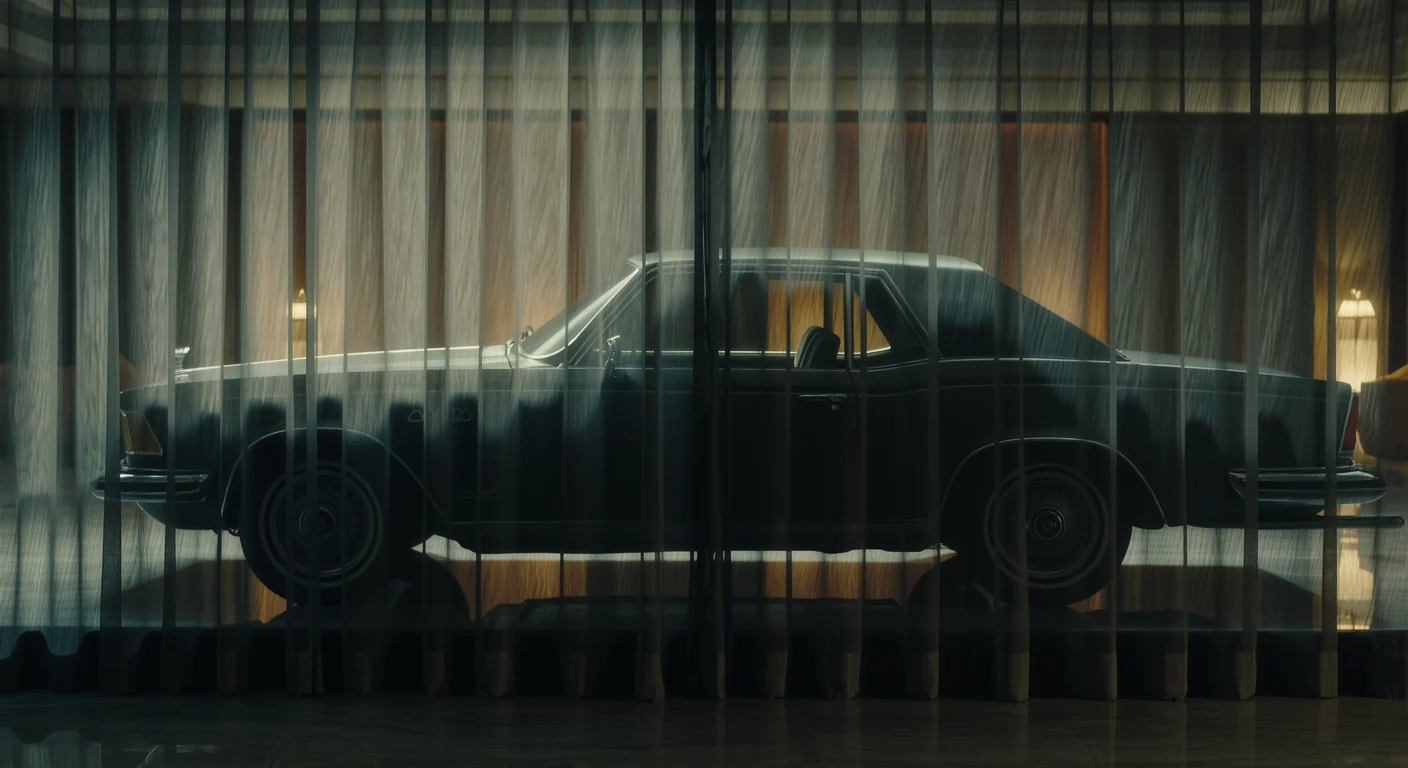
Classic automobiles generate significant emotional attachment among collectors and enthusiasts. These vehicles function as tangible connections to historical periods, often triggering nostalgic responses and personal memories. Research indicates that emotional factors substantially influence classic car valuations, as purchasers frequently prioritize historical significance and personal resonance over purely functional considerations.
The provenance and historical narrative of individual vehicles significantly impact their market value. Documentation of previous ownership, particularly by notable figures, or family heritage spanning multiple generations creates additional value beyond mechanical condition and rarity. Market analysis demonstrates that vehicles with well-documented histories and compelling backstories command premium prices, as buyers incorporate emotional satisfaction into their purchasing decisions.
This psychological component of valuation often results in prices exceeding purely objective assessments based on condition, rarity, and performance specifications.
Key Takeaways
- Emotional connection and nostalgia significantly enhance the appeal and value of oldtimers.
- Rarity, historical significance, and celebrity ownership are key factors that drive up oldtimer prices.
- Restorations and customizations can either increase or decrease value depending on authenticity and quality.
- Auction houses, dealers, collectors, and media play crucial roles in shaping market perceptions and values.
- Speculation, investment trends, and insider knowledge influence the future trajectory of oldtimer values.
The Influence of Rarity on Oldtimer Values
Rarity is one of the most significant factors influencing the value of oldtimers. The fewer the number of a particular model produced, the more desirable it becomes among collectors. Limited production runs create an inherent scarcity that drives demand.
Collectors understand that owning such a vehicle is not just about having a car; it’s about possessing a piece of automotive history that few others can claim. Additionally, rarity can be influenced by various factors, including the car’s age, condition, and historical significance.
Models that were once common may become rare over time due to accidents, neglect, or modifications. As these vehicles become harder to find, their value can increase significantly. Collectors often keep a keen eye on market trends and production numbers to identify potential investments that may appreciate in value due to their rarity.
The Role of History and Heritage in Oldtimer Values
The historical significance of an oldtimer plays a crucial role in its valuation. Cars that have been part of significant events or have connections to notable figures often carry higher price tags. For example, vehicles used in famous films or owned by celebrities can fetch premium prices due to their storied pasts.
This historical context adds layers of value that go beyond mere mechanics and aesthetics. Heritage also plays a vital role in shaping the desirability of certain brands and models. Manufacturers with a rich history, such as Ford or Mercedes-Benz, often see their classic models appreciate in value as collectors seek to own a piece of that legacy.
The craftsmanship and innovation associated with these brands contribute to their allure, making them highly sought after in the collector’s market. As enthusiasts delve into the history of these vehicles, they often find themselves captivated by the stories that define them.
The Impact of Celebrity Ownership on Oldtimer Values
Celebrity ownership can significantly elevate the value of an oldtimer. When a vehicle is linked to a famous personality, it often becomes more desirable to collectors and fans alike. For instance, cars once owned by Hollywood stars or sports legends can see their values skyrocket at auctions.
This phenomenon occurs because buyers are not just purchasing a car; they are acquiring a piece of pop culture history. Moreover, celebrity endorsements can create trends within the collector community. When a well-known figure showcases their vintage car on social media or at public events, it can spark interest and drive demand for similar models.
Collectors often look to celebrities for inspiration on what to buy, leading to increased competition and higher prices for specific makes and models associated with these influential figures.
The Effect of Restorations and Customizations on Oldtimer Values
Restorations and customizations can have a profound impact on the value of oldtimers. A well-executed restoration can enhance a vehicle’s appeal and marketability, often leading to increased valuations. Collectors appreciate cars that have been meticulously restored to their original specifications, as this reflects both craftsmanship and dedication to preserving automotive history.
However, customizations can be a double-edged sword. While some modifications may enhance performance or aesthetics, others can detract from the vehicle’s historical value. Collectors typically prefer original parts and factory specifications, as these elements contribute to the authenticity of the car.
Therefore, it is essential for owners to carefully consider the implications of any modifications they make, as they can significantly influence future resale values.
The Power of Nostalgia in Oldtimer Values
Nostalgia is a powerful driver in the world of oldtimers. Many collectors are motivated by memories associated with specific models or brands from their youth. This emotional connection often leads individuals to seek out vehicles that remind them of cherished moments or experiences.
As such, nostalgia can create a strong demand for certain models, driving up their values in the collector’s market. Furthermore, nostalgia is not limited to personal experiences; it can also encompass broader cultural sentiments. For instance, classic cars from iconic eras, such as the muscle car era of the 1960s, often evoke feelings of freedom and rebellion.
This collective nostalgia can lead to increased interest in specific models, as enthusiasts seek to relive those moments through ownership. As nostalgia continues to shape consumer behavior, it remains a significant factor influencing oldtimer values.
The Influence of Auction Houses and Dealers on Oldtimer Values
Auction houses and dealers play a pivotal role in determining oldtimer values. Prestigious auction events attract collectors from around the globe, creating competitive bidding environments that can drive prices higher than expected. The reputation of an auction house can also influence buyer confidence; well-established houses often command higher prices due to their credibility and expertise in valuing classic cars.
Dealers also contribute to shaping market values through their pricing strategies and inventory selections. A knowledgeable dealer can provide insights into market trends and help collectors identify valuable investments. Additionally, dealers often curate collections that highlight specific makes or models, influencing buyer preferences and driving demand for particular vehicles.
The Role of Collectors and Enthusiasts in Shaping Oldtimer Values
Collectors and enthusiasts are at the heart of the oldtimer market, actively shaping values through their buying behaviors and preferences. Their passion for classic cars drives demand and influences trends within the community. As collectors share their experiences and knowledge through forums and social media platforms, they create a vibrant ecosystem that fosters appreciation for vintage vehicles.
Moreover, collectors often form clubs and organizations dedicated to specific makes or models, further enhancing community engagement. These groups provide valuable resources for members, including access to rare parts and restoration tips. As collectors collaborate and share information, they contribute to an informed market where values are continually reassessed based on collective knowledge and enthusiasm.
The Impact of Media and Pop Culture on Oldtimer Values
Media representation plays a significant role in shaping perceptions of oldtimers and influencing their values. Classic cars featured in films, television shows, or advertisements often gain newfound popularity as audiences become enamored with their aesthetics and stories.
Additionally, social media platforms have transformed how enthusiasts connect with one another and share their passion for oldtimers. Influencers showcasing vintage cars can spark interest among followers who may not have previously considered collecting. This exposure can lead to increased demand for specific models, ultimately impacting their market values as more individuals seek to own a piece of automotive history celebrated in popular culture.
The Factors that Drive Speculation and Investment in Oldtimers
Speculation plays a crucial role in the oldtimer market as investors seek opportunities for financial gain. Factors such as rarity, historical significance, and celebrity ownership can drive speculation as collectors anticipate future appreciation in value. Investors often analyze market trends and auction results to identify potential investment opportunities within the classic car sector.
Moreover, economic conditions can influence speculation in oldtimers. During periods of economic growth, individuals may be more willing to invest in luxury items like classic cars, driving up demand and prices. Conversely, economic downturns may lead to decreased interest in high-value collectibles as buyers become more cautious with their spending habits.
The Future of Oldtimer Values and the Role of Insiders
The future of oldtimer values remains uncertain but promising as new generations of collectors emerge. As younger enthusiasts enter the market, they bring fresh perspectives and interests that could reshape demand for specific models or brands. Additionally, advancements in technology may influence how classic cars are valued and maintained.
Insiders within the industry, such as auction houses, dealers, and experienced collectors, will continue to play vital roles in guiding market trends and valuations. Their expertise will be essential in navigating changes within the collector community as preferences evolve over time. Ultimately, the future of oldtimer values will depend on how well these stakeholders adapt to shifting dynamics while preserving the rich heritage that makes classic cars so cherished by enthusiasts worldwide.
In conclusion, understanding the multifaceted factors influencing oldtimer values is essential for both collectors and investors alike. From emotional connections and rarity to historical significance and media influence, each element contributes to shaping this vibrant market. As you consider entering this world or expanding your collection, remember that every oldtimer tells a story, one that could become part of your own legacy as you navigate this fascinating journey through automotive history.
FAQs
What is an Oldtimer in the context of vehicle collecting?
An Oldtimer refers to a classic or vintage car that is typically over a certain age, often 25 years or older, and is valued for its historical significance, rarity, and condition.
Why do Oldtimer values sometimes seem to ignore traditional market logic?
Oldtimer values can defy typical supply and demand principles because they are influenced by factors such as collector sentiment, rarity, provenance, and insider knowledge, rather than just economic fundamentals.
Who are considered insiders in the Oldtimer market?
Insiders are individuals or groups with specialized knowledge, connections, or access to exclusive information about classic cars, including collectors, dealers, restorers, and auction houses.
How do insiders benefit from the Oldtimer market dynamics?
Insiders can leverage their expertise and networks to acquire undervalued vehicles, influence market trends, and capitalize on the emotional and historical value that drives prices beyond logical assessments.
What role does rarity play in determining Oldtimer values?
Rarity significantly impacts Oldtimer values because limited production numbers or unique features make certain vehicles more desirable and collectible, often leading to higher prices.
Are Oldtimer values influenced by emotional factors?
Yes, emotional attachment, nostalgia, and the cultural significance of certain models can heavily influence Oldtimer values, sometimes causing prices to rise independently of mechanical condition or utility.
Can Oldtimer values fluctuate significantly over time?
Yes, Oldtimer values can experience considerable fluctuations due to changing collector preferences, economic conditions, and shifts in market sentiment.
Is investing in Oldtimers considered a reliable financial strategy?
Investing in Oldtimers carries risks and is often considered speculative; values can be volatile and influenced by subjective factors, so it is generally recommended to invest with passion and knowledge rather than purely for financial gain.
How can one verify the authenticity and provenance of an Oldtimer?
Authenticity and provenance can be verified through documentation such as original registration papers, maintenance records, expert appraisals, and historical research, often facilitated by specialists in classic cars.
What should potential buyers be aware of when entering the Oldtimer market?
Potential buyers should be aware of market nuances, the importance of vehicle condition, the influence of insider knowledge, and the potential for prices to be driven by factors beyond traditional economic logic.
More from Blog
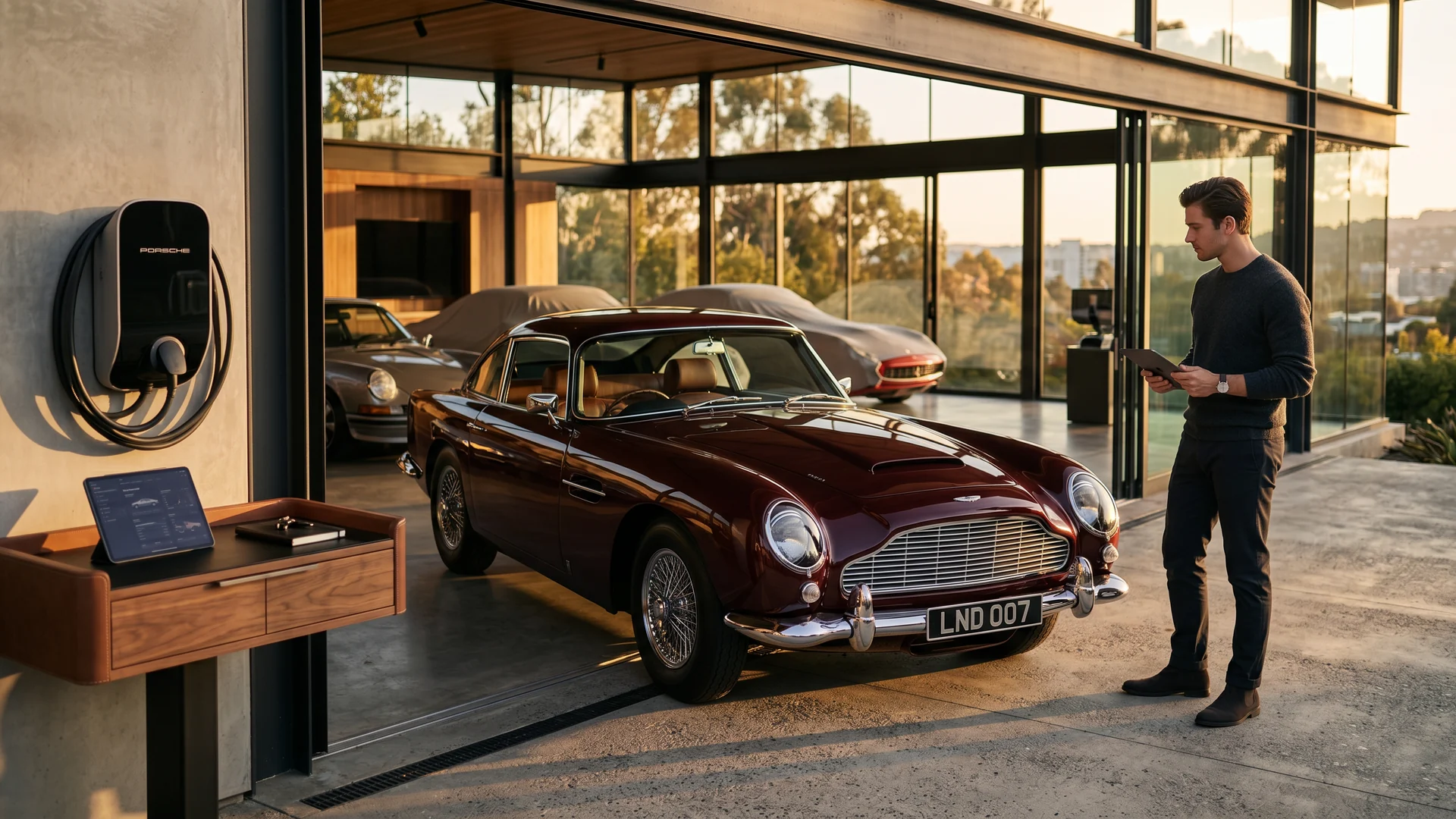
The Future of Classic Car Collecting: Trends Shaping the Next Generation
The future of classic car collecting: why 2035 ICE bans spare existing cars, plus e-fuels, shifting demographics, electromods and fractional ownership…
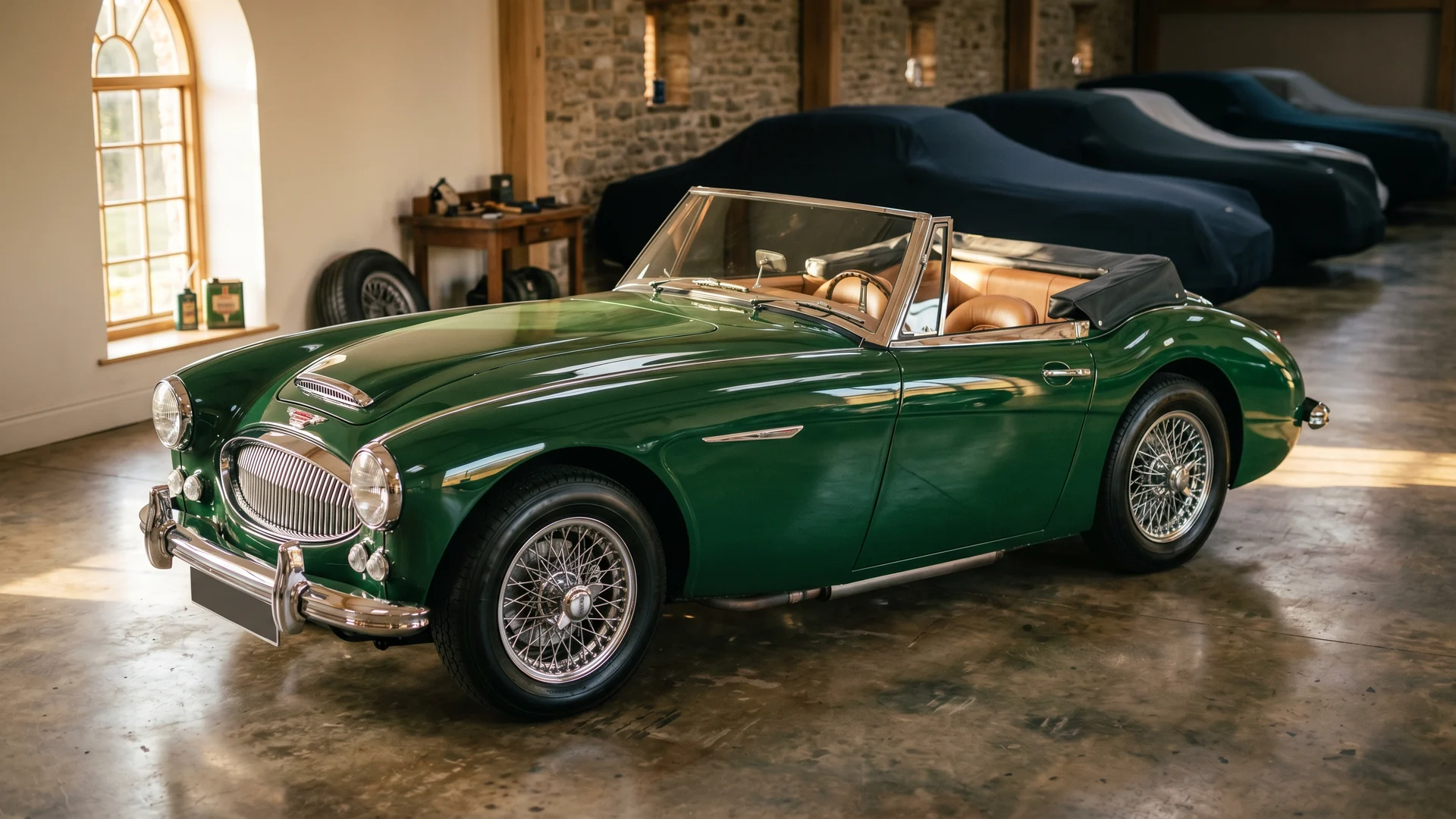
Classic Car Insurance Guide: Protecting Your Vintage Investment
Classic car insurance guide: why agreed-value policies beat stated and actual cash value, how Hagerty, Grundy and Chubb compare, plus costs and covera…
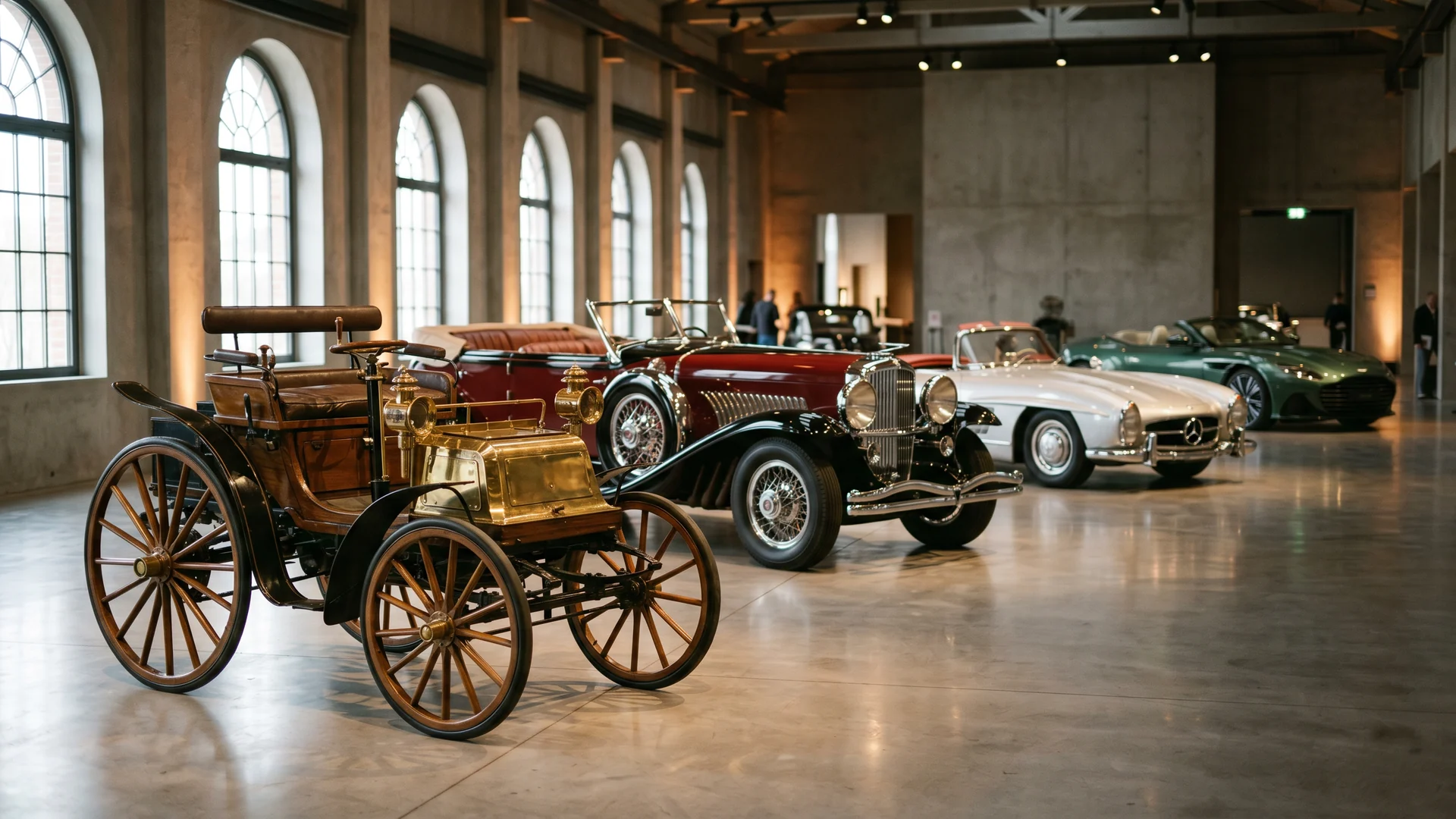
Classic Car History Timeline: From Benz to the Modern Collector Era
Classic car history timeline from the 1886 Benz Patent-Motorwagen through coachbuilding, muscle cars and supercars to modern collectibles. Discover th…