Why Oldtimer Insurance Costs Are Skyrocketing
Classic car insurance is a specialized insurance product designed for vintage and antique vehicles, generally those manufactured 20 or more years ago. This coverage addresses the d…
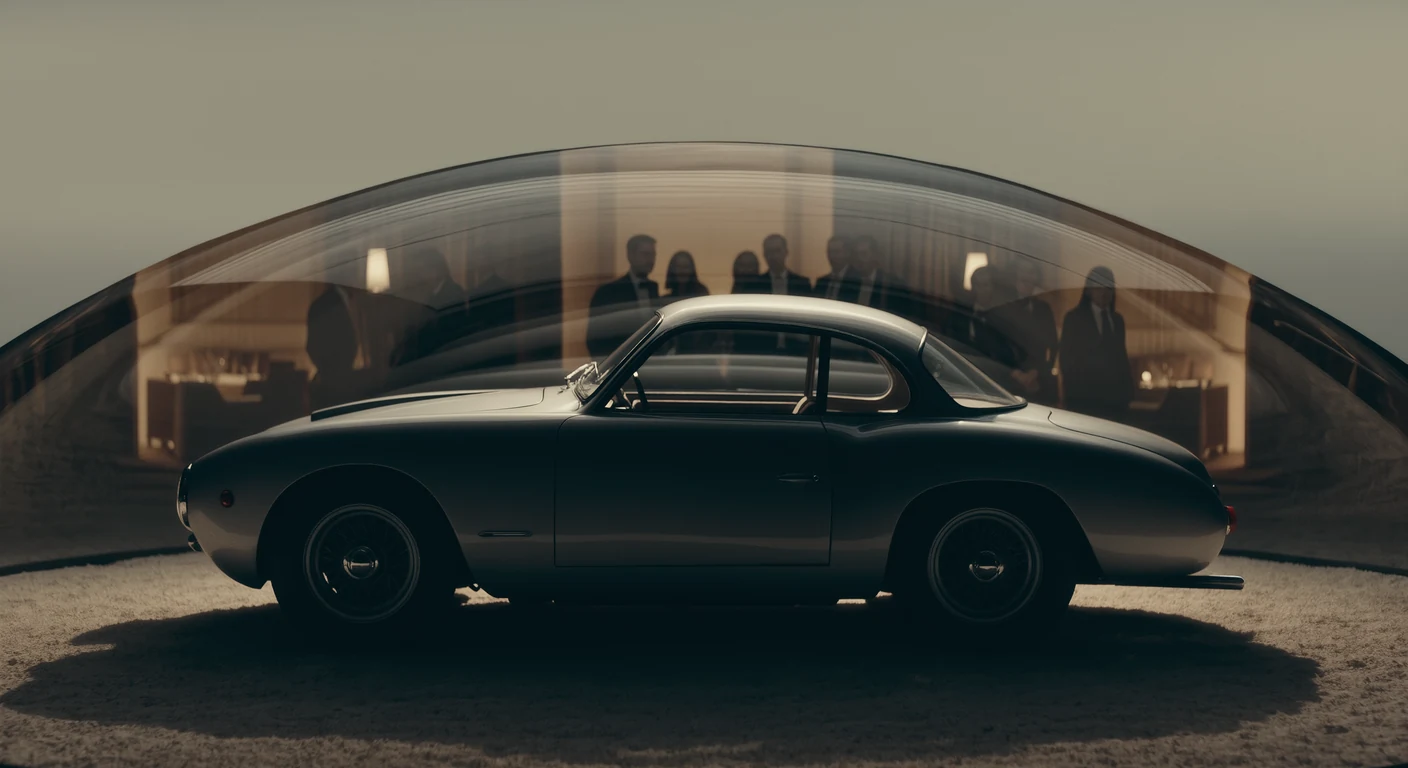
Classic car insurance is a specialized insurance product designed for vintage and antique vehicles, generally those manufactured 20 or more years ago. This coverage addresses the distinct requirements of classic automobile ownership, offering protection against damage, theft, and liability while accounting for the unique characteristics and values of older vehicles. The classic car market has experienced significant growth, making proper insurance coverage increasingly important for collectors and enthusiasts.
Classic car insurance differs from standard auto insurance in several key areas. Most policies feature agreed value coverage, where the insurer and policyholder establish the vehicle’s value at the policy’s inception, eliminating disputes over depreciation in the event of a total loss. Many insurers also provide specialized services including roadside assistance tailored to vintage vehicles, coverage for original or reproduction parts, and access to repair facilities experienced with classic automobiles.
Usage restrictions typically apply, with policies often limiting annual mileage and requiring secure storage when the vehicle is not in use. These limitations generally result in lower premiums compared to standard auto insurance, reflecting the reduced risk associated with limited recreational use.
Key Takeaways
- Rising oldtimer insurance costs are driven by theft risks, limited parts, and high repair expenses.
- Older vehicles lack modern safety features, increasing insurance premiums.
- The growing value of classic cars and inflation contribute to higher insurance rates.
- Changes in insurance regulations affect coverage and costs for antique vehicles.
- Proper valuation and strategic management can help control oldtimer insurance expenses.
Factors Contributing to Rising Oldtimer Insurance Costs
As the classic car market evolves, several factors contribute to the rising costs of oldtimer insurance.
As more collectors enter the market, the demand for classic cars has surged, leading to higher prices.
Insurers must adjust their premiums accordingly to reflect this increased value, which can result in higher costs for policyholders. Another contributing factor is the growing number of claims related to classic cars. As these vehicles age, they become more susceptible to damage and accidents.
Insurers are seeing an uptick in claims for repairs and replacements, prompting them to raise premiums to cover these expenses. Understanding these factors can help car owners navigate the complexities of oldtimer insurance and make informed choices about their coverage.
Increased Risk of Theft and Vandalism
The risk of theft and vandalism is a significant concern for classic car owners. Vintage vehicles often attract attention due to their rarity and aesthetic appeal, making them prime targets for thieves. Insurers recognize this heightened risk and adjust their premiums accordingly.
The fear of losing a beloved classic car can be daunting, but having the right insurance coverage can provide peace of mind. Moreover, vandalism can also pose a threat to classic cars. Whether it’s graffiti or intentional damage, the potential for harm is ever-present.
Insurers take these risks into account when determining policy costs, leading to higher premiums for owners of vintage vehicles. By understanding these risks and their impact on insurance costs, classic car enthusiasts can better prepare themselves for the realities of owning a vintage vehicle.
Limited Availability of Replacement Parts
Another factor driving up oldtimer insurance costs is the limited availability of replacement parts for vintage vehicles. As cars age, manufacturers may discontinue production of specific components, making it challenging for owners to find necessary parts for repairs. This scarcity can lead to inflated prices for replacement parts, which insurers must consider when calculating premiums.
Additionally, the difficulty in sourcing parts can result in longer repair times, further complicating the insurance process. If a classic car requires extensive repairs due to an accident or mechanical failure, the inability to quickly obtain parts can lead to increased costs for both the owner and the insurer. Understanding this aspect of oldtimer insurance can help car owners appreciate the importance of having comprehensive coverage that accounts for these unique challenges.
High Repair Costs for Vintage Vehicles
Repairing vintage vehicles often comes with a hefty price tag due to several factors. First, specialized labor is frequently required to work on older cars, as not all mechanics possess the skills or knowledge necessary to handle classic models. This expertise often comes at a premium, driving up repair costs significantly.
Moreover, many vintage cars require unique materials or techniques that are no longer standard in modern automotive repair.
Classic car owners should be aware of these potential expenses when considering their oldtimer insurance options, as comprehensive coverage can help mitigate financial risks associated with repairs.
Lack of Safety Features in Older Vehicles
Older vehicles typically lack modern safety features that are standard in contemporary cars. Features such as airbags, anti-lock brakes, and advanced driver-assistance systems are often absent in vintage models, making them more vulnerable in accidents. Insurers recognize this increased risk and may adjust premiums accordingly.
The absence of safety features not only affects the likelihood of accidents but also impacts the severity of injuries sustained during collisions. Classic car owners should be aware that their vehicles may not provide the same level of protection as modern cars, which can influence their insurance costs. By understanding these risks, owners can make informed decisions about their coverage and ensure they have adequate protection in place.
Rising Value of Classic Cars
The rising value of classic cars is a double-edged sword for owners and insurers alike. While it reflects the growing appreciation for vintage vehicles among collectors and enthusiasts, it also leads to higher insurance premiums. As classic cars become more valuable, insurers must adjust their policies to reflect this increased worth.
This trend has led many owners to seek specialized oldtimer insurance that offers agreed value coverage. This type of policy ensures that in the event of a total loss, the owner receives a predetermined amount that reflects the car’s market value at the time of purchase. Understanding how rising values impact insurance costs can help classic car owners make informed decisions about their coverage options.
Impact of Inflation on Insurance Premiums
Inflation plays a significant role in shaping oldtimer insurance costs. As the cost of living rises, so do repair costs and replacement parts prices. Insurers must account for these inflationary pressures when determining premiums, leading to increased costs for policyholders.
Additionally, inflation can affect the overall value of classic cars over time. As prices rise across various sectors, so too does the value of vintage vehicles. Insurers may need to adjust their policies accordingly to ensure that coverage remains adequate in light of inflationary trends.
Classic car owners should stay informed about economic conditions and how they may impact their insurance premiums.
Changes in Insurance Regulations for Antique Vehicles
Insurance regulations surrounding antique vehicles are continually evolving, which can impact oldtimer insurance costs. Changes in laws or guidelines may require insurers to adjust their policies or pricing structures to remain compliant with new regulations. For instance, some regions may implement stricter requirements for antique vehicle registration or insurance coverage levels.
These changes can lead to increased premiums as insurers adapt to new compliance standards. Classic car owners should stay informed about any regulatory changes that may affect their insurance options and costs.
Importance of Proper Valuation for Vintage Cars
Proper valuation is crucial when it comes to insuring vintage cars effectively. An accurate assessment ensures that owners receive adequate coverage in case of loss or damage. Underestimating a vehicle’s value can lead to insufficient payouts during claims, leaving owners with significant financial losses.
To determine an accurate valuation, owners should consider factors such as market trends, condition, rarity, and historical significance. Engaging with professional appraisers or utilizing valuation guides can help ensure that classic cars are insured at their true worth. Understanding the importance of proper valuation can empower owners to make informed decisions about their oldtimer insurance policies.
Tips for Managing Oldtimer Insurance Costs
Managing oldtimer insurance costs requires a proactive approach from classic car owners. Here are some tips to help keep premiums manageable: 1. **Shop Around**: Compare quotes from multiple insurers specializing in vintage vehicles to find competitive rates.
2.
**Consider Agreed Value Coverage**: This ensures you receive a fair payout in case of total loss without being underinsured.
3. **Maintain Your Vehicle**: Regular maintenance can reduce the risk of accidents and claims.
4. **Join Car Clubs**: Many clubs offer discounts on insurance premiums for members.
5.
**Limit Mileage**: Some insurers offer lower rates for vehicles driven less frequently. By implementing these strategies, classic car owners can effectively manage their oldtimer insurance costs while ensuring adequate protection for their prized possessions. In conclusion, understanding the complexities surrounding oldtimer insurance is essential for classic car enthusiasts looking to protect their investments effectively.
By recognizing factors such as rising values, repair costs, and regulatory changes, owners can make informed decisions about their coverage options. With proper valuation and proactive management strategies in place, you can enjoy your vintage vehicle with peace of mind knowing you have adequate protection against potential risks. If you’re ready to explore your oldtimer insurance options or need assistance navigating this specialized market, contact us today!
Our team is here to help you find the perfect coverage tailored to your unique needs and ensure your classic car remains a source of joy for years to come.
FAQs
What is Oldtimer Insurance?
Oldtimer insurance is a specialized type of vehicle insurance designed for classic or vintage cars, often referred to as “oldtimers.” It typically offers coverage tailored to the unique needs and values of these older vehicles.
Why Are Oldtimer Insurance Costs Increasing?
The costs of oldtimer insurance are rising due to several factors, including increased repair and restoration expenses, scarcity of original parts, higher risk of theft, and changes in insurance regulations or market conditions.
How Does the Value of a Classic Car Affect Insurance Premiums?
The value of a classic car significantly impacts insurance premiums. Higher-valued vehicles generally require more comprehensive coverage and may cost more to insure due to the potential payout in case of damage or loss.
Are There Specific Risks Associated with Insuring Oldtimers?
Yes, oldtimers face unique risks such as difficulty in sourcing replacement parts, higher repair costs, and increased vulnerability to theft or damage, all of which can contribute to higher insurance premiums.
Can Usage Restrictions Affect Oldtimer Insurance Costs?
Yes, many oldtimer insurance policies include usage restrictions, such as limited annual mileage or use only for exhibitions and leisure. Adhering to these restrictions can sometimes lower insurance costs.
Is It Possible to Reduce Oldtimer Insurance Premiums?
Policyholders can potentially reduce premiums by maintaining the vehicle in excellent condition, installing security devices, limiting usage, and choosing appropriate coverage levels that reflect the car’s actual value and usage.
Do Insurance Companies Require Vehicle Appraisals for Oldtimers?
Many insurers require professional appraisals to accurately assess the value of a classic car, which helps determine appropriate coverage and premiums.
How Does the Age of the Vehicle Influence Insurance Rates?
While older vehicles may sometimes qualify for specialized classic car insurance with potentially lower rates, the overall condition, rarity, and value of the vehicle are more influential factors in determining insurance costs.
Are There Differences Between Standard and Oldtimer Insurance Policies?
Yes, oldtimer insurance policies often offer benefits like agreed value coverage, limited mileage options, and coverage for spare parts, which differ from standard vehicle insurance policies.
What Should Owners Consider When Choosing Oldtimer Insurance?
Owners should consider factors such as coverage limits, agreed value options, usage restrictions, deductible amounts, and the insurer’s experience with classic cars to ensure adequate and cost-effective protection.
More from Blog
The Future of Classic Car Collecting: Trends Shaping the Next Generation
The future of classic car collecting: why 2035 ICE bans spare existing cars, plus e-fuels, shifting demographics, electromods and fractional ownership…
Classic Car Insurance Guide: Protecting Your Vintage Investment
Classic car insurance guide: why agreed-value policies beat stated and actual cash value, how Hagerty, Grundy and Chubb compare, plus costs and covera…
Classic Car History Timeline: From Benz to the Modern Collector Era
Classic car history timeline from the 1886 Benz Patent-Motorwagen through coachbuilding, muscle cars and supercars to modern collectibles. Discover th…