Why Mileage Is the Most Misunderstood Metric in Classic Cars
Mileage is a critical factor in the world of classic cars, serving as a key indicator of a vehicle’s history and condition. For enthusiasts and collectors alike, understandin…

Mileage is a critical factor in the world of classic cars, serving as a key indicator of a vehicle’s history and condition. For enthusiasts and collectors alike, understanding mileage can provide insights into the car’s past usage, maintenance, and overall value. Classic cars often evoke nostalgia and admiration, but their worth is significantly influenced by how much they have been driven.
A low-mileage classic car is often seen as more desirable, as it suggests less wear and tear, while high mileage can raise concerns about potential issues. Moreover, mileage can impact the car’s authenticity and provenance. Collectors often seek vehicles with documented histories, and mileage plays a crucial role in establishing that narrative.
A classic car with a well-documented low mileage can command a premium price, while one with high mileage may struggle to attract buyers. Thus, understanding the importance of mileage is essential for anyone involved in the classic car market.
Key Takeaways
- Mileage significantly influences the value and authenticity of classic cars.
- Lower mileage often correlates with better maintenance and higher performance.
- Common misconceptions exist about mileage, such as equating low mileage with superior condition.
- Mileage plays a crucial role in classic car collecting, investing, buying, and selling decisions.
- Managing mileage effectively can enhance the longevity and driving experience of classic cars.
How Mileage Affects the Value of a Classic Car
The value of a classic car is intricately tied to its mileage.
Collectors often pay a premium for cars that have been driven less, as they are perceived to be in better condition and require less immediate maintenance.
This trend is particularly evident in rare models or those with significant historical importance. However, it’s essential to consider that not all high-mileage cars are created equal. A well-maintained classic with higher mileage can still hold significant value if it has been cared for properly.
Buyers often look for documentation of regular maintenance and repairs, which can mitigate concerns about high mileage. Ultimately, while mileage is a crucial factor in determining value, it should be assessed alongside the car’s overall condition and maintenance history.
The Relationship Between Mileage and Maintenance in Classic Cars
Mileage directly correlates with maintenance needs in classic cars. As a vehicle accumulates miles, its components experience wear and tear, necessitating regular upkeep to ensure optimal performance. Classic cars often require specialized care, and understanding the relationship between mileage and maintenance can help owners make informed decisions about their vehicles.
For instance, a classic car with low mileage may not have undergone the same level of maintenance as one that has been driven regularly. This can lead to issues such as fuel system problems or rubber component degradation due to lack of use. Conversely, a high-mileage classic that has been well-maintained may offer a more reliable driving experience.
Therefore, prospective buyers should consider both mileage and maintenance records when evaluating a classic car’s condition.
Common Misconceptions About Mileage in Classic Cars
There are several misconceptions surrounding mileage in classic cars that can mislead potential buyers and sellers. One common belief is that lower mileage always equates to better quality. While low mileage can indicate less wear, it does not guarantee that the car has been well cared for or that it will perform better than a higher-mileage counterpart with a solid maintenance history.
Another misconception is that high-mileage classic cars are not worth considering. In reality, many enthusiasts appreciate the character and stories behind high-mileage vehicles. These cars often have unique histories and can be just as enjoyable to drive as their low-mileage peers.
Understanding these misconceptions can help buyers make more informed decisions and appreciate the diverse offerings within the classic car market.
The Role of Mileage in Determining the Authenticity of a Classic Car
Mileage plays a significant role in establishing the authenticity of a classic car. A vehicle’s mileage can help verify its history and provenance, which are crucial factors for collectors. Documentation such as service records, previous ownership details, and odometer readings can provide insights into whether a car’s mileage is genuine or has been tampered with.
In some cases, discrepancies in reported mileage can raise red flags about a car’s authenticity. For example, if a classic car claims to have exceptionally low mileage but shows signs of wear consistent with higher usage, it may indicate odometer fraud. Therefore, potential buyers should conduct thorough research and seek expert opinions when assessing a classic car’s authenticity based on its mileage.
Mileage as a Factor in Classic Car Collecting and Investing
For collectors and investors, mileage is an essential consideration when building a classic car portfolio. Low-mileage vehicles are often seen as safer investments due to their potential for appreciation over time. Collectors may prioritize acquiring cars with documented low mileage to ensure they are investing in vehicles that will retain or increase their value.
However, savvy investors also recognize the potential of high-mileage classics that have been well-maintained or possess unique features. These vehicles can often be acquired at lower prices, allowing collectors to invest in models that may appreciate significantly over time. Understanding the nuances of mileage can help collectors make strategic decisions that align with their investment goals.
Mileage Considerations When Buying or Selling a Classic Car
When buying or selling a classic car, mileage should be one of the primary factors considered. For sellers, presenting accurate mileage information along with maintenance records can enhance the vehicle’s appeal and justify its asking price. Transparency about mileage helps build trust with potential buyers and can lead to smoother transactions.
For buyers, assessing mileage is crucial for determining whether a classic car meets their expectations for condition and value. It’s essential to look beyond just the numbers; understanding how the car was used and maintained can provide valuable context. Engaging with knowledgeable experts or mechanics can also help buyers make informed decisions based on mileage considerations.
The Impact of Mileage on the Performance and Driving Experience of a Classic Car
Mileage significantly influences the performance and driving experience of classic cars. As vehicles accumulate miles, components such as engines, transmissions, and suspensions may experience wear that affects their functionality. A well-maintained low-mileage classic is likely to offer a smoother ride and more reliable performance compared to one with high mileage that has not received proper care.
Many enthusiasts appreciate the character of older vehicles that have been driven extensively, as they often have unique quirks and stories associated with their journeys. Ultimately, understanding how mileage impacts performance can enhance the enjoyment of owning and driving a classic car.
Mileage and Its Influence on the Longevity of Classic Cars
The longevity of classic cars is closely tied to their mileage and maintenance history. Vehicles that are driven regularly tend to benefit from consistent use, which helps keep components lubricated and functioning properly. Conversely, cars that sit idle for extended periods may develop issues such as fuel system problems or rubber component degradation.
Regular driving can also help maintain the vehicle’s overall health by preventing rust and corrosion from forming due to inactivity. However, it’s essential for owners to strike a balance between enjoying their classic cars and ensuring they receive proper care based on their mileage. By understanding how mileage influences longevity, owners can make informed decisions about usage and maintenance practices.
Strategies for Managing Mileage in Classic Cars
Managing mileage in classic cars requires thoughtful strategies to balance enjoyment with preservation. One effective approach is to establish a regular driving schedule that allows the vehicle to be used without accumulating excessive miles. This helps maintain the car’s mechanical health while also providing opportunities for enjoyment.
Additionally, owners should consider participating in local car clubs or events where they can showcase their vehicles without significantly increasing their mileage. These gatherings often provide opportunities for socializing with fellow enthusiasts while keeping miles down on individual cars. Implementing these strategies can help owners enjoy their classic cars while preserving their value over time.
The Future of Mileage as a Metric in the Classic Car Industry
As the classic car industry evolves, the role of mileage as a metric will likely continue to be significant. With advancements in technology and data tracking, potential buyers may have access to more detailed information about a vehicle’s history than ever before. This could lead to increased transparency regarding mileage and maintenance records.
Moreover, as electric vehicles gain popularity within the automotive landscape, traditional metrics like mileage may shift in importance for certain segments of collectors. However, for classic car enthusiasts who appreciate vintage models powered by internal combustion engines, understanding mileage will remain crucial for assessing value, authenticity, and overall enjoyment. In conclusion, mileage is an essential aspect of classic cars that influences various factors such as value, authenticity, performance, and longevity.
Whether you are buying or selling a classic vehicle or simply enjoying your own collection, understanding how mileage impacts these elements will enhance your experience in this fascinating world of automotive history.
FAQs
What does mileage mean in the context of classic cars?
Mileage refers to the total number of miles a classic car has been driven since it was manufactured. It is often used as an indicator of the car’s usage and wear.
Why is mileage considered a misunderstood metric in classic cars?
Mileage is misunderstood because it does not always accurately reflect a classic car’s condition or value. Factors such as maintenance, restoration, storage conditions, and originality can be more important than just the number of miles driven.
Can low mileage guarantee a better condition for a classic car?
Not necessarily. While low mileage can indicate less use, a car with low mileage but poor maintenance or improper storage may be in worse condition than a higher mileage car that was well cared for.
How does mileage affect the value of a classic car?
Mileage can influence value, but it is only one of many factors. Collectors often prioritize originality, rarity, provenance, and overall condition over mileage alone.
Are there ways to verify the accuracy of a classic car’s mileage?
Yes, mileage can sometimes be verified through service records, inspection of wear and tear, historical documentation, and in some cases, electronic odometer checks. However, odometer fraud can occur, so thorough verification is important.
What other metrics should be considered when evaluating a classic car?
Other important metrics include the car’s maintenance history, originality of parts, restoration quality, rust and corrosion levels, and provenance or ownership history.
Is high mileage always a negative factor for classic cars?
No, high mileage is not always negative. A classic car that has been regularly driven and properly maintained can be in excellent mechanical condition, whereas a low-mileage car that has been neglected may have issues.
How can mileage impact the mechanical reliability of a classic car?
Higher mileage can indicate more wear on mechanical components, but if the car has been well maintained, it can still be reliable. Conversely, low mileage cars that have been sitting unused for long periods may develop mechanical problems due to inactivity.
Should buyers focus solely on mileage when purchasing a classic car?
Buyers should not focus solely on mileage. It is important to consider the overall condition, maintenance history, originality, and how the car has been stored and used over time.
What is the best approach to assessing a classic car’s true condition?
A comprehensive inspection by a knowledgeable classic car expert, reviewing maintenance and restoration records, and understanding the car’s history provide the best approach to assessing its true condition beyond just mileage.
More from Blog
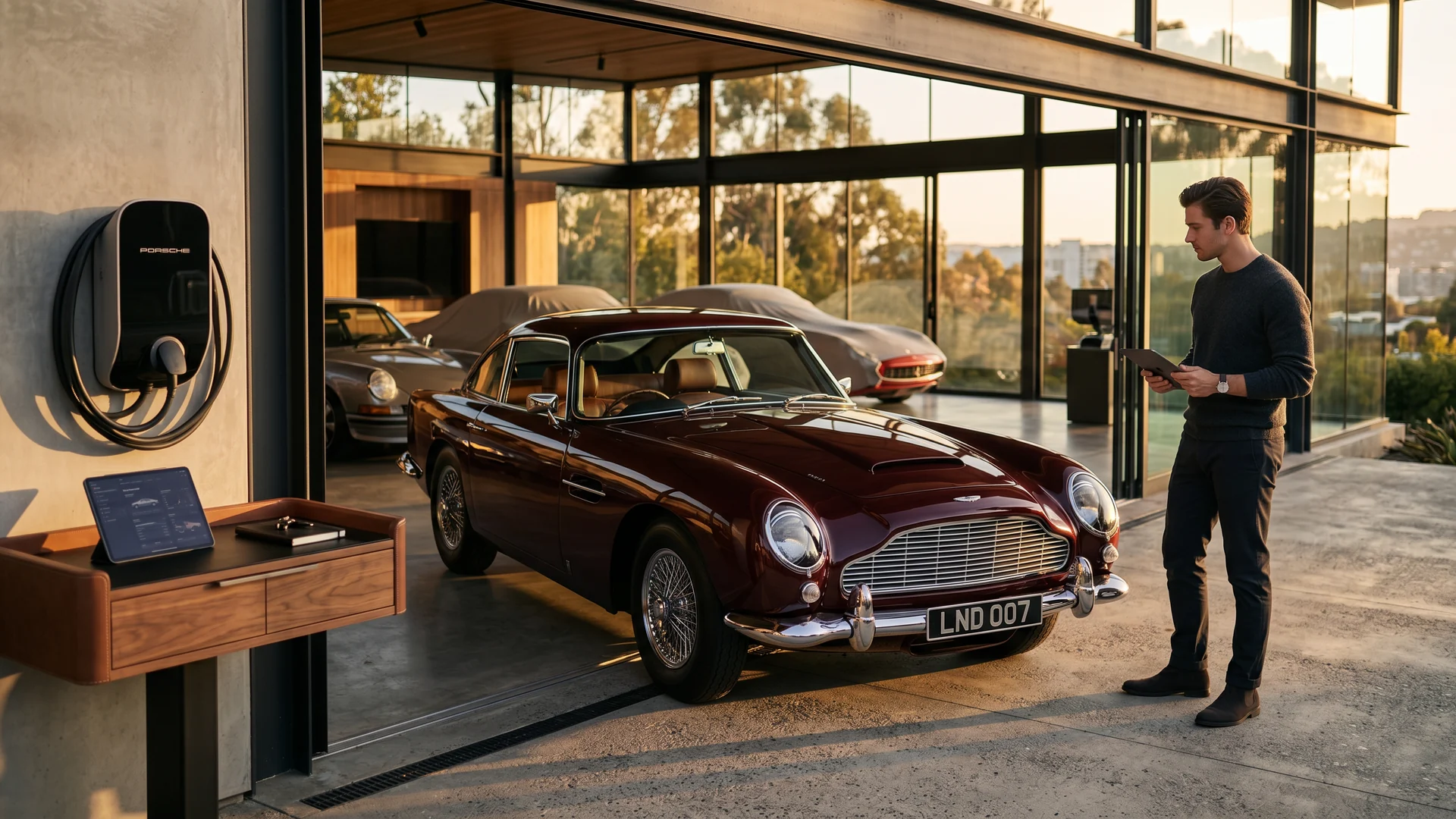
The Future of Classic Car Collecting: Trends Shaping the Next Generation
The future of classic car collecting: why 2035 ICE bans spare existing cars, plus e-fuels, shifting demographics, electromods and fractional ownership…
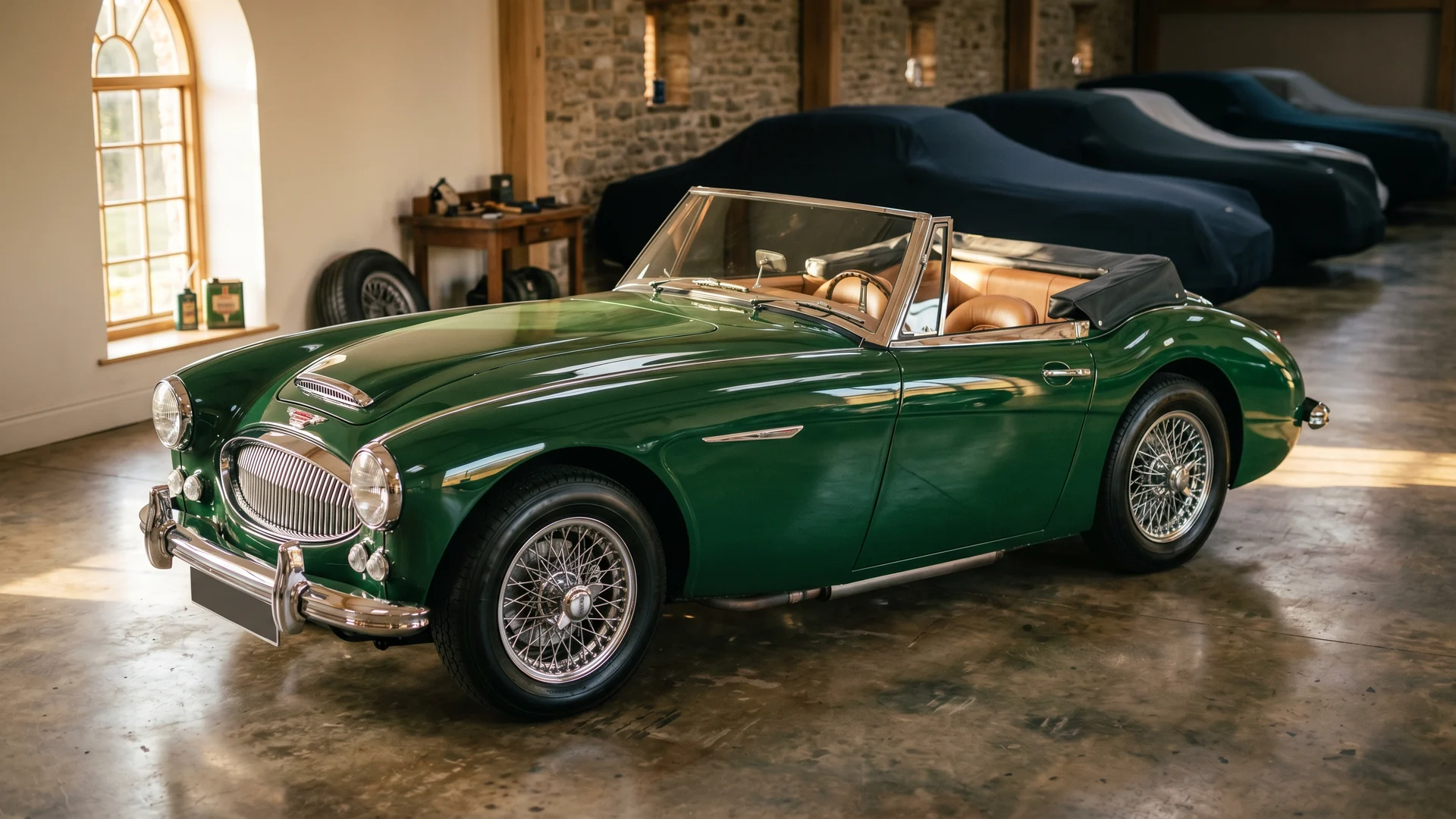
Classic Car Insurance Guide: Protecting Your Vintage Investment
Classic car insurance guide: why agreed-value policies beat stated and actual cash value, how Hagerty, Grundy and Chubb compare, plus costs and covera…
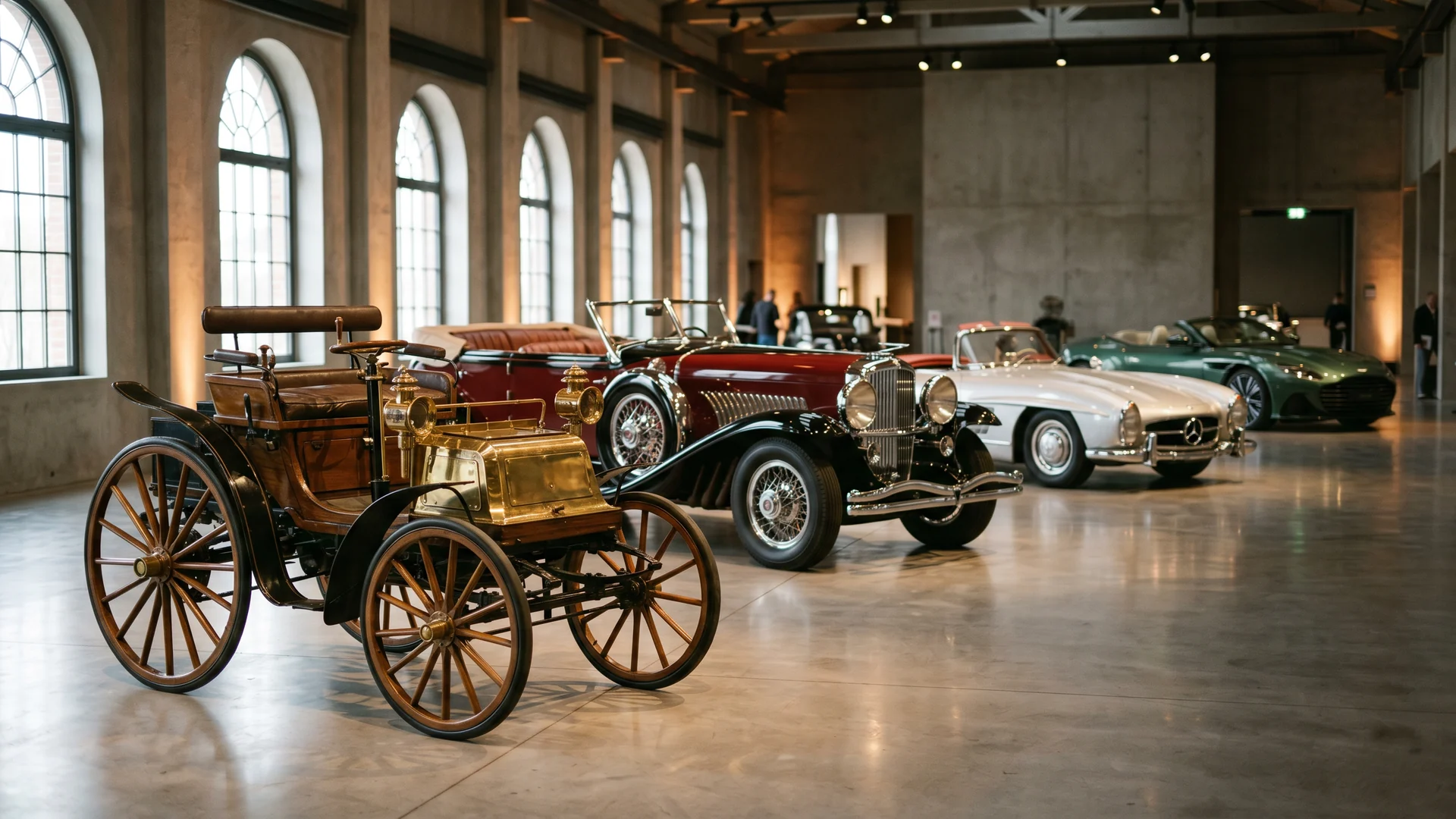
Classic Car History Timeline: From Benz to the Modern Collector Era
Classic car history timeline from the 1886 Benz Patent-Motorwagen through coachbuilding, muscle cars and supercars to modern collectibles. Discover th…