Why Luxury Oldtimers Are Treated Better Than Modern Supercars
Luxury vintage automobiles represent a significant segment of the collector car market, characterized by vehicles typically manufactured between the 1920s and 1970s. These automobi…
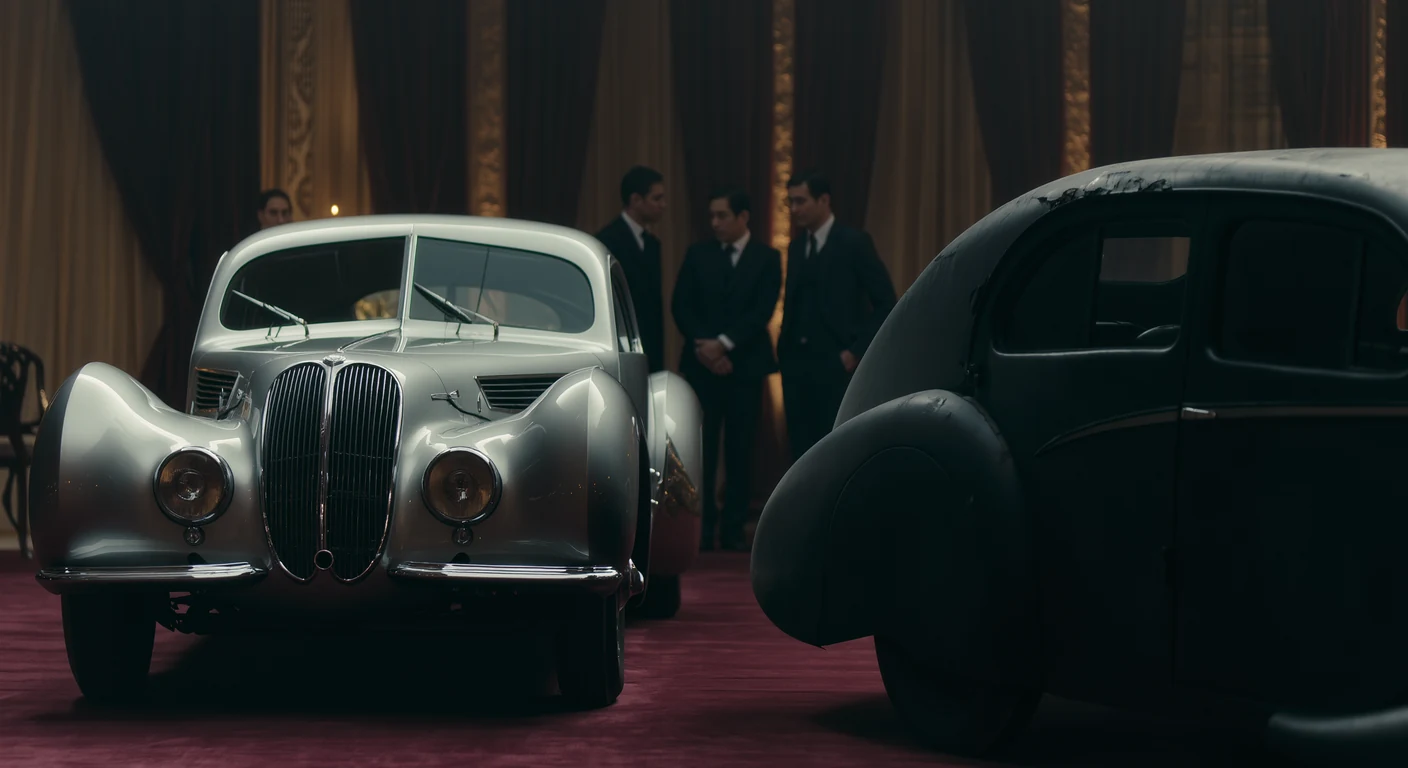
Luxury vintage automobiles represent a significant segment of the collector car market, characterized by vehicles typically manufactured between the 1920s and 1970s. These automobiles are distinguished by their handcrafted construction methods, premium materials, and limited production numbers compared to contemporary mass-produced vehicles. The manufacturing processes of this era emphasized individual craftsmanship, with skilled artisans hand-finishing bodywork, interiors, and mechanical components.
The collector market for luxury vintage automobiles has demonstrated consistent growth over the past several decades. These vehicles appeal to collectors due to their historical significance, engineering innovations of their respective eras, and the preservation of automotive heritage they represent. Many luxury oldtimers feature design elements and construction techniques that are no longer economically viable in modern automotive production, including extensive use of real wood, hand-stitched leather, and chrome-plated metal components.
The investment potential and cultural value of luxury vintage automobiles contribute to their continued demand among collectors and automotive enthusiasts. These vehicles serve as documented examples of automotive evolution, showcasing technological advancements, design philosophies, and manufacturing capabilities of specific historical periods. The finite supply of well-preserved examples, combined with ongoing restoration efforts and historical documentation, maintains their relevance in contemporary automotive culture.
Key Takeaways
- Luxury oldtimers captivate enthusiasts through nostalgia, timeless design, and cultural significance.
- Their craftsmanship often rivals or surpasses modern supercars, highlighting meticulous attention to detail.
- Rarity and exclusivity enhance their value, making them prized collector’s items and sound investments.
- Maintaining oldtimers requires specialized care, fostering strong emotional bonds and community among owners.
- The enduring appeal and heritage of luxury oldtimers ensure their relevance and admiration well into the future.
The Art of Craftsmanship: Comparing the Quality of Oldtimers and Modern Supercars
When comparing luxury oldtimers to modern supercars, one cannot overlook the artistry involved in their creation. Oldtimers were often handcrafted, with skilled artisans dedicating countless hours to ensure every detail was perfect. This level of craftsmanship is increasingly rare in today’s automotive industry, where efficiency and mass production often take precedence over quality.
The result is a distinct difference in the feel and character of these vehicles. Modern supercars, while technologically advanced and incredibly fast, often lack the soul that defines luxury oldtimers. The materials used in oldtimers, such as leather, wood, and metal, contribute to their unique charm and tactile experience.
In contrast, many contemporary vehicles rely heavily on synthetic materials that can detract from the overall driving experience. For enthusiasts, the craftsmanship of oldtimers represents a commitment to quality that is hard to find in today’s fast-paced automotive landscape.
Preservation of History: Understanding the Cultural Significance of Luxury Oldtimers
Luxury oldtimers serve as more than just vehicles; they are vital pieces of cultural history. Each car tells a story about the era it was produced in, reflecting the social, economic, and technological advancements of its time. Preserving these vehicles is essential for maintaining our collective memory and understanding the evolution of automotive design.
Museums and car shows often showcase these classics, allowing new generations to appreciate their significance. Moreover, luxury oldtimers often symbolize milestones in automotive innovation. From the introduction of new technologies to shifts in design philosophy, these cars encapsulate pivotal moments in history.
By preserving and celebrating these vehicles, we honor the ingenuity and creativity that have shaped the automotive industry. This cultural significance adds another layer to the allure of luxury oldtimers, making them not just collectibles but also important artifacts of our shared heritage.
Rarity and Exclusivity: Examining the Limited Availability of Luxury Oldtimers
One of the most compelling aspects of luxury oldtimers is their rarity. Many models were produced in limited quantities, making them highly coveted among collectors. This exclusivity not only enhances their value but also creates a sense of prestige for owners.
The thrill of owning a rare vehicle is unmatched; it signifies a connection to an elite group of enthusiasts who appreciate the finer things in life. The limited availability of luxury oldtimers also contributes to their investment potential. As fewer models remain on the market, demand continues to rise, driving up prices significantly over time.
Collectors often find that their investments appreciate as they become more scarce. This combination of rarity and desirability makes luxury oldtimers not just a passion but also a smart financial decision for many enthusiasts.
Timeless Elegance: Appreciating the Classic Design and Style of Oldtimers
The design of luxury oldtimers is often celebrated for its timeless elegance. Unlike modern cars that may prioritize aerodynamics or aggressive styling, oldtimers exude sophistication through their curves and intricate details. From the sweeping lines of a classic coupe to the ornate grilles of vintage sedans, these vehicles are masterpieces that reflect an era when aesthetics were paramount.
Moreover, the classic style of oldtimers transcends trends and fads. While modern designs may quickly become outdated, the beauty of an oldtimer remains enduringly appealing. This timelessness is part of what makes these vehicles so desirable; they are not just cars but symbols of an era defined by grace and artistry.
For many enthusiasts, owning an oldtimer is about embracing this elegance and celebrating a design philosophy that continues to inspire.
Investment Value: Analyzing the Financial Benefits of Owning Luxury Oldtimers
Investing in luxury oldtimers can yield significant financial benefits over time. As mentioned earlier, their rarity often leads to appreciation in value, making them attractive assets for collectors. Unlike many investments that fluctuate with market trends, classic cars have shown resilience and stability, often outperforming traditional investments like stocks or bonds.
Additionally, owning a luxury oldtimer can provide tax advantages for collectors who choose to register their vehicles as investments rather than personal property. This can lead to potential savings on taxes while allowing owners to enjoy their vehicles as well. Furthermore, participating in car shows or auctions can also enhance their value through exposure and networking within the enthusiast community.
Heritage and Legacy: Recognizing the Historical Importance of Oldtimers in Automotive Evolution
Luxury oldtimers are not just relics; they represent significant milestones in automotive evolution.
By studying these vehicles, we gain insight into how far we’ve come and what innovations have paved the way for modern automobiles.
Moreover, many luxury oldtimers have played pivotal roles in motorsport history or have been associated with iconic figures in automotive culture.
Recognizing this heritage allows enthusiasts to appreciate not only the cars themselves but also their contributions to automotive history.
Maintenance and Care: Exploring the Specialized Attention Given to Luxury Oldtimers
Caring for luxury oldtimers requires specialized knowledge and attention to detail. Unlike modern vehicles that can be serviced at any garage, oldtimers often need mechanics who understand their unique systems and components. This specialized care ensures that these classic cars remain in optimal condition while preserving their value.
Regular maintenance includes everything from engine tuning to bodywork restoration. Owners often invest time and resources into sourcing original parts or high-quality reproductions to maintain authenticity. This dedication to preservation reflects the passion that drives many collectors; it’s not just about ownership but about ensuring these vehicles continue to be appreciated for generations to come.
Emotional Connection: Discussing the Personal Attachment and Sentimental Value of Oldtimers
The emotional connection many enthusiasts feel towards luxury oldtimers is profound. For some, these vehicles evoke memories of family road trips or cherished moments spent with loved ones. They represent more than just metal and machinery; they embody personal stories and experiences that resonate deeply with their owners.
This sentimental value often drives collectors to seek out specific models that hold personal significance or nostalgia. Whether it’s a car reminiscent of a parent’s vehicle or one associated with a particular life event, these connections enhance the overall ownership experience. For many enthusiasts, luxury oldtimers are not merely possessions; they are cherished companions that evoke joy and pride.
Community and Culture: Examining the Enthusiast Community Surrounding Luxury Oldtimers
The community surrounding luxury oldtimers is vibrant and passionate. Enthusiasts often come together at car shows, rallies, and clubs dedicated to preserving and celebrating these classic vehicles. This sense of camaraderie fosters friendships built on shared interests and mutual appreciation for automotive history.
Moreover, this community plays a crucial role in educating new collectors about maintenance, restoration techniques, and market trends. Knowledge sharing ensures that the legacy of luxury oldtimers continues while fostering a culture of respect for craftsmanship and history. For many enthusiasts, being part of this community enhances their ownership experience, providing opportunities for connection and collaboration.
The Future of Classic Cars: Considering the Longevity and Enduring Appeal of Luxury Oldtimers
As we look toward the future, the enduring appeal of luxury oldtimers remains strong. While modern technology continues to evolve rapidly, there is something timeless about classic cars that captivates enthusiasts across generations. Their unique blend of artistry, history, and craftsmanship ensures they will always hold a special place in automotive culture.
Moreover, as younger generations become more interested in vintage vehicles, we can expect a resurgence in appreciation for luxury oldtimers. This renewed interest may lead to increased preservation efforts and further exploration into their historical significance. Ultimately, luxury oldtimers will continue to inspire passion and admiration for years to come, solidifying their status as icons within the automotive world.
In conclusion, luxury oldtimers represent much more than just classic cars; they embody nostalgia, craftsmanship, cultural significance, rarity, elegance, investment potential, heritage, specialized care, emotional connections, community spirit, and enduring appeal. For those who appreciate these timeless treasures, owning an oldtimer is not just about possession; it’s about embracing a legacy that transcends generations.
FAQs
What are luxury oldtimers?
Luxury oldtimers refer to classic, vintage, or antique luxury cars that are typically several decades old. These vehicles are often prized for their historical value, craftsmanship, and unique design.
Why are luxury oldtimers treated better than modern supercars?
Luxury oldtimers are often treated better because they are considered collectible items with significant historical and sentimental value. Owners tend to preserve their originality and condition, whereas modern supercars are sometimes used more aggressively or frequently, leading to more wear and tear.
How does maintenance differ between luxury oldtimers and modern supercars?
Maintenance of luxury oldtimers usually involves specialized care, including sourcing rare parts and expert restoration to maintain authenticity. Modern supercars require advanced technology servicing and regular maintenance but may not always receive the same level of preservation focus as classic cars.
Are luxury oldtimers more valuable than modern supercars?
In many cases, luxury oldtimers can appreciate in value over time due to their rarity and historical significance. Modern supercars may depreciate initially but can also become valuable if they become rare or iconic in the future.
What role does nostalgia play in the treatment of luxury oldtimers?
Nostalgia plays a significant role, as owners and collectors often have emotional attachments to luxury oldtimers. This connection encourages careful preservation and respectful treatment compared to the more utilitarian use of modern supercars.
Do insurance policies differ for luxury oldtimers and modern supercars?
Yes, insurance for luxury oldtimers often includes agreed value coverage and may have restrictions on usage to protect the car’s condition. Modern supercars typically have standard insurance policies based on market value and usage patterns.
Is the driving experience different between luxury oldtimers and modern supercars?
Yes, luxury oldtimers offer a nostalgic and often more mechanical driving experience, while modern supercars provide advanced technology, higher performance, and enhanced safety features.
Can modern supercars become luxury oldtimers in the future?
Yes, modern supercars can become luxury oldtimers as they age and gain historical significance, especially if they are rare, limited edition, or have a notable legacy.
More from Blog
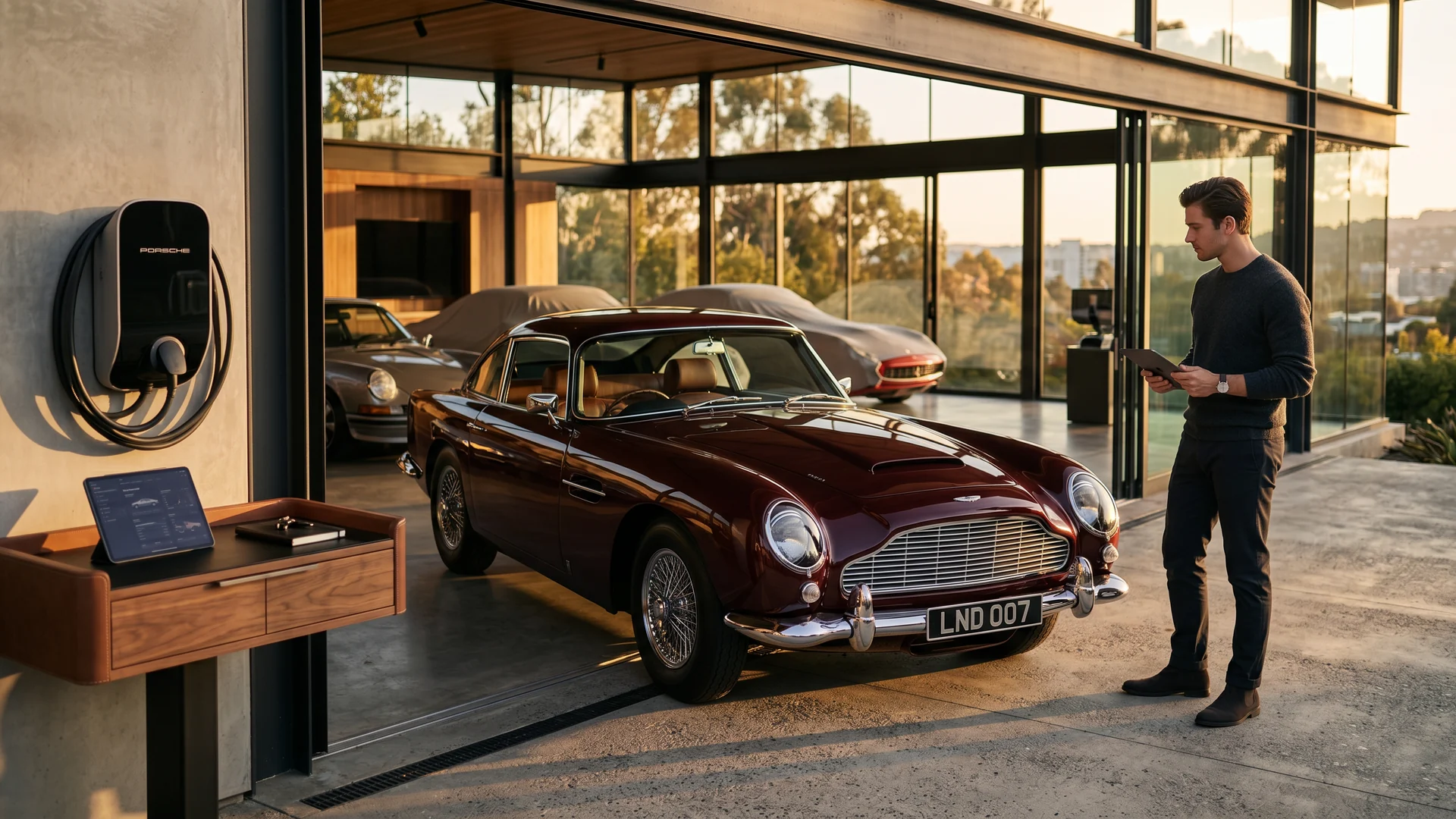
The Future of Classic Car Collecting: Trends Shaping the Next Generation
The future of classic car collecting: why 2035 ICE bans spare existing cars, plus e-fuels, shifting demographics, electromods and fractional ownership…
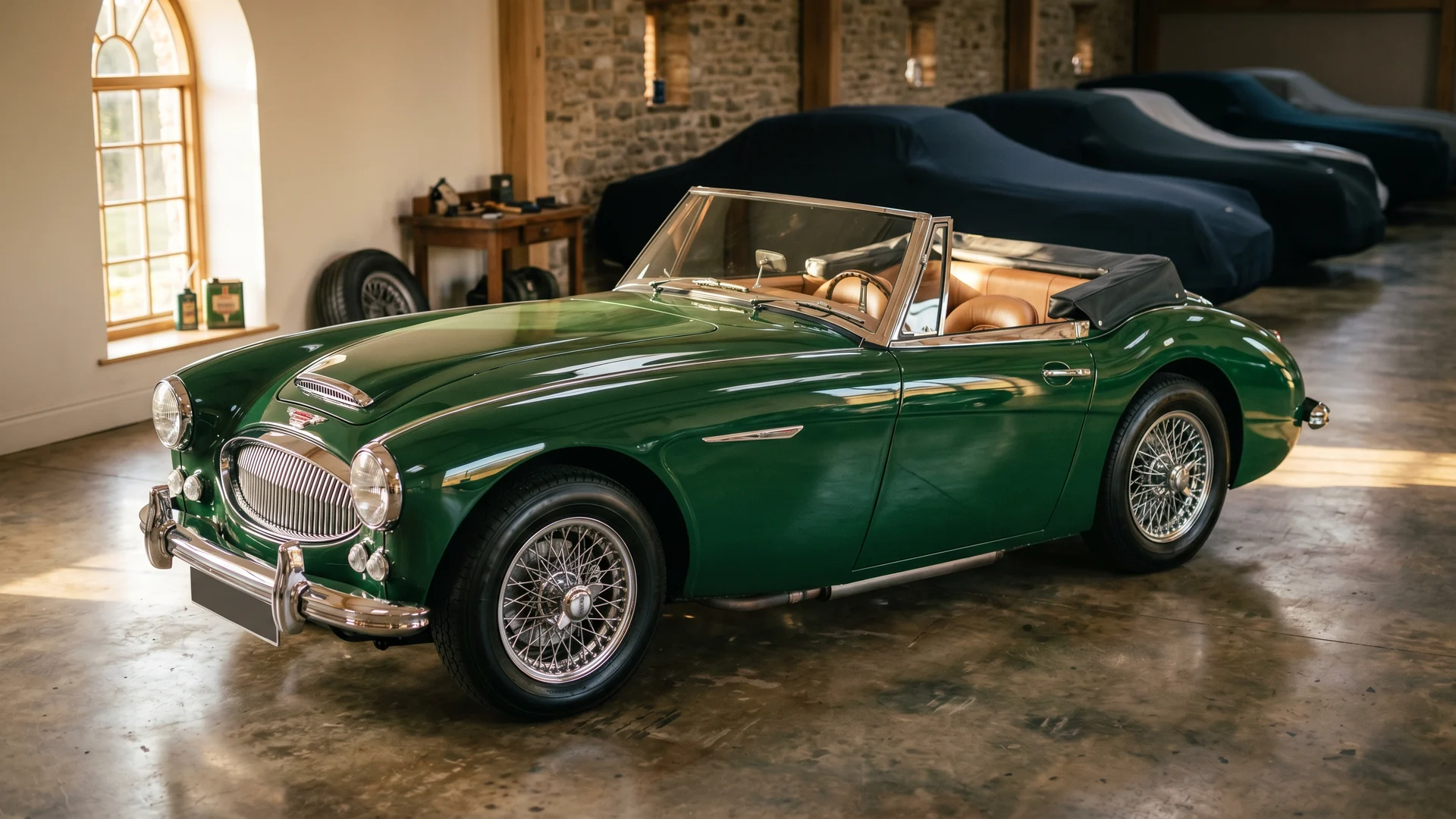
Classic Car Insurance Guide: Protecting Your Vintage Investment
Classic car insurance guide: why agreed-value policies beat stated and actual cash value, how Hagerty, Grundy and Chubb compare, plus costs and covera…
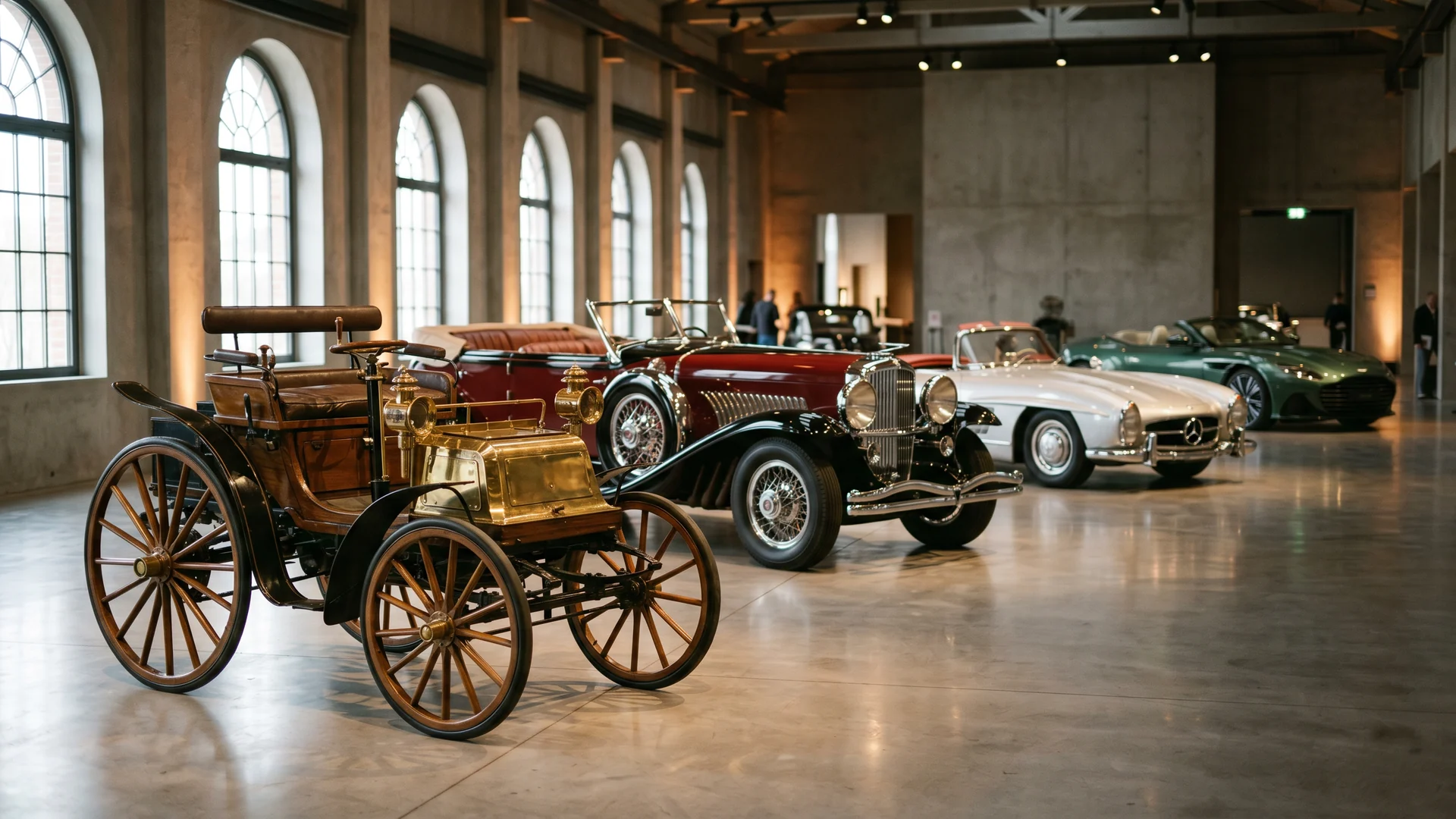
Classic Car History Timeline: From Benz to the Modern Collector Era
Classic car history timeline from the 1886 Benz Patent-Motorwagen through coachbuilding, muscle cars and supercars to modern collectibles. Discover th…