Why Luxury Oldtimers Are Quietly Leaving Europe
In recent years, the demand for luxury vintage automobiles has increased substantially. Enthusiasts and collectors are attracted to these classic vehicles both for their visual app…
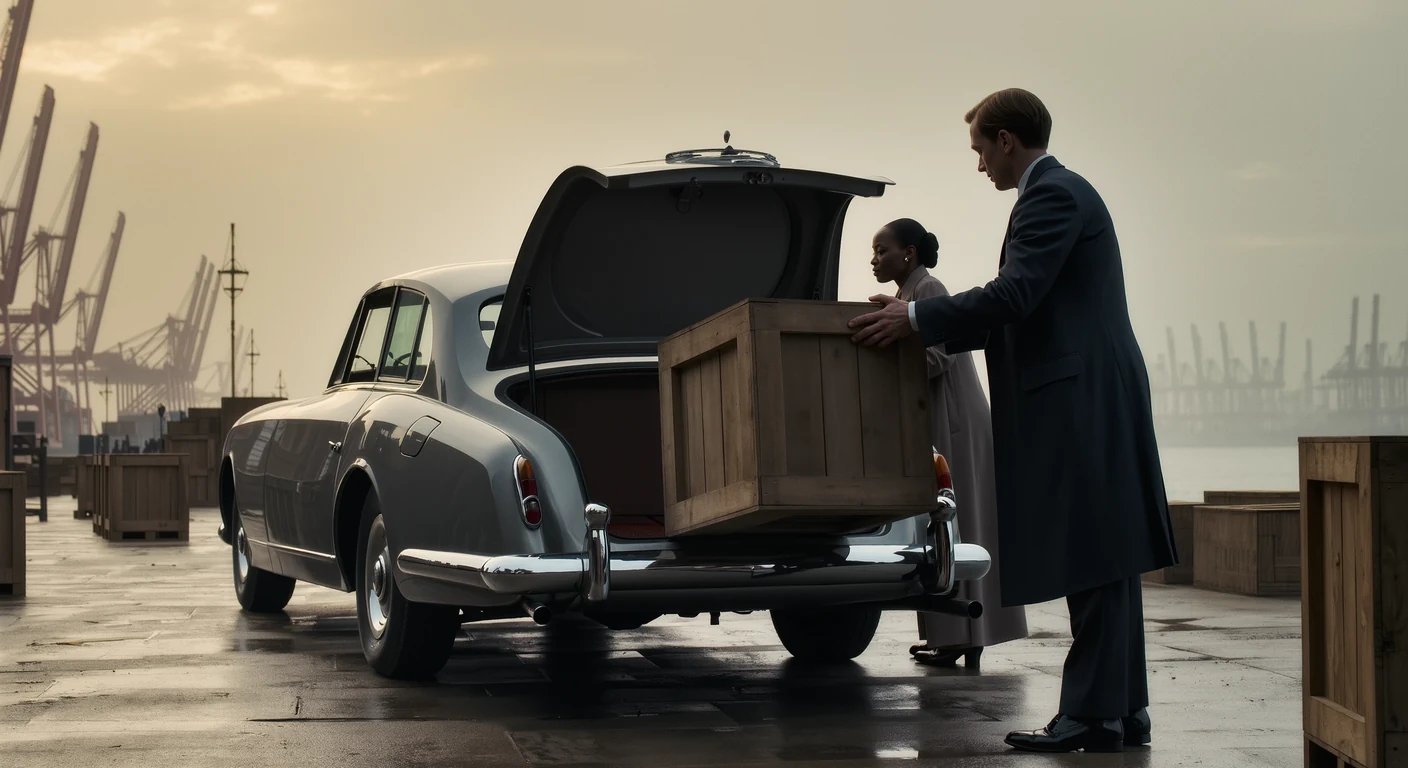
In recent years, the demand for luxury vintage automobiles has increased substantially. Enthusiasts and collectors are attracted to these classic vehicles both for their visual appeal and historical importance. The prospect of owning a significant piece of automotive history is particularly compelling, as these cars represent an era of exceptional craftsmanship and design.
The market for luxury vintage automobiles continues to grow as more individuals seek distinctive investment opportunities and experiences. This market expansion is driven by increasing appreciation for classic cars. Many purchasers consider vintage automobiles not merely as vehicles but as artistic creations with historical significance.
The nostalgic elements associated with these cars strongly appeal to consumers, making them highly desirable. Consequently, collectors are prepared to make substantial financial commitments to acquire and restore these enduring vehicles, which further increases their market value.
Key Takeaways
- Demand for luxury oldtimers is increasing despite stricter emission regulations.
- Market preferences are shifting, influenced by economic factors and international appeal.
- Maintaining oldtimers in Europe presents significant challenges due to regulations.
- Vintage car collectors play a crucial role in preserving automotive heritage.
- Brexit and investment potential are shaping the future landscape of the oldtimer market.
The Impact of Stricter Emission Regulations
Stricter emission regulations across Europe have significantly impacted the luxury oldtimer market. Governments are increasingly focused on reducing carbon footprints and promoting environmentally friendly practices. This shift has led to the implementation of stringent laws governing vehicle emissions, which can pose challenges for older cars that do not meet modern standards.
As a consequence, many oldtimers face restrictions on where they can be driven or even if they can be registered at all. This regulatory environment creates a dilemma for owners who wish to enjoy their vehicles while adhering to the law. However, it has also sparked innovation within the industry, as manufacturers and restorers explore ways to retrofit classic cars with modern technology to comply with these regulations without compromising their vintage charm.
The Shift in Market Preferences
Market preferences are evolving, with a noticeable shift towards sustainability and eco-friendliness. Younger generations are increasingly interested in vehicles that align with their values, which often means prioritizing electric or hybrid options over traditional combustion engines. This trend poses both challenges and opportunities for the luxury oldtimer market.
While some may argue that the rise of electric vehicles diminishes the appeal of classic cars, others see it as an opportunity to blend the old with the new. Many enthusiasts are exploring ways to convert oldtimers into electric vehicles, allowing them to retain their classic aesthetics while embracing modern technology. This innovative approach not only preserves the legacy of these vehicles but also caters to a new generation of environmentally conscious consumers.
The Influence of Economic Factors
Economic factors play a crucial role in shaping the luxury oldtimer market. Fluctuations in disposable income, interest rates, and overall economic stability can influence consumer behavior and investment decisions. During periods of economic growth, individuals are more likely to invest in luxury items, including classic cars, as they have more disposable income to spend.
Conversely, during economic downturns, the luxury market may experience a slowdown as consumers prioritize essential expenditures over discretionary purchases. However, luxury oldtimers often retain their value better than other assets during economic fluctuations, making them an attractive option for investors seeking stability. This resilience can encourage collectors to view oldtimers as not just vehicles but as valuable assets that can appreciate over time.
The Challenges of Maintaining Oldtimers in Europe
Maintaining luxury oldtimers in Europe presents unique challenges for owners and enthusiasts alike. One significant hurdle is the availability of parts and skilled labor. As these vehicles age, sourcing original components becomes increasingly difficult, leading many owners to rely on aftermarket parts or custom solutions that may not always meet the same quality standards.
Additionally, the cost of maintenance can be prohibitive. Regular servicing and restoration work require specialized knowledge and expertise, which can come at a premium price. Owners must also navigate the complexities of insurance and registration, particularly in countries with stringent regulations governing classic vehicles.
Despite these challenges, many enthusiasts find the rewards of ownership, such as the joy of driving a classic car and participating in vintage car events, far outweigh the difficulties.
The Appeal of International Markets
The appeal of international markets for luxury oldtimers is growing rapidly. As globalization continues to shape consumer behavior, collectors are increasingly looking beyond their local markets to find unique vehicles from different countries. This trend has opened up new opportunities for buyers and sellers alike.
International markets offer access to a diverse range of classic cars that may not be available domestically. For example, European collectors may seek out American muscle cars or Japanese classics that hold significant value in their home countries. This cross-border interest not only enriches the collector experience but also fosters a sense of community among enthusiasts worldwide who share a passion for vintage automobiles.
The Role of Vintage Car Collectors
Vintage car collectors play a pivotal role in shaping the luxury oldtimer market. These passionate individuals are often driven by a deep appreciation for automotive history and craftsmanship. Their dedication to preserving classic cars ensures that these vehicles remain relevant and valued within society.
Collectors often participate in events such as car shows, auctions, and rallies, where they showcase their prized possessions and connect with fellow enthusiasts. These gatherings serve as platforms for sharing knowledge and fostering camaraderie among collectors. Additionally, collectors frequently contribute to the restoration and preservation of vintage cars, ensuring that future generations can appreciate these automotive treasures.
The Future of Luxury Oldtimers in Europe
The future of luxury oldtimers in Europe appears promising despite the challenges posed by changing regulations and market preferences. As technology continues to advance, there is potential for innovative solutions that allow classic cars to coexist with modern standards. Electric conversions and hybrid technologies may become more commonplace, enabling owners to enjoy their vehicles while adhering to environmental regulations.
Moreover, the growing interest in sustainability among consumers may lead to a resurgence in appreciation for vintage automobiles as symbols of craftsmanship and heritage. As younger generations become more involved in collecting, they may bring fresh perspectives and ideas that further enrich the oldtimer community. Ultimately, the future will likely see a harmonious blend of tradition and innovation within the luxury oldtimer market.
The Effect of Brexit on the Oldtimer Market
Brexit has introduced new complexities into the luxury oldtimer market in Europe. The separation of the United Kingdom from the European Union has resulted in changes to trade regulations, tariffs, and import/export processes that can affect collectors and dealers alike. For instance, increased customs duties may make it more expensive for UK buyers to acquire classic cars from Europe.
Conversely, European collectors may find it more challenging to import vehicles from the UK due to new regulations and potential delays in shipping processes. These changes could lead to shifts in market dynamics as collectors adapt to the evolving landscape. However, some enthusiasts view Brexit as an opportunity to explore new markets and diversify their collections beyond traditional boundaries.
The Potential for Investment in Oldtimers
Investing in luxury oldtimers presents a unique opportunity for individuals seeking alternative assets with potential appreciation value.
Moreover, certain models have shown remarkable appreciation rates over the years, making them attractive options for investors looking to diversify their portfolios.
As demand continues to rise and supply remains limited, well-maintained luxury oldtimers can serve as both enjoyable assets and sound investments. Collectors who approach this market with knowledge and passion can reap significant rewards while preserving automotive history.
The Importance of Preserving European Automotive Heritage
Preserving European automotive heritage is essential for maintaining cultural identity and celebrating craftsmanship that has shaped the industry over decades. Luxury oldtimers represent not only individual stories but also collective memories tied to specific regions and eras in automotive history. Efforts to preserve this heritage involve various stakeholders, including collectors, restorers, museums, and automotive clubs dedicated to showcasing vintage vehicles.
By promoting awareness and appreciation for classic cars through events and educational initiatives, these organizations help ensure that future generations understand the significance of automotive history. In conclusion, the luxury oldtimer market is experiencing dynamic changes influenced by various factors ranging from regulatory challenges to shifting consumer preferences. While obstacles exist, there is also immense potential for growth and innovation within this niche market.
By embracing both tradition and modernity, enthusiasts can continue to celebrate the rich legacy of luxury oldtimers while paving the way for future generations to enjoy these remarkable vehicles.
FAQs
What are luxury oldtimers?
Luxury oldtimers refer to classic, high-end vintage cars that are often collectible and valued for their historical significance, craftsmanship, and exclusivity.
Why are luxury oldtimers leaving Europe?
Luxury oldtimers are leaving Europe due to a combination of factors including stricter environmental regulations, rising costs of ownership, limited driving opportunities in urban areas, and increasing interest from buyers in other regions such as Asia and the Middle East.
How do environmental regulations affect luxury oldtimers in Europe?
Many European cities have implemented low-emission zones and restrictions on older vehicles to reduce pollution. These regulations can limit where and when luxury oldtimers can be driven, making ownership less practical and prompting some owners to relocate or sell their vehicles abroad.
Are luxury oldtimers being exported to specific countries?
Yes, luxury oldtimers are increasingly being exported to countries with growing wealth and interest in classic cars, such as China, the United Arab Emirates, and the United States, where regulations are often less restrictive and demand for such vehicles is rising.
What impact does the departure of luxury oldtimers have on Europe?
The departure of luxury oldtimers can affect the European classic car market by reducing the availability of certain models locally, potentially impacting car shows, auctions, and the cultural heritage associated with these vehicles.
Is the trend of luxury oldtimers leaving Europe expected to continue?
Current trends suggest that unless regulatory environments change or new incentives are introduced, the movement of luxury oldtimers out of Europe may continue as owners seek more favorable conditions for their vehicles.
How are collectors and enthusiasts responding to this trend?
Collectors and enthusiasts are adapting by focusing on preservation, seeking exemptions or special permits for classic cars, or participating in events and communities that support the continued use and appreciation of luxury oldtimers despite regulatory challenges.
More from Blog
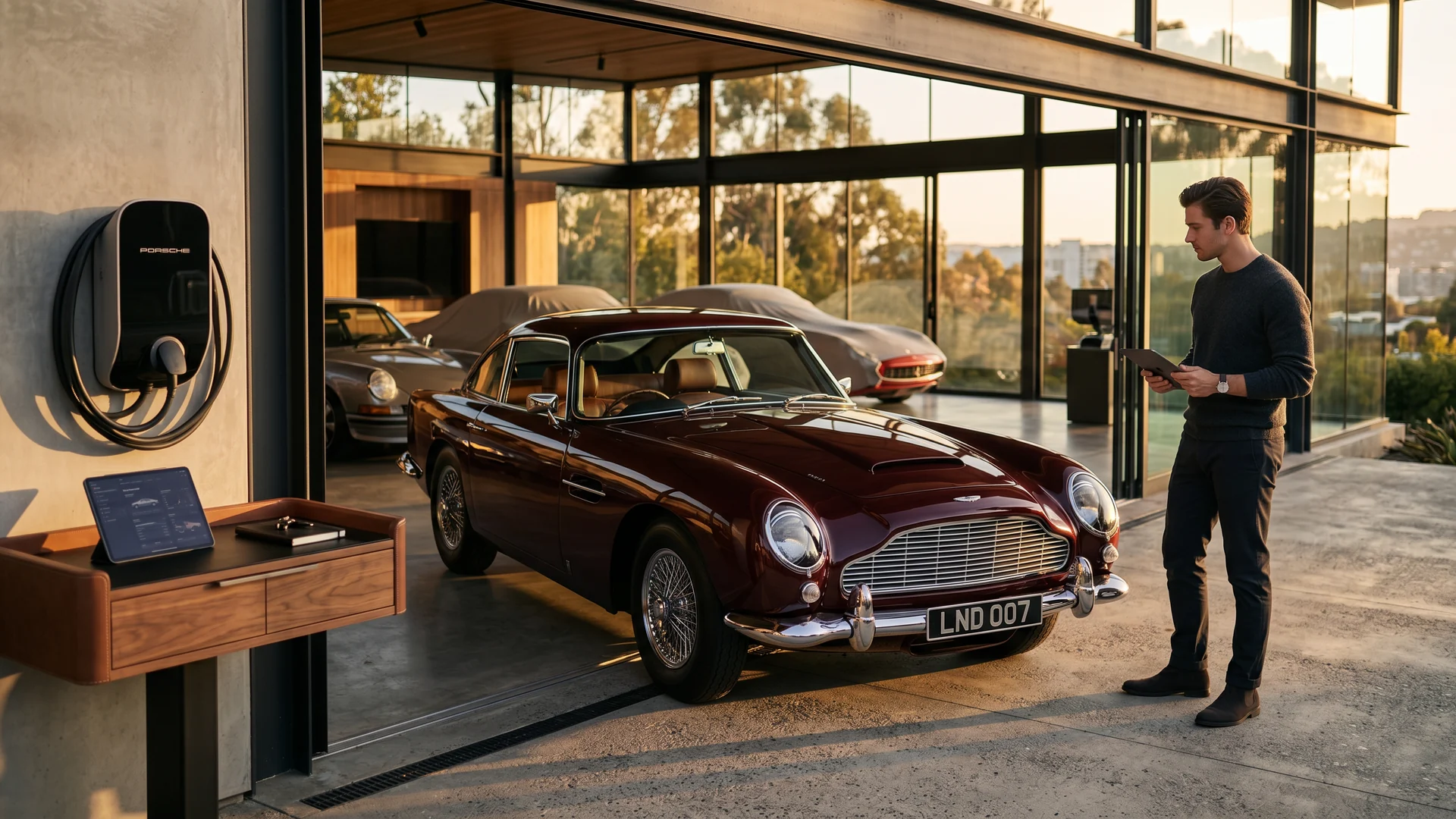
The Future of Classic Car Collecting: Trends Shaping the Next Generation
The future of classic car collecting: why 2035 ICE bans spare existing cars, plus e-fuels, shifting demographics, electromods and fractional ownership…
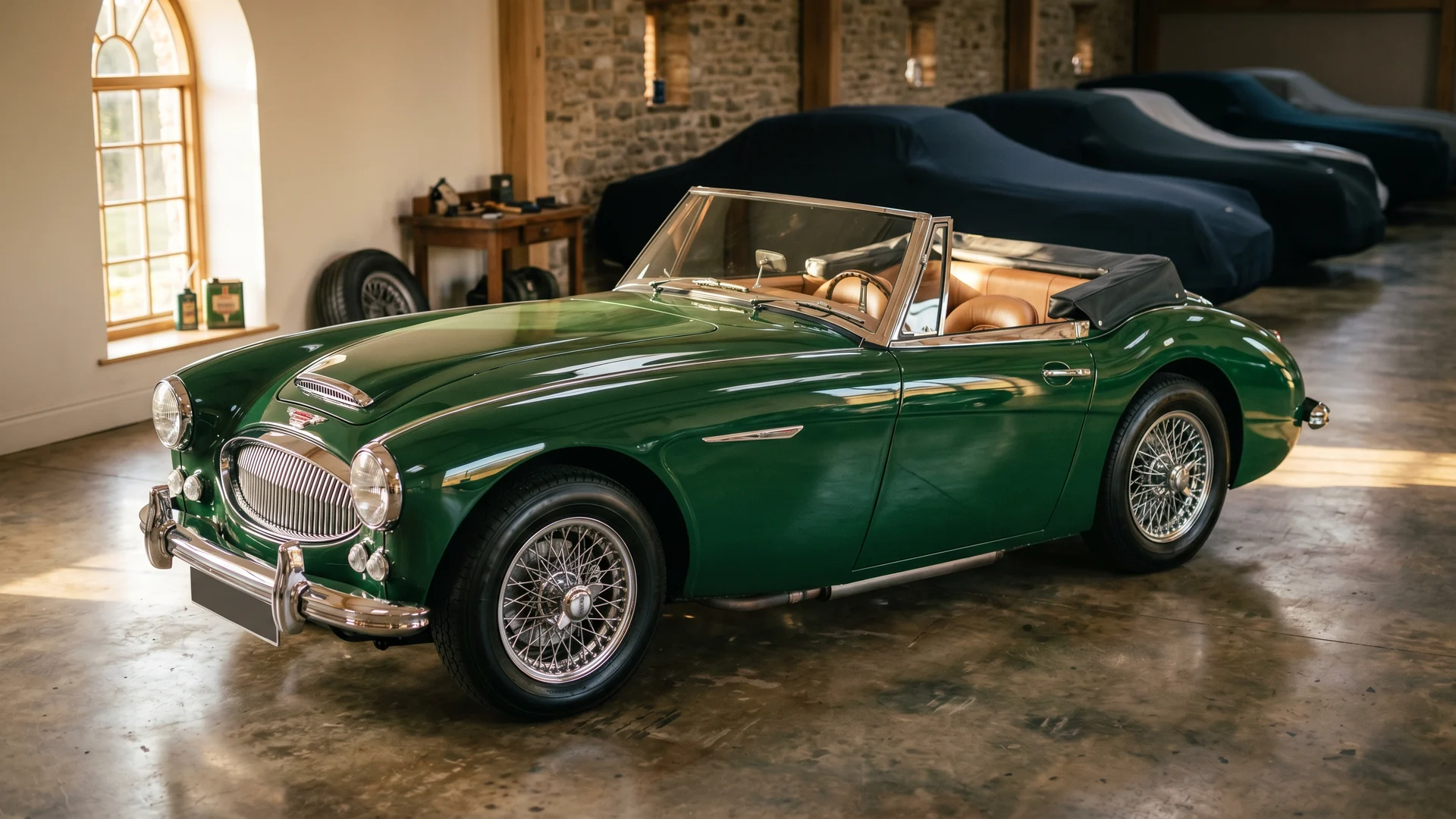
Classic Car Insurance Guide: Protecting Your Vintage Investment
Classic car insurance guide: why agreed-value policies beat stated and actual cash value, how Hagerty, Grundy and Chubb compare, plus costs and covera…
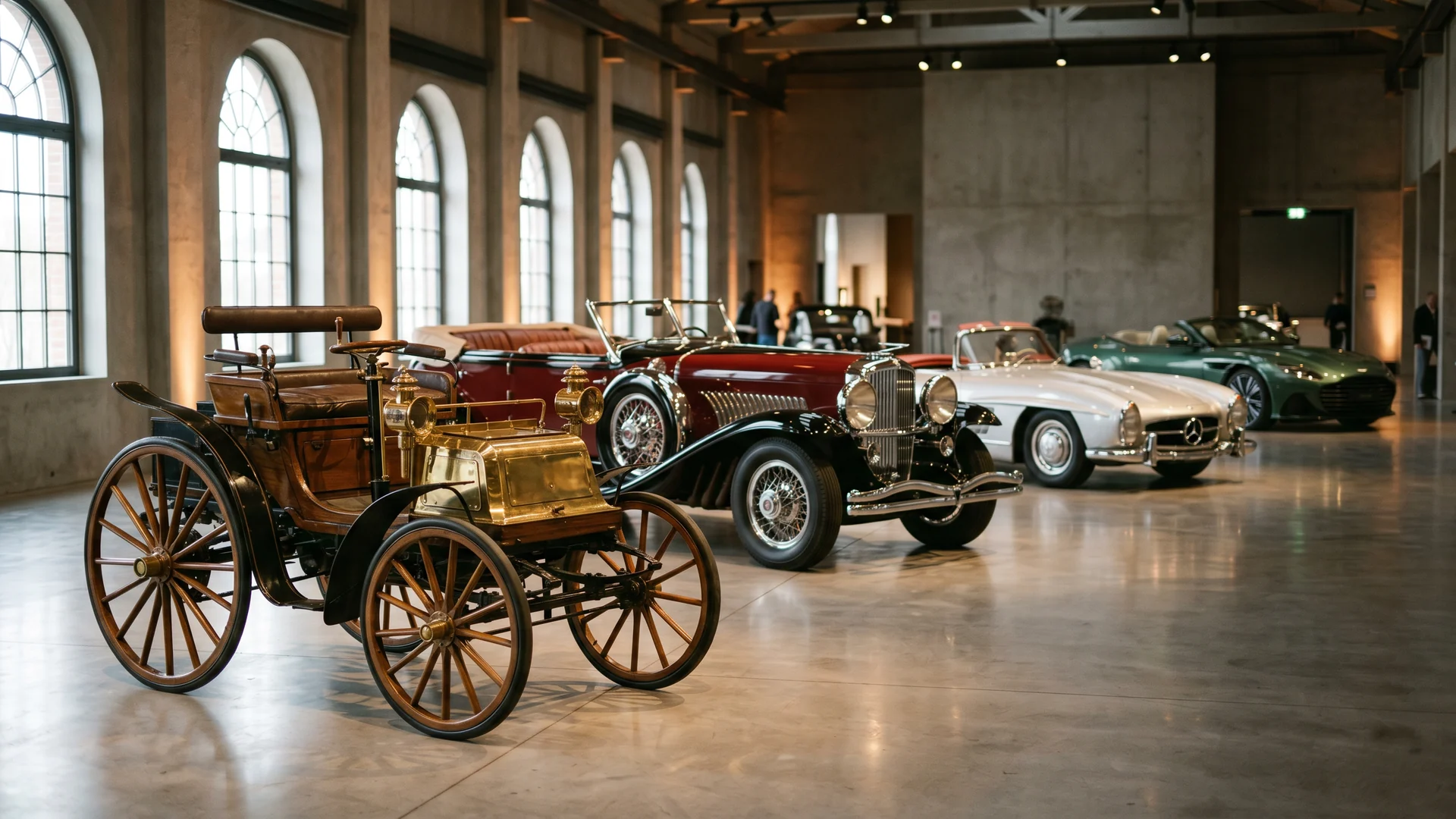
Classic Car History Timeline: From Benz to the Modern Collector Era
Classic car history timeline from the 1886 Benz Patent-Motorwagen through coachbuilding, muscle cars and supercars to modern collectibles. Discover th…