Why Luxury Oldtimers Are Becoming Museum-Only Assets
Classic car ownership faces increasing practical challenges in the contemporary automotive landscape. Modern consumer preferences have shifted toward vehicles that prioritize fuel …
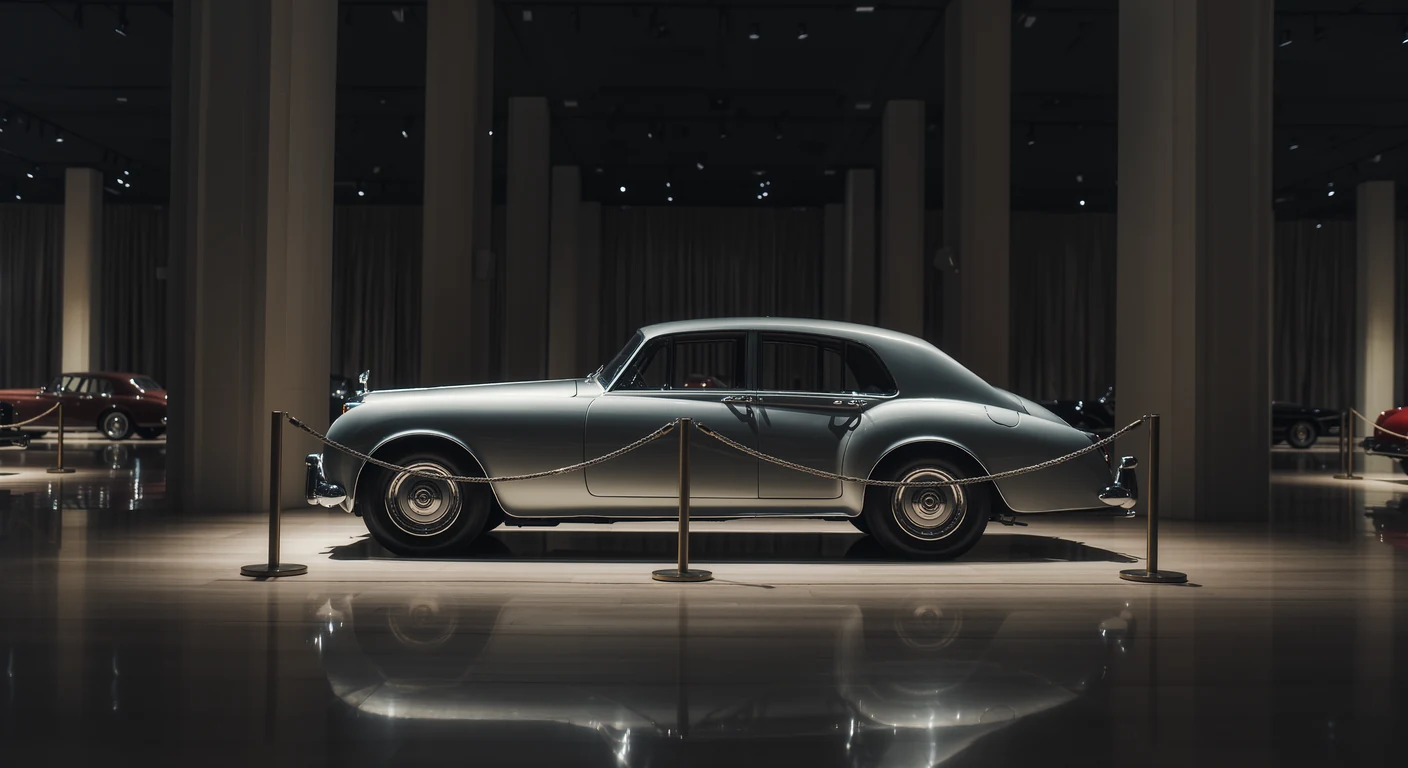
Classic car ownership faces increasing practical challenges in the contemporary automotive landscape. Modern consumer preferences have shifted toward vehicles that prioritize fuel efficiency, advanced safety systems, and environmental sustainability. Electric vehicles and hybrid technology have gained significant market share, offering features such as lower operating costs, reduced emissions, and integration with digital infrastructure.
Vintage automobiles typically operate with older mechanical systems that require more frequent maintenance and consume more fuel per mile compared to modern vehicles. These cars often lack contemporary safety features including airbags, anti-lock braking systems, electronic stability control, and advanced driver assistance technologies that are now standard in new vehicles. Additionally, classic cars may not meet current emissions standards in many jurisdictions.
The classic car market reflects these practical considerations. Insurance costs for vintage vehicles are often higher due to their age, parts availability, and safety profile. Maintenance requires specialized knowledge and components that may be difficult to source.
Daily usability is limited by factors such as reliability concerns, comfort features, and compatibility with modern infrastructure like charging stations or emissions testing requirements. These factors have created a market dynamic where classic cars are increasingly viewed as recreational or collector vehicles rather than primary transportation. Ownership decisions now typically weigh nostalgic and aesthetic value against practical transportation needs, maintenance costs, and regulatory compliance requirements.
Key Takeaways
- Classic cars are becoming less practical but more historically significant and rare.
- Preservation efforts and vintage car museums are growing to maintain automotive heritage.
- Rising maintenance costs and stricter government regulations challenge classic car ownership.
- Changing cultural attitudes and environmental concerns influence the future of luxury oldtimers.
- Technology and investment trends are reshaping the market and experience of classic cars.
Increasing Rarity and Historical Significance
As time marches on, classic cars are becoming increasingly rare, adding to their allure and historical significance. Many models that once populated the streets are now confined to garages or museums, making them coveted collectibles. This rarity not only enhances their value but also elevates their status as pieces of automotive history.
Each classic car tells a story, representing a specific era in design, engineering, and culture. Collectors and enthusiasts alike are drawn to these stories, seeking to preserve the legacy of these remarkable machines. The historical significance of classic cars also plays a crucial role in their appeal.
They serve as tangible reminders of technological advancements and societal changes over the decades. For instance, the evolution from muscle cars of the 1960s to the fuel-efficient models of the 1980s reflects broader shifts in consumer preferences and environmental awareness. As classic cars become rarer, they gain recognition as artifacts that encapsulate the spirit of their time, making them valuable not just for their aesthetics but also for their cultural importance.
Preservation of Heritage
The preservation of heritage is a driving force behind the classic car movement. Enthusiasts and collectors are not merely interested in owning these vehicles; they are passionate about maintaining and restoring them to their former glory. This dedication to preservation ensures that future generations can appreciate the craftsmanship and innovation that went into creating these iconic machines.
Car clubs and restoration communities play a vital role in this effort, providing resources, knowledge, and camaraderie among like-minded individuals. Furthermore, preserving classic cars goes hand in hand with preserving the stories and memories associated with them. Many vintage vehicles have rich histories tied to significant events or influential figures.
By restoring and showcasing these cars, enthusiasts contribute to a broader cultural narrative that honors the past. This commitment to heritage preservation fosters a sense of community among collectors and enthusiasts, creating a shared appreciation for the artistry and engineering that define classic automobiles.
Rising Costs of Maintenance and Restoration
While the passion for classic cars remains strong, rising costs associated with maintenance and restoration pose significant challenges for owners. As these vehicles age, finding replacement parts becomes increasingly difficult, often leading to exorbitant prices for rare components. Additionally, skilled mechanics who specialize in vintage cars are becoming harder to find, further driving up labor costs.
This financial burden can deter potential buyers from entering the classic car market or discourage current owners from maintaining their vehicles. Moreover, the costs associated with restoration projects can quickly escalate beyond initial estimates. Owners may find themselves investing substantial sums into bringing a classic car back to life, only to discover unforeseen issues during the restoration process.
This unpredictability can be disheartening for enthusiasts who are passionate about their vehicles but face financial constraints. As a result, many classic car owners must carefully weigh their options, balancing their love for vintage automobiles with the realities of rising maintenance costs.
Shifting Cultural Attitudes Towards Car Ownership
Cultural attitudes towards car ownership are evolving, impacting the classic car market significantly. In urban areas, younger generations are increasingly favoring alternative modes of transportation such as ridesharing services, public transit, and bicycles.
As a result, classic cars may be viewed as impractical luxuries rather than essential modes of transportation. Additionally, the rise of environmental consciousness has led many individuals to reconsider their relationship with automobiles altogether. The desire for eco-friendly alternatives has prompted a surge in interest in electric vehicles and hybrid models.
While classic cars hold sentimental value for many enthusiasts, they often fall short in terms of environmental impact compared to modern alternatives. This changing cultural landscape poses challenges for classic car owners who must navigate shifting perceptions while advocating for the preservation of automotive history.
Environmental and Ethical Concerns
Environmental concerns surrounding classic cars have gained prominence in recent years. Vintage vehicles typically emit higher levels of pollutants compared to modern cars equipped with advanced emissions control technologies. As society becomes more aware of climate change and its consequences, classic car ownership faces scrutiny from environmentally conscious individuals.
This has led some enthusiasts to explore eco-friendly modifications or alternative fuels to reduce their carbon footprint while still enjoying their beloved classics. Ethical considerations also come into play when discussing classic cars. The production and maintenance of vintage vehicles often involve resource-intensive processes that may not align with contemporary values surrounding sustainability and responsible consumption.
As consumers increasingly prioritize ethical practices in their purchasing decisions, classic car owners may find themselves at odds with these evolving standards. Balancing passion for vintage automobiles with environmental responsibility presents a complex challenge for enthusiasts navigating this new landscape.
Expansion of Vintage Car Museums
The expansion of vintage car museums reflects a growing recognition of the cultural significance of classic automobiles. These institutions serve as repositories for automotive history, showcasing rare models and educating visitors about their impact on society. As interest in classic cars continues to rise, museums play a crucial role in preserving this heritage while fostering appreciation among new generations.
Moreover, vintage car museums often host events, exhibitions, and educational programs that engage enthusiasts and casual visitors alike.
By providing a platform for sharing knowledge and experiences, museums contribute to the ongoing dialogue surrounding classic cars and their place in contemporary culture.
Investment and Speculation
The classic car market has increasingly attracted investors seeking alternative assets with potential for appreciation. As rarity and historical significance drive demand, certain models have seen substantial increases in value over time. Collectors view vintage automobiles not only as cherished possessions but also as investment opportunities that can yield significant returns.
However, investing in classic cars requires careful consideration and expertise. The market can be volatile, with values fluctuating based on trends, economic conditions, and collector interest. Potential investors must conduct thorough research to identify models with strong appreciation potential while also considering factors such as provenance and condition.
While investing in classic cars can be rewarding, it is essential to approach it with caution and an understanding of the unique dynamics at play within this niche market.
Impact of Technology on Classic Cars
Technology has had a profound impact on the world of classic cars, influencing everything from restoration techniques to driving experiences. Modern tools and materials have revolutionized how enthusiasts approach restoration projects, allowing for more precise work and improved outcomes. For instance, advancements in 3D printing enable owners to create custom parts that may no longer be available on the market.
Additionally, technology has transformed how classic cars are driven and maintained. Many enthusiasts now utilize smartphone apps to monitor engine performance or track maintenance schedules. This integration of technology enhances the ownership experience while preserving the charm of vintage vehicles.
However, it also raises questions about authenticity: how much modernization is acceptable before a classic car loses its original character? Striking a balance between embracing technology and honoring tradition remains a key consideration for owners.
Government Regulations and Restrictions
Government regulations surrounding emissions standards and safety requirements pose challenges for classic car owners. Many regions have implemented stricter guidelines aimed at reducing pollution from older vehicles, which can complicate ownership for enthusiasts who wish to drive their classics regularly. Compliance with these regulations often requires costly modifications or even limits on when and where vintage cars can be driven.
Moreover, some jurisdictions have introduced restrictions on modifications made to classic cars, further complicating restoration efforts for owners seeking to enhance performance or safety features. Navigating this regulatory landscape can be daunting for enthusiasts who wish to preserve their vehicles while adhering to legal requirements. As government policies continue to evolve in response to environmental concerns, classic car owners must remain vigilant about potential changes that could impact their ability to enjoy their beloved automobiles.
The Future of Luxury Oldtimers
The future of luxury oldtimers remains uncertain amid shifting cultural attitudes and economic factors influencing the automotive landscape. While there will always be a dedicated community of enthusiasts passionate about preserving these vehicles, external pressures may reshape how they are perceived and valued over time. The increasing rarity of certain models may continue to drive demand among collectors seeking unique investments.
However, as younger generations prioritize sustainability and alternative transportation options, luxury oldtimers may face challenges in attracting new enthusiasts. The key to ensuring their continued relevance lies in finding innovative ways to bridge tradition with modern values, whether through eco-friendly modifications or educational initiatives that highlight their historical significance. In conclusion, while the world of luxury oldtimers faces numerous challenges, from rising costs to shifting cultural attitudes, the passion for preserving automotive heritage remains strong among dedicated enthusiasts.
By navigating these complexities thoughtfully and embracing innovation alongside tradition, the future of classic cars can continue to thrive amidst an ever-changing landscape.
FAQs
What are luxury oldtimers?
Luxury oldtimers are classic, high-end vintage cars that are often considered collector’s items due to their rarity, historical significance, and craftsmanship.
Why are luxury oldtimers becoming museum-only assets?
Luxury oldtimers are increasingly becoming museum-only assets because of their high value, fragility, and the desire to preserve them in pristine condition. Additionally, strict regulations, insurance costs, and the risk of damage during use discourage owners from driving them regularly.
What factors contribute to the preservation of luxury oldtimers in museums?
Factors include the need for controlled environments to prevent deterioration, expert maintenance, limited exposure to wear and tear, and the educational and cultural value museums provide by showcasing these vehicles to the public.
Are luxury oldtimers still driven by collectors?
While some collectors do drive their luxury oldtimers on special occasions, many prefer to keep them in museums or private collections to maintain their condition and value.
How does the value of luxury oldtimers change when they are kept in museums?
Keeping luxury oldtimers in museums can help maintain or even increase their value over time by preserving their condition and provenance, making them more attractive to collectors and enthusiasts.
What role do museums play in the history of luxury oldtimers?
Museums play a crucial role in preserving the history, design, and technological advancements of luxury oldtimers, allowing the public to appreciate automotive heritage and craftsmanship.
Are there any legal restrictions on driving luxury oldtimers?
In some regions, there are legal restrictions such as emissions standards, safety regulations, and limited registration options that can restrict the use of luxury oldtimers on public roads, encouraging their preservation in museums.
How do insurance costs affect the use of luxury oldtimers?
Insurance for luxury oldtimers can be very expensive due to their high value and the cost of repairs, which often leads owners to limit their use and keep them in controlled environments like museums.
Can luxury oldtimers be restored if damaged?
Yes, luxury oldtimers can often be restored by specialized craftsmen, but restoration can be costly and time-consuming, and some collectors prefer to avoid driving them to minimize the risk of damage.
What is the future outlook for luxury oldtimers as museum assets?
The trend of preserving luxury oldtimers as museum assets is expected to continue, driven by increasing awareness of their cultural value, rising maintenance costs, and the desire to protect automotive heritage for future generations.
More from Blog
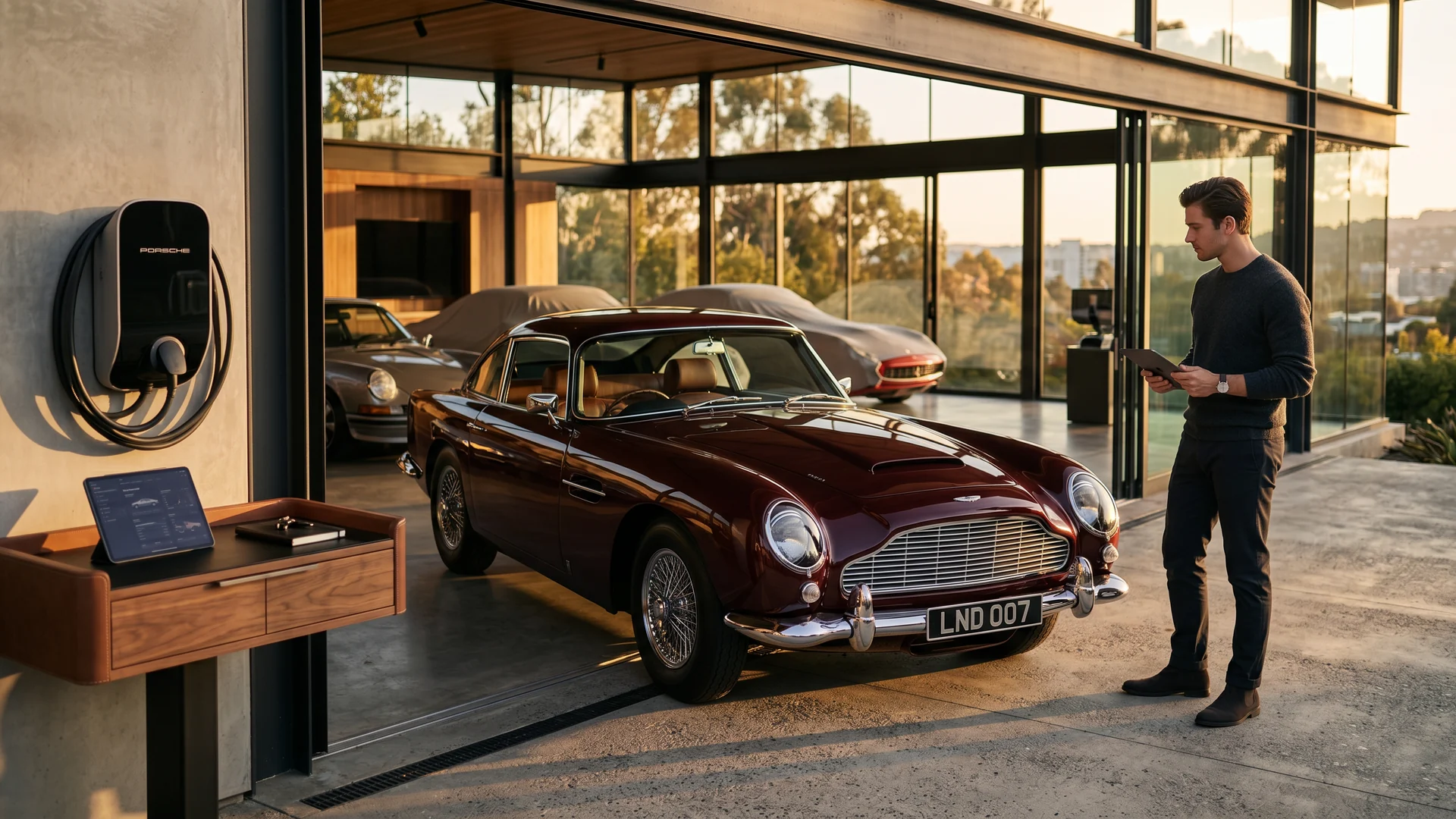
The Future of Classic Car Collecting: Trends Shaping the Next Generation
The future of classic car collecting: why 2035 ICE bans spare existing cars, plus e-fuels, shifting demographics, electromods and fractional ownership…
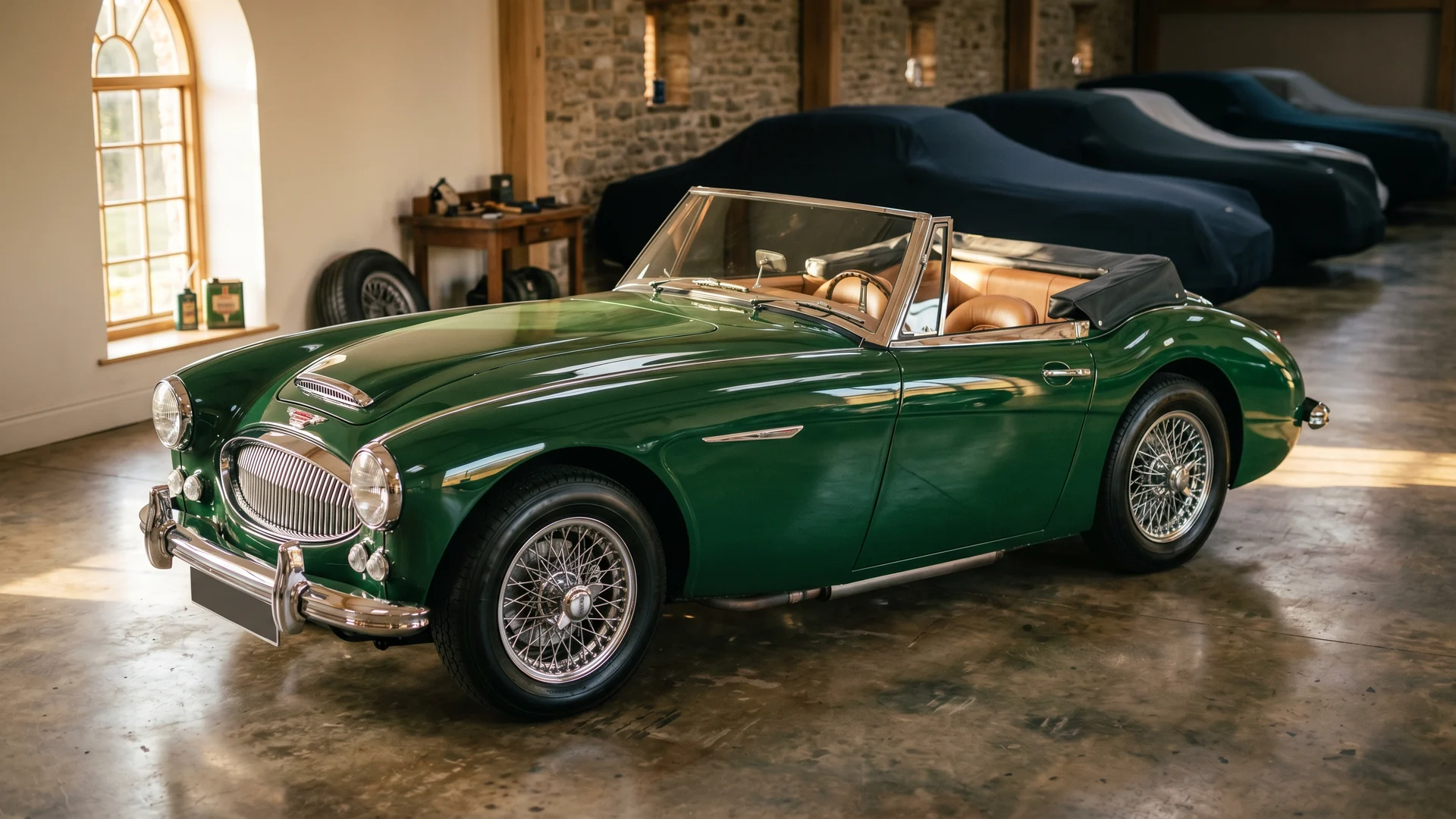
Classic Car Insurance Guide: Protecting Your Vintage Investment
Classic car insurance guide: why agreed-value policies beat stated and actual cash value, how Hagerty, Grundy and Chubb compare, plus costs and covera…
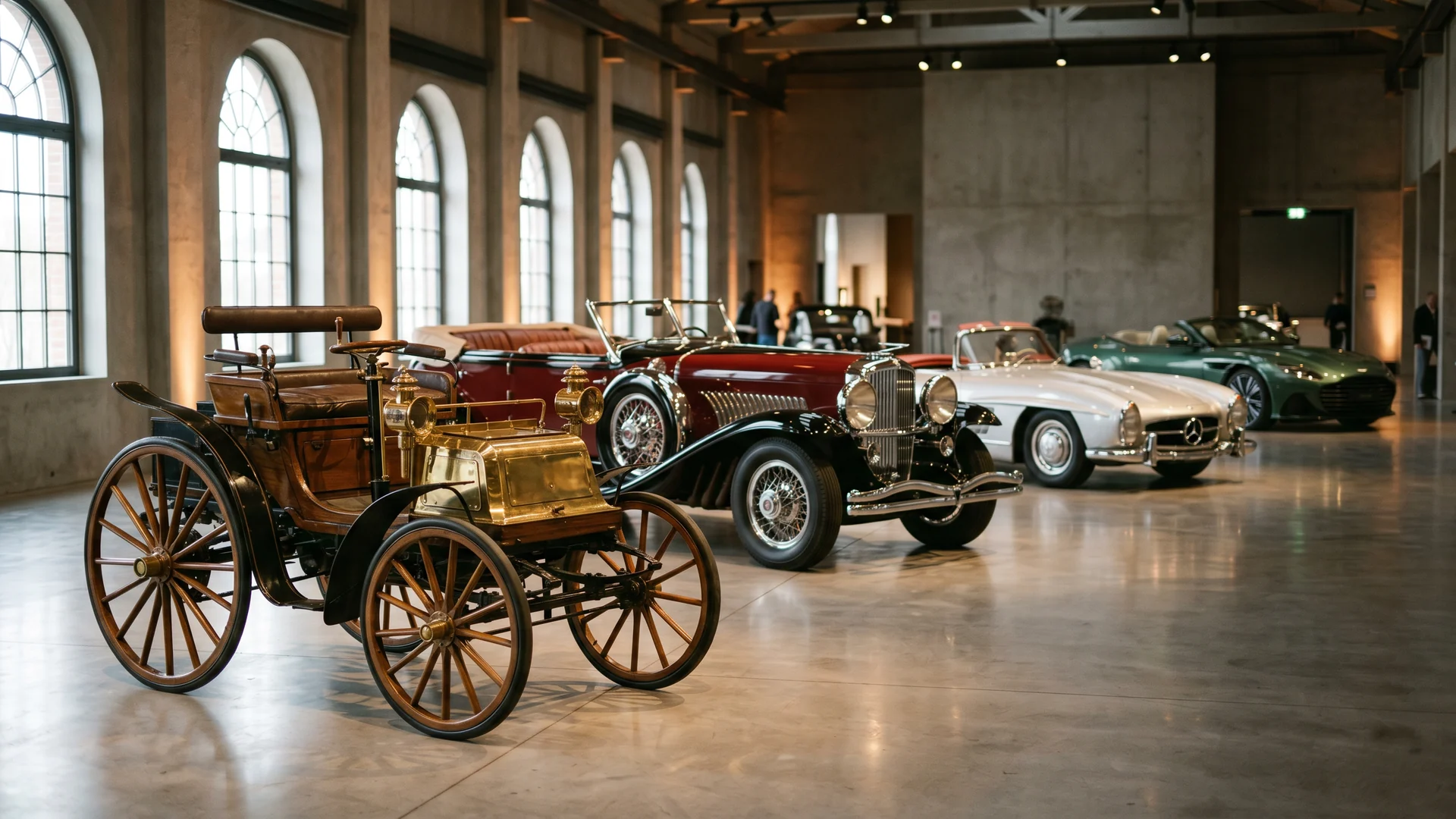
Classic Car History Timeline: From Benz to the Modern Collector Era
Classic car history timeline from the 1886 Benz Patent-Motorwagen through coachbuilding, muscle cars and supercars to modern collectibles. Discover th…