Why Luxury Collectors Fear the Wrong Publicity
Negative publicity significantly affects luxury brands by reducing consumer trust and brand loyalty. When luxury brands encounter criticism or scandals, their established image of …
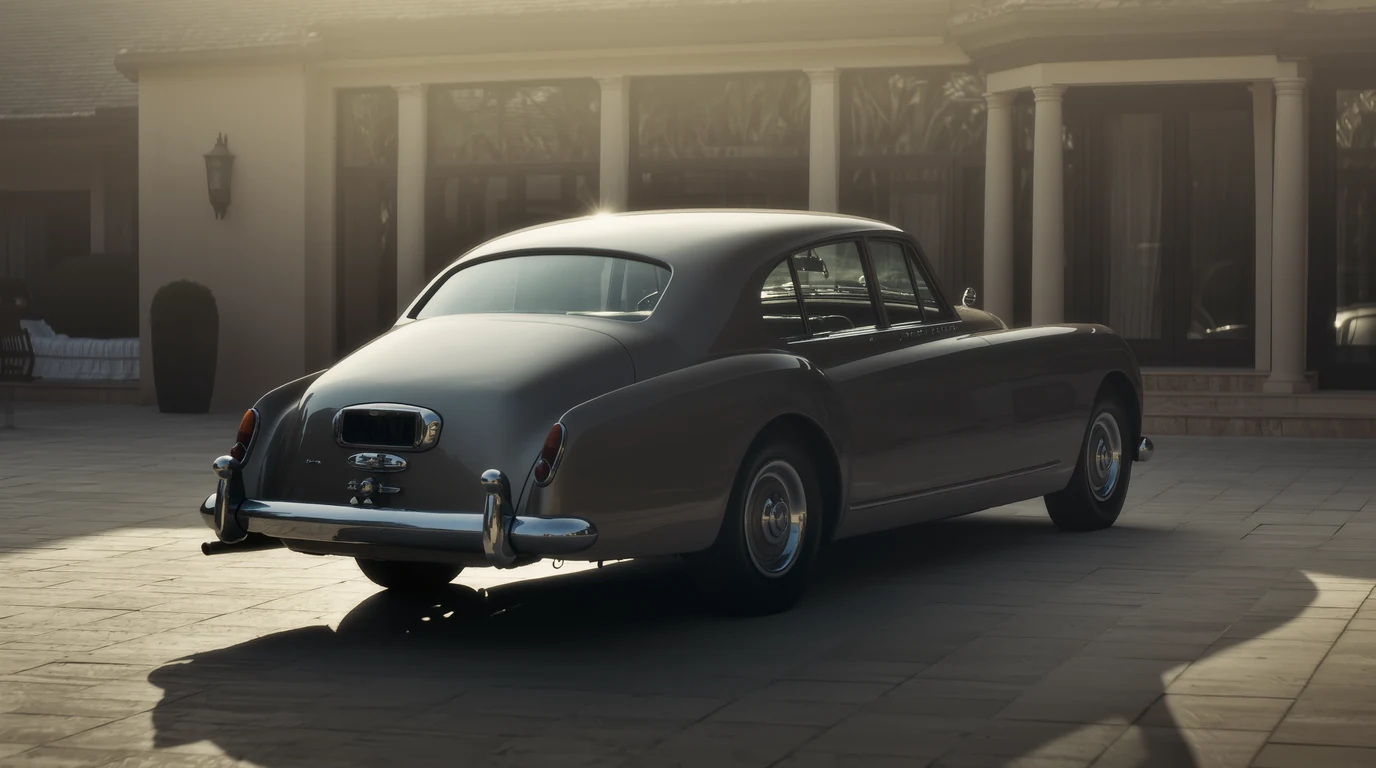
Negative publicity significantly affects luxury brands by reducing consumer trust and brand loyalty. When luxury brands encounter criticism or scandals, their established image of exclusivity and prestige becomes compromised. This damage proves particularly severe in the luxury market, where brand perception directly influences purchasing decisions.
Luxury consumers typically expect brands to represent quality, sophistication, and social status, making negative coverage especially detrimental to brand equity. The financial consequences of adverse publicity are substantial and measurable. Sales typically decline as consumers avoid brands associated with controversy.
High-profile scandals frequently trigger immediate consumer backlash, resulting in reduced sales volumes and declining stock valuations. Long-term financial impacts often exceed short-term losses, as luxury brands require extended periods to restore their reputation and recover market share. The recovery process can span years, during which competitors may capture displaced customers and market position.
Key Takeaways
- Negative publicity can significantly damage the reputation and value of luxury brands and collectibles.
- Social media plays a crucial role in rapidly shaping and spreading public perception, often amplifying negative narratives.
- Maintaining an exclusive and carefully curated image is essential for luxury brands to preserve their prestige and market value.
- Scandals, controversies, and misrepresentation in the media can have lasting adverse effects on both luxury collectors and brands.
- Effective strategies are necessary to mitigate the impact of negative publicity, balancing publicity with privacy and avoiding associations with controversial figures.
The Role of Social Media in Shaping Public Perception
Social media plays a crucial role in shaping public perception of luxury brands. Platforms like Instagram, Twitter, and Facebook allow consumers to share their opinions and experiences with a global audience instantly. This democratization of information means that negative publicity can spread rapidly, often outpacing traditional media coverage.
A single tweet or post can ignite a firestorm of criticism, leading to widespread damage to a brand’s reputation. Additionally, social media influencers and celebrities can amplify negative sentiments. When a prominent figure shares their discontent with a luxury brand, it can sway public opinion significantly.
The viral nature of social media means that negative messages can reach millions within hours, making it essential for luxury brands to monitor their online presence closely. Brands must engage with their audience proactively to mitigate the effects of negative publicity and maintain a positive image.
How Negative Publicity Can Affect the Value of Luxury Collectibles
The value of luxury collectibles is intricately linked to the reputation of the brands behind them. When negative publicity strikes a luxury brand, it can lead to a decrease in demand for its products, including collectibles. For collectors, this means that the resale value of their items may plummet.
A luxury handbag or watch that was once considered an investment may lose its allure if the brand is associated with scandal or controversy. Furthermore, the emotional connection that collectors have with luxury items can be affected by negative publicity. Many collectors view their purchases as symbols of status and success.
If a brand’s reputation is tarnished, collectors may feel embarrassed or reluctant to showcase their items.
The Importance of Maintaining an Exclusive Image
Maintaining an exclusive image is vital for luxury brands to thrive in a competitive market. Exclusivity not only enhances desirability but also reinforces the perception of quality and craftsmanship associated with luxury products. When negative publicity arises, it can threaten this exclusivity by making the brand appear more accessible or less prestigious.
Luxury brands often invest heavily in marketing strategies that emphasize their unique heritage and craftsmanship. However, when faced with negative publicity, these carefully crafted narratives can be undermined. Brands must work diligently to restore their exclusive image by addressing controversies head-on and reaffirming their commitment to quality and excellence.
The Potential for Misrepresentation in the Media
The media plays a significant role in shaping public perception, but it is not always accurate. Misrepresentation can occur when journalists sensationalize stories or fail to provide context. This is particularly concerning for luxury brands, as misinterpretations can lead to widespread misconceptions about their products or practices.
For example, a luxury brand may be accused of unethical labor practices based on a single report without considering the full scope of its operations. Such misrepresentation can lead to public outrage and damage the brand’s reputation. Luxury brands must be vigilant in monitoring media coverage and actively engage with journalists to ensure accurate representation.
The Influence of Public Opinion on Luxury Collectors
Public opinion significantly influences luxury collectors’ decisions and behaviors. Collectors often seek validation from their peers and the broader community regarding their purchases.
Moreover, social dynamics play a crucial role in shaping collectors’ perceptions. If a particular brand becomes associated with controversy, collectors may feel pressured to distance themselves from it to maintain their status within their social circles. This shift in public opinion can lead to decreased demand for certain collectibles, impacting their market value.
The Power of Scandals and Controversies in Shaping Public Perception
Scandals and controversies have the power to shape public perception dramatically. In some cases, they can even lead to increased interest in a brand as consumers become curious about the situation. However, this is often a double-edged sword; while some consumers may be drawn to the drama, others may be repelled by it.
Luxury brands must navigate these turbulent waters carefully. They need to assess whether the controversy could potentially enhance or damage their image. In many cases, transparency and accountability are essential for rebuilding trust after a scandal.
Brands that handle controversies with grace and integrity are more likely to emerge stronger than those that attempt to downplay or ignore the situation.
The Challenge of Balancing Publicity and Privacy for Luxury Collectors
Luxury collectors often face the challenge of balancing publicity and privacy. While many collectors enjoy showcasing their prized possessions on social media or at events, they must also consider the potential risks associated with public exposure. Negative publicity surrounding a brand can lead to unwanted attention and scrutiny for collectors who own its products.
Additionally, privacy concerns are heightened when collectors are associated with controversial figures or events. The desire for exclusivity may clash with the need for visibility in an increasingly connected world. Collectors must navigate this delicate balance carefully to protect their investments while still enjoying the benefits of being part of the luxury community.
The Risks of Associating with Controversial Figures or Events
Associating with controversial figures or events poses significant risks for luxury brands and collectors alike. When a brand collaborates with a celebrity embroiled in scandal or controversy, it can lead to backlash from consumers who disapprove of the association. This can tarnish the brand’s image and alienate its customer base.
For collectors, owning items linked to controversial figures can also be problematic. The value of such collectibles may decline as public sentiment shifts against the associated individual or event. Collectors must be mindful of these risks when making purchasing decisions and consider how associations may impact their investments over time.
The Long-term Effects of Negative Publicity on Luxury Collectors and Brands
The long-term effects of negative publicity on luxury collectors and brands can be profound and far-reaching. For brands, recovering from a scandal may take years of strategic marketing efforts and consumer engagement. Even after addressing the issue, some consumers may remain skeptical about the brand’s integrity.
For collectors, the impact can be equally significant. Items that were once seen as valuable investments may lose their appeal if associated with negative publicity. This decline in desirability can lead to decreased resale values and diminished interest from potential buyers.
As such, both brands and collectors must remain vigilant in managing their reputations in an ever-evolving landscape.
Strategies for Mitigating the Impact of Negative Publicity on Luxury Collectibles
To mitigate the impact of negative publicity on luxury collectibles, brands must adopt proactive strategies that prioritize transparency and communication. Engaging directly with consumers through social media platforms allows brands to address concerns promptly and clarify any misconceptions. Additionally, luxury brands should invest in crisis management plans that outline steps for responding to negative publicity effectively.
This includes monitoring media coverage closely and being prepared to issue statements or take corrective actions when necessary. For collectors, diversifying investments across multiple brands can help mitigate risks associated with negative publicity tied to any single entity. Staying informed about market trends and public sentiment will also empower collectors to make informed decisions about their purchases.
In conclusion, navigating the complexities of negative publicity requires diligence from both luxury brands and collectors alike. By understanding the potential impacts and implementing effective strategies, they can protect their reputations and investments in an ever-changing landscape.
FAQs
What is the main concern of luxury collectors regarding publicity?
Luxury collectors often fear negative publicity because it can impact the perceived value and exclusivity of their collections. Negative media attention may lead to decreased demand or scrutiny from authorities.
Why might luxury collectors fear the wrong kind of publicity?
Collectors fear the wrong kind of publicity because it can attract unwanted attention, such as legal investigations, theft risks, or damage to their reputation. Positive publicity typically enhances prestige, while negative publicity can have the opposite effect.
How does publicity affect the value of luxury collections?
Publicity can influence the market value of luxury items. Positive coverage can increase interest and prices, while negative publicity may cause prices to drop due to concerns about authenticity, provenance, or ethical issues.
Are there examples of luxury collectors facing issues due to publicity?
Yes, there have been cases where collectors faced legal challenges, public backlash, or security threats after their collections were publicized. These situations highlight the risks associated with unwanted media exposure.
What measures do luxury collectors take to manage publicity?
Collectors often work with public relations professionals, maintain privacy, and carefully control information about their collections to avoid negative publicity. They may also engage in philanthropy or public exhibitions to generate positive attention.
Can publicity ever benefit luxury collectors?
Yes, strategic publicity can enhance a collector’s reputation, increase the value of their collection, and open opportunities for networking and partnerships within the luxury market.
How does the media typically portray luxury collectors?
Media portrayals vary but can range from admiration of their taste and wealth to criticism regarding extravagance or ethical concerns. The tone of coverage significantly affects public perception.
What role does social media play in the publicity of luxury collections?
Social media can rapidly amplify both positive and negative publicity. It allows collectors to showcase their collections directly but also exposes them to public scrutiny and potential controversies.
More from Blog
The Future of Classic Car Collecting: Trends Shaping the Next Generation
The future of classic car collecting: why 2035 ICE bans spare existing cars, plus e-fuels, shifting demographics, electromods and fractional ownership…
Classic Car Insurance Guide: Protecting Your Vintage Investment
Classic car insurance guide: why agreed-value policies beat stated and actual cash value, how Hagerty, Grundy and Chubb compare, plus costs and covera…
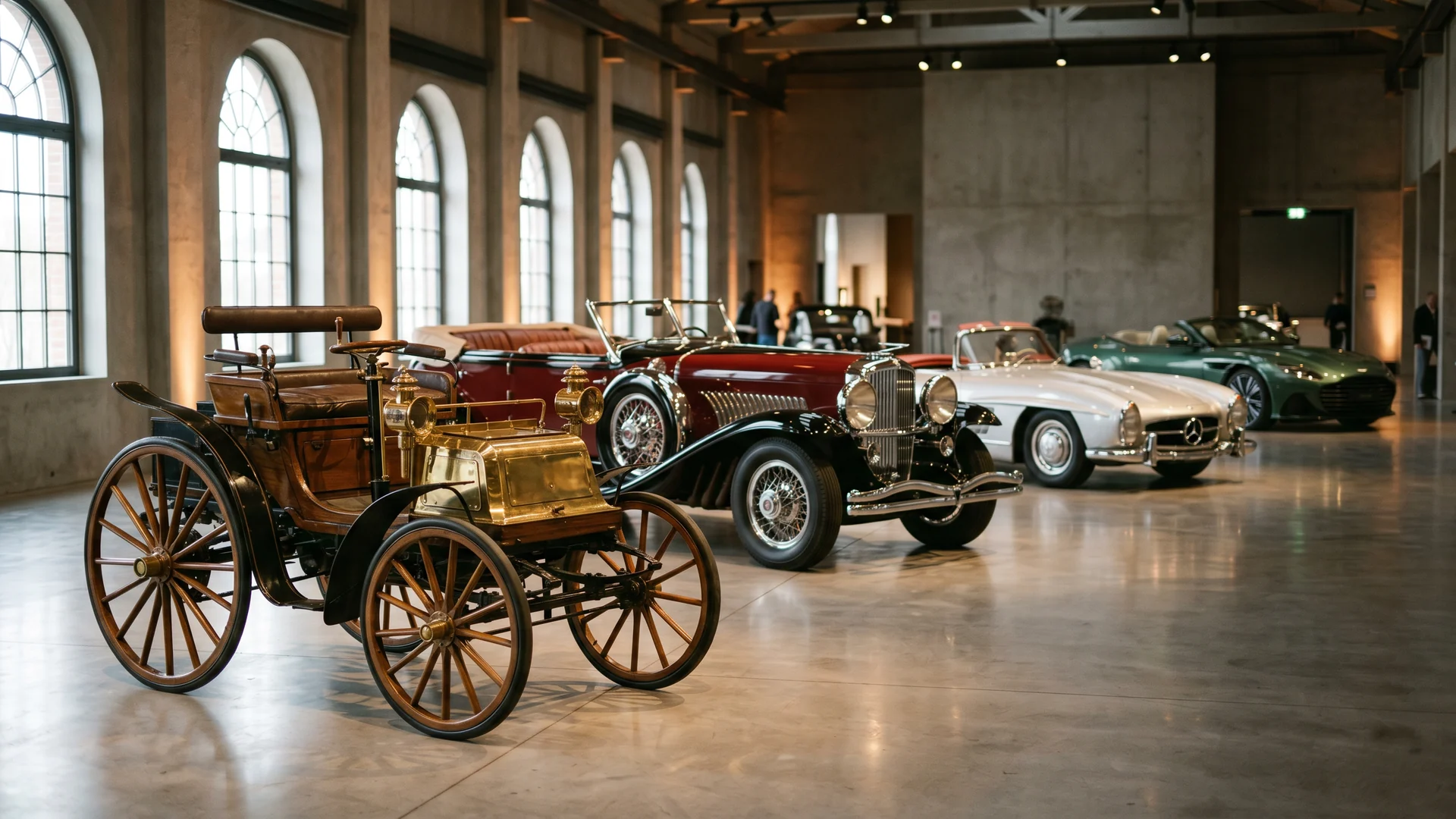
Classic Car History Timeline: From Benz to the Modern Collector Era
Classic car history timeline from the 1886 Benz Patent-Motorwagen through coachbuilding, muscle cars and supercars to modern collectibles. Discover th…