Why Luxury Classic Cars Thrive in Times of Crisis
Classic cars possess a unique charm that transcends generations. Their design, craftsmanship, and engineering reflect an era when automobiles were not just modes of transportation …
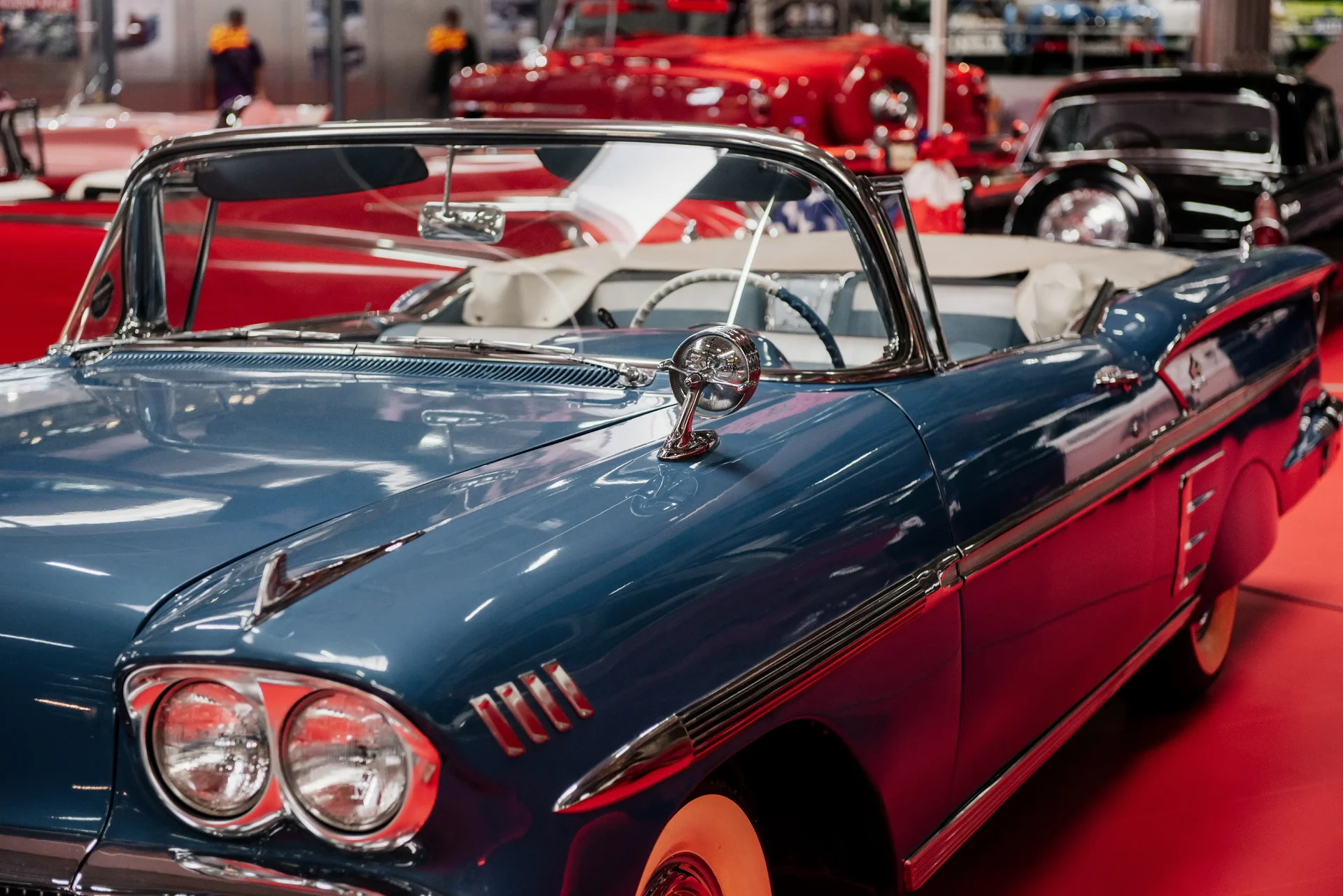
Classic cars possess a unique charm that transcends generations. Their design, craftsmanship, and engineering reflect an era when automobiles were not just modes of transportation but works of art. The allure of classic cars lies in their ability to evoke nostalgia and admiration, making them highly sought after by enthusiasts and collectors alike.
From the sleek lines of a 1960s Mustang to the elegant curves of a vintage Jaguar, each classic car tells a story that resonates with car lovers around the world. Moreover, the timeless appeal of classic cars is not limited to their aesthetics. They represent a connection to a bygone era, a time when driving was an experience rather than a necessity.
This emotional connection enhances their desirability, as many people yearn for the simplicity and freedom associated with classic automobiles. As a result, classic cars continue to captivate new generations, ensuring their place in automotive history.
Key Takeaways
- Classic cars hold enduring appeal due to their design, history, and emotional significance.
- Luxury markets, including classic cars, show resilience even during economic fluctuations.
- Classic cars serve as both a status symbol and a form of escapism for enthusiasts.
- They offer investment value, often appreciating over time as rare and exclusive assets.
- Classic cars play a vital role in preserving automotive history and cultural heritage.
The Resilience of Luxury Markets
The luxury car market has shown remarkable resilience over the years, even in the face of economic downturns. Classic cars, in particular, have proven to be a stable investment, often appreciating in value despite fluctuations in the broader economy. This resilience can be attributed to the enduring demand for high-quality vehicles that offer both performance and prestige.
Collectors and investors recognize that classic cars are not just commodities; they are tangible assets that can provide long-term financial security. Additionally, the luxury market benefits from a dedicated community of enthusiasts who are willing to invest significant resources into maintaining and restoring classic cars. This commitment ensures that these vehicles remain in excellent condition, further enhancing their value over time.
As more people seek to diversify their investment portfolios, classic cars emerge as an attractive option, combining passion with potential profit.
The Emotional Connection to Classic Cars
The emotional connection to classic cars is profound and multifaceted. For many enthusiasts, these vehicles represent cherished memories of family road trips, first cars, or significant life events. The sight of a classic car can transport individuals back to simpler times, evoking feelings of nostalgia and joy.
This emotional bond is often what drives collectors to seek out specific models that hold personal significance. Furthermore, classic cars serve as a canvas for self-expression. Owners often customize their vehicles to reflect their personalities and tastes, creating a unique identity that sets them apart from others.
This personalization fosters a deeper connection between the owner and the car, transforming it into more than just a mode of transportation but rather a beloved companion on the road.
Investment Value of Classic Cars
Investing in classic cars has become increasingly popular among those looking to diversify their portfolios. Unlike traditional investments such as stocks or bonds, classic cars offer tangible value that can appreciate over time. Certain models have seen significant increases in value, making them attractive options for investors seeking alternative assets.
The rarity and desirability of specific makes and models can lead to substantial returns on investment. Moreover, the classic car market is less susceptible to market volatility compared to other investment avenues. While economic downturns may impact stock prices, classic cars often retain their value due to their unique appeal and limited supply.
Classic Cars as a Safe Haven Asset
In times of economic uncertainty, classic cars have emerged as safe haven assets for investors seeking stability. Unlike stocks or real estate, which can fluctuate dramatically based on market conditions, classic cars tend to hold their value well over time. This resilience is particularly appealing during periods of inflation or economic downturns when traditional investments may falter.
Additionally, classic cars offer a unique advantage: they can be enjoyed while serving as an investment. Owners can take pride in their vehicles, participating in car shows or leisurely drives while knowing that their asset is likely to appreciate in value. This dual benefit makes classic cars an attractive option for those looking to safeguard their wealth while indulging in their passion for automobiles.
The Rarity and Exclusivity of Classic Cars
Rarity and exclusivity are defining characteristics of classic cars that contribute significantly to their allure. Limited production runs and unique features make certain models highly sought after by collectors. The scarcity of these vehicles creates a sense of urgency among buyers, driving up demand and prices.
For many enthusiasts, owning a rare classic car is not just about possession; it’s about being part of an exclusive club that appreciates automotive history. Moreover, the stories behind these rare models add to their mystique. Each classic car has its own narrative, whether it’s a famous race history or a celebrity owner, that enhances its desirability.
Collectors often seek out these stories as much as the vehicles themselves, making the acquisition of a rare classic car a deeply personal journey.
Classic Cars as a Symbol of Status and Prestige
Classic cars have long been associated with status and prestige. Owning a vintage vehicle often signifies wealth and sophistication, as these cars require significant investment not only in purchase price but also in maintenance and restoration. The mere presence of a classic car at an event can elevate the status of its owner, drawing admiration and respect from peers.
Furthermore, classic cars serve as conversation starters and social connectors among enthusiasts. Car shows and rallies provide opportunities for owners to showcase their prized possessions while networking with like-minded individuals. This social aspect enhances the prestige associated with owning a classic car, reinforcing its status as more than just an automobile but rather a symbol of success.
Classic Cars as a Form of Escapism
For many enthusiasts, classic cars offer an escape from the stresses of modern life. The experience of driving a vintage vehicle evokes feelings of freedom and adventure that are often lost in today’s fast-paced world. The simple act of cruising down an open road in a classic car can provide a sense of tranquility and joy that is hard to replicate elsewhere.
Additionally, restoring or maintaining a classic car can be therapeutic for many owners. The hands-on nature of working on these vehicles allows individuals to immerse themselves in a project that requires focus and creativity.
Classic Cars and Nostalgia
Nostalgia plays a significant role in the appeal of classic cars. For many individuals, these vehicles represent cherished memories from their youth or family history. The sight or sound of a particular model can evoke powerful emotions tied to personal experiences, making them more than just machines but rather vessels of memory.
Moreover, nostalgia extends beyond personal connections; it encompasses cultural memories as well. Classic cars often symbolize specific eras in automotive history, reflecting societal trends and technological advancements. This cultural significance adds layers to their appeal, attracting collectors who appreciate not only the vehicle itself but also its place within the broader context of history.
Classic Cars as a Long-Term Investment
Investing in classic cars has proven to be a viable long-term strategy for many collectors and investors alike. Unlike other assets that may depreciate over time, certain classic cars have consistently appreciated in value due to their rarity and desirability. As more people recognize the potential for profit in this niche market, interest continues to grow.
Additionally, the long-term investment potential of classic cars is enhanced by their ability to be enjoyed while appreciating in value. Owners can take pride in their vehicles while knowing they are making a sound financial decision. This combination of enjoyment and investment potential makes classic cars an attractive option for those looking to secure their financial future.
The Role of Classic Cars in Preserving Automotive History
Classic cars play an essential role in preserving automotive history and heritage. Each vehicle represents a snapshot of its time, showcasing the design philosophies and technological advancements of its era. By collecting and restoring these cars, enthusiasts contribute to the preservation of important historical artifacts that might otherwise be lost.
Moreover, classic car shows and museums serve as platforms for educating the public about automotive history. These events allow enthusiasts to share their passion while inspiring future generations to appreciate the artistry and engineering behind vintage vehicles. In this way, classic cars not only serve as personal treasures but also as vital links to our collective automotive past.
In conclusion, classic cars embody timeless appeal, emotional connections, investment potential, and cultural significance that resonate with enthusiasts worldwide. Whether viewed as investments or cherished possessions, they continue to captivate hearts and minds across generations. As you consider your own journey into the world of classic cars, remember that each vehicle holds not just monetary value but also stories waiting to be told, stories that connect us all through our shared love for these remarkable machines.
FAQs
Why do luxury classic cars tend to perform well during economic crises?
Luxury classic cars often retain or increase their value during economic downturns because they are considered tangible assets and alternative investments. Unlike stocks or real estate, these vehicles can serve as a store of value and are less susceptible to market volatility.
What makes luxury classic cars a good investment in times of crisis?
Luxury classic cars are rare, collectible, and often have historical significance, which can make them highly desirable. Their limited supply and enduring appeal help maintain or boost their value even when other asset classes decline.
Are luxury classic cars affected by market fluctuations?
While luxury classic cars are not immune to market fluctuations, they generally experience less volatility compared to traditional financial markets. Their value is influenced by factors such as rarity, condition, provenance, and collector demand rather than short-term economic changes.
How does scarcity impact the value of luxury classic cars during crises?
Scarcity plays a crucial role in the value of luxury classic cars. Limited production numbers and the difficulty of finding well-maintained examples increase their desirability, which can help sustain or elevate prices during times of economic uncertainty.
Do luxury classic cars require special maintenance or storage?
Yes, maintaining luxury classic cars requires proper storage, regular upkeep, and sometimes specialized restoration to preserve their condition and value. Owners often invest in climate-controlled garages and professional servicing to protect their investment.
Can luxury classic cars be considered a safe haven asset?
Many investors view luxury classic cars as a safe haven asset because they are tangible, have intrinsic value, and are less correlated with traditional financial markets. This makes them attractive during periods of economic instability.
What factors influence the demand for luxury classic cars during crises?
Demand is influenced by collector interest, economic conditions, availability of financing, and the overall sentiment in the luxury goods market. During crises, some buyers seek stable investments, which can increase demand for classic cars.
Is the luxury classic car market accessible to all investors?
The market for luxury classic cars typically requires significant capital, knowledge, and expertise. It is generally more accessible to high-net-worth individuals and collectors rather than average investors.
How do luxury classic cars compare to other alternative investments in times of crisis?
Compared to other alternative investments like gold, art, or real estate, luxury classic cars offer a unique combination of aesthetic appeal, historical value, and potential for appreciation. However, they also require more active management and carry risks related to maintenance and market trends.
What role does provenance play in the value of luxury classic cars?
Provenance, or the documented history of a car’s ownership and use, significantly impacts its value. Cars with notable previous owners, racing history, or original parts tend to command higher prices, especially during times when collectors seek authenticity and rarity.
More from Blog
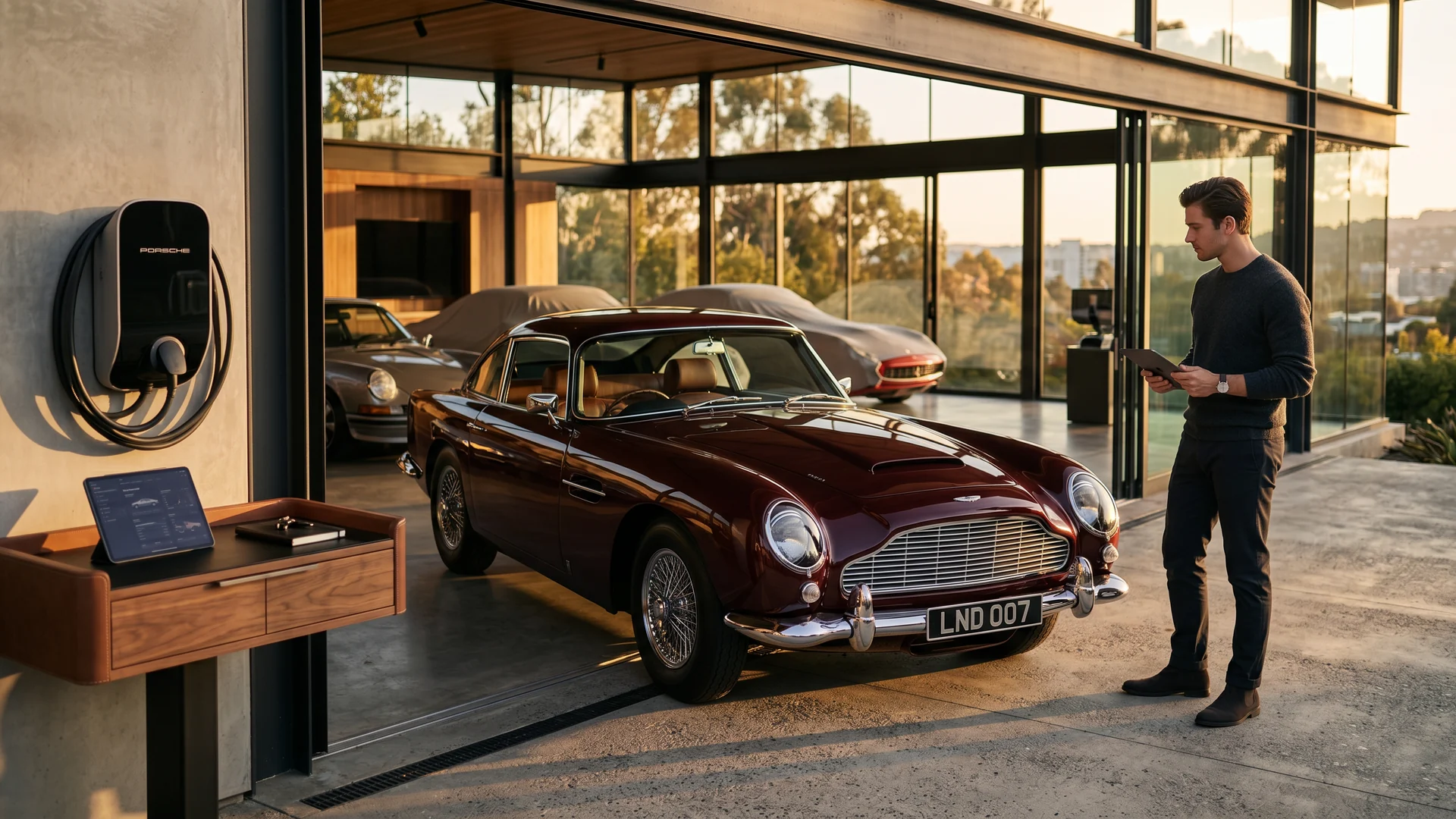
The Future of Classic Car Collecting: Trends Shaping the Next Generation
The future of classic car collecting: why 2035 ICE bans spare existing cars, plus e-fuels, shifting demographics, electromods and fractional ownership…
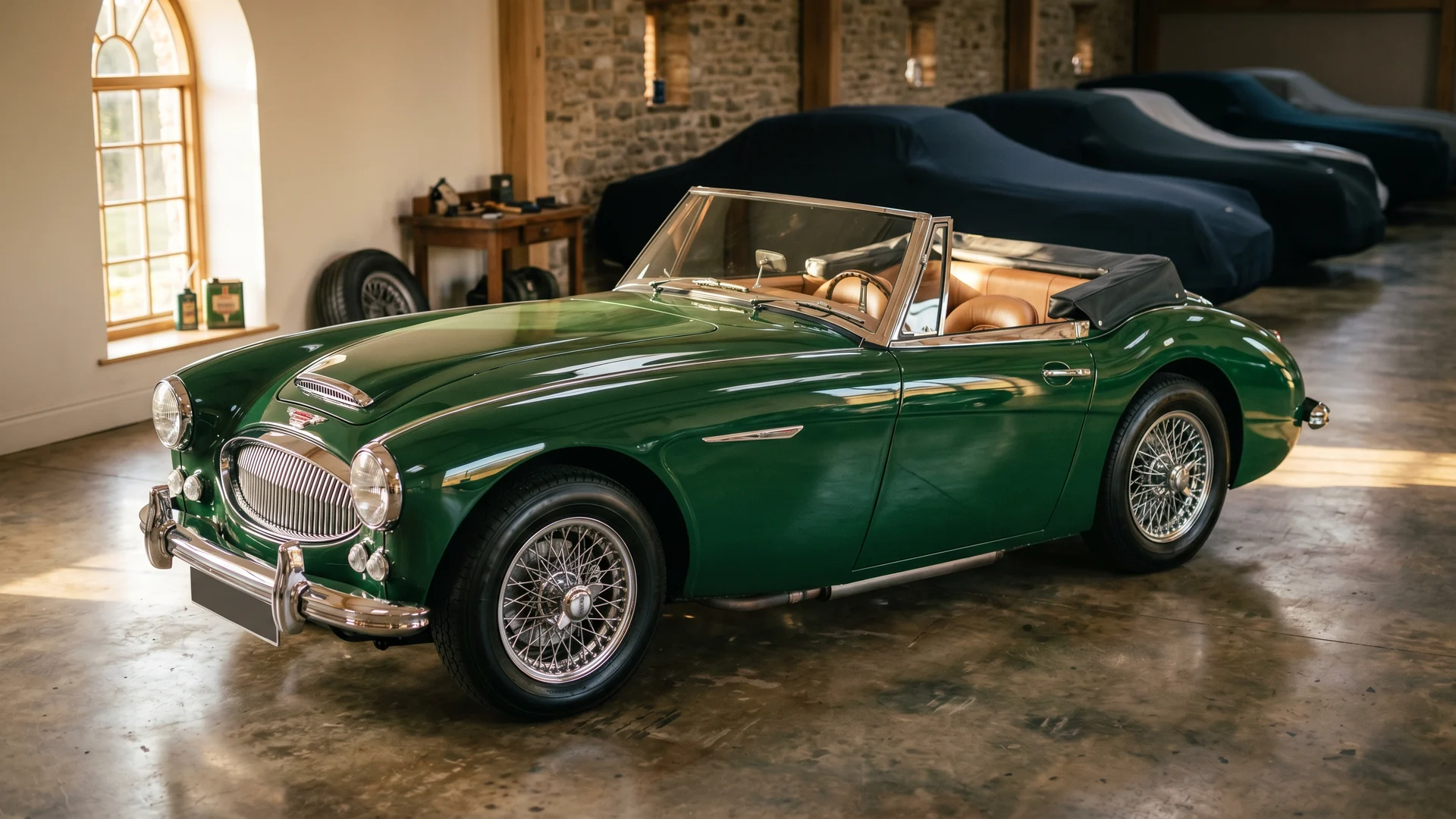
Classic Car Insurance Guide: Protecting Your Vintage Investment
Classic car insurance guide: why agreed-value policies beat stated and actual cash value, how Hagerty, Grundy and Chubb compare, plus costs and covera…
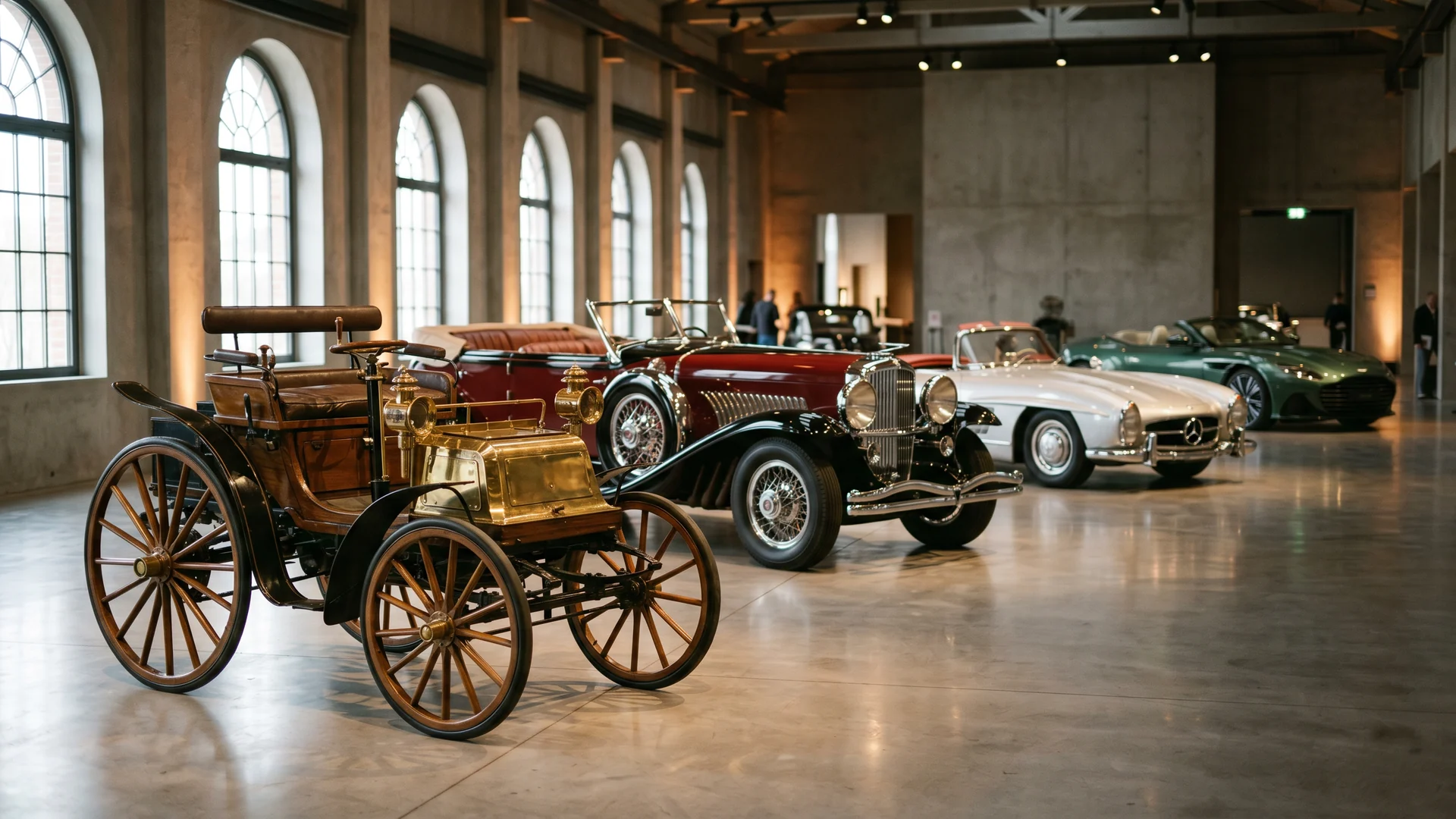
Classic Car History Timeline: From Benz to the Modern Collector Era
Classic car history timeline from the 1886 Benz Patent-Motorwagen through coachbuilding, muscle cars and supercars to modern collectibles. Discover th…