Why Luxury Classic Cars Resist Market Crashes
Luxury classic cars function as historical artifacts that demonstrate automotive engineering and design evolution from previous decades. These vehicles attract collectors and enthu…

Luxury classic cars function as historical artifacts that demonstrate automotive engineering and design evolution from previous decades. These vehicles attract collectors and enthusiasts due to their documented craftsmanship standards, limited production numbers, and technological innovations that influenced subsequent automotive development. Classic car ownership involves preservation of mechanical systems, restoration processes, and maintenance of original specifications that require specialized knowledge and resources.
The classic car market operates independently of contemporary automotive trends, maintaining consistent demand based on historical significance, manufacturing quality, and documented provenance. These automobiles serve as examples of period-specific engineering approaches and design philosophies from their respective manufacturers. Models such as vintage Ferrari sports cars and classic Rolls-Royce luxury vehicles represent distinct manufacturing periods and technological capabilities that provide insight into automotive industry development.
This analysis examines the documented performance characteristics, production statistics, market psychology, financial performance data, and market stability factors associated with luxury classic automobiles. These elements contribute to the sustained commercial and cultural interest in vintage automotive collecting and preservation activities.
Key Takeaways
- Luxury classic cars combine historical performance with rarity, making them highly exclusive assets.
- Their emotional appeal and brand heritage contribute significantly to their desirability.
- These cars have shown strong investment potential and long-term appreciation, even during market downturns.
- Demand from high-net-worth individuals remains robust, driven by limited supply and growing interest.
- The resilience of luxury classic cars during market crashes underscores their value preservation capabilities.
Historical Performance of Luxury Classic Cars
The historical performance of luxury classic cars is a significant factor that contributes to their desirability.
For instance, models like the Jaguar E-Type and the Mercedes-Benz 300SL have become benchmarks for speed and handling, showcasing the innovative spirit of their respective eras.
Moreover, the racing pedigree of certain luxury classic cars adds to their allure. Cars that have competed in prestigious events like Le Mans or the Mille Miglia carry a legacy that enhances their value. Collectors often seek out models with a rich racing history, as these vehicles not only represent engineering excellence but also embody the thrill of competition.
The combination of historical significance and performance prowess makes luxury classic cars a fascinating subject for both enthusiasts and investors.
Rarity and Exclusivity of Luxury Classic Cars
Rarity is a defining characteristic of luxury classic cars, significantly impacting their market value. Limited production runs and unique features make certain models exceptionally rare, creating a sense of exclusivity that appeals to collectors. For example, only a handful of Bugatti Type 57SC Atlantics were ever made, making them one of the most coveted classic cars in existence.
This scarcity drives demand and often results in astronomical prices at auctions. Exclusivity also extends beyond production numbers; it encompasses the brand’s heritage and the stories behind each vehicle. Cars with unique provenance or those owned by celebrities often fetch higher prices due to their intriguing backstories.
The combination of rarity and exclusivity not only enhances the desirability of luxury classic cars but also solidifies their status as symbols of wealth and sophistication.
Emotional Appeal of Luxury Classic Cars
The emotional appeal of luxury classic cars is profound and multifaceted. For many enthusiasts, these vehicles evoke feelings of nostalgia, transporting them back to a time when automobiles were celebrated as works of art. The design elements, from sleek lines to intricate interiors, resonate with individuals on a personal level, creating a deep connection that goes beyond mere ownership.
Additionally, luxury classic cars often symbolize freedom and adventure. The thrill of driving a vintage sports car down an open road can be exhilarating, offering an escape from the mundane. This emotional connection fosters a community among collectors and enthusiasts who share similar passions.
Events such as car shows and rallies provide opportunities for individuals to bond over their love for these remarkable machines, further enhancing the emotional significance of luxury classic cars.
Investment Potential of Luxury Classic Cars
Investing in luxury classic cars has gained traction as an alternative asset class in recent years. Unlike traditional investments that can be volatile, classic cars often appreciate over time, making them an attractive option for investors seeking stability. The market for luxury classic cars has shown resilience even during economic downturns, with certain models experiencing significant value increases.
Moreover, the investment potential is bolstered by the growing interest in automotive history and culture. As more individuals recognize the value of owning a piece of automotive heritage, demand for luxury classic cars continues to rise. This trend is particularly evident among younger collectors who are eager to invest in vehicles that not only offer financial returns but also provide enjoyment and satisfaction.
Preservation of Value During Market Crashes
One of the most compelling reasons to invest in luxury classic cars is their ability to preserve value during market crashes. Unlike stocks or real estate, which can plummet in value during economic downturns, well-maintained classic cars often retain their worth or even appreciate. This resilience can be attributed to their limited supply and enduring appeal among collectors.
During times of financial uncertainty, high-net-worth individuals often turn to tangible assets like luxury classic cars as a safe haven for their wealth. The demand for these vehicles remains strong even when other markets falter, providing a sense of security for investors. This unique characteristic makes luxury classic cars not only a passion project but also a prudent financial decision.
Demand from High-Net-Worth Individuals
High-net-worth individuals (HNWIs) play a crucial role in driving demand for luxury classic cars. These affluent buyers are often motivated by a desire for exclusivity and status, seeking vehicles that reflect their success and sophistication. As disposable incomes rise globally, more individuals are entering the market for luxury classic cars, further fueling demand.
Additionally, HNWIs are increasingly viewing classic cars as investment opportunities rather than mere possessions. This shift in perspective has led to heightened competition for rare models, resulting in soaring prices at auctions and private sales. The influence of this demographic on the luxury classic car market cannot be overstated; their preferences shape trends and dictate which models become highly sought after.
Limited Supply and Growing Demand
The interplay between limited supply and growing demand is a fundamental driver of the luxury classic car market. As production techniques evolve and manufacturers focus on modern vehicles, fewer classic models are being produced. This scarcity creates an environment where demand consistently outstrips supply, leading to increased valuations over time.
Moreover, as more collectors enter the market, competition for rare models intensifies. Auctions featuring sought-after vehicles often see bidding wars that drive prices to new heights. This dynamic ensures that well-preserved luxury classic cars remain valuable assets that can yield significant returns for their owners.
Influence of Brand Heritage and Legacy
Brand heritage plays a pivotal role in shaping the desirability of luxury classic cars. Manufacturers with rich histories, such as Ferrari, Aston Martin, and Porsche, have cultivated legacies that resonate with collectors and enthusiasts alike. The stories behind these brands contribute to the allure of their vehicles, making them more than just machines; they become symbols of innovation and excellence.
The legacy associated with certain models can significantly impact their market value. Cars that have achieved iconic status or have been featured in films or media often command higher prices due to their cultural significance. This connection between brand heritage and desirability underscores the importance of storytelling in the luxury classic car market.
Long-Term Appreciation of Luxury Classic Cars
Long-term appreciation is a hallmark feature of luxury classic cars that attracts both collectors and investors alike. Many models have demonstrated consistent value growth over decades, making them reliable assets for those looking to diversify their portfolios. The appreciation potential is particularly pronounced for rare models with historical significance or unique features.
Furthermore, as interest in automotive history continues to grow, so does the appreciation for well-maintained classic cars. Collectors are increasingly willing to invest in restoration projects or preservation efforts to enhance the value of their vehicles over time. This commitment to maintaining quality ensures that luxury classic cars remain desirable assets with long-term appreciation potential.
The Resilience of Luxury Classic Cars in Market Crashes
In conclusion, luxury classic cars stand out as resilient assets capable of weathering economic storms while providing emotional satisfaction and investment potential. Their historical performance, rarity, emotional appeal, and strong demand from high-net-worth individuals contribute to their enduring allure. As we have explored throughout this article, these vehicles not only represent a connection to automotive history but also serve as tangible investments that can preserve value during market fluctuations.
As interest in luxury classic cars continues to grow among collectors and investors alike, now is an opportune time to consider entering this captivating market. Whether you are drawn by the thrill of ownership or the potential for long-term appreciation, luxury classic cars offer a unique blend of passion and financial opportunity that few other investments can match.
FAQs
What defines a luxury classic car?
A luxury classic car is typically a high-end, vintage automobile known for its superior craftsmanship, brand prestige, rarity, and historical significance. These cars often come from renowned manufacturers and are valued for their design, performance, and exclusivity.
Why do luxury classic cars tend to resist market crashes?
Luxury classic cars often resist market crashes because they are considered alternative investments with intrinsic value. Their rarity, cultural significance, and appeal to collectors help maintain demand even during economic downturns. Additionally, they are less correlated with traditional financial markets.
How does rarity affect the value of luxury classic cars?
Rarity significantly increases the value of luxury classic cars. Limited production numbers, unique features, and well-preserved conditions make these vehicles highly sought after, which helps sustain their market value even when broader markets decline.
Are luxury classic cars a good investment during economic uncertainty?
Many investors view luxury classic cars as a hedge against economic uncertainty because they often retain or appreciate in value when other asset classes falter. However, like all investments, they carry risks and require knowledge of the market and proper maintenance.
What role does brand reputation play in the resilience of luxury classic cars?
Brand reputation is crucial; cars from prestigious manufacturers like Ferrari, Rolls-Royce, and Porsche tend to hold value better due to their established desirability, quality, and historical importance, which attract dedicated collectors and enthusiasts.
How does the condition of a luxury classic car impact its market stability?
The condition of a luxury classic car greatly impacts its value and market stability. Well-maintained, original, or expertly restored vehicles command higher prices and are more likely to resist market downturns compared to poorly maintained or heavily modified cars.
Can market trends affect the value of luxury classic cars?
Yes, market trends such as changing collector preferences, economic conditions, and cultural shifts can influence the value of luxury classic cars. However, their unique characteristics often provide a buffer against rapid depreciation seen in other asset classes.
Is liquidity a concern when investing in luxury classic cars?
Liquidity can be a concern because selling luxury classic cars may take time, especially during market downturns. Unlike stocks or bonds, these assets require finding the right buyer, which can delay transactions and affect immediate access to cash.
What factors should be considered before investing in luxury classic cars?
Before investing, consider factors such as the car’s provenance, rarity, condition, maintenance costs, storage requirements, market demand, and potential for appreciation. Consulting experts and conducting thorough research is essential for making informed decisions.
How do luxury classic cars compare to other alternative investments?
Luxury classic cars are unique among alternative investments due to their tangible nature, aesthetic appeal, and cultural significance. While they may offer diversification and potential appreciation, they also require specialized knowledge and incur ongoing costs unlike some other asset classes.
More from Blog
The Future of Classic Car Collecting: Trends Shaping the Next Generation
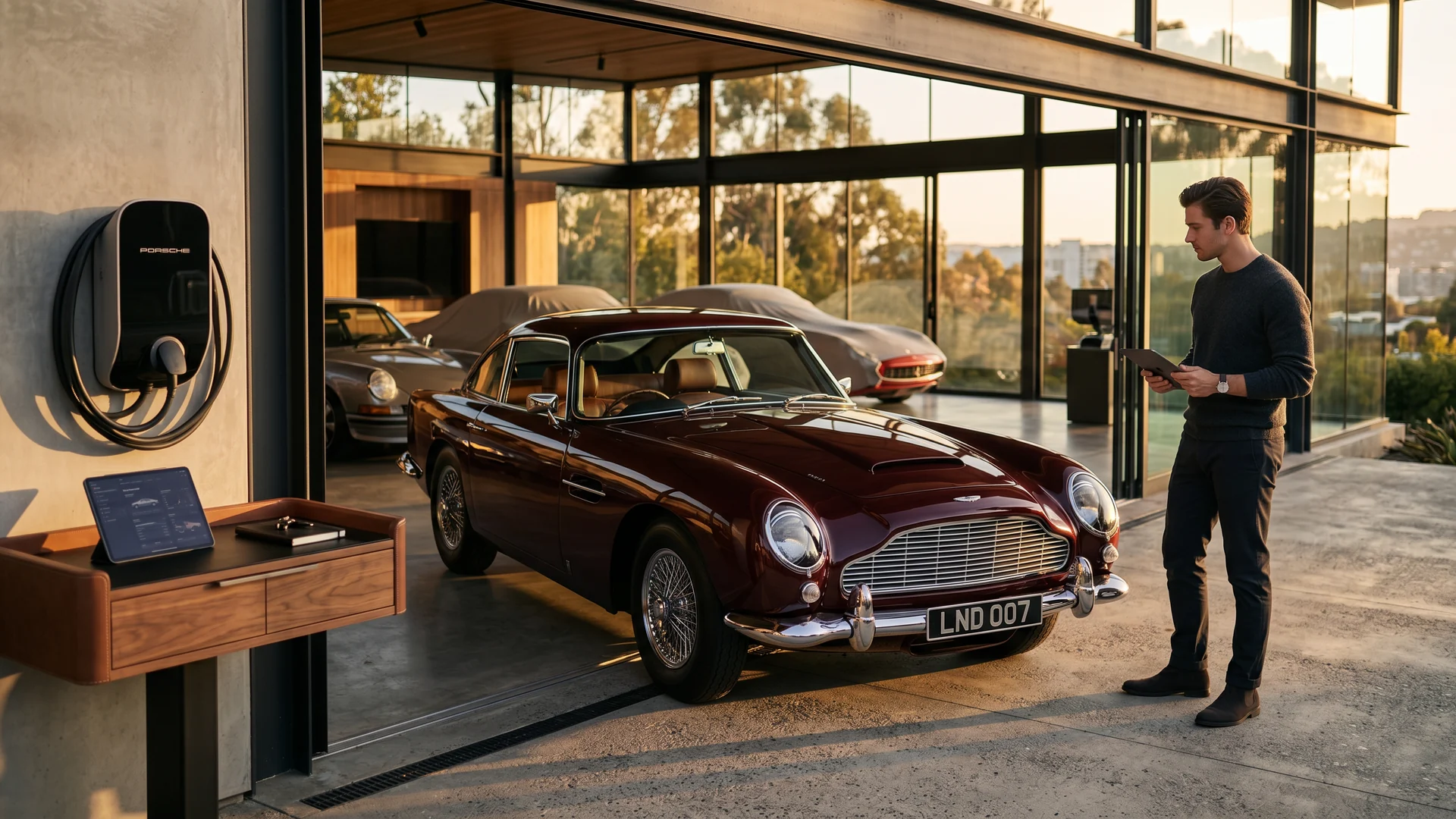
The future of classic car collecting: why 2035 ICE bans spare existing cars, plus e-fuels, shifting demographics, electromods and fractional ownership…
Classic Car Insurance Guide: Protecting Your Vintage Investment
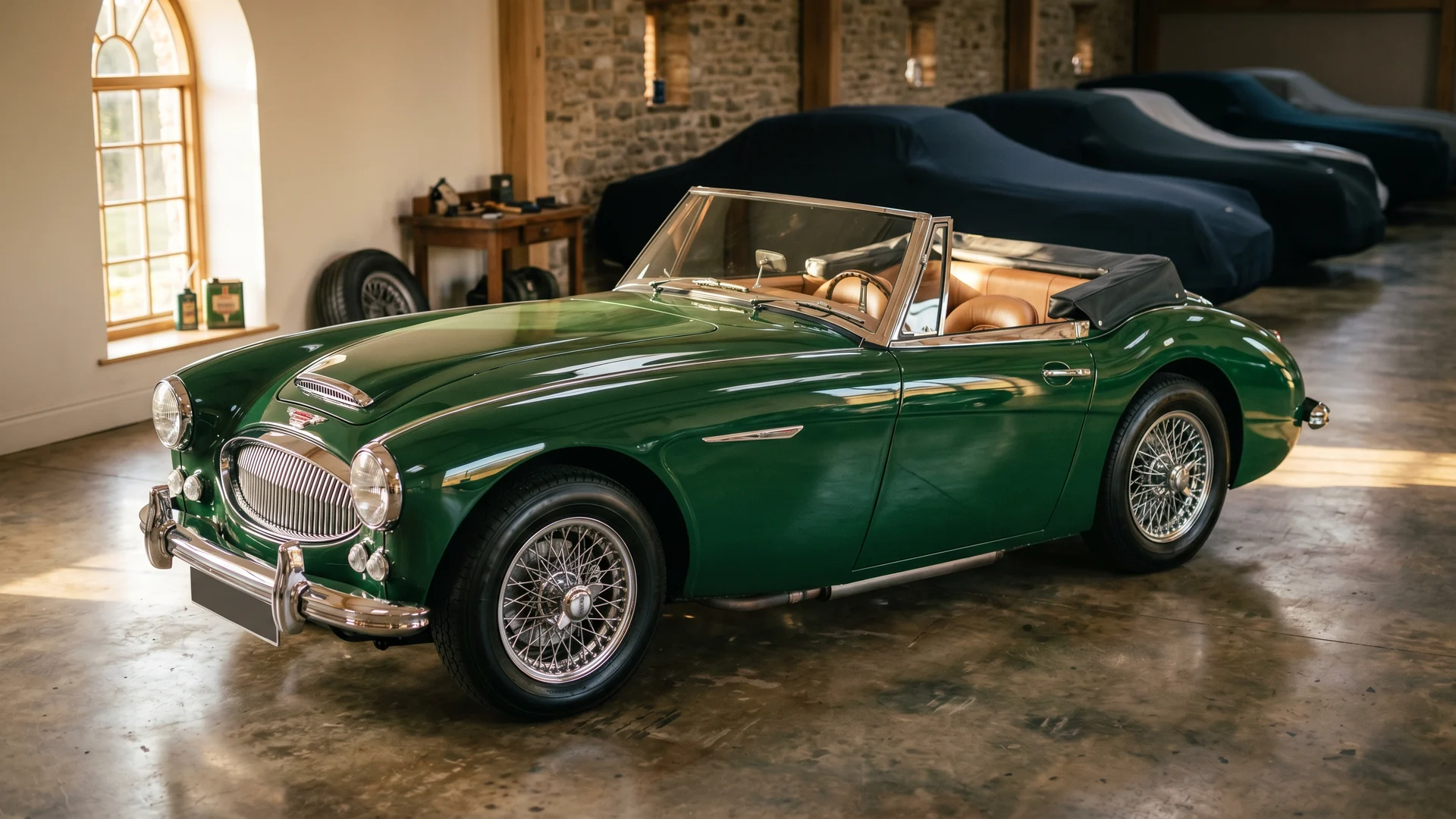
Classic car insurance guide: why agreed-value policies beat stated and actual cash value, how Hagerty, Grundy and Chubb compare, plus costs and covera…
Classic Car History Timeline: From Benz to the Modern Collector Era
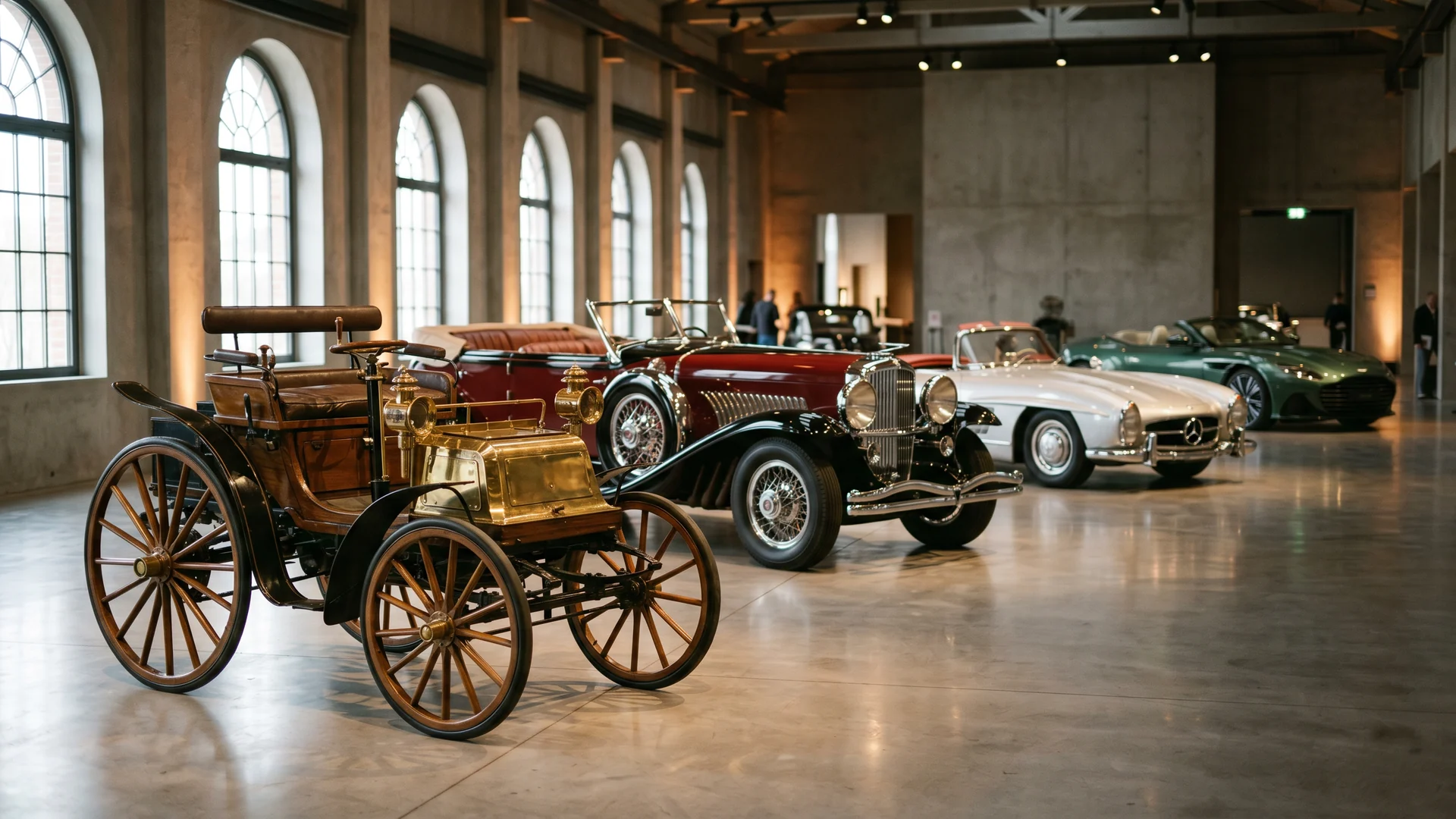
Classic car history timeline from the 1886 Benz Patent-Motorwagen through coachbuilding, muscle cars and supercars to modern collectibles. Discover th…