Why Luxury Classic Cars Outperform Gold and Real Estate
Luxury classic cars represent more than just a mode of transportation; they embody a rich tapestry of history, craftsmanship, and prestige. These vehicles, often produced in limite…
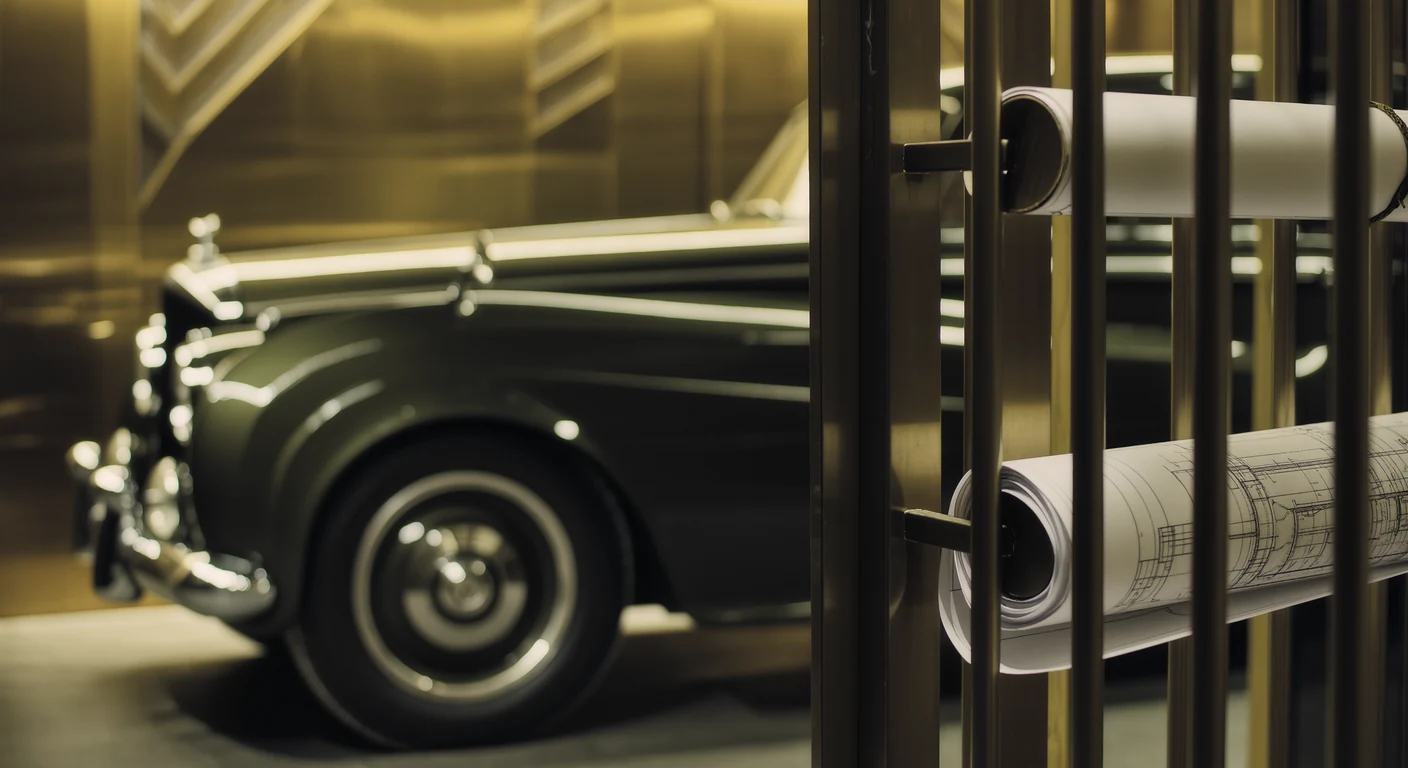
Luxury classic cars represent more than just a mode of transportation; they embody a rich tapestry of history, craftsmanship, and prestige. These vehicles, often produced in limited numbers, are celebrated for their timeless design and engineering excellence. Investing in luxury classic cars has gained traction among collectors and investors alike, as these automobiles not only provide aesthetic pleasure but also serve as tangible assets that can appreciate over time.
The allure of owning a piece of automotive history is undeniable, making luxury classic cars a compelling investment opportunity. As the market for luxury classic cars continues to evolve, potential investors are increasingly drawn to the unique benefits these vehicles offer. Unlike traditional investments, luxury classic cars provide a dual advantage: they can be enjoyed personally while also serving as a financial asset.
This combination of enjoyment and investment potential makes them an attractive option for those looking to diversify their portfolios. In this article, we will explore the historical performance of luxury classic cars, compare them to other investment vehicles like gold and real estate, and discuss the factors contributing to their outperformance.
Key Takeaways
- Luxury classic cars have historically outperformed traditional investments like gold and real estate.
- Their rarity, exclusivity, and emotional appeal significantly contribute to their investment value.
- Maintenance plays a crucial role in preserving and enhancing the value of luxury classic cars.
- Growing global demand supports a positive future outlook for luxury classic cars as an investment.
- Potential investors should carefully consider factors such as market trends, costs, and personal interest before investing.
Historical Performance of Luxury Classic Cars
The historical performance of luxury classic cars has been impressive, with many models appreciating significantly over the years. For instance, iconic brands such as Ferrari, Aston Martin, and Bugatti have seen their values soar due to their limited production runs and exceptional craftsmanship. Collectors often seek out specific models that have a storied past or unique features, driving demand and prices higher.
Historical auction results reveal that certain classic cars have sold for millions, showcasing their potential as lucrative investments. Moreover, the classic car market has shown resilience even during economic downturns. Unlike stocks or bonds, luxury classic cars often retain their value due to their rarity and desirability.
Investors have found that these vehicles can act as a hedge against inflation, making them an appealing option in uncertain economic climates. The historical performance of luxury classic cars demonstrates their ability to appreciate over time, making them a worthy consideration for any investment portfolio.
Comparison to Gold as an Investment
When comparing luxury classic cars to gold as an investment, several key differences emerge. Gold has long been considered a safe-haven asset, providing stability during economic uncertainty. However, it lacks the tangible appeal and enjoyment that comes with owning a luxury classic car.
While gold can be stored and traded easily, it does not offer the same emotional connection or aesthetic pleasure that classic cars provide. Additionally, luxury classic cars have the potential for greater appreciation than gold. While gold prices fluctuate based on market conditions, the value of rare classic cars can increase significantly due to factors such as rarity, condition, and historical significance.
For instance, certain vintage Ferraris have appreciated at rates far exceeding those of gold over the past decade. This makes luxury classic cars not only a unique investment but also one that can outperform traditional safe-haven assets like gold.
Comparison to Real Estate as an Investment
Real estate has long been regarded as a solid investment choice due to its potential for steady appreciation and rental income. However, investing in luxury classic cars offers distinct advantages over real estate. For one, classic cars require significantly less maintenance than properties, which often come with ongoing costs such as property taxes, repairs, and management fees.
Additionally, luxury classic cars can be enjoyed personally while still serving as an investment. Another key difference is liquidity. The luxury classic car market can provide quicker access to cash compared to real estate transactions, which can take months or even years to finalize.
While both investments can appreciate over time, luxury classic cars often see more dramatic price increases due to their rarity and desirability among collectors. This makes them an attractive alternative for investors seeking both enjoyment and financial returns.
Factors Contributing to the Outperformance of Luxury Classic Cars
Several factors contribute to the outperformance of luxury classic cars in the investment landscape. First and foremost is rarity; limited production runs create scarcity that drives demand among collectors. As more people become interested in investing in classic cars, the competition for these rare vehicles increases, leading to higher prices.
Another contributing factor is the emotional appeal associated with owning a piece of automotive history. Many collectors are passionate about the craftsmanship and design of these vehicles, which adds intrinsic value beyond mere financial considerations. This emotional connection often leads collectors to pay premium prices for models that resonate with them personally.
Rarity and Exclusivity of Luxury Classic Cars
Rarity and exclusivity are paramount in determining the value of luxury classic cars. Limited production models from prestigious manufacturers often command the highest prices at auctions. For example, a Ferrari 250 GTO is one of the most sought-after classic cars in existence, with only 39 units ever produced.
This exclusivity drives demand among collectors who are willing to pay top dollar for a chance to own such a rare piece of automotive history. Moreover, certain models become iconic due to their association with significant events or personalities. Cars that have participated in famous races or belonged to notable figures often see their values skyrocket due to their storied pasts.
Emotional Appeal and Collectibility of Luxury Classic Cars
The emotional appeal of luxury classic cars cannot be overstated. For many collectors, these vehicles represent more than just an investment; they symbolize passion, nostalgia, and a connection to automotive history. The thrill of owning a beautifully crafted machine that has stood the test of time adds an intangible value that traditional investments simply cannot match.
Collectibility also plays a significant role in driving demand for luxury classic cars. Enthusiasts often seek out specific models based on personal preferences or historical significance, creating niche markets within the broader classic car landscape. This collectibility fosters a sense of community among enthusiasts who share a common passion for these remarkable vehicles, further enhancing their desirability and potential for appreciation.
Maintenance and Appreciation of Value in Luxury Classic Cars
Maintaining luxury classic cars is essential for preserving their value over time. Regular servicing by qualified professionals ensures that these vehicles remain in optimal condition, which is crucial for attracting potential buyers in the future. While maintenance costs can be higher than those associated with standard vehicles, the investment pays off when it comes time to sell.
Appreciation of value is closely tied to how well a car is maintained. A well-preserved vehicle with documented service history will typically command a higher price than one that has been neglected or poorly maintained. Collectors are often willing to pay a premium for cars that have retained their original features and condition, making proper maintenance a critical aspect of investing in luxury classic cars.
Global Market Demand for Luxury Classic Cars
The global market demand for luxury classic cars has been steadily increasing over the past few years. As wealth grows in emerging markets and interest in automotive history expands globally, more investors are turning their attention to this unique asset class. Countries like China and India are witnessing a surge in demand for luxury goods, including classic cars.
This growing interest has led to increased auction activity and higher prices for rare models. Major auction houses report record sales figures as collectors vie for coveted vehicles from renowned manufacturers. The global market demand for luxury classic cars indicates a bright future for investors looking to capitalize on this trend.
Future Outlook for Luxury Classic Cars as an Investment
The future outlook for luxury classic cars as an investment appears promising. As more individuals recognize the potential for appreciation and enjoyment associated with these vehicles, interest is likely to continue growing. Additionally, advancements in technology may enhance the buying experience through online auctions and virtual showrooms, making it easier for investors to access this market.
Furthermore, as younger generations become more interested in collecting classic cars, we may see new trends emerge within the market. This could lead to increased demand for specific models or brands that resonate with younger collectors. Overall, the future of luxury classic cars as an investment looks bright, offering both financial returns and personal enjoyment.
Considerations for Investing in Luxury Classic Cars
Investing in luxury classic cars presents a unique opportunity for those looking to diversify their portfolios while indulging in their passion for automotive history. With impressive historical performance, emotional appeal, and strong global demand, these vehicles offer significant potential for appreciation over time. However, prospective investors should consider factors such as rarity, maintenance costs, and market trends before diving into this niche market.
Ultimately, luxury classic cars can serve as both an investment vehicle and a source of personal enjoyment. By carefully selecting models with strong historical significance and maintaining them properly, investors can reap the rewards of this exciting asset class while enjoying the thrill of owning a piece of automotive art.
FAQs
What makes luxury classic cars a good investment compared to gold and real estate?
Luxury classic cars often appreciate in value due to their rarity, historical significance, and desirability among collectors. Unlike gold, which is a commodity with fluctuating prices, and real estate, which can be affected by market conditions and maintenance costs, classic cars combine tangible enjoyment with potential financial gains.
How does the appreciation rate of luxury classic cars compare to gold and real estate?
Historically, certain luxury classic cars have shown higher appreciation rates than gold and some real estate markets. While gold tends to have steady but moderate growth and real estate values vary by location and economic factors, classic cars can experience significant value increases, especially for rare and well-maintained models.
Are there risks involved in investing in luxury classic cars?
Yes, investing in luxury classic cars carries risks such as market volatility, high maintenance and storage costs, potential for damage, and the need for expert knowledge to authenticate and value vehicles accurately. Unlike gold, which is easily liquidated, selling classic cars can take time and requires finding the right buyer.
What factors influence the value of luxury classic cars?
Key factors include the car’s rarity, historical importance, condition, provenance, originality, and desirability among collectors. Limited production runs, association with famous personalities or events, and well-documented maintenance history also enhance value.
How liquid are luxury classic cars compared to gold and real estate?
Gold is highly liquid and can be sold quickly in most markets. Real estate is less liquid due to the time required for transactions and legal processes. Luxury classic cars fall somewhere in between; while they can be sold through auctions or private sales, finding the right buyer at the desired price may take time.
Do luxury classic cars provide any additional benefits beyond financial returns?
Yes, owners often enjoy the aesthetic appeal, driving experience, and prestige associated with luxury classic cars. They can also be used for events, exhibitions, and as part of a lifestyle, offering intangible benefits that gold and real estate typically do not provide.
What maintenance costs are associated with luxury classic cars?
Maintenance costs can be significant and include storage, insurance, regular servicing, restoration, and repairs. These costs vary depending on the car’s make, model, age, and condition, and should be factored into the overall investment evaluation.
Is investing in luxury classic cars suitable for all investors?
Investing in luxury classic cars is generally more suitable for enthusiasts or investors with specialized knowledge and a passion for automobiles. It requires a longer-term commitment and tolerance for market fluctuations, making it less appropriate for those seeking quick or low-risk returns.
More from Blog
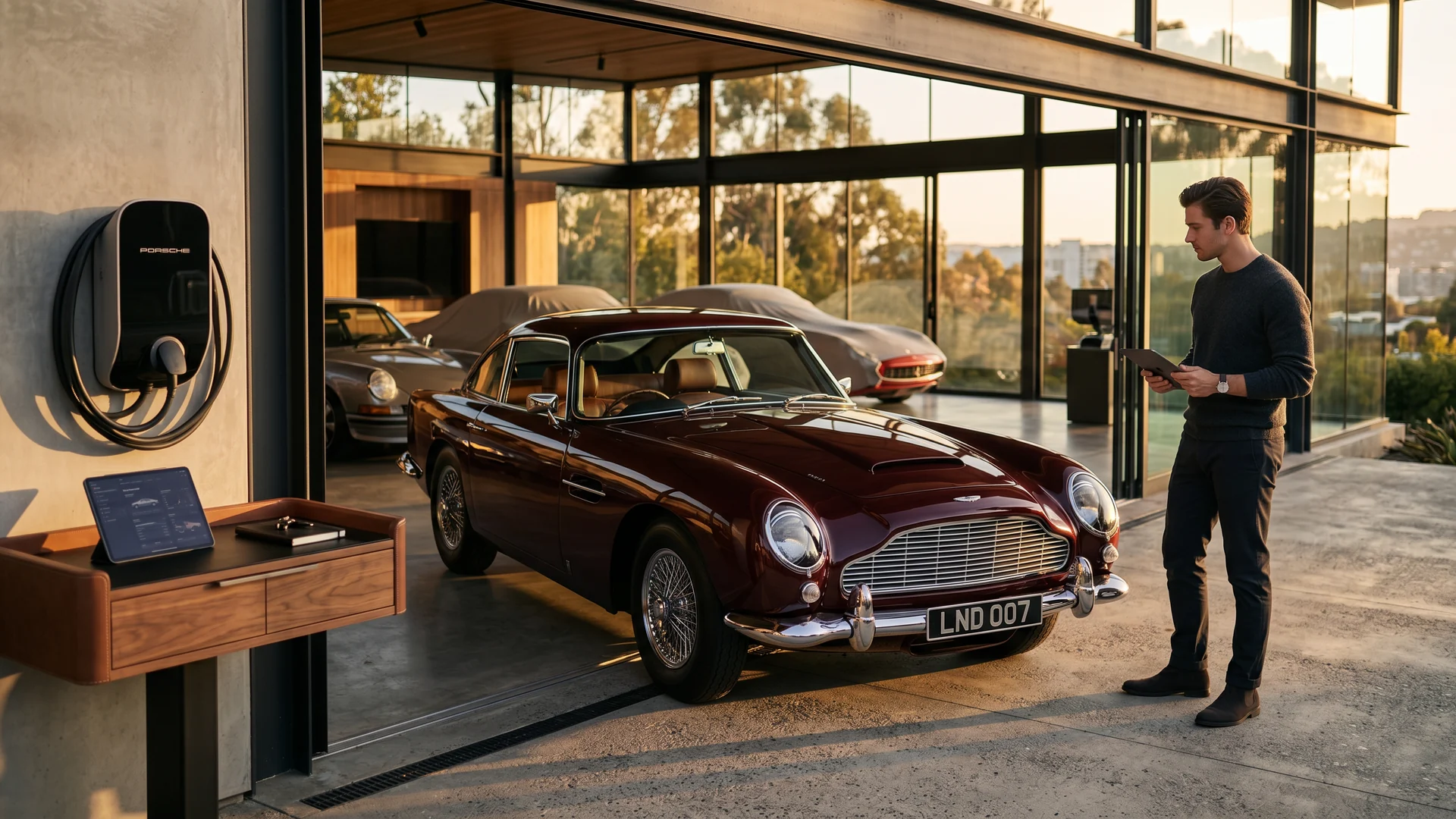
The Future of Classic Car Collecting: Trends Shaping the Next Generation
The future of classic car collecting: why 2035 ICE bans spare existing cars, plus e-fuels, shifting demographics, electromods and fractional ownership…
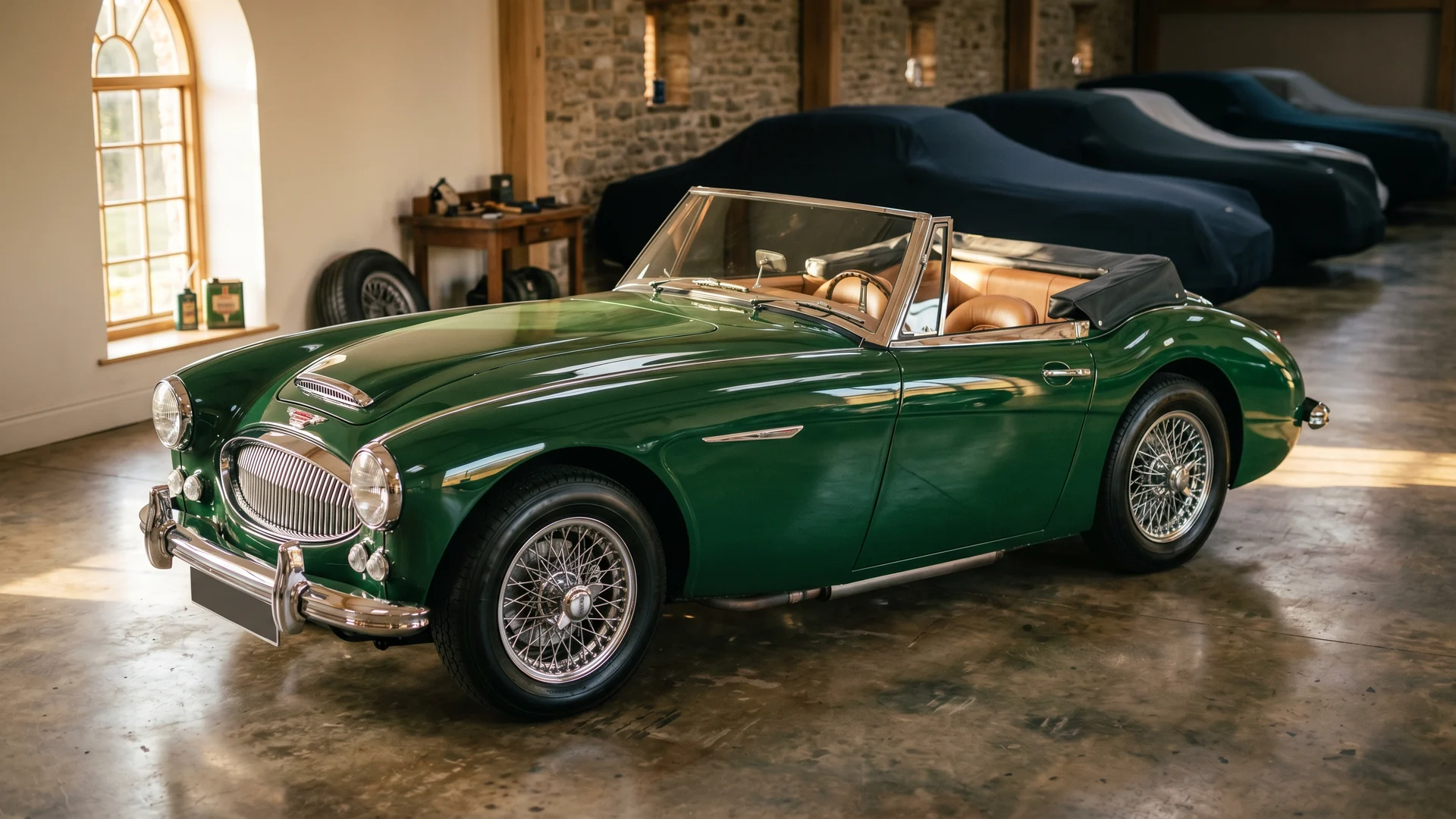
Classic Car Insurance Guide: Protecting Your Vintage Investment
Classic car insurance guide: why agreed-value policies beat stated and actual cash value, how Hagerty, Grundy and Chubb compare, plus costs and covera…
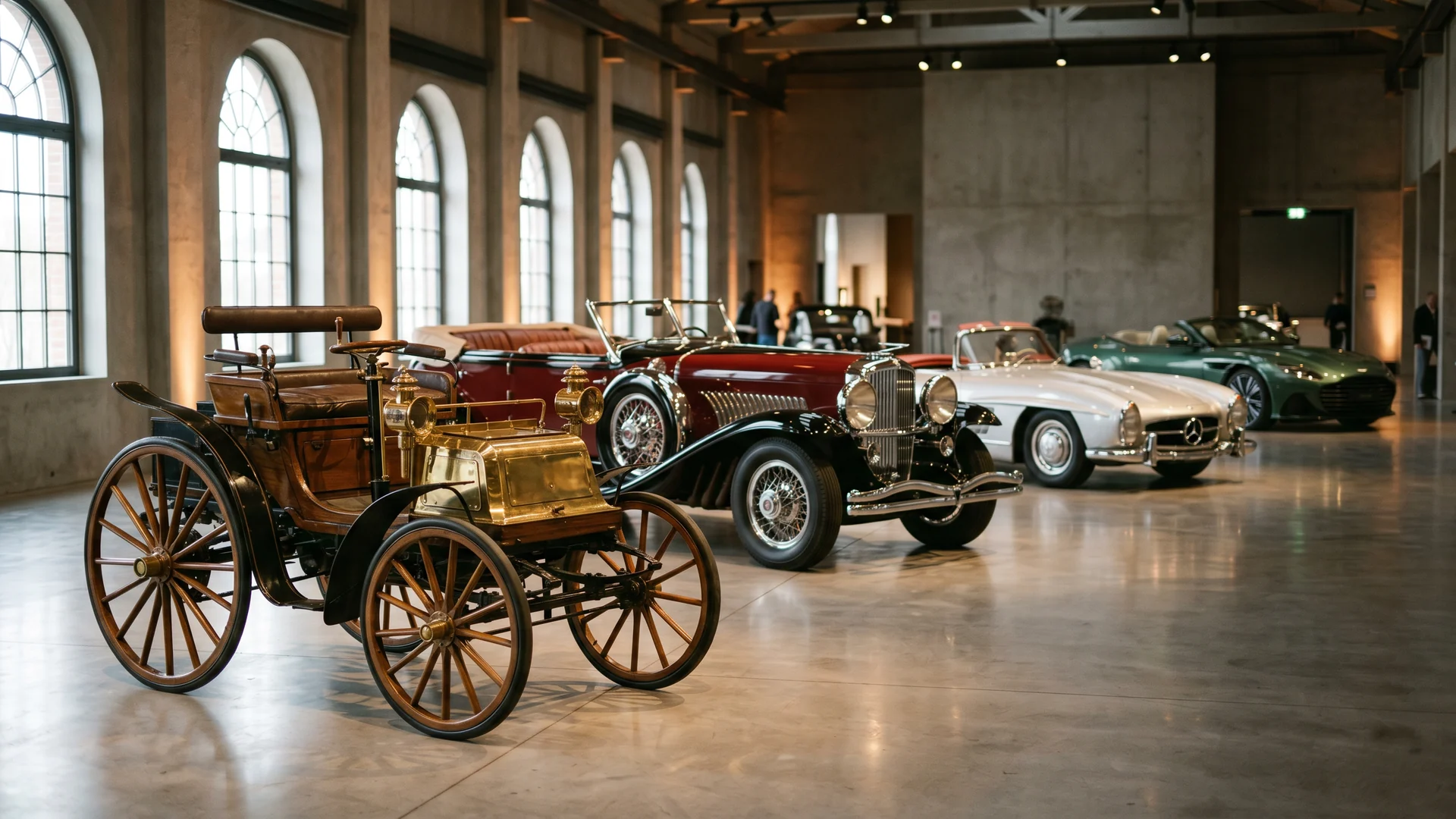
Classic Car History Timeline: From Benz to the Modern Collector Era
Classic car history timeline from the 1886 Benz Patent-Motorwagen through coachbuilding, muscle cars and supercars to modern collectibles. Discover th…