Why Luxury Classic Cars Are No Longer Passion Purchases
Classic car ownership has undergone a significant transformation over the past few decades. Once viewed primarily as a hobby for enthusiasts, the landscape now encompasses a divers…
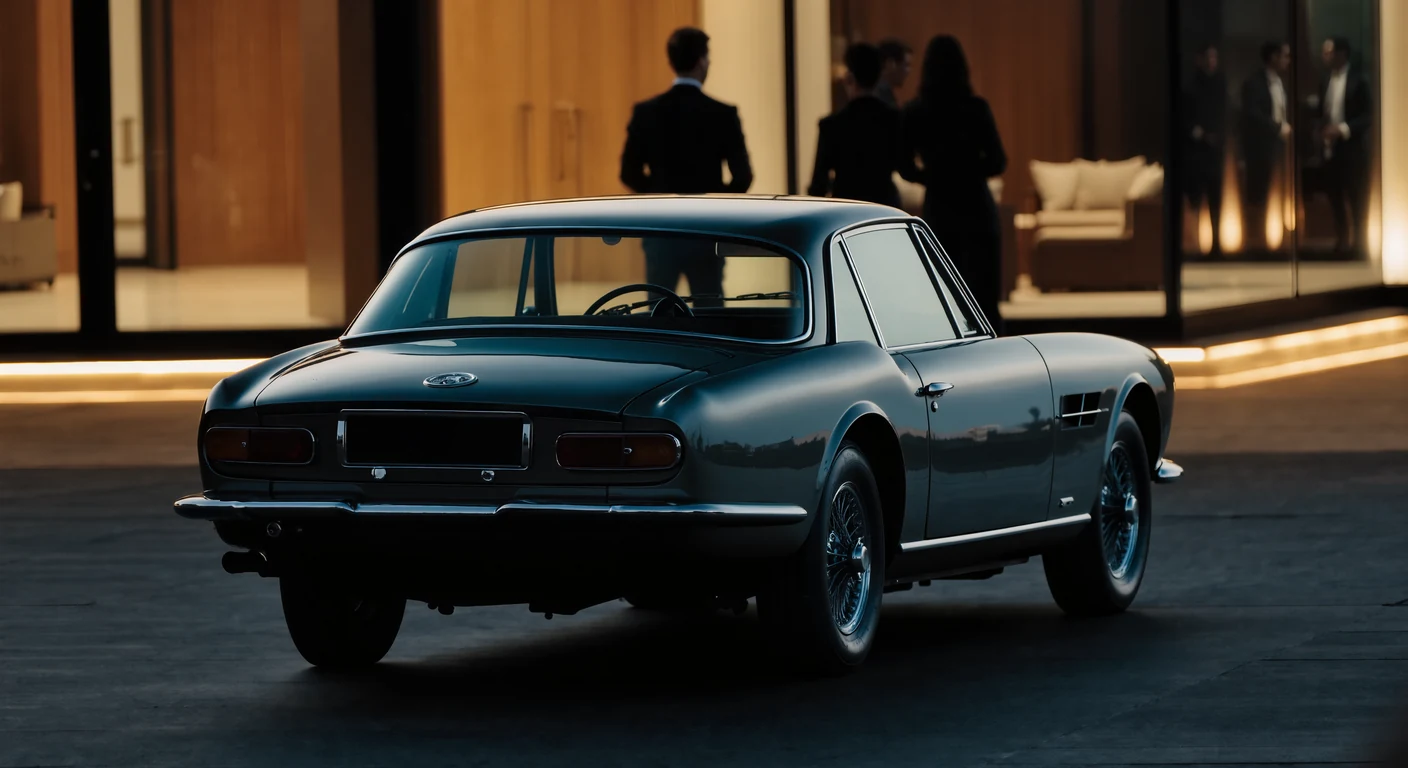
Classic car ownership has undergone a significant transformation over the past few decades. Once viewed primarily as a hobby for enthusiasts, the landscape now encompasses a diverse range of motivations and demographics. The allure of classic cars has shifted from mere nostalgia to a multifaceted investment opportunity, attracting a broader audience.
This evolution reflects changes in societal values, economic conditions, and technological advancements that have reshaped how individuals perceive and engage with classic automobiles. As the classic car market continues to evolve, it is essential to understand the factors driving these changes. The rise of social media and online communities has fostered a new generation of enthusiasts who share their passion for classic cars in innovative ways.
This shift has not only increased awareness but also created a sense of community among owners and potential buyers. As a result, classic car ownership is no longer confined to a select few; it has become an accessible and appealing pursuit for many.
Key Takeaways
- Classic car ownership is evolving due to changing consumer preferences and demographics.
- Investment motives and market speculation are increasingly influencing classic car purchases.
- Technology and accessible information are transforming how enthusiasts engage with classic cars.
- Emotional attachment to classic cars is declining amid shifting cultural and environmental values.
- The future of classic car ownership will be shaped by ethical considerations and evolving event formats.
Shift in Consumer Preferences
Consumer preferences have shifted dramatically in recent years, influencing the types of classic cars that are sought after and valued. Today’s buyers are increasingly drawn to vehicles that offer a blend of style, performance, and investment potential. This shift is evident in the growing popularity of certain makes and models that were once overlooked.
For instance, cars from the 1980s and 1990s are gaining traction as collectors recognize their unique design and engineering. Moreover, the emphasis on sustainability and environmental consciousness is reshaping consumer preferences. Many buyers are now considering classic cars that can be easily converted to electric power or those that boast better fuel efficiency.
This trend reflects a broader societal shift towards eco-friendly practices, even within the realm of classic car ownership. As consumers become more discerning, they seek vehicles that align with their values while still offering the charm and character associated with classic automobiles.
Rise of Investment-driven Purchases
The classic car market has increasingly attracted investors looking for alternative assets. This rise in investment-driven purchases has transformed the landscape, as buyers now view classic cars not just as vehicles but as potential financial assets. The appreciation of certain models over time has led to a surge in interest from individuals seeking to diversify their investment portfolios.
Classic cars are often seen as tangible assets that can provide both enjoyment and financial returns. This trend has also led to a more competitive market, with buyers willing to pay premium prices for rare or historically significant vehicles. Auctions have become high-stakes events where collectors and investors vie for ownership of coveted models.
As a result, the classic car market is now influenced by economic factors such as supply and demand, making it essential for buyers to stay informed about market trends and valuations.
Impact of Speculation on Classic Car Market
Speculation has played a significant role in shaping the classic car market, leading to fluctuations in prices and demand.
This speculative behavior can create volatility in the market, making it challenging for genuine enthusiasts to navigate their purchases.
While speculation can lead to short-term gains for some investors, it can also distort the true value of classic cars. Prices may become inflated based on trends rather than intrinsic value, making it difficult for buyers to determine fair market prices. As a result, potential owners must conduct thorough research and seek expert advice to avoid falling victim to speculative bubbles that could lead to financial loss.
Accessibility of Information and Resources
The accessibility of information and resources has revolutionized classic car ownership. In the past, prospective buyers relied heavily on word-of-mouth recommendations or local clubs to gather information about specific models or market trends. Today, the internet provides a wealth of resources, including forums, blogs, and online marketplaces where enthusiasts can connect and share knowledge.
This abundance of information empowers buyers to make informed decisions when purchasing classic cars. Online platforms allow individuals to compare prices, read reviews, and access detailed specifications for various models. Additionally, social media groups have created communities where owners can share restoration tips, maintenance advice, and even trade parts.
This democratization of information has made classic car ownership more accessible than ever before.
Influence of Technology on Classic Car Ownership
Technology has significantly influenced classic car ownership in various ways. From advanced diagnostic tools to online restoration guides, modern technology has made it easier for owners to maintain and restore their vehicles. Innovations such as 3D printing have also opened new avenues for sourcing hard-to-find parts, allowing enthusiasts to keep their classic cars in top condition.
Moreover, technology has transformed how classic cars are bought and sold. Online auctions and marketplaces have streamlined the buying process, enabling sellers to reach a global audience. Virtual reality tools allow potential buyers to experience vehicles from the comfort of their homes, making it easier to assess condition and features before making a purchase decision.
As technology continues to advance, it will undoubtedly play an even more significant role in shaping the future of classic car ownership.
Decline in Emotional Attachment to Classic Cars
While many enthusiasts still cherish their classic cars for sentimental reasons, there is a noticeable decline in emotional attachment among some modern owners. The shift towards investment-driven purchases has led some individuals to view classic cars primarily as financial assets rather than cherished possessions. This change in perspective can impact how vehicles are cared for and maintained.
As classic cars become more commoditized, the emotional connection that once defined ownership may diminish. Some owners may prioritize resale value over personal enjoyment, leading to a more transactional relationship with their vehicles. This trend raises questions about the future of classic car culture and whether it can maintain its rich heritage amid changing consumer attitudes.
Changing Demographics of Classic Car Enthusiasts
The demographics of classic car enthusiasts are evolving rapidly. Traditionally dominated by older generations, the community is now welcoming younger enthusiasts who bring fresh perspectives and interests. Millennials and Gen Z are increasingly drawn to classic cars as they seek unique experiences and opportunities for self-expression.
This demographic shift is influencing the types of vehicles that gain popularity among collectors. Younger enthusiasts often gravitate towards models that resonate with their personal values or cultural references, such as iconic cars from movies or music history. As this new generation embraces classic car ownership, they are likely to shape future trends in restoration, customization, and community engagement.
Evolution of Classic Car Events and Shows
Classic car events and shows have evolved significantly over the years to cater to changing interests and demographics. Once primarily focused on showcasing pristine restorations, these gatherings now celebrate diversity in ownership experiences. Events often feature a wide range of vehicles, from fully restored classics to project cars in various stages of restoration.
Additionally, many events now incorporate educational components that appeal to younger audiences. Workshops on restoration techniques, discussions about sustainability in automotive practices, and showcases of electric conversions are becoming common features at shows. This evolution reflects a desire to engage with new enthusiasts while preserving the rich history of classic automobiles.
Environmental and Ethical Considerations
As society becomes increasingly aware of environmental issues, classic car ownership faces scrutiny regarding its impact on sustainability. Concerns about emissions from older vehicles have prompted discussions about how enthusiasts can enjoy their passion while being mindful of environmental considerations. Some owners are exploring options for converting classic cars to electric power or utilizing alternative fuels.
Ethical considerations also come into play when discussing sourcing materials for restorations or modifications. Enthusiasts are becoming more conscious of where parts come from and how they affect the environment. This shift towards responsible ownership reflects broader societal trends toward sustainability and ethical consumerism within the automotive world.
Future Outlook for Classic Car Ownership
The future outlook for classic car ownership is both exciting and uncertain. As new generations embrace these vehicles for various reasons, be it nostalgia, investment potential, or personal expression, the market will continue to evolve. The integration of technology will likely play a crucial role in shaping how enthusiasts engage with their cars and each other.
While challenges such as environmental concerns and changing consumer preferences may impact traditional ownership models, they also present opportunities for innovation within the community. As long as there is passion for these timeless machines, classic car ownership will adapt and thrive in new forms that honor both heritage and modern values. In conclusion, the changing landscape of classic car ownership reflects broader societal shifts that influence consumer behavior and preferences.
As we look ahead, it is clear that this vibrant community will continue to evolve while preserving its rich history and culture.
FAQs
Why are luxury classic cars no longer considered passion purchases?
Luxury classic cars are increasingly viewed as investment assets rather than passion purchases due to rising prices, maintenance costs, and changing buyer demographics. Many buyers now prioritize financial returns over personal enjoyment.
What factors have contributed to the shift in perception of luxury classic cars?
Several factors contribute to this shift, including skyrocketing market values, limited availability, high restoration and upkeep expenses, and a growing trend of purchasing cars for investment purposes rather than driving pleasure.
How have prices affected the passion for owning classic luxury cars?
The significant increase in prices has made it difficult for enthusiasts to afford classic luxury cars purely for enjoyment. Many buyers treat these vehicles as appreciating assets, which can diminish the traditional passion-driven ownership experience.
Are maintenance and restoration costs a reason for the decline in passion purchases?
Yes, maintenance and restoration of luxury classic cars can be very expensive and time-consuming. This financial and practical burden discourages some enthusiasts from purchasing these cars solely for personal passion.
Has the demographic of classic car buyers changed over time?
Yes, the demographic has shifted towards investors and collectors who view classic luxury cars as financial assets. This contrasts with earlier buyers who were primarily motivated by a love of the cars and driving experience.
Do luxury classic cars still hold emotional value for some owners?
Absolutely. Despite market trends, many owners continue to cherish luxury classic cars for their historical significance, craftsmanship, and driving pleasure, maintaining a strong emotional connection.
What impact does the investment perspective have on the classic car market?
The investment perspective can lead to increased prices and reduced availability for genuine enthusiasts. It may also result in cars being stored rather than driven, which can affect the culture of classic car ownership.
Can the passion for luxury classic cars be revived?
While challenging, passion can be revived through community events, driving experiences, and education that emphasize the enjoyment and heritage of classic cars rather than their investment value.
More from Blog
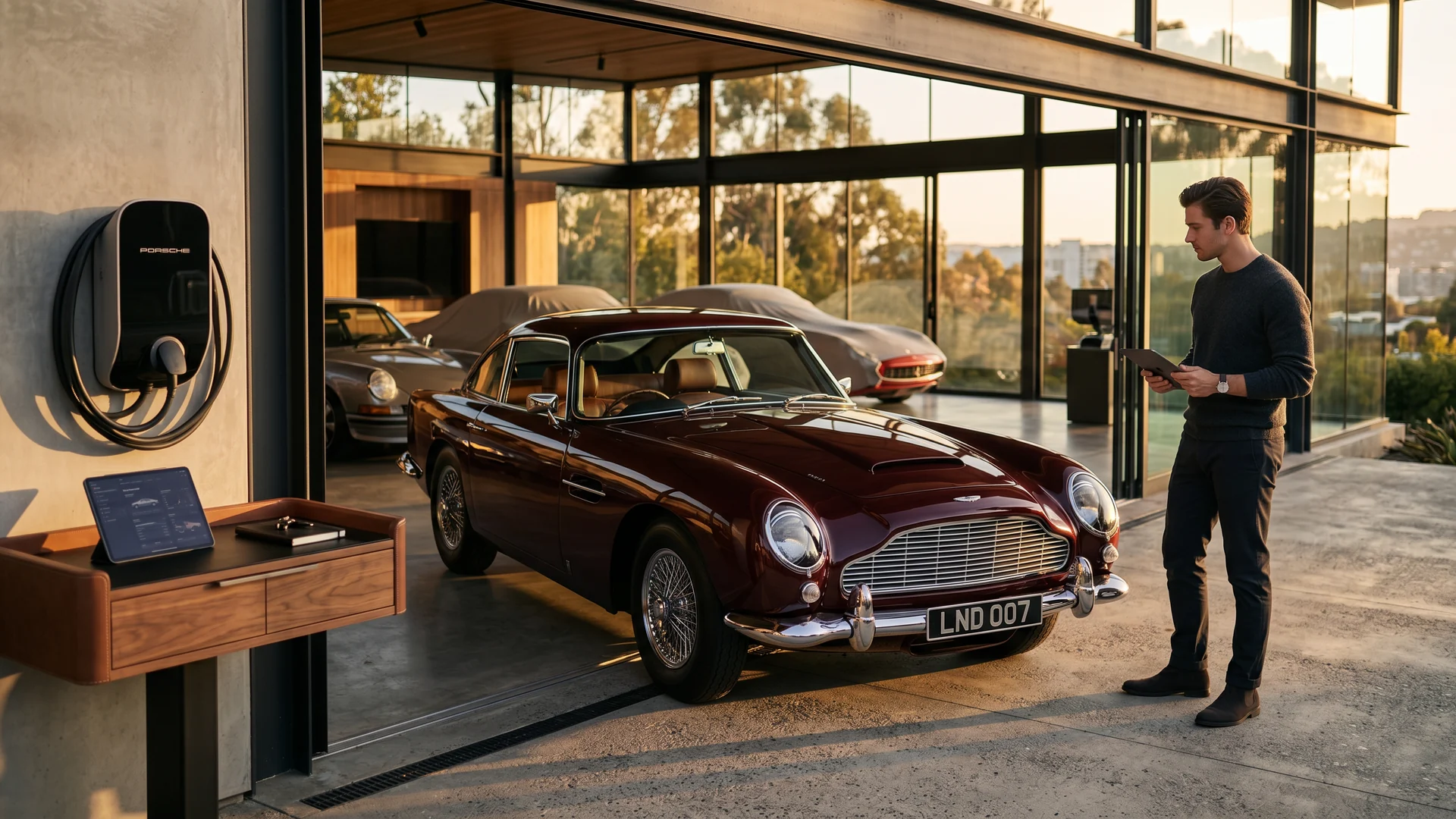
The Future of Classic Car Collecting: Trends Shaping the Next Generation
The future of classic car collecting: why 2035 ICE bans spare existing cars, plus e-fuels, shifting demographics, electromods and fractional ownership…
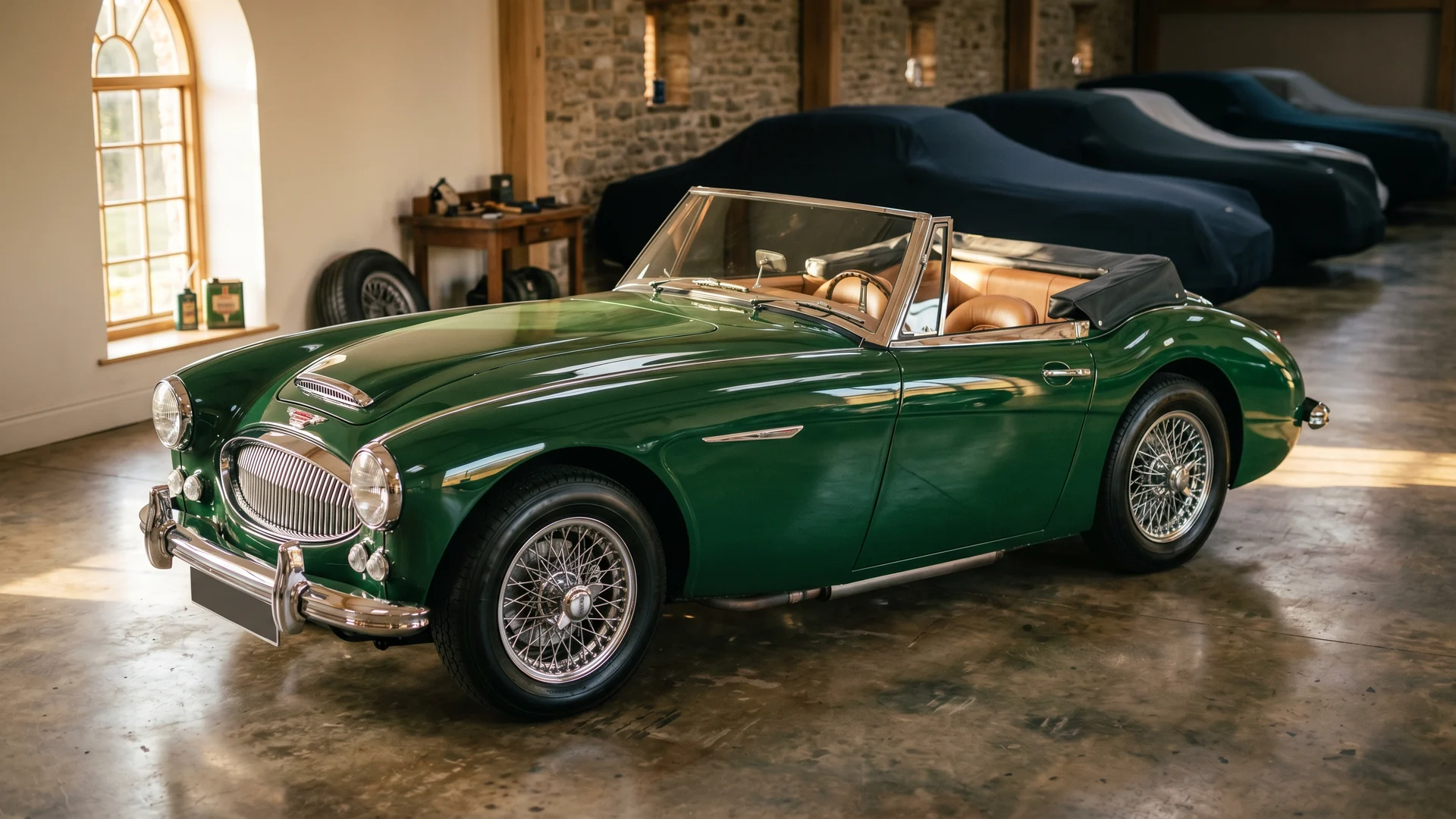
Classic Car Insurance Guide: Protecting Your Vintage Investment
Classic car insurance guide: why agreed-value policies beat stated and actual cash value, how Hagerty, Grundy and Chubb compare, plus costs and covera…
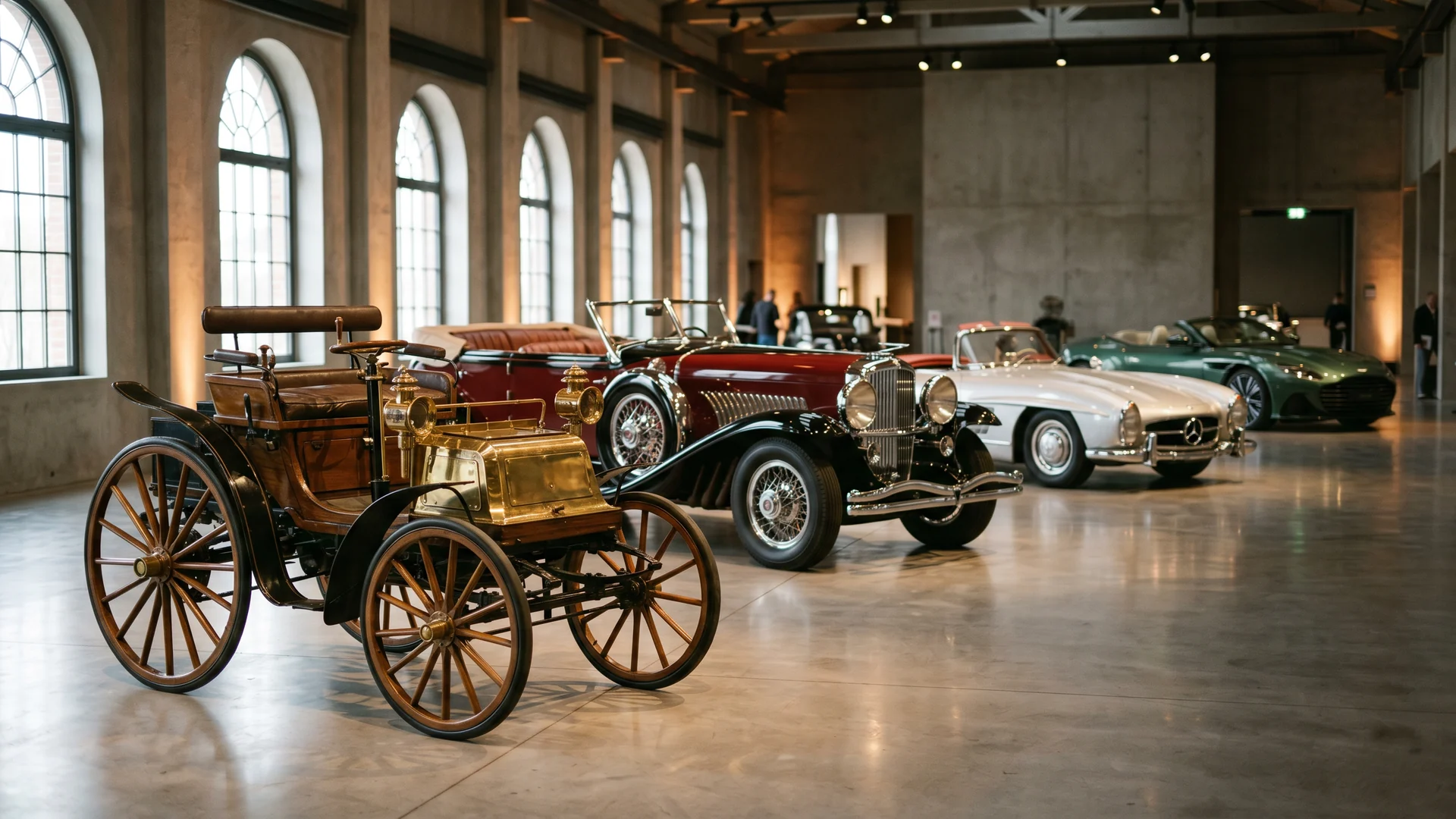
Classic Car History Timeline: From Benz to the Modern Collector Era
Classic car history timeline from the 1886 Benz Patent-Motorwagen through coachbuilding, muscle cars and supercars to modern collectibles. Discover th…