Why Limited-Production Classic Cars Always Win Long-Term
Limited-production classic cars attract automotive enthusiasts and collectors due to their scarcity, superior craftsmanship, and historical significance. These vehicles typically f…
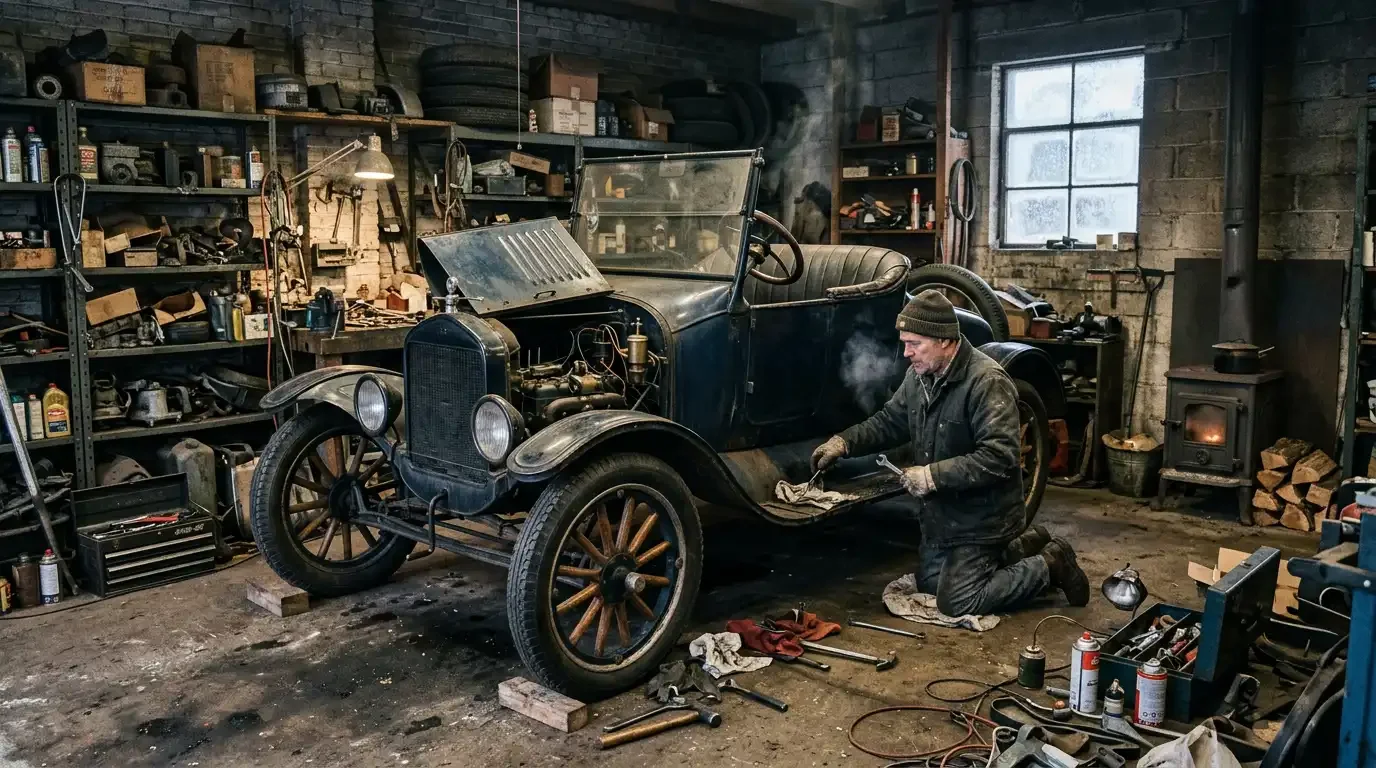
Limited-production classic cars attract automotive enthusiasts and collectors due to their scarcity, superior craftsmanship, and historical significance. These vehicles typically feature production runs of fewer than 1,000 units, making them substantially rarer than mass-produced automobiles. Manufacturers often employed specialized construction techniques, premium materials, and enhanced performance specifications for these models, resulting in superior build quality compared to standard production vehicles.
The value proposition of limited-production classics extends beyond financial considerations. Many models are associated with pivotal moments in automotive development, such as technological breakthroughs, racing achievements, or design innovations. Examples include the Ferrari 250 GTO, with only 36 units produced between 1962-1964, or the Porsche 959, limited to 337 examples.
These vehicles often featured experimental technologies that later influenced mainstream automotive design. Collector interest in limited-production classics stems from their documented provenance and verifiable rarity. Production records, factory documentation, and ownership histories contribute to authentication and valuation processes.
The collector market for these vehicles has demonstrated consistent appreciation, with certain models achieving auction prices exceeding their original retail cost by factors of 10 to 100. This appreciation reflects both the vehicles’ intrinsic qualities and their status as finite commodities in an expanding collector market.
Key Takeaways
- Limited-production classic cars are prized for their rarity, exclusivity, and historical significance.
- These vehicles often appreciate in value, making them attractive investment opportunities.
- Exceptional quality, craftsmanship, and unique performance enhance their desirability.
- Preservation efforts help maintain authenticity and long-term collectibility.
- Owning such cars serves as a status symbol with lasting personal and financial benefits.
Rarity and Exclusivity
Rarity is one of the defining characteristics of limited-production classic cars. Manufacturers often produce these vehicles in small numbers, making them hard to find and highly coveted. This exclusivity creates a sense of urgency among collectors and enthusiasts, driving demand and increasing their desirability.
When a car is produced in limited quantities, it becomes a symbol of prestige, setting its owner apart from the crowd. The allure of exclusivity extends beyond just the car itself; it encompasses the entire ownership experience. Limited-production classic cars often come with unique features, bespoke designs, and specialized performance enhancements that are not available in mass-produced models.
This distinctiveness not only enhances the driving experience but also fosters a sense of pride among owners.
Historical Significance and Heritage
Limited-production classic cars often carry significant historical weight, representing pivotal moments in automotive development. Many models were born out of innovation, showcasing cutting-edge technology or design philosophies of their time. For instance, certain models may have been developed for racing or to commemorate a milestone in automotive history, making them not just vehicles but artifacts of cultural importance.
Owning a limited-production classic car allows enthusiasts to connect with this rich heritage. It’s an opportunity to appreciate the evolution of automotive design and engineering firsthand. These cars often serve as reminders of the craftsmanship and ingenuity that defined their era, making them valuable not only for their aesthetic appeal but also for their role in shaping the automotive landscape.
Collectors often find joy in sharing these stories, further enriching the community surrounding classic car ownership.
Investment Value and Appreciation
Investing in limited-production classic cars can yield significant financial returns over time. As demand for these vehicles continues to grow, their value often appreciates at a rate that outpaces traditional investments. Factors such as rarity, historical significance, and condition play crucial roles in determining a car’s market value.
Collectors who invest wisely can see substantial gains as the market evolves. Moreover, the classic car market has shown resilience even during economic downturns. Unlike stocks or bonds, limited-production classic cars offer tangible assets that can appreciate in value while providing enjoyment to their owners.
This dual benefit makes them an attractive option for investors looking to diversify their portfolios. As more people recognize the potential for appreciation, the demand for these vehicles continues to rise, further solidifying their status as valuable investments.
Quality and Craftsmanship
One of the hallmarks of limited-production classic cars is their exceptional quality and craftsmanship. Manufacturers often dedicate more time and resources to these models, resulting in superior materials and meticulous attention to detail. From hand-stitched interiors to finely-tuned engines, every aspect of these vehicles reflects a commitment to excellence that is often absent in mass-produced counterparts.
This level of craftsmanship not only enhances the aesthetic appeal but also contributes to the overall driving experience. Owners can appreciate the nuances of their vehicles, from the way they handle on the road to the sound of the engine revving. The quality of materials used ensures longevity, allowing these cars to withstand the test of time both in terms of performance and appearance.
For many collectors, this dedication to quality is a significant factor in their decision to invest in limited-production classic cars.
Performance and Driving Experience
Limited-production classic cars are renowned for their performance capabilities. Many models were designed with racing or high-performance driving in mind, resulting in vehicles that offer exhilarating experiences behind the wheel. The engineering that goes into these cars often includes advanced technology for their time, providing a driving experience that is both thrilling and unique.
The joy of driving a limited-production classic car goes beyond mere speed; it encompasses the entire sensory experience. The feel of the steering wheel, the sound of the engine, and even the smell of the interior all contribute to an unforgettable journey. For enthusiasts, this connection to the vehicle transforms driving into an art form, where every twist and turn becomes an opportunity to appreciate the craftsmanship and engineering excellence that defines these remarkable machines.
Preservation of Classic Cars
Preserving limited-production classic cars is essential for maintaining their value and heritage. Owners often take great care in ensuring that their vehicles remain in pristine condition, employing specialized techniques for maintenance and restoration. This commitment to preservation not only protects the investment but also honors the legacy of these remarkable automobiles.
Many collectors participate in communities dedicated to sharing knowledge about preservation techniques and best practices. This collaborative spirit fosters a culture of respect for automotive history and encourages new enthusiasts to learn about proper care methods. By prioritizing preservation, owners contribute to the ongoing appreciation of limited-production classic cars, ensuring that future generations can enjoy these timeless pieces of engineering.
Collectibility and Demand
The collectibility of limited-production classic cars is driven by several factors, including rarity, historical significance, and condition. As more enthusiasts enter the market, demand continues to rise, making these vehicles increasingly sought after by collectors worldwide. This growing interest creates a vibrant marketplace where enthusiasts can buy, sell, and trade their prized possessions.
Collectors often seek out specific models based on personal preferences or investment potential. Some may focus on iconic brands or particular eras in automotive history, while others may look for unique features or limited editions that set certain models apart. This diversity in collecting interests contributes to a dynamic market where prices can fluctuate based on trends and demand, making it an exciting time for both seasoned collectors and newcomers alike.
Limited Production as a Guarantee of Authenticity
Limited production serves as a guarantee of authenticity for classic cars. When a vehicle is produced in small numbers, it often comes with documentation that verifies its originality and provenance. This documentation is crucial for collectors who want assurance that they are investing in genuine pieces rather than replicas or modified versions.
Authenticity adds another layer of value to limited-production classic cars. Collectors are willing to pay a premium for vehicles with verified histories and original components. This emphasis on authenticity fosters trust within the collector community, as buyers can feel confident in their purchases knowing they are acquiring true representations of automotive history.
Limited-Production Classic Cars as a Status Symbol
Owning a limited-production classic car is often seen as a status symbol among automotive enthusiasts and collectors. These vehicles represent not only financial investment but also a deep appreciation for craftsmanship and history. The exclusivity associated with limited production elevates their status, making them desirable among those who wish to showcase their passion for automobiles.
For many owners, driving a limited-production classic car is an opportunity to make a statement about their tastes and values. These vehicles often attract attention wherever they go, serving as conversation starters and symbols of prestige within social circles. The status associated with owning such rare automobiles enhances their appeal, making them more than just cars; they become expressions of identity and lifestyle.
Long-Term Benefits of Owning Limited-Production Classic Cars
The long-term benefits of owning limited-production classic cars extend beyond financial appreciation. These vehicles offer unique experiences that enrich owners’ lives through community engagement and shared passion for automotive history. Many collectors find joy in participating in car shows, rallies, and clubs where they can connect with like-minded individuals who share their enthusiasm.
These vehicles often become family heirlooms passed down through generations, creating lasting memories tied to cherished experiences behind the wheel. Ultimately, limited-production classic cars provide not only financial rewards but also emotional fulfillment through shared passion and connection with history.
In conclusion, limited-production classic cars offer an unparalleled blend of rarity, historical significance, quality craftsmanship, and investment potential that appeals to enthusiasts worldwide. Their unique attributes make them more than just vehicles; they are symbols of passion and pride that connect owners with automotive heritage while providing long-term benefits that extend beyond mere ownership. Whether you are an investor or an enthusiast seeking joy behind the wheel, limited-production classic cars represent an extraordinary opportunity worth exploring.
FAQs
What defines a limited-production classic car?
A limited-production classic car is a vehicle manufactured in a restricted quantity, often with unique features or designs that distinguish it from mass-produced models. These cars are typically produced in small batches or as special editions.
Why do limited-production classic cars tend to appreciate in value over time?
Limited-production classic cars often appreciate because their rarity makes them highly sought after by collectors and enthusiasts. The scarcity combined with historical significance, unique design, and performance characteristics contribute to their long-term value growth.
How does rarity impact the desirability of classic cars?
Rarity increases desirability because fewer units are available, making the car more exclusive. Collectors value owning something unique or hard to find, which drives demand and can lead to higher prices.
Are limited-production classic cars more reliable investments than mass-produced classics?
While no investment is guaranteed, limited-production classic cars generally have a stronger track record of maintaining or increasing value compared to mass-produced classics due to their scarcity and collector appeal.
What factors besides production numbers influence the long-term success of classic cars?
Other factors include the car’s historical significance, brand reputation, condition, originality, performance, and cultural impact. Well-maintained cars with documented history tend to perform better in the long term.
Can all limited-production classic cars be expected to increase in value?
Not necessarily. While rarity is important, market trends, desirability, and condition also play critical roles. Some limited-production cars may not appreciate if they lack appeal or if the market shifts.
How should one care for a limited-production classic car to preserve its value?
Proper maintenance, storage in a controlled environment, using original or period-correct parts, and keeping detailed service records are essential to preserving and potentially increasing the car’s value.
Is it better to buy a limited-production classic car as an investment or for personal enjoyment?
Many experts recommend purchasing classic cars primarily for personal enjoyment, as the market can be unpredictable. However, limited-production models often offer a better chance of long-term value retention or appreciation.
Where can collectors find limited-production classic cars?
Collectors can find these cars through specialized auctions, classic car dealerships, private sales, and enthusiast clubs. Networking within the classic car community can also provide access to rare models.
Do limited-production classic cars require special insurance?
Yes, due to their value and rarity, limited-production classic cars often require specialized classic car insurance policies that consider their unique status, usage, and valuation.
More from Blog
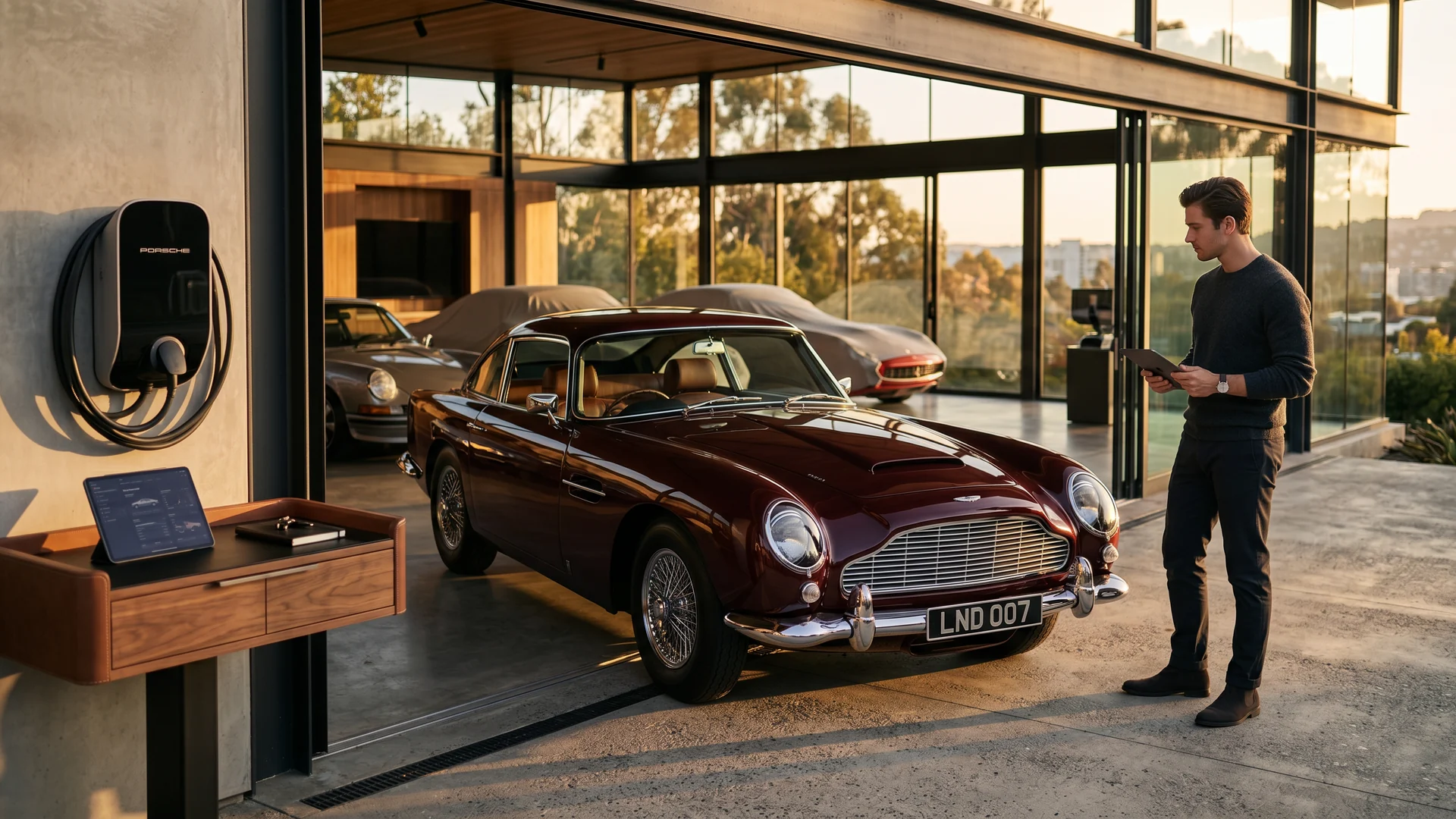
The Future of Classic Car Collecting: Trends Shaping the Next Generation
The future of classic car collecting: why 2035 ICE bans spare existing cars, plus e-fuels, shifting demographics, electromods and fractional ownership…
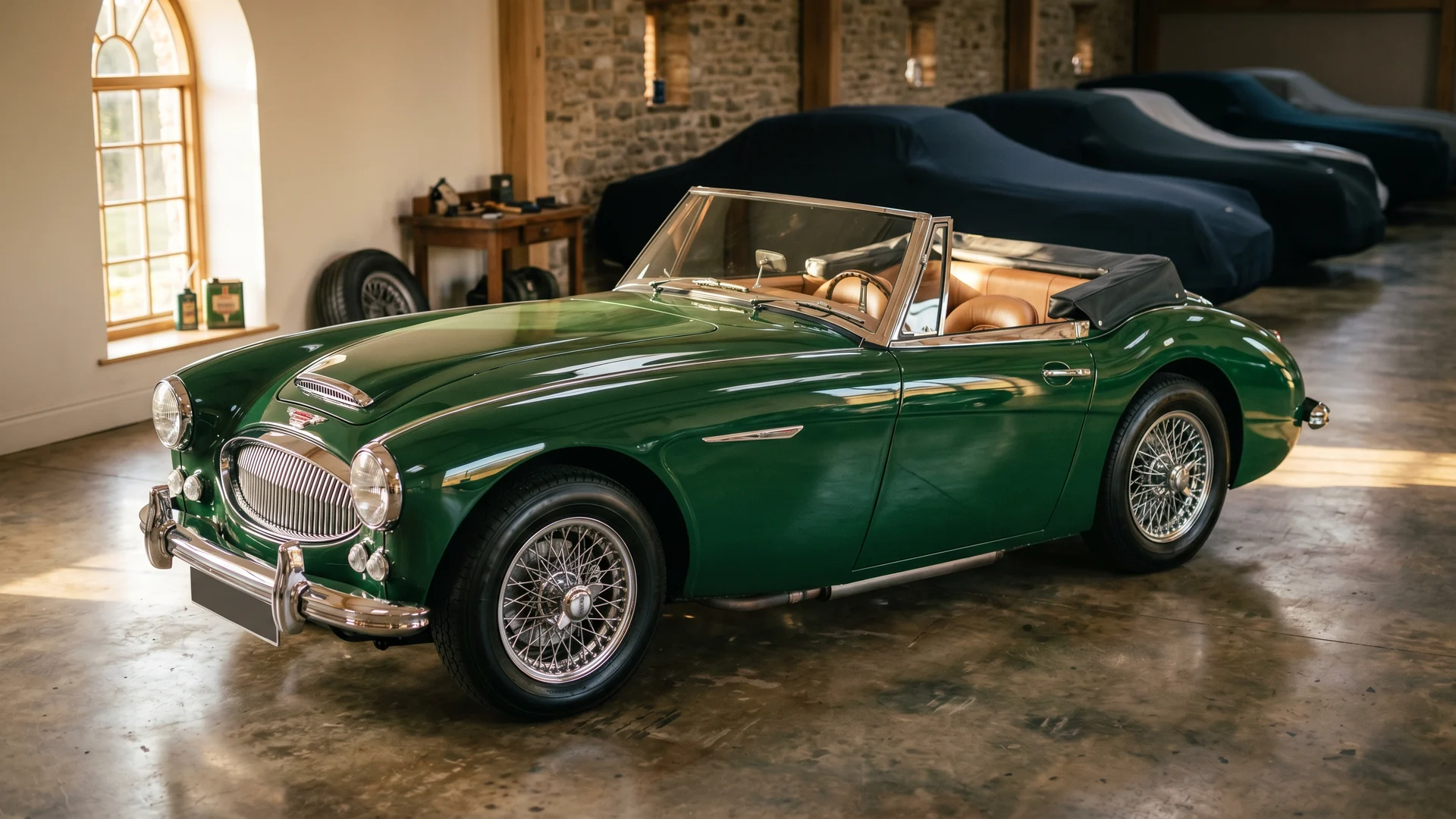
Classic Car Insurance Guide: Protecting Your Vintage Investment
Classic car insurance guide: why agreed-value policies beat stated and actual cash value, how Hagerty, Grundy and Chubb compare, plus costs and covera…
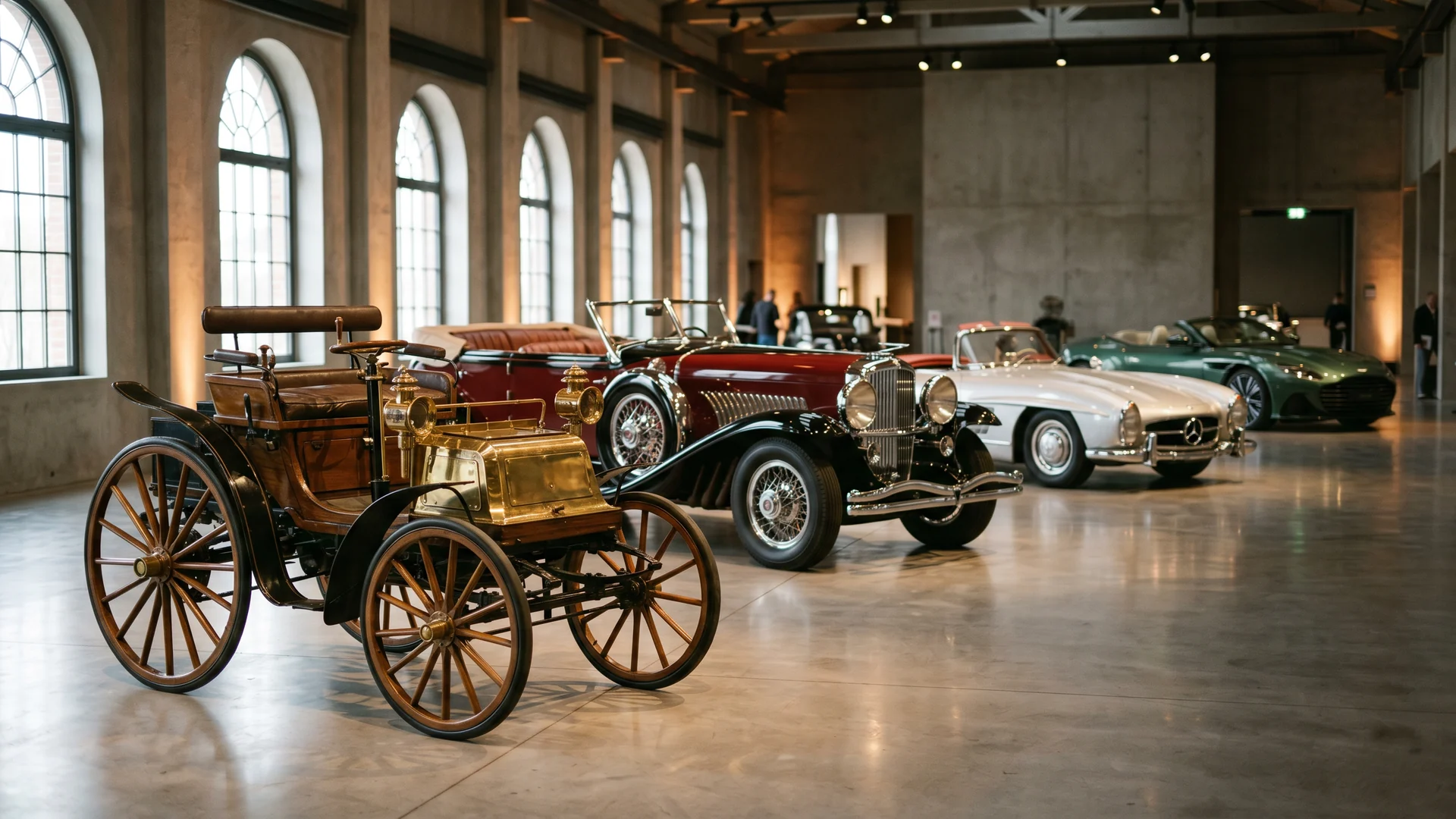
Classic Car History Timeline: From Benz to the Modern Collector Era
Classic car history timeline from the 1886 Benz Patent-Motorwagen through coachbuilding, muscle cars and supercars to modern collectibles. Discover th…