Why Driving Your Classic Car Can Lower Social Status
Classic cars possess a distinctive appeal that attracts both dedicated enthusiasts and casual admirers. These vehicles are defined by their historical significance and vintage desi…
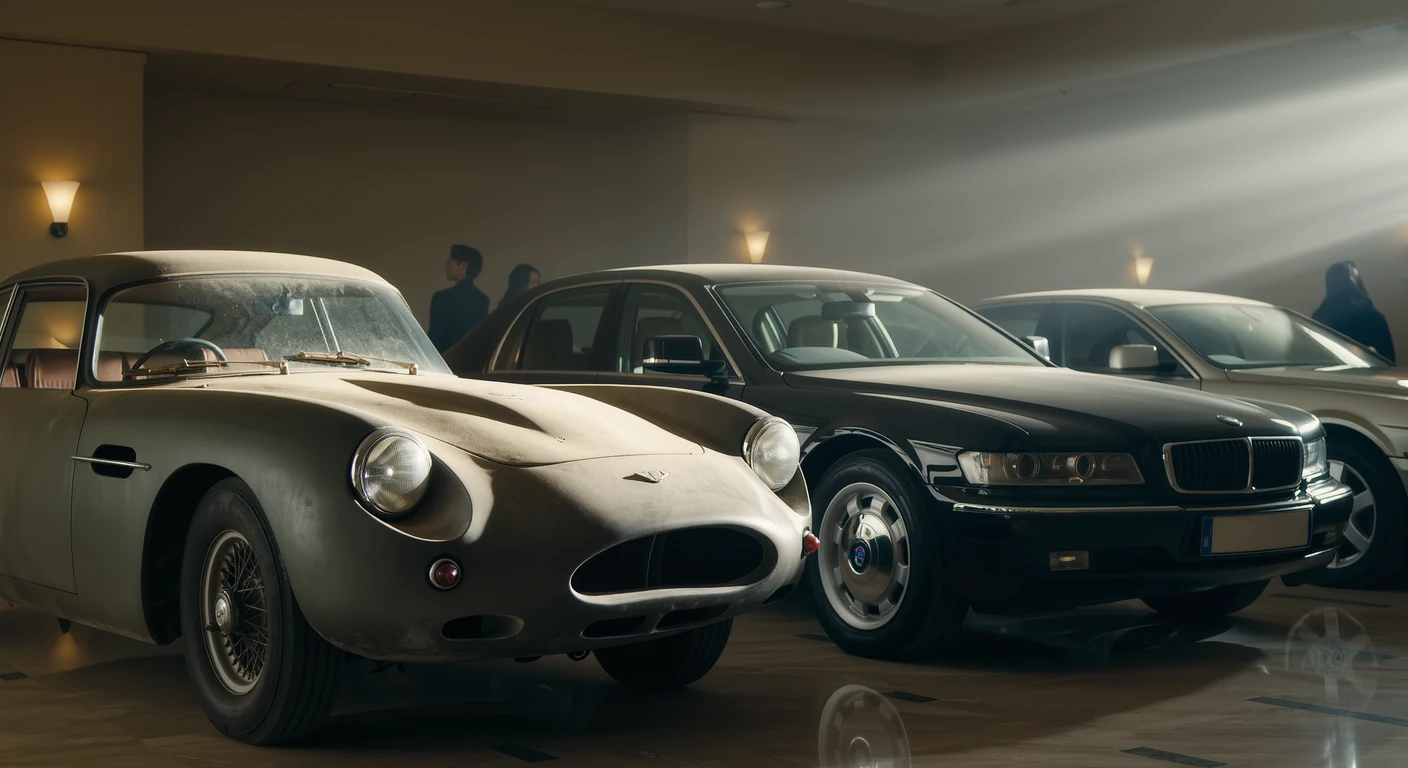
Classic cars possess a distinctive appeal that attracts both dedicated enthusiasts and casual admirers. These vehicles are defined by their historical significance and vintage designs, creating connections to automotive history. Classic car ownership transcends basic transportation needs, representing a passionate engagement with automotive heritage.
The attraction stems from their distinctive aesthetic qualities, superior craftsmanship, and historical context. These automobiles exemplify an era when automotive manufacturing emphasized artistry and meticulous attention to detail alongside functionality. This examination explores the complex aspects of classic car ownership, including public perceptions, social dimensions, and the practical considerations associated with maintaining and operating these historical vehicles.
Key Takeaways
- Classic cars are often seen as symbols of wealth, status, and nostalgia.
- Owners of classic cars face significant maintenance challenges and financial burdens.
- Classic cars lack modern amenities, making them less convenient for everyday use.
- There are environmental concerns associated with the emissions and fuel efficiency of classic cars.
- Social perceptions of classic car owners can be mixed, reflecting outdated ideals and stereotypes.
The perception of classic car owners
Classic car owners often find themselves at the center of various perceptions and stereotypes. Many view them as passionate collectors who appreciate the artistry and history behind each vehicle. This admiration can foster a sense of community among enthusiasts, where shared interests lead to friendships and camaraderie.
However, there is also a contrasting perception that labels classic car owners as elitist or pretentious. This dichotomy can create a complex social dynamic, where the love for vintage automobiles is both celebrated and scrutinized. Moreover, the perception of classic car owners can vary significantly based on geographical location and cultural context.
In some regions, owning a classic car is seen as a badge of honor, while in others, it may be viewed as an unnecessary extravagance. This variability highlights the subjective nature of social perceptions surrounding classic car ownership, making it essential for owners to navigate these views with awareness and understanding.
Classic cars as a symbol of wealth and status
Classic cars have long been associated with wealth and status, often serving as a status symbol for their owners. The rarity and historical significance of certain models can drive their prices to astronomical heights, making them accessible only to those with substantial financial resources. This exclusivity contributes to the perception that classic car ownership is a privilege reserved for the affluent.
However, this association with wealth can be misleading. While some classic cars are indeed expensive, many enthusiasts find joy in restoring and maintaining more affordable models. This passion transcends financial barriers, allowing individuals from various backgrounds to engage in the classic car community.
Ultimately, while classic cars can signify wealth, they also represent a shared love for automotive history that unites enthusiasts regardless of their financial standing.
The maintenance and upkeep of classic cars
Owning a classic car comes with its fair share of responsibilities, particularly regarding maintenance and upkeep. Unlike modern vehicles equipped with advanced technology and reliable parts, classic cars often require specialized care and attention. Owners must be prepared to invest time and resources into regular maintenance to ensure their vehicles remain in optimal condition.
The process of maintaining a classic car can be both rewarding and challenging. Enthusiasts often take pride in restoring their vehicles to their former glory, which can involve sourcing rare parts or learning intricate repair techniques. However, this commitment can also lead to frustration when faced with mechanical issues or the unavailability of specific components.
Understanding the intricacies of classic car maintenance is crucial for owners who wish to enjoy their vehicles fully while preserving their value.
The environmental impact of classic cars
As society becomes increasingly aware of environmental issues, the impact of classic cars on the planet has come under scrutiny. Many vintage vehicles were designed before modern emissions standards were established, leading to higher levels of pollution compared to contemporary cars. This reality raises questions about the sustainability of owning a classic car in today’s eco-conscious world.
However, it’s essential to recognize that not all classic car owners are indifferent to environmental concerns. Many enthusiasts are actively seeking ways to reduce their vehicles’ carbon footprints through modifications or alternative fuel options. Additionally, some argue that preserving classic cars contributes to automotive heritage and culture, which should also be valued in discussions about sustainability.
Balancing the love for vintage automobiles with environmental responsibility is an ongoing conversation within the classic car community.
The inconvenience of driving a classic car
While driving a classic car can be an exhilarating experience, it often comes with its own set of inconveniences. Many vintage vehicles lack modern conveniences such as air conditioning, power steering, or advanced safety features, making them less practical for everyday use. This absence can lead to discomfort during long drives or in adverse weather conditions.
Furthermore, classic cars may not be as reliable as their modern counterparts. Owners may find themselves dealing with frequent breakdowns or mechanical issues that require immediate attention. This unpredictability can deter some individuals from using their classic cars as daily drivers, relegating them to weekend outings or special occasions instead.
Understanding these inconveniences is crucial for potential buyers who may romanticize the idea of owning a classic vehicle without fully grasping the realities involved.
The social perception of classic car owners
The social perception of classic car owners is often shaped by cultural narratives and media portrayals. In popular culture, classic car enthusiasts are frequently depicted as wealthy individuals with extravagant lifestyles, reinforcing stereotypes that may not accurately reflect the diversity within the community. This portrayal can create barriers between enthusiasts and those who might otherwise appreciate vintage automobiles but feel intimidated by perceived elitism.
Conversely, many classic car owners actively work to dispel these myths by engaging with their local communities and sharing their passion for automotive history. Car shows, clubs, and online forums provide platforms for enthusiasts to connect and share knowledge, fostering inclusivity within the hobby.
The association with nostalgia and outdated ideals
Classic cars are often intertwined with nostalgia, evoking memories of simpler times and cherished experiences. For many owners, these vehicles represent more than just transportation; they symbolize personal history and connection to family traditions. This emotional attachment can create a strong bond between owners and their cars, making them reluctant to part with these cherished possessions.
However, this association with nostalgia can also lead to criticism regarding outdated ideals.
This perspective challenges enthusiasts to reflect on what their love for vintage automobiles represents in today’s rapidly changing world.
Balancing nostalgia with an awareness of contemporary values is essential for fostering meaningful conversations about the role of classic cars in modern society.
The financial burden of owning a classic car
Owning a classic car can be a significant financial commitment that extends beyond the initial purchase price. Maintenance costs, insurance premiums, and storage fees can quickly add up, creating a financial burden for some owners. Additionally, restoring a vintage vehicle to its original condition often requires substantial investment in parts and labor.
For potential buyers considering entering the world of classic cars, it’s crucial to conduct thorough research and budget accordingly. Understanding the long-term costs associated with ownership can help individuals make informed decisions about which models align with their financial capabilities. While the allure of classic cars is undeniable, prospective owners must weigh the financial implications against their passion for these timeless vehicles.
The lack of modern amenities in classic cars
One of the most notable differences between classic cars and modern vehicles is the absence of contemporary amenities in vintage models. Features such as advanced infotainment systems, GPS navigation, and safety technologies are often nonexistent in older cars. This lack can make driving a classic vehicle feel less convenient compared to today’s standards.
While some enthusiasts appreciate the simplicity and raw driving experience offered by classic cars, others may find this absence frustrating. For those accustomed to modern conveniences, transitioning to a vintage vehicle may require adjustments in lifestyle and expectations. Recognizing these differences is essential for potential buyers who wish to embrace the unique experience that comes with owning a classic car while understanding its limitations.
Reconsidering the social status of classic car ownership
In conclusion, the world of classic car ownership is rich with complexity and nuance. While these vehicles undoubtedly carry an allure rooted in nostalgia and craftsmanship, they also come with challenges that potential owners must consider carefully. From perceptions surrounding wealth and status to the realities of maintenance and environmental impact, owning a classic car is not merely about prestige; it’s about passion, commitment, and community.
As society continues to evolve, so too should our understanding of what it means to own a classic car. By fostering inclusivity within the automotive community and embracing diverse perspectives on ownership, we can reshape the narrative surrounding these timeless vehicles. Ultimately, reconsidering the social status associated with classic car ownership allows us to appreciate not only the beauty of these machines but also the stories they tell about our shared history and culture.
FAQs
Why might driving a classic car lower social status?
Driving a classic car can sometimes be perceived as outdated or impractical, which may lead others to view the owner as less modern or affluent. Additionally, classic cars often require more maintenance and may lack the latest technology, influencing social perceptions.
Are there cultural differences in how classic cars affect social status?
Yes, cultural attitudes toward classic cars vary. In some cultures, classic cars are seen as prestigious and a sign of wealth or taste, while in others, they may be viewed as old-fashioned or less desirable compared to modern vehicles.
Does the condition of the classic car impact social status perceptions?
Absolutely. A well-maintained, pristine classic car can enhance social status by showcasing care and investment, whereas a poorly maintained or rundown classic car might negatively affect perceptions.
Can driving a classic car have positive social effects?
Yes, driving a classic car can also foster a sense of community among enthusiasts, signal appreciation for automotive history, and sometimes attract admiration for uniqueness and style.
Is the impact on social status the same for all types of classic cars?
No, the impact varies depending on the make, model, rarity, and cultural significance of the classic car. Some models are highly prized and can elevate social status, while others may not have the same effect.
How does the cost of maintaining a classic car relate to social status?
The high cost of maintaining and restoring classic cars can be seen as a sign of wealth and dedication, potentially enhancing social status. Conversely, visible neglect due to cost constraints might lower perceived status.
Do modern cars with classic designs affect social status differently?
Modern cars styled with classic designs often combine nostalgia with contemporary features, which can appeal to a broader audience and may not carry the same social status implications as genuine classic cars.
More from Blog
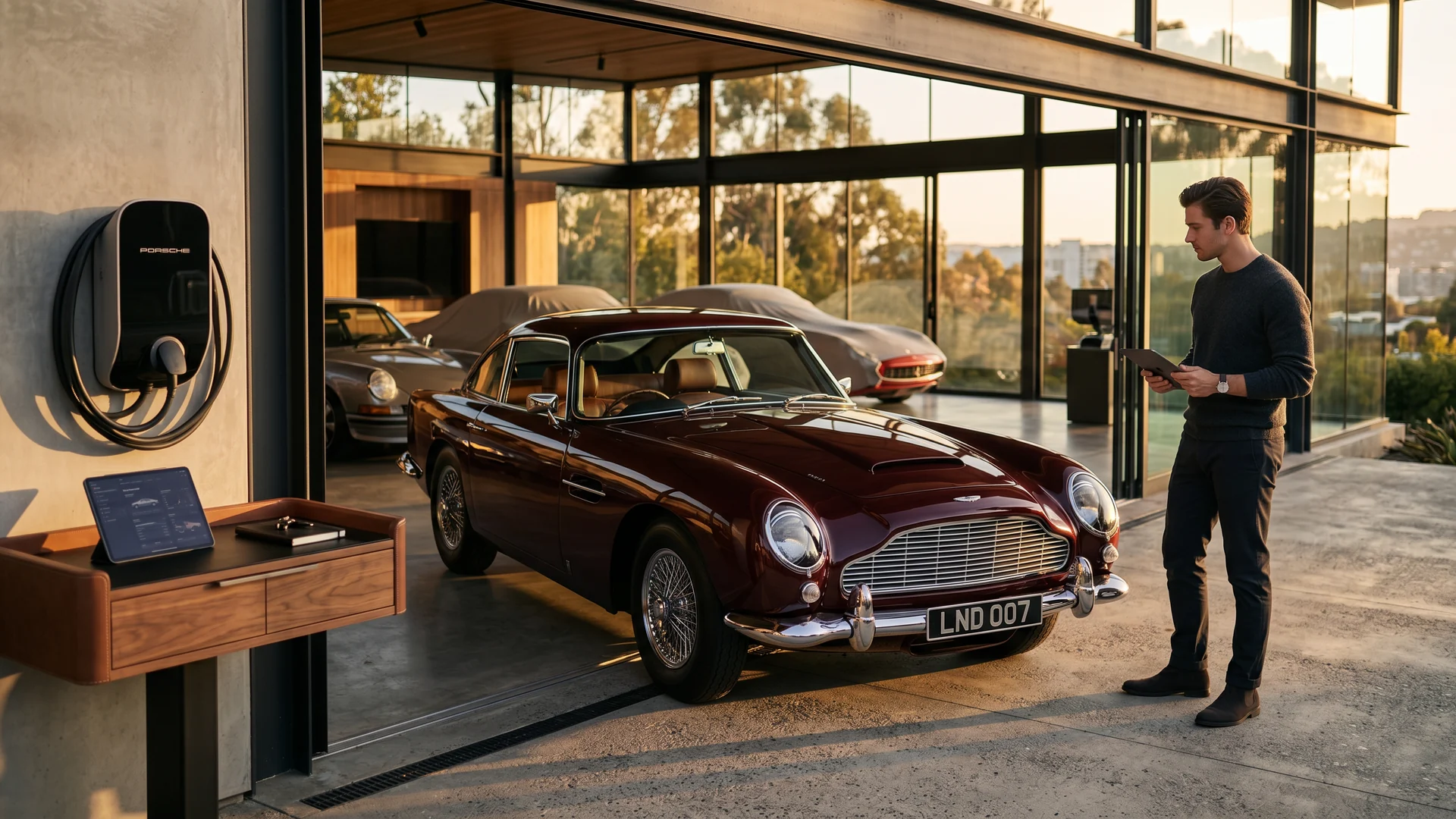
The Future of Classic Car Collecting: Trends Shaping the Next Generation
The future of classic car collecting: why 2035 ICE bans spare existing cars, plus e-fuels, shifting demographics, electromods and fractional ownership…
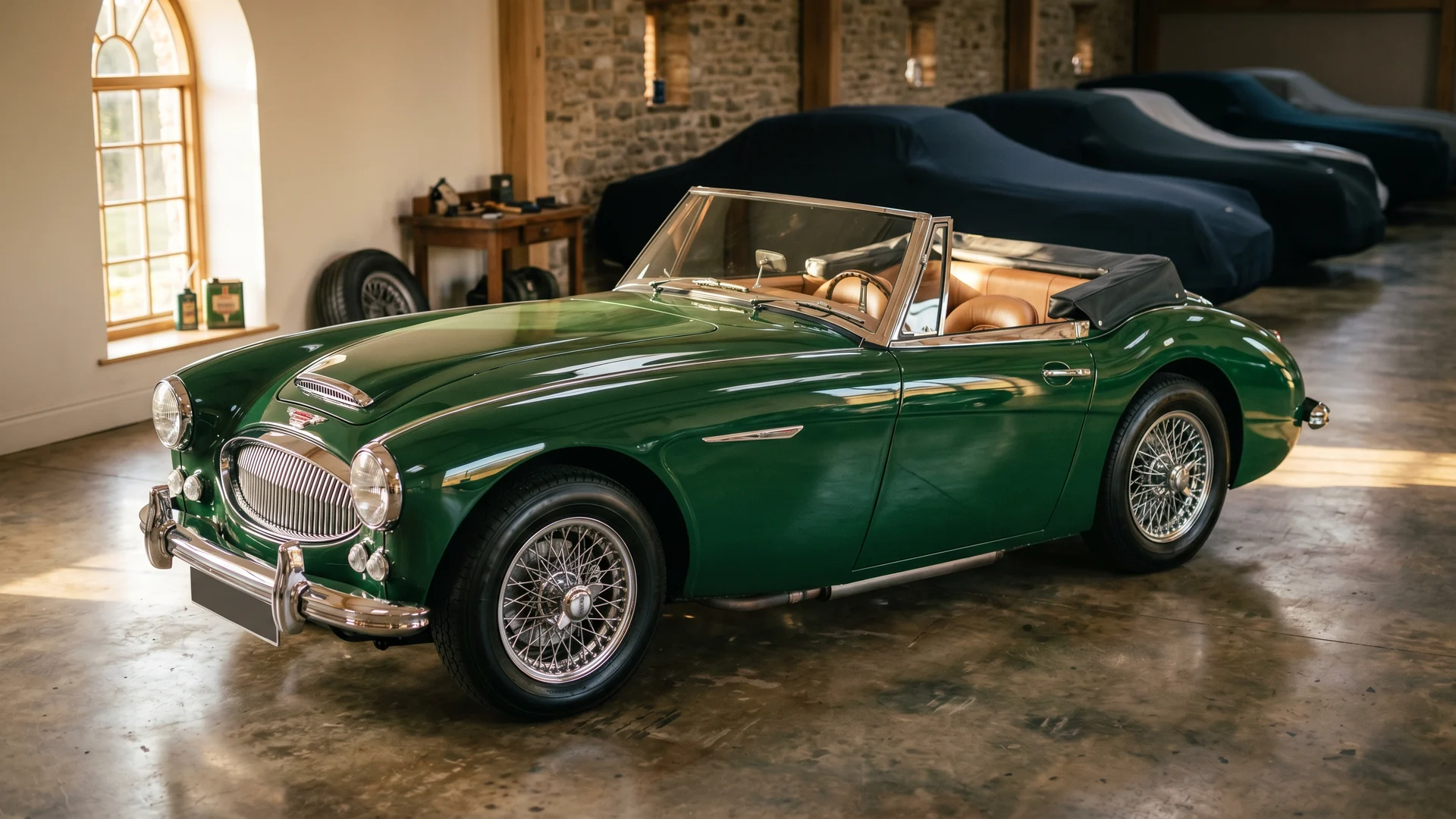
Classic Car Insurance Guide: Protecting Your Vintage Investment
Classic car insurance guide: why agreed-value policies beat stated and actual cash value, how Hagerty, Grundy and Chubb compare, plus costs and covera…
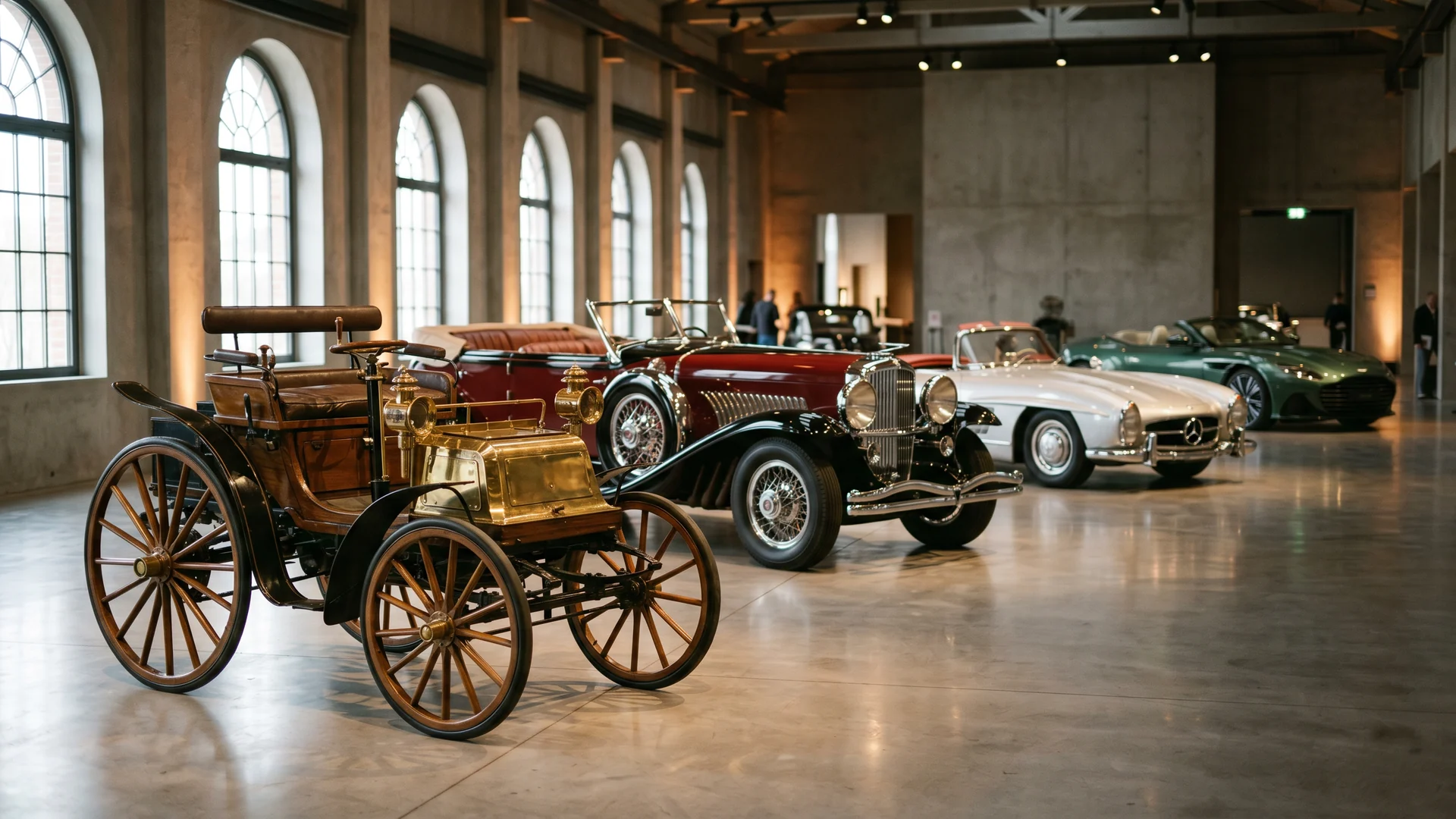
Classic Car History Timeline: From Benz to the Modern Collector Era
Classic car history timeline from the 1886 Benz Patent-Motorwagen through coachbuilding, muscle cars and supercars to modern collectibles. Discover th…