Why Driving a Million-Dollar Classic Car Is a Risky Obsession
The world of million-dollar classic cars is undeniably captivating. These vehicles are not just modes of transportation; they are symbols of status, craftsmanship, and history. Own…
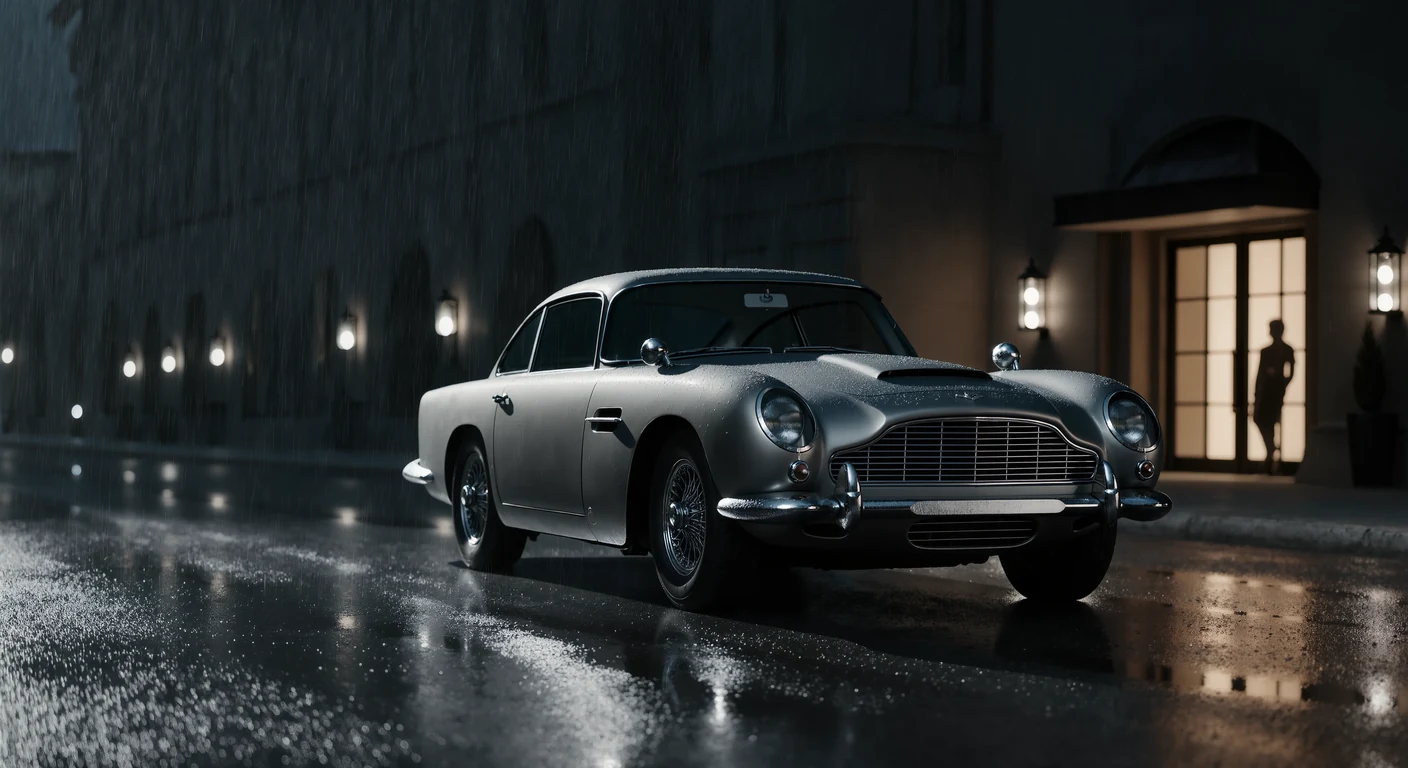
The world of million-dollar classic cars is undeniably captivating. These vehicles are not just modes of transportation; they are symbols of status, craftsmanship, and history. Owning a classic car often evokes a sense of nostalgia, transporting enthusiasts back to a time when automobiles were designed with elegance and artistry.
The allure lies in their rarity, with many models produced in limited quantities, making them highly sought after by collectors and investors alike. Moreover, classic cars often appreciate in value over time, making them an attractive investment. The thrill of owning a piece of automotive history can be exhilarating, as these cars often come with unique stories and heritage.
For many, the experience of driving a classic car is unmatched, offering a connection to the past that modern vehicles simply cannot replicate. However, while the allure is strong, potential owners must also consider the complexities that come with such an investment.
Key Takeaways
- Million-dollar classic cars offer significant allure but come with substantial financial risks.
- Maintenance, repairs, and sourcing rare parts for vintage cars can be extremely costly and challenging.
- Owners face risks of accidents, theft, vandalism, and the pressure to keep the car in pristine condition.
- Finding suitable insurance coverage and navigating legal or regulatory issues add complexity to ownership.
- Market fluctuations can greatly impact the value of classic cars, affecting their investment potential.
The financial risk of owning a million-dollar classic car
Investing in a million-dollar classic car carries significant financial risks. The initial purchase price is just the beginning; the total cost of ownership can escalate quickly. Market fluctuations can impact the value of these vehicles, leading to potential losses if the market shifts unfavorably.
Unlike stocks or bonds, classic cars do not have a guaranteed return on investment, making them a speculative asset. Additionally, the rarity of certain models can create volatility in their market value. While some cars may appreciate significantly over time, others may not hold their value as expected.
This unpredictability can be daunting for investors who are not well-versed in the classic car market. Therefore, it is crucial for potential buyers to conduct thorough research and seek expert advice before making such a substantial financial commitment.
The high cost of maintenance and repairs
Owning a million-dollar classic car often comes with exorbitant maintenance and repair costs. These vehicles require specialized care that can be significantly more expensive than that of modern cars. Finding qualified mechanics who understand the intricacies of vintage vehicles can be challenging, and their services often come at a premium price.
Routine maintenance tasks, such as oil changes or brake replacements, can quickly add up. Moreover, when repairs are needed, sourcing original parts can be a daunting task. Many classic cars have components that are no longer manufactured, leading owners to rely on aftermarket parts or even custom fabrication.
This not only increases costs but can also affect the authenticity and value of the vehicle. Therefore, prospective owners must be prepared for the financial commitment that comes with maintaining a classic car in pristine condition.
The limited availability of parts for vintage cars
One of the significant challenges of owning a million-dollar classic car is the limited availability of parts. As time passes, manufacturers discontinue production of specific components, making it increasingly difficult to find original parts for restoration or repair. This scarcity can lead to inflated prices for those few parts that are still available on the market.
Additionally, some classic car owners may find themselves in situations where they need to wait months or even years to locate rare components. This not only prolongs repair times but can also lead to frustration and additional costs if temporary solutions are implemented. For enthusiasts who prioritize authenticity in their restorations, the challenge of sourcing original parts can be particularly daunting.
The potential for accidents and damage
The risk of accidents and damage is another significant concern for owners of million-dollar classic cars. These vehicles often lack modern safety features, making them more vulnerable on the road compared to contemporary automobiles. Even minor accidents can result in substantial repair costs due to the rarity and value of these cars.
Moreover, driving a classic car can attract attention, which may lead to unwanted incidents such as vandalism or theft attempts. Owners must be vigilant about where they park and how they handle their vehicles in public spaces. The emotional toll of potential damage or loss can weigh heavily on owners who have invested significant time and money into their prized possessions.
The risk of theft and vandalism
The risk of theft and vandalism is an ever-present concern for million-dollar classic car owners. These vehicles are often prime targets for thieves due to their high value and desirability. Owners must take extra precautions to protect their investments, including installing advanced security systems and parking in secure locations.
Additionally, even when parked safely, classic cars can still fall victim to vandalism. The emotional impact of seeing one’s cherished vehicle damaged can be profound, leading to feelings of anger and helplessness. Owners must remain vigilant and proactive in safeguarding their cars to mitigate these risks effectively.
The challenge of finding appropriate insurance coverage
Finding appropriate insurance coverage for a million-dollar classic car can be a complex process. Standard auto insurance policies may not provide adequate protection for high-value vehicles, leaving owners vulnerable in case of accidents or theft. Specialized classic car insurance is often necessary, but it can come with its own set of challenges.
Many insurance companies require detailed appraisals and documentation to determine the vehicle’s value accurately. This process can be time-consuming and may involve additional costs for professional appraisals. Furthermore, some policies may have restrictions on mileage or usage, which can limit how owners enjoy their vehicles.
Navigating these complexities requires careful consideration and research to ensure adequate protection.
The emotional attachment and fear of loss
The emotional attachment that many owners develop towards their million-dollar classic cars cannot be overstated. These vehicles often represent years of hard work, passion, and dedication. The fear of loss, whether through theft, damage, or market depreciation, can create significant anxiety for owners.
This emotional investment can complicate decision-making when it comes to selling or restoring the vehicle. Owners may struggle with the idea of parting with their prized possession, even if it makes financial sense. Balancing emotional attachment with practical considerations is a challenge that many classic car enthusiasts face throughout their ownership journey.
The pressure to maintain a pristine condition
Owning a million-dollar classic car comes with immense pressure to maintain its pristine condition. Many owners feel compelled to keep their vehicles in showroom-quality shape, which requires constant attention and care. This pressure can lead to stress as owners navigate the demands of regular maintenance and restoration.
Additionally, participating in car shows or events adds another layer of expectation. Owners want their vehicles to stand out among other classics, which often means investing significant time and money into detailing and restoration efforts. The desire to impress others can sometimes overshadow the joy of simply enjoying the vehicle for what it is, a piece of automotive history.
The impact of market fluctuations on the value of classic cars
The value of million-dollar classic cars is subject to market fluctuations that can significantly impact ownership experiences. Economic downturns or shifts in collector interest can lead to sudden drops in value, leaving owners feeling vulnerable about their investments. Unlike traditional assets like real estate or stocks, classic cars do not always follow predictable trends.
Moreover, changes in consumer preferences can affect demand for specific models or brands, further complicating the market landscape. Owners must stay informed about industry trends and market conditions to make educated decisions regarding buying or selling their vehicles. Understanding these dynamics is crucial for anyone considering investing in high-value classic cars.
The legal and regulatory challenges of owning a vintage vehicle
Owning a million-dollar classic car also involves navigating various legal and regulatory challenges. Different states have unique laws regarding emissions standards, safety regulations, and registration requirements for vintage vehicles. Owners must ensure compliance with these regulations to avoid fines or legal issues.
Additionally, some classic cars may require special permits for road use or participation in events. Understanding these legalities is essential for maintaining ownership without complications. Engaging with local automotive clubs or organizations can provide valuable resources and support for navigating these challenges effectively.
In conclusion, while the allure of million-dollar classic cars is undeniable, potential owners must carefully consider the various challenges associated with ownership. From financial risks to emotional attachments and legal complexities, being well-informed is crucial for making sound decisions in this unique market. Whether you’re an avid collector or simply passionate about vintage automobiles, understanding these factors will help you navigate the rewarding yet intricate world of classic car ownership successfully.
FAQs
What makes driving a million-dollar classic car risky?
Driving a million-dollar classic car is risky due to its high value, rarity, and potential for damage. Accidents, theft, or even minor wear and tear can significantly reduce the car’s worth. Additionally, classic cars often lack modern safety features, increasing the risk of injury.
Why are classic cars valued at such high prices?
Classic cars can reach million-dollar valuations because of their historical significance, rarity, brand prestige, and condition. Limited production numbers and unique design elements also contribute to their high market value.
Are classic cars more difficult to insure?
Yes, insuring a million-dollar classic car can be more complex and expensive than insuring a regular vehicle. Specialized insurance policies are often required, which consider the car’s appraised value, usage limitations, and storage conditions.
What maintenance challenges do classic cars present?
Classic cars often require specialized maintenance due to outdated technology, scarcity of parts, and the need for expert mechanics. Improper maintenance can lead to mechanical failures or decreased value.
Is it advisable to drive a million-dollar classic car regularly?
Many experts recommend limiting the use of million-dollar classic cars to preserve their condition and value. Regular driving increases the risk of damage and wear, so owners often use them only for special occasions or shows.
How does driving a classic car affect its value?
Driving a classic car can lead to wear and tear, which may decrease its value. However, some collectors believe that limited, careful use can maintain the car’s mechanical condition and authenticity, potentially preserving or even enhancing its value.
What security measures are recommended for million-dollar classic cars?
Owners should invest in secure storage facilities, alarm systems, GPS tracking, and comprehensive insurance. Limiting public exposure and using professional transport services for events can also reduce risks.
Can classic cars be driven safely on modern roads?
While classic cars can be driven on modern roads, they often lack advanced safety features like airbags, ABS, and traction control. Drivers must exercise extra caution and be aware of the vehicle’s limitations.
What legal considerations apply to driving classic cars?
Legal requirements vary by location but may include special registration, emissions exemptions, and usage restrictions. Owners should verify local laws to ensure compliance when driving or displaying classic cars.
Are there alternatives to driving a million-dollar classic car?
Yes, alternatives include using professional drivers, participating in controlled events, or employing simulators and virtual experiences to enjoy the car without physical risks. Some owners also opt to display their cars in museums or private collections.
More from Blog
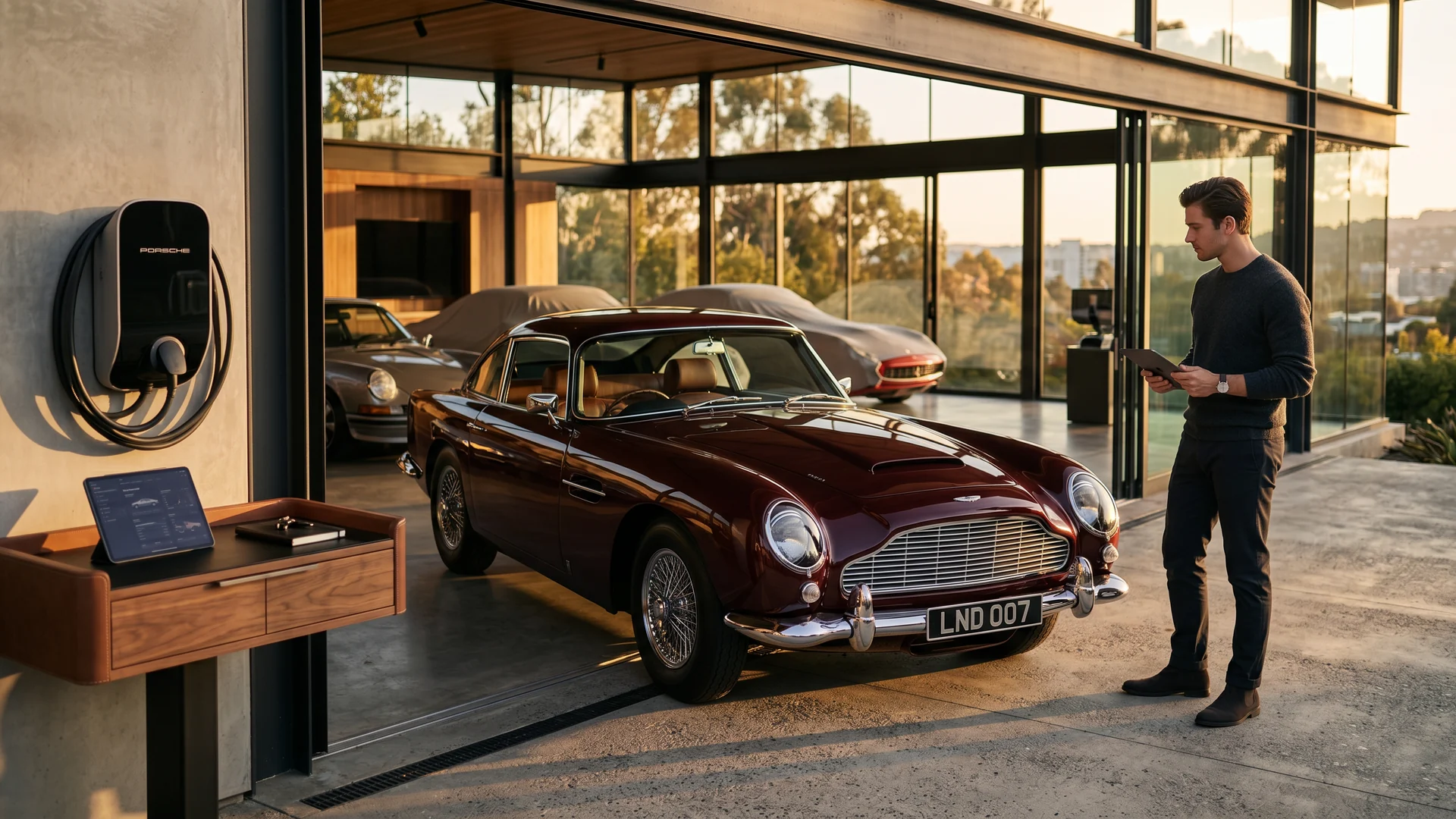
The Future of Classic Car Collecting: Trends Shaping the Next Generation
The future of classic car collecting: why 2035 ICE bans spare existing cars, plus e-fuels, shifting demographics, electromods and fractional ownership…
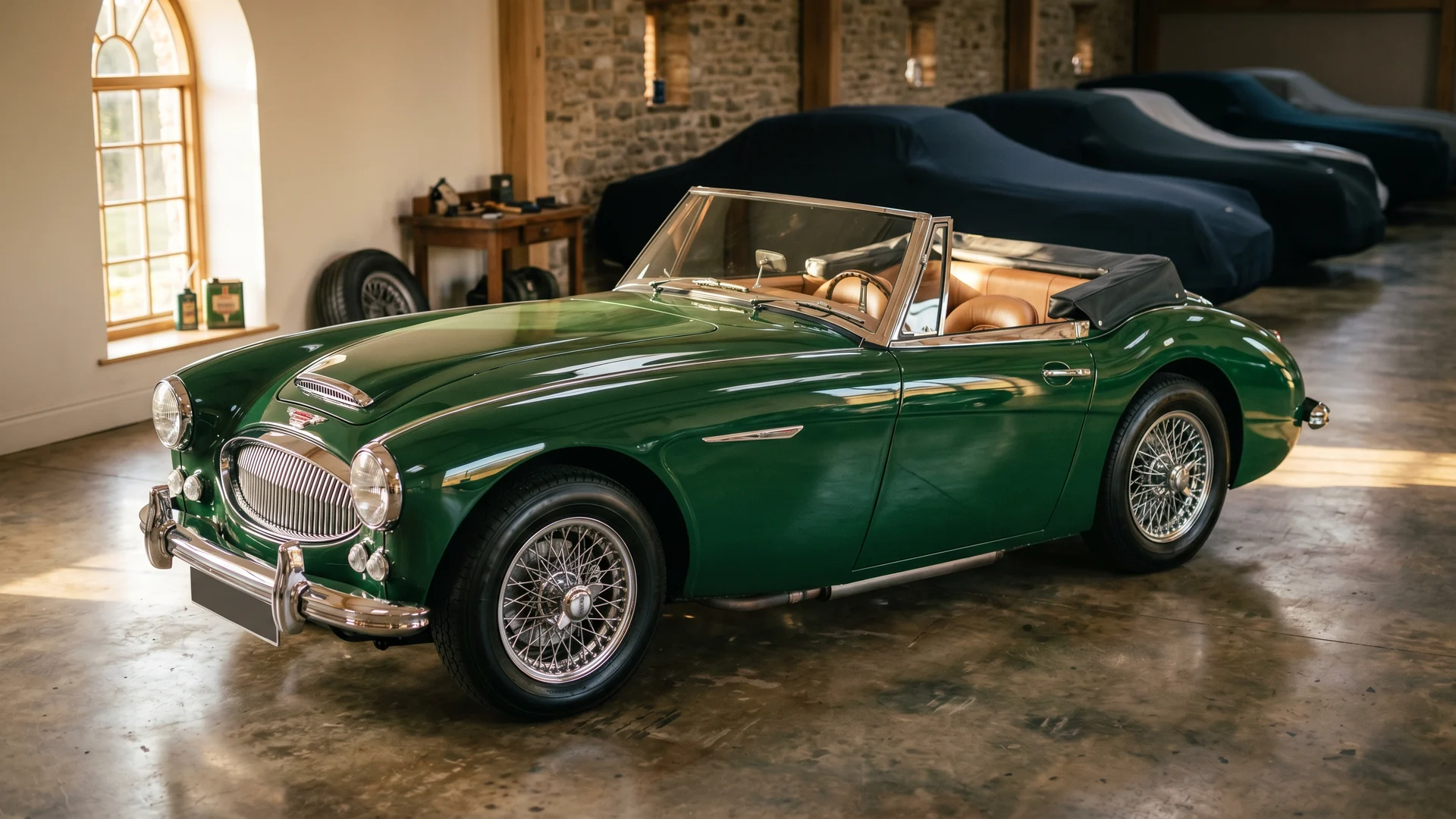
Classic Car Insurance Guide: Protecting Your Vintage Investment
Classic car insurance guide: why agreed-value policies beat stated and actual cash value, how Hagerty, Grundy and Chubb compare, plus costs and covera…
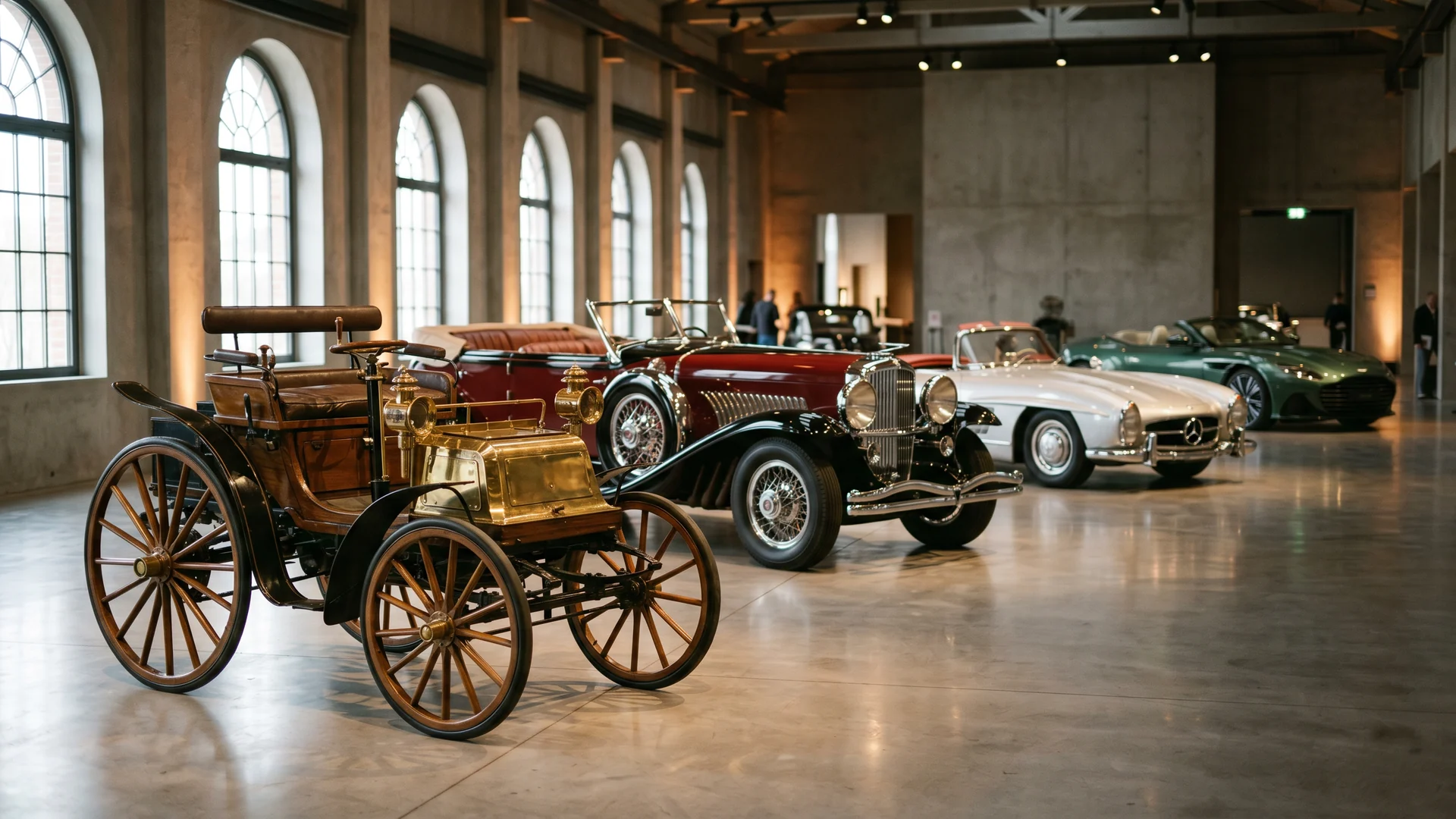
Classic Car History Timeline: From Benz to the Modern Collector Era
Classic car history timeline from the 1886 Benz Patent-Motorwagen through coachbuilding, muscle cars and supercars to modern collectibles. Discover th…