Why Driving Mileage Can Destroy a Classic Car’s Prestige
Classic cars represent significant examples of automotive history, engineering, and design from specific time periods. These vehicles are valued by collectors and enthusiasts for t…
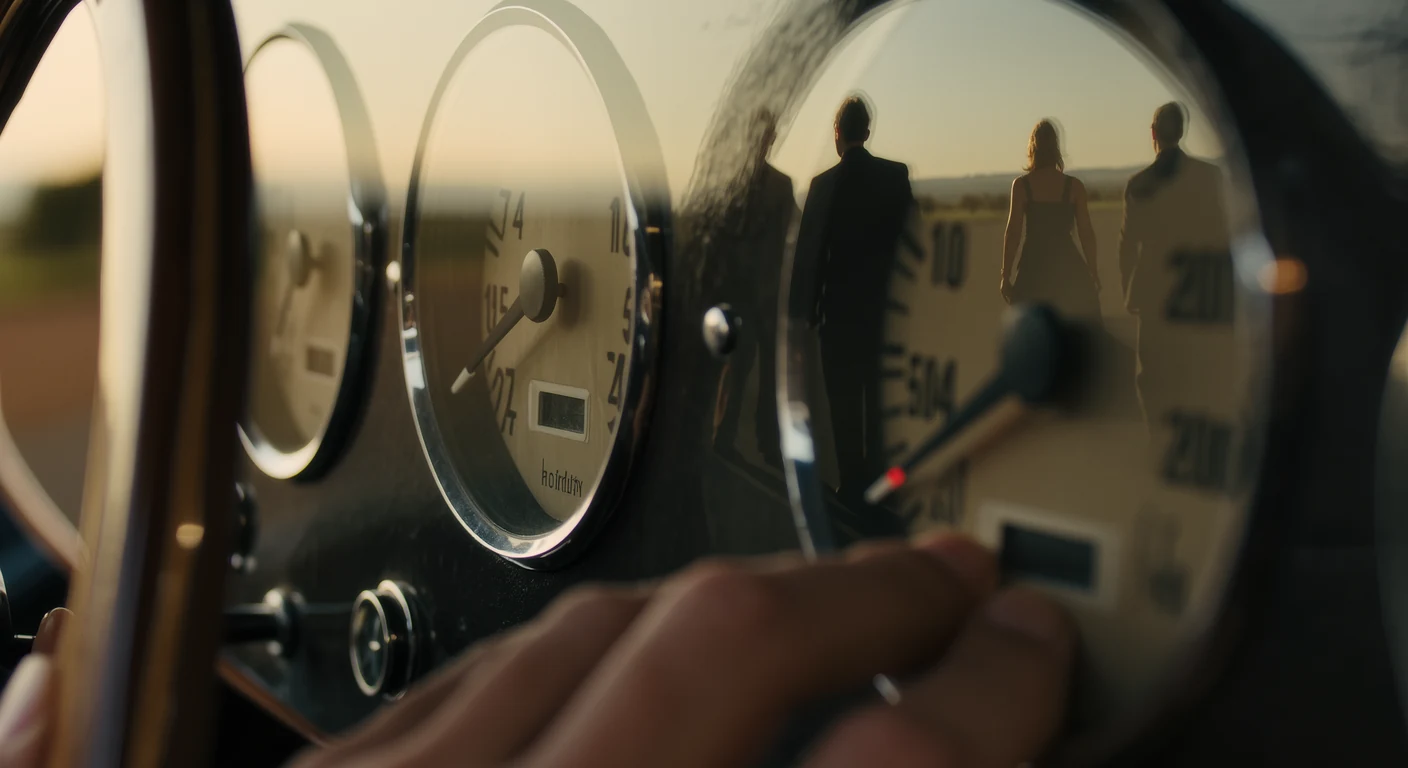
Classic cars represent significant examples of automotive history, engineering, and design from specific time periods. These vehicles are valued by collectors and enthusiasts for their historical significance, distinctive styling, mechanical characteristics, and cultural importance.
Classic cars function as both collectible items and potential financial investments, with certain models experiencing substantial value appreciation over time. The market value of classic automobiles depends on multiple variables, with mileage being a primary factor in determining worth. Mileage directly affects a classic car’s condition, originality, rarity status, and market desirability.
This analysis examines how mileage influences classic car valuation, mechanical condition, physical appearance, scarcity, and resale potential in the collector automobile market.
Key Takeaways
- Mileage significantly influences the value and rarity of classic cars.
- High mileage can negatively impact both performance and aesthetics of classic vehicles.
- Proper maintenance is crucial to managing mileage effects and preserving car quality.
- Collectors prioritize low mileage as a key factor in classic car desirability and resale value.
- Strategies to preserve low mileage help maintain the prestige and long-term worth of classic cars.
Importance of Mileage in Classic Car Value
Mileage plays a pivotal role in determining the value of classic cars. Generally, lower mileage indicates less wear and tear, making the vehicle more desirable to collectors and enthusiasts. A classic car with low mileage is often perceived as being in better condition, which can significantly enhance its market value.
Conversely, high mileage can lead to depreciation, as it suggests that the car has been used extensively and may require more maintenance or repairs. Moreover, mileage is not just a number; it tells a story about the car’s history. A well-documented mileage record can provide potential buyers with insights into how the car was treated over the years.
For instance, a classic car that has been lovingly maintained with low mileage is likely to attract more interest than one that has been driven hard and shows signs of neglect. Therefore, understanding the importance of mileage is crucial for anyone looking to buy or sell a classic car.
Effects of High Mileage on Classic Car Performance
High mileage can have several adverse effects on the performance of classic cars. As vehicles age and accumulate miles, components such as the engine, transmission, and suspension may experience wear and tear. This deterioration can lead to decreased performance, reduced fuel efficiency, and an overall less enjoyable driving experience.
Classic cars are often celebrated for their unique driving characteristics, but high mileage can compromise these attributes. Additionally, high mileage can result in increased maintenance needs. Parts may require replacement or repair more frequently as they age and wear out.
This not only adds to the cost of ownership but can also lead to unexpected breakdowns or issues that detract from the joy of owning a classic car. Therefore, prospective buyers should carefully consider mileage when evaluating a classic car’s performance potential.
Impact of Mileage on Classic Car Aesthetics
The aesthetics of classic cars are one of their most appealing features. However, high mileage can negatively impact their visual appeal. Over time, components such as paint, upholstery, and chrome trim can suffer from wear due to exposure to the elements and regular use.
A classic car with high mileage may show signs of fading paint, worn interiors, or rust spots that detract from its overall beauty. Conversely, low-mileage classic cars often retain their original charm and luster. These vehicles are more likely to have well-preserved paint jobs and interiors that look as good as new.
For collectors and enthusiasts who value aesthetics, mileage is a crucial factor in determining a classic car’s desirability. A visually stunning classic car not only turns heads but also holds its value better in the long run.
Factors that Contribute to Mileage in Classic Cars
Several factors contribute to the mileage of classic cars, influencing how they are perceived in the market. One significant factor is usage; cars that are driven regularly will naturally accumulate more miles than those kept in storage or used sparingly. Additionally, the type of driving can impact mileage; highway driving typically results in less wear compared to stop-and-go city driving.
Another factor is maintenance history. Classic cars that have been well-maintained may have lower mileage due to careful ownership practices. Owners who prioritize regular servicing and care often keep their vehicles in better condition for longer periods.
Furthermore, the age of the vehicle plays a role; older models may have higher mileage simply due to being on the road longer. Understanding these factors can help buyers assess a classic car’s value more accurately.
How Mileage Affects the Rarity of Classic Cars
Mileage can significantly influence the rarity of classic cars in the collector’s market. Generally, lower-mileage examples of a particular model are considered rarer and more desirable than their high-mileage counterparts. This rarity can drive up demand among collectors who seek pristine examples of their favorite vehicles.
Moreover, certain models are produced in limited quantities, making low-mileage examples even more sought after. When a classic car has low mileage and is part of a limited production run, it becomes a prized possession for collectors. As such, understanding how mileage affects rarity is essential for anyone looking to invest in classic cars.
Maintenance and Mileage in Classic Cars
Maintenance is closely tied to mileage in classic cars. Regular upkeep can help mitigate some of the negative effects associated with high mileage. Owners who invest time and resources into maintaining their vehicles often find that they can preserve performance and aesthetics for longer periods.
This includes routine oil changes, brake inspections, and addressing any mechanical issues promptly. Additionally, proper storage practices can help reduce unnecessary mileage accumulation. For instance, using a car cover or storing the vehicle in a climate-controlled environment can protect it from environmental factors that contribute to wear and tear.
By prioritizing maintenance and smart storage solutions, classic car owners can enjoy their vehicles while preserving their value over time.
The Role of Mileage in Classic Car Collecting
Mileage plays a significant role in the world of classic car collecting. Collectors often seek out low-mileage examples for their collections due to their perceived value and potential for appreciation over time. A low-mileage classic car is not only an investment but also a source of pride for collectors who appreciate the history behind each vehicle.
Furthermore, mileage can influence how collectors approach restoration projects. Some collectors may choose to restore high-mileage cars to bring them back to their former glory, while others may focus on preserving low-mileage examples in their original condition. Understanding how mileage impacts collecting strategies is essential for anyone looking to navigate this fascinating hobby.
Strategies for Preserving Low Mileage in Classic Cars
Preserving low mileage in classic cars requires intentional strategies from owners. One effective approach is limiting driving frequency; many enthusiasts choose to take their vehicles out only for special occasions or events rather than daily use. This not only helps maintain low mileage but also enhances the enjoyment of driving a classic car.
Keeping a classic car in a garage or using a dedicated storage facility can protect it from environmental damage while minimizing unnecessary wear from road use. Additionally, regular maintenance checks ensure that any potential issues are addressed before they escalate into larger problems that could affect both performance and aesthetics.
The Influence of Mileage on Classic Car Resale Value
Mileage has a direct impact on resale value for classic cars. Generally speaking, lower-mileage vehicles command higher prices in the market due to their perceived condition and desirability among buyers. A well-maintained classic car with low mileage can fetch significantly more than a similar model with high mileage.
Moreover, potential buyers often view low-mileage vehicles as less risky investments since they are less likely to require extensive repairs or restoration work soon after purchase. As such, understanding how mileage influences resale value is crucial for anyone considering buying or selling a classic car.
Preserving the Prestige of Classic Cars through Mileage Management
In conclusion, managing mileage is essential for preserving the prestige and value of classic cars. From performance to aesthetics and resale potential, mileage plays a critical role in determining how these vehicles are perceived in the market. By understanding the importance of mileage and implementing strategies for preservation, owners can enjoy their classic cars while ensuring they remain valuable assets over time.
Whether you’re an enthusiast looking to buy your first classic car or a seasoned collector seeking to enhance your collection’s value, keeping an eye on mileage will serve you well. Embrace the journey of owning a classic car while prioritizing its care and maintenance, after all, these vehicles are not just machines; they are pieces of history waiting to be cherished for generations to come.
FAQs
Why does high mileage affect a classic car’s prestige?
High mileage on a classic car often indicates extensive use, which can lead to increased wear and tear on the engine, transmission, and other mechanical components. Collectors and enthusiasts typically value originality and low mileage, as these factors suggest the car has been well-preserved and maintained, thereby enhancing its prestige and market value.
Can high mileage reduce the resale value of a classic car?
Yes, high mileage generally reduces the resale value of a classic car. Buyers often prefer vehicles with lower mileage because they are perceived to be in better condition and less likely to require costly repairs. High mileage can signal potential mechanical issues and decreased reliability, which negatively impacts the car’s desirability and price.
Is it possible to restore a high-mileage classic car to maintain its prestige?
While restoration can improve the appearance and functionality of a high-mileage classic car, it may not fully restore its prestige. Originality and documented low mileage are highly prized in the classic car market. Extensive restoration can sometimes detract from a car’s authenticity, especially if non-original parts are used.
How does mileage impact the mechanical condition of a classic car?
Mileage directly correlates with the amount of use a car has undergone. Higher mileage typically means more engine cycles, brake wear, suspension use, and potential degradation of components. This can lead to increased maintenance needs and a higher likelihood of mechanical failures, which can diminish the car’s overall condition and reliability.
Are there exceptions where high mileage does not harm a classic car’s prestige?
Yes, there are exceptions. Some classic cars with high mileage may retain prestige if they have been meticulously maintained, have a documented service history, or have historical significance (such as celebrity ownership or racing heritage). In such cases, the story behind the car can sometimes outweigh the negative impact of high mileage.
What role does documentation play in preserving a classic car’s prestige despite mileage?
Comprehensive documentation, including maintenance records, restoration history, and ownership provenance, can help preserve a classic car’s prestige even if it has higher mileage. Detailed records demonstrate that the car has been cared for properly, which can reassure buyers and collectors about its condition and authenticity.
How can owners minimize the impact of mileage on their classic car’s value?
Owners can minimize the impact by limiting unnecessary driving, performing regular maintenance, keeping detailed service records, and storing the car properly to prevent deterioration. Using the car sparingly and preserving its original parts and features also helps maintain its value and prestige over time.
More from Blog
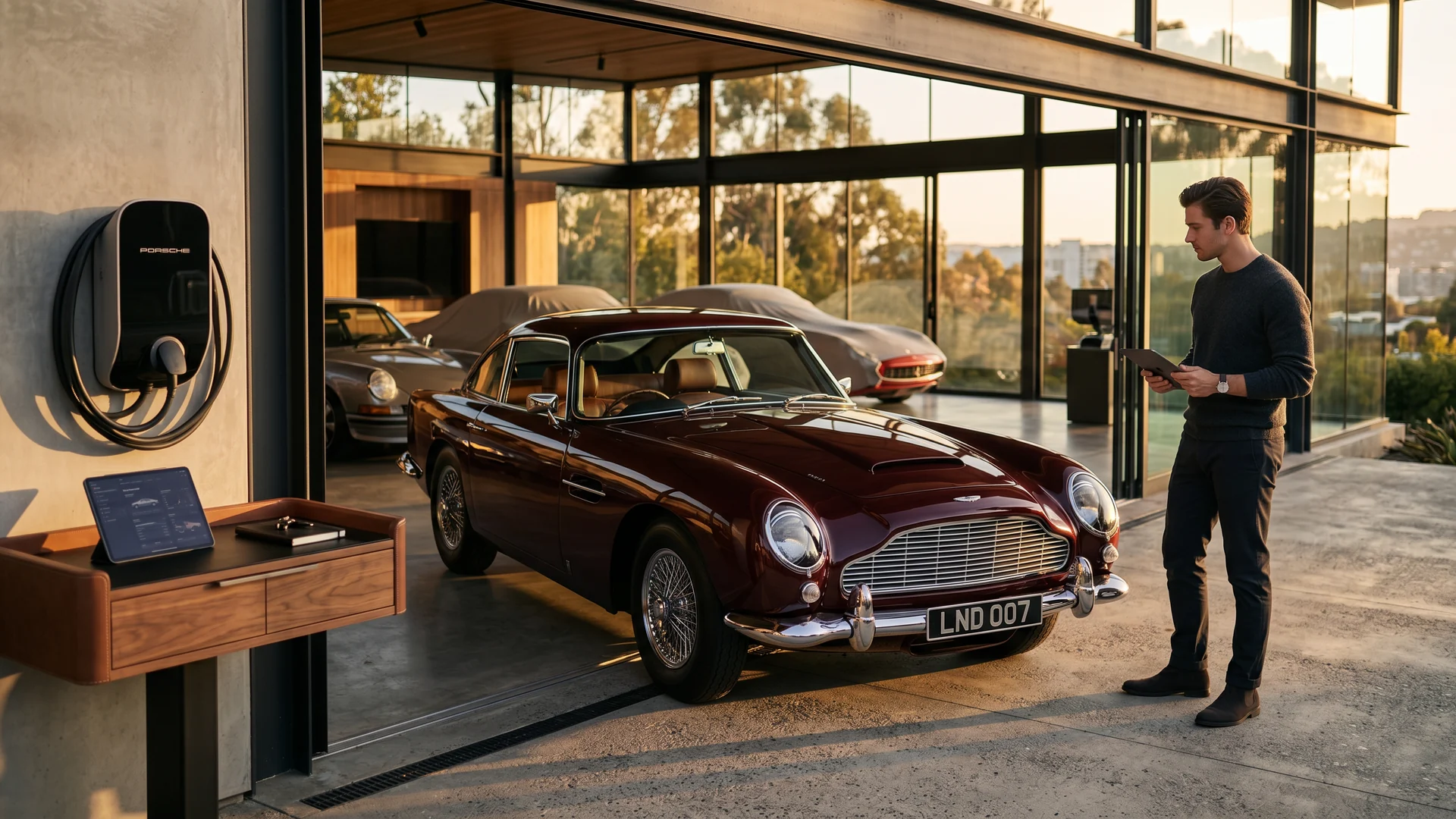
The Future of Classic Car Collecting: Trends Shaping the Next Generation
The future of classic car collecting: why 2035 ICE bans spare existing cars, plus e-fuels, shifting demographics, electromods and fractional ownership…
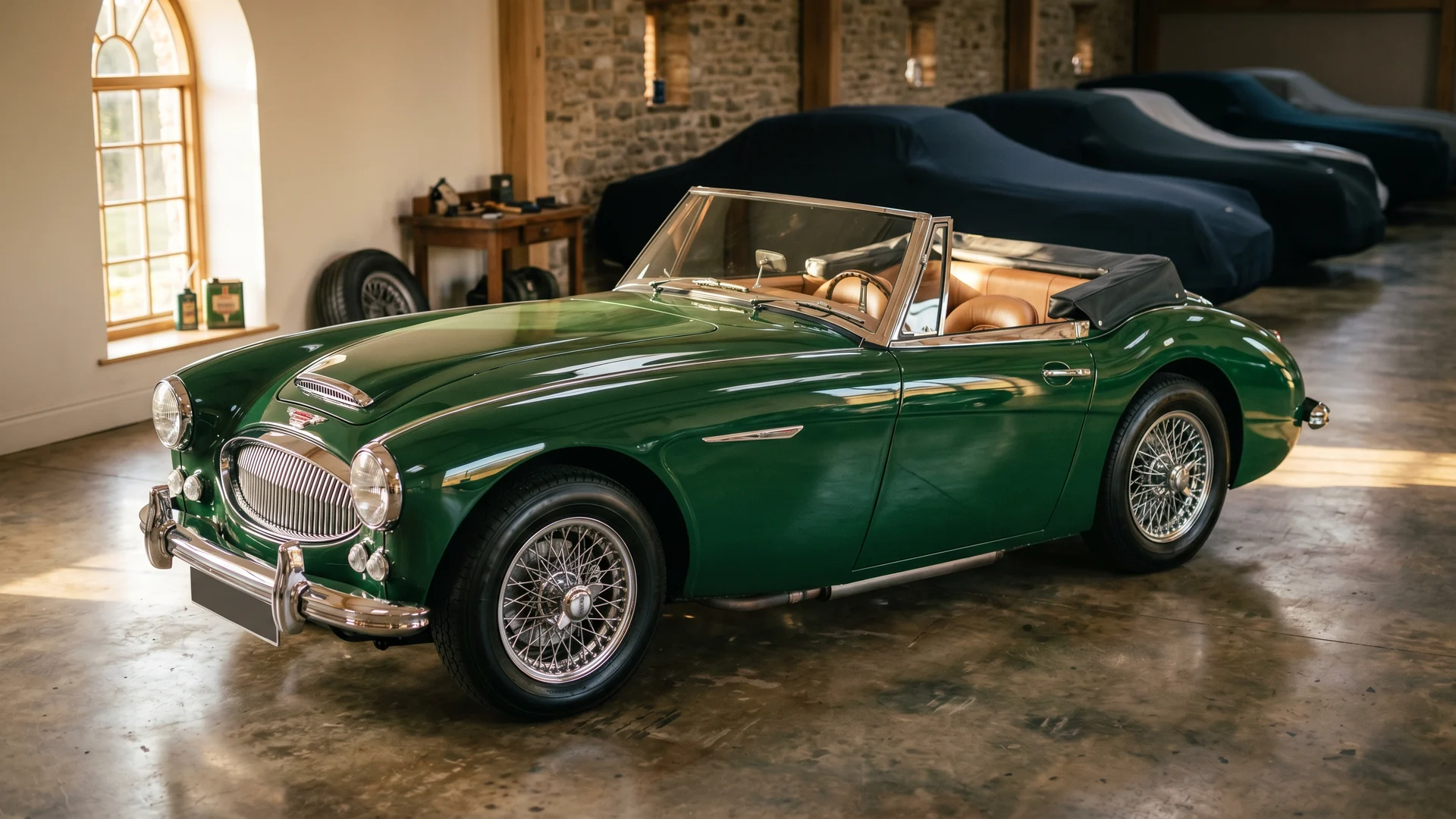
Classic Car Insurance Guide: Protecting Your Vintage Investment
Classic car insurance guide: why agreed-value policies beat stated and actual cash value, how Hagerty, Grundy and Chubb compare, plus costs and covera…
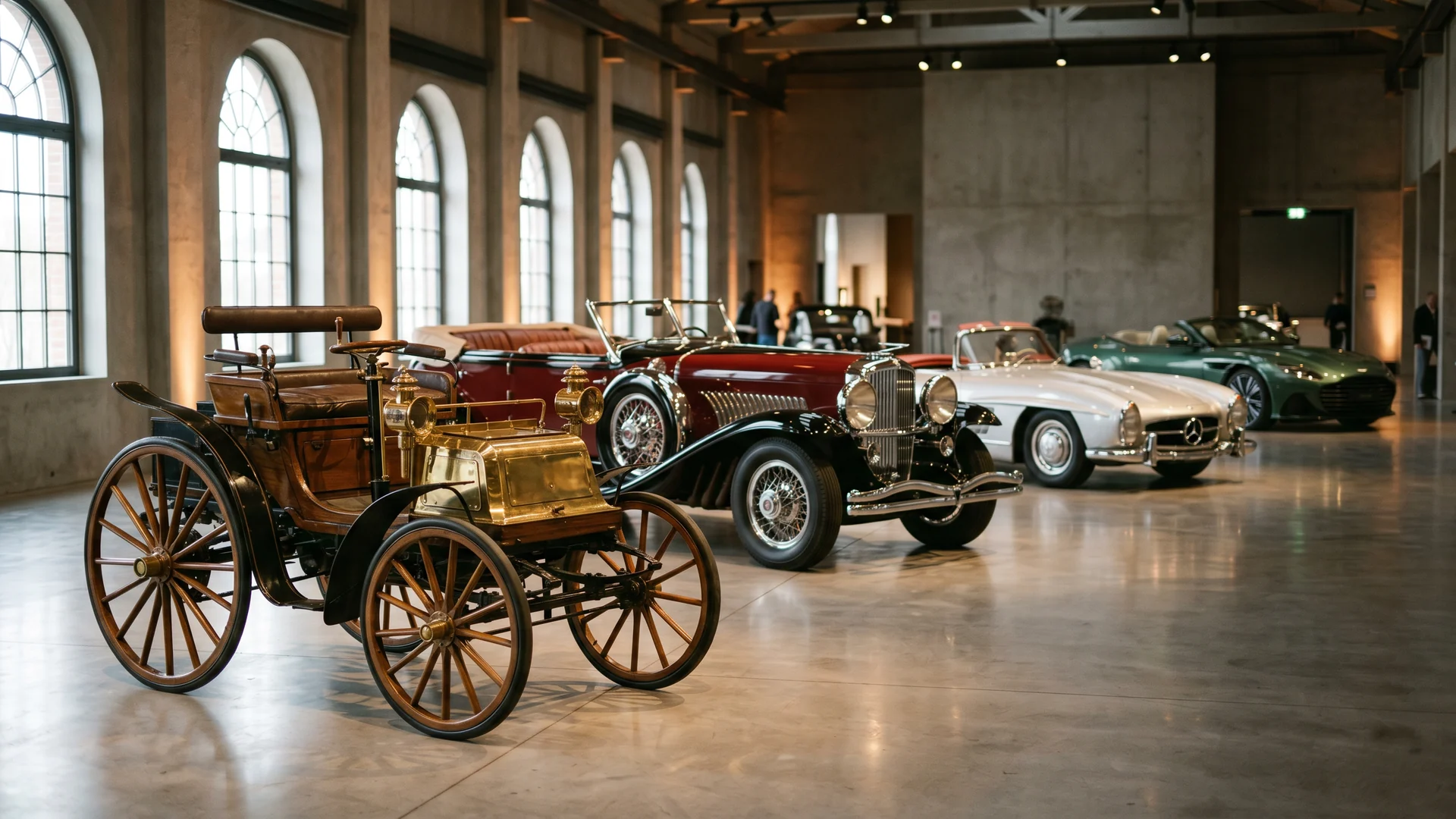
Classic Car History Timeline: From Benz to the Modern Collector Era
Classic car history timeline from the 1886 Benz Patent-Motorwagen through coachbuilding, muscle cars and supercars to modern collectibles. Discover th…