Why Collectors Are Obsessing Over Matching Numbers Classic Cars
Matching numbers refer to the original factory components installed in a classic vehicle, specifically when the identification numbers on major components align with those document…
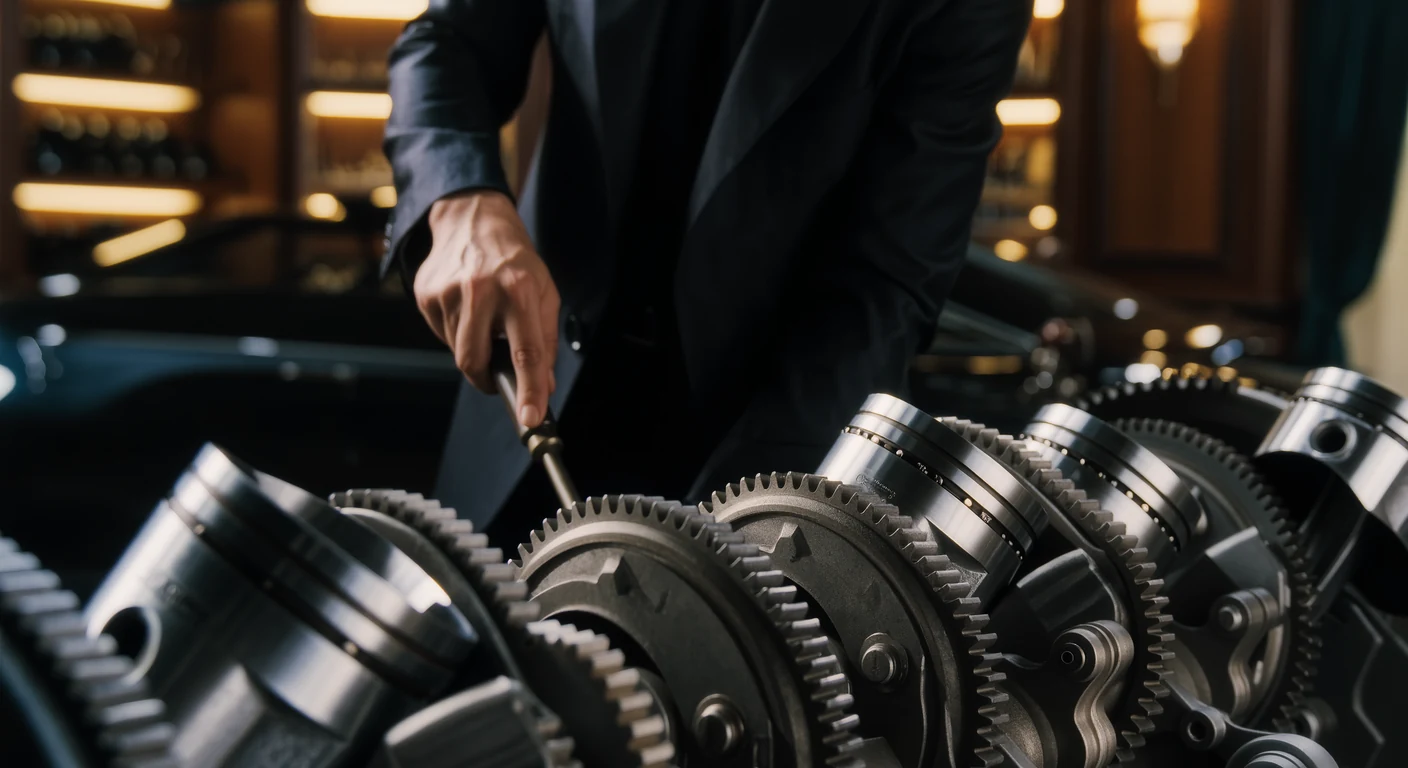
Matching numbers refer to the original factory components installed in a classic vehicle, specifically when the identification numbers on major components align with those documented on the original build sheet or title. These numbers typically include the engine, transmission, and chassis identification codes that were assigned during manufacturing. The primary function of matching numbers is vehicle authentication.
When these numbers correspond to factory records, they verify that the car retains its original components and has not undergone significant modifications that could affect its historical accuracy. This verification system helps establish the provenance and originality of classic automobiles. Matching numbers significantly impact market valuation in the classic car industry.
Vehicles with verified matching numbers typically command higher prices due to their documented authenticity and unmodified status. This premium reflects buyer confidence in the vehicle’s condition and originality, which translates to stronger resale values and investment stability. As the classic car market expands, the ability to verify matching numbers has become a standard practice for establishing vehicle worth and authenticity in transactions.
Key Takeaways
- Matching numbers enhance a classic car’s authenticity, historical value, and originality.
- They significantly increase a vehicle’s rarity and investment potential.
- Ensuring matching numbers is crucial for accurate valuation and trustworthy transactions.
- Enthusiasts highly value matching numbers for preserving automotive history.
- Challenges exist in verifying matching numbers, impacting the classic car market’s future.
Authenticity and Historical Value
Authenticity is a cornerstone of classic car collecting, and matching numbers are integral to establishing a vehicle’s historical value. When a classic car retains its original engine, transmission, and other key components, it tells a story of its past. This narrative is what attracts collectors and enthusiasts, as they seek vehicles that embody the spirit of their era.
A car with matching numbers not only represents a specific model but also reflects the craftsmanship and engineering of its time. The historical value of a classic car is often tied to its provenance, which is enhanced by matching numbers. Provenance refers to the documented history of ownership and modifications made to a vehicle over time.
When a classic car has matching numbers, it provides a clear lineage that can be traced back to its original production. This traceability adds depth to the car’s story, making it more appealing to collectors who appreciate the significance of preserving automotive history.
Rarity and Investment Potential
Rarity is another critical factor in the classic car market, and matching numbers can significantly enhance a vehicle’s investment potential. Cars that are rare in terms of production numbers or unique features often command higher prices. When these rare vehicles also possess matching numbers, their desirability increases exponentially.
Collectors are willing to pay a premium for cars that not only look good but also have their original components intact. Investing in classic cars with matching numbers can yield substantial returns over time. As the market for classic cars continues to evolve, vehicles that maintain their originality are likely to appreciate in value.
Collectors recognize that cars with matching numbers are not just vehicles; they are tangible assets that can serve as both a passion project and a financial investment. The combination of rarity and authenticity makes matching numbers an essential consideration for anyone looking to invest in classic cars.
The Appeal of Originality
Originality is a significant draw for classic car enthusiasts, and matching numbers play a pivotal role in preserving this aspect. Many collectors are passionate about owning vehicles that remain true to their original design and specifications. A classic car with matching numbers offers an authentic experience, allowing owners to connect with the history and craftsmanship of the vehicle.
This connection is often what drives collectors to seek out specific models that have retained their original components.
Vehicles that have not been modified or restored with non-original parts often exhibit a level of charm and character that resonates with enthusiasts.
The allure of driving a car that has remained unchanged since its production is an experience unlike any other. For many collectors, owning a classic car with matching numbers is not just about investment; it’s about preserving a piece of automotive history.
Restoring and Preserving History
Restoration is an integral part of classic car ownership, but it must be approached with care to maintain the vehicle’s historical integrity. When restoring a classic car, owners often face the dilemma of whether to replace non-matching components or retain them for authenticity’s sake. Matching numbers provide guidance in this process, as they help owners understand which parts should remain untouched to preserve the car’s originality.
Preserving history through restoration requires a delicate balance between maintaining authenticity and ensuring functionality. Classic car owners often seek out skilled restorers who understand the importance of matching numbers and can execute repairs without compromising the vehicle’s integrity. By prioritizing restoration efforts on matching components, owners can ensure that their classic cars remain true to their original state while still being roadworthy.
The Role of Matching Numbers in Classic Car Valuation
Matching numbers play a significant role in determining the valuation of classic cars. Appraisers and collectors alike consider these factors when assessing a vehicle’s worth. Cars with matching numbers typically command higher prices due to their authenticity and historical significance.
This valuation process involves examining various aspects, including the condition of the vehicle, its rarity, and its provenance. In addition to enhancing market value, matching numbers also provide buyers with peace of mind during transactions. Knowing that a vehicle has its original components intact can alleviate concerns about potential modifications or restorations that could affect its value.
For sellers, having documentation that verifies matching numbers can facilitate smoother negotiations and attract more serious buyers who appreciate the importance of authenticity.
The Hunt for Matching Numbers
The search for classic cars with matching numbers can be both exhilarating and challenging for enthusiasts. Many collectors dedicate significant time and resources to finding vehicles that meet their criteria for originality. This hunt often involves attending auctions, visiting car shows, and networking within the classic car community to uncover hidden gems.
When searching for matching numbers vehicles, collectors must be diligent in verifying authenticity. This process may involve examining documentation such as build sheets, titles, and service records to ensure that all components align with factory specifications.
Ensuring Authenticity in Classic Car Transactions
Ensuring authenticity in classic car transactions is paramount for both buyers and sellers. Buyers must conduct thorough research to verify that a vehicle has matching numbers before making a purchase. This may involve consulting experts or appraisers who specialize in classic cars to confirm the authenticity of the vehicle’s components.
Sellers also have a responsibility to provide accurate information regarding their vehicles’ matching numbers status. Transparency is key in building trust between buyers and sellers in the classic car market. Providing documentation that supports claims of matching numbers can enhance credibility and facilitate smoother transactions.
The Impact of Matching Numbers on Classic Car Enthusiasts
Matching numbers have a profound impact on classic car enthusiasts, shaping their experiences and interactions within the community. For many collectors, owning a vehicle with matching numbers fosters a sense of pride and accomplishment. It signifies not only an investment but also a commitment to preserving automotive history.
Moreover, matching numbers create opportunities for enthusiasts to connect with one another through shared interests. Car shows and events often feature discussions about originality and authenticity, allowing collectors to exchange stories about their vehicles’ histories. This sense of community is strengthened by the common goal of preserving classic cars for future generations.
Challenges and Pitfalls of Matching Numbers
While matching numbers offer numerous benefits, there are challenges and pitfalls associated with them as well. One common issue is the potential for misrepresentation or fraud in the classic car market. Unscrupulous sellers may attempt to pass off vehicles as having matching numbers when they do not, leading to disputes and dissatisfaction among buyers.
Additionally, verifying matching numbers can be complicated due to incomplete documentation or changes made over time. Collectors must be vigilant in their research and seek expert opinions when necessary to avoid costly mistakes. Understanding these challenges is essential for anyone navigating the world of classic cars.
The Future of Matching Numbers in the Classic Car Market
The future of matching numbers in the classic car market appears promising as interest in vintage vehicles continues to grow. As more collectors recognize the importance of authenticity and originality, demand for cars with matching numbers is likely to increase. This trend may lead to more stringent standards for verifying authenticity within the industry.
Furthermore, advancements in technology may aid collectors in their quest for matching numbers vehicles. Digital databases and online resources can streamline research efforts, making it easier for enthusiasts to access information about specific models and their production histories. As the classic car community evolves, so too will the significance of matching numbers as a hallmark of quality and authenticity.
In conclusion, matching numbers are more than just a technical detail; they represent authenticity, historical value, rarity, and investment potential in the world of classic cars. For enthusiasts and collectors alike, understanding their significance is essential for navigating this vibrant market successfully. Whether you are looking to buy or sell a classic vehicle, prioritizing matching numbers can enhance your experience while preserving automotive history for future generations.
FAQs
What does “matching numbers” mean in classic cars?
“Matching numbers” refers to a classic car whose major components, such as the engine, transmission, and chassis, have serial numbers that correspond to the original factory records. This indicates that the parts are original to the vehicle and have not been replaced.
Why are matching numbers important to collectors?
Matching numbers are important because they verify the authenticity and originality of a classic car. Cars with matching numbers are often considered more valuable and desirable since they represent the vehicle in its original factory condition.
How can a collector verify if a classic car has matching numbers?
Collectors can verify matching numbers by checking the serial numbers stamped on key components like the engine block, transmission, and frame against the manufacturer’s original production records or documentation. Professional appraisers or classic car experts can also assist in verification.
Do matching numbers affect the value of a classic car?
Yes, matching numbers typically increase the value of a classic car. Vehicles with original, factory-matched components are often worth more than those with replaced or non-original parts, as they are considered more authentic and historically significant.
Are all classic cars expected to have matching numbers?
Not all classic cars have matching numbers, especially if they have undergone restorations or repairs over the years. However, cars with matching numbers are generally more sought after by collectors and enthusiasts.
Can a car lose its matching numbers status?
Yes, if original parts are replaced with non-original components, the car may lose its matching numbers status. This can happen during repairs, restorations, or modifications that do not use factory-original parts.
Is it possible to restore a classic car to have matching numbers?
Restoring a car to have matching numbers is challenging because it requires sourcing original factory parts with the correct serial numbers. While some parts can be replaced with period-correct components, true matching numbers status depends on the originality of the specific parts.
Do matching numbers apply only to engines?
No, matching numbers apply to several key components, including the engine, transmission, chassis, and sometimes other parts like the rear axle. The exact components considered can vary depending on the make and model of the car.
How does the concept of matching numbers impact classic car auctions?
At auctions, cars with matching numbers often attract higher bids and more interest from collectors. The matching numbers status is usually highlighted in auction listings as a key selling point, reflecting the car’s originality and authenticity.
Are matching numbers more important for certain types of classic cars?
Matching numbers tend to be especially important for high-value, rare, or historically significant classic cars. For more common models, while still desirable, matching numbers may have a less dramatic impact on value.
More from Blog
The Future of Classic Car Collecting: Trends Shaping the Next Generation
The future of classic car collecting: why 2035 ICE bans spare existing cars, plus e-fuels, shifting demographics, electromods and fractional ownership…
Classic Car Insurance Guide: Protecting Your Vintage Investment
Classic car insurance guide: why agreed-value policies beat stated and actual cash value, how Hagerty, Grundy and Chubb compare, plus costs and covera…
Classic Car History Timeline: From Benz to the Modern Collector Era
Classic car history timeline from the 1886 Benz Patent-Motorwagen through coachbuilding, muscle cars and supercars to modern collectibles. Discover th…