Why Collectors Hoard Classic Cars Instead of Selling Them
Classic cars evoke a deep emotional connection for many enthusiasts. These vehicles are not just modes of transportation; they represent a bygone era filled with memories and exper…
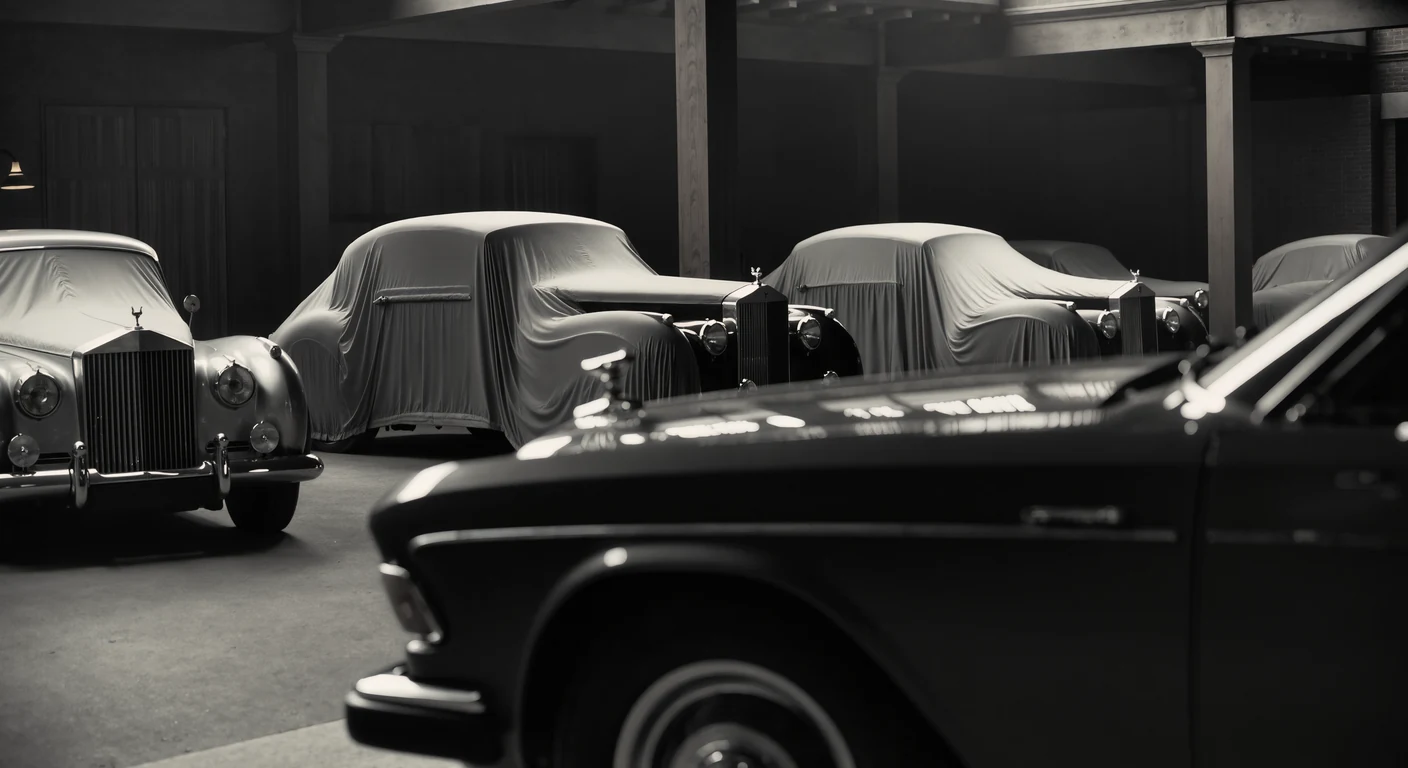
Classic cars evoke a deep emotional connection for many enthusiasts. These vehicles are not just modes of transportation; they represent a bygone era filled with memories and experiences. For many, owning a classic car is akin to possessing a piece of history.
The sleek lines, vintage designs, and unique features of these automobiles often remind owners of their youth or cherished moments spent with family and friends. This emotional attachment can be so profound that it transcends mere ownership, becoming a part of one’s identity. Moreover, the stories behind classic cars often enhance this emotional bond.
Each vehicle has its own narrative, whether it’s the first car someone ever owned or a family heirloom passed down through generations. These stories create a sense of belonging and nostalgia, making classic cars more than just collectibles; they become cherished artifacts that connect individuals to their past. The emotional investment in these vehicles often leads to a lifelong passion for car restoration, preservation, and appreciation.
Key Takeaways
- Classic cars hold strong emotional and nostalgic value for owners, connecting them to memories and history.
- They offer significant investment potential due to rarity, historical importance, and anticipated value appreciation.
- Restoration projects provide a rewarding experience, preserving automotive heritage and craftsmanship.
- Ownership fosters pride, enjoyment in driving, and opportunities for community engagement and networking.
- Classic cars serve as a legacy, often passed down to future generations, maintaining cultural and familial connections.
Investment Potential of Classic Cars
Investing in classic cars has become increasingly popular among collectors and investors alike. Unlike traditional investments, classic cars can appreciate significantly over time, often yielding impressive returns. The market for classic cars has shown resilience, even during economic downturns, making them an attractive option for diversifying one’s investment portfolio.
Certain models, especially those that are rare or have historical significance, can appreciate dramatically, sometimes doubling or tripling in value within a few years. Additionally, the classic car market is less volatile than stocks or bonds. While the value of stocks can fluctuate wildly based on market conditions, classic cars tend to maintain their worth due to their tangible nature and the emotional attachment many people have to them.
This stability makes classic cars not only a passion project but also a smart financial decision for those looking to invest in something that combines enjoyment with potential profit.
Rarity and Historical Significance
The rarity of classic cars significantly contributes to their allure and value. Limited production runs, unique features, and historical significance make certain models highly sought after by collectors. For instance, vehicles that were produced in small numbers or have unique design elements often command higher prices at auctions.
This rarity creates a sense of exclusivity that appeals to collectors who want to own something truly special. Moreover, classic cars often embody significant moments in automotive history. They may represent technological advancements or cultural shifts that occurred during their production era.
For example, muscle cars from the 1960s symbolize a time of American automotive innovation and freedom. Owning such a vehicle allows enthusiasts to connect with history on a personal level, making it more than just a car; it becomes a symbol of an era that shaped the automotive landscape.
Preservation of Automotive History
Preserving classic cars is crucial for maintaining automotive history. Each vehicle tells a story about the time it was built, the people who drove it, and the culture surrounding it. By restoring and maintaining these cars, enthusiasts play an essential role in keeping this history alive.
Classic car restoration is not just about aesthetics; it involves understanding the engineering and craftsmanship that went into creating these vehicles. Furthermore, preserving classic cars allows future generations to appreciate the artistry and innovation of past automotive designs. Museums and car shows often showcase restored classic cars, providing educational opportunities for the public to learn about automotive history.
This preservation effort ensures that the legacy of these vehicles continues, allowing enthusiasts to share their passion with others while fostering an appreciation for the craftsmanship involved in their creation.
The Thrill of Restoration Projects
Restoring a classic car is an exhilarating journey that combines creativity, skill, and patience. For many enthusiasts, the process of bringing a vintage vehicle back to life is as rewarding as driving it. Restoration projects can range from simple cosmetic upgrades to complete overhauls that require extensive mechanical work.
Each step in the restoration process presents its own challenges and triumphs, making it an engaging experience for those involved. Moreover, restoration projects often foster a sense of community among car enthusiasts. Many individuals share their experiences online or through local clubs, exchanging tips and advice on techniques and parts sourcing.
This collaborative spirit enhances the restoration experience, allowing individuals to learn from one another while building lasting friendships based on a shared passion for classic cars.
Connection to Nostalgia and Memories
Classic cars are powerful vessels of nostalgia, often transporting owners back to cherished moments in their lives. For many people, these vehicles evoke memories of road trips with family, first dates, or significant milestones. The sights and sounds of a classic car can trigger vivid recollections that bring joy and warmth to the heart.
This connection to nostalgia is one of the primary reasons why people are drawn to classic cars. Additionally, classic cars often serve as a bridge between generations. Parents may pass down their love for these vehicles to their children, sharing stories and experiences associated with them.
This intergenerational connection fosters a sense of continuity and belonging within families, as classic cars become symbols of shared memories and values that transcend time.
Pride of Ownership and Display
Owning a classic car instills a sense of pride that is hard to match. Enthusiasts take great care in maintaining their vehicles, often investing time and resources into ensuring they remain in pristine condition. This dedication reflects not only a love for the car itself but also an appreciation for the craftsmanship and history behind it.
Displaying a classic car at shows or events allows owners to showcase their hard work and passion while connecting with like-minded individuals. Moreover, the pride of ownership extends beyond personal satisfaction; it also involves sharing one’s passion with others. Car shows and exhibitions provide opportunities for owners to display their vehicles while engaging with fellow enthusiasts and potential buyers.
Anticipation of Future Value Appreciation
One of the most exciting aspects of owning a classic car is the anticipation of future value appreciation. Many collectors view their vehicles as investments that will increase in worth over time. This potential for appreciation adds an element of excitement to ownership, as enthusiasts eagerly follow market trends and auction results to gauge their vehicle’s value.
Additionally, certain factors can influence value appreciation, such as rarity, condition, and historical significance. Owners who invest in proper maintenance and restoration can significantly enhance their vehicle’s worth over time. This anticipation not only fuels enthusiasm for ownership but also encourages responsible stewardship of these valuable assets.
Enjoyment of Driving and Showcasing
Driving a classic car is an experience unlike any other. The feel of the steering wheel, the sound of the engine, and the attention garnered from onlookers create an exhilarating sensation that modern vehicles often lack. For many enthusiasts, taking their classic car out for a spin is not just about transportation; it’s about relishing the joy of driving something unique and special.
Moreover, showcasing classic cars at events allows owners to share their passion with others while enjoying the camaraderie of fellow enthusiasts. Car shows provide opportunities for networking and connecting with individuals who share similar interests. The thrill of showcasing one’s vehicle while engaging in conversations about its history and restoration adds another layer of enjoyment to ownership.
Networking and Community Engagement
The classic car community is vibrant and welcoming, offering numerous opportunities for networking and engagement among enthusiasts. Car clubs, online forums, and social media groups provide platforms for individuals to connect with others who share their passion for vintage vehicles. These networks facilitate knowledge sharing, allowing members to exchange tips on restoration techniques or discuss upcoming events.
Additionally, community engagement often extends beyond personal interests; many car clubs participate in charitable events or fundraisers using their vehicles as a means to give back to society. This sense of purpose enhances the overall experience of being part of the classic car community while fostering connections that go beyond mere ownership.
Legacy and Passing Down to Future Generations
Classic cars hold immense potential as legacies that can be passed down through generations. For many families, these vehicles become cherished heirlooms that carry stories and memories from one generation to the next. The act of passing down a classic car not only preserves its history but also instills values such as responsibility and appreciation for craftsmanship in younger family members.
Parents can involve their children in restoration projects or take them along on drives, creating lasting memories together. This legacy-building aspect adds depth to the ownership experience, ensuring that the love for classic cars continues long into the future.
In conclusion, classic cars represent much more than mere vehicles; they embody emotional connections, investment potential, historical significance, and community engagement. Whether through restoration projects or family legacies, these automobiles create lasting memories that transcend generations. For those passionate about preserving automotive history while enjoying the thrill of driving unique machines, classic cars offer an unparalleled experience that enriches lives in countless ways.
FAQs
Why do collectors prefer to hoard classic cars rather than sell them?
Collectors often hoard classic cars because they view them as valuable investments, sentimental items, or pieces of automotive history. Many believe that the cars will appreciate in value over time, making them more profitable to keep than to sell.
How does the rarity of a classic car affect a collector’s decision to keep it?
Rarity significantly influences a collector’s decision. Limited production numbers or unique features make a classic car more desirable and valuable, encouraging collectors to hold onto them rather than sell.
Do emotional attachments play a role in why collectors keep classic cars?
Yes, emotional attachment is a major factor. Collectors often develop a personal connection to their vehicles, whether through memories, restoration efforts, or passion for the brand, which motivates them to retain the cars.
Can classic cars be considered good financial investments?
Classic cars can be good financial investments if they are well-maintained, rare, and in demand. However, the market can be volatile, and not all classic cars appreciate in value, so careful research is necessary.
What role does the condition of a classic car play in a collector’s decision to keep it?
The condition is crucial. Well-preserved or expertly restored cars are more likely to increase in value, encouraging collectors to keep them. Poor condition may lead to selling or restoration before deciding to hold.
Are there tax or legal benefits to hoarding classic cars?
In some regions, classic cars may qualify for tax incentives, reduced registration fees, or exemptions from certain regulations, which can make holding onto them more attractive for collectors.
How does the classic car market influence collectors’ behavior?
Market trends, including demand, auction results, and economic conditions, influence collectors. When the market is strong, collectors may be more inclined to hold cars, anticipating higher future returns.
Do collectors ever sell classic cars, or is hoarding the norm?
Collectors do sell classic cars, especially if they need liquidity or if the car no longer fits their collection goals. However, many prefer to hoard due to the potential for appreciation and personal value.
What impact does restoration have on a collector’s decision to keep a classic car?
Restoration often increases a car’s value and appeal, making collectors more likely to keep the vehicle. The restoration process can also deepen the collector’s emotional investment.
Is hoarding classic cars beneficial for preserving automotive history?
Yes, hoarding classic cars can help preserve automotive history by maintaining rare and historically significant vehicles in good condition for future generations to appreciate.
More from Blog
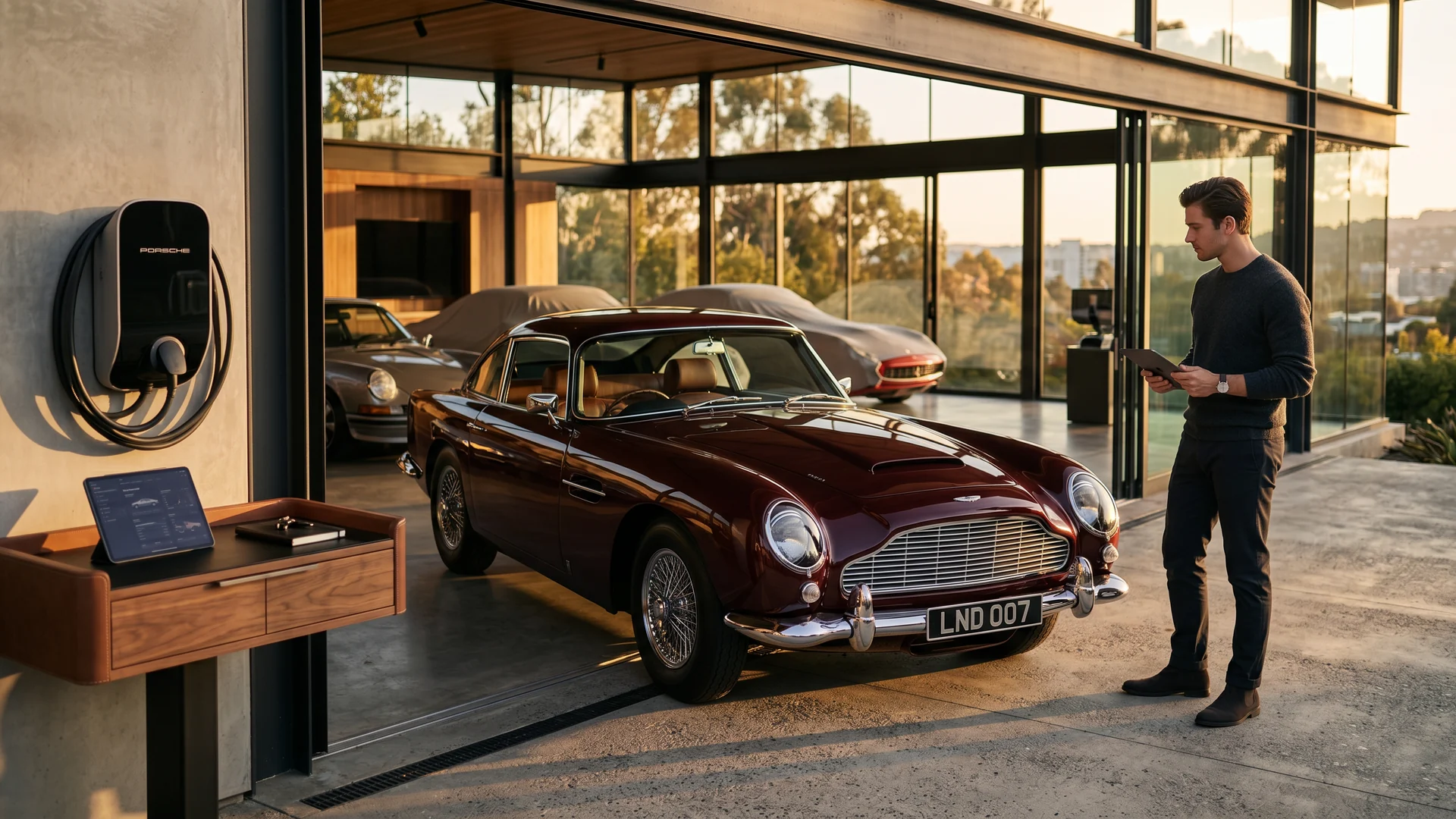
The Future of Classic Car Collecting: Trends Shaping the Next Generation
The future of classic car collecting: why 2035 ICE bans spare existing cars, plus e-fuels, shifting demographics, electromods and fractional ownership…
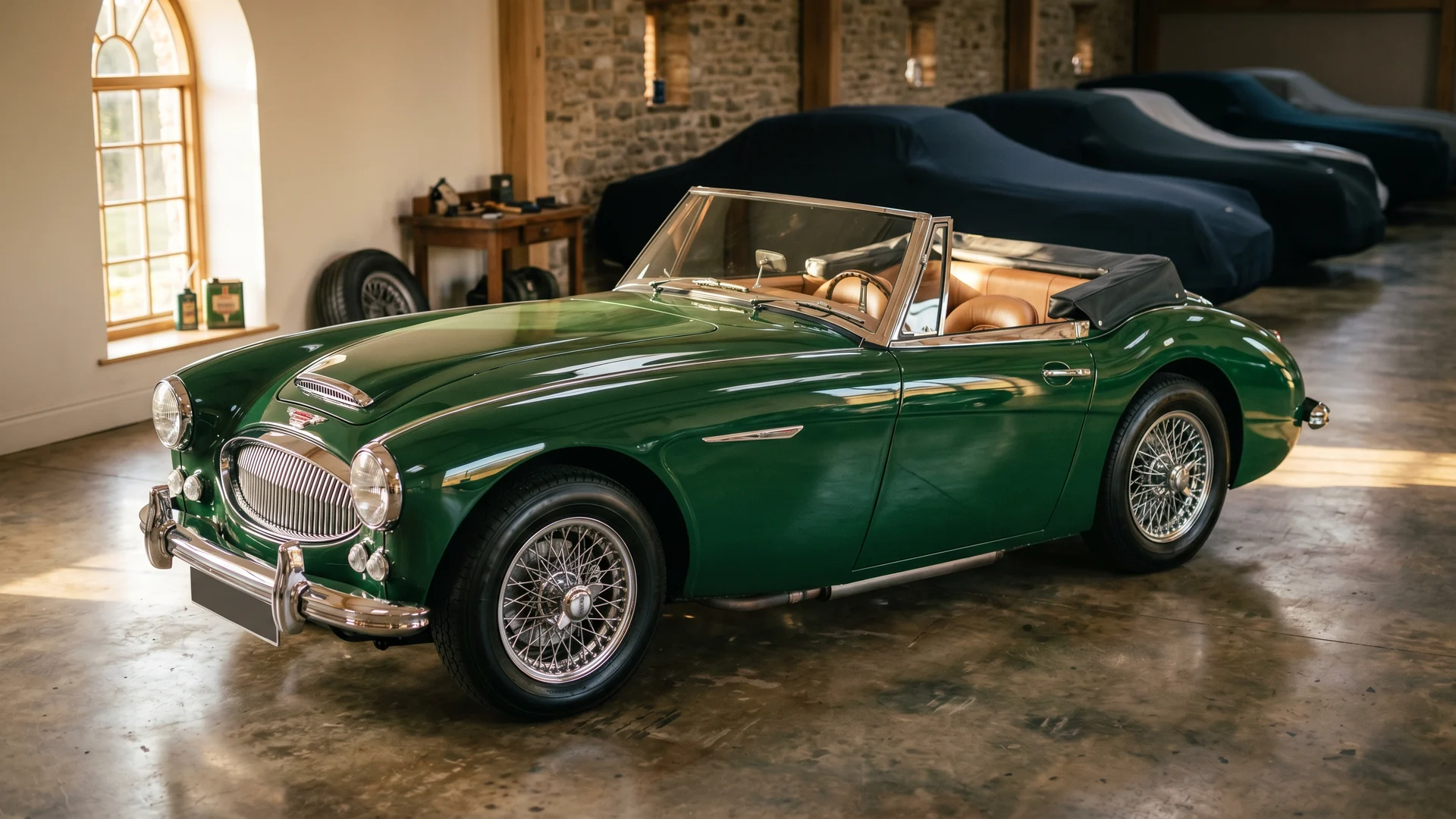
Classic Car Insurance Guide: Protecting Your Vintage Investment
Classic car insurance guide: why agreed-value policies beat stated and actual cash value, how Hagerty, Grundy and Chubb compare, plus costs and covera…
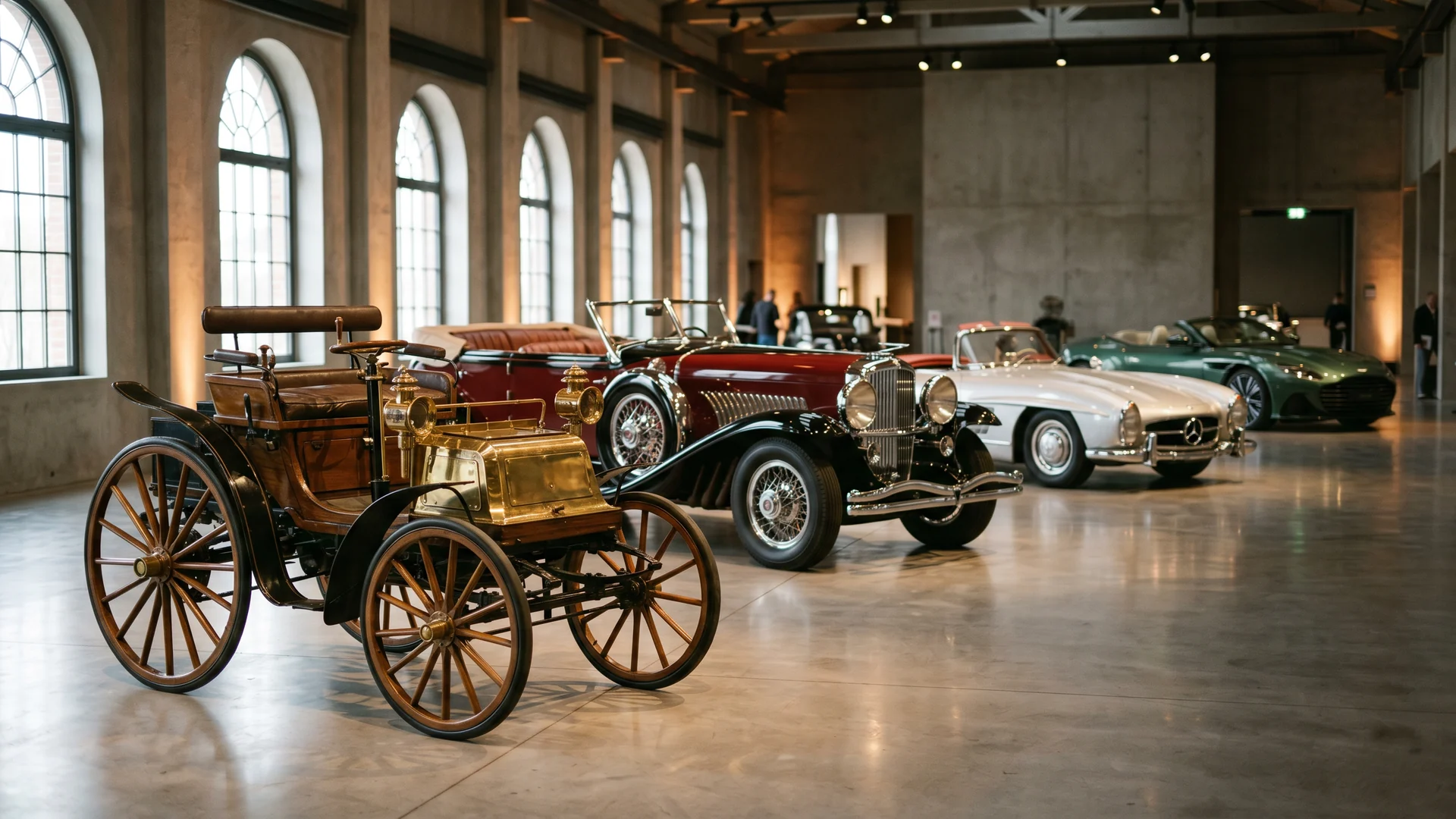
Classic Car History Timeline: From Benz to the Modern Collector Era
Classic car history timeline from the 1886 Benz Patent-Motorwagen through coachbuilding, muscle cars and supercars to modern collectibles. Discover th…