Why Collectors Fear Driving Their Most Valuable Oldtimers
Vintage automobiles, commonly known as classic or antique cars, attract significant interest from automotive enthusiasts and collectors worldwide. These vehicles typically represen…
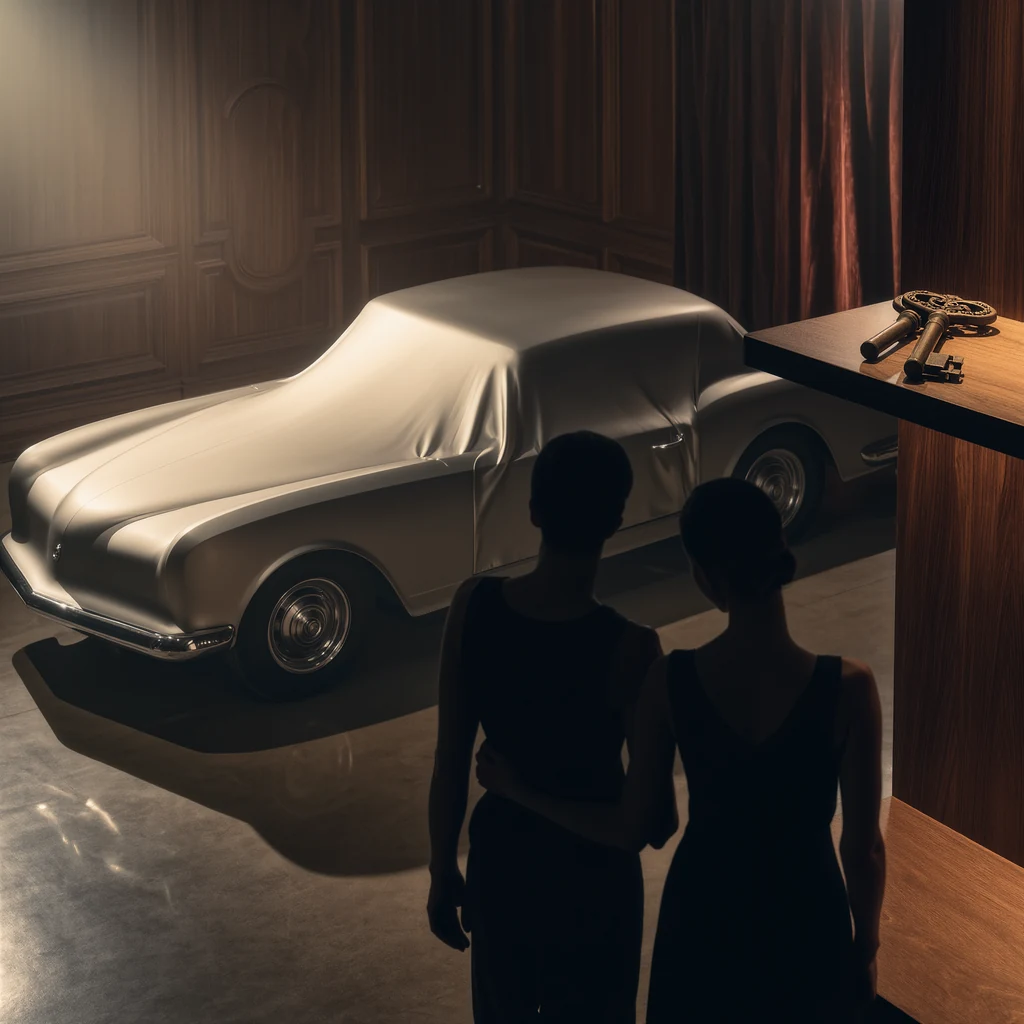
Vintage automobiles, commonly known as classic or antique cars, attract significant interest from automotive enthusiasts and collectors worldwide. These vehicles typically represent automotive production from earlier decades and demonstrate manufacturing techniques, design philosophies, and engineering approaches that differ substantially from contemporary automotive practices. Classic cars serve as historical artifacts that document the evolution of automotive technology and design trends across different time periods.
The appeal of vintage vehicles extends beyond their function as transportation. Owners often value these automobiles for their distinctive styling, mechanical characteristics, and historical significance. The vintage car community includes collectors, restorers, and enthusiasts who participate in shows, rallies, and specialized markets dedicated to classic automobiles.
This community aspect contributes to the sustained interest in vintage vehicle ownership and preservation. The vintage automobile market has experienced growth in recent years, leading to increased attention on proper maintenance, restoration, and preservation practices. Potential owners must evaluate multiple considerations before acquiring a classic vehicle, including maintenance requirements, parts availability, storage needs, insurance costs, and market values.
Classic car ownership involves specific challenges related to the age of these vehicles, including potential mechanical issues, sourcing replacement components, and maintaining authenticity during restoration processes. These factors require careful consideration and planning for successful vintage automobile ownership and preservation.
Key Takeaways
- Vintage cars are increasingly valued for their rarity and historical significance.
- Owners face risks from road conditions, weather, accidents, and theft that threaten these irreplaceable vehicles.
- Maintenance and parts availability pose significant challenges and costs in preserving classic cars.
- Emotional attachment often drives owners to carefully balance preservation with the enjoyment of their vintage vehicles.
- Insurance for rare and expensive oldtimers requires specialized coverage to address unique risks and values.
The Value of Vintage Cars: A Growing Trend
The value of vintage cars has seen a remarkable increase in recent years, making them not only a passion but also a lucrative investment. Collectors and enthusiasts are increasingly recognizing the potential for appreciation in value, especially for rare models. Auctions featuring classic cars often attract significant attention, with some vehicles fetching millions of dollars.
This growing trend is fueled by a combination of nostalgia, the desire for unique possessions, and the limited availability of certain models. Moreover, vintage cars are becoming more than just collectibles; they are symbols of status and personal expression. Many owners take pride in showcasing their classic vehicles at car shows and events, where they can connect with like-minded individuals who share their passion.
This sense of community adds to the overall value of owning an oldtimer, as it fosters relationships and shared experiences among enthusiasts. As the market for vintage cars continues to expand, understanding their value becomes essential for both current and prospective owners.
The Risk of Damage: Roads and Weather
One of the significant challenges faced by vintage car owners is the risk of damage from roads and weather conditions. Unlike modern vehicles designed to withstand various elements, classic cars often lack the advanced materials and technology that provide protection against wear and tear. Potholes, debris, and rough terrain can pose serious threats to the integrity of these older models.
Additionally, exposure to harsh weather conditions, such as rain, snow, or extreme heat, can lead to rust, fading paint, and other forms of deterioration. To mitigate these risks, many owners choose to limit their vintage car usage to special occasions or controlled environments. This approach helps preserve the vehicle’s condition but can also limit the enjoyment that comes from driving these classics.
Owners must strike a balance between protecting their investment and experiencing the thrill of driving a piece of automotive history. Regular maintenance and careful driving can help reduce the likelihood of damage while allowing owners to enjoy their oldtimers.
The Fear of Accidents: Irreplaceable Loss
The fear of accidents is another significant concern for vintage car owners. Unlike modern vehicles equipped with advanced safety features, classic cars often lack essential technologies that enhance driver and passenger safety. This absence can make driving an oldtimer feel riskier, especially in today’s fast-paced traffic environments.
The thought of an accident not only brings anxiety but also raises concerns about the irreplaceable loss of a cherished vehicle. In addition to physical damage, accidents can lead to emotional distress for owners who have invested time, money, and passion into their classic cars. The thought of losing a vehicle that holds sentimental value can be devastating.
To address these fears, many owners invest in driver education programs focused on handling vintage cars safely. By enhancing their driving skills and understanding the unique characteristics of their vehicles, owners can reduce the risk of accidents while enjoying their oldtimers with greater peace of mind.
Maintenance Costs: The Price of Preservation
Owning a vintage car comes with its share of maintenance costs that can add up quickly. Unlike modern vehicles that benefit from standardized parts and widespread service options, classic cars often require specialized care and components that may be harder to find. Routine maintenance tasks such as oil changes, brake replacements, and tire rotations can become more complex and costly when dealing with older models.
Additionally, restoration projects can be particularly expensive, especially if parts need to be sourced from rare or discontinued suppliers. Owners must be prepared for these financial commitments if they wish to preserve their vehicles’ condition over time. However, many enthusiasts view these costs as an investment in their passion rather than mere expenses.
By budgeting for maintenance and restoration, owners can ensure their vintage cars remain in excellent condition while enjoying the pride that comes with ownership.
Theft and Vandalism: Protecting Priceless Treasures
The threat of theft and vandalism is a harsh reality for vintage car owners. Classic cars are often seen as valuable targets for thieves due to their rarity and high resale value. Owners must take proactive measures to protect their prized possessions from potential theft or damage caused by vandalism.
This includes investing in secure storage solutions such as garages or specialized car covers that deter unwanted attention. Additionally, many owners opt for advanced security systems that include GPS tracking devices or alarm systems designed specifically for classic cars. These measures not only provide peace of mind but also enhance the overall security of the vehicle.
By being vigilant and taking necessary precautions, vintage car owners can safeguard their investments while enjoying the thrill of owning a classic automobile.
Limited Availability of Parts: Keeping Classic Cars Running
One of the most significant challenges faced by vintage car owners is the limited availability of parts necessary for repairs and maintenance. As time passes, certain components may become obsolete or difficult to source, making it challenging to keep classic cars running smoothly. This scarcity can lead to increased costs as owners search for rare parts or consider custom fabrication options.
To navigate this issue, many enthusiasts join clubs or online forums dedicated to specific makes and models where they can share resources and information about sourcing parts. Networking within these communities can lead to valuable connections that help owners find hard-to-locate components or even swap parts with fellow enthusiasts. By staying engaged with other vintage car lovers, owners can enhance their chances of keeping their classic vehicles operational for years to come.
Depreciation: The Dilemma of Wear and Tear
While vintage cars are often seen as appreciating assets, they are not immune to depreciation due to wear and tear over time. Factors such as mileage, condition, and maintenance history play crucial roles in determining a classic car’s value in the market. Owners must be aware that neglecting maintenance or allowing a vehicle to deteriorate can lead to significant decreases in value.
To combat depreciation, regular upkeep is essential. This includes routine inspections, timely repairs, and proper storage practices that protect against environmental damage. By investing time and resources into maintaining their vehicles’ condition, owners can help preserve their classic cars’ value while enjoying them on the road.
Emotional Attachment: The Personal Connection to Vintage Vehicles
The emotional attachment that many vintage car owners feel towards their vehicles cannot be overstated. These classic cars often represent cherished memories or family legacies passed down through generations. For many enthusiasts, owning an oldtimer is about more than just having a unique vehicle; it’s about preserving a piece of personal history.
This emotional connection drives many owners to invest significant time and effort into restoring and maintaining their classic cars.
The joy derived from owning a vintage car goes beyond its monetary value; it encompasses shared stories, friendships formed within the community, and a deep appreciation for automotive history.
Insurance Concerns: Finding Coverage for Rare and Expensive Cars
Insurance concerns are paramount for vintage car owners who want to protect their investments adequately. Standard auto insurance policies may not provide sufficient coverage for classic vehicles due to their unique value and potential risks associated with ownership. Finding specialized insurance tailored specifically for vintage cars is essential for ensuring adequate protection against theft, damage, or accidents.
These policies often come with additional benefits like roadside assistance tailored for vintage vehicles or coverage for restoration costs in case of damage. By researching insurance options thoroughly and selecting a policy that meets their needs, owners can enjoy peace of mind knowing their prized possessions are well-protected.
Balancing Preservation and Enjoyment
In conclusion, owning an oldtimer is a rewarding yet challenging endeavor that requires careful consideration of various factors. From understanding the growing value of vintage cars to addressing risks such as damage or theft, prospective owners must navigate a landscape filled with both excitement and responsibility. While maintenance costs may be high and parts may be scarce, the emotional connection formed with these vehicles makes every effort worthwhile.
Ultimately, finding a balance between preservation and enjoyment is key for vintage car enthusiasts. By investing time in maintenance while actively participating in the community surrounding classic cars, owners can ensure they not only protect their investments but also fully embrace the joy that comes with owning a piece of automotive history. Whether it’s through leisurely drives or participation in events celebrating vintage automobiles, the journey is as rewarding as the destination itself.
FAQs
Why do collectors fear driving their most valuable oldtimers?
Collectors often fear driving their valuable oldtimers due to the risk of damage, depreciation, and the difficulty of finding replacement parts. These cars are rare and can be costly to repair, so owners may prefer to keep them in pristine condition.
Are oldtimers more prone to mechanical issues compared to modern cars?
Yes, oldtimers can be more prone to mechanical issues because of their age, outdated technology, and wear on original components. Regular maintenance is crucial, but unexpected breakdowns can still occur.
How does driving affect the value of a classic car?
Driving a classic car can lead to wear and tear, which may reduce its value. Mileage, condition, and originality are key factors in valuation, so excessive use can negatively impact the car’s market price.
What are the risks involved in driving a valuable oldtimer?
Risks include accidents, mechanical failures, exposure to harsh weather, and potential theft. Additionally, driving on modern roads can be challenging due to differences in safety features and performance compared to contemporary vehicles.
Do collectors use their oldtimers for regular driving or only special occasions?
Most collectors use their valuable oldtimers sparingly, often reserving them for special events, shows, or short drives. This limited use helps preserve the car’s condition and value.
Can insurance costs influence a collector’s decision to drive their oldtimer?
Yes, insurance for valuable classic cars can be expensive, especially if the car is driven regularly. Many collectors opt for specialized classic car insurance policies that have mileage limits and usage restrictions.
What maintenance practices help reduce the fear of driving a valuable oldtimer?
Regular inspections, proper storage, using quality replacement parts, and employing experienced mechanics can help maintain reliability and reduce the fear of driving these cars.
Are there any legal restrictions on driving classic cars?
Some regions have specific regulations for classic cars, such as limited registration, emissions exemptions, or restrictions on usage. Collectors should be aware of local laws that may affect when and how they can drive their oldtimers.
More from Blog
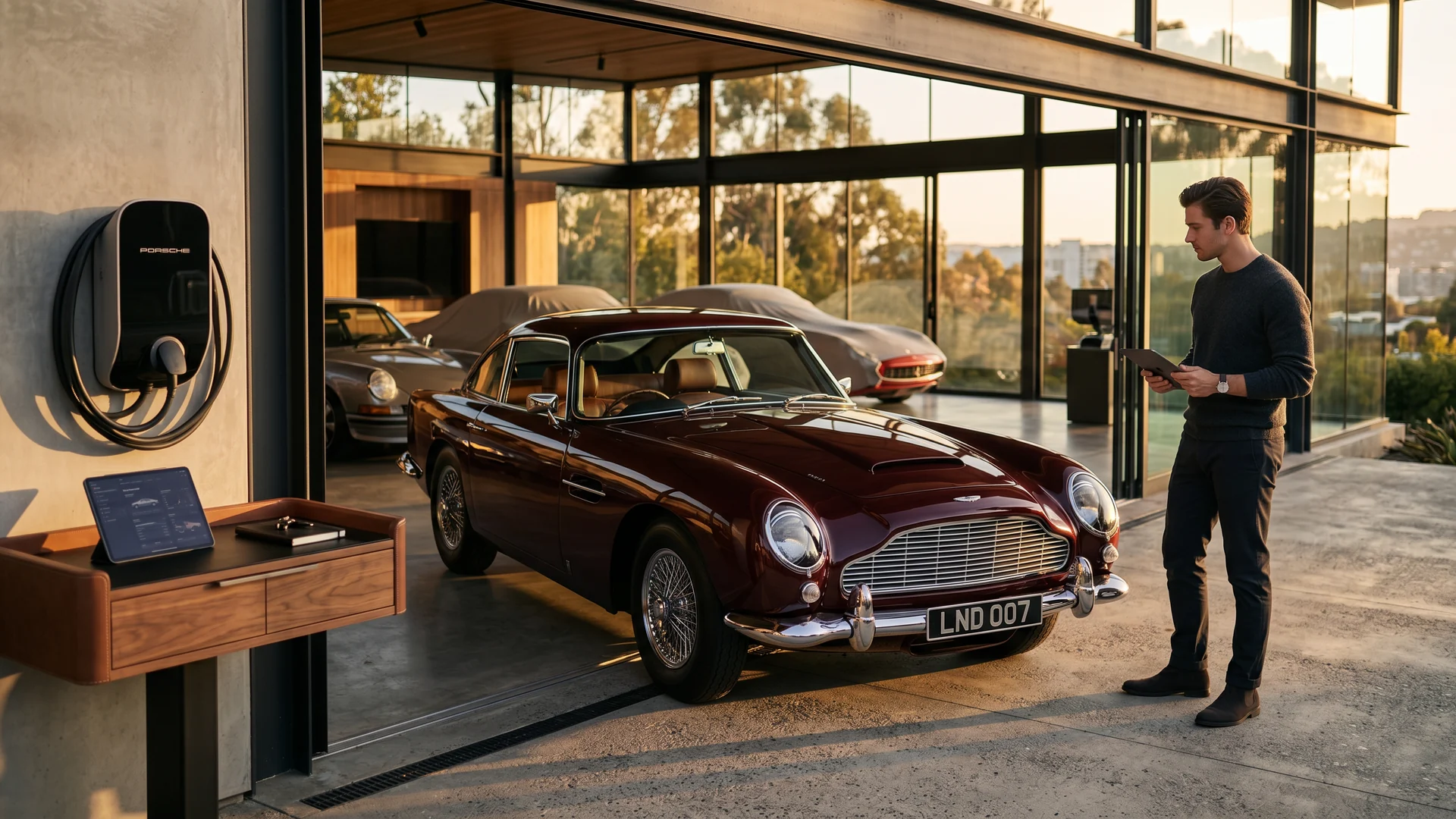
The Future of Classic Car Collecting: Trends Shaping the Next Generation
The future of classic car collecting: why 2035 ICE bans spare existing cars, plus e-fuels, shifting demographics, electromods and fractional ownership…
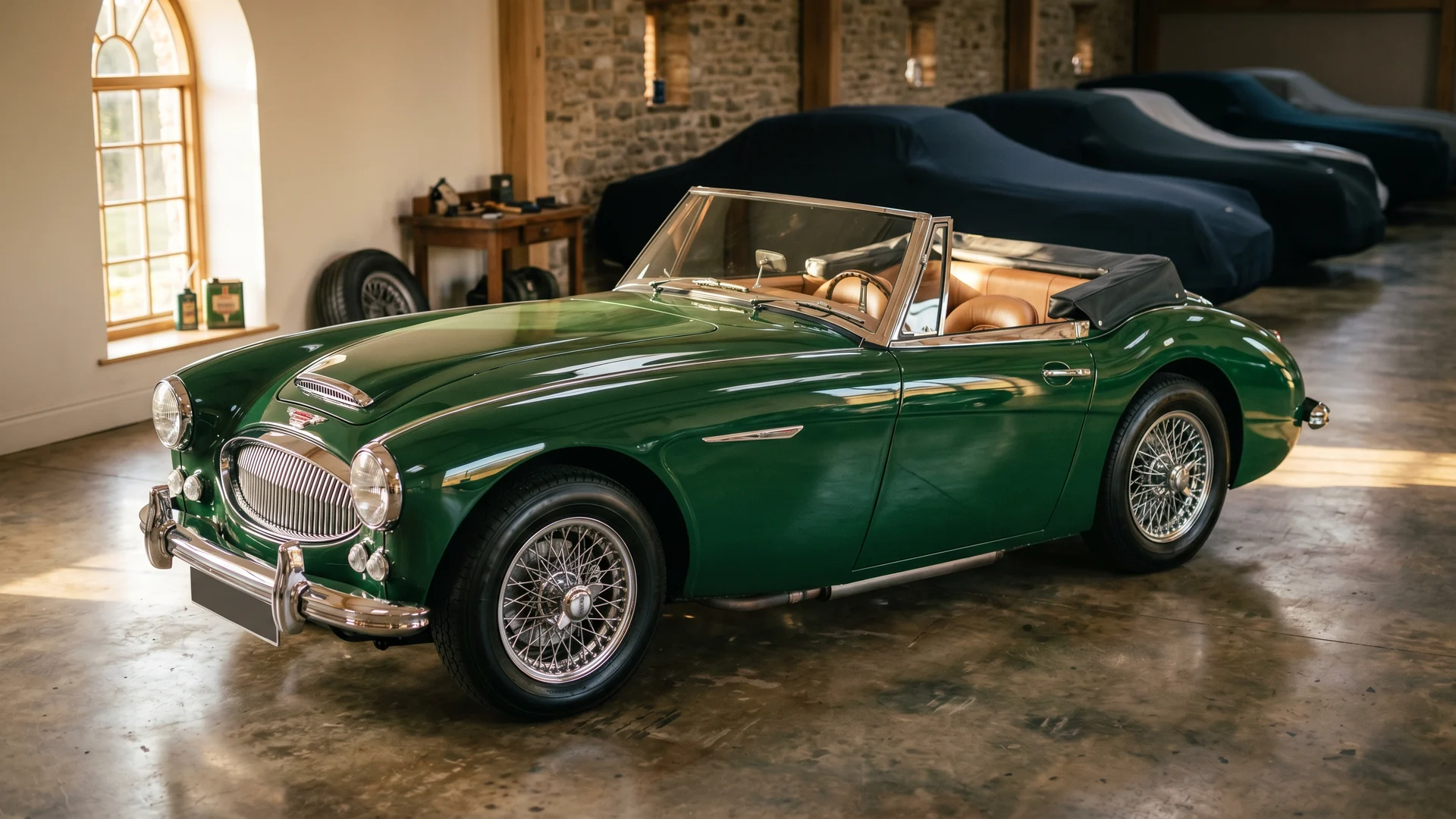
Classic Car Insurance Guide: Protecting Your Vintage Investment
Classic car insurance guide: why agreed-value policies beat stated and actual cash value, how Hagerty, Grundy and Chubb compare, plus costs and covera…
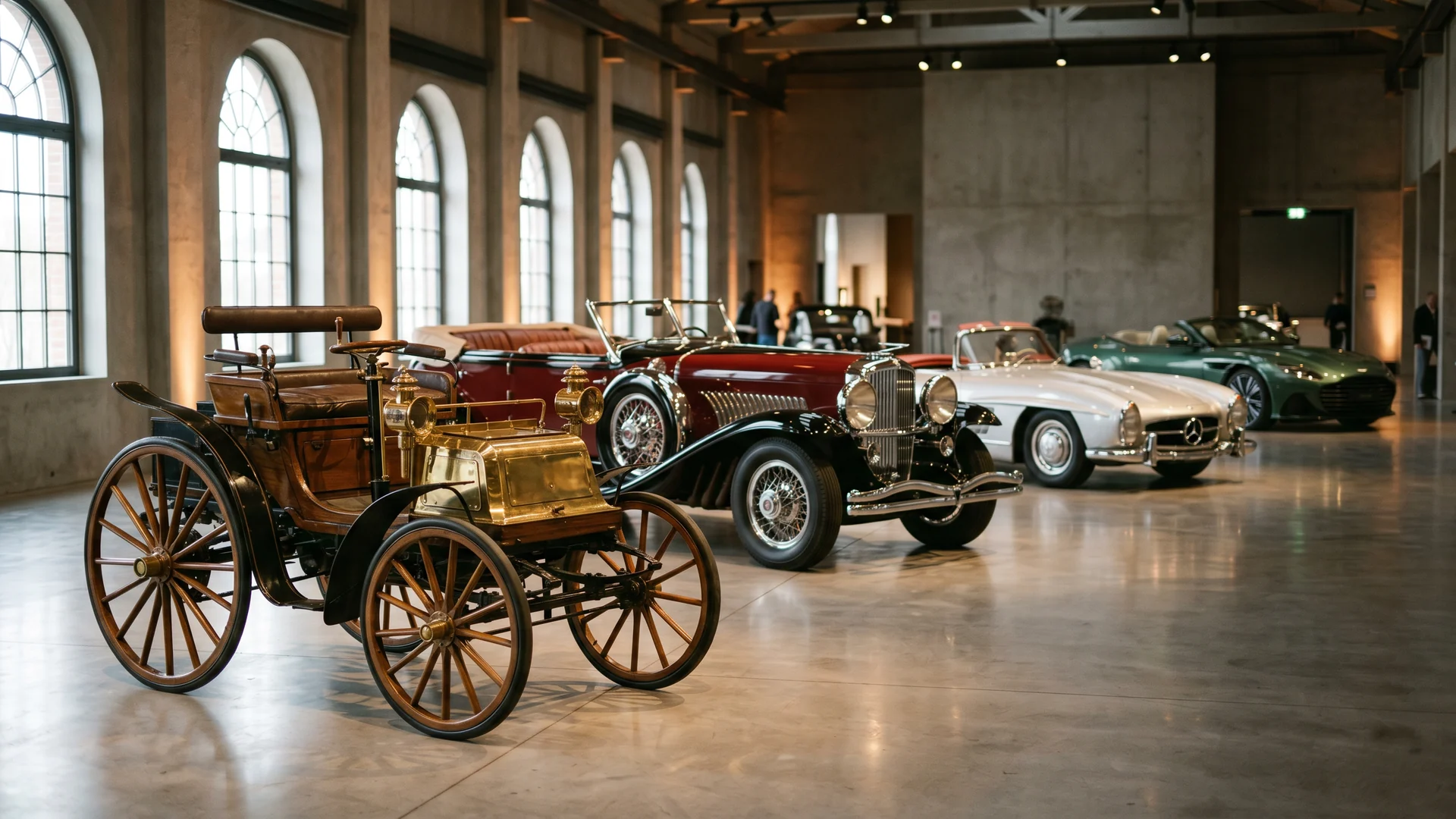
Classic Car History Timeline: From Benz to the Modern Collector Era
Classic car history timeline from the 1886 Benz Patent-Motorwagen through coachbuilding, muscle cars and supercars to modern collectibles. Discover th…