Why Coachbuilt Luxury Cars Are the Final Frontier of Collecting
The history of coachbuilt luxury cars represents the convergence of automotive engineering and custom craftsmanship. Coachbuilding originated in the 19th century when artisans cons…
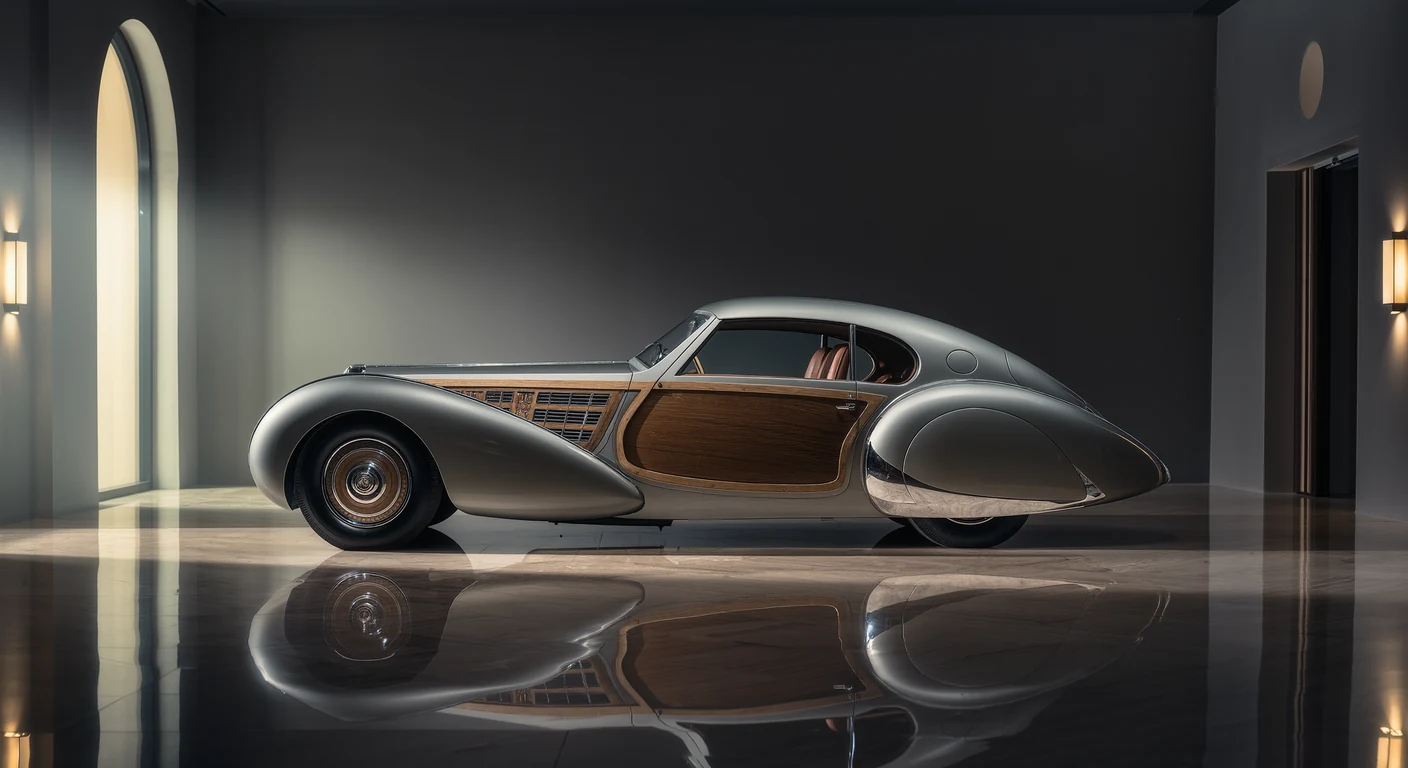
The history of coachbuilt luxury cars represents the convergence of automotive engineering and custom craftsmanship. Coachbuilding originated in the 19th century when artisans constructed horse-drawn carriages. With the advent of the automobile in the early 1900s, these craftsmen adapted their expertise to create bespoke vehicles for wealthy customers.
Luxury manufacturers including Rolls-Royce, Bugatti, and Bentley established partnerships with coachbuilders to produce exclusive models customized to individual specifications. Coachbuilt automobiles became established symbols of luxury and exclusivity across subsequent decades.
Prominent coachbuilding firms such as Pininfarina, Figoni et Falaschi, and Carrozzeria Touring established reputations for innovative design and precise craftsmanship. This period transformed automotive culture, establishing automobiles as artistic expressions and statements of personal identity beyond their function as transportation.
Key Takeaways
- Coachbuilt luxury cars showcase exceptional artistry and bespoke craftsmanship, making each vehicle unique.
- These cars are rare and exclusive, often linked to high society and prestigious clientele.
- Coachbuilt designs have significantly influenced broader automotive styling trends over time.
- Preservation and restoration are crucial for maintaining the value and heritage of coachbuilt cars.
- Collectors face challenges in ownership but benefit from strong market value and investment potential.
The Artistry and Craftsmanship of Coachbuilt Cars
The artistry and craftsmanship involved in creating coachbuilt luxury cars are unparalleled. Each vehicle is a testament to the skill and dedication of artisans who pour their heart and soul into every detail. From hand-stitched leather interiors to meticulously crafted bodywork, coachbuilt cars are often seen as rolling masterpieces.
The process begins with a vision, where designers collaborate closely with clients to understand their preferences and aspirations. Once the design is finalized, skilled craftsmen employ traditional techniques alongside modern technology to bring the vision to life. This includes shaping metal by hand, applying multiple layers of paint for a flawless finish, and using exotic materials that enhance both aesthetics and performance.
The result is a vehicle that not only looks stunning but also embodies the highest standards of quality and durability. Each coachbuilt car tells a unique story, making it a cherished possession for its owner.
The Rarity and Exclusivity of Coachbuilt Luxury Cars
Rarity and exclusivity are defining characteristics of coachbuilt luxury cars. Unlike mass-produced vehicles, each coachbuilt car is often made in limited quantities or even as a one-off creation. This scarcity elevates their status among collectors and enthusiasts alike.
The allure of owning a vehicle that no one else possesses adds to its desirability, making it a symbol of prestige. Moreover, the bespoke nature of these cars means that they can be tailored to meet the specific desires of their owners. From custom paint colors to personalized interior layouts, every aspect can be modified to reflect individual tastes.
This level of personalization not only enhances the ownership experience but also contributes to the car’s uniqueness, further solidifying its place in the luxury market.
The Influence of Coachbuilt Cars on Automotive Design
Coachbuilt cars have significantly influenced automotive design throughout history. Their unique aesthetics and innovative features often set trends that resonate across the industry. For instance, the streamlined designs of the 1930s, characterized by flowing lines and aerodynamic shapes, were largely inspired by the artistry of coachbuilders.
These designs not only enhanced visual appeal but also improved performance by reducing drag. Additionally, coachbuilt cars have introduced numerous technological advancements that have become standard in modern vehicles. Features such as advanced suspension systems, lightweight materials, and luxurious interiors were often first seen in bespoke models before trickling down to mass production.
The Connection Between Coachbuilt Cars and High Society
The connection between coachbuilt cars and high society is deeply rooted in history. These vehicles have long been associated with wealth, power, and status. In the early 20th century, owning a coachbuilt car was a clear indicator of affluence, often seen at social events, galas, and royal gatherings.
Celebrities and influential figures frequently commissioned custom vehicles to make a statement about their social standing. Today, this connection remains strong as coachbuilt cars continue to be favored by elite individuals who appreciate the blend of luxury and artistry. They are often showcased at prestigious events such as Concours d’Elegance, where collectors display their prized possessions to an audience that understands the value of craftsmanship and exclusivity.
The Preservation and Restoration of Coachbuilt Luxury Cars
Preserving and restoring coachbuilt luxury cars is an art form in itself. Given their rarity and historical significance, these vehicles require specialized care to maintain their condition and authenticity. Restoration experts often face challenges such as sourcing original parts or replicating intricate designs that may no longer be available.
This process demands not only technical skill but also a deep understanding of the vehicle’s history. Many collectors invest significant resources into preserving their coachbuilt cars, ensuring they remain in pristine condition for future generations. This commitment to preservation highlights the cultural importance of these vehicles as artifacts that represent a bygone era of automotive excellence.
The Market Value and Investment Potential of Coachbuilt Cars
The market value of coachbuilt luxury cars has seen significant appreciation over the years, making them attractive investments for collectors. Factors such as rarity, historical significance, and condition play crucial roles in determining a vehicle’s worth. Some models have sold for millions at auction, reflecting their desirability among affluent buyers.
Investing in coachbuilt cars can yield substantial returns, especially for those who understand market trends and collector preferences. As more people recognize the value of these unique vehicles, demand continues to rise, further driving up prices. For collectors looking for both enjoyment and investment potential, coachbuilt cars represent a compelling opportunity.
The Appeal of Coachbuilt Cars to Collectors and Enthusiasts
The appeal of coachbuilt cars to collectors and enthusiasts lies in their unique combination of artistry, history, and exclusivity. For many collectors, owning a coachbuilt car is not just about having a luxury vehicle; it’s about possessing a piece of automotive history that tells a story. Each car carries with it the legacy of its designer and builder, making it a conversation starter at gatherings.
Enthusiasts are drawn to the craftsmanship involved in these vehicles, appreciating the meticulous attention to detail that goes into every aspect of their creation. The thrill of discovering rare models or attending events dedicated to showcasing these masterpieces adds an extra layer of excitement for collectors who are passionate about automotive history.
The Challenges of Owning and Maintaining Coachbuilt Luxury Cars
Owning a coachbuilt luxury car comes with its own set of challenges. Maintenance can be complex due to the bespoke nature of these vehicles; finding qualified technicians who understand the intricacies of each model can be difficult. Additionally, sourcing original parts may require extensive research or connections within specialized networks.
Insurance can also pose challenges; many standard policies may not adequately cover the unique aspects of coachbuilt cars. Owners must seek out specialized insurance providers who understand the value and rarity of these vehicles. Despite these challenges, many owners find that the rewards far outweigh the difficulties.
The Future of Coachbuilt Luxury Cars in the Collecting World
The future of coachbuilt luxury cars in the collecting world appears promising as interest continues to grow among new generations of enthusiasts. As automotive technology advances, there is an increasing appreciation for traditional craftsmanship and bespoke design elements that define coachbuilt vehicles. This trend suggests that these unique cars will remain relevant in an ever-evolving market.
Moreover, as sustainability becomes a focal point in automotive discussions, there may be opportunities for coachbuilders to innovate while preserving traditional techniques. By blending modern technology with classic craftsmanship, the future could see a resurgence in bespoke vehicles that appeal to environmentally conscious consumers without sacrificing luxury or artistry.
Tips for Collectors Interested in Coachbuilt Cars
For collectors interested in acquiring coachbuilt luxury cars, several tips can enhance their experience: 1. **Research Thoroughly**: Understand the history and significance of different models before making a purchase.
2. **Network with Experts**: Connect with fellow collectors and industry experts who can provide valuable insights.
3.
**Attend Events**: Participate in car shows or auctions dedicated to luxury vehicles to discover rare finds.
4. **Consider Restoration Needs**: Evaluate potential restoration costs when purchasing older models.
5. **Invest in Quality Insurance**: Ensure your investment is protected with specialized insurance coverage tailored for luxury vehicles.
By following these tips, collectors can navigate the world of coachbuilt luxury cars with confidence and make informed decisions that enhance their collections. In conclusion, coachbuilt luxury cars represent more than just vehicles; they embody artistry, history, and exclusivity that resonate deeply within automotive culture. Whether you are an avid collector or simply an admirer of fine craftsmanship, understanding this unique segment can enrich your appreciation for these remarkable machines.
FAQs
What are coachbuilt luxury cars?
Coachbuilt luxury cars are vehicles whose bodies were custom-designed and handcrafted by specialized coachbuilders, rather than mass-produced by the original automobile manufacturer. These cars often feature unique designs and bespoke details tailored to the owner’s specifications.
Why are coachbuilt luxury cars considered collectible?
Coachbuilt luxury cars are highly collectible due to their rarity, unique craftsmanship, historical significance, and the exclusivity of their designs. Each car is often a one-of-a-kind or limited-edition piece, making them highly sought after by collectors.
What makes coachbuilt cars different from standard luxury cars?
Unlike standard luxury cars, which have factory-produced bodies, coachbuilt cars have custom bodies created by independent coachbuilders. This results in distinctive styling, personalized features, and often superior craftsmanship compared to mass-produced models.
Who were some famous coachbuilders?
Notable coachbuilders include Carrozzeria Touring, Pininfarina, Zagato, Mulliner, and H.J. Mulliner & Co. These firms were renowned for their bespoke designs and collaborations with luxury car manufacturers.
Why are coachbuilt luxury cars considered the “final frontier” of collecting?
Coachbuilt luxury cars represent the pinnacle of automotive artistry and exclusivity, with very few examples surviving today. Their rarity, combined with the fading tradition of bespoke coachbuilding, makes them a unique and challenging segment for collectors, often referred to as the “final frontier.”
How does the value of coachbuilt luxury cars compare to other classic cars?
Coachbuilt luxury cars often command higher prices than comparable classic cars due to their rarity, unique design, and historical importance. Their value can appreciate significantly, especially if the car has a notable provenance or was created by a famous coachbuilder.
Are coachbuilt luxury cars still being made today?
While traditional coachbuilding has largely declined, some luxury manufacturers and bespoke firms continue to offer custom bodywork and personalization services. However, fully coachbuilt cars in the traditional sense are now extremely rare.
What should collectors consider when buying a coachbuilt luxury car?
Collectors should consider the car’s provenance, authenticity, condition, originality of the coachwork, and historical significance. It is also important to verify documentation and consult experts familiar with coachbuilt vehicles.
How does the restoration of coachbuilt cars differ from standard classic cars?
Restoring coachbuilt cars often requires specialized skills in metalwork, upholstery, and craftsmanship to preserve or replicate the original bespoke bodywork and interior details. This can make restoration more complex and costly compared to standard classic cars.
Where can one find coachbuilt luxury cars for sale?
Coachbuilt luxury cars can be found at specialized classic car auctions, private sales, and through dealers who focus on rare and bespoke automobiles. Networking within collector communities and attending prestigious car shows can also provide opportunities to acquire these vehicles.
What is a coachbuilt car?
When was the Golden Age of coachbuilding?
Why are coachbuilt cars considered strong collector investments?
More from Blog
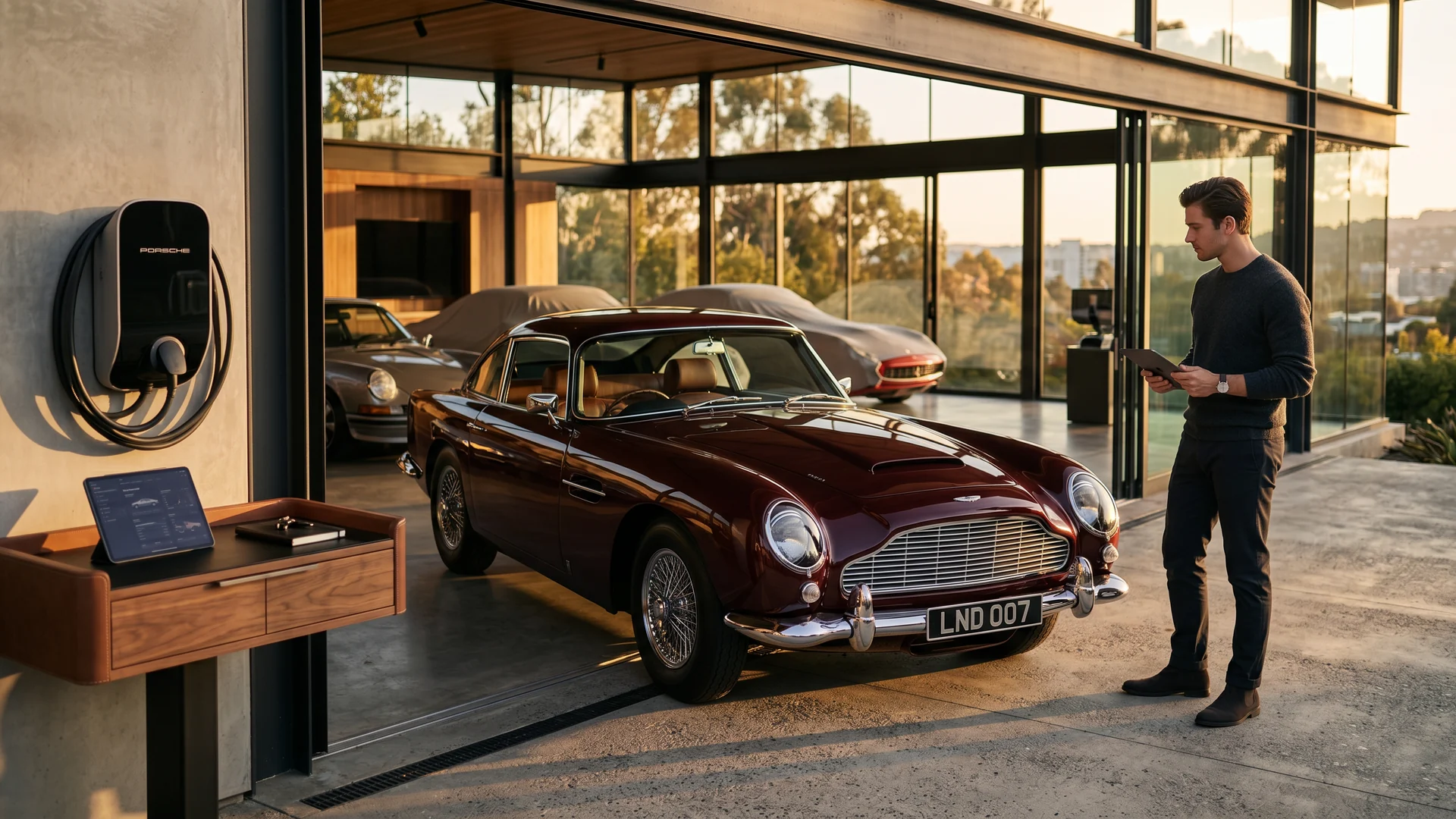
The Future of Classic Car Collecting: Trends Shaping the Next Generation
The future of classic car collecting: why 2035 ICE bans spare existing cars, plus e-fuels, shifting demographics, electromods and fractional ownership…
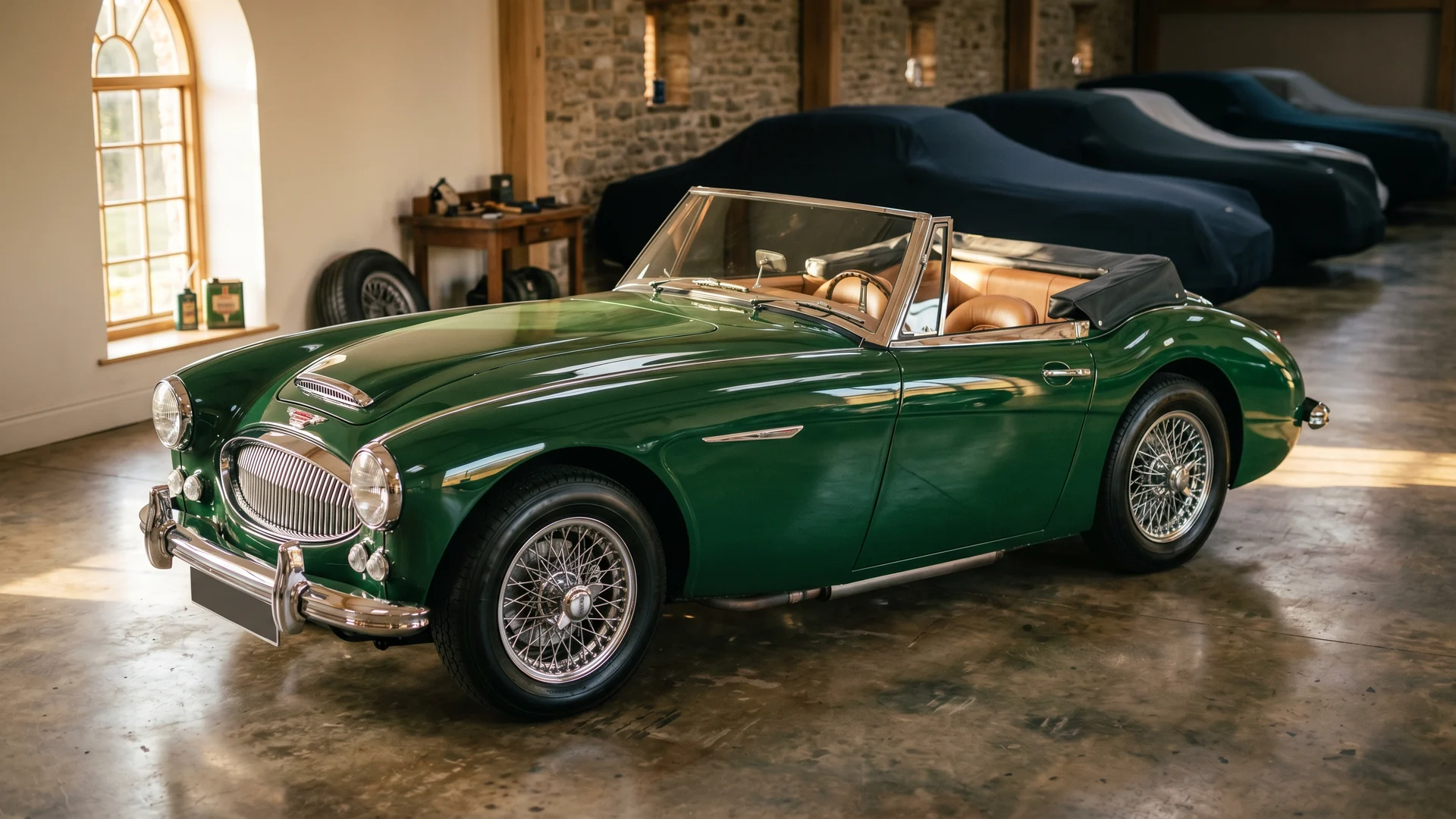
Classic Car Insurance Guide: Protecting Your Vintage Investment
Classic car insurance guide: why agreed-value policies beat stated and actual cash value, how Hagerty, Grundy and Chubb compare, plus costs and covera…
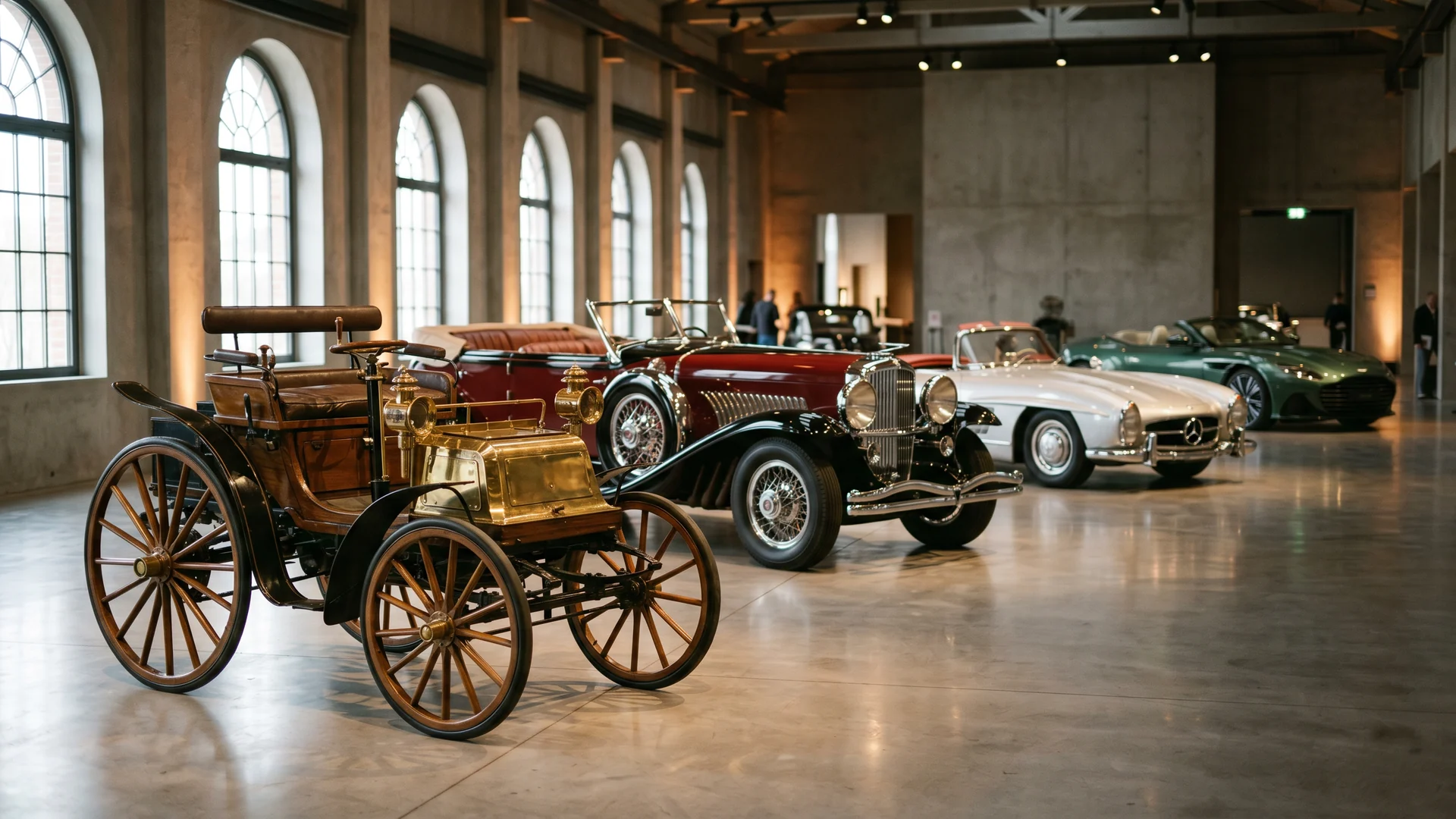
Classic Car History Timeline: From Benz to the Modern Collector Era
Classic car history timeline from the 1886 Benz Patent-Motorwagen through coachbuilding, muscle cars and supercars to modern collectibles. Discover th…