Why Classic Porsche Buyers Fear Modern Modifications
When it comes to classic cars, authenticity is a term that resonates deeply with enthusiasts and collectors alike. The authenticity factor refers to how true a vehicle remains to i…
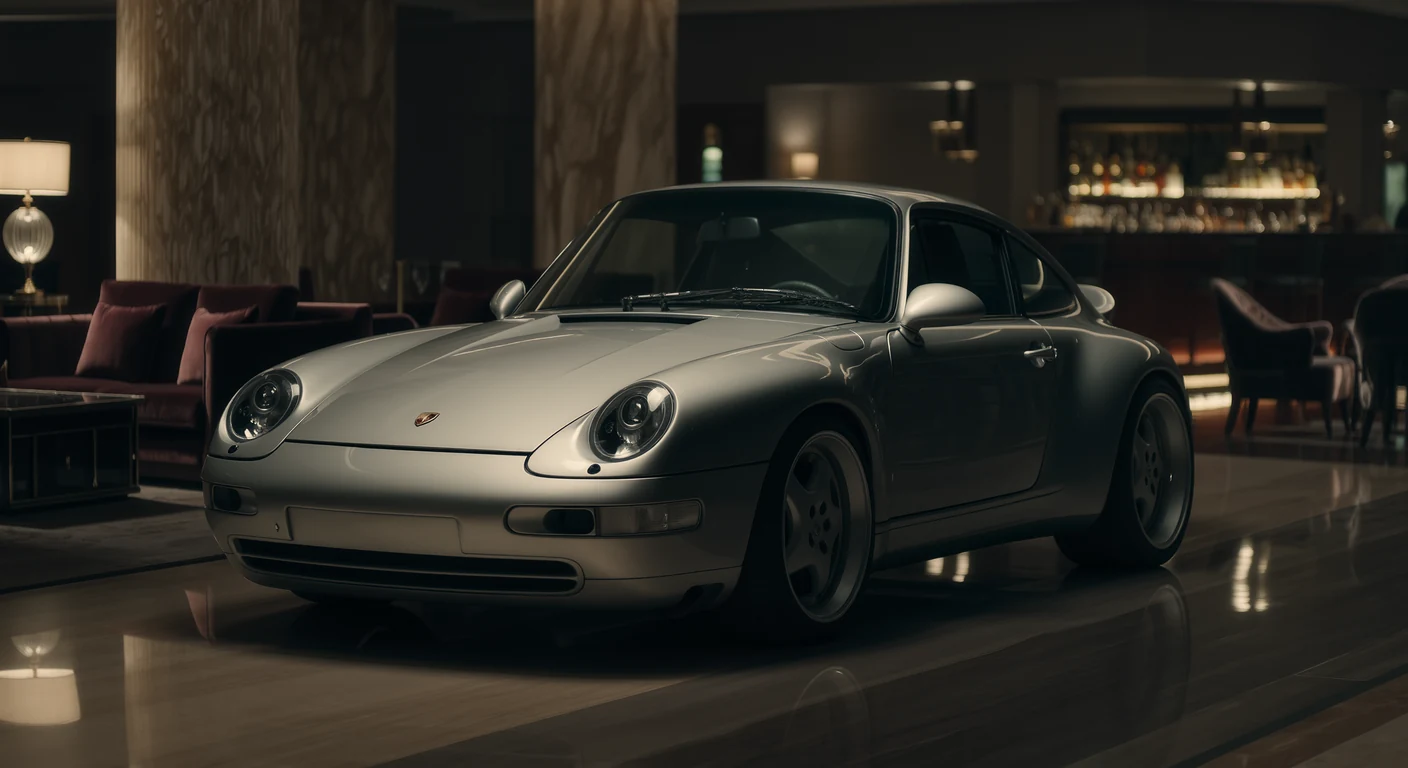
When it comes to classic cars, authenticity is a term that resonates deeply with enthusiasts and collectors alike. The authenticity factor refers to how true a vehicle remains to its original design, specifications, and components. For many, owning a classic car is not just about having a mode of transportation; it’s about preserving a piece of history.
However, the quest for authenticity can be a double-edged sword. While some owners strive to maintain their vehicles in pristine, original condition, others may feel compelled to make modifications for improved performance or comfort.
This raises the question: how much alteration can a classic car undergo before it loses its authenticity? The balance between preserving original features and enhancing functionality is a delicate one, and it often leads to heated debates among car enthusiasts.
Key Takeaways
- Authenticity is crucial for maintaining a classic car’s heritage and resale value.
- Modern modifications can cause mechanical issues and affect compatibility with original features.
- Alterations may lead to warranty and insurance complications.
- Changes can impact the driving experience and create aesthetic inconsistencies.
- Finding original parts becomes more challenging over time, influencing long-term ownership.
Impact on Resale Value
The resale value of classic cars is heavily influenced by their authenticity. Vehicles that retain their original parts and specifications tend to command higher prices in the market. Collectors are often willing to pay a premium for cars that have not been modified or restored with non-original components.
This is because an authentic classic car is seen as a more reliable investment, one that holds its value over time. On the other hand, modifications can significantly decrease a car’s resale value. Even if the changes improve performance or aesthetics, potential buyers may be wary of purchasing a vehicle that has strayed too far from its original state.
This can lead to a situation where owners find themselves in a dilemma: should they modify their beloved classic for personal enjoyment or keep it untouched for future resale?
Potential Mechanical Issues
One of the most significant concerns when dealing with classic cars is the potential for mechanical issues. Older vehicles often come with a host of problems due to wear and tear over the years. Components may be outdated or no longer function as intended, leading to costly repairs.
Owners must be prepared for the possibility of frequent maintenance and unexpected breakdowns. Moreover, when modifications are made, they can introduce new mechanical challenges. For instance, upgrading an engine or transmission may require additional changes to other systems, such as the suspension or braking system.
This can create a domino effect of issues that may not have existed in the original vehicle. Therefore, while modifications can enhance performance, they also come with risks that owners must carefully consider.
Preservation of Heritage
Preserving the heritage of classic cars is essential for maintaining their historical significance. Each vehicle tells a story, reflecting the era in which it was built and the innovations of its time. By keeping these cars as close to their original state as possible, owners contribute to the preservation of automotive history.
This not only benefits current enthusiasts but also future generations who will appreciate these vehicles as cultural artifacts. Furthermore, preserving heritage goes beyond just the car itself; it encompasses the community surrounding classic cars. Car shows, clubs, and events dedicated to vintage vehicles foster a sense of camaraderie among enthusiasts.
By maintaining authenticity, owners help ensure that this community thrives and continues to celebrate the rich history of automotive engineering.
Loss of Originality
Modifying a classic car can lead to a loss of originality that may be difficult to recover. Once changes are made, whether cosmetic or mechanical, the vehicle may no longer represent its true self. This loss can be particularly disheartening for collectors who value originality above all else.
The unique characteristics that define a specific model can be overshadowed by modern upgrades or alterations. Additionally, the loss of originality can affect how future generations perceive these vehicles. A modified classic may not evoke the same nostalgia or appreciation as an untouched one.
As time passes, the significance of maintaining originality becomes even more pronounced, as fewer examples of truly original vehicles remain in circulation.
Compatibility with Classic Features
When considering modifications to a classic car, compatibility with existing features is crucial. Many classic vehicles were designed with specific components that work harmoniously together. Introducing modern parts or systems can disrupt this balance, leading to performance issues or aesthetic discrepancies.
For example, upgrading to modern brakes may require changes to the suspension system to accommodate increased stopping power. Similarly, installing a contemporary sound system could necessitate alterations to the dashboard or interior layout. These changes can detract from the vehicle’s original charm and character, making it essential for owners to carefully evaluate how modifications will impact compatibility with classic features.
Aesthetic Discrepancies
Aesthetic discrepancies often arise when modifications are made to classic cars. While some owners may seek to enhance the visual appeal of their vehicles through custom paint jobs or modern wheels, these changes can clash with the car’s original design language. The result may be a vehicle that looks disjointed or out of place, detracting from its overall beauty.
Moreover, aesthetic changes can alienate potential buyers who prefer the classic look and feel of an unmodified vehicle. A car that has been altered significantly may struggle to find an audience in the resale market, limiting its appeal and value. Therefore, owners must weigh the desire for personalization against the risk of compromising their vehicle’s aesthetic integrity.
Warranty and Insurance Concerns
Modifications can complicate warranty and insurance situations for classic car owners. Many insurance companies have specific policies regarding modified vehicles, which may result in higher premiums or limited coverage options. Additionally, if a modified component fails and causes damage, it could lead to disputes over coverage.
Furthermore, warranties on aftermarket parts may not align with those of the original vehicle. Owners should be aware that installing non-original components could void existing warranties on other systems within the car. This creates an added layer of complexity that requires careful consideration before making any modifications.
Impact on Driving Experience
The driving experience of a classic car can be significantly altered by modifications. While some upgrades may enhance performance and comfort, such as improved suspension or modernized interiors, others may detract from the unique driving characteristics that define classic vehicles. The rawness and simplicity of driving an older car are often what enthusiasts cherish most.
For many owners, part of the joy of driving a classic car lies in its quirks and idiosyncrasies. Modifications that aim to make driving easier or more comfortable can sometimes strip away these elements, leading to a less engaging experience behind the wheel. Therefore, it’s essential for owners to consider how changes will impact their overall enjoyment of the vehicle.
Difficulty in Finding Original Parts
As classic cars age, finding original parts becomes increasingly challenging. Many manufacturers no longer produce components for older models, leading owners to search for rare or discontinued items. This scarcity can drive up prices and make restoration projects more complicated and costly.
Moreover, when modifications are made using aftermarket parts instead of original components, it can further complicate future repairs or restorations. Owners may find themselves in a position where they need to revert back to original specifications but struggle to locate suitable parts. This highlights the importance of considering long-term availability when contemplating modifications.
Long-Term Ownership Considerations
Long-term ownership of a classic car requires careful planning and consideration of various factors. Owners must think about maintenance costs, availability of parts, and potential resale value over time. Additionally, they should consider how modifications will impact their relationship with the vehicle in the long run.
For many enthusiasts, owning a classic car is not just about immediate enjoyment; it’s about creating lasting memories and building a legacy. Therefore, decisions regarding authenticity and modifications should align with their long-term vision for ownership. By prioritizing preservation and thoughtful enhancements, owners can ensure their classic cars remain cherished possessions for years to come.
In conclusion, navigating the world of classic cars involves balancing authenticity with personal preferences and practical considerations. Each decision made regarding modifications carries weight and implications for both current enjoyment and future value. By understanding these factors thoroughly, owners can make informed choices that honor their vehicles’ heritage while still allowing for personal expression and enjoyment on the road.
FAQs
Why do classic Porsche buyers often resist modern modifications?
Classic Porsche buyers typically value originality and authenticity. They fear that modern modifications may diminish the car’s historical value, reduce its collectibility, and alter the driving experience that defines classic Porsche models.
What types of modern modifications are commonly viewed with skepticism by classic Porsche enthusiasts?
Commonly scrutinized modifications include engine swaps, modern electronic upgrades, aftermarket suspension systems, and non-original bodywork or interior changes. These alterations can be seen as detracting from the car’s original design and engineering.
How can modern modifications affect the value of a classic Porsche?
Modern modifications can potentially lower the resale value of a classic Porsche, especially among purist collectors who prioritize originality. However, some tasteful and reversible upgrades may enhance usability without significantly impacting value.
Are there any benefits to modern modifications in classic Porsches?
Yes, modern modifications can improve reliability, safety, and performance. Upgrades like improved brakes, modern tires, or updated suspension components can make classic Porsches more enjoyable and practical for regular use.
Is it possible to balance originality with modern enhancements in classic Porsches?
Many owners strive to maintain originality while incorporating subtle, reversible modern enhancements. This approach allows them to preserve the car’s classic character while benefiting from improved functionality and comfort.
Do manufacturers or specialists offer restoration services that respect the originality of classic Porsches?
Yes, there are specialized restoration shops and Porsche-approved services that focus on maintaining or restoring classic Porsches to factory specifications, ensuring authenticity and preserving the car’s heritage.
How do classic Porsche buyers verify the originality of a vehicle?
Buyers often rely on documentation such as factory build sheets, service records, and expert inspections. They may also consult Porsche Classic certification programs that authenticate and verify the originality of classic models.
What role does the Porsche Classic program play in addressing concerns about modifications?
The Porsche Classic program supports owners by providing genuine parts, restoration services, and technical expertise aimed at preserving the originality and heritage of classic Porsche vehicles, helping to mitigate fears about inappropriate modifications.
More from Blog
The Future of Classic Car Collecting: Trends Shaping the Next Generation
The future of classic car collecting: why 2035 ICE bans spare existing cars, plus e-fuels, shifting demographics, electromods and fractional ownership…
Classic Car Insurance Guide: Protecting Your Vintage Investment
Classic car insurance guide: why agreed-value policies beat stated and actual cash value, how Hagerty, Grundy and Chubb compare, plus costs and covera…
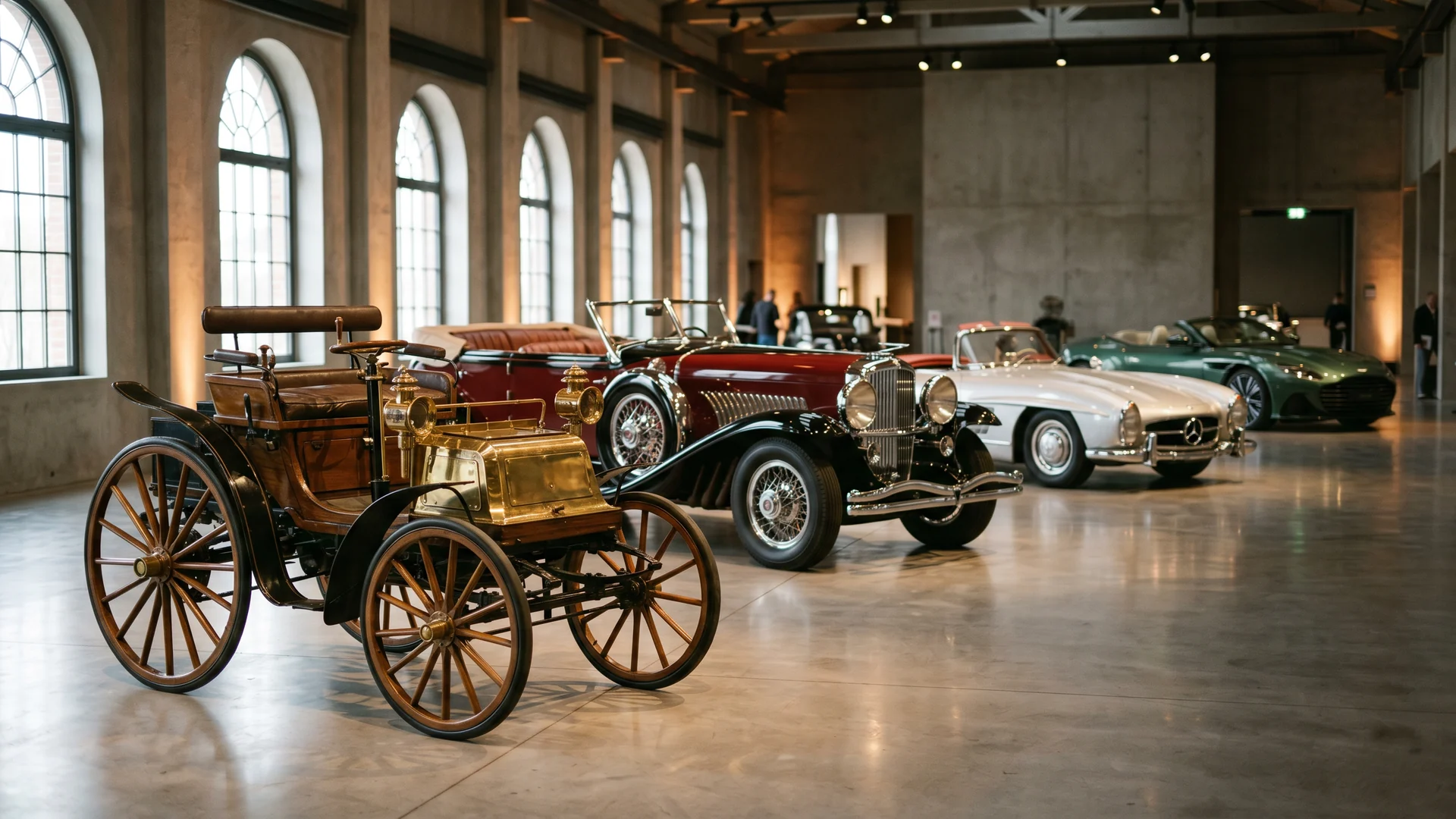
Classic Car History Timeline: From Benz to the Modern Collector Era
Classic car history timeline from the 1886 Benz Patent-Motorwagen through coachbuilding, muscle cars and supercars to modern collectibles. Discover th…