Why Classic Mercedes-Benz Icons Are Quietly Disappearing
In recent years, the automotive industry has experienced a notable transformation with the emergence of contemporary Mercedes-Benz models. These vehicles integrate advanced technol…
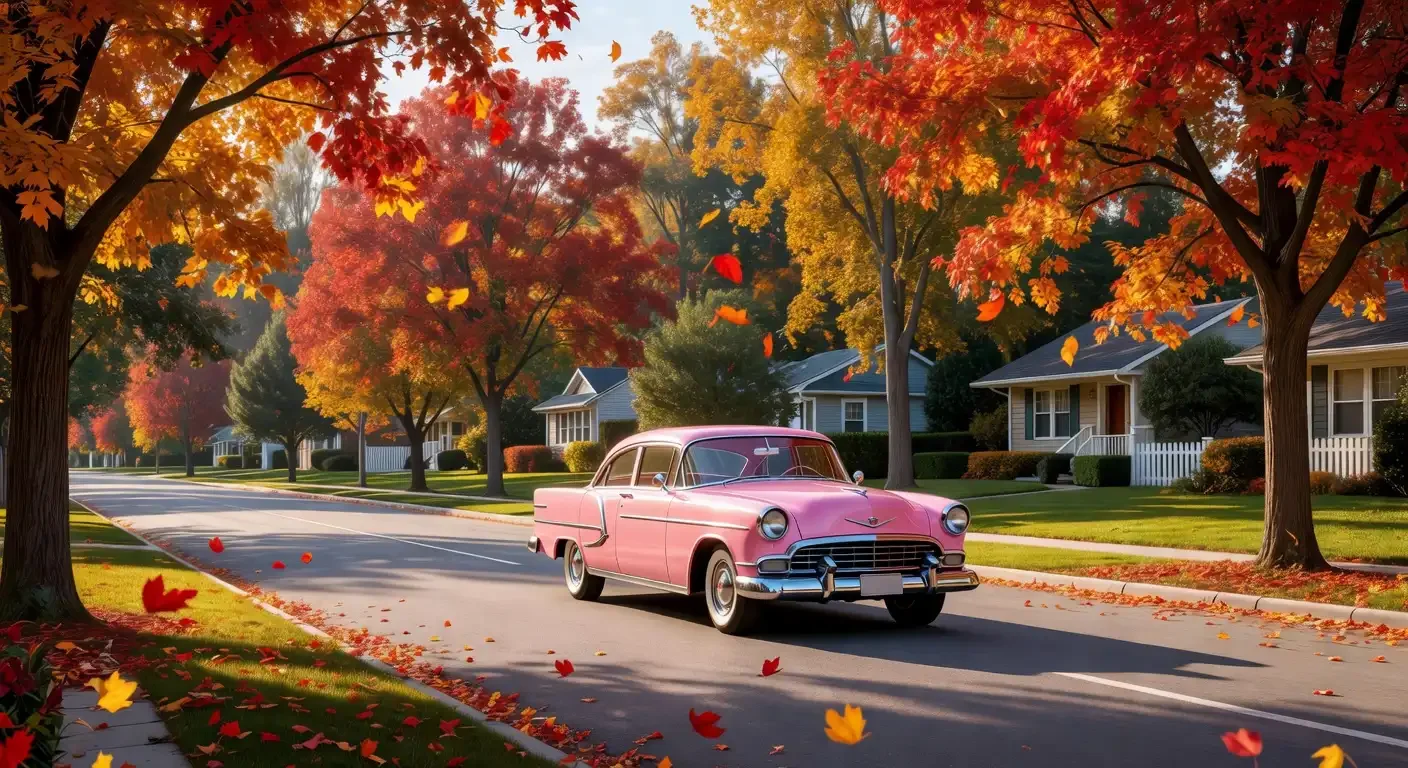
In recent years, the automotive industry has experienced a notable transformation with the emergence of contemporary Mercedes-Benz models. These vehicles integrate advanced technology while maintaining the brand’s traditional emphasis on luxury and performance, attracting diverse consumer segments. Mercedes-Benz has expanded its portfolio to include electric and hybrid variants, responding to increasing environmental awareness among consumers.
Consequently, modern Mercedes-Benz vehicles have gained substantial market share, often at the expense of their historical predecessors. The appeal of current Mercedes-Benz models stems from their comprehensive safety systems, improved fuel economy, and refined driving dynamics. Consumers increasingly value the technological integration found in these vehicles, particularly infotainment platforms and driver-assistance technologies that enhance both safety and convenience.
This shift in consumer preferences has resulted in diminished interest in classic Mercedes-Benz models, which typically lack these contemporary features and technological capabilities.
Key Takeaways
- Modern Mercedes-Benz models have gained popularity, impacting classic car interest.
- Maintenance and restoration of classic models are declining due to various challenges.
- Changing consumer preferences and environmental regulations affect classic car ownership.
- Difficulty in sourcing original parts and skilled mechanics poses restoration challenges.
- Enthusiasts and collectors play a key role in preserving classic Mercedes-Benz vehicles.
Decline in Maintenance and Restoration Efforts
As the popularity of modern vehicles rises, there has been a noticeable decline in maintenance and restoration efforts for classic Mercedes-Benz models. Many owners of vintage cars find it increasingly challenging to source the necessary parts and expertise required for proper upkeep. This decline is not just a matter of personal preference; it reflects a broader trend in the automotive industry where fewer resources are allocated to preserving older models.
The lack of maintenance can lead to a vicious cycle where classic cars fall into disrepair, further diminishing their appeal. Owners may feel overwhelmed by the costs and time associated with restoration projects, leading them to abandon their classic vehicles altogether. This trend poses a significant threat to the legacy of iconic models that once defined the Mercedes-Benz brand.
Changing Taste and Preferences in the Car Market
The car market is constantly evolving, with changing tastes and preferences influencing consumer behavior. Today’s buyers are increasingly focused on practicality, fuel efficiency, and technological advancements. As a result, classic Mercedes-Benz models, which often prioritize style and nostalgia over functionality, may struggle to capture the attention of younger generations.
Moreover, the rise of ride-sharing services and urbanization has shifted the way people view car ownership. Many individuals now prioritize convenience over ownership, leading to a decline in demand for classic cars that require significant investment in maintenance and storage. This shift in consumer behavior poses challenges for classic car enthusiasts who wish to preserve these timeless vehicles.
Challenges in Sourcing Original Parts
One of the most significant challenges facing classic Mercedes-Benz owners is sourcing original parts for restoration and maintenance. As time passes, many components become obsolete or difficult to find, making it increasingly challenging to keep these vehicles in optimal condition. This scarcity can lead to inflated prices for available parts, further complicating restoration efforts.
Additionally, the lack of manufacturers producing original parts means that owners often have to rely on aftermarket solutions that may not meet the same quality standards as genuine components. This situation can compromise the integrity of classic vehicles, leading to concerns about authenticity and performance. As a result, many owners may choose to forgo restoration projects altogether, contributing to the decline of classic Mercedes-Benz models.
Impact of Environmental Regulations on Classic Cars
Environmental regulations have had a profound impact on the classic car market, particularly for iconic brands like Mercedes-Benz. Stricter emissions standards and fuel efficiency requirements have made it increasingly difficult for older vehicles to comply with modern regulations. As cities implement low-emission zones and other restrictions, classic car owners may find themselves facing fines or limitations on where they can drive their vehicles.
These regulations not only affect the usability of classic cars but also influence their market value. Potential buyers may be deterred from investing in vintage models due to concerns about compliance and potential future restrictions. As a result, the classic car market faces an uphill battle as it navigates the complexities of environmental legislation while trying to maintain its appeal.
Shift in Ownership Demographics
The demographics of classic car ownership are shifting as younger generations enter the market. Traditionally, classic car enthusiasts were predominantly older individuals who had a deep appreciation for automotive history.
Younger owners often prioritize sustainability and technology over traditional aesthetics. They may seek out electric conversions or modern upgrades for classic cars, blending vintage charm with contemporary functionality. This shift in ownership demographics presents both challenges and opportunities for the classic car market as it adapts to meet the evolving desires of new enthusiasts.
Decrease in Availability of Skilled Mechanics
Another pressing issue facing classic Mercedes-Benz owners is the decrease in availability of skilled mechanics who specialize in vintage vehicles. As fewer technicians enter the field with expertise in older models, owners may struggle to find qualified professionals who can perform necessary repairs and restorations. This shortage can lead to longer wait times for service and increased costs for repairs.
The decline in skilled mechanics is compounded by the rapid advancement of automotive technology in modern vehicles. Many technicians are focusing their training on contemporary systems rather than honing their skills on classic cars. This trend poses a significant challenge for classic car enthusiasts who rely on knowledgeable mechanics to maintain their prized possessions.
Influence of Technology on Classic Car Ownership
Technology has had a profound influence on classic car ownership, both positively and negatively. On one hand, advancements in diagnostic tools and restoration techniques have made it easier for enthusiasts to maintain their vehicles. Online forums and communities provide valuable resources for owners seeking advice or parts, fostering a sense of camaraderie among classic car lovers.
Many younger buyers may be hesitant to invest in classic cars that lack modern features such as advanced safety systems or connectivity options. This shift in expectations can create a divide between traditional enthusiasts who appreciate vintage charm and new buyers seeking practicality.
Financial Considerations for Classic Car Owners
Financial considerations play a crucial role in the decision-making process for classic car owners. The costs associated with purchasing, maintaining, and restoring vintage vehicles can be substantial. Many owners find themselves grappling with rising insurance premiums, storage fees, and repair costs that can quickly add up.
Moreover, potential buyers must weigh the investment against potential returns when considering classic cars as an asset. While some models appreciate over time, others may not hold their value as well due to changing market dynamics. This financial uncertainty can deter new enthusiasts from entering the classic car market, further contributing to its decline.
Preservation Efforts by Enthusiasts and Collectors
Despite the challenges facing classic Mercedes-Benz models, there are dedicated enthusiasts and collectors working tirelessly to preserve these iconic vehicles. Clubs and organizations focused on vintage Mercedes-Benz cars provide resources for owners seeking guidance on maintenance and restoration efforts. These communities foster a sense of belonging among enthusiasts who share a passion for preserving automotive history.
Additionally, some collectors are investing in restoration projects that prioritize authenticity while incorporating modern technology where appropriate. These efforts aim to strike a balance between preserving the original charm of classic models while ensuring they remain functional and relevant in today’s automotive landscape.
Future Outlook for Classic Mercedes-Benz Icons
The future outlook for classic Mercedes-Benz icons remains uncertain but not without hope. While challenges abound, there is still a dedicated community of enthusiasts committed to preserving these vehicles for future generations. As younger buyers continue to enter the market with fresh perspectives, there may be opportunities for innovation within the classic car space.
Moreover, as environmental regulations evolve, there may be potential for electric conversions or hybrid solutions that allow classic cars to comply with modern standards while retaining their unique character. The key will be finding ways to adapt without losing sight of what makes these vehicles special, a blend of history, craftsmanship, and timeless design that continues to captivate automotive enthusiasts around the world. In conclusion, while the landscape for classic Mercedes-Benz models faces numerous challenges, from changing consumer preferences to regulatory hurdles, there remains a vibrant community dedicated to preserving these iconic vehicles.
By embracing innovation while honoring tradition, there is potential for a renewed appreciation for classic cars that transcends generations.
FAQs
Why are classic Mercedes-Benz cars becoming less common?
Classic Mercedes-Benz cars are becoming less common due to factors such as aging vehicles being retired, difficulty in sourcing original parts, and the high cost of maintenance. Additionally, many owners are selling or trading these cars as newer models with advanced technology become more popular.
What challenges do owners face in maintaining classic Mercedes-Benz vehicles?
Owners of classic Mercedes-Benz vehicles often face challenges including scarcity of authentic replacement parts, specialized repair expertise requirements, and increasing maintenance costs. These factors can make it difficult to keep the cars in good running condition.
Are classic Mercedes-Benz cars losing value over time?
Not necessarily. While some classic Mercedes-Benz models may depreciate due to condition or market trends, many iconic models retain or even increase in value, especially those that are rare, well-maintained, or have historical significance.
How does modern automotive technology impact the popularity of classic Mercedes-Benz cars?
Modern automotive technology offers improved safety, fuel efficiency, and convenience features that classic cars lack. This can lead to decreased daily use and interest in older models, as consumers often prefer newer vehicles with advanced technology.
Is there a community or market for classic Mercedes-Benz enthusiasts?
Yes, there is a dedicated community of classic Mercedes-Benz enthusiasts worldwide. They participate in car shows, clubs, and online forums, and there is an active market for buying, selling, and restoring classic models.
What efforts are being made to preserve classic Mercedes-Benz vehicles?
Efforts to preserve classic Mercedes-Benz vehicles include restoration projects, availability of reproduction parts, specialized workshops, and support from enthusiast clubs. Mercedes-Benz itself sometimes supports heritage programs to maintain the legacy of its classic models.
Do environmental regulations affect the use of classic Mercedes-Benz cars?
Yes, increasingly strict environmental regulations regarding emissions and fuel efficiency can limit the use of classic cars in certain areas. This can discourage owners from driving them regularly and contribute to their decline in visibility on the roads.
More from Blog
The Future of Classic Car Collecting: Trends Shaping the Next Generation
The future of classic car collecting: why 2035 ICE bans spare existing cars, plus e-fuels, shifting demographics, electromods and fractional ownership…
Classic Car Insurance Guide: Protecting Your Vintage Investment
Classic car insurance guide: why agreed-value policies beat stated and actual cash value, how Hagerty, Grundy and Chubb compare, plus costs and covera…
Classic Car History Timeline: From Benz to the Modern Collector Era
Classic car history timeline from the 1886 Benz Patent-Motorwagen through coachbuilding, muscle cars and supercars to modern collectibles. Discover th…