Why Classic Ferrari Ownership Is Reserved for the Financially Fearless
Classic Ferrari ownership represents a significant financial commitment that requires careful consideration. Purchase prices for these vehicles typically range from several hundred…
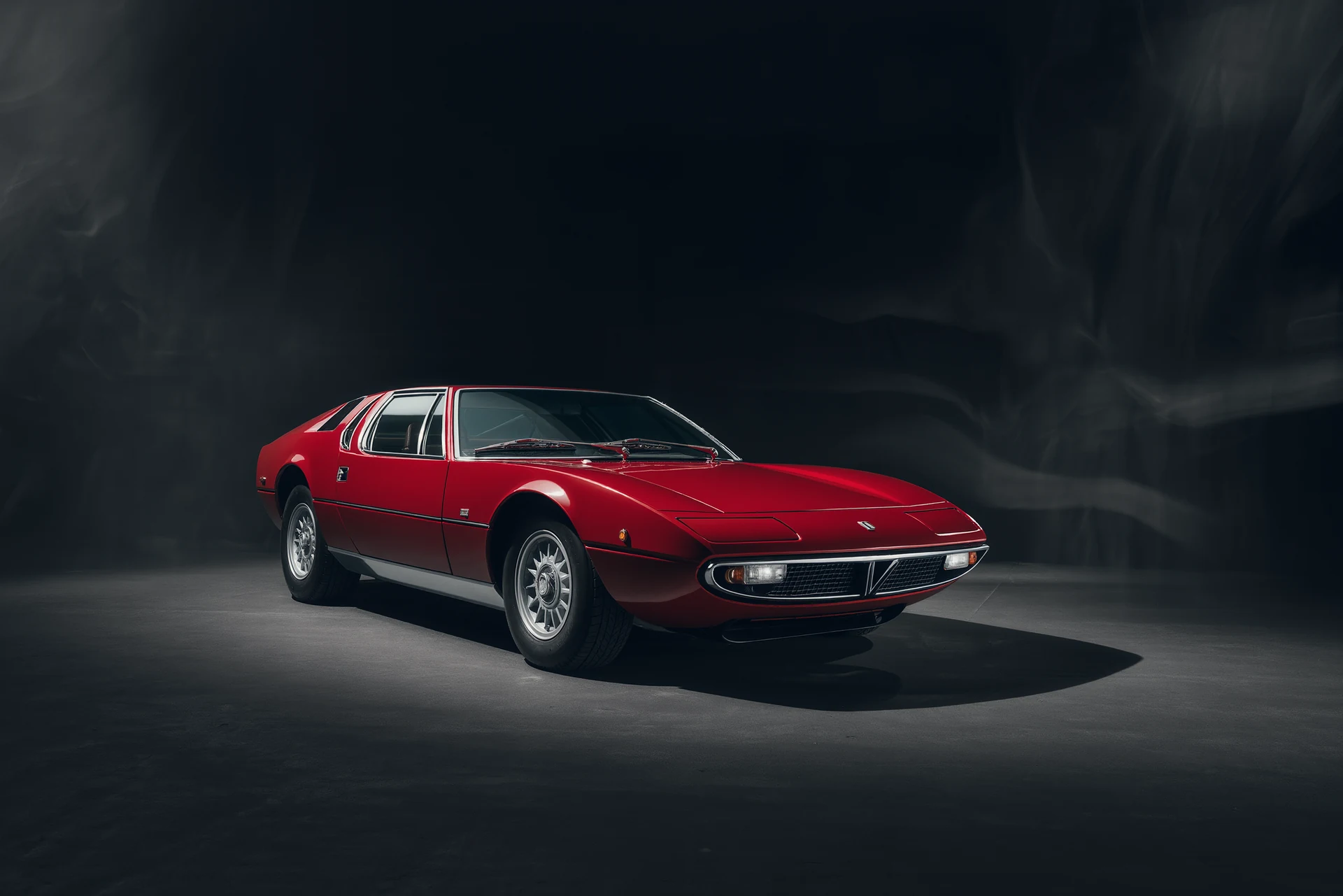
Classic Ferrari ownership represents a significant financial commitment that requires careful consideration. Purchase prices for these vehicles typically range from several hundred thousand to multiple millions of dollars, with costs determined by factors including model rarity, production year, vehicle condition, and historical significance. Limited production numbers substantially impact market values.
Models with restricted manufacturing runs command premium prices due to their scarcity. The Ferrari 250 GTO exemplifies this phenomenon, with auction sales exceeding $40 million in recent years. Such pricing reflects both the vehicle’s racing heritage and its status as one of only 36 units produced between 1962 and 1964.
Market dynamics for classic Ferraris are influenced by collector demand, investment trends, and the brand’s racing legacy. Certain models have demonstrated consistent appreciation over decades, while others may experience price volatility based on market conditions and collector preferences. Prospective buyers should evaluate their financial capacity and investment objectives before entering this specialized market segment.
Key Takeaways
- Classic Ferrari ownership requires a significant initial financial investment.
- Ongoing maintenance, repairs, and high insurance premiums add to the total cost.
- Market fluctuations and depreciation pose financial risks to owners.
- Expert knowledge and skills are essential to properly care for and maintain these vehicles.
- Despite challenges, owning a classic Ferrari offers unique emotional rewards and prestige.
The Cost of Maintenance and Repairs
Once you’ve navigated the initial purchase, the costs don’t stop there. The maintenance and repair of a classic Ferrari can be daunting. These vehicles require specialized care, often necessitating parts that are hard to find and expensive to procure.
Routine maintenance, such as oil changes and tire replacements, can also be significantly pricier than those for standard vehicles due to the high-performance components involved. Additionally, finding qualified mechanics who are experienced in working on classic Ferraris can be a challenge.
As a result, owners may find themselves traveling long distances to reach a reputable service center, adding to the overall cost and inconvenience of ownership.
Limited Availability and Rarity
The limited availability of classic Ferraris adds another layer of complexity to ownership. Many models were produced in small quantities, making them rare finds in today’s market. This scarcity not only drives up prices but also creates a competitive environment among collectors and enthusiasts.
For those looking to purchase a specific model, patience and persistence are often required. Moreover, the rarity of these vehicles can lead to challenges in sourcing parts for repairs or restorations.
This quest for authenticity can be both time-consuming and costly, further complicating the ownership experience.
The High Insurance Premiums
Insuring a classic Ferrari is another financial consideration that potential owners must take into account. Due to their high value and unique characteristics, insurance premiums for these vehicles can be significantly higher than those for standard cars. Insurers often require specialized coverage that accounts for the vehicle’s market value, which can fluctuate over time.
Additionally, some insurance companies may impose restrictions on how and when the vehicle can be driven. For instance, they might limit mileage or require that the car is stored in a climate-controlled environment. These stipulations can add another layer of complexity to ownership, as they may restrict how owners choose to enjoy their investment.
Depreciation Concerns
While many classic cars appreciate over time, not all Ferraris are guaranteed to do so. Depreciation is a real concern for potential buyers, especially if they purchase a model that is not in high demand or has not been well-maintained. Factors such as market trends, condition, and historical significance play crucial roles in determining a vehicle’s value over time.
Furthermore, modifications or restorations that do not align with original specifications can negatively impact resale value. Owners must be cautious about how they choose to enhance or restore their vehicles, as these decisions can have lasting financial implications. Understanding the nuances of depreciation is essential for anyone considering investing in a classic Ferrari.
The Risk of Market Fluctuations
The classic car market is not immune to fluctuations, which can pose risks for owners. Economic downturns or shifts in collector interest can lead to sudden drops in value. For instance, during economic recessions, luxury items like classic cars may see decreased demand, resulting in lower prices at auctions and sales.
Additionally, trends in automotive collecting can change rapidly. A model that was once highly sought after may lose its appeal as new generations of collectors emerge with different tastes and preferences. Staying informed about market trends is crucial for owners who wish to protect their investments and make informed decisions about buying or selling their vehicles.
The Need for Expert Knowledge and Skills
Owning a classic Ferrari requires more than just financial investment; it demands a certain level of expertise and knowledge about the vehicle itself. Understanding the intricacies of how these cars operate is essential for proper maintenance and care. Owners must familiarize themselves with the unique features and specifications of their models to ensure they are making informed decisions regarding repairs and restorations.
Moreover, many owners find themselves needing to develop skills related to car care and restoration. Whether it’s learning how to perform basic maintenance tasks or understanding how to source authentic parts, having a solid foundation of knowledge can enhance the ownership experience. This commitment to learning can be both rewarding and necessary for preserving the vehicle’s value.
The Pressure of Owning a Piece of Automotive History
Owning a classic Ferrari often comes with an inherent pressure to uphold its legacy. These vehicles are not just cars; they represent a rich history of automotive engineering and design excellence. Owners may feel compelled to showcase their vehicles at events or gatherings, which can create additional stress regarding presentation and maintenance.
This pressure can also extend to how owners interact with fellow enthusiasts and collectors. There may be expectations regarding participation in car shows or clubs, which can add another layer of commitment to ownership. Balancing personal enjoyment with social obligations is crucial for maintaining a positive experience as a classic Ferrari owner.
The Social and Public Expectations
The social implications of owning a classic Ferrari cannot be overlooked. These vehicles often attract attention and admiration from others, which can create expectations regarding how owners should present themselves and their cars. Some may feel pressure to maintain a certain lifestyle or image that aligns with their vehicle’s status.
Additionally, public perception can influence how owners engage with their cars. Whether it’s attending car shows or participating in community events, there may be an expectation to represent the brand positively. Navigating these social dynamics requires careful consideration and an understanding of personal priorities as an owner.
The Emotional Investment
Beyond financial considerations, owning a classic Ferrari often involves significant emotional investment. Many owners have long-held dreams of owning such a vehicle, making it a deeply personal achievement when they finally acquire one. This emotional connection can enhance the overall experience but also complicate decisions regarding maintenance or resale.
Moreover, the joy of driving a classic Ferrari is often accompanied by nostalgia and pride. Owners may find themselves reminiscing about their journey toward ownership or sharing stories with fellow enthusiasts. This emotional aspect adds depth to the experience but also requires careful management to ensure it remains positive.
The Ultimate Reward of Classic Ferrari Ownership
Despite the challenges associated with owning a classic Ferrari, many enthusiasts find that the rewards far outweigh the drawbacks. The thrill of driving a piece of automotive history is unparalleled; each journey becomes an experience filled with excitement and admiration from onlookers. The sense of community among fellow collectors also provides opportunities for camaraderie and shared passion.
Additionally, well-maintained classic Ferraris often appreciate over time, making them not just vehicles but valuable investments as well. For many owners, the combination of passion, pride, and potential financial gain creates an irresistible allure that makes all the challenges worthwhile. In conclusion, while owning a classic Ferrari comes with its share of challenges, from exorbitant initial investments to ongoing maintenance costs, the ultimate rewards make it an enticing pursuit for automotive enthusiasts.
With careful consideration and dedication, owning one of these iconic vehicles can be one of life’s most fulfilling experiences.
FAQs
What makes classic Ferrari ownership financially challenging?
Classic Ferrari ownership is financially challenging due to high purchase prices, expensive maintenance, costly insurance, and the need for specialized care and storage. These factors contribute to significant ongoing expenses beyond the initial investment.
Why are classic Ferraris considered valuable assets?
Classic Ferraris are considered valuable assets because of their rarity, historical significance, iconic design, and strong demand among collectors. Their value often appreciates over time, making them sought-after investments.
What are the typical maintenance costs for a classic Ferrari?
Maintenance costs for a classic Ferrari can be substantial, often running into tens of thousands of dollars annually. This includes routine servicing, parts replacement, specialized labor, and potential restoration work.
Is insurance for classic Ferraris more expensive than for regular cars?
Yes, insurance for classic Ferraris is generally more expensive due to their high value, rarity, and the specialized coverage required. Owners often need agreed value or classic car insurance policies, which can carry higher premiums.
Do classic Ferraris require special storage conditions?
Yes, classic Ferraris require climate-controlled storage to prevent damage from humidity, temperature fluctuations, and dust. Proper storage helps preserve the car’s condition and value over time.
Can owning a classic Ferrari be considered a good investment?
Owning a classic Ferrari can be a good investment if the car is well-maintained and market conditions remain favorable. However, it requires significant financial commitment and expertise to manage the associated risks and costs.
What kind of expertise is needed to own a classic Ferrari?
Owners typically need knowledge of classic car maintenance, access to specialized mechanics, and an understanding of the market. Many owners also rely on professional advisors or clubs dedicated to Ferrari enthusiasts.
Are classic Ferraris suitable for everyday driving?
Classic Ferraris are generally not suited for everyday driving due to their age, maintenance needs, and potential for mechanical issues. They are often reserved for occasional use, shows, or investment purposes.
How does the rarity of a classic Ferrari affect its ownership costs?
The rarity of a classic Ferrari can increase ownership costs because parts are harder to find, repairs require specialized skills, and insurance premiums are higher. Rarity also contributes to higher purchase prices and potential appreciation.
What should potential buyers consider before purchasing a classic Ferrari?
Potential buyers should consider the total cost of ownership, including purchase price, maintenance, insurance, storage, and potential restoration. They should also assess their ability to manage these costs and their commitment to preserving the vehicle.
More from Blog
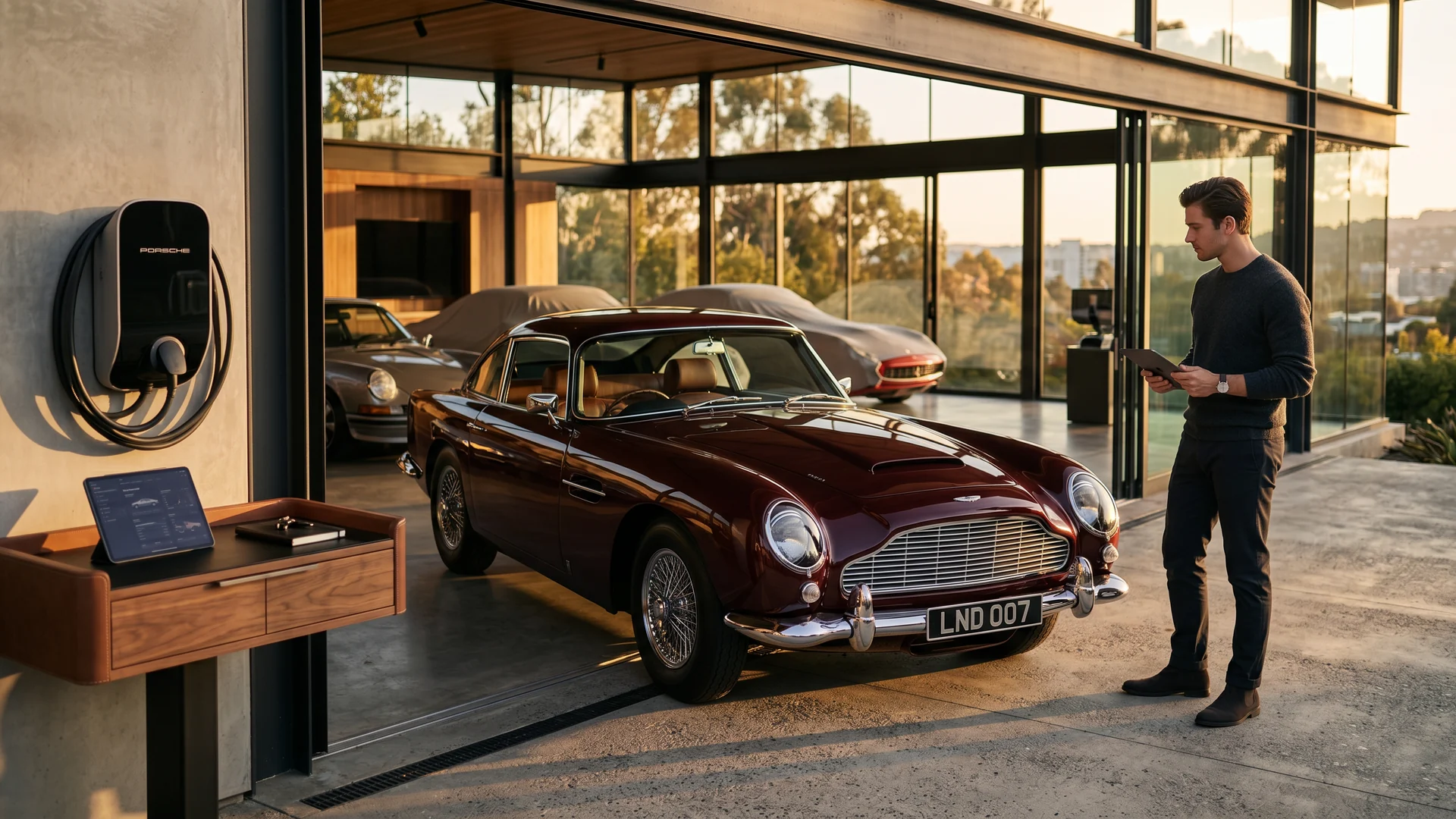
The Future of Classic Car Collecting: Trends Shaping the Next Generation
The future of classic car collecting: why 2035 ICE bans spare existing cars, plus e-fuels, shifting demographics, electromods and fractional ownership…
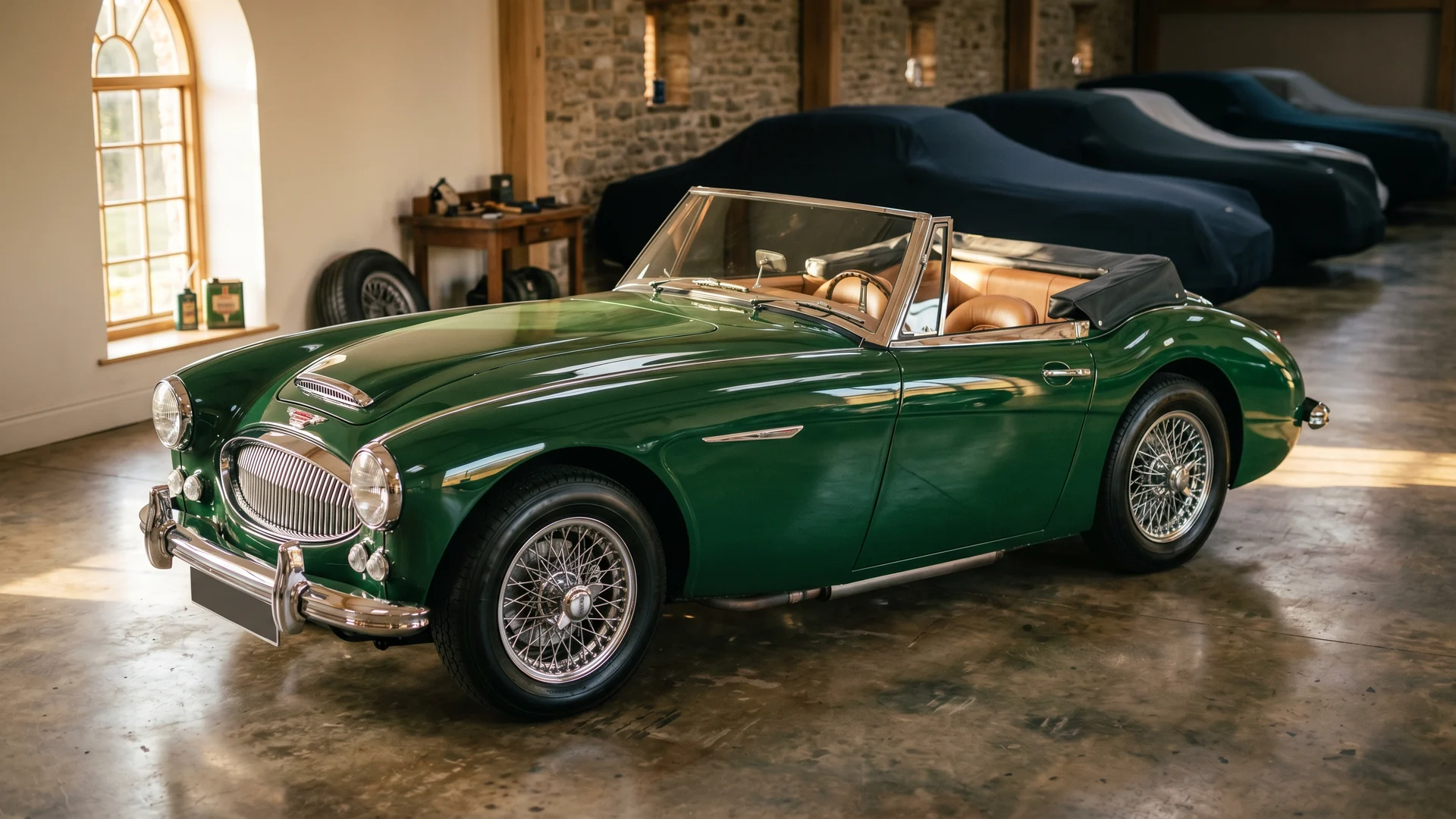
Classic Car Insurance Guide: Protecting Your Vintage Investment
Classic car insurance guide: why agreed-value policies beat stated and actual cash value, how Hagerty, Grundy and Chubb compare, plus costs and covera…
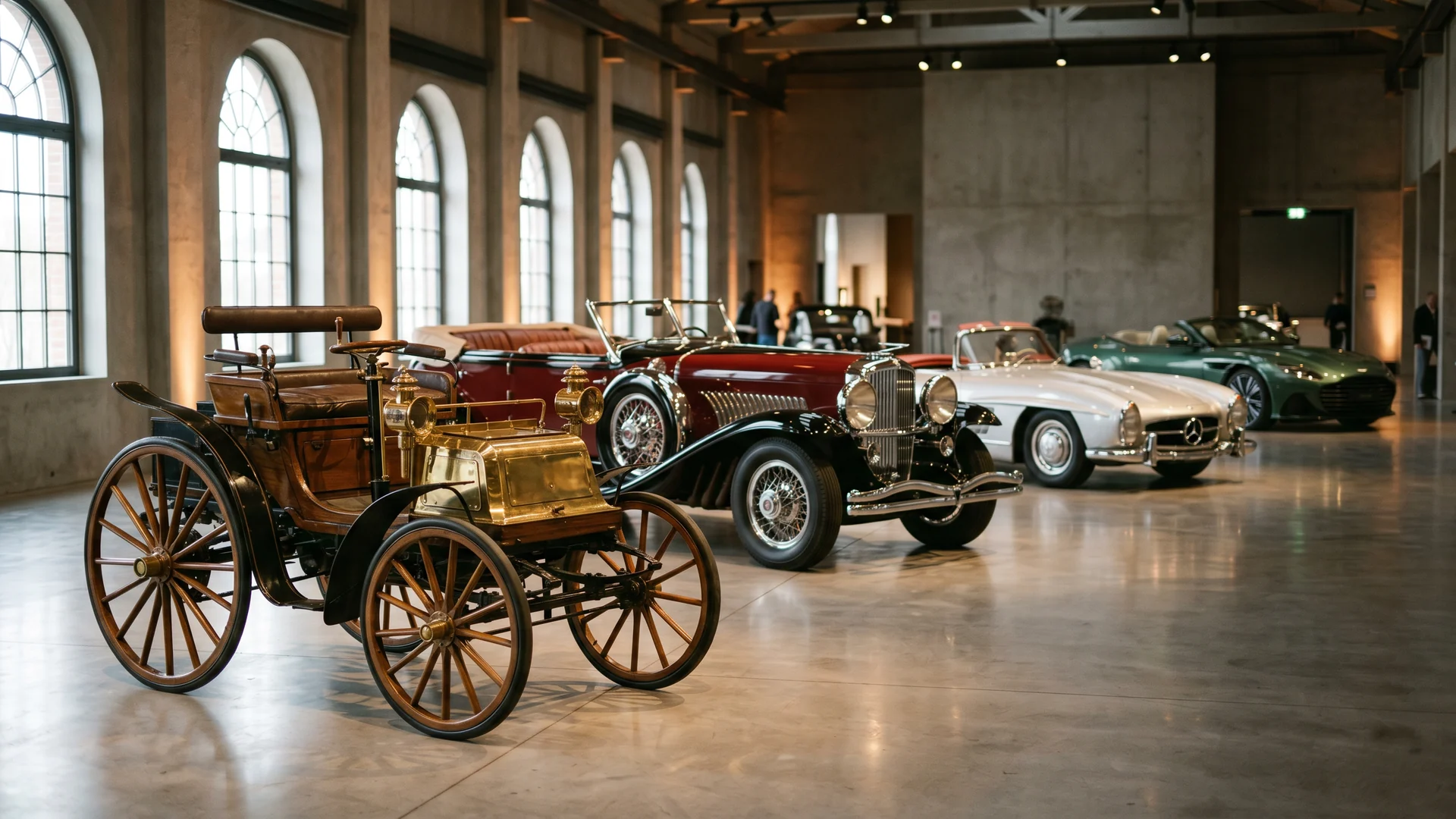
Classic Car History Timeline: From Benz to the Modern Collector Era
Classic car history timeline from the 1886 Benz Patent-Motorwagen through coachbuilding, muscle cars and supercars to modern collectibles. Discover th…