Why Classic Ferrari Chassis Numbers Are Treated Like Currency
Classic Ferrari chassis numbers serve as unique identification codes that document each vehicle’s production history and specifications. These alphanumeric sequences provide …
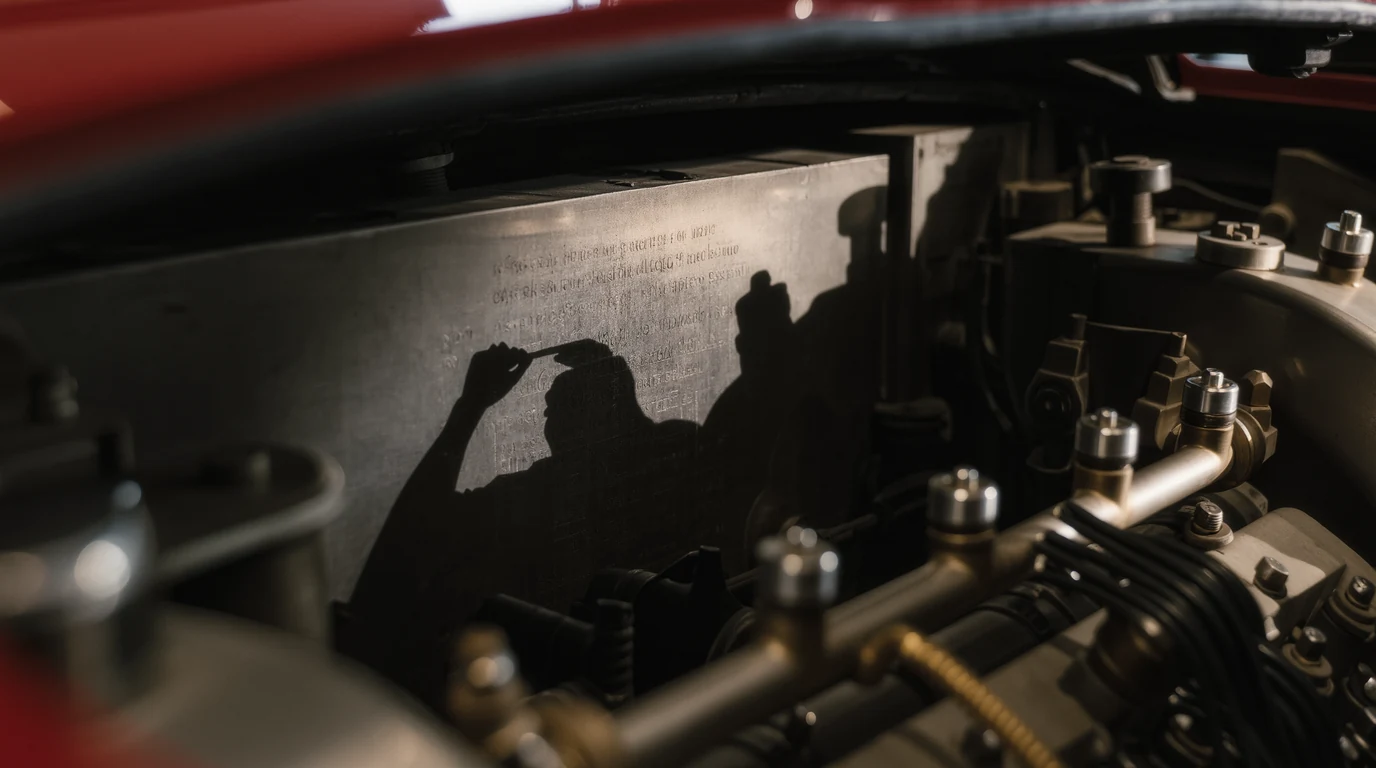
Classic Ferrari chassis numbers serve as unique identification codes that document each vehicle’s production history and specifications. These alphanumeric sequences provide essential information about the car’s model, year of manufacture, and position in the production sequence. Ferrari’s limited production runs, particularly for models manufactured between the 1940s and 1980s, result in relatively few examples of each chassis number series compared to mass-market manufacturers.
The significance of these chassis numbers stems from Ferrari’s production methodology and historical context. The company has manufactured exclusive sports cars and racing vehicles in small quantities, with many models having production runs of fewer than 1,000 units.
This restricted production creates a finite supply of authentic chassis numbers for each model series. Market dynamics for classic Ferraris are influenced by the decreasing number of surviving vehicles due to accidents, deterioration, and other factors that remove cars from circulation. Authentication through chassis number verification has become crucial in the collector car market, as these numbers confirm a vehicle’s originality and provenance.
The Ferrari factory maintains detailed records of chassis numbers, production dates, and original specifications, making proper documentation essential for establishing a vehicle’s value and authenticity in the marketplace.
Key Takeaways
- Classic Ferrari chassis numbers are rare and hold significant historical value.
- These numbers greatly influence the car’s market value and collector interest.
- Chassis numbers are crucial for authenticating genuine classic Ferraris.
- They connect the cars to their racing heritage and restoration authenticity.
- Legal and market controversies highlight the importance of accurate chassis number documentation.
The Historical Significance of Classic Ferrari Chassis Numbers
Classic Ferrari chassis numbers hold immense historical significance, serving as a bridge between the past and present. Each number is linked to specific events, races, and milestones in Ferrari’s illustrious history. For instance, chassis numbers associated with legendary races like Le Mans or Formula 1 events carry an added layer of prestige.
These numbers encapsulate the spirit of competition and innovation that Ferrari is known for, making them highly sought after by collectors and historians alike. Moreover, the historical context surrounding each chassis number can enhance its value. A car that participated in a famous race or was owned by a notable figure can command a premium price.
Enthusiasts often delve into the history of specific chassis numbers, uncovering fascinating stories that add depth to their ownership experience. This connection to history not only enriches the narrative of the vehicle but also solidifies its place in the pantheon of automotive legends.
The Impact of Classic Ferrari Chassis Numbers on Value
The value of classic Ferraris is intricately tied to their chassis numbers. A rare or historically significant chassis number can significantly increase a car’s market value. Collectors are willing to pay top dollar for vehicles with unique identifiers that set them apart from the rest.
For example, a Ferrari with a chassis number linked to a famous race or owned by a celebrity can fetch millions at auction, while more common models may struggle to reach similar heights. Additionally, the condition and provenance of the vehicle play crucial roles in determining its value. A well-documented history that includes maintenance records, previous ownership, and restoration details can enhance the desirability of a classic Ferrari.
Buyers are often willing to invest more in vehicles with clear and verifiable histories tied to their chassis numbers, as this transparency fosters trust and confidence in the purchase.
The Role of Classic Ferrari Chassis Numbers in Authentication
Authentication is paramount in the world of classic cars, and classic Ferrari chassis numbers serve as essential tools in this process. Each chassis number is unique and can be cross-referenced with official records maintained by Ferrari and various automotive organizations. This verification process helps ensure that buyers are investing in genuine vehicles rather than replicas or forgeries.
Moreover, reputable appraisers and auction houses rely heavily on chassis numbers when assessing a car’s authenticity. They examine documentation, service records, and historical data associated with each number to confirm its legitimacy. This rigorous authentication process not only protects buyers but also upholds the integrity of the classic car market as a whole.
The Influence of Classic Ferrari Chassis Numbers on Collectors
For collectors, classic Ferrari chassis numbers are more than just identifiers; they represent passion, prestige, and investment potential. Many collectors focus on acquiring vehicles with specific chassis numbers that hold personal significance or align with their collecting goals. Some may seek out models associated with particular racing achievements, while others may prioritize rarity or historical importance.
The influence of chassis numbers extends beyond individual collectors to entire communities and networks. Enthusiast clubs and online forums often discuss specific chassis numbers, sharing insights and experiences related to particular models. This sense of community fosters camaraderie among collectors and enhances the overall appreciation for classic Ferraris as both art and engineering marvels.
The Connection Between Classic Ferrari Chassis Numbers and Racing History
Classic Ferrari chassis numbers are deeply intertwined with the brand’s racing heritage. Many iconic models were born from Ferrari’s relentless pursuit of victory on the racetrack. Chassis numbers associated with successful racing cars often carry significant weight in both historical context and market value.
For instance, cars that participated in legendary races like the Mille Miglia or Formula 1 championships are highly coveted by collectors. The connection between chassis numbers and racing history also influences restoration practices. Owners often strive to maintain or restore their vehicles to their original racing specifications, preserving the authenticity tied to their chassis numbers.
This dedication to authenticity not only honors the car’s racing legacy but also enhances its value in the eyes of collectors who appreciate the historical significance behind each chassis number.
The Importance of Classic Ferrari Chassis Numbers in Restoration
Restoration projects for classic Ferraris hinge on accurate identification through chassis numbers. When embarking on a restoration journey, owners must reference these numbers to ensure that every component aligns with the original specifications set forth by Ferrari. This meticulous attention to detail is crucial for maintaining authenticity and preserving the vehicle’s value.
Furthermore, restoration experts often rely on chassis numbers to source original parts and materials. Knowing the specific model associated with a chassis number allows restorers to track down rare components that may be necessary for an accurate restoration. This process not only enhances the quality of the restoration but also reinforces the connection between the vehicle and its original design intent.
The Legal Implications of Classic Ferrari Chassis Numbers
Classic Ferrari chassis numbers carry legal implications that extend beyond mere identification. In many jurisdictions, these numbers serve as legal identifiers for ownership and registration purposes. Proper documentation associated with a chassis number is essential for establishing clear ownership rights and preventing disputes over stolen or misrepresented vehicles.
Additionally, issues related to title transfers often hinge on accurate chassis number verification. Buyers must ensure that the chassis number matches official records before completing a purchase to avoid potential legal complications down the line. This legal framework underscores the importance of thorough research and due diligence when navigating the classic car market.
The Global Market for Classic Ferrari Chassis Numbers
The global market for classic Ferrari chassis numbers is thriving, driven by passionate collectors and investors seeking unique automotive treasures. Auctions featuring rare Ferraris often attract international attention, with bidders from around the world vying for ownership of iconic models linked to prestigious chassis numbers. This competitive landscape fuels demand and drives prices higher.
Moreover, online platforms have revolutionized how collectors buy and sell classic Ferraris. Virtual marketplaces allow enthusiasts to connect with sellers across borders, expanding access to rare models tied to coveted chassis numbers. As interest in classic cars continues to grow, so too does the global market for these automotive masterpieces.
The Controversies Surrounding Classic Ferrari Chassis Numbers
Despite their allure, classic Ferrari chassis numbers are not without controversy. Issues related to counterfeit vehicles and fraudulent documentation have plagued the market, leading to disputes over authenticity and ownership rights. Some unscrupulous individuals have attempted to alter or forge chassis numbers to misrepresent vehicles, creating challenges for buyers seeking genuine classics.
Additionally, debates surrounding the restoration process often arise when it comes to maintaining originality versus enhancing performance. Some purists argue that any modifications detract from a vehicle’s authenticity tied to its chassis number, while others believe that performance upgrades can coexist with historical integrity. These controversies highlight the complexities inherent in navigating the world of classic Ferraris.
The Future of Classic Ferrari Chassis Numbers
As we look ahead, the future of classic Ferrari chassis numbers remains bright yet complex.
Such innovations could enhance transparency within the market and provide buyers with greater confidence in their purchases.
Moreover, as younger generations become interested in classic cars, there may be shifts in collecting trends and preferences regarding chassis numbers. While traditional values will likely endure, new perspectives may emerge that reshape how enthusiasts view rarity, history, and authenticity in relation to classic Ferraris. In conclusion, classic Ferrari chassis numbers are more than just numerical identifiers; they embody history, value, authenticity, and passion within the automotive world.
Whether you are a collector seeking your next prized possession or an enthusiast eager to learn more about these iconic vehicles, understanding the significance of these chassis numbers is essential for appreciating their role in shaping automotive culture.
FAQs
What are Ferrari chassis numbers?
Ferrari chassis numbers are unique identification codes assigned to each Ferrari vehicle during production. They serve as a serial number that tracks the car’s manufacturing details, history, and authenticity.
Why are classic Ferrari chassis numbers important?
Classic Ferrari chassis numbers are important because they verify the originality and provenance of a vehicle. They help collectors and enthusiasts confirm that a car is genuine, has matching components, and has not been altered or tampered with.
How do Ferrari chassis numbers affect a car’s value?
Ferrari chassis numbers can significantly impact a car’s value. Vehicles with verified, original chassis numbers are often worth more because they assure buyers of the car’s authenticity and historical significance, making them highly desirable in the collector market.
Are Ferrari chassis numbers unique to each car?
Yes, each Ferrari chassis number is unique to a specific vehicle. This uniqueness helps distinguish one car from another and is essential for record-keeping, registration, and historical documentation.
Can Ferrari chassis numbers be forged or altered?
While it is possible for chassis numbers to be forged or altered, doing so is illegal and unethical. Ferrari and experts use various methods to verify the authenticity of chassis numbers to prevent fraud in the classic car market.
How can one verify a Ferrari chassis number?
Verification of a Ferrari chassis number can be done through official Ferrari documentation, historical records, expert appraisals, and specialized databases. Ferrari also offers certification services to confirm a car’s authenticity.
Why are classic Ferrari chassis numbers treated like currency?
Classic Ferrari chassis numbers are treated like currency because they represent the car’s authenticity, rarity, and historical value. In the collector market, a verified chassis number can increase a car’s desirability and price, making it a form of currency among enthusiasts and investors.
Do all Ferrari models have chassis numbers?
Yes, all Ferrari models, both classic and modern, have chassis numbers. However, the significance and market impact of these numbers are particularly pronounced in classic and limited-edition models.
What role do chassis numbers play in Ferrari restoration?
In Ferrari restoration, chassis numbers are crucial for ensuring that replacement parts and repairs maintain the car’s originality. Restorers use the chassis number to source correct components and preserve the vehicle’s historical integrity.
Where can I find the chassis number on a Ferrari?
The chassis number on a Ferrari is typically found stamped on the chassis frame, often in the engine bay or near the front suspension. It may also appear on official documents such as the vehicle registration and Ferrari certification papers.
More from Blog

The Future of Classic Car Collecting: Trends Shaping the Next Generation
The future of classic car collecting: why 2035 ICE bans spare existing cars, plus e-fuels, shifting demographics, electromods and fractional ownership…
Classic Car Insurance Guide: Protecting Your Vintage Investment
Classic car insurance guide: why agreed-value policies beat stated and actual cash value, how Hagerty, Grundy and Chubb compare, plus costs and covera…
Classic Car History Timeline: From Benz to the Modern Collector Era
Classic car history timeline from the 1886 Benz Patent-Motorwagen through coachbuilding, muscle cars and supercars to modern collectibles. Discover th…