Why Classic Ferrari Buyers Fear Public Ownership
Classic Ferraris are not just cars; they are symbols of automotive excellence and engineering prowess. Their rarity and exclusivity stem from a combination of limited production ru…
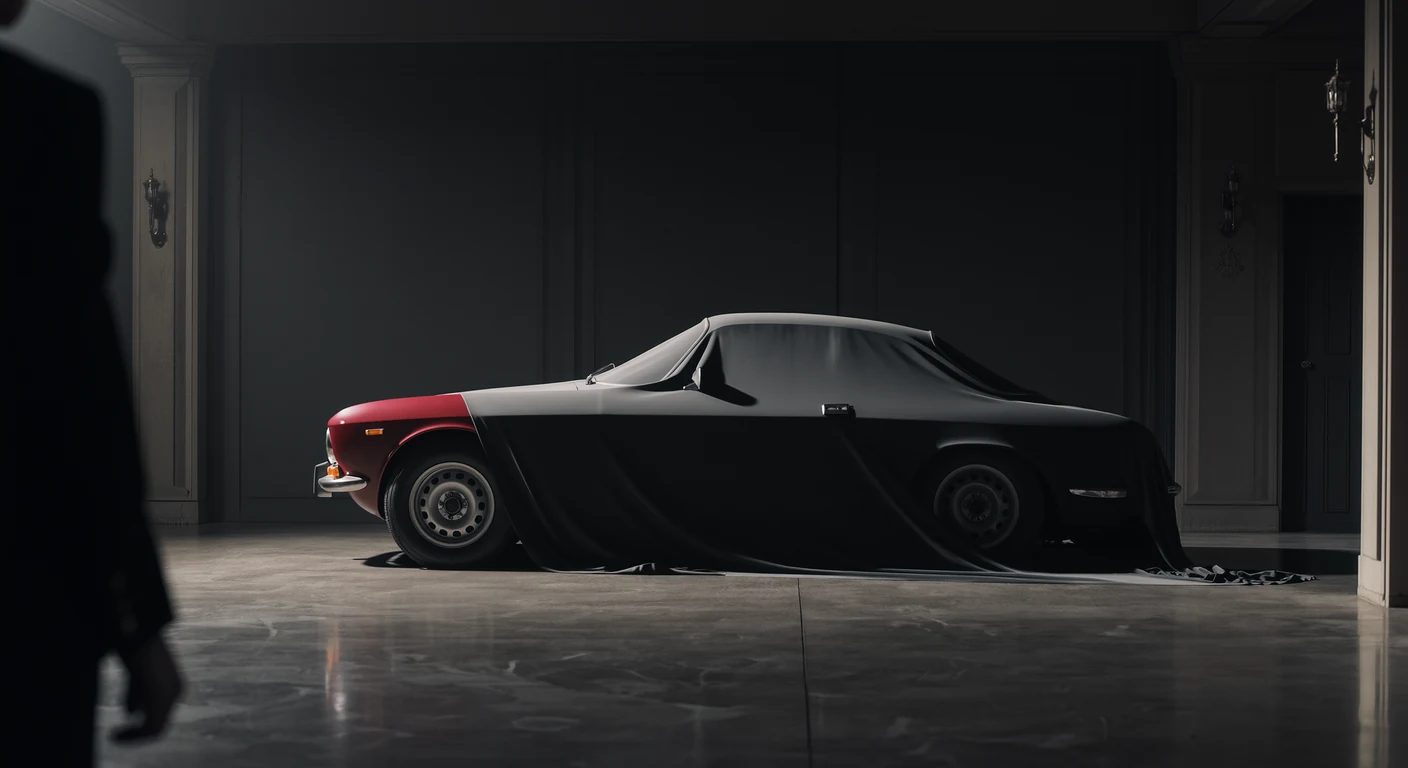
Classic Ferraris are not just cars; they are symbols of automotive excellence and engineering prowess. Their rarity and exclusivity stem from a combination of limited production runs, unique designs, and the brand’s storied history. Each model represents a piece of art, crafted with precision and passion.
Owning a classic Ferrari is akin to possessing a rare painting or a vintage wine; it is an investment in culture and heritage. The allure of these vehicles lies not only in their performance but also in their ability to evoke emotions and memories of a bygone era. The exclusivity of classic Ferraris creates a unique market dynamic.
With only a handful of models available, collectors often find themselves in fierce competition to acquire these prized possessions. This scarcity drives up demand, making classic Ferraris highly sought after by enthusiasts and investors alike. As a result, owning one can elevate an individual’s status within automotive circles, providing access to exclusive events and communities that celebrate the legacy of Ferrari.
However, this exclusivity also comes with its own set of challenges and responsibilities.
Key Takeaways
- Classic Ferraris are rare and exclusive, making them highly valuable but vulnerable to decreased value and damage.
- Owners face challenges in maintaining authenticity and accessing specialized maintenance.
- Increased public attention can lead to loss of privacy, scrutiny, and pressure to display the car.
- The car’s legacy and history may be impacted by misuse or negative public perception.
- Legal and financial complications can arise from ownership, requiring careful management.
Potential for Decreased Value
While classic Ferraris are often viewed as sound investments, there is always the potential for decreased value. Market fluctuations can impact the desirability of specific models, leading to significant financial implications for owners. Factors such as economic downturns, changes in collector preferences, or even the emergence of new automotive technologies can influence the market dynamics.
For instance, a model that was once highly coveted may lose its appeal as newer generations of collectors emerge with different tastes. Moreover, the condition of the vehicle plays a crucial role in maintaining its value. Neglecting maintenance or failing to preserve the car’s original components can lead to depreciation.
Owners must be vigilant about keeping their classic Ferraris in pristine condition to safeguard their investment. This requires not only financial resources but also a commitment to understanding the intricacies of classic car ownership.
Risk of Damage or Misuse
Owning a classic Ferrari comes with inherent risks, particularly concerning damage or misuse. These vehicles are often high-performance machines that require skilled handling and care. Inexperienced drivers may inadvertently cause harm to the car, whether through improper driving techniques or failure to adhere to maintenance schedules.
Additionally, classic Ferraris are often targets for theft or vandalism due to their high value and visibility. The risk of damage extends beyond physical harm; it also encompasses the potential for misuse in public settings. Owners may find themselves in situations where their car is subjected to reckless behavior from onlookers or other drivers.
This can lead to accidents or damage that not only affects the vehicle’s condition but also its value. Therefore, owners must be proactive in protecting their investment by ensuring proper storage, insurance coverage, and security measures.
Loss of Privacy and Control
Owning a classic Ferrari can lead to a significant loss of privacy and control over one’s personal life. These vehicles attract attention wherever they go, making it challenging for owners to enjoy their cars without being scrutinized by onlookers or paparazzi. The allure of the Ferrari brand often draws crowds, leading to unwanted attention that can feel invasive.
This loss of privacy can extend beyond public spaces; it can also affect personal relationships and social interactions. Friends and acquaintances may view the owner through the lens of their vehicle rather than as an individual. This perception can create pressure to maintain a certain image or lifestyle, which may not align with the owner’s true self.
As a result, classic Ferrari owners must navigate the complexities of public perception while striving to maintain their authenticity.
Increased Scrutiny and Attention
With the prestige associated with classic Ferraris comes increased scrutiny and attention from various quarters. Enthusiasts, collectors, and even critics closely monitor the market trends and ownership experiences of these vehicles. This heightened visibility can lead to pressure on owners to conform to certain standards or expectations regarding how they present their cars.
Whether it’s the decision to modify a vehicle or how often it is driven, owners may find themselves facing judgment from both fans and detractors alike. This constant attention can create stress and anxiety, as owners grapple with the desire to enjoy their cars while also managing public perception.
Difficulty in Maintaining Authenticity
Maintaining authenticity is a significant challenge for classic Ferrari owners. As these vehicles age, they may require repairs or restorations that can compromise their original specifications. Owners must navigate the delicate balance between preserving the car’s historical integrity and ensuring its functionality.
This often involves sourcing rare parts or working with specialized mechanics who understand the nuances of classic Ferrari models. Additionally, the temptation to modify or customize a classic Ferrari can lead to authenticity issues. While some modifications may enhance performance or aesthetics, they can detract from the vehicle’s original character and value.
Owners must carefully consider their choices and seek expert advice to ensure that any changes align with preserving the car’s legacy.
Limited Access to Specialized Maintenance and Service
Classic Ferraris require specialized maintenance and service that may not be readily available in all areas. Finding qualified mechanics who possess the knowledge and experience necessary to work on these vehicles can be challenging. Many traditional auto repair shops lack the expertise required for intricate repairs or restorations specific to Ferrari models.
This limited access can lead to longer wait times for service and increased costs for repairs. Owners may need to travel significant distances to find reputable specialists who can provide the level of care their classic Ferrari deserves. This logistical challenge adds another layer of complexity to ownership, as it requires careful planning and consideration when it comes to maintenance schedules.
Impact on the Car’s Legacy and History
The legacy and history of classic Ferraris are integral to their value and appeal. However, ownership decisions can significantly impact this legacy over time. For instance, if an owner chooses to modify a vehicle extensively or fails to maintain its original components, it can alter how future generations perceive that particular model.
Moreover, the way an owner interacts with their classic Ferrari can influence its historical narrative. Participation in car shows, rallies, or exhibitions can enhance the car’s story, while neglect or misuse can tarnish its reputation. Owners must be mindful of their role as custodians of automotive history, ensuring that their actions contribute positively to the legacy of these remarkable machines.
Potential for Negative Public Perception
Classic Ferrari owners may face negative public perception based on stereotypes associated with luxury car ownership. Some individuals may view them as elitist or out of touch with reality due to their choice of vehicle. This perception can create barriers in social interactions and lead to misunderstandings about the owner’s character or values.
Additionally, environmental concerns surrounding high-performance vehicles may further complicate public perception. As society becomes increasingly aware of sustainability issues, owning a classic Ferrari may draw criticism from those who prioritize eco-friendly practices. Owners must navigate these perceptions while remaining true to their passion for automotive excellence.
Pressure to Display or Share the Car
The desire for social validation can create pressure for classic Ferrari owners to display or share their vehicles publicly. Social media platforms have transformed how enthusiasts connect and share their experiences, leading many owners to feel compelled to showcase their cars online or at events. While sharing these moments can foster community engagement, it can also lead to feelings of inadequacy if an owner perceives their vehicle as less impressive than others.
This pressure can detract from the joy of ownership, turning what should be a personal passion into a performance for an audience. Owners may find themselves prioritizing appearances over genuine enjoyment, leading to burnout or disillusionment with their classic Ferrari experience.
Potential for Legal and Financial Complications
Owning a classic Ferrari can introduce various legal and financial complications that require careful consideration. Insurance costs for high-value vehicles can be substantial, necessitating comprehensive coverage that protects against theft, damage, or liability claims. Additionally, navigating registration requirements and compliance with local laws can pose challenges for owners.
Financially, fluctuations in the collector car market can impact resale value and investment potential. Owners must stay informed about market trends and be prepared for potential losses if they decide to sell their vehicle down the line. Understanding these complexities is essential for anyone considering investing in a classic Ferrari.
In conclusion, while owning a classic Ferrari offers unparalleled excitement and prestige, it also comes with unique challenges that require careful navigation. From maintaining authenticity and managing public perception to addressing legal complexities, prospective owners must weigh these factors against their passion for these iconic vehicles. Ultimately, informed decision-making will enhance the ownership experience while preserving the legacy of these remarkable machines for future generations.
FAQs
Why are classic Ferrari buyers concerned about public ownership?
Classic Ferrari buyers often fear public ownership because it can lead to changes in brand management, potential restrictions on vehicle use, and alterations in the exclusivity and value of their cars. Public ownership may prioritize broader corporate goals over the interests of individual collectors.
How does public ownership affect the value of classic Ferraris?
Public ownership can impact the value of classic Ferraris by influencing market perception, availability, and brand strategy. If public ownership leads to increased production or changes in brand exclusivity, it may reduce the rarity and desirability of classic models, potentially affecting their market value.
What are the differences between private and public ownership of Ferrari?
Private ownership typically involves control by a small group or family with a focus on maintaining brand heritage and exclusivity. Public ownership means the company is owned by shareholders and subject to market pressures, which can result in different strategic priorities, such as expanding production or altering brand policies.
Can public ownership change Ferrari’s approach to classic car maintenance and support?
Yes, public ownership can influence Ferrari’s approach to classic car maintenance and support. Decisions about parts availability, restoration services, and certification programs may be affected by corporate strategies aimed at profitability and shareholder interests.
Do classic Ferrari buyers have any influence over decisions made by a publicly owned Ferrari?
Classic Ferrari buyers generally have limited direct influence over decisions made by a publicly owned Ferrari. Shareholders and corporate executives primarily drive company policies, although customer feedback and collector communities can sometimes impact brand decisions indirectly.
What are the potential benefits of Ferrari being publicly owned for classic car buyers?
Potential benefits include increased transparency, access to more resources for vehicle maintenance and restoration, and possibly enhanced global brand recognition. Public ownership can also lead to improved financial stability, which might support long-term preservation of classic models.
How does Ferrari’s public ownership status compare to other luxury car brands?
Ferrari’s public ownership is relatively unique among luxury car brands, many of which remain privately held or part of larger automotive groups. This status can create distinct challenges and opportunities in balancing shareholder interests with maintaining brand exclusivity and heritage.
More from Blog
The Future of Classic Car Collecting: Trends Shaping the Next Generation
The future of classic car collecting: why 2035 ICE bans spare existing cars, plus e-fuels, shifting demographics, electromods and fractional ownership…
Classic Car Insurance Guide: Protecting Your Vintage Investment
Classic car insurance guide: why agreed-value policies beat stated and actual cash value, how Hagerty, Grundy and Chubb compare, plus costs and covera…
Classic Car History Timeline: From Benz to the Modern Collector Era
Classic car history timeline from the 1886 Benz Patent-Motorwagen through coachbuilding, muscle cars and supercars to modern collectibles. Discover th…