Why Classic Cars With Stories Beat Perfect Restorations
Classic automobiles exhibit distinctive characteristics that extend beyond visual appeal. Their wear patterns and aging marks document decades of operation, maintenance, and manufa…
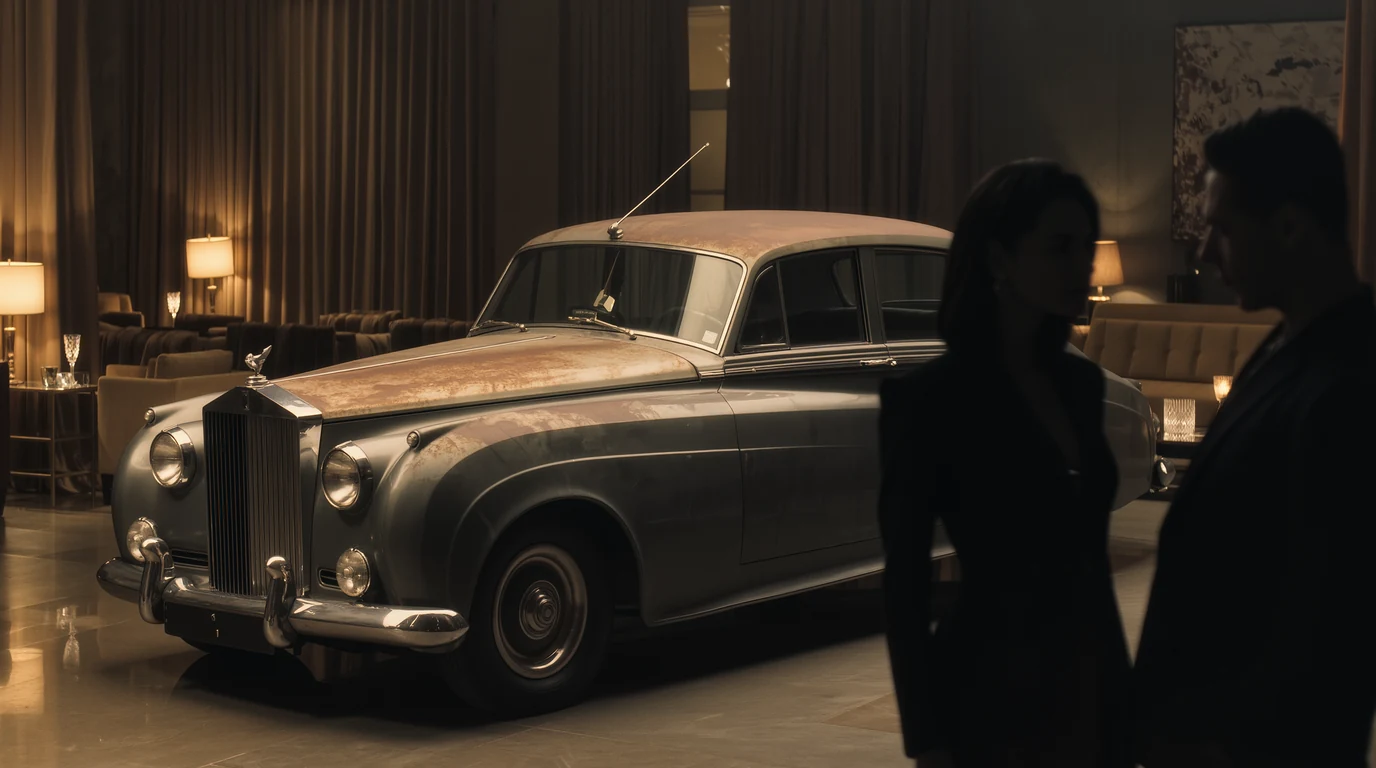
Classic automobiles exhibit distinctive characteristics that extend beyond visual appeal. Their wear patterns and aging marks document decades of operation, maintenance, and manufacturing processes. Contemporary vehicles typically feature standardized production methods and consistent surface treatments, while vintage automobiles display visible evidence of their operational history.
Surface imperfections, mechanical wear, and paint oxidation serve as historical records of the vehicle’s usage patterns, environmental exposure, and maintenance practices throughout its lifespan. These aging characteristics provide insight into automotive manufacturing techniques from previous decades. Visible wear patterns can reveal information about the construction period, material composition, and production methods utilized by manufacturers of that era.
Automotive historians and collectors often analyze these features to understand the evolution of manufacturing processes and design philosophies. In contrast to current mass production systems that prioritize uniformity, vintage automobiles represent individual examples of period-specific engineering and manufacturing approaches, making each vehicle a documented case study of automotive development.
Key Takeaways
- Classic cars captivate through their unique imperfections and authentic original features.
- Their rich history and provenance add significant emotional and monetary value.
- Owners often share nostalgic stories, deepening the personal connection to these vehicles.
- The distinctive patina and wear highlight each car’s individuality and past journey.
- Classic cars serve as conversation starters and time capsules, sparking fascination and memories.
The History and Character of Classic Cars
Classic cars are not merely modes of transportation; they are vessels of history that encapsulate the spirit of their time.
From the roaring twenties to the muscle car era of the sixties, these vehicles embody the dreams and aspirations of generations.
Their design elements often mirror the artistic movements of their respective periods, making them a fascinating study in both automotive engineering and cultural history. Moreover, classic cars often evoke a sense of nostalgia that resonates with enthusiasts and collectors alike. The character of these vehicles is shaped by their historical context, making them more than just objects; they are symbols of an era.
Owning a classic car allows individuals to connect with a past that may seem distant yet remains relevant. This connection fosters a sense of pride and responsibility to preserve these automotive treasures for future generations.
The Emotional Connection to Classic Cars with Stories
The emotional connection to classic cars runs deep for many enthusiasts. Each vehicle carries its own story, stories of road trips taken, family gatherings, and milestones celebrated. These narratives create a bond between the owner and the car, transforming it into a cherished companion rather than just a mode of transport.
For many, classic cars evoke memories of their youth or remind them of loved ones who shared their passion for automobiles. This emotional attachment is often amplified by the stories that accompany each vehicle. Whether it’s a tale of restoration or a family heirloom passed down through generations, these narratives add layers of meaning to the car’s existence.
They become more than just machines; they embody personal histories and collective memories that resonate with owners and admirers alike.
The Unique Patina and Wear of Classic Cars
One of the most captivating aspects of classic cars is their unique patina, the natural aging process that gives each vehicle its distinctive character. Unlike modern cars that often feature uniform finishes, classic cars develop a rich tapestry of colors and textures over time. This wear is not seen as a flaw but rather as a testament to the car’s journey through life.
The patina tells a story of adventures taken, weather endured, and roads traveled. Enthusiasts often seek out classic cars with well-preserved patina, valuing them for their authenticity. A car with a unique patina can spark conversations about its past and the experiences it has witnessed.
This individuality sets classic cars apart from their modern counterparts, making them highly sought after by collectors who appreciate their history and character.
The Authenticity of Original Features
Original features are a hallmark of classic cars that enhance their value and appeal. Many collectors prioritize vehicles that retain their factory specifications, as these elements reflect the craftsmanship and design philosophy of the era in which they were built. Original parts not only contribute to the car’s authenticity but also provide insight into the engineering practices of the time.
The presence of original features can significantly impact a classic car’s market value. Collectors often seek out vehicles with matching numbers, where the engine and chassis numbers align with factory records, ensuring that the car remains true to its roots. This authenticity fosters trust among buyers and sellers alike, creating a community that values preservation and respect for automotive history.
The Nostalgia and Sentimentality of Classic Cars with Stories
Nostalgia plays a powerful role in the allure of classic cars. For many enthusiasts, these vehicles evoke memories of simpler times, road trips with family, Saturday night drives with friends, or even first dates. The sentimental value attached to classic cars often surpasses their monetary worth, as they serve as tangible reminders of cherished moments in life.
Stories associated with classic cars further enhance this nostalgia. Whether it’s a beloved family car or a vehicle that once belonged to a famous figure, these narratives create emotional connections that resonate deeply with owners. The sentimentality tied to classic cars transforms them into more than just possessions; they become integral parts of personal histories that are celebrated and shared.
The Value of Provenance and Documentation
Provenance is crucial in the world of classic cars, as it provides a documented history that adds value and credibility to each vehicle. Detailed records, including ownership history, maintenance logs, and restoration documentation, offer insights into the car’s past and help establish its authenticity. Buyers are often willing to pay a premium for vehicles with well-documented histories, as this transparency fosters trust in the transaction.
Documentation also serves as a valuable resource for enthusiasts looking to restore or maintain their classic cars. Knowing the original specifications and service history allows owners to make informed decisions about repairs and upgrades. This emphasis on provenance not only enhances the value of individual vehicles but also contributes to the overall appreciation for classic cars as an investment.
The Fascination with Uncovering a Classic Car’s Past
The journey of uncovering a classic car’s past can be an exhilarating experience for enthusiasts. Each vehicle holds secrets waiting to be discovered, previous owners, modifications made over time, and even hidden stories etched into its frame. This quest for knowledge adds an element of adventure to ownership, as enthusiasts delve into research and connect with previous caretakers.
Uncovering a car’s history can also lead to unexpected surprises. Owners may find rare features or modifications that enhance the vehicle’s uniqueness or even uncover connections to significant events or individuals in automotive history. This fascination with discovery not only enriches the ownership experience but also deepens the appreciation for the craftsmanship and legacy behind each classic car.
The Individuality and Quirkiness of Classic Cars with Stories
Classic cars are celebrated for their individuality and quirkiness, traits that set them apart from modern vehicles. Each model has its own personality shaped by design choices, engineering quirks, and historical context. This individuality appeals to collectors who seek out unique vehicles that reflect their personal tastes and preferences.
The stories behind these quirky features often add to their charm. Whether it’s an unusual color scheme or an unconventional design element, these characteristics invite curiosity and conversation. Classic cars become expressions of creativity and innovation from eras long past, making them fascinating subjects for enthusiasts who appreciate their distinctiveness.
The Conversation Starters and Ice Breakers
Classic cars serve as excellent conversation starters, effortlessly breaking the ice in social settings. Their striking designs and rich histories draw attention, inviting questions from curious onlookers. Enthusiasts often find themselves engaged in lively discussions about restoration projects, favorite models, or memorable road trips, all sparked by the presence of a classic car.
These conversations foster connections among individuals who share a passion for automobiles.
This sense of community enhances the overall experience of owning a classic car, making it not just about the vehicle itself but also about the relationships formed along the way.
The Time Capsule Effect of Classic Cars with Stories
Classic cars act as time capsules, preserving moments from bygone eras within their frames. Each vehicle encapsulates not only its own history but also reflects broader societal trends, design aesthetics, technological advancements, and cultural shifts that defined its time. For many enthusiasts, owning a classic car is akin to possessing a piece of history that transports them back to an era filled with nostalgia.
The stories associated with these vehicles further enhance their time capsule effect. From road trips taken decades ago to significant events witnessed along the way, each classic car carries memories that resonate across generations. This connection to the past enriches the ownership experience, allowing individuals to appreciate not only their vehicle but also the legacy it represents.
In conclusion, classic cars embody much more than mere transportation; they are vessels filled with stories, emotions, and history waiting to be explored. Their imperfections tell tales of time gone by while their unique features celebrate individuality in an age dominated by uniformity. For enthusiasts and collectors alike, these vehicles offer an unparalleled connection to the past, a connection that continues to inspire passion and admiration across generations.
FAQs
What defines a classic car with a story?
A classic car with a story is a vehicle that has a unique history or background, such as previous ownership by a notable person, participation in significant events, or having original parts and wear that reflect its past use.
How do classic cars with stories differ from perfectly restored cars?
Classic cars with stories often retain original features, patina, and signs of age that tell a tale, whereas perfectly restored cars are refurbished to look like new, often losing some of their historical authenticity in the process.
Why might collectors prefer classic cars with stories over perfect restorations?
Collectors may value the authenticity, uniqueness, and emotional connection of a car with a story, as it offers a tangible link to the past and can be more interesting and valuable than a car that looks flawless but lacks history.
Does a classic car with a story have higher resale value than a perfectly restored one?
Not necessarily; the value depends on the car’s make, model, rarity, and the significance of its story. Some collectors pay a premium for provenance and originality, while others prefer the aesthetics of a perfect restoration.
Are classic cars with stories more challenging to maintain?
They can be, as original parts may be worn or harder to find, and preserving the car’s authenticity might limit the extent of repairs or replacements compared to a fully restored vehicle.
Can a classic car with a story be restored without losing its historical value?
Yes, sensitive restoration that preserves original components and respects the car’s history can enhance its longevity while maintaining its story and value.
What role does provenance play in the appeal of classic cars with stories?
Provenance, or documented history of ownership and use, adds credibility and interest to a classic car, making it more desirable to collectors who value authenticity and narrative.
Is it possible to verify the story behind a classic car?
Verification can be done through documentation such as ownership records, service history, photographs, and expert appraisals, which help confirm the car’s background and authenticity.
How does the patina on a classic car contribute to its story?
Patina refers to the natural wear and aging on a car’s surface, which can indicate its age, usage, and history, often adding character and authenticity that appeals to enthusiasts.
Are classic cars with stories suitable for everyday driving?
While some are driven regularly, many owners prefer to preserve these cars for special occasions or shows to maintain their condition and historical significance.
More from Blog
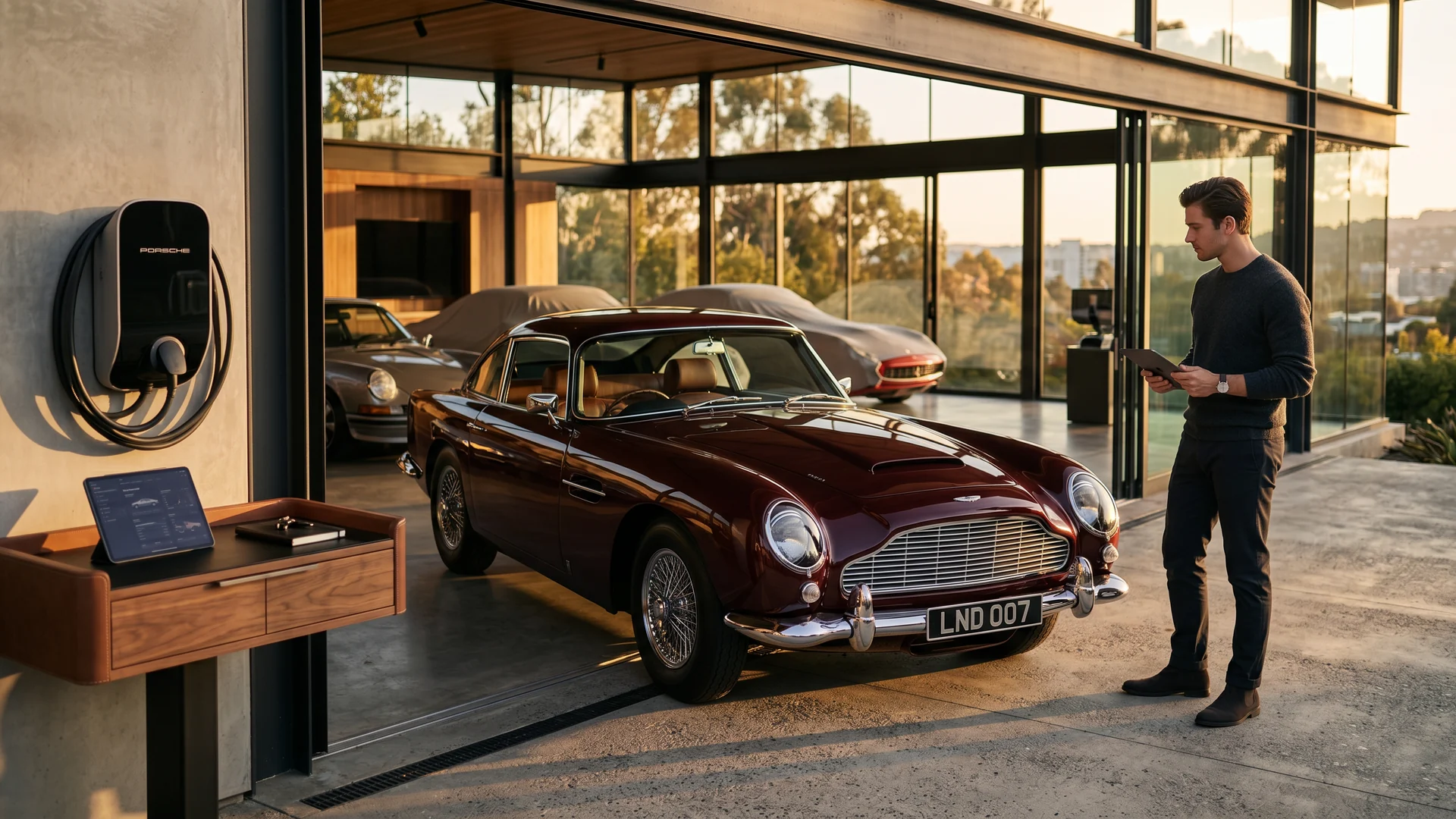
The Future of Classic Car Collecting: Trends Shaping the Next Generation
The future of classic car collecting: why 2035 ICE bans spare existing cars, plus e-fuels, shifting demographics, electromods and fractional ownership…
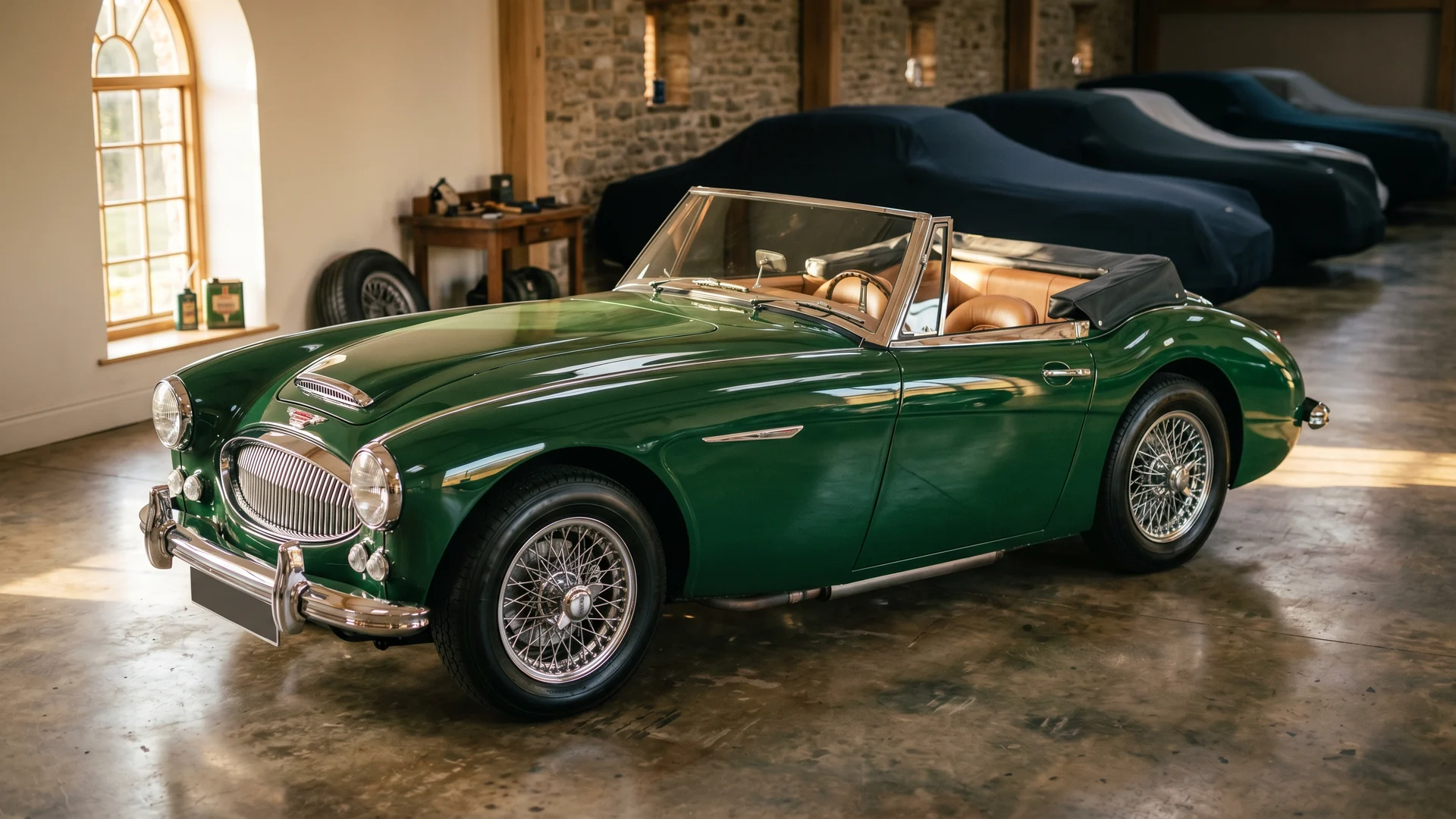
Classic Car Insurance Guide: Protecting Your Vintage Investment
Classic car insurance guide: why agreed-value policies beat stated and actual cash value, how Hagerty, Grundy and Chubb compare, plus costs and covera…
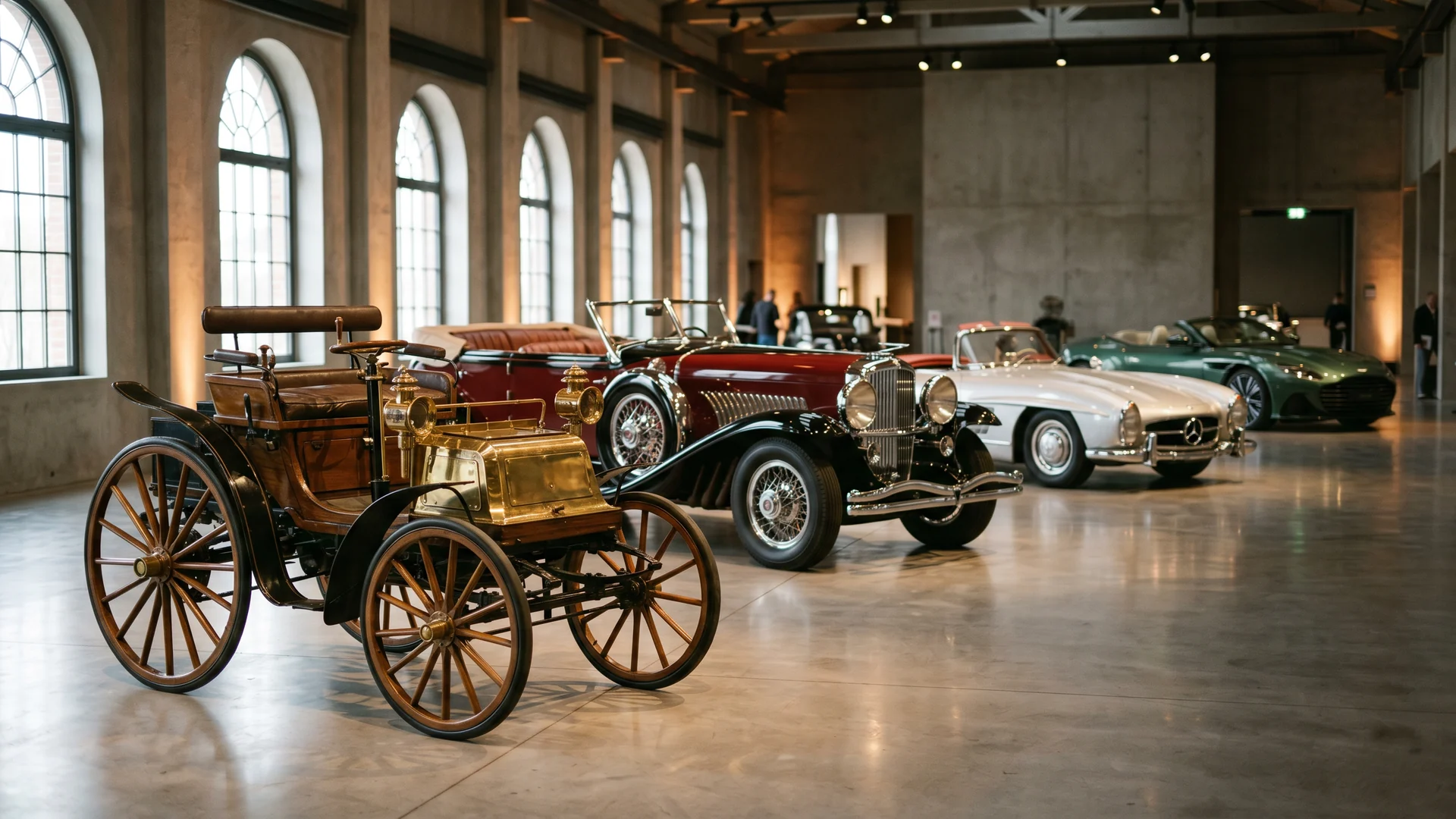
Classic Car History Timeline: From Benz to the Modern Collector Era
Classic car history timeline from the 1886 Benz Patent-Motorwagen through coachbuilding, muscle cars and supercars to modern collectibles. Discover th…