Why Classic Cars Are No Longer Built for Ordinary Collectors
The classic car collecting market is experiencing substantial changes driven by evolving economic, technological, and demographic factors. What was traditionally a hobby centered o…
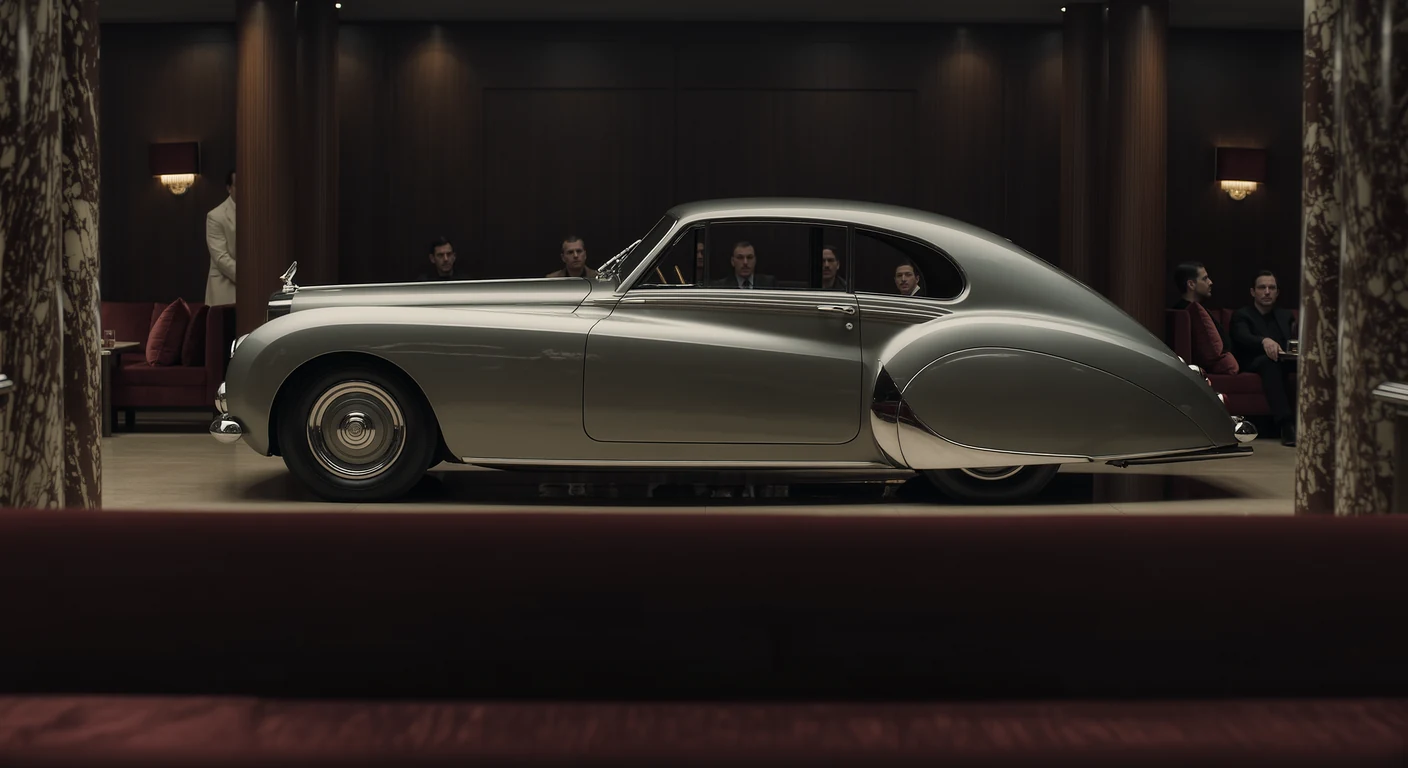
The classic car collecting market is experiencing substantial changes driven by evolving economic, technological, and demographic factors. What was traditionally a hobby centered on automotive nostalgia has developed into a complex marketplace where investment considerations, digital innovations, and generational preferences significantly influence collector behavior and market dynamics. The participant base in classic car collecting has expanded considerably in recent years.
The market now includes traditional enthusiasts alongside institutional investors, hedge funds, and individuals seeking portfolio diversification through alternative assets. This broadened participation has fundamentally altered market dynamics, with increased emphasis on vehicles’ financial performance alongside their historical and aesthetic value. Market data indicates that classic cars have demonstrated competitive returns compared to traditional investment vehicles over certain periods, though performance varies significantly by marque, model, and condition.
Professional valuation services, auction houses, and digital platforms have developed sophisticated tracking systems to monitor price trends and market movements across different vehicle categories. Several key factors are reshaping the collecting landscape: the aging of traditional collector demographics, the emergence of younger collectors with different preferences, the integration of digital technologies in buying and selling processes, and evolving attitudes toward vehicle electrification and environmental impact. Additionally, the increasing rarity of well-preserved examples and the growing importance of provenance and documentation have become critical factors in determining vehicle values and marketability.
Key Takeaways
- Classic car collecting is evolving with increased investment and speculation driving market dynamics.
- Advances in technology are transforming manufacturing processes and vehicle features in classic cars.
- Environmental regulations are impacting production methods and the availability of classic models.
- Consumer preferences are shifting towards limited editions, customization, and luxury exclusivity.
- Globalization and changing demands are shaping the future landscape of classic car collecting.
The Rise of Classic Car Investment and Speculation
The rise of classic car investment has transformed the perception of these vehicles from mere collectibles to lucrative assets. Investors are increasingly drawn to classic cars due to their potential for appreciation in value over time. Unlike traditional investments, classic cars offer a tangible asset that can be enjoyed while also serving as a financial investment.
This duality has attracted a new wave of collectors who view classic cars as a way to diversify their portfolios. Speculation in the classic car market has also surged, with certain models experiencing dramatic price increases. High-profile auctions and sales have showcased the potential for significant returns, leading many to consider classic cars as a serious investment strategy.
However, this speculative nature can also introduce volatility, making it crucial for investors to conduct thorough research and understand market trends before diving in.
The Impact of Technology on Classic Car Manufacturing
Technology is reshaping classic car manufacturing in ways that were once unimaginable. Modern advancements in engineering and design have allowed manufacturers to create vehicles that pay homage to classic styles while incorporating contemporary features. This blend of old and new appeals to a broader audience, attracting both traditionalists and those seeking modern conveniences.
Moreover, technology has streamlined the production process, enabling manufacturers to produce limited runs of classic-inspired models more efficiently. This shift not only enhances quality but also allows for greater customization options, catering to individual preferences. As technology continues to evolve, it will undoubtedly play a crucial role in shaping the future of classic car manufacturing.
The Decline of DIY Maintenance and Repairs
In the past, DIY maintenance and repairs were integral to the classic car experience. Enthusiasts took pride in working on their vehicles, often spending weekends in their garages restoring and enhancing their prized possessions. However, this trend is declining as modern vehicles become more complex and specialized.
The rise of advanced technology in classic cars has made DIY repairs more challenging for the average enthusiast. Many modern classics require specialized tools and knowledge that may not be readily available to hobbyists. As a result, more collectors are turning to professional services for maintenance and repairs, which can increase costs but also ensure that vehicles are kept in optimal condition.
Environmental Regulations and Classic Car Production
Environmental regulations are increasingly influencing classic car production and ownership. Stricter emissions standards and sustainability initiatives are prompting manufacturers to rethink their approaches to design and production. While this shift may pose challenges for traditional classic car enthusiasts, it also opens up opportunities for innovation.
This evolution not only addresses regulatory concerns but also appeals to environmentally conscious consumers who wish to enjoy classic cars without compromising their values.
Accessibility and Affordability of Classic Cars
The accessibility and affordability of classic cars have become significant considerations for both new collectors and seasoned enthusiasts. While some models command astronomical prices at auctions, there remains a vast array of options for those looking to enter the market without breaking the bank. Emerging platforms for buying and selling classic cars have made it easier than ever for collectors to find vehicles that fit their budgets.
This increased accessibility is fostering a new generation of collectors who may have previously felt excluded from the hobby due to high costs.
Limited Edition and Customized Production
Limited edition and customized production have become defining features of the modern classic car market. Manufacturers are increasingly offering bespoke options that allow buyers to personalize their vehicles according to their tastes and preferences. This trend not only enhances the ownership experience but also adds value to the vehicle itself.
Limited edition models often generate excitement among collectors, creating a sense of exclusivity that drives demand. These unique offerings can appreciate significantly over time, making them attractive investments for those looking to capitalize on rarity. As customization becomes more prevalent, collectors are finding new ways to express their individuality through their classic cars.
The Influence of Luxury and Exclusivity in Classic Car Design
Luxury and exclusivity play pivotal roles in shaping the design of modern classic cars. High-end manufacturers are increasingly focusing on creating vehicles that embody sophistication while paying homage to their heritage. This emphasis on luxury appeals not only to traditional collectors but also to affluent buyers seeking unique status symbols.
The allure of exclusivity drives demand for limited production runs and bespoke features, making these vehicles highly sought after in the market. Collectors are willing to invest significantly in models that offer both luxury and rarity, further fueling the growth of this segment within the classic car industry.
Changing Consumer Preferences and Demands
Consumer preferences are evolving rapidly, influencing how manufacturers approach classic car design and production. Today’s buyers are looking for more than just aesthetics; they seek vehicles that align with their values and lifestyles. This shift has prompted manufacturers to incorporate modern technology, safety features, and sustainability into their designs.
As younger generations enter the market, there is a growing demand for vehicles that reflect contemporary sensibilities while still honoring classic design elements. Manufacturers must adapt to these changing preferences by offering models that resonate with a diverse audience while maintaining the essence of what makes classic cars special.
The Role of Globalization in Classic Car Manufacturing
Globalization has significantly impacted classic car manufacturing by expanding markets and fostering international collaboration among manufacturers. As companies seek to reach a broader audience, they are increasingly looking beyond their borders for inspiration and innovation. This interconnectedness allows for the exchange of ideas and techniques across cultures, resulting in unique designs that blend various influences.
Additionally, globalization has made it easier for collectors to access vehicles from different regions, enriching the overall experience of classic car ownership.
The Future of Classic Car Collecting
The future of classic car collecting is poised for exciting developments as trends continue to evolve. With advancements in technology, changing consumer preferences, and a growing emphasis on sustainability, collectors can expect a dynamic landscape ahead. The integration of electric powertrains into classic designs may redefine what it means to own a vintage vehicle while preserving its heritage.
Moreover, as new generations embrace classic cars as both investments and lifestyle choices, the market will likely see an influx of fresh ideas and innovations. Collectors who remain adaptable and open-minded will thrive in this ever-changing environment, ensuring that the passion for classic cars endures for years to come. In conclusion, the changing landscape of classic car collecting presents both challenges and opportunities for enthusiasts and investors alike.
By understanding these trends and adapting accordingly, individuals can navigate this vibrant market with confidence while enjoying the timeless allure of classic automobiles.
FAQs
Why are classic cars no longer built for ordinary collectors?
Classic cars are no longer built for ordinary collectors primarily due to increased manufacturing costs, stricter safety and emissions regulations, and the shift in automotive technology towards modern materials and electronics. These factors have made it difficult to produce vehicles with the same simplicity and affordability that characterized classic cars.
What factors have contributed to the decline of classic car production?
Several factors have contributed, including advancements in automotive technology, higher production costs, regulatory changes, and a shift in consumer preferences towards more efficient, reliable, and technologically advanced vehicles. Additionally, the rarity and exclusivity of classic cars have increased, making them less accessible to ordinary collectors.
How have safety and emissions regulations impacted classic car manufacturing?
Safety and emissions regulations have become more stringent over the years, requiring manufacturers to incorporate advanced safety features and cleaner engine technologies. These requirements have increased production complexity and costs, making it challenging to produce classic-style cars that meet modern standards.
Are modern cars designed with collectors in mind?
Modern cars are generally designed with mass-market appeal, focusing on performance, safety, fuel efficiency, and technology rather than the nostalgic or collectible aspects of classic cars. While some manufacturers produce limited-edition or retro-inspired models, these are often priced beyond the reach of ordinary collectors.
Can ordinary collectors still acquire classic cars?
Yes, ordinary collectors can still acquire classic cars, but these vehicles are typically older models that have been preserved or restored. However, the cost of maintenance, restoration, and storage can be significant, and the availability of well-maintained classic cars varies depending on the model and market demand.
What alternatives exist for collectors interested in classic car aesthetics?
Collectors interested in classic car aesthetics can consider replica or kit cars, which are designed to resemble classic models but use modern components. Additionally, some manufacturers offer modern vehicles with retro styling cues, providing a blend of classic looks and contemporary technology.
How has the collector car market changed over time?
The collector car market has evolved with increased interest in rare and historically significant vehicles. Prices for classic cars have generally risen, making them investment assets rather than everyday collectibles. The market now often favors well-documented, original, or expertly restored vehicles, which can be costly and less accessible to casual collectors.
More from Blog
The Future of Classic Car Collecting: Trends Shaping the Next Generation
The future of classic car collecting: why 2035 ICE bans spare existing cars, plus e-fuels, shifting demographics, electromods and fractional ownership…
Classic Car Insurance Guide: Protecting Your Vintage Investment
Classic car insurance guide: why agreed-value policies beat stated and actual cash value, how Hagerty, Grundy and Chubb compare, plus costs and covera…
Classic Car History Timeline: From Benz to the Modern Collector Era
Classic car history timeline from the 1886 Benz Patent-Motorwagen through coachbuilding, muscle cars and supercars to modern collectibles. Discover th…